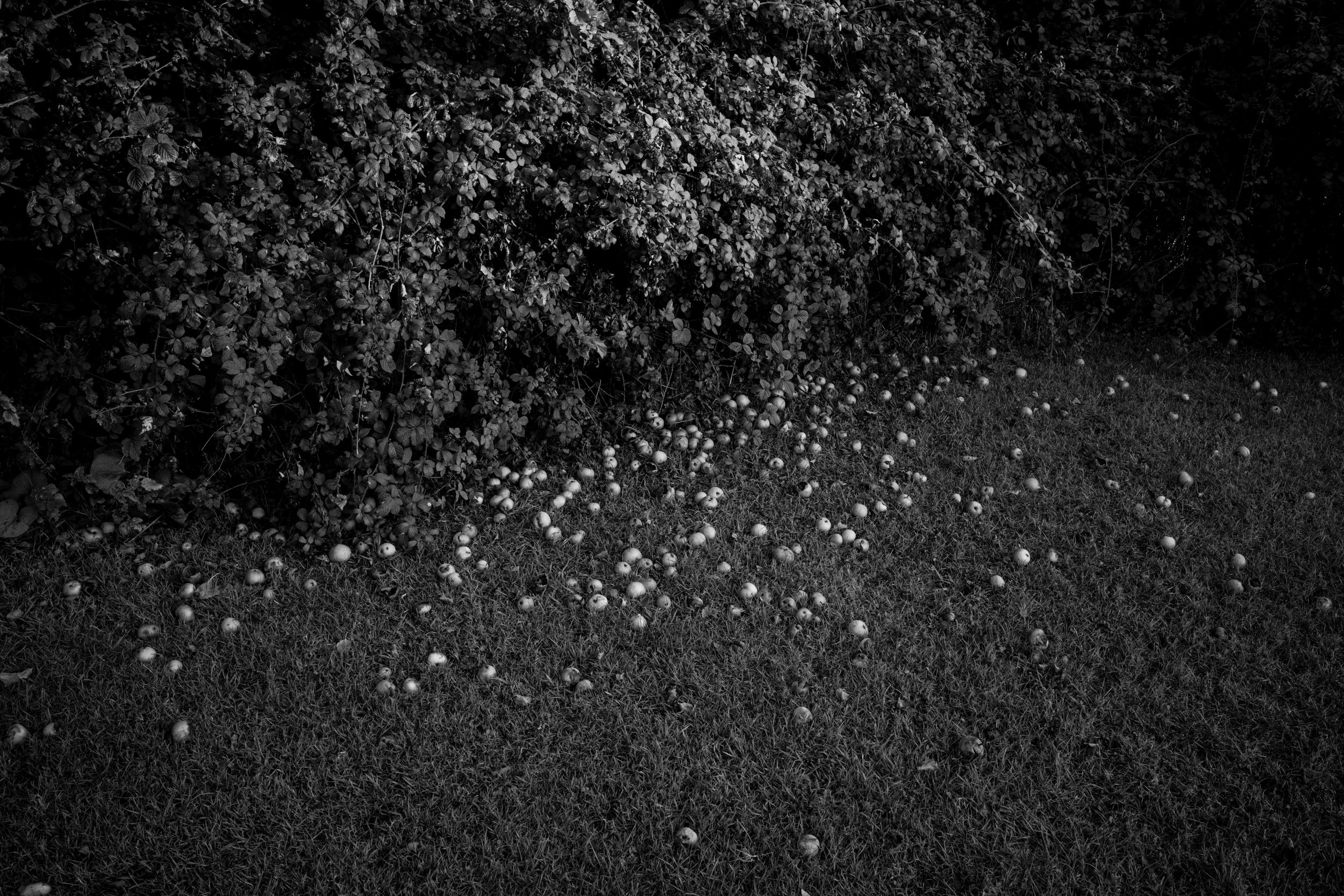
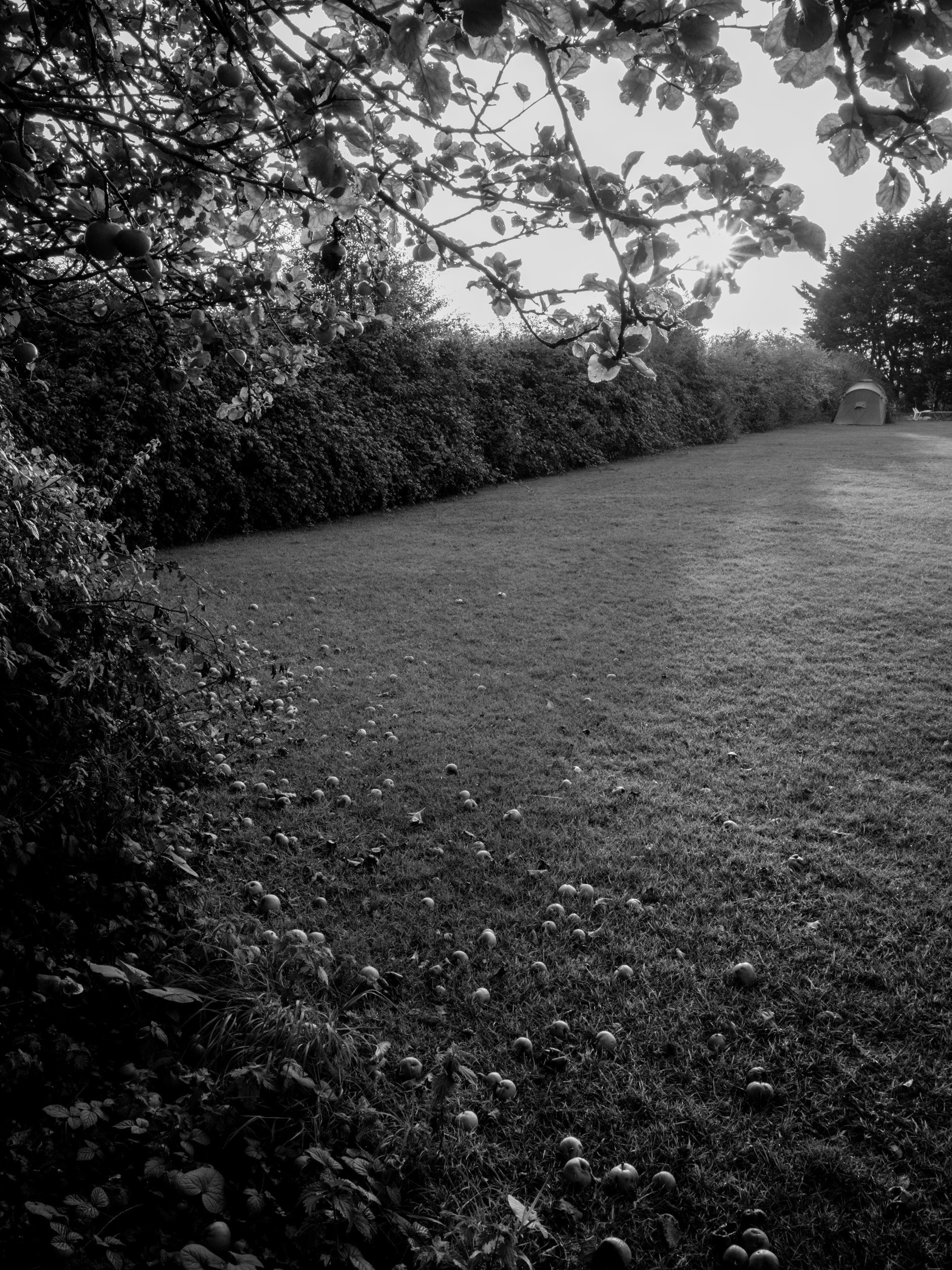
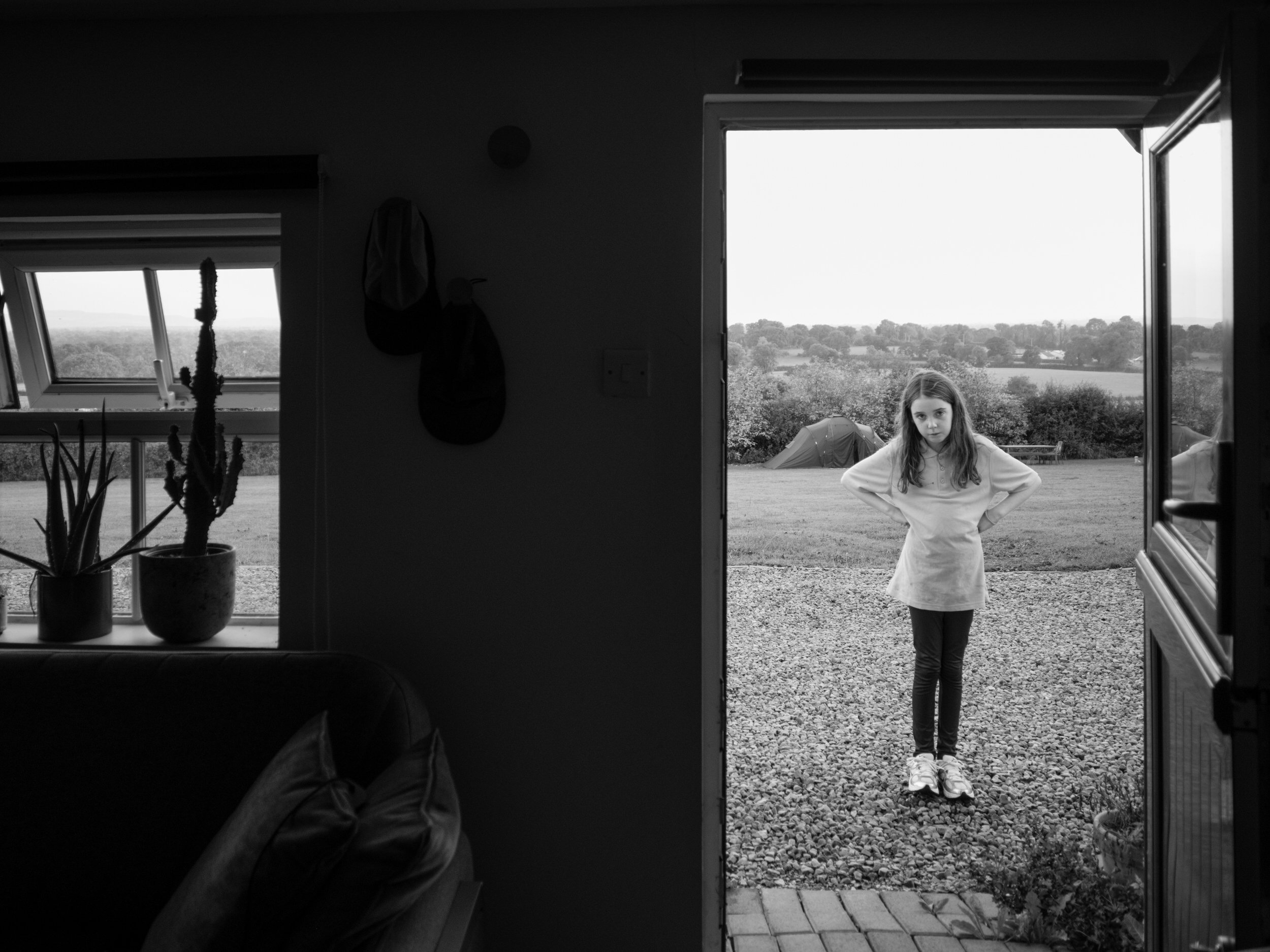
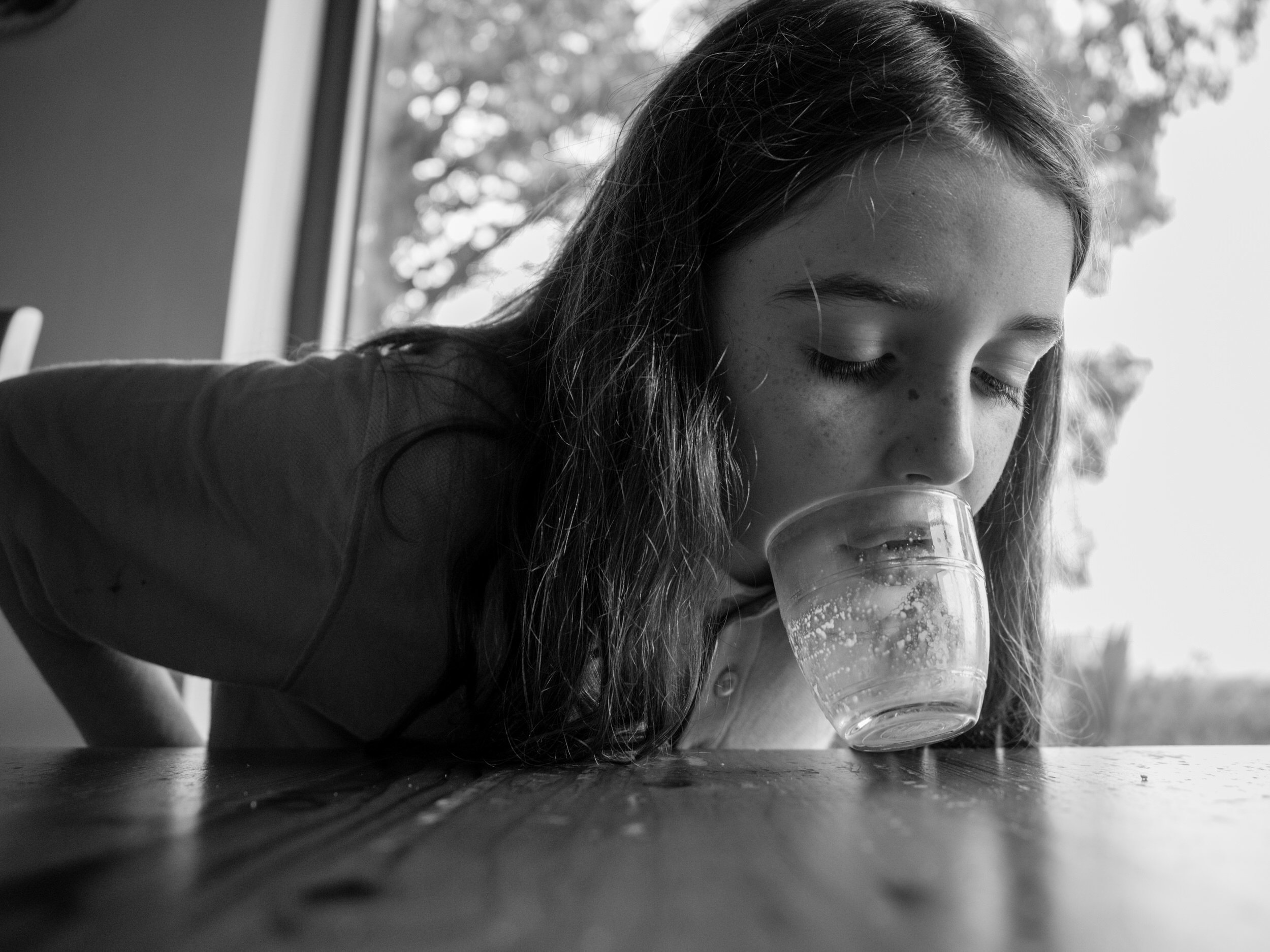
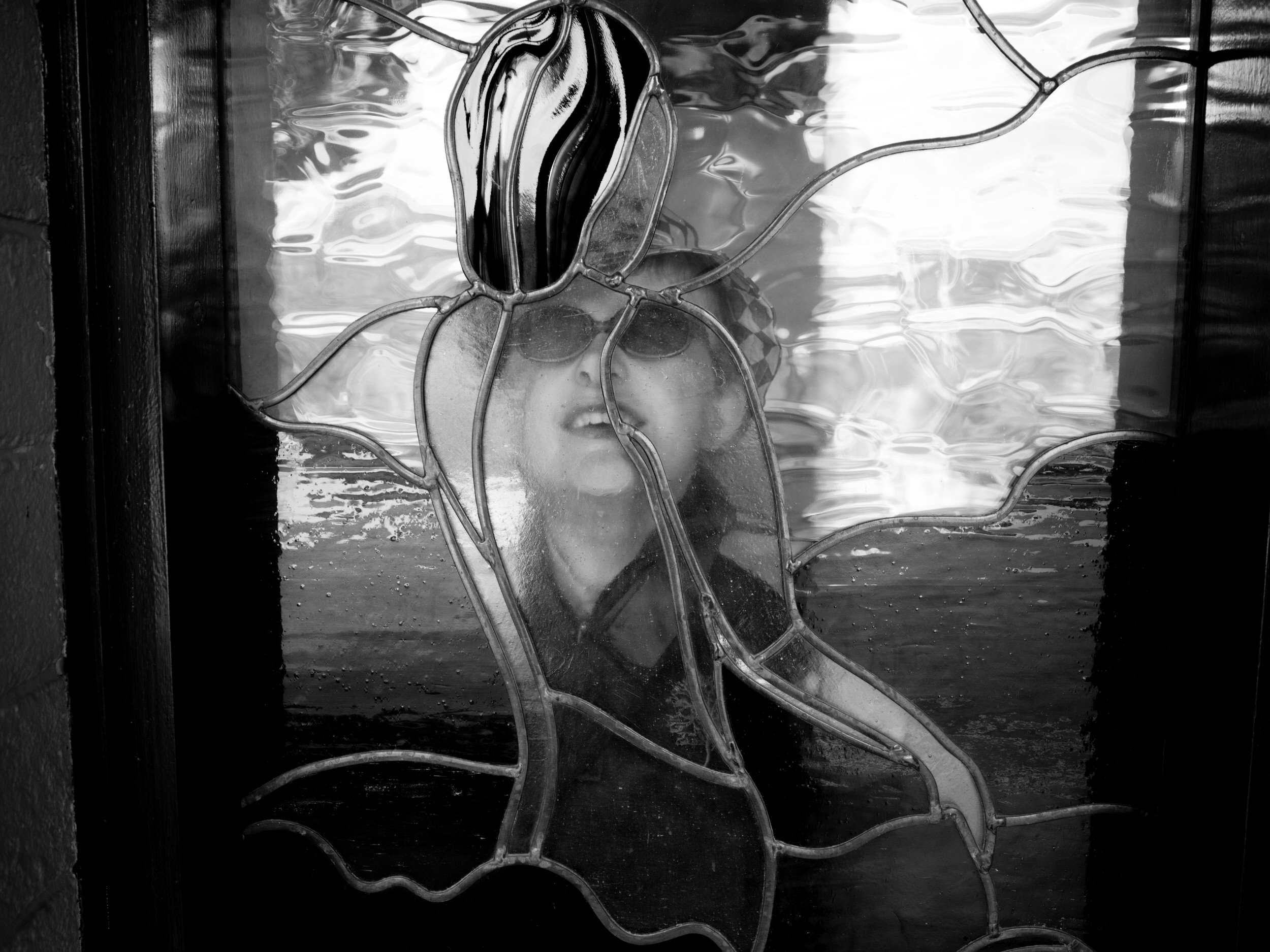
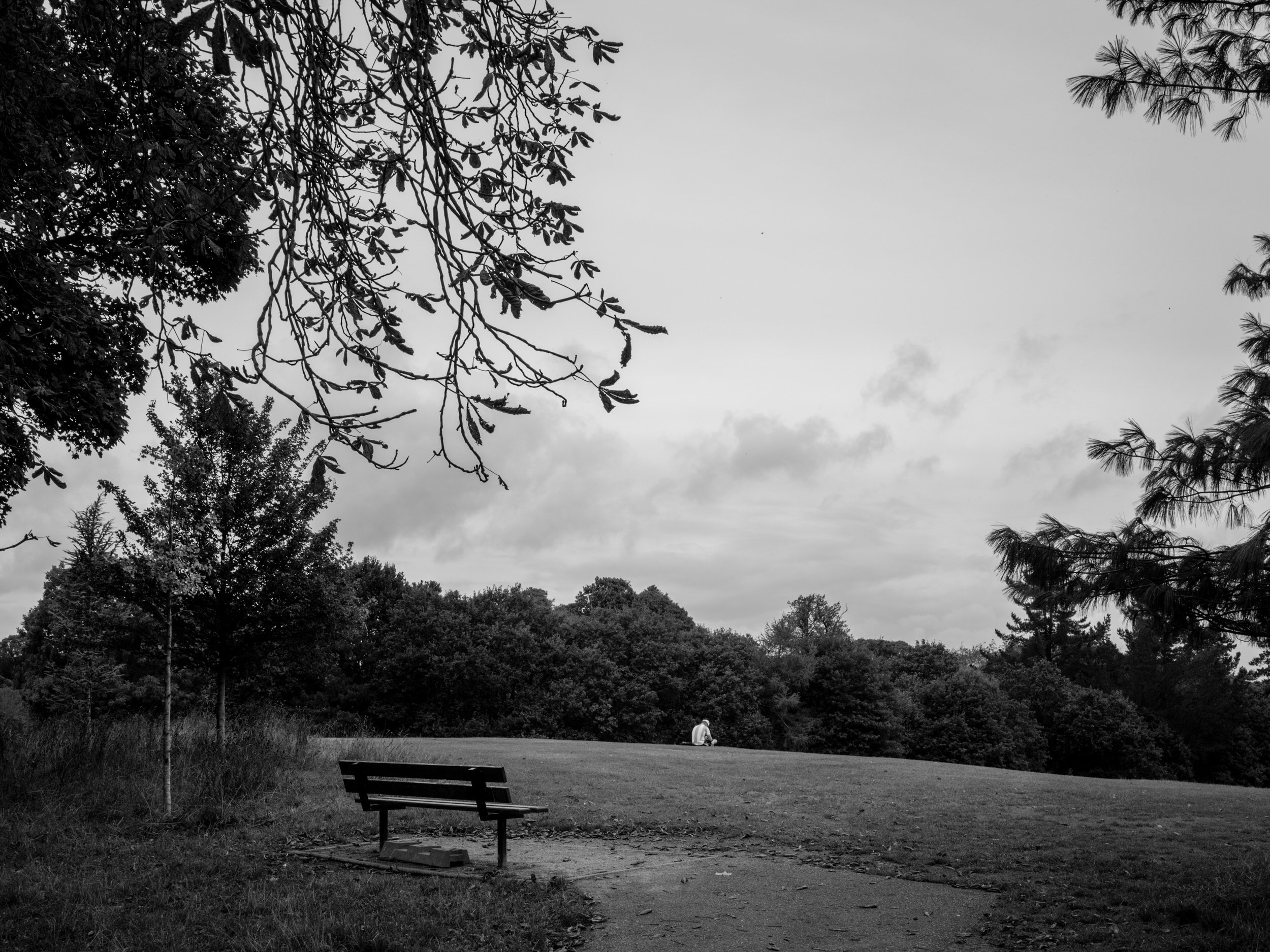
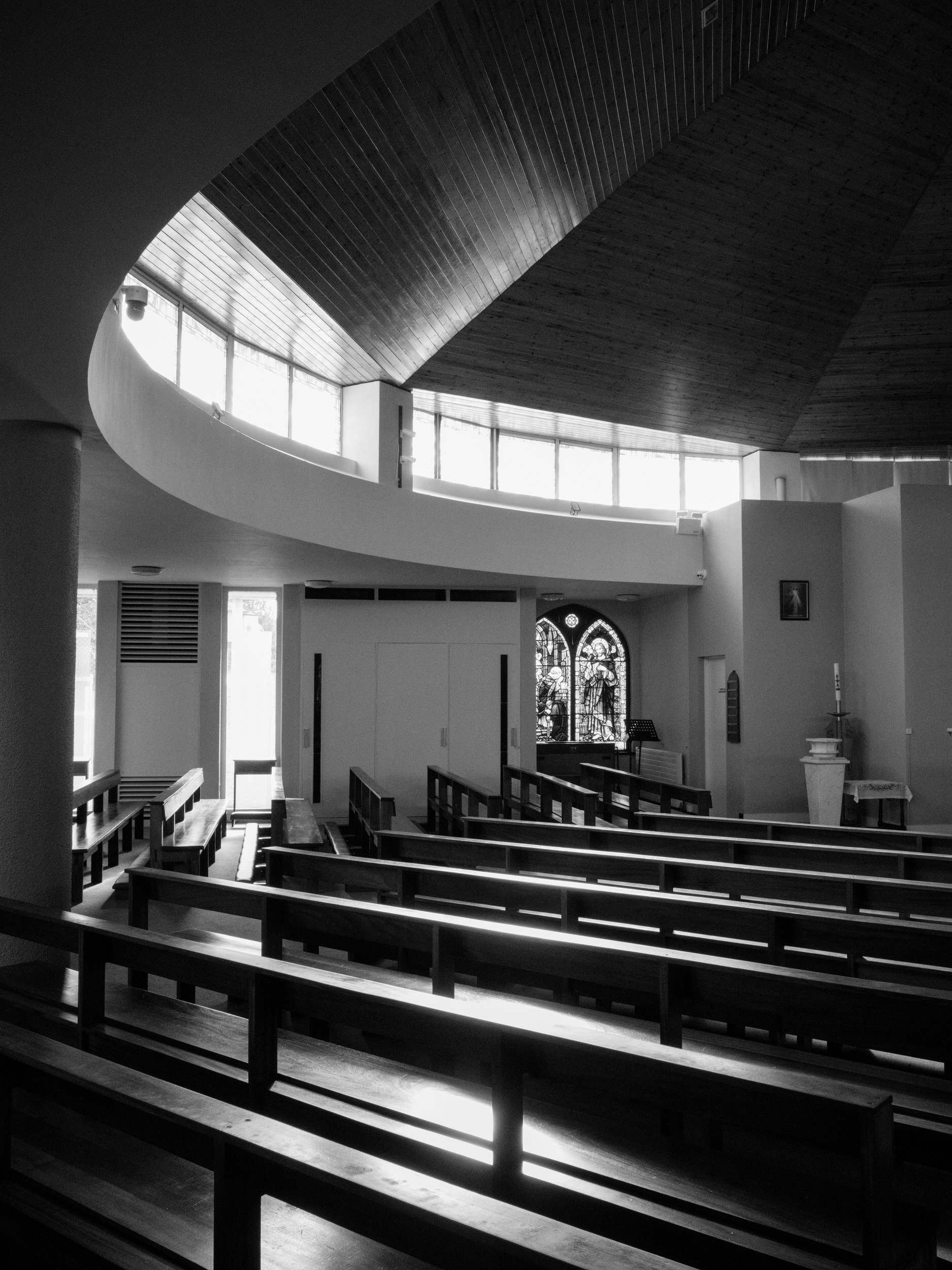
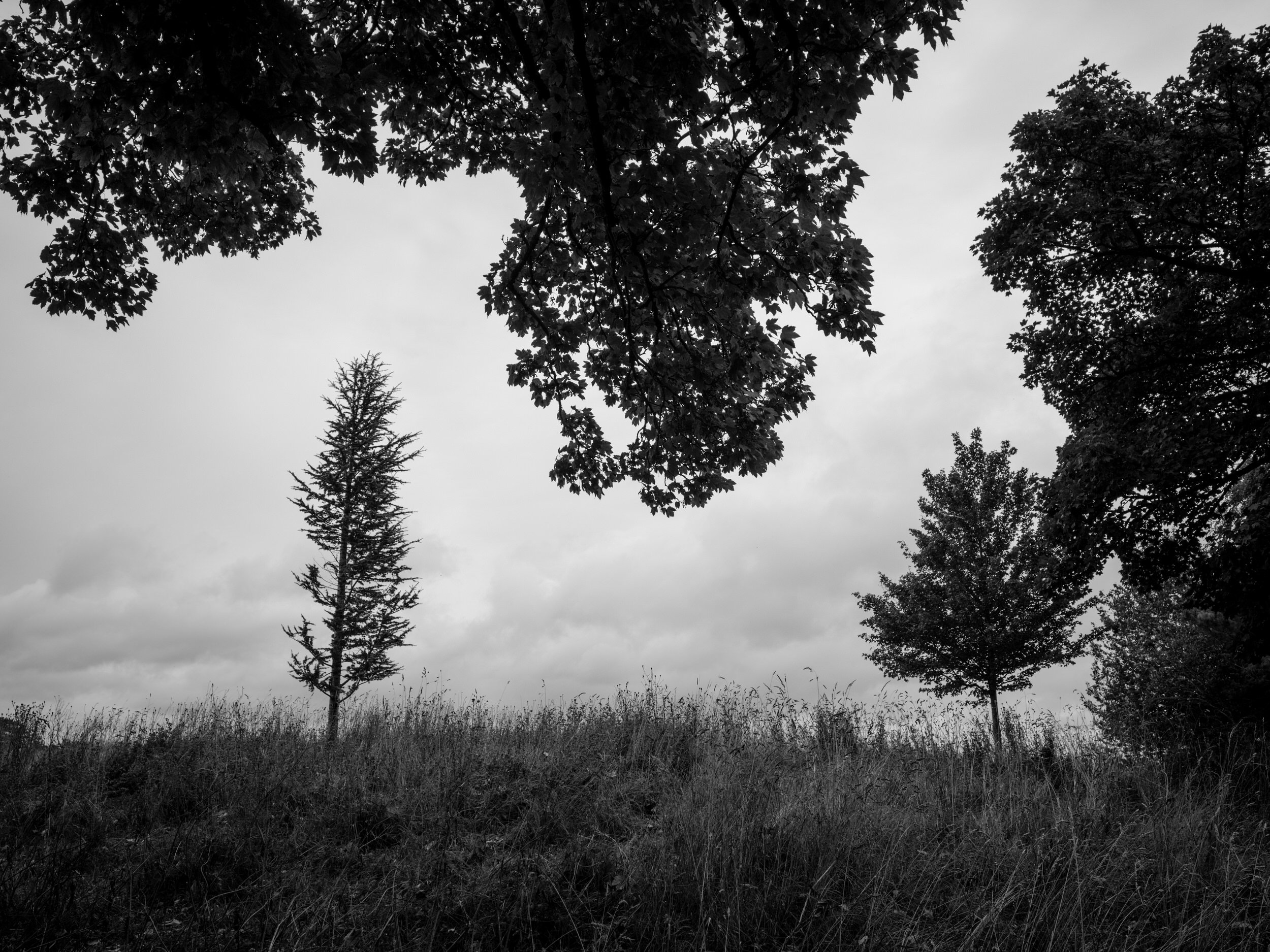
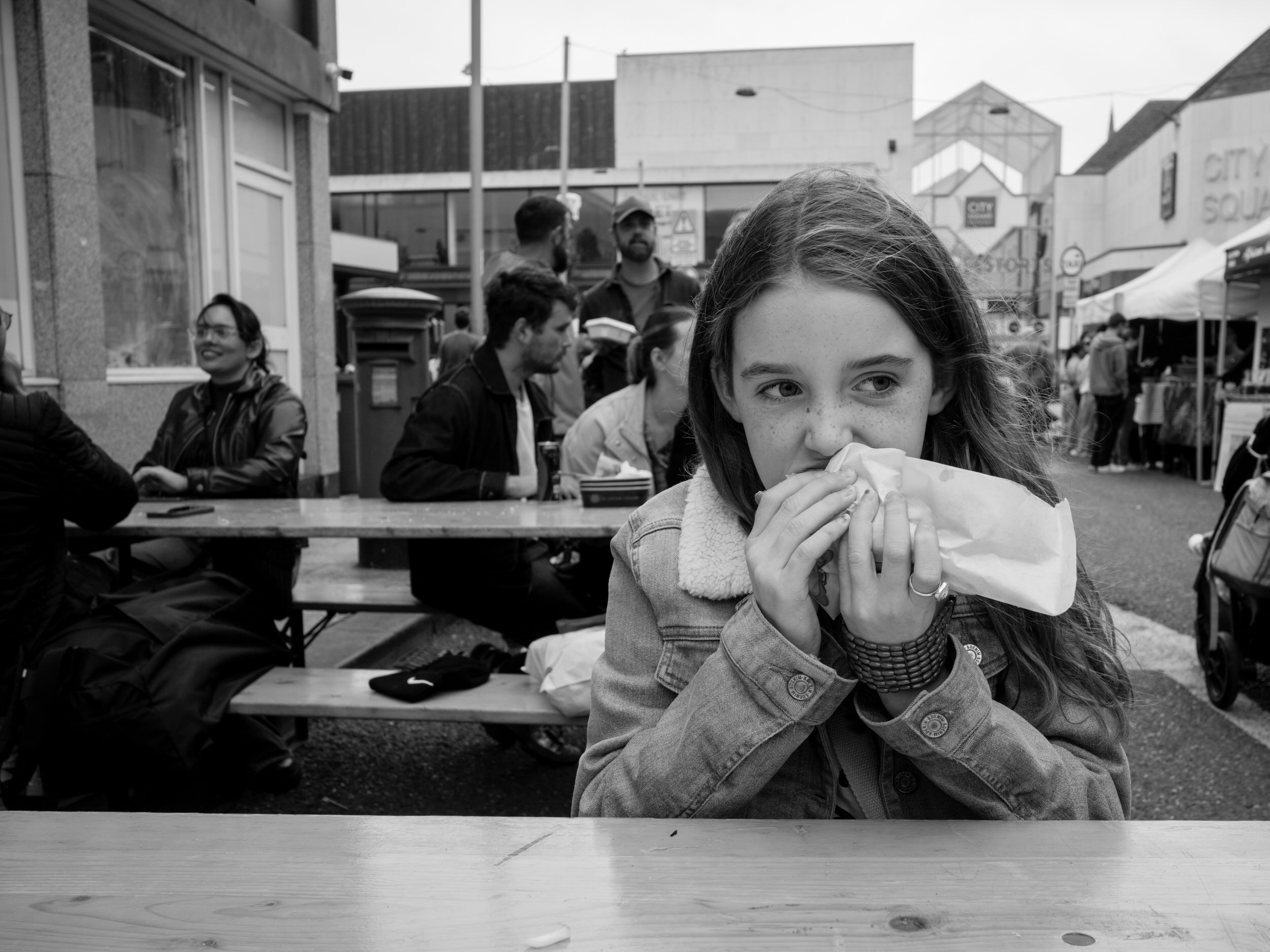
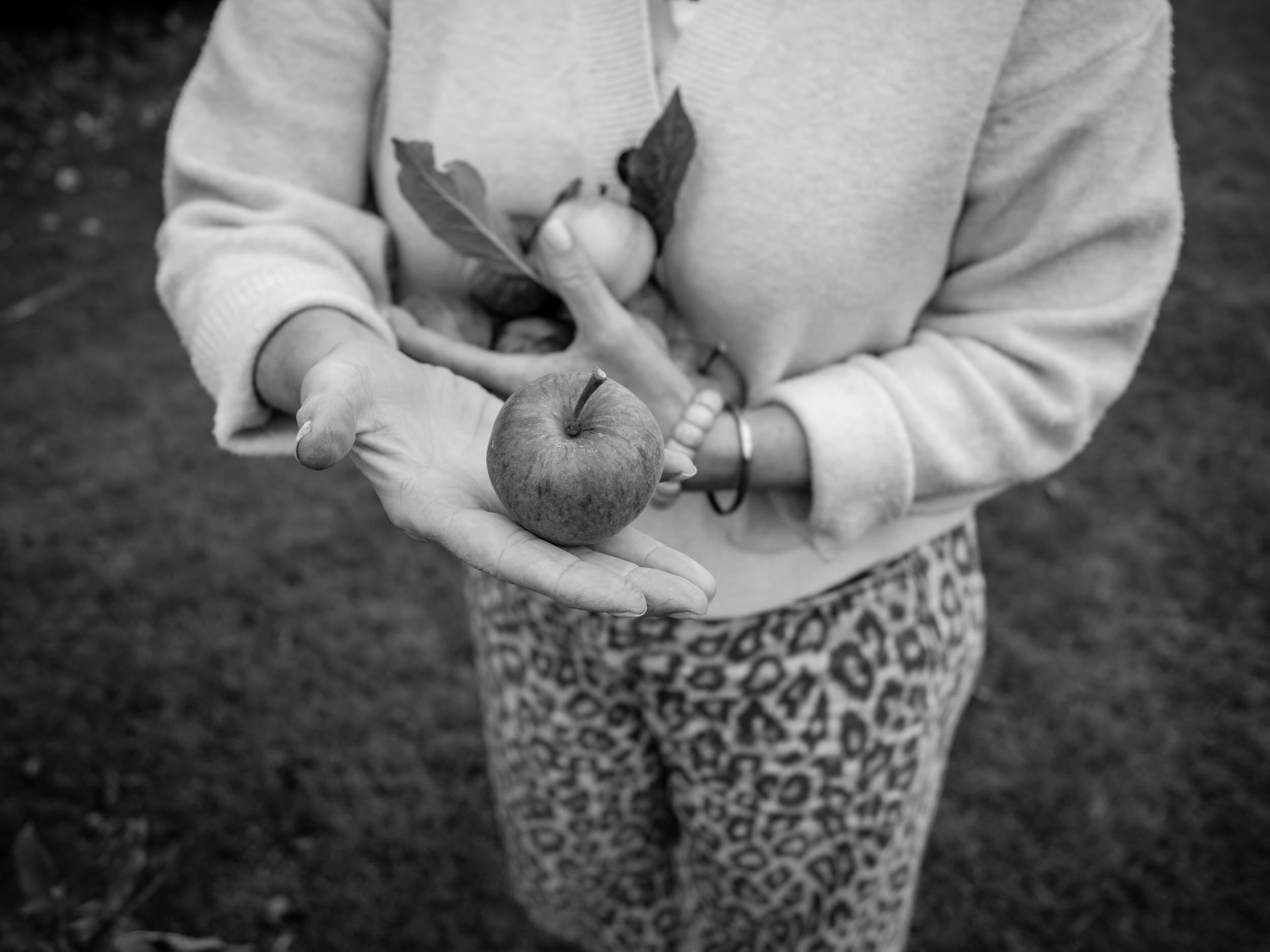
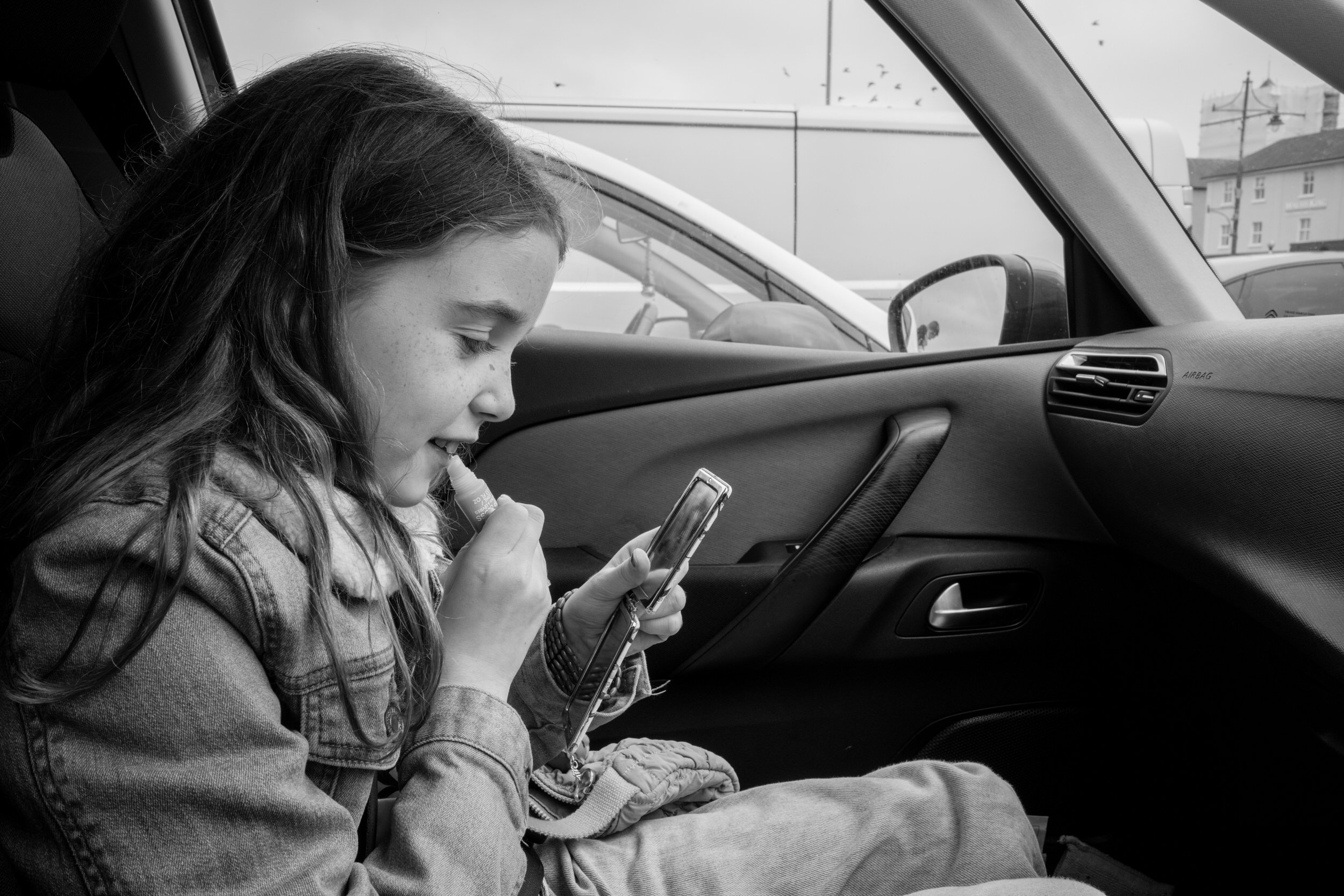
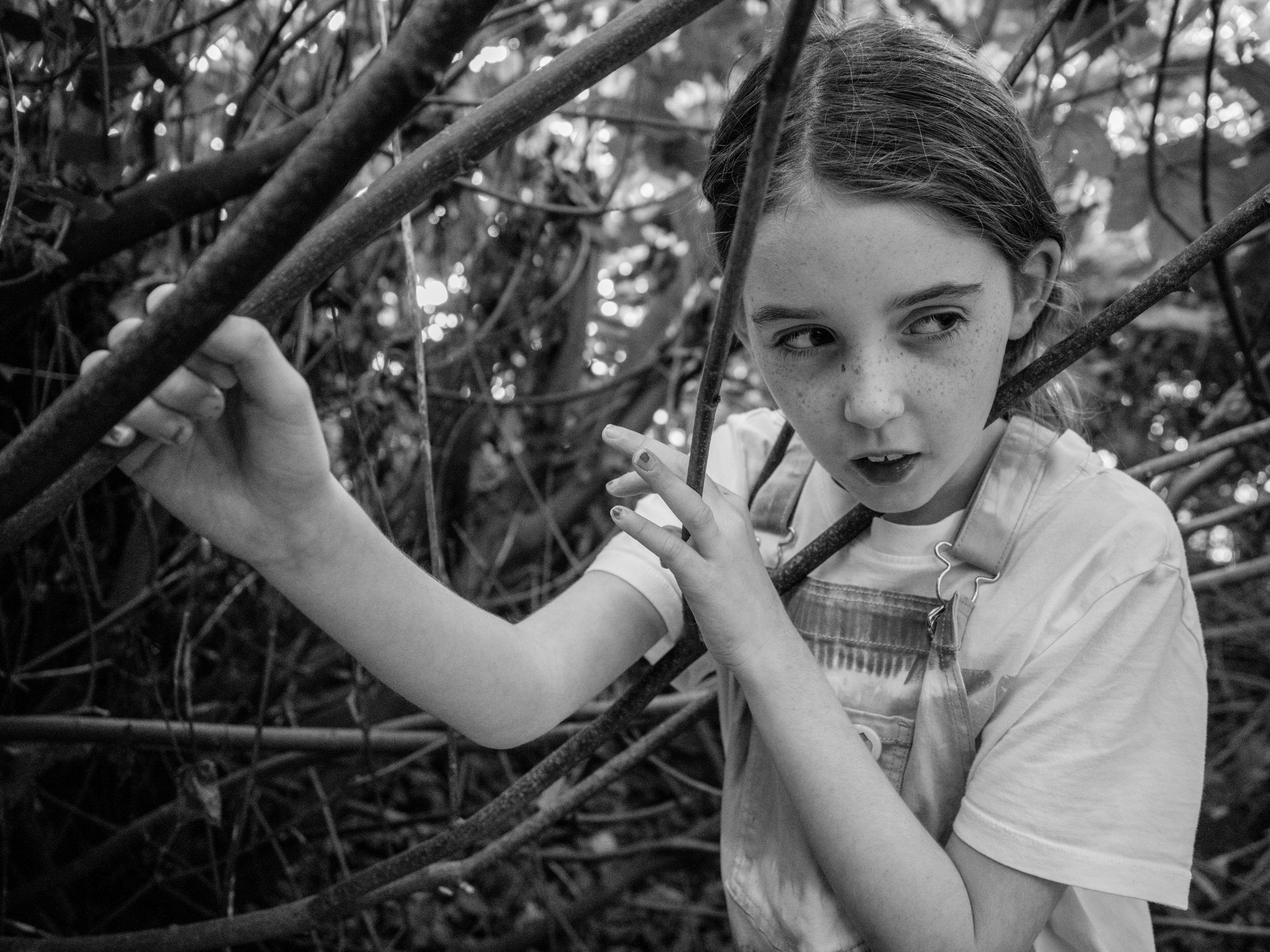
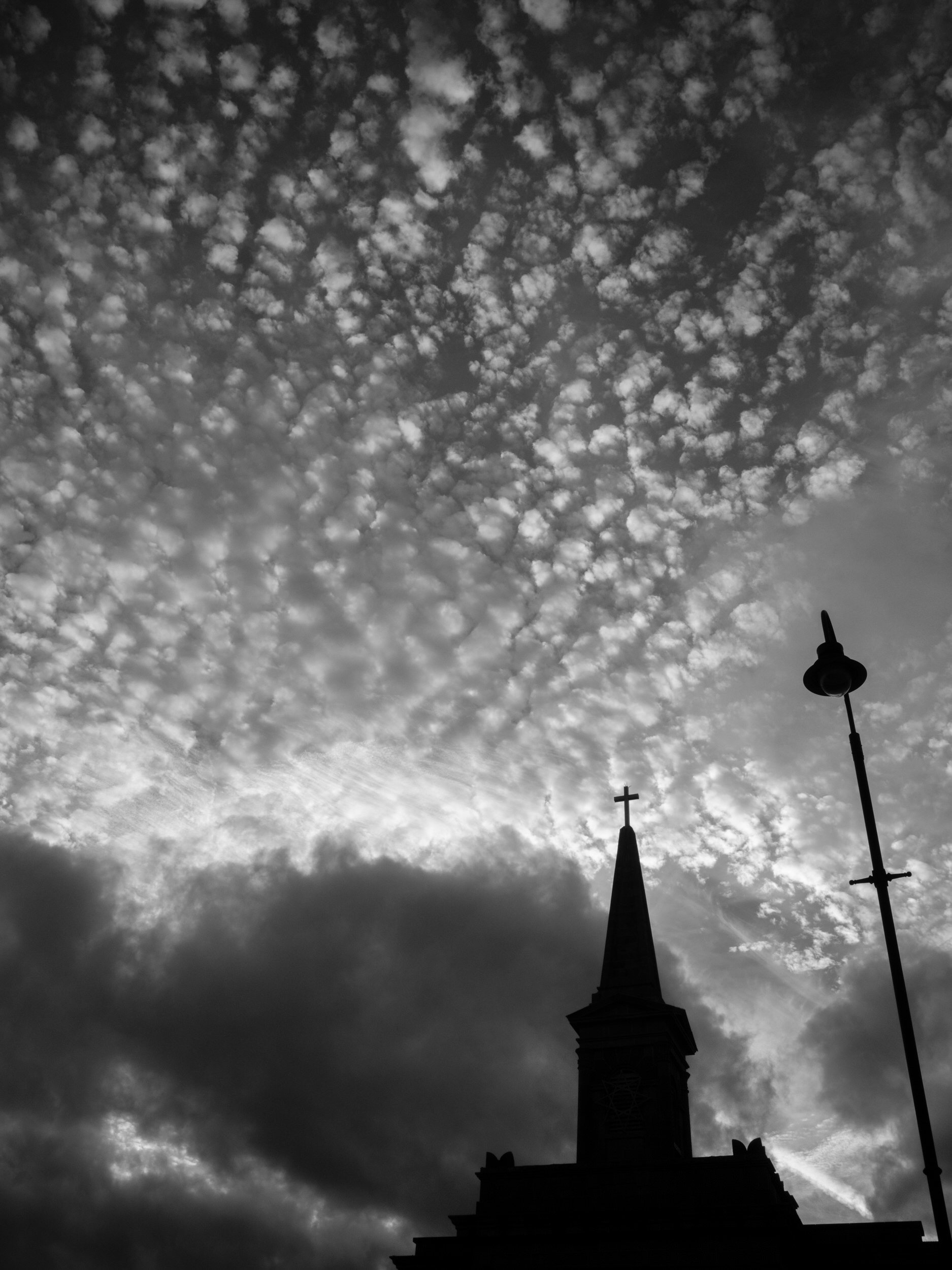
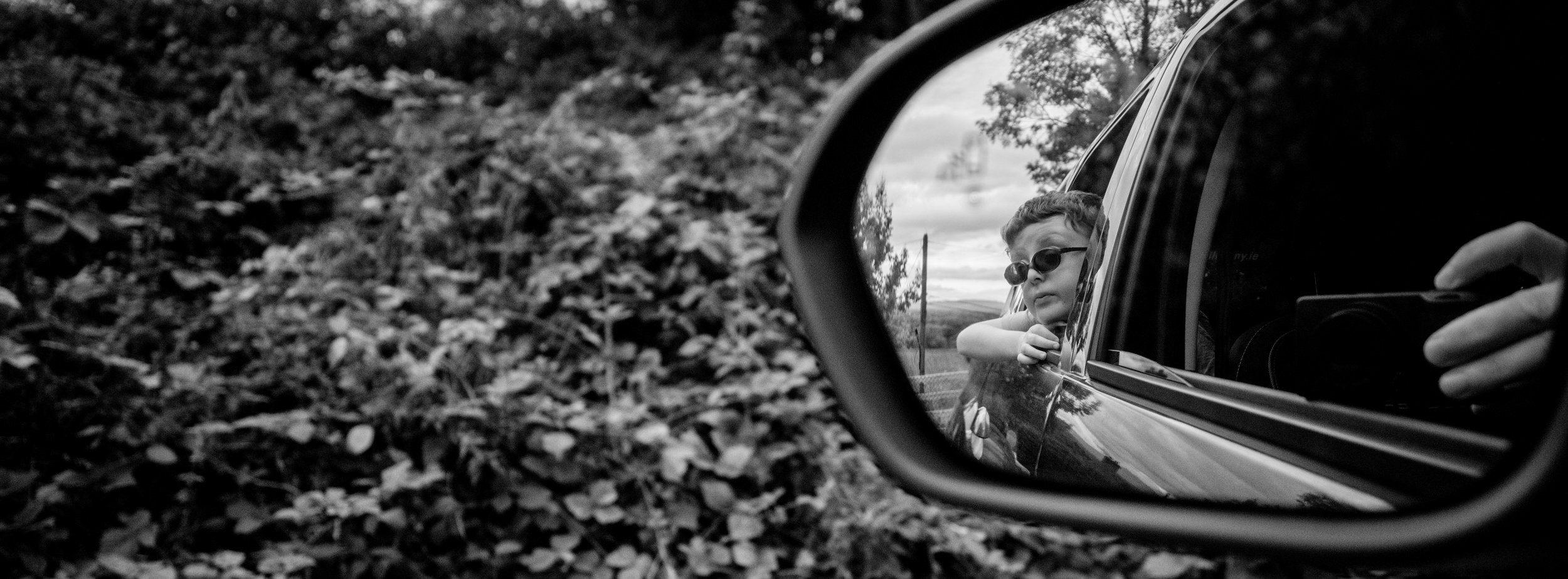
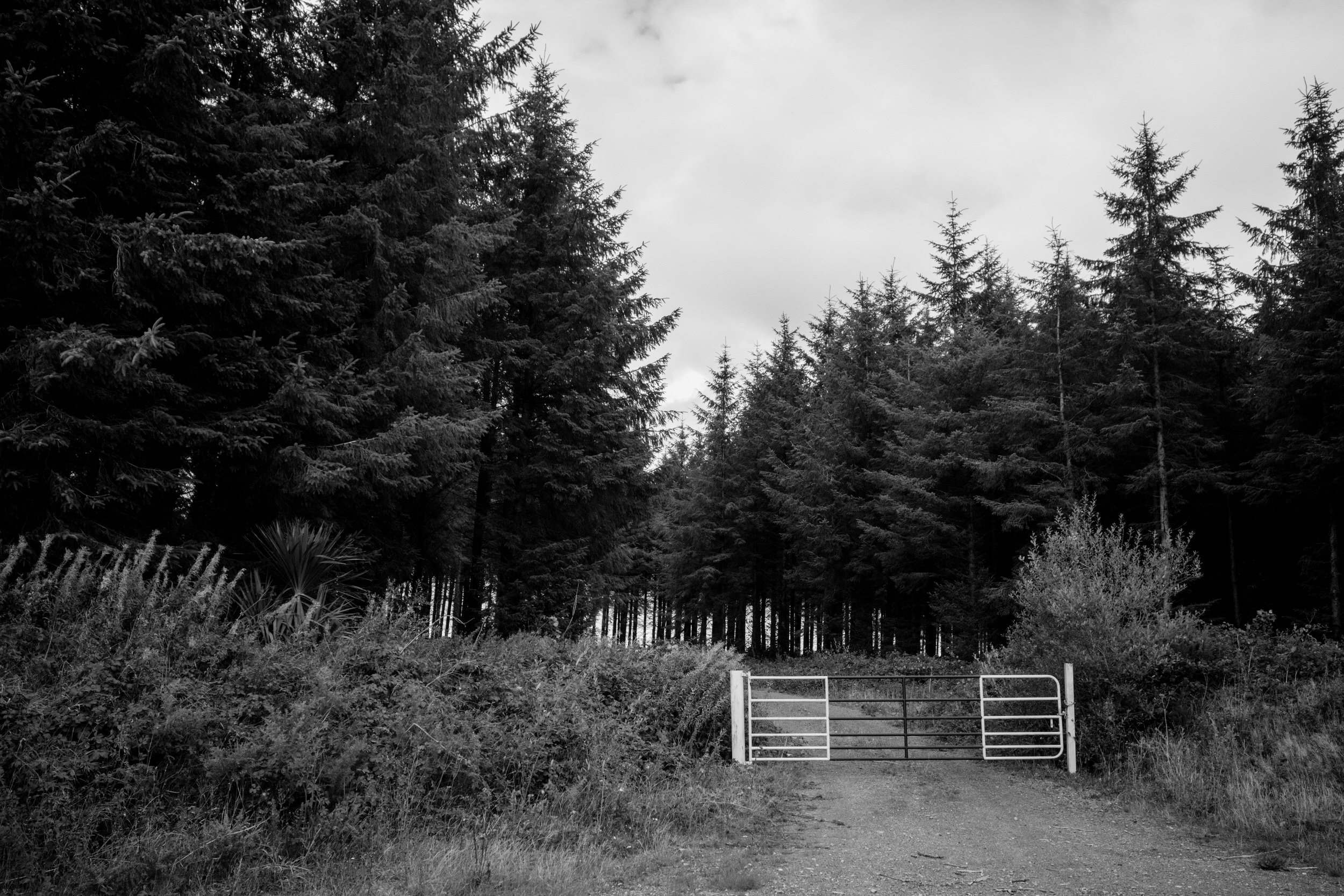
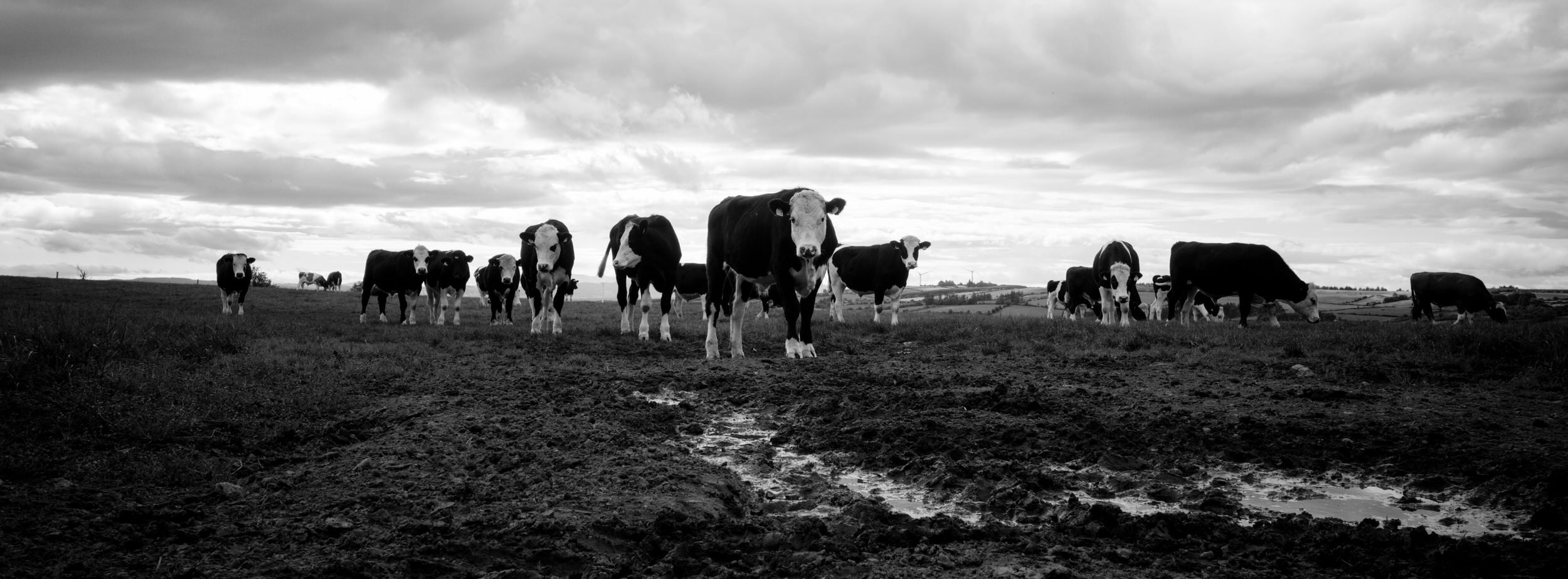
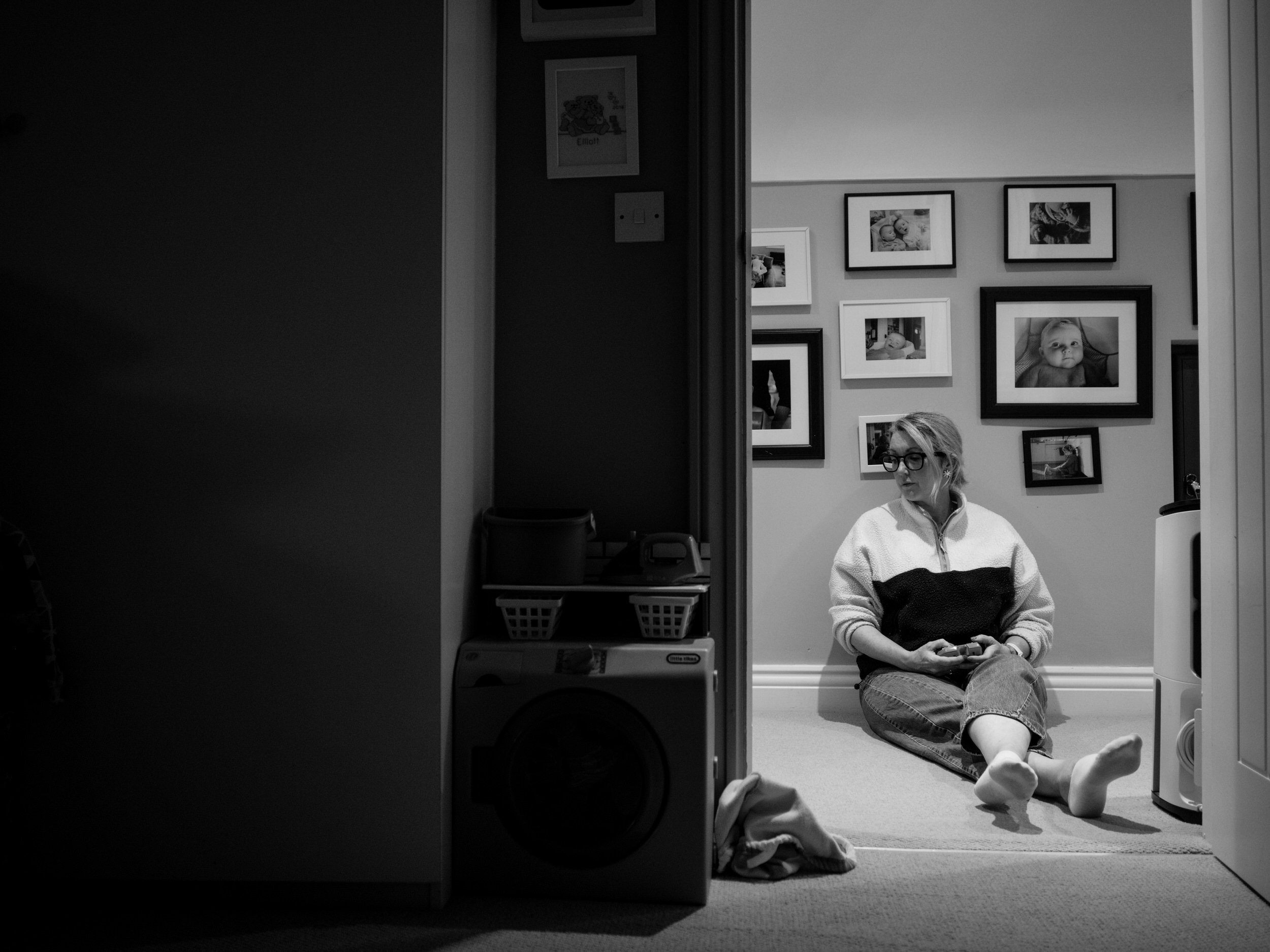
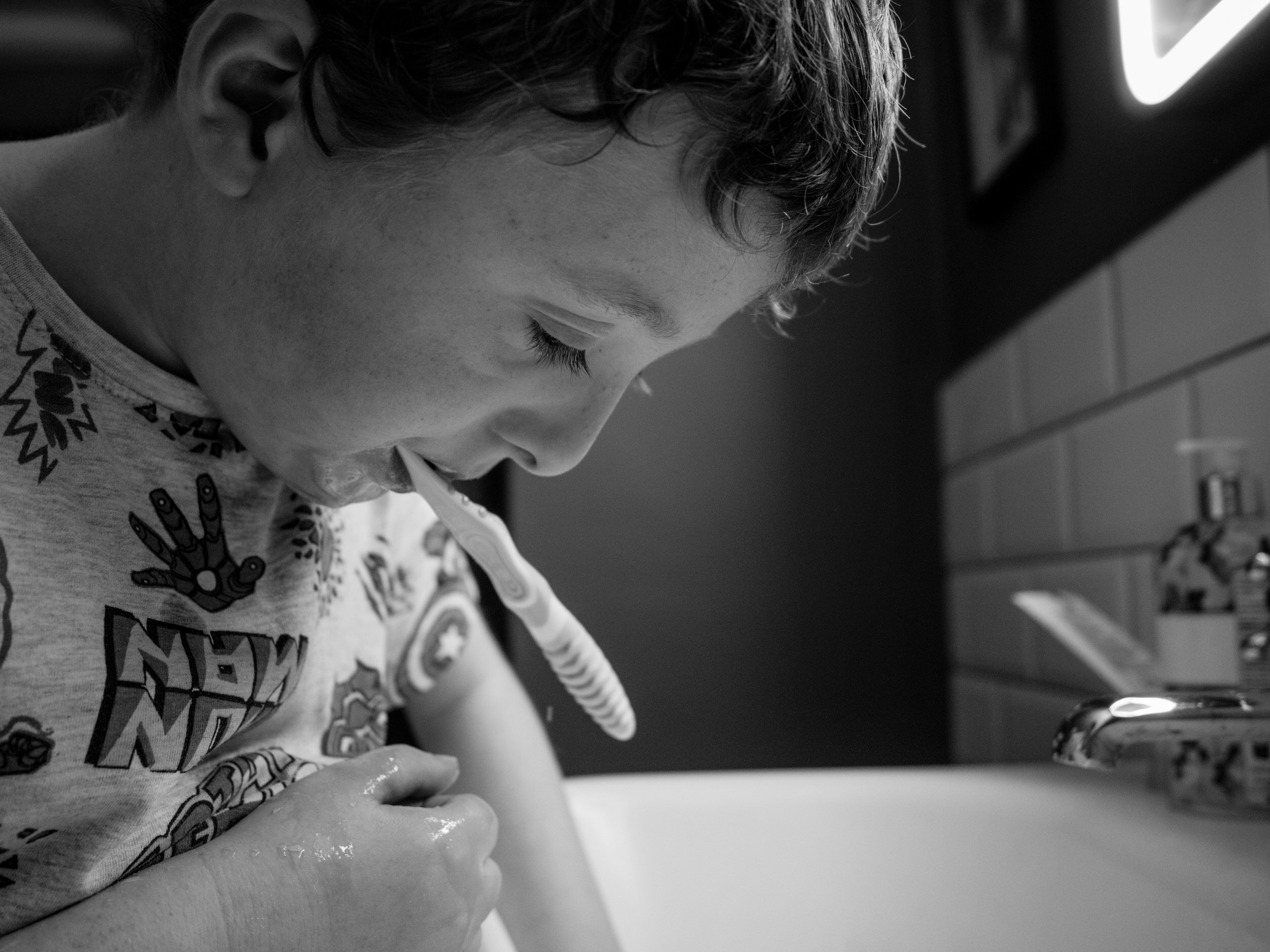
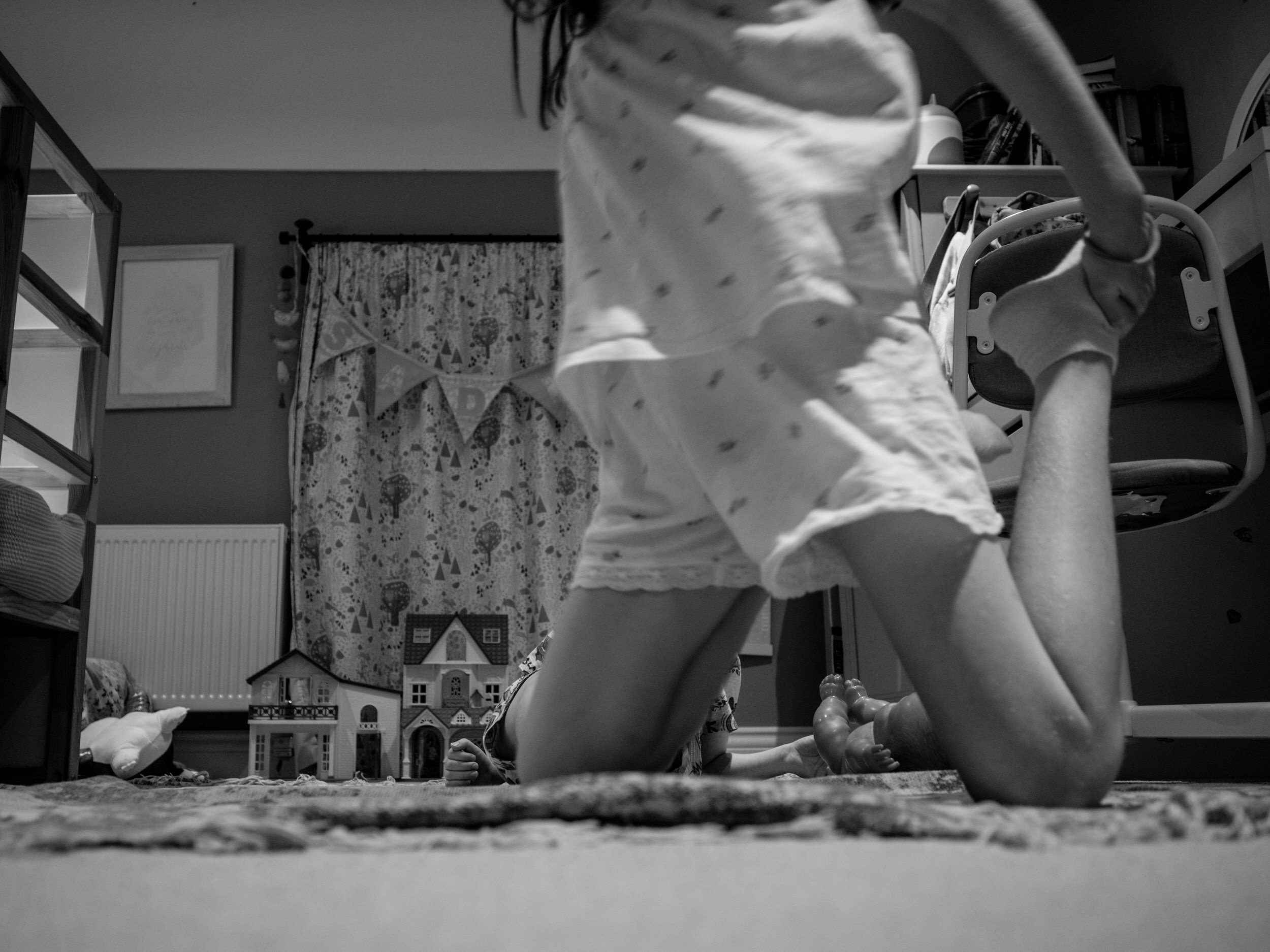
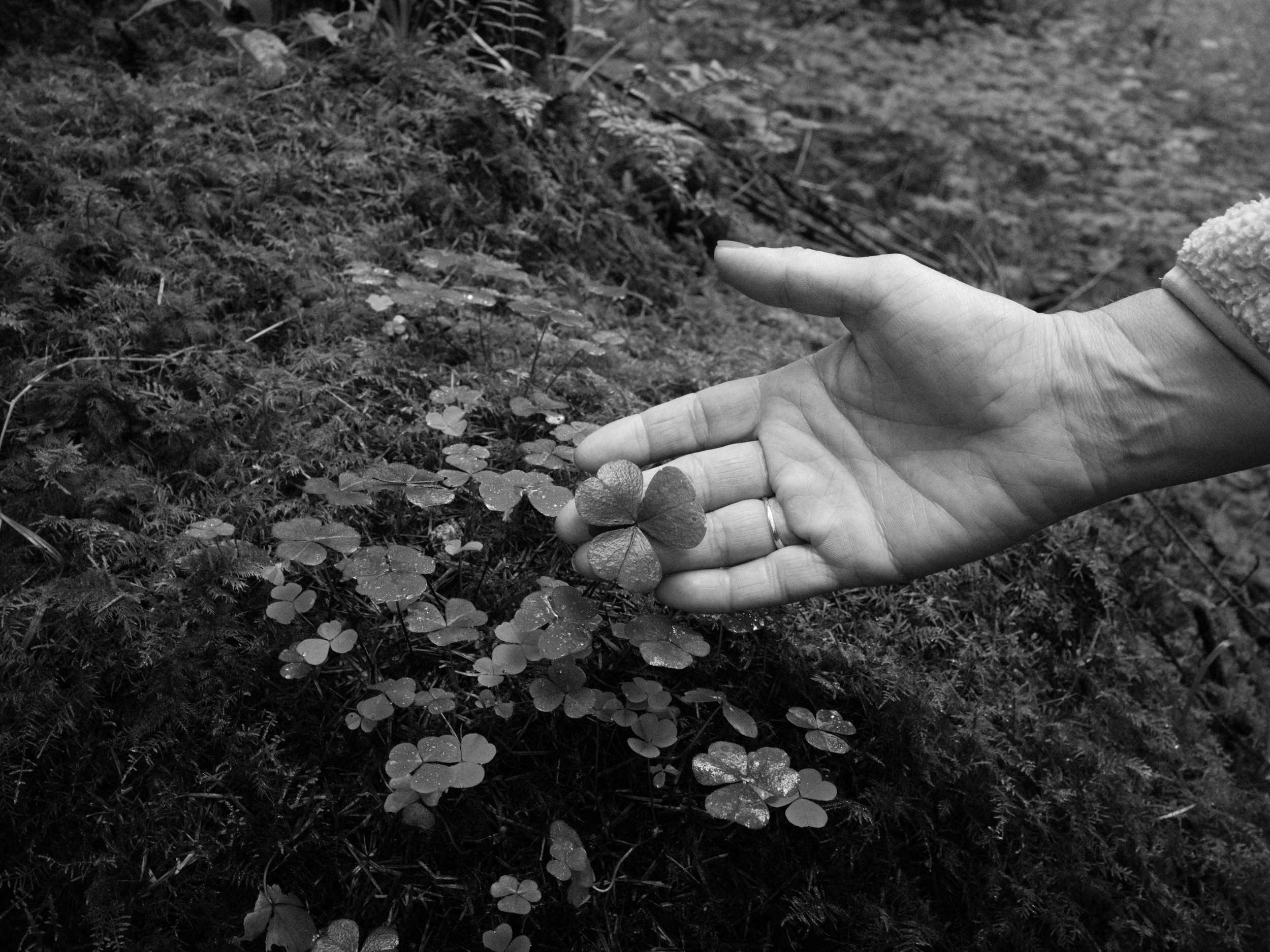
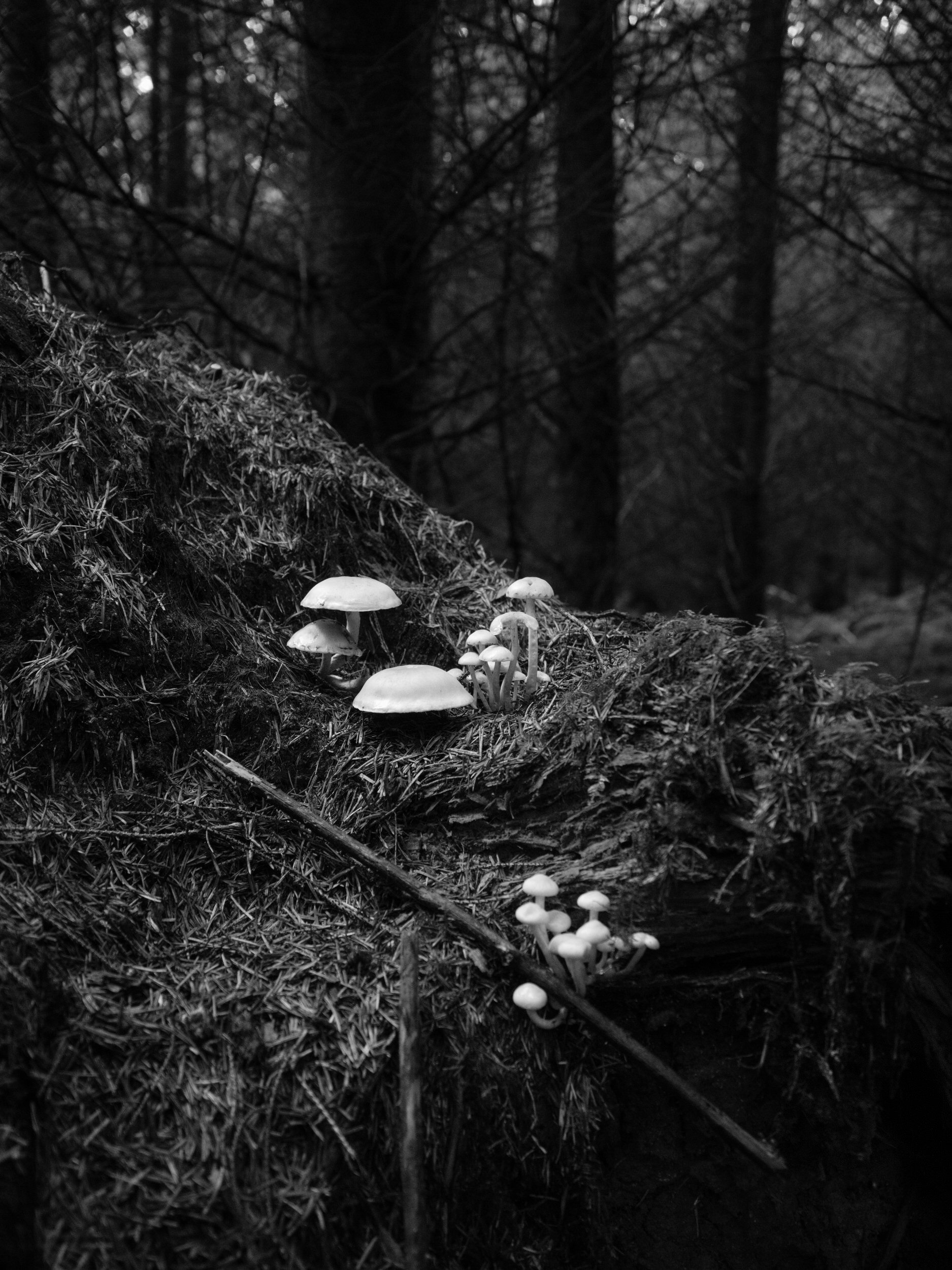
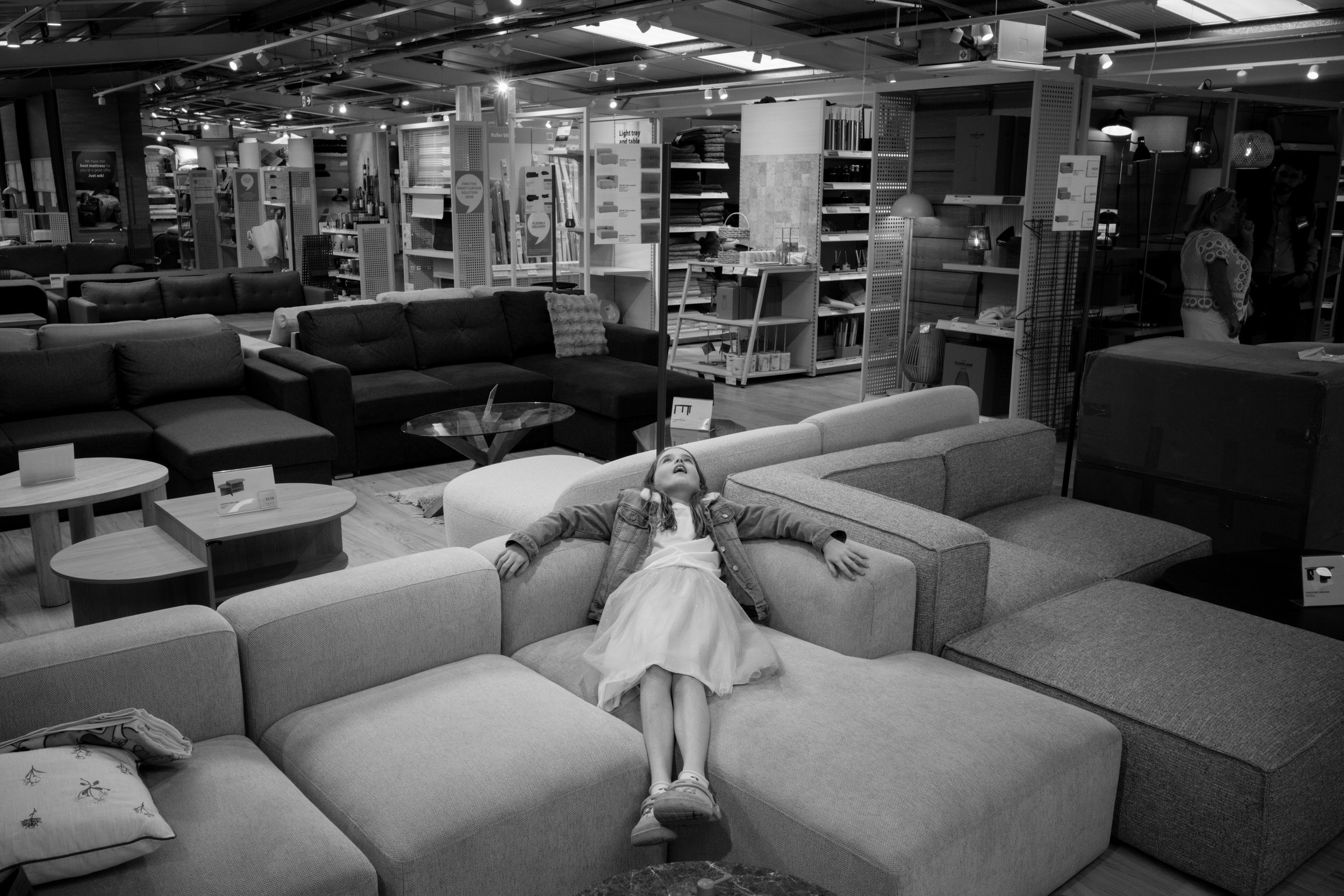
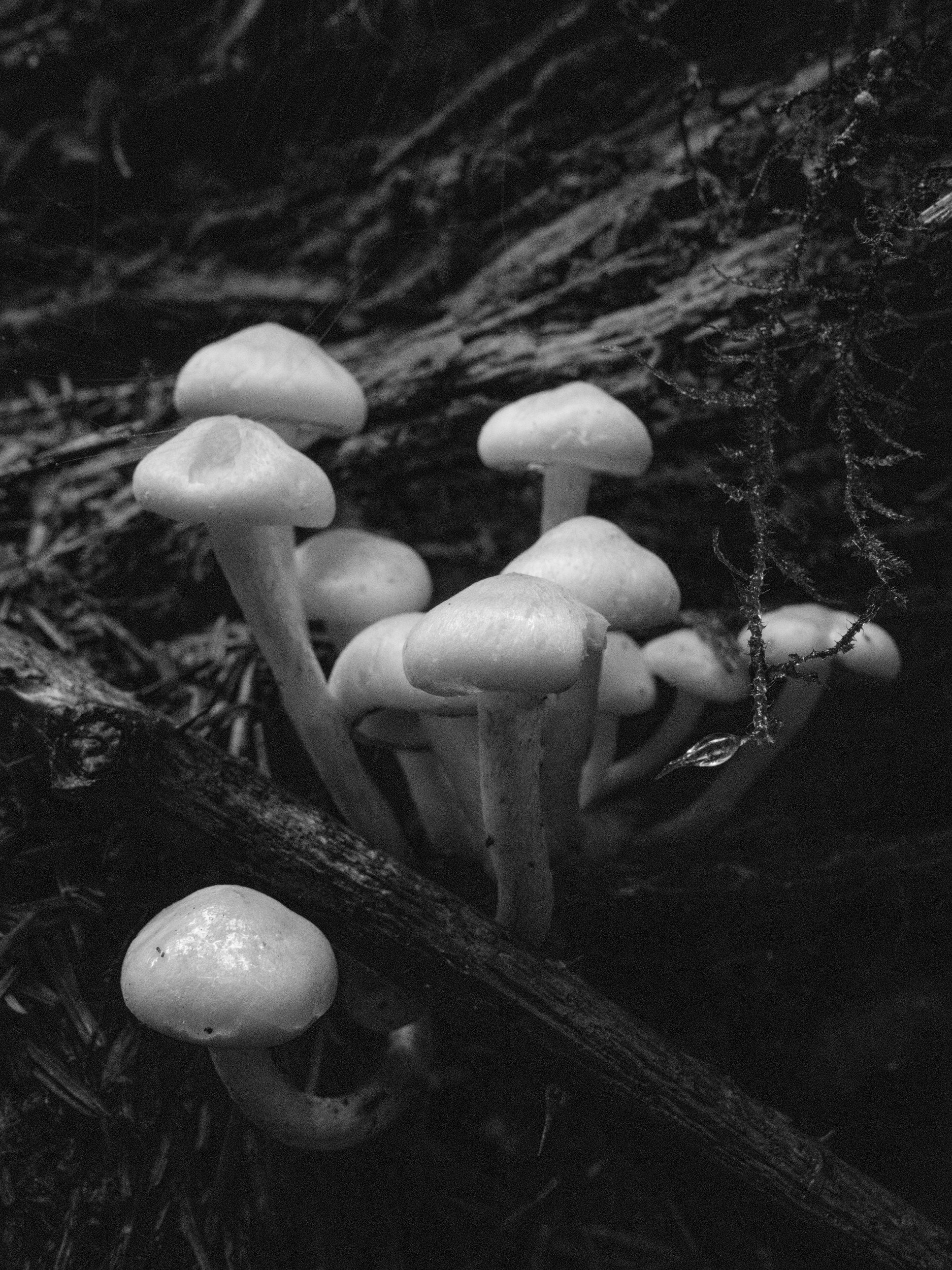
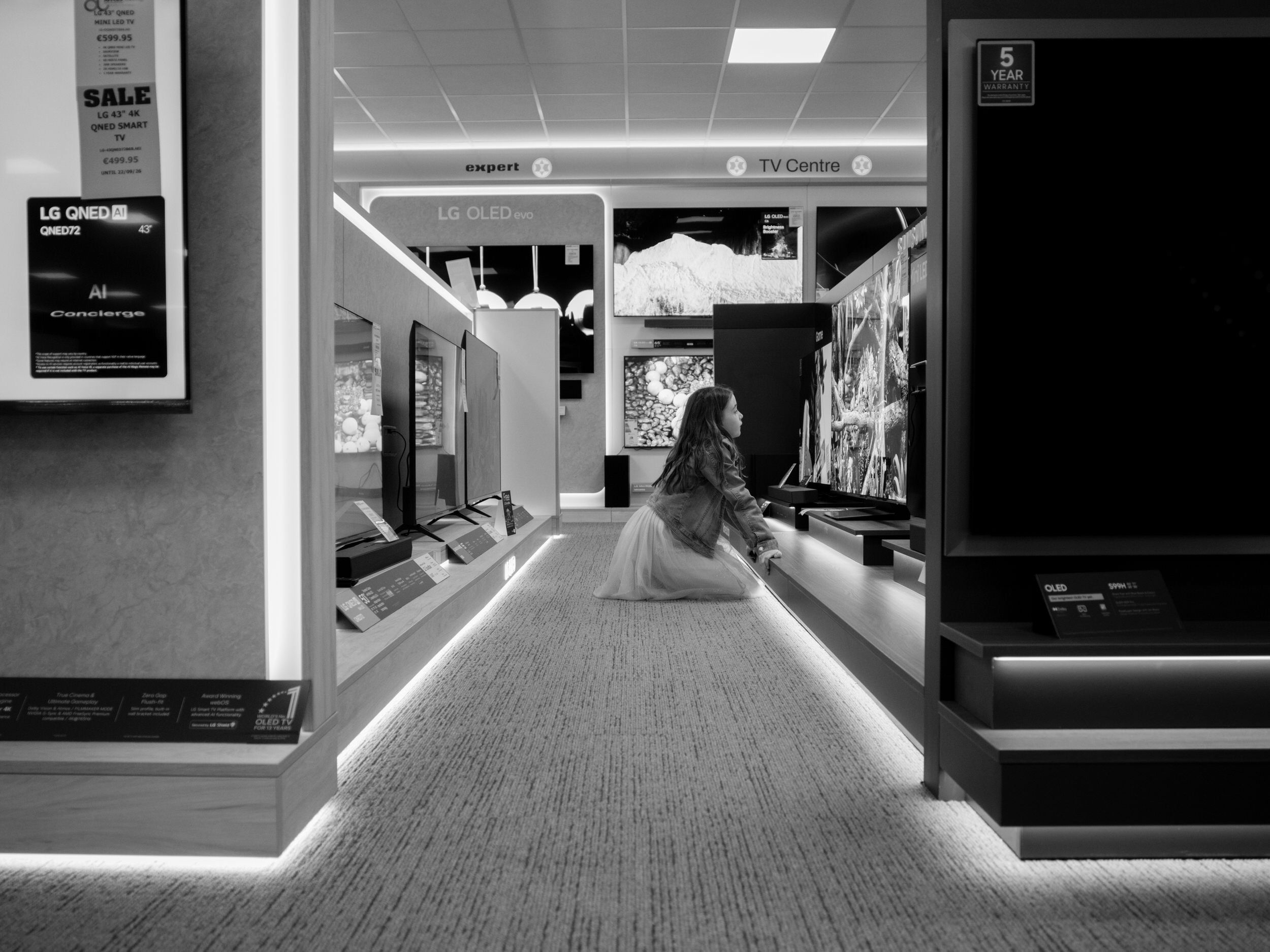
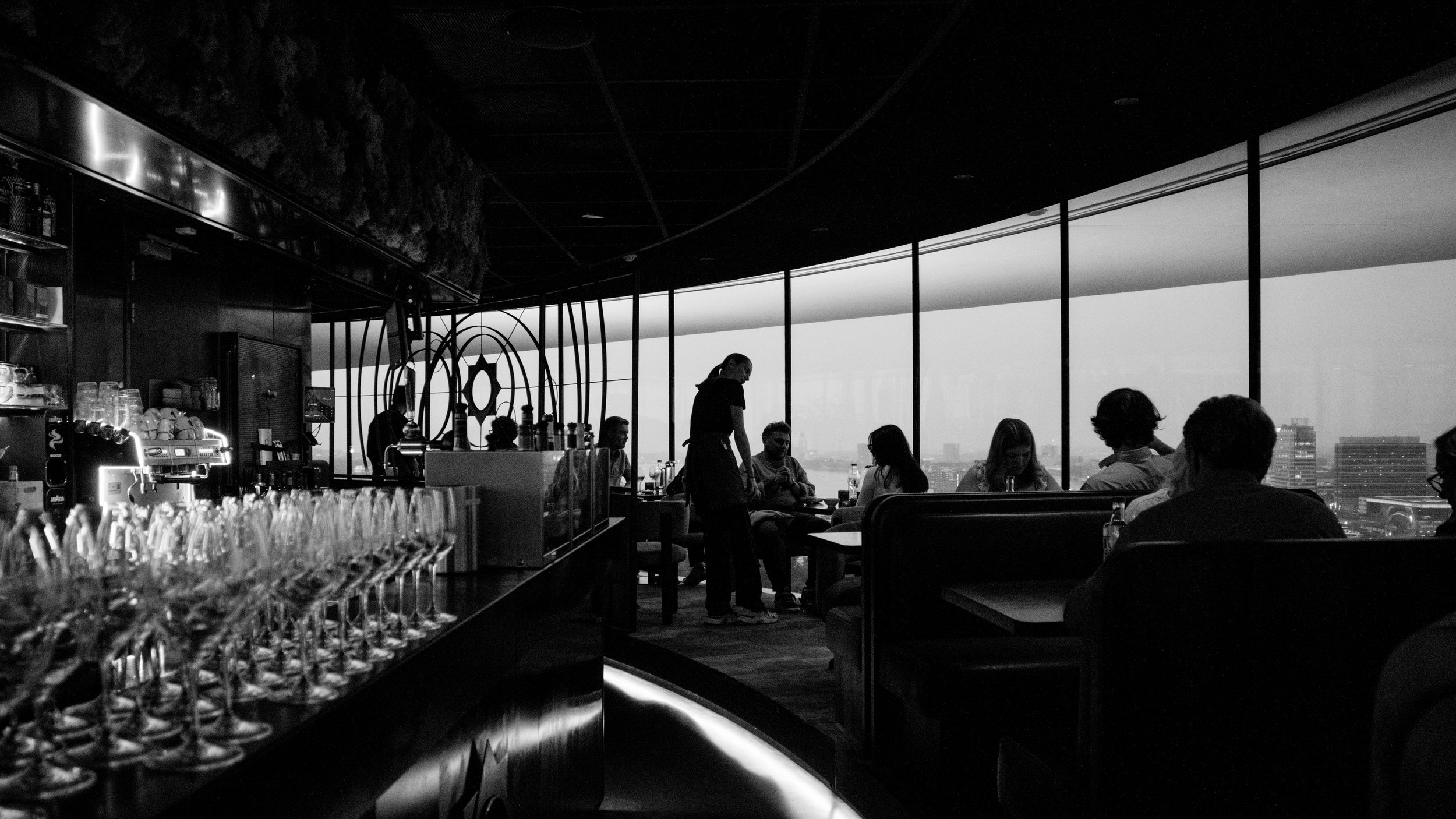
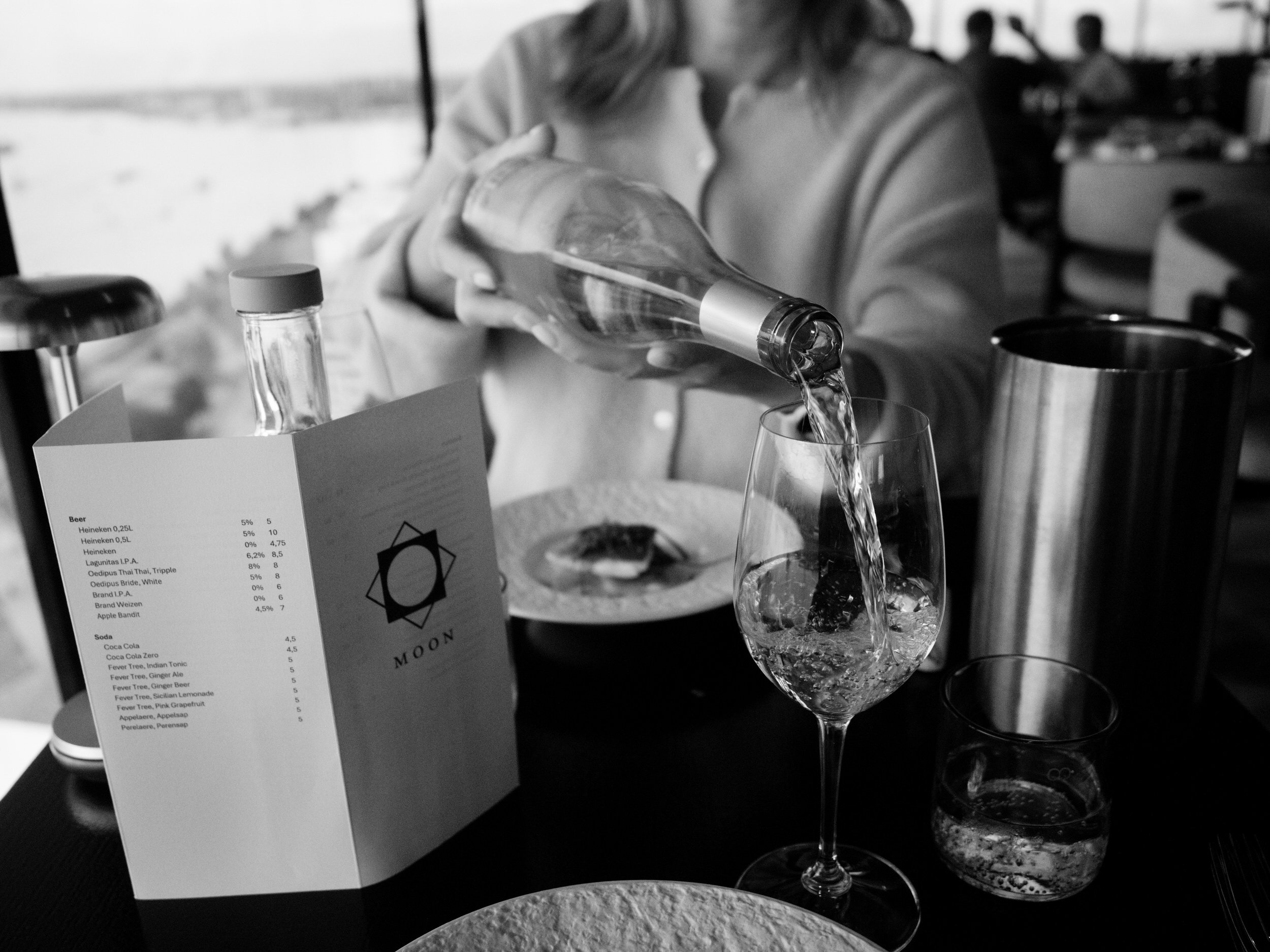
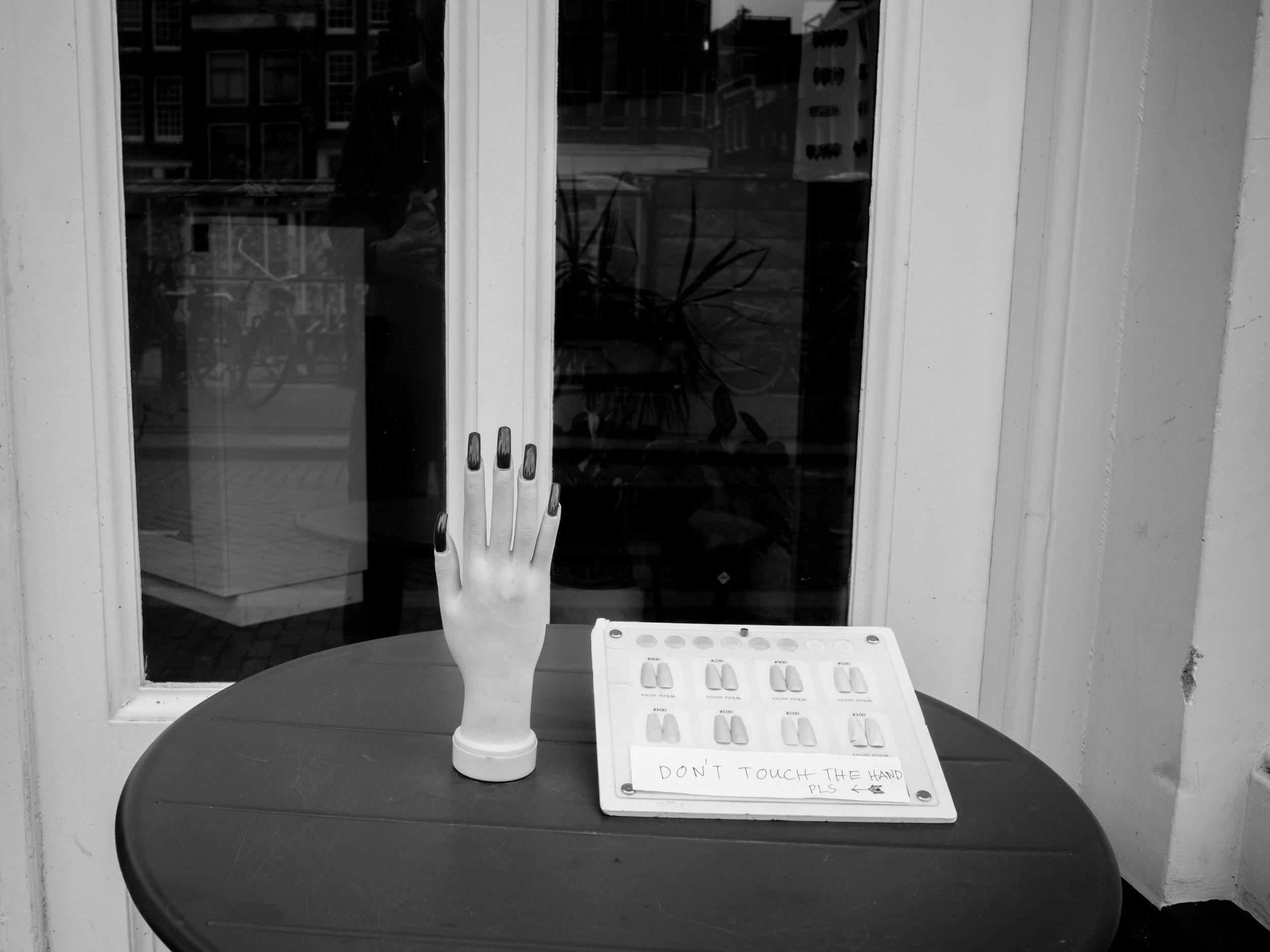
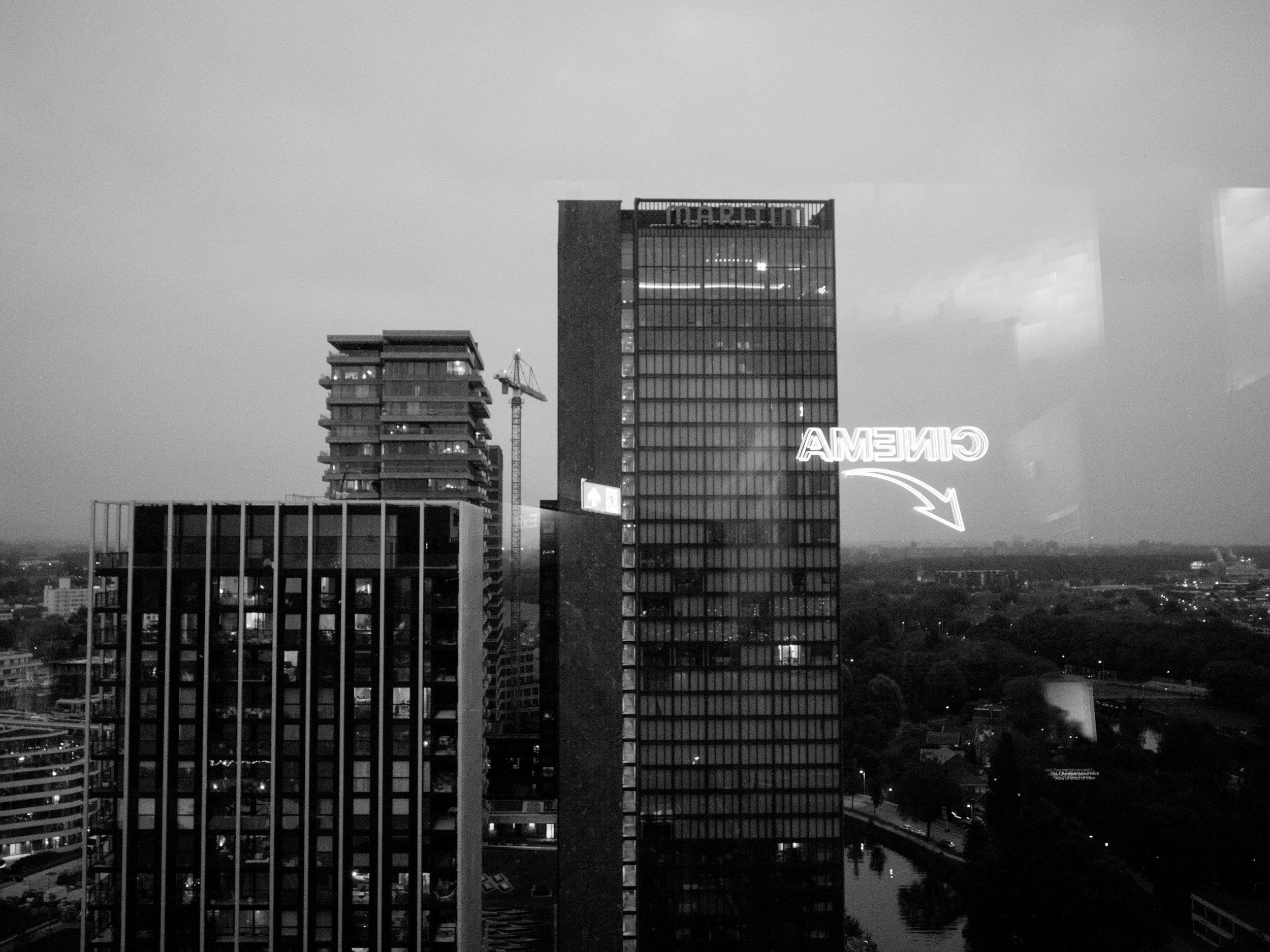
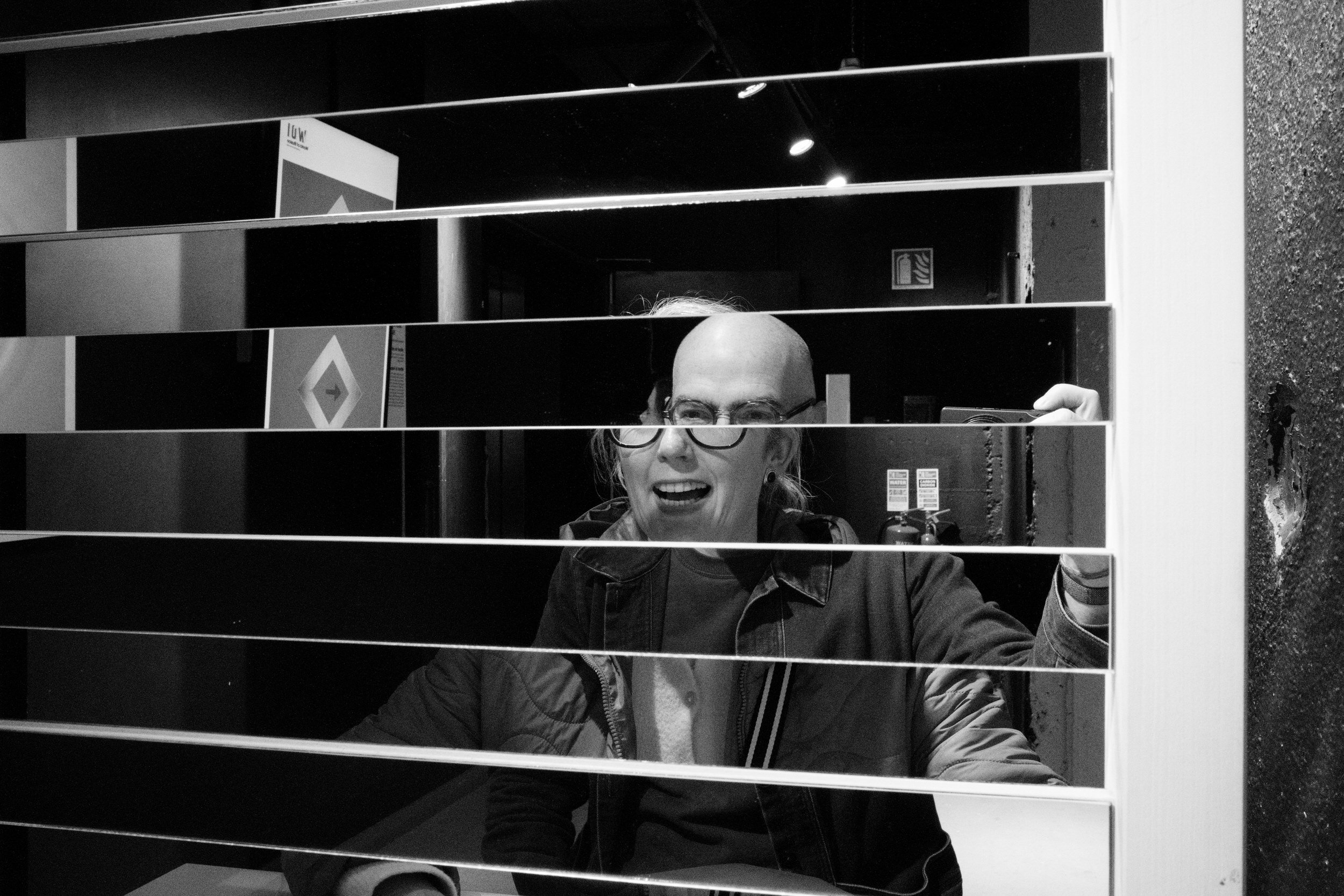
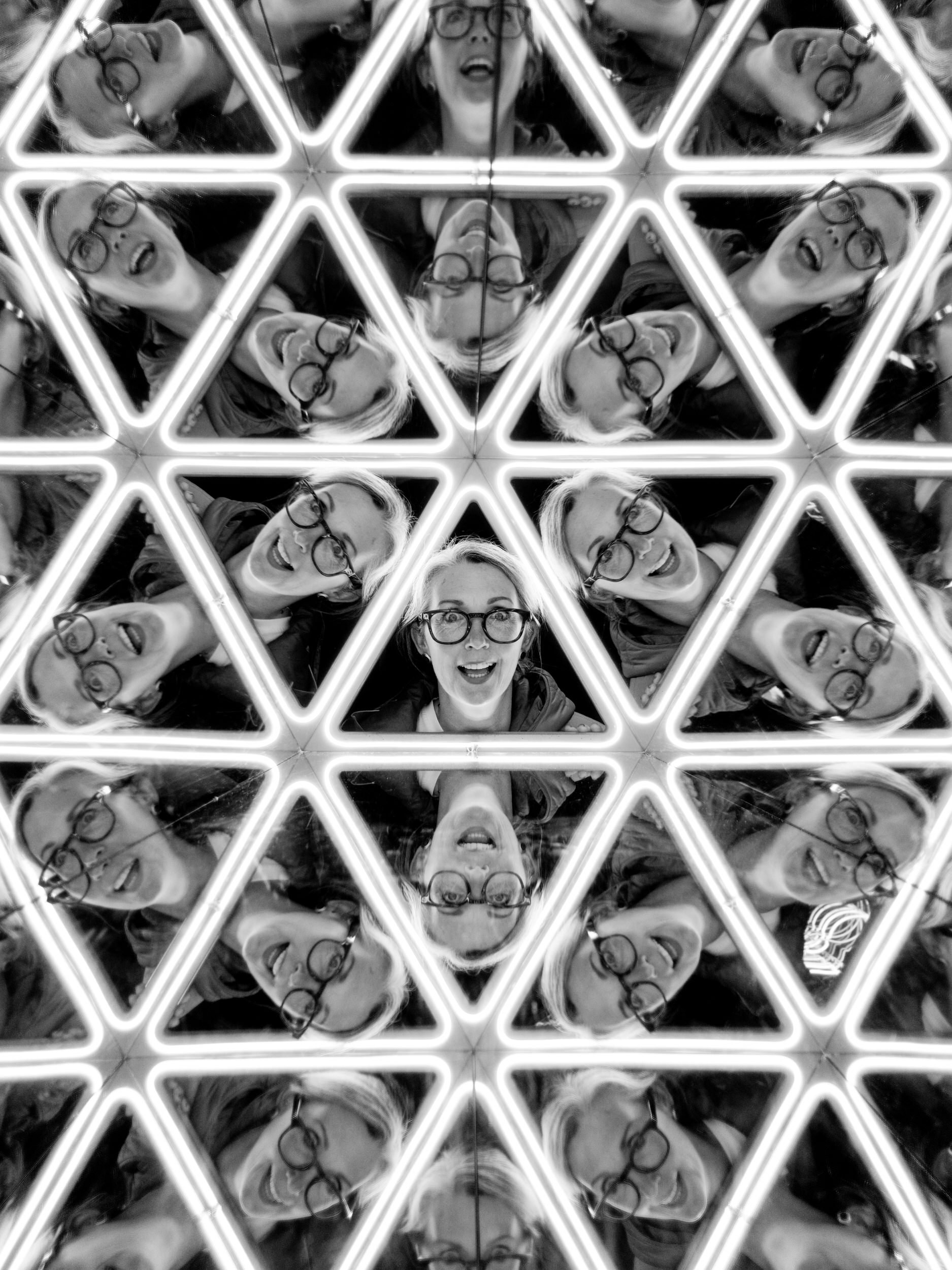
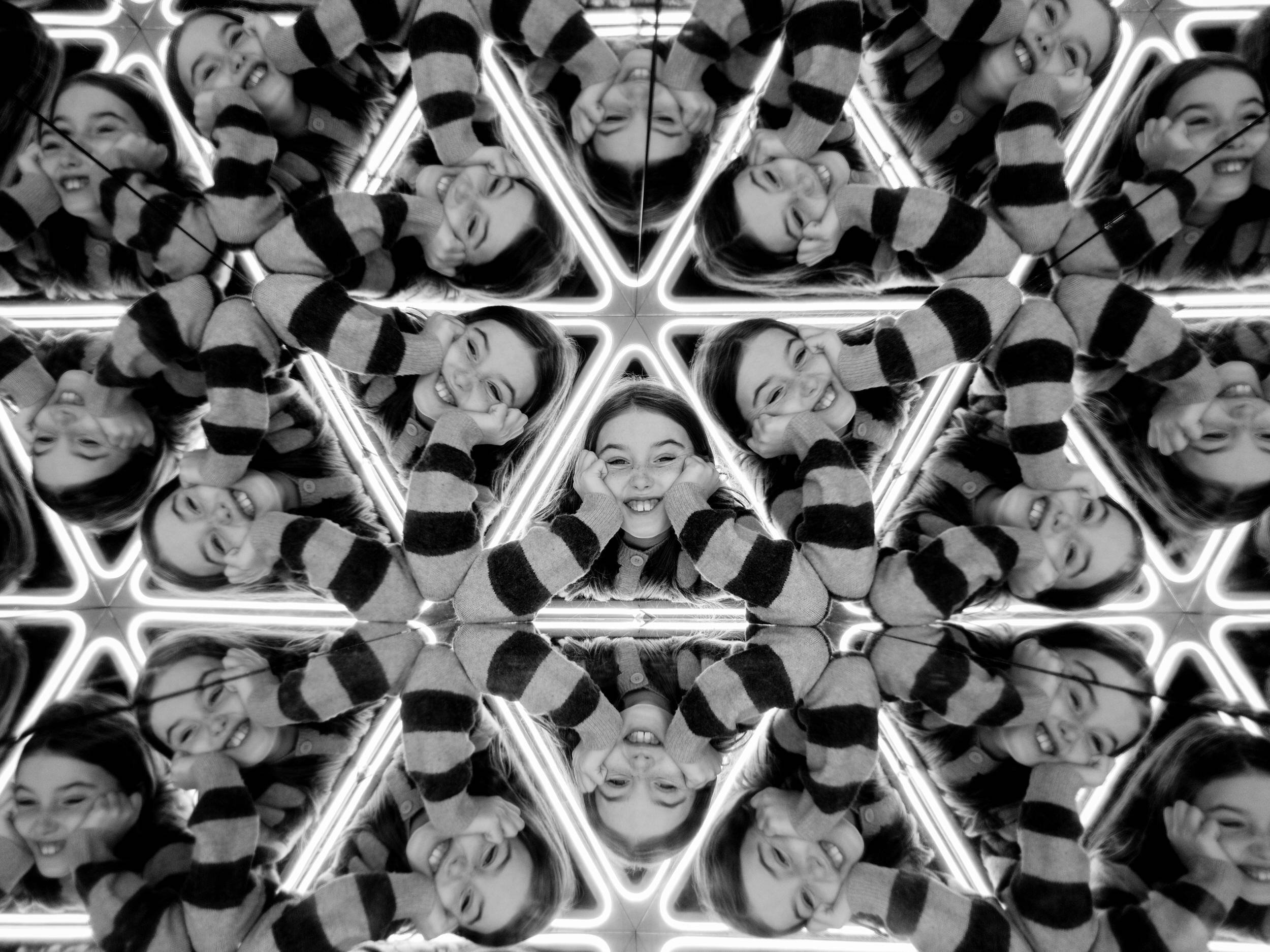
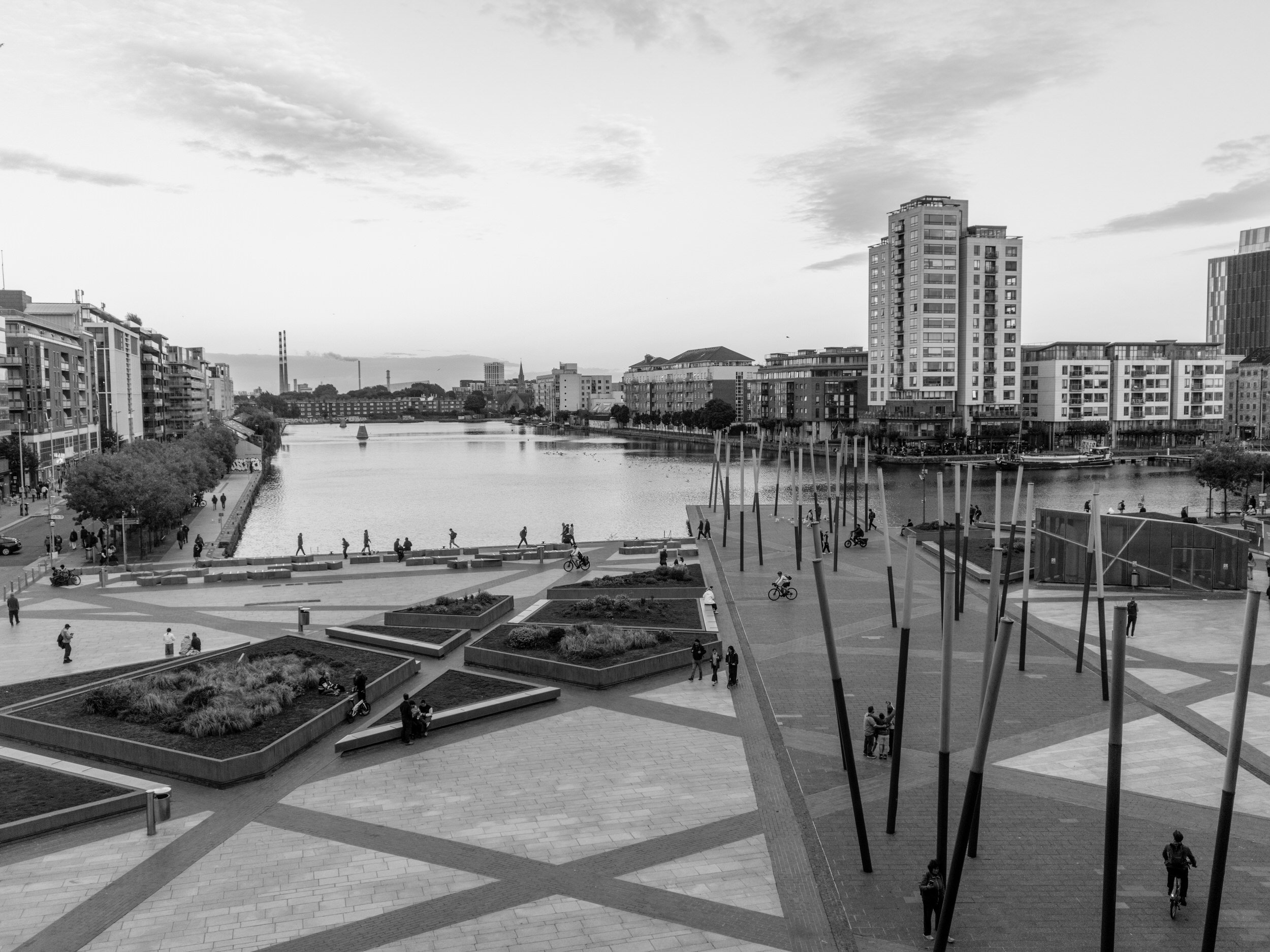
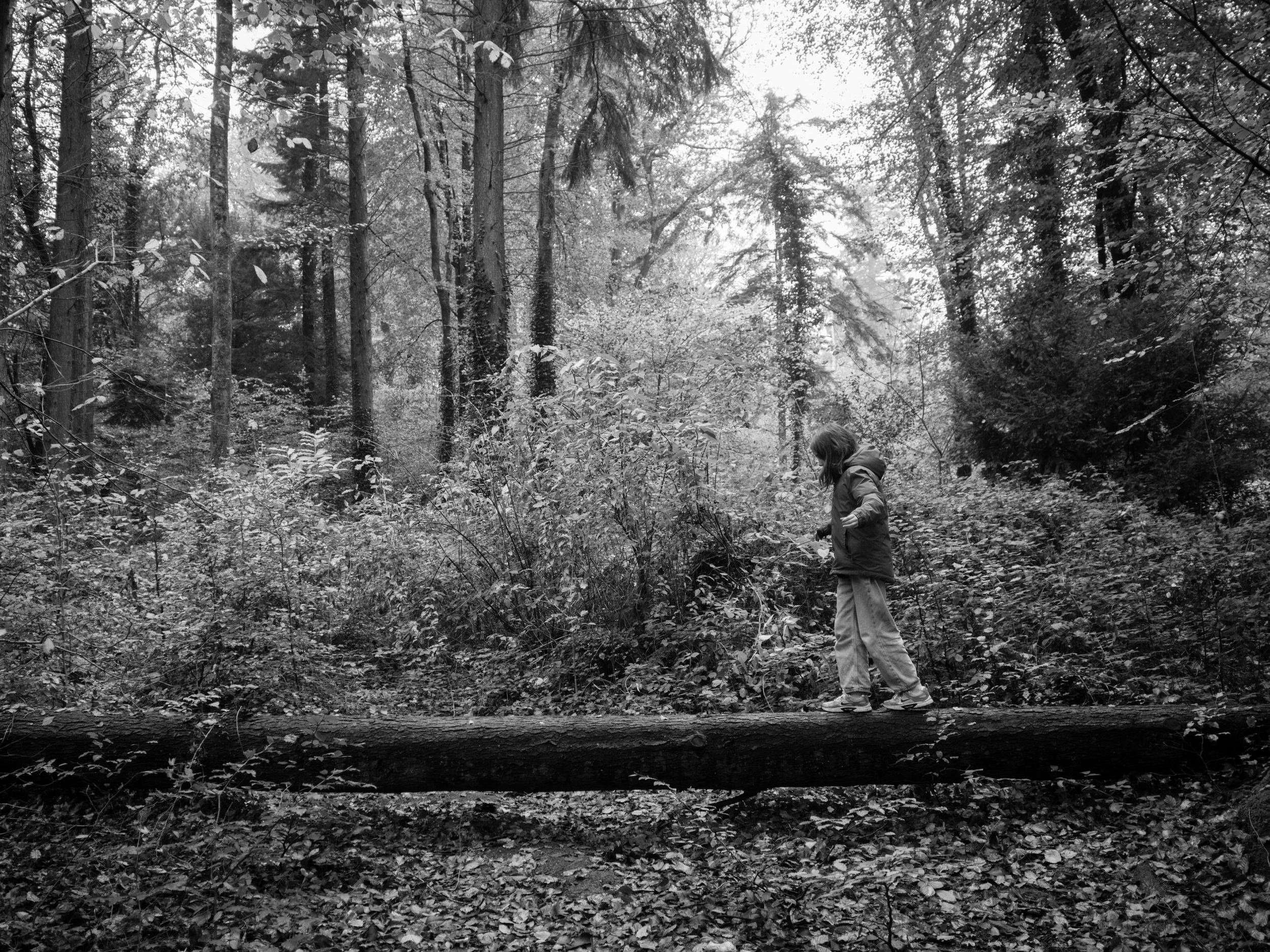
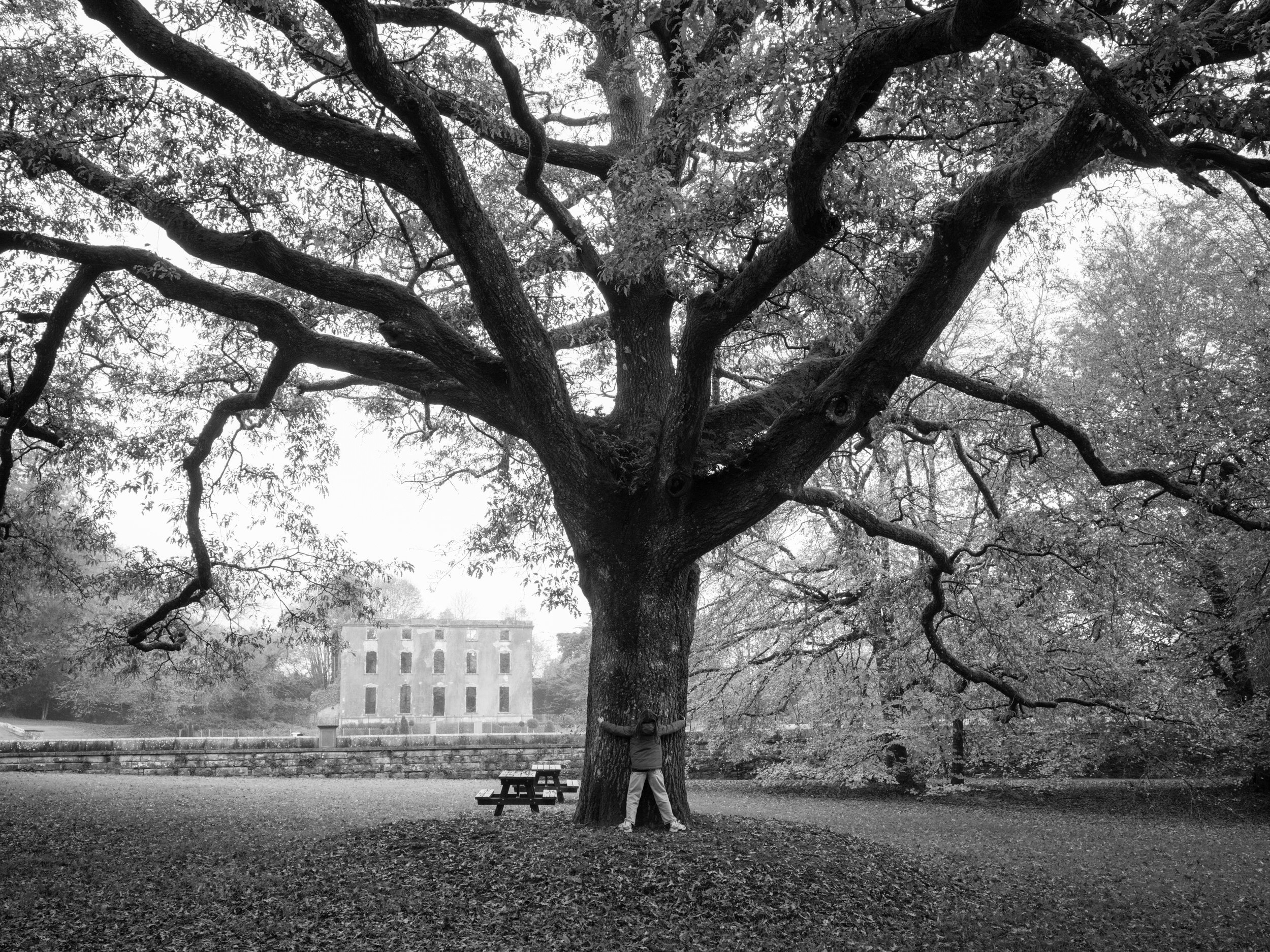
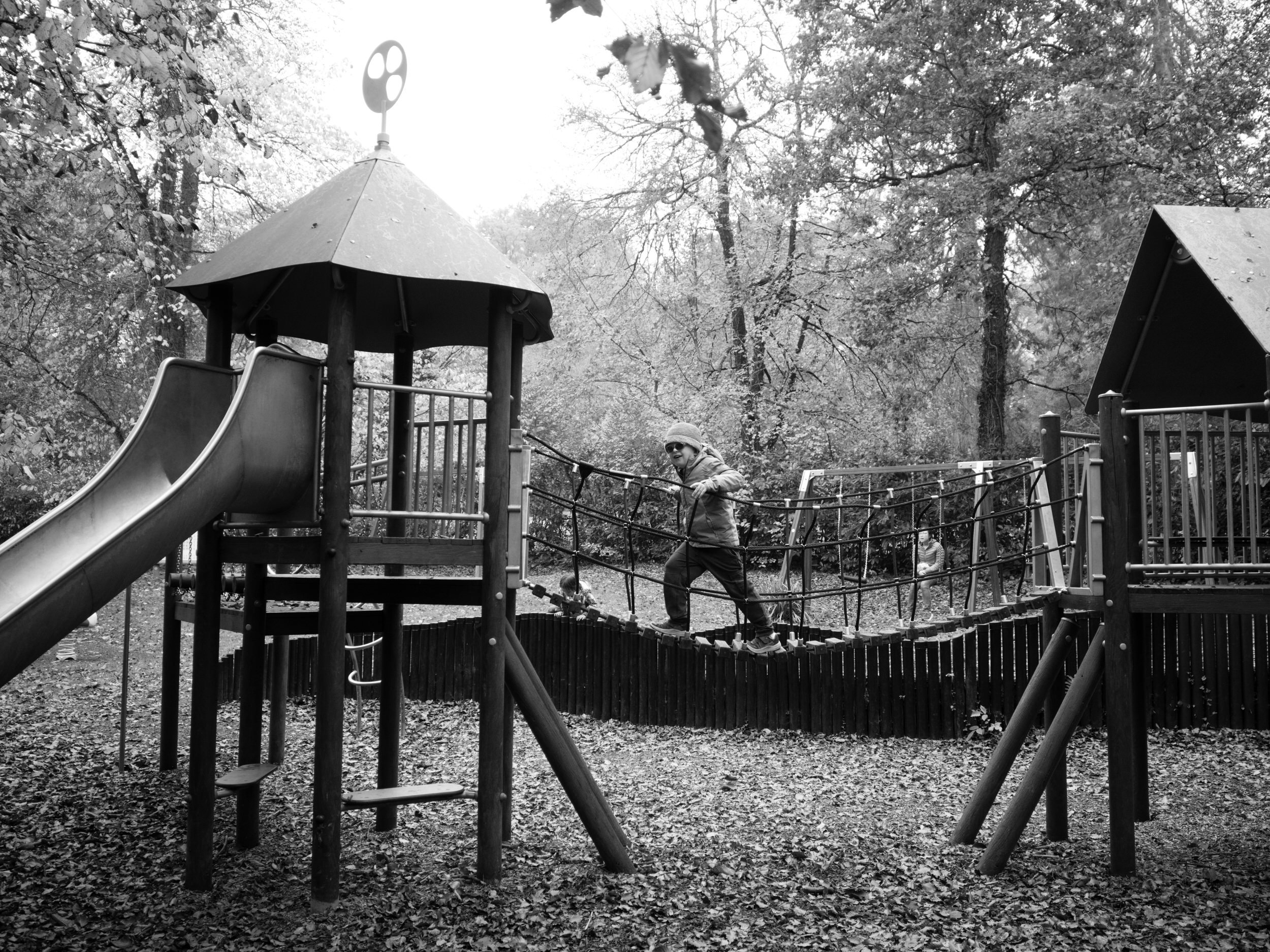
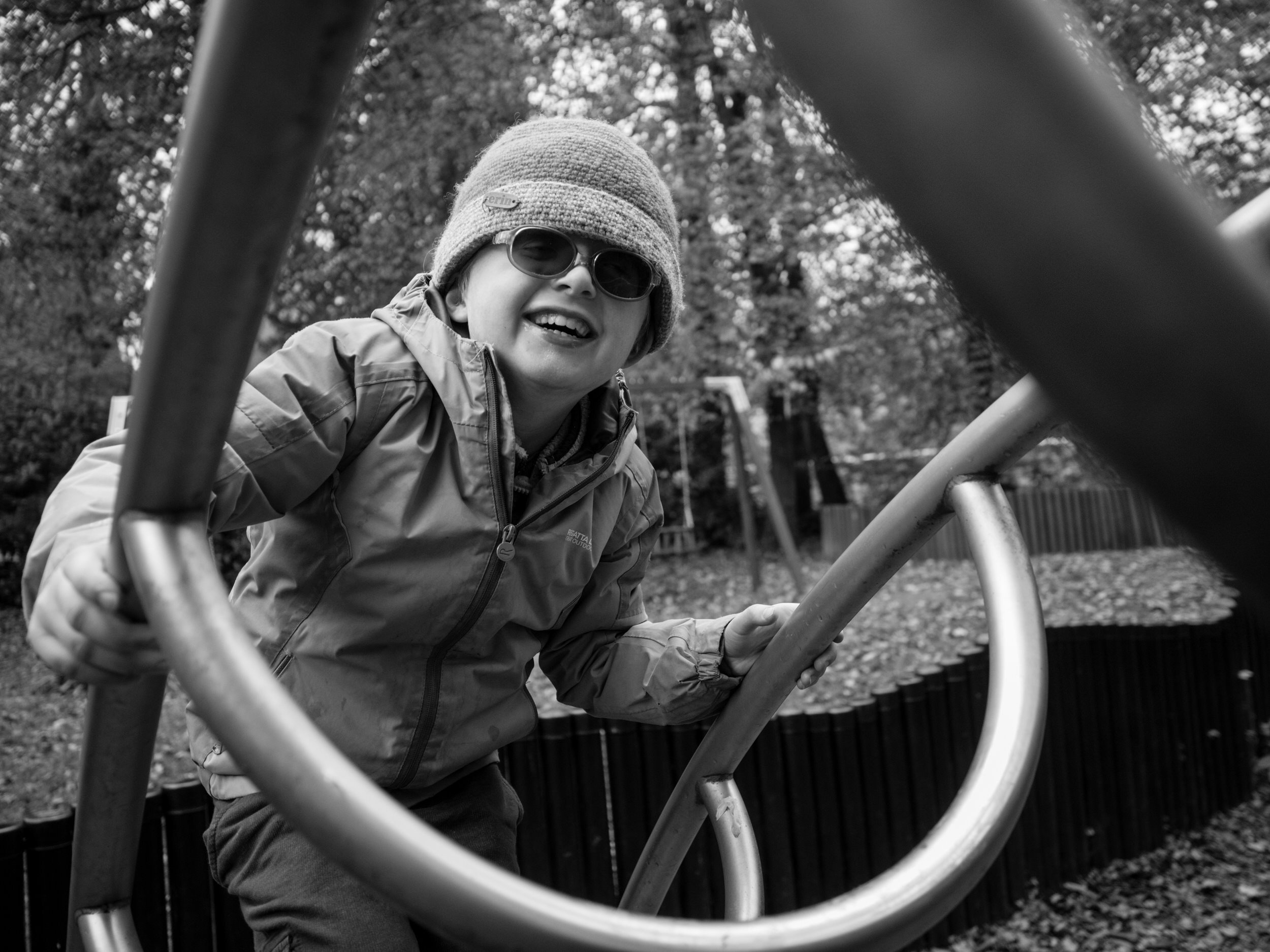
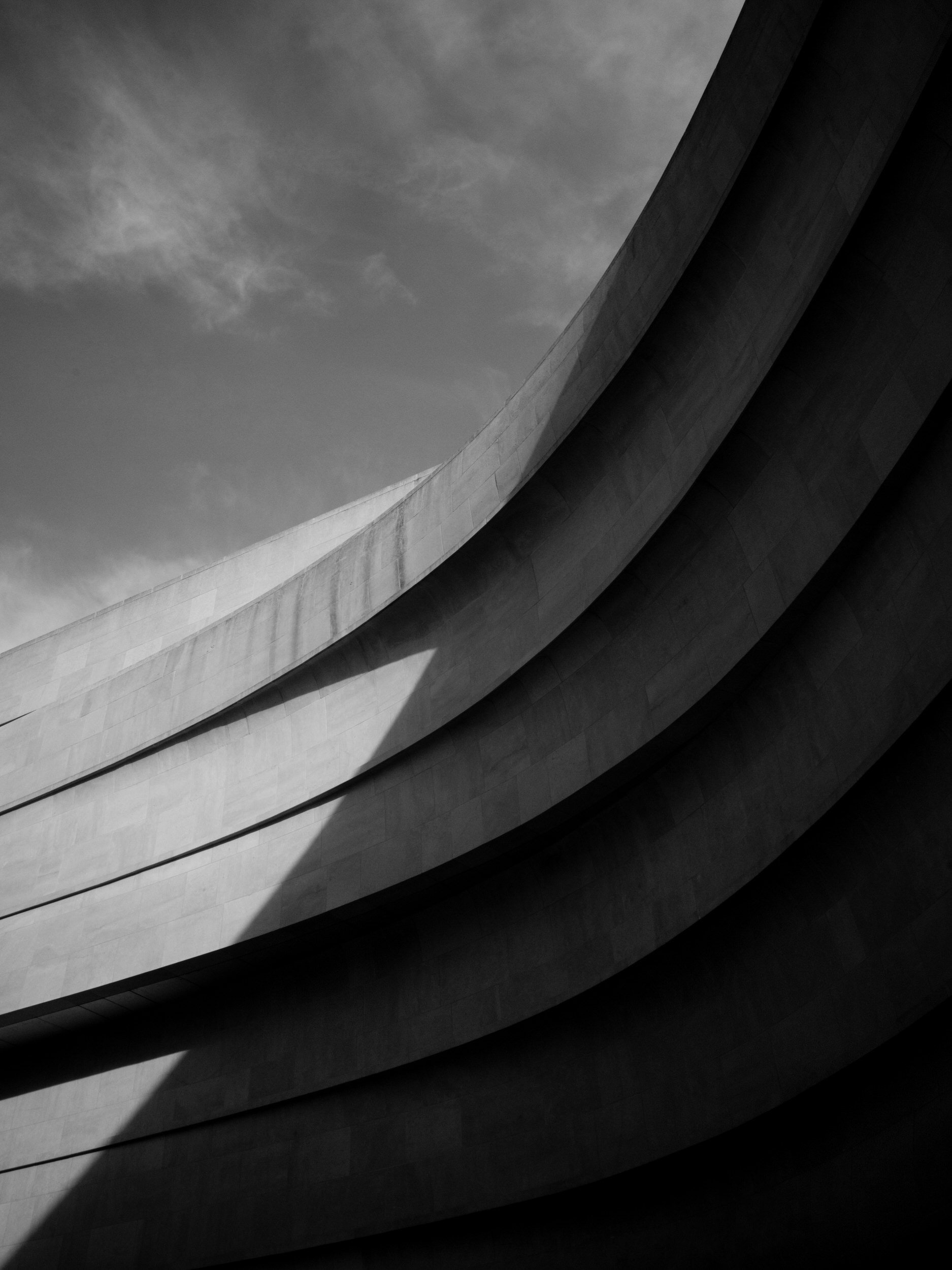
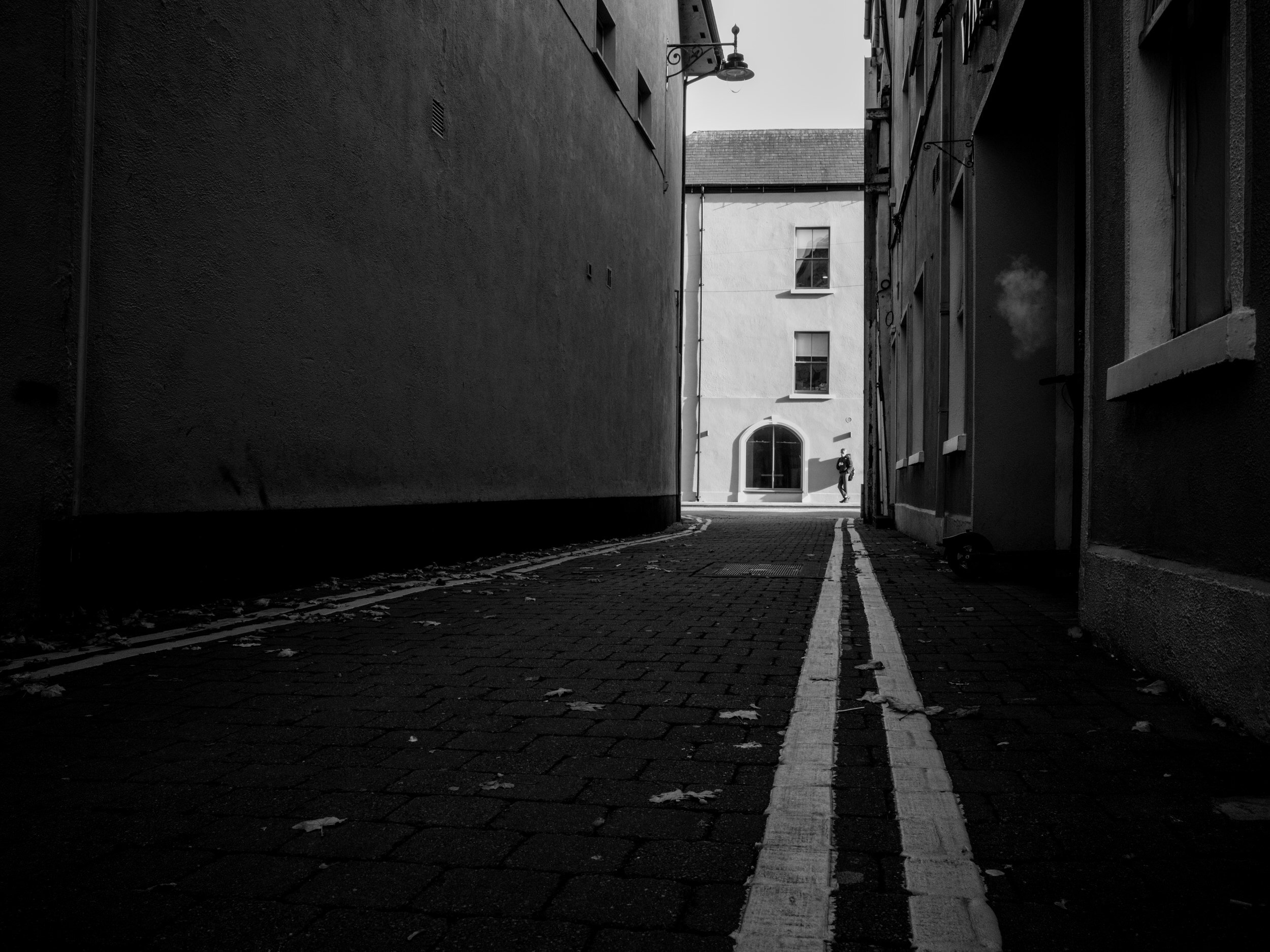
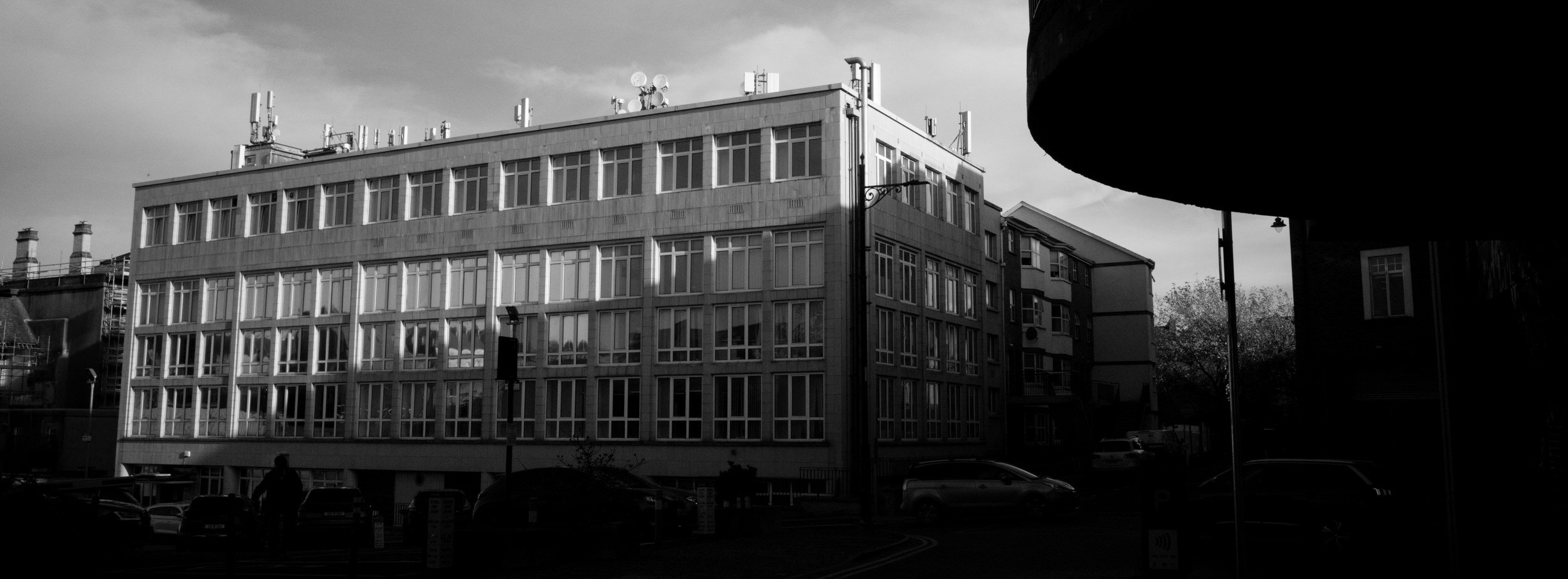
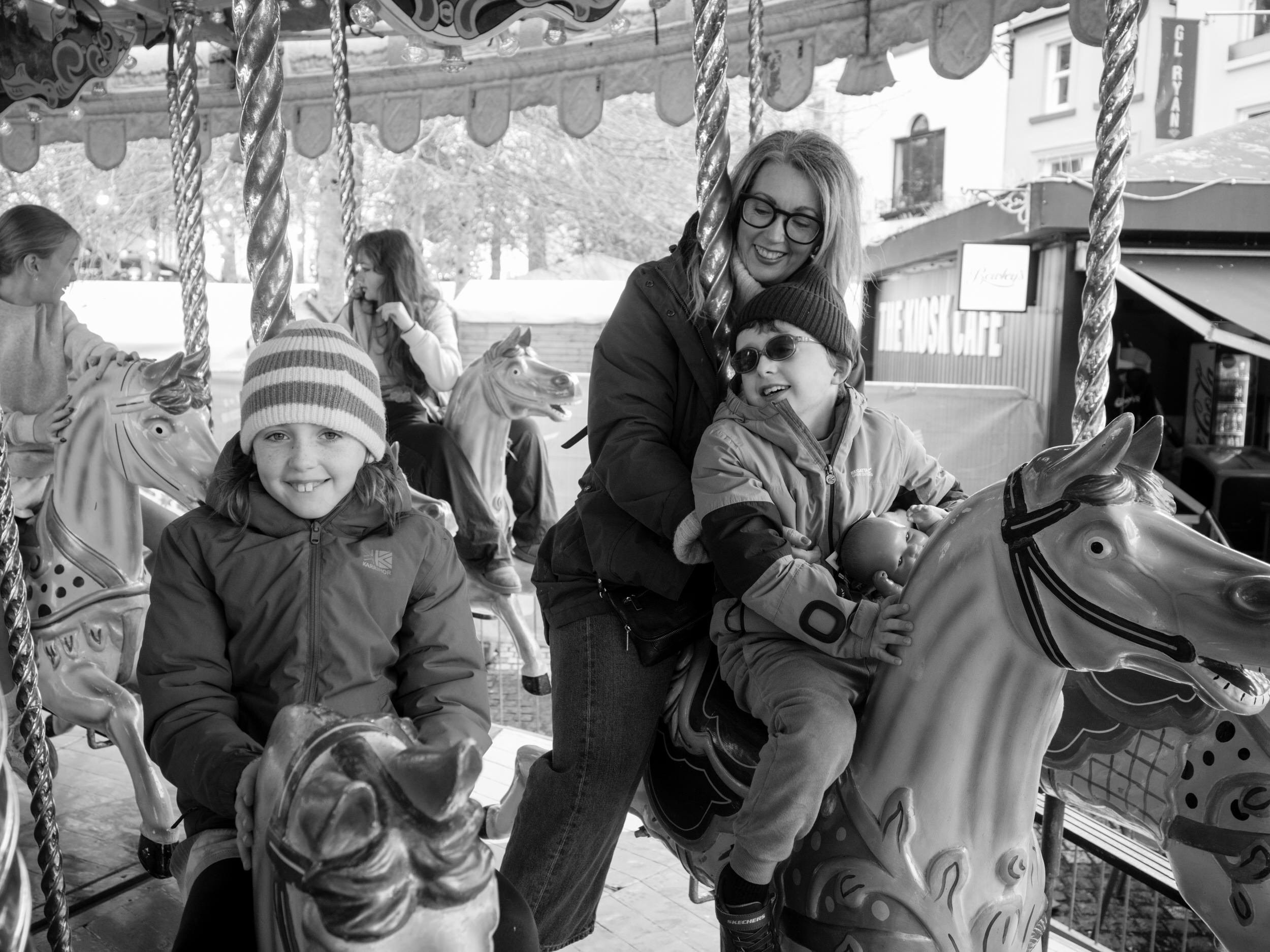
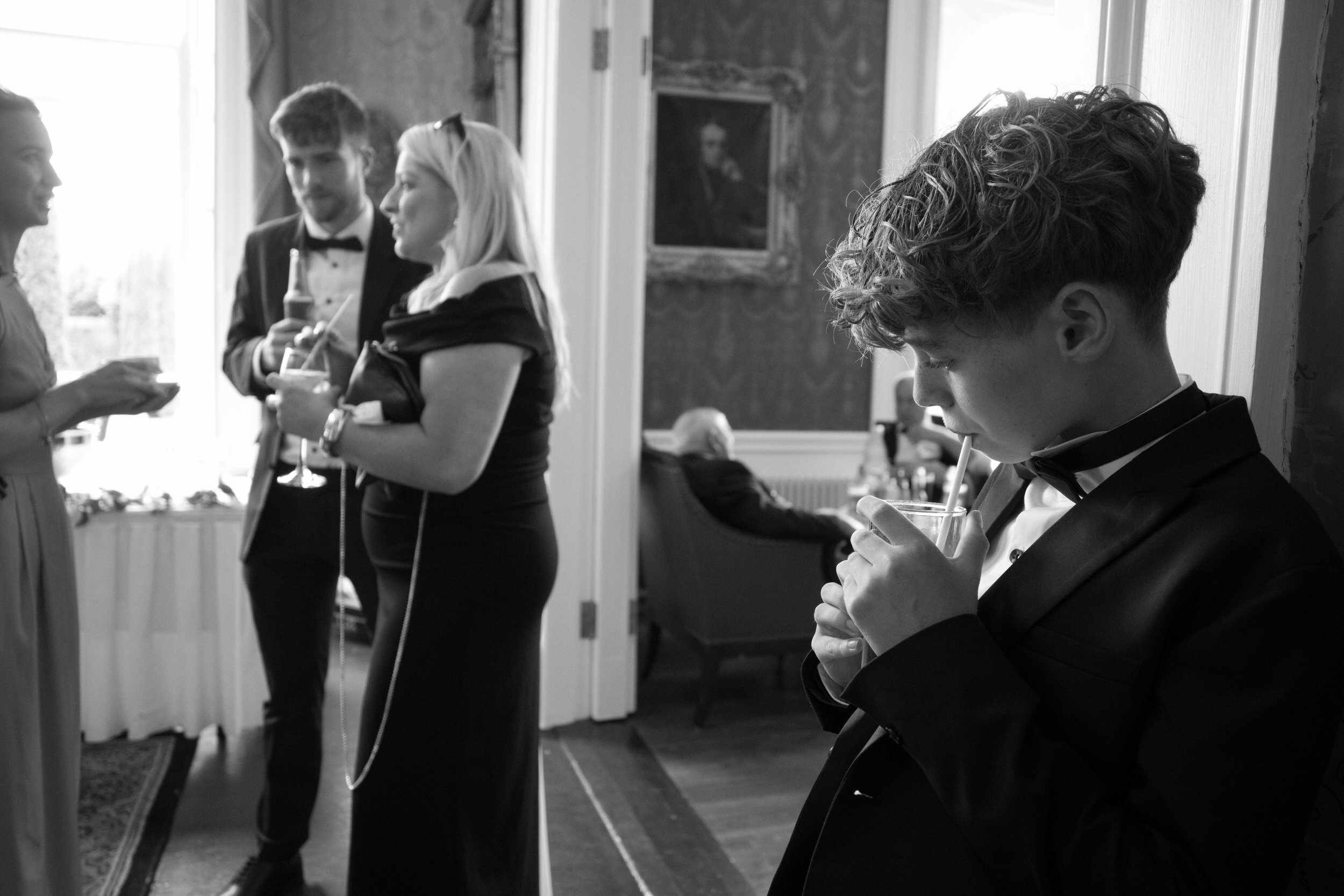
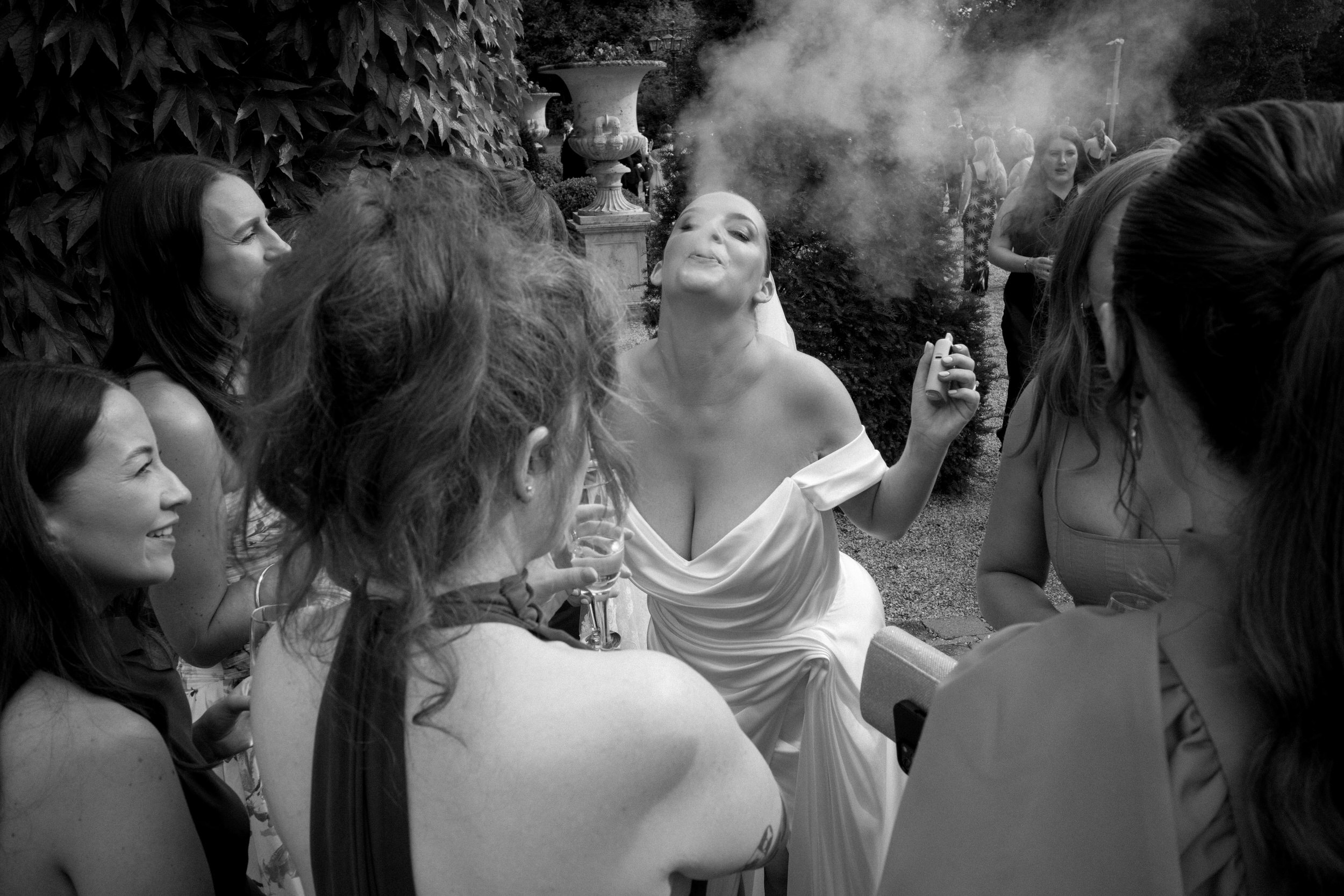
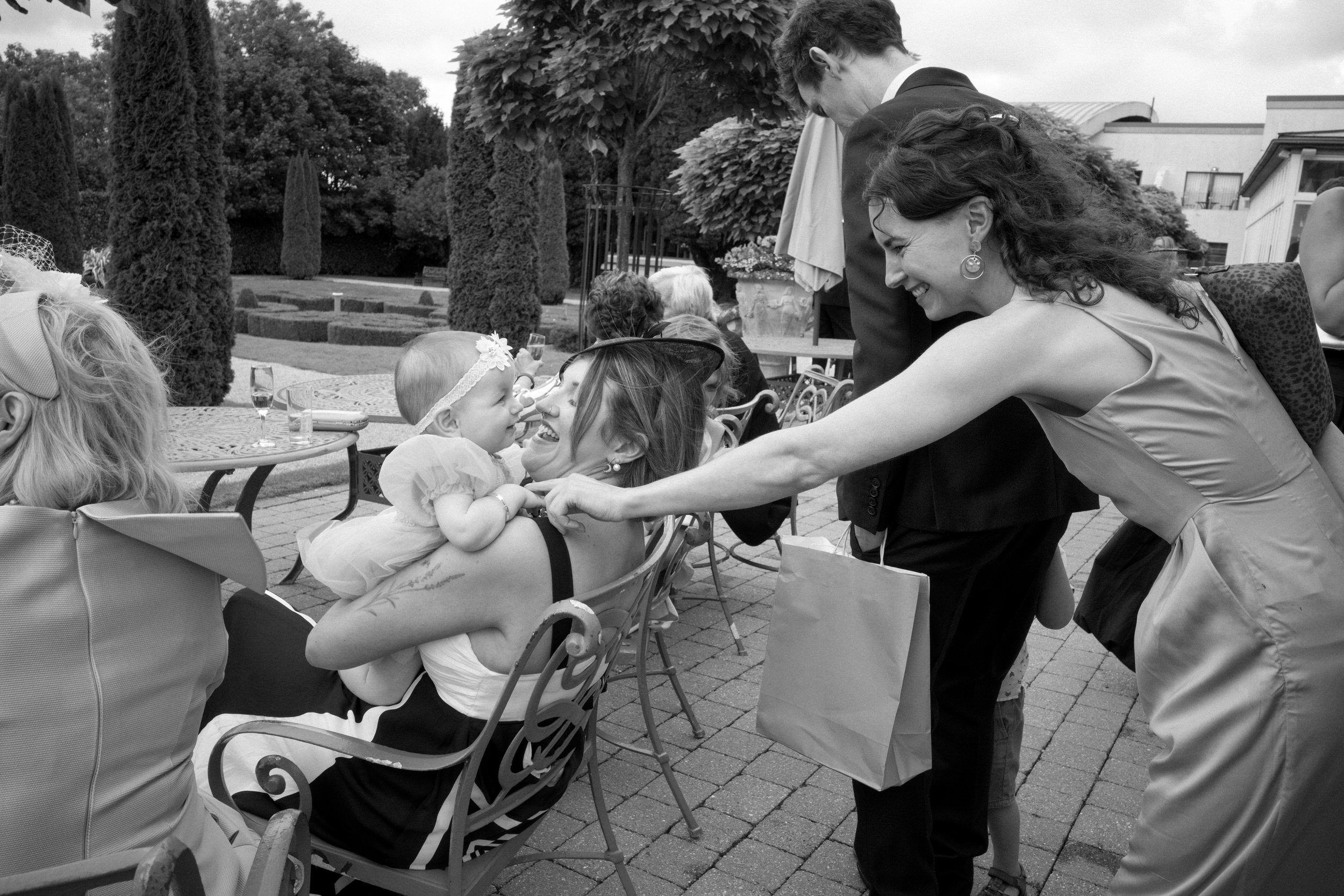
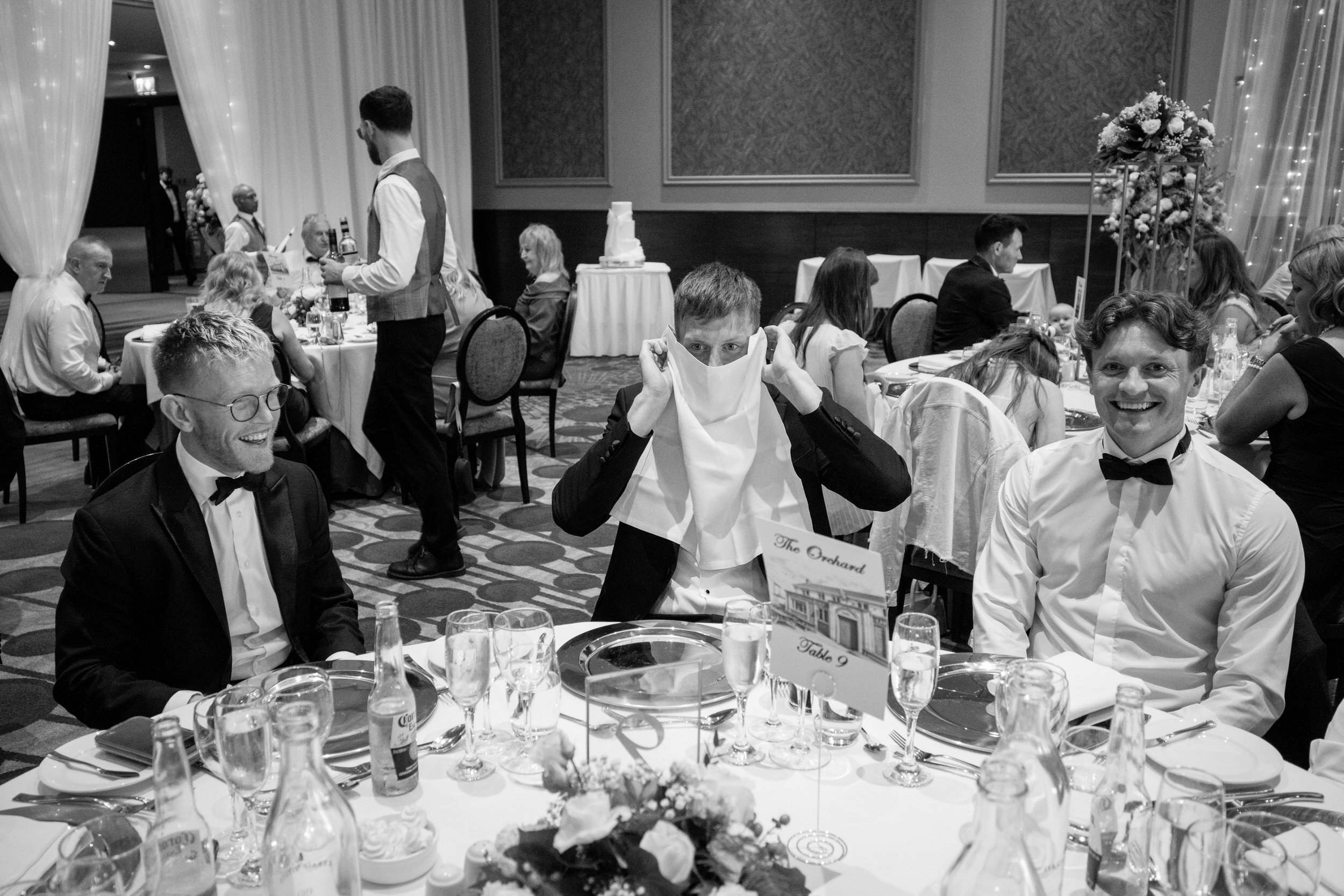
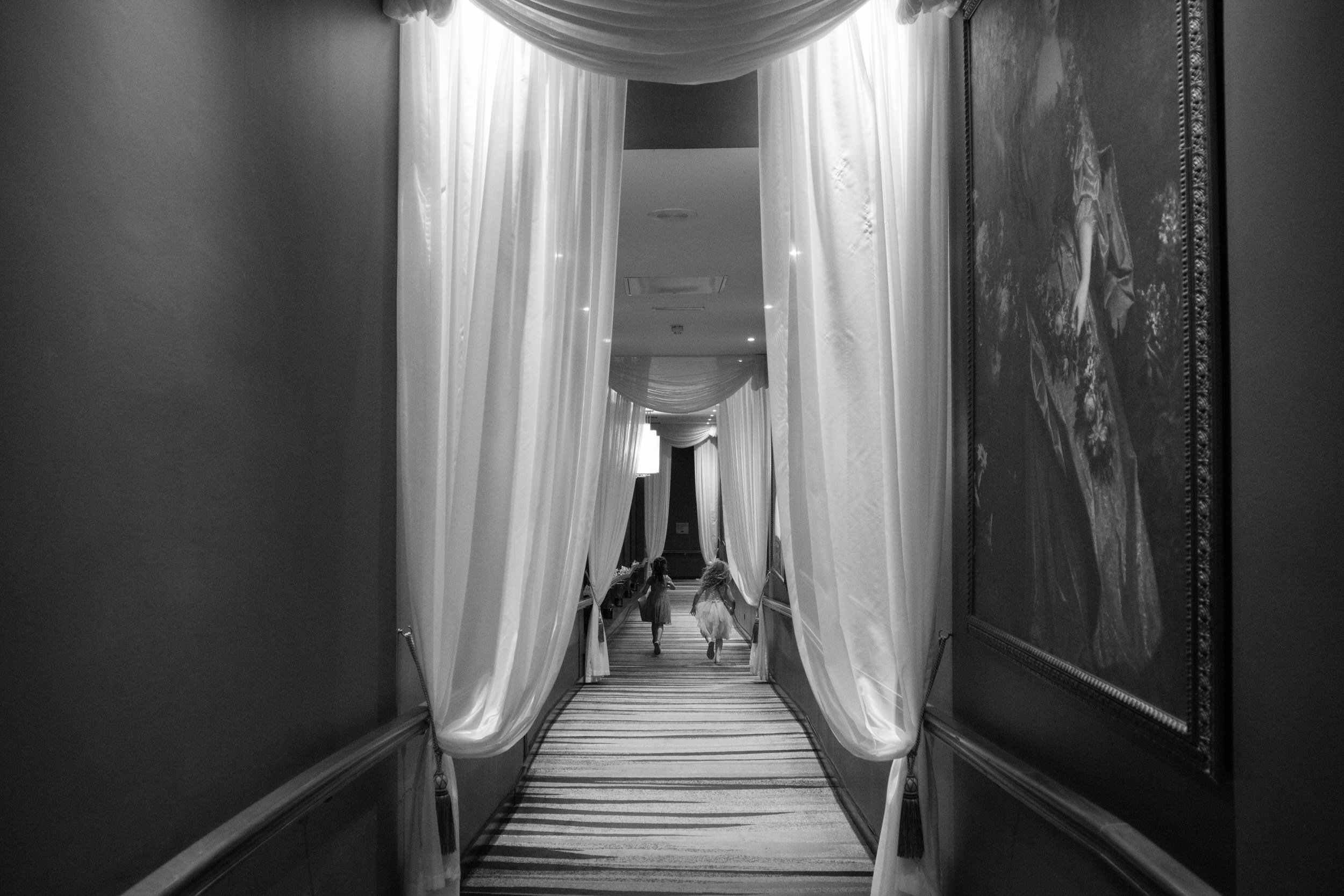
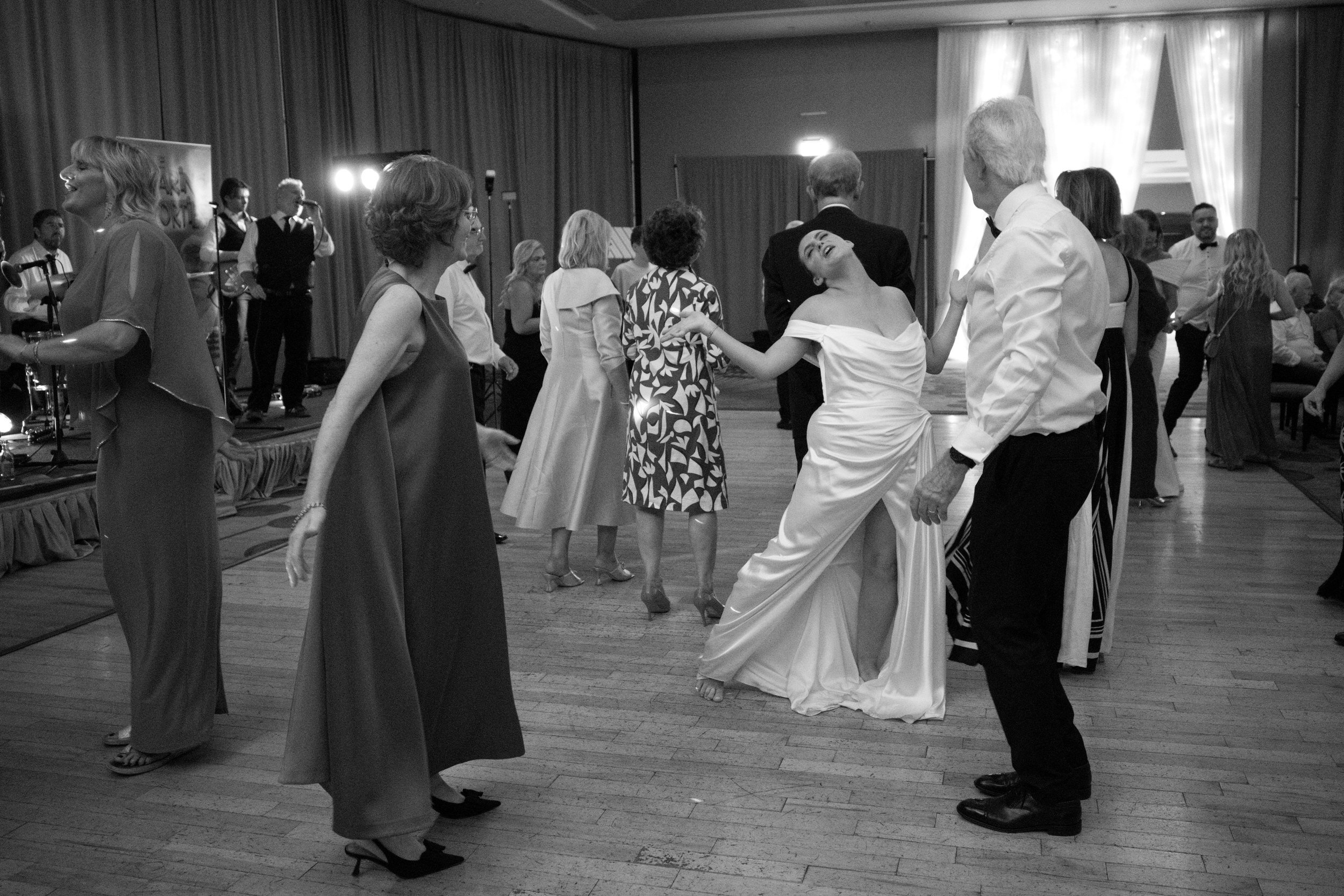
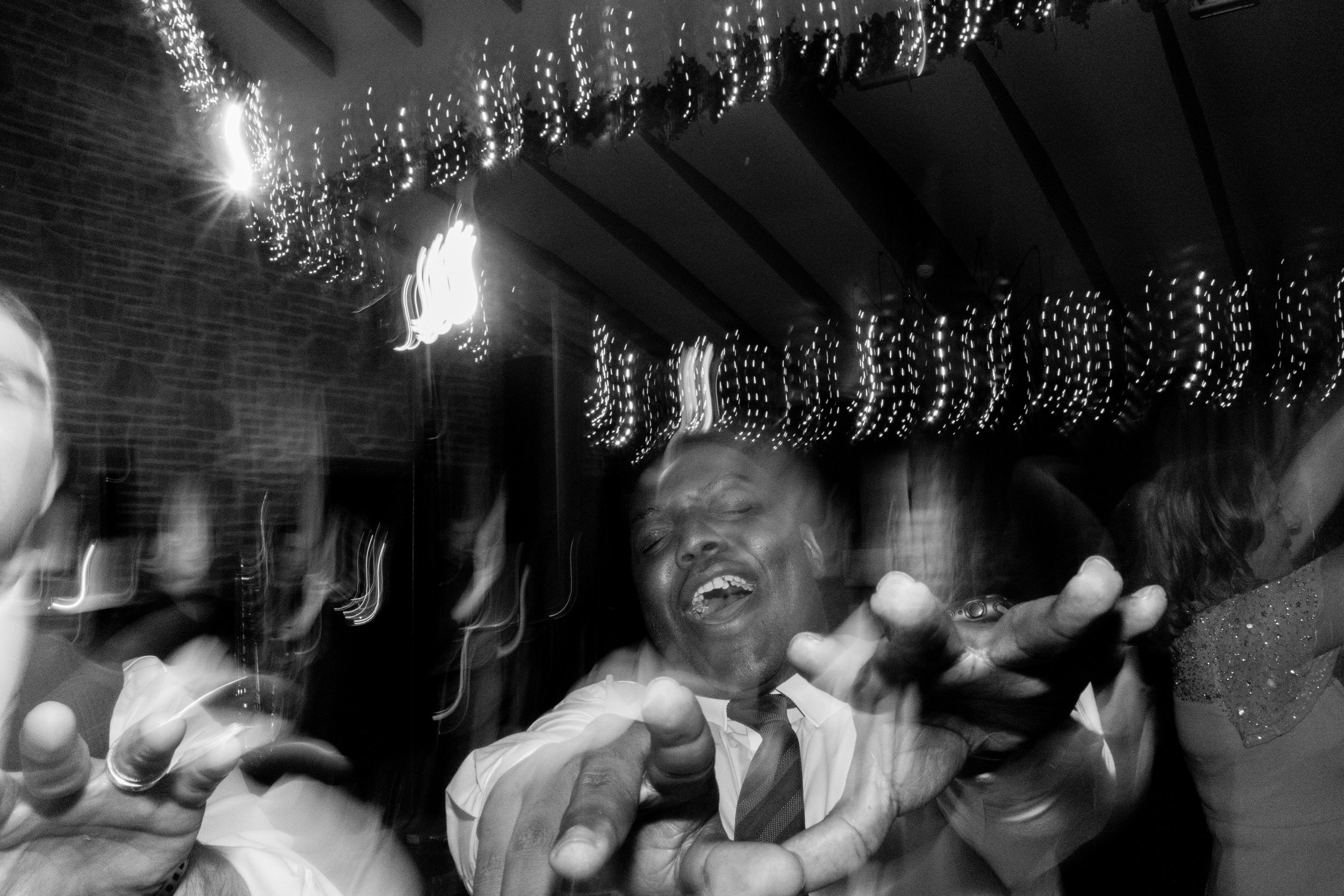
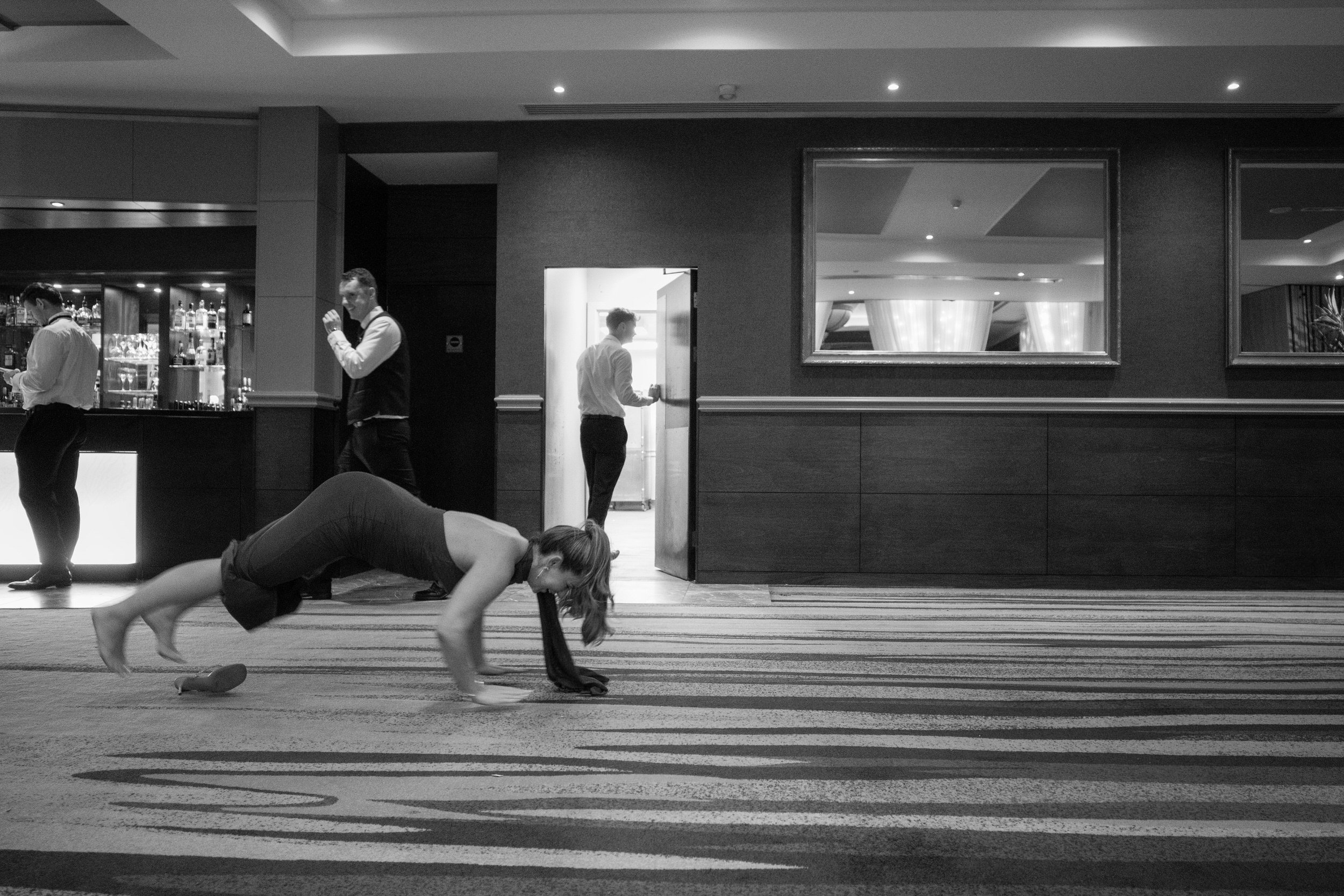
I’ve wanted a dedicated black and white camera for a long time.
When the Leica Q2 Monochrom came along, I loved the idea of it. I just couldn’t justify the cost. Later, a loan of a Leica Q3 Monochrom from Bermingham Cameras in Dublin got me thinking about it all over again. The appeal of a camera that only photographed in black and white hadn’t gone away.
Then the Ricoh GR IV Monochrome appeared, and I knew I wasn’t going to settle until I owned one.
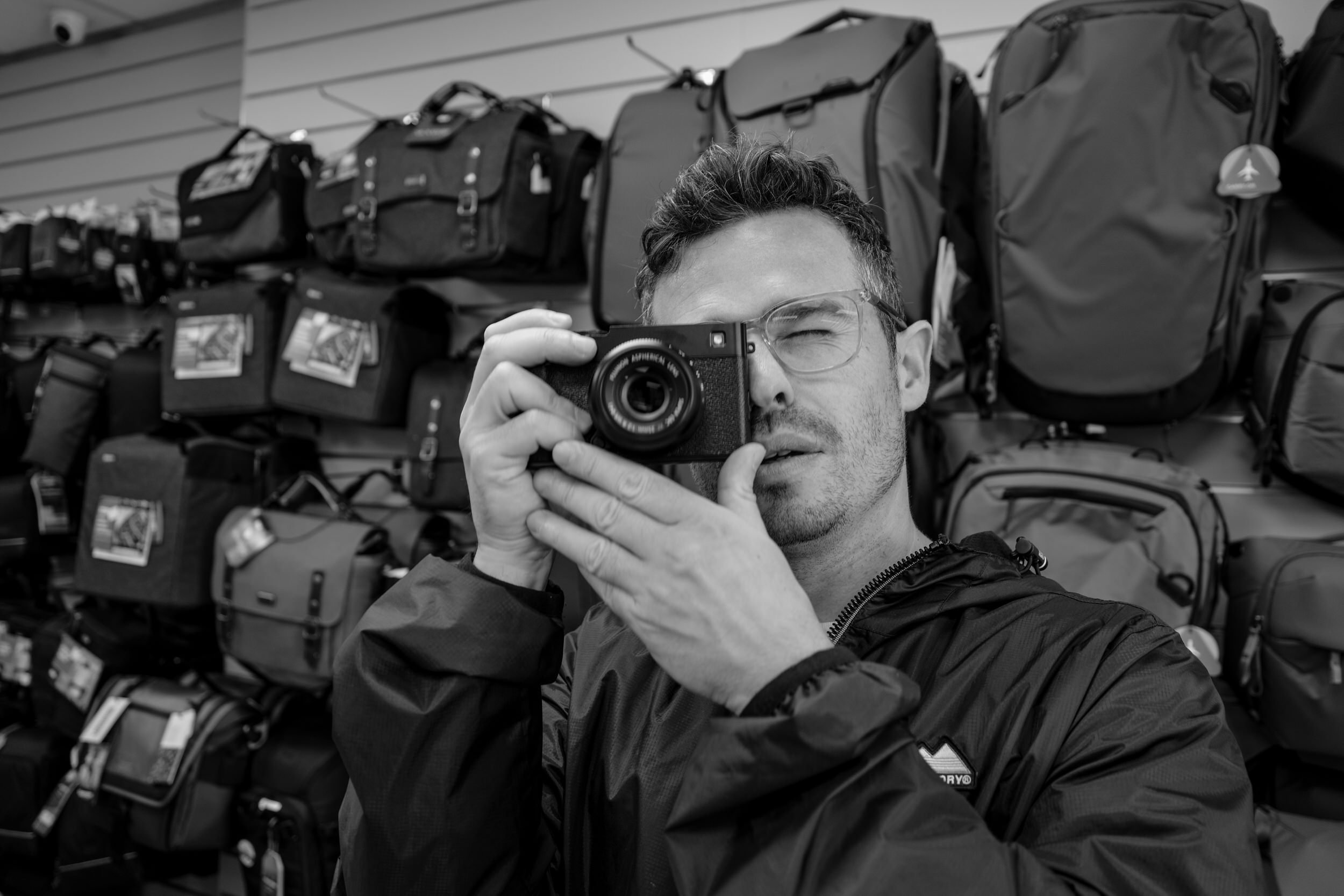
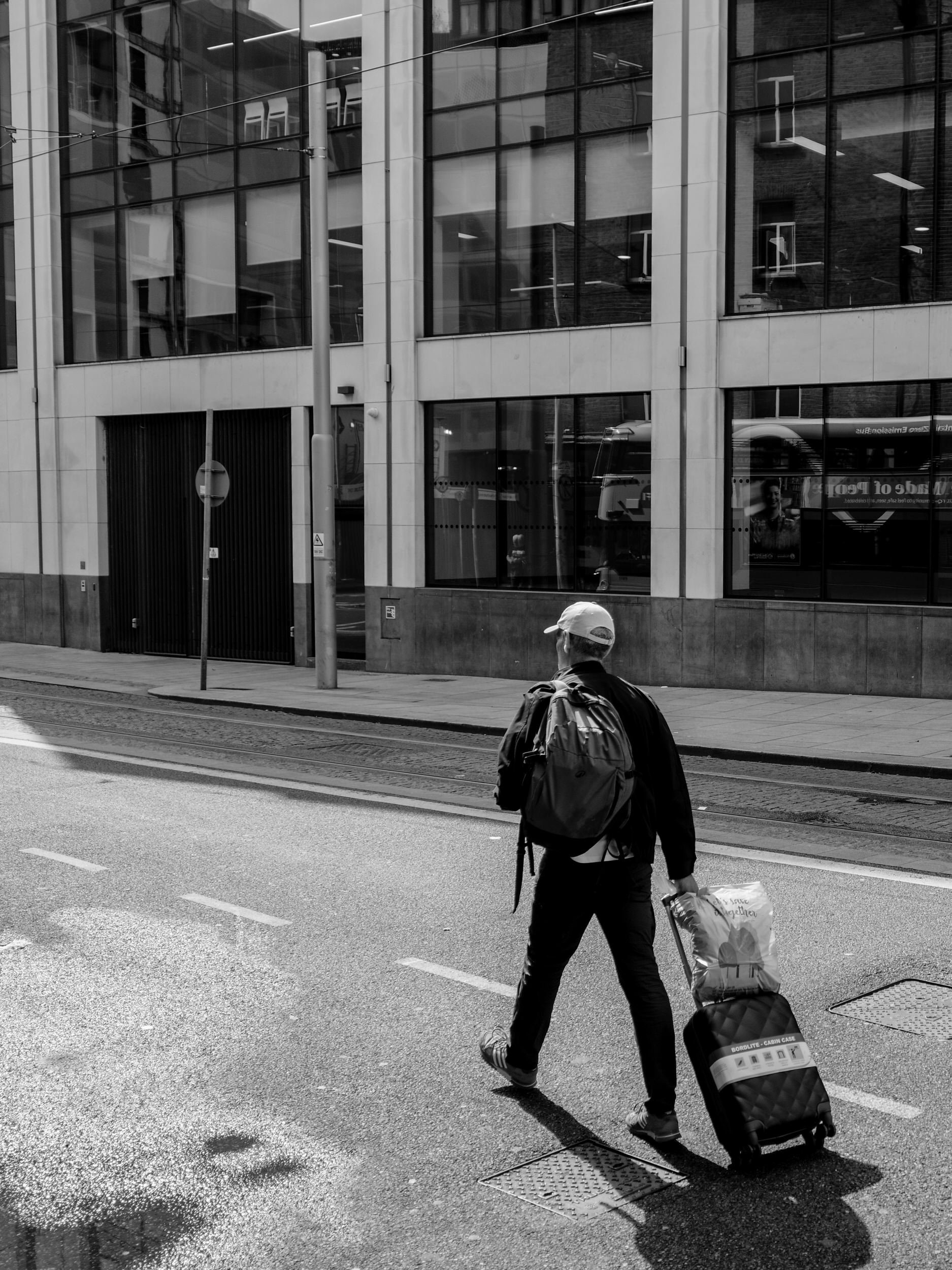
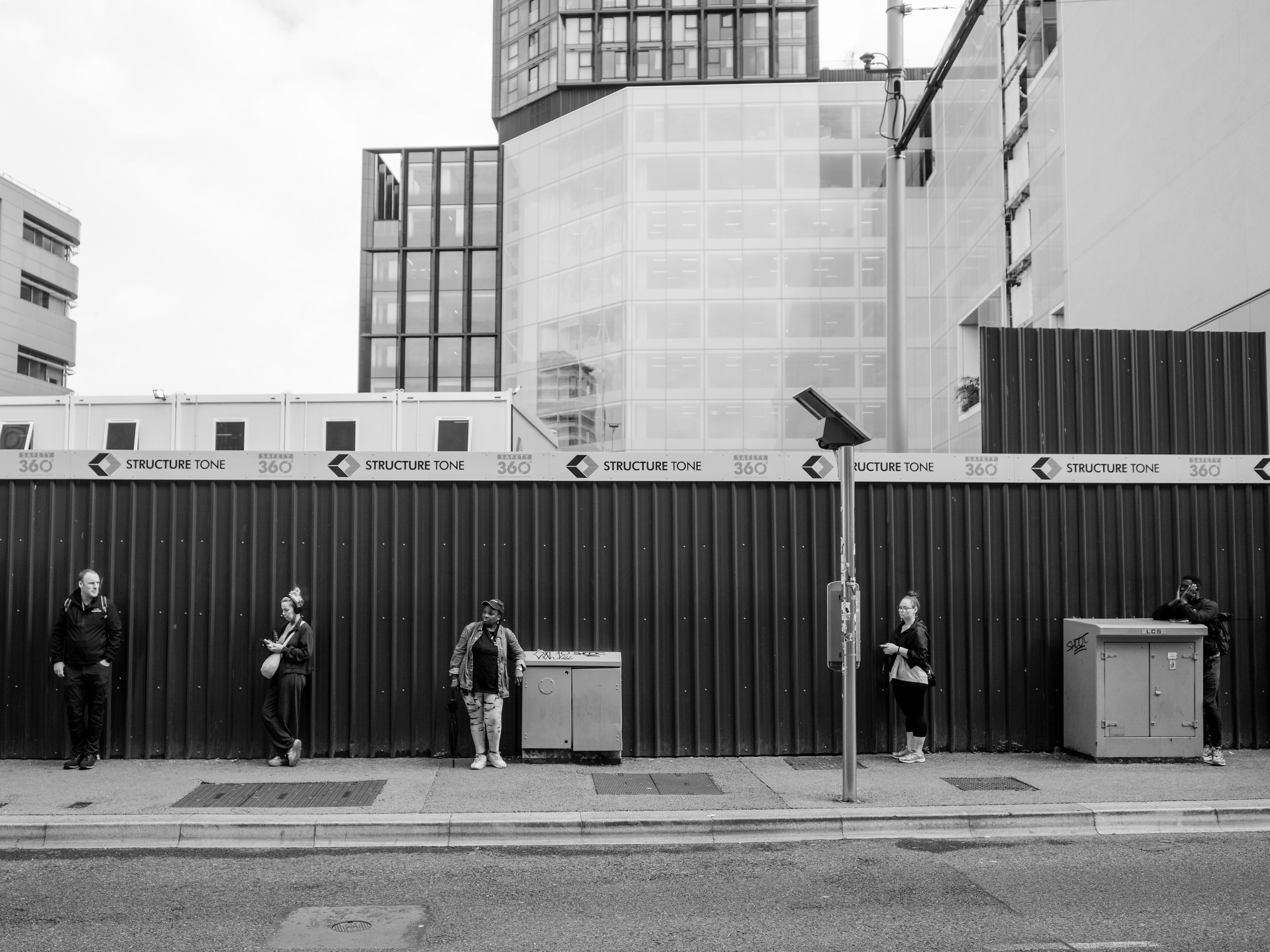
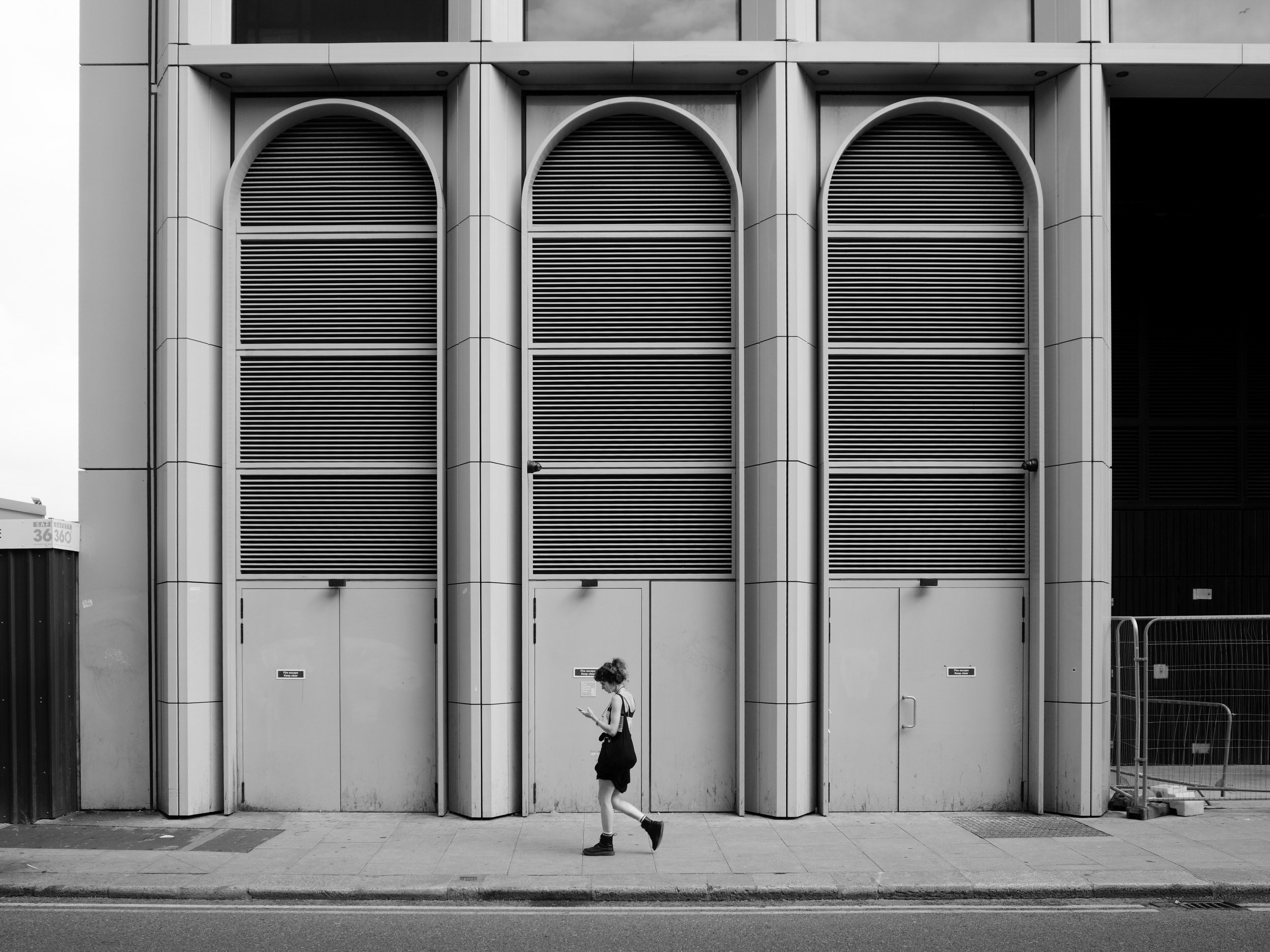
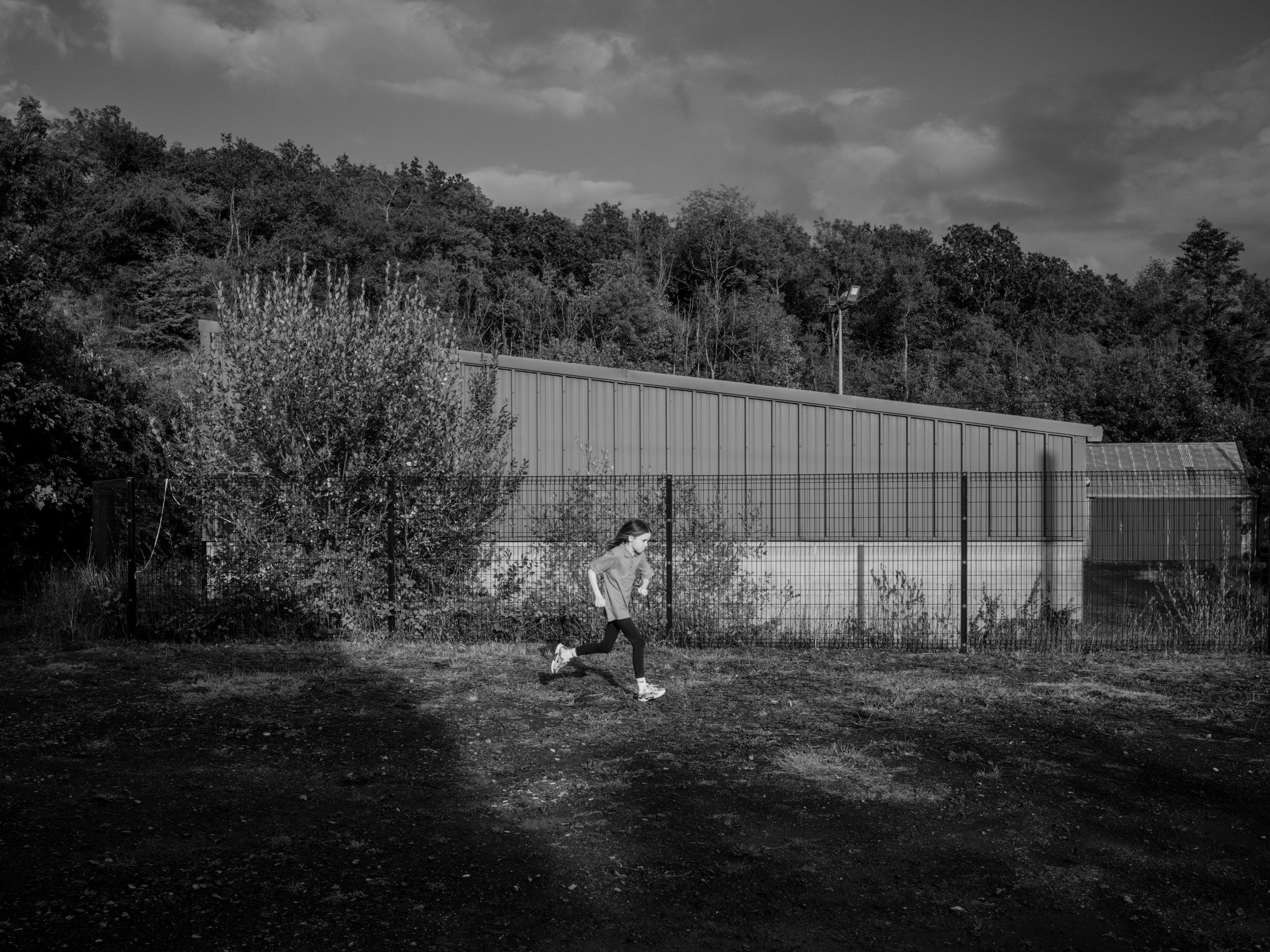
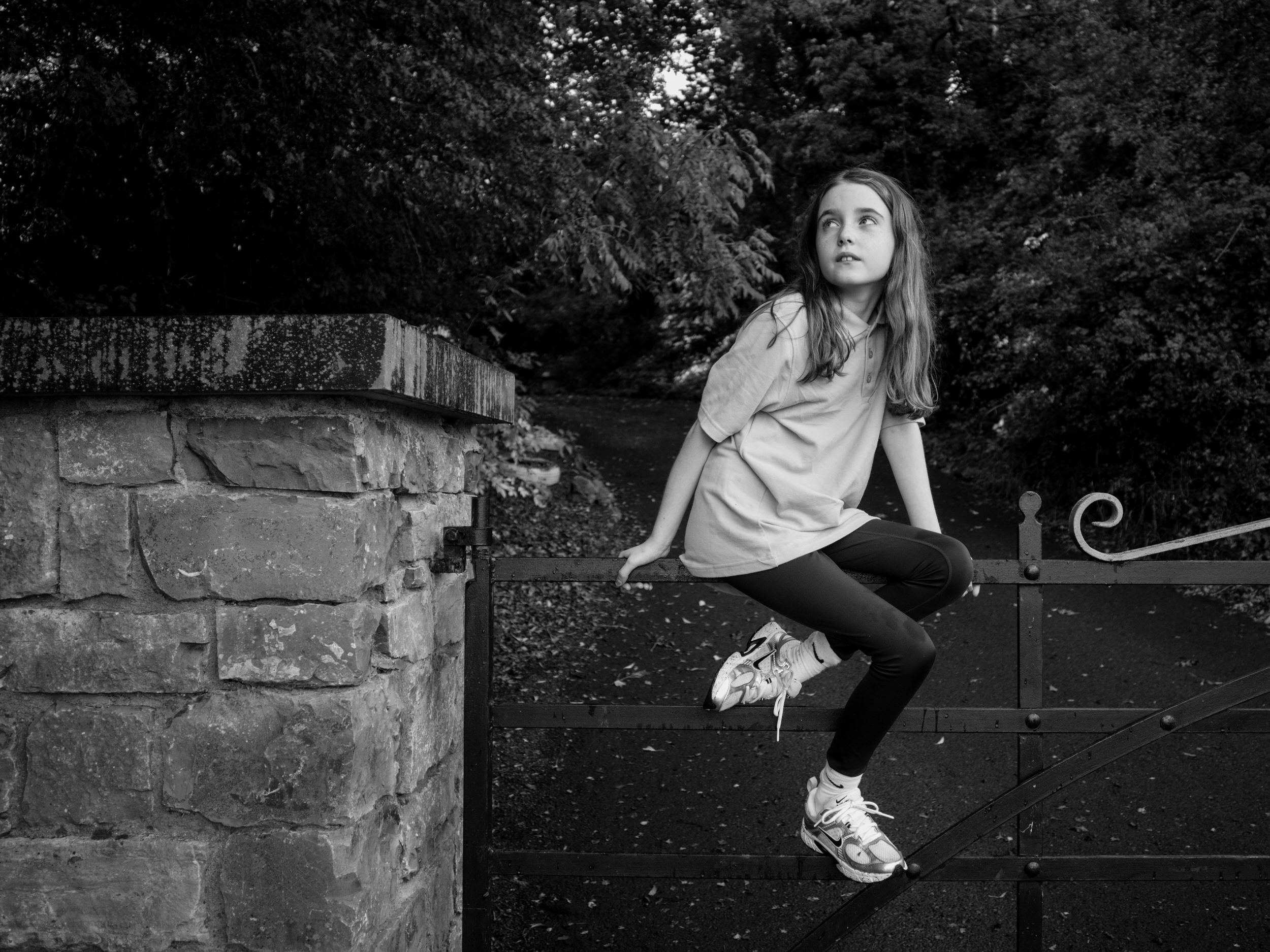
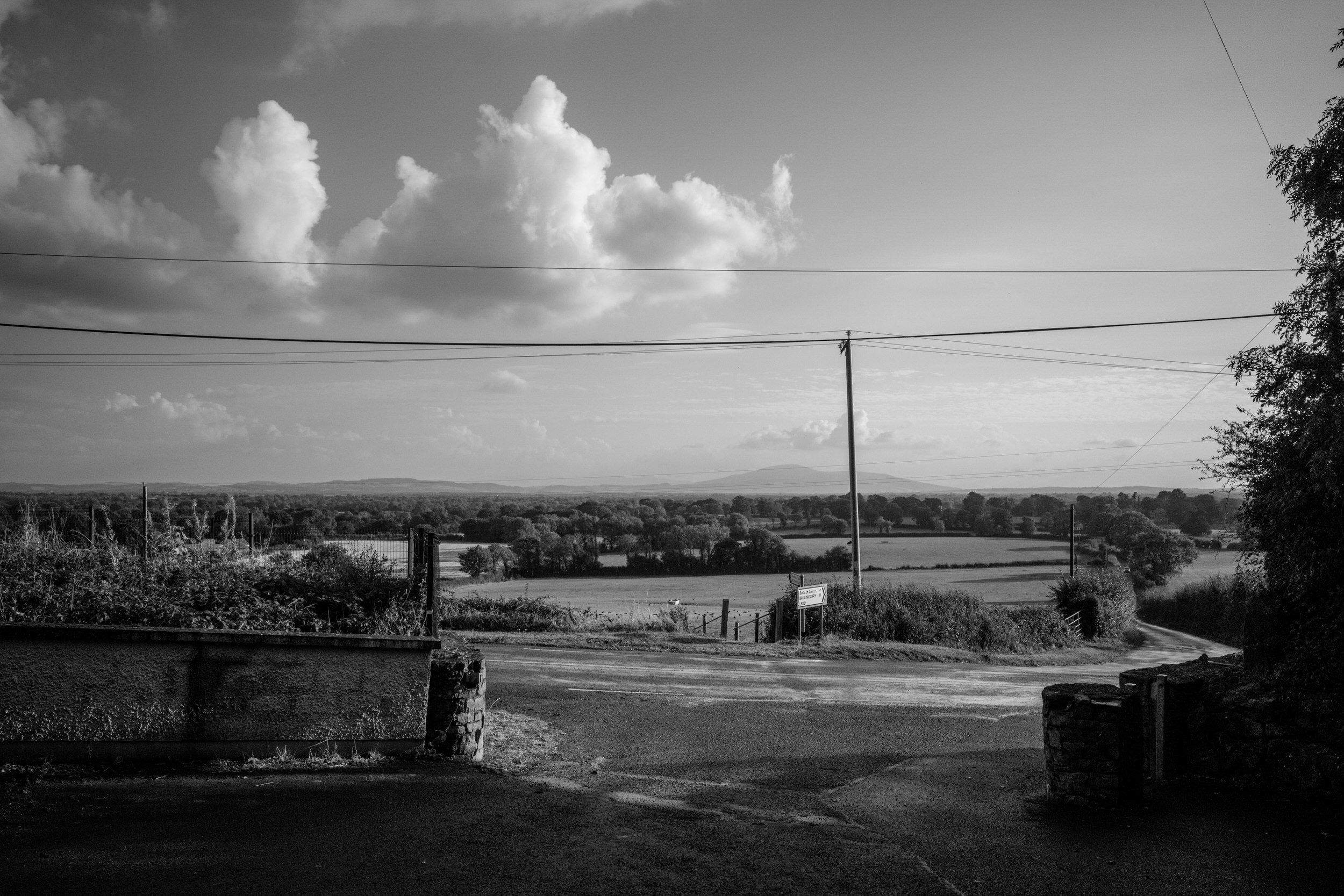
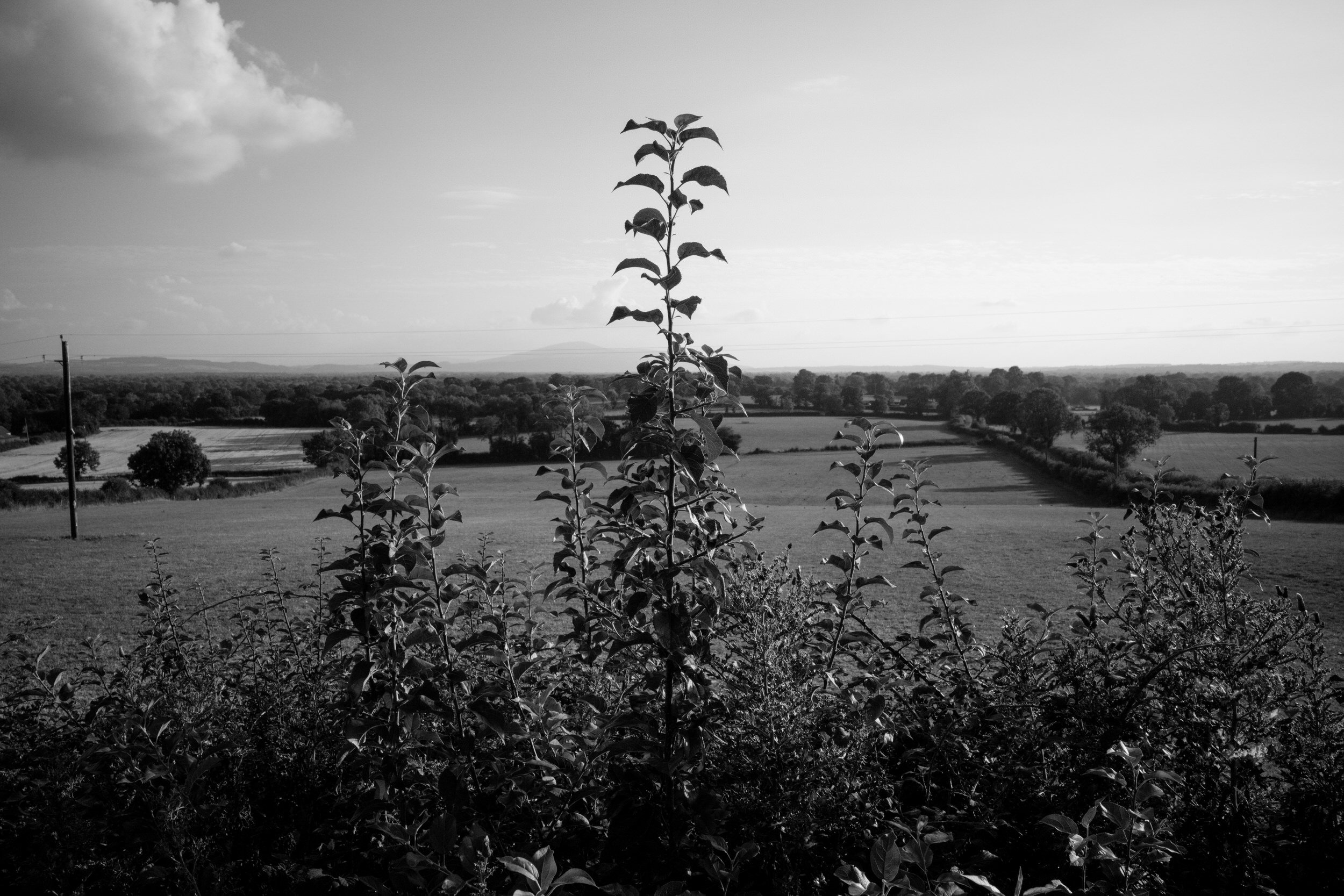
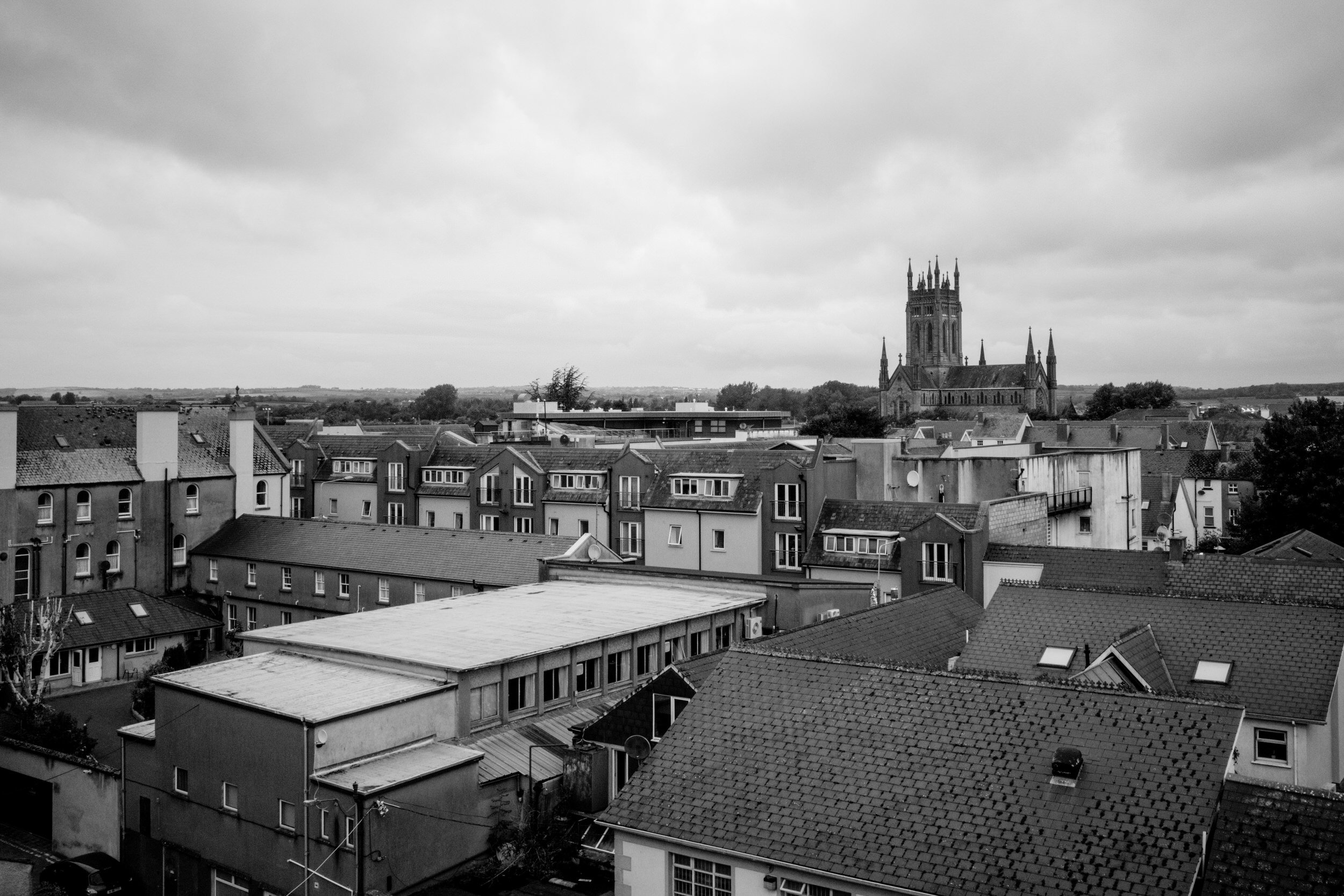
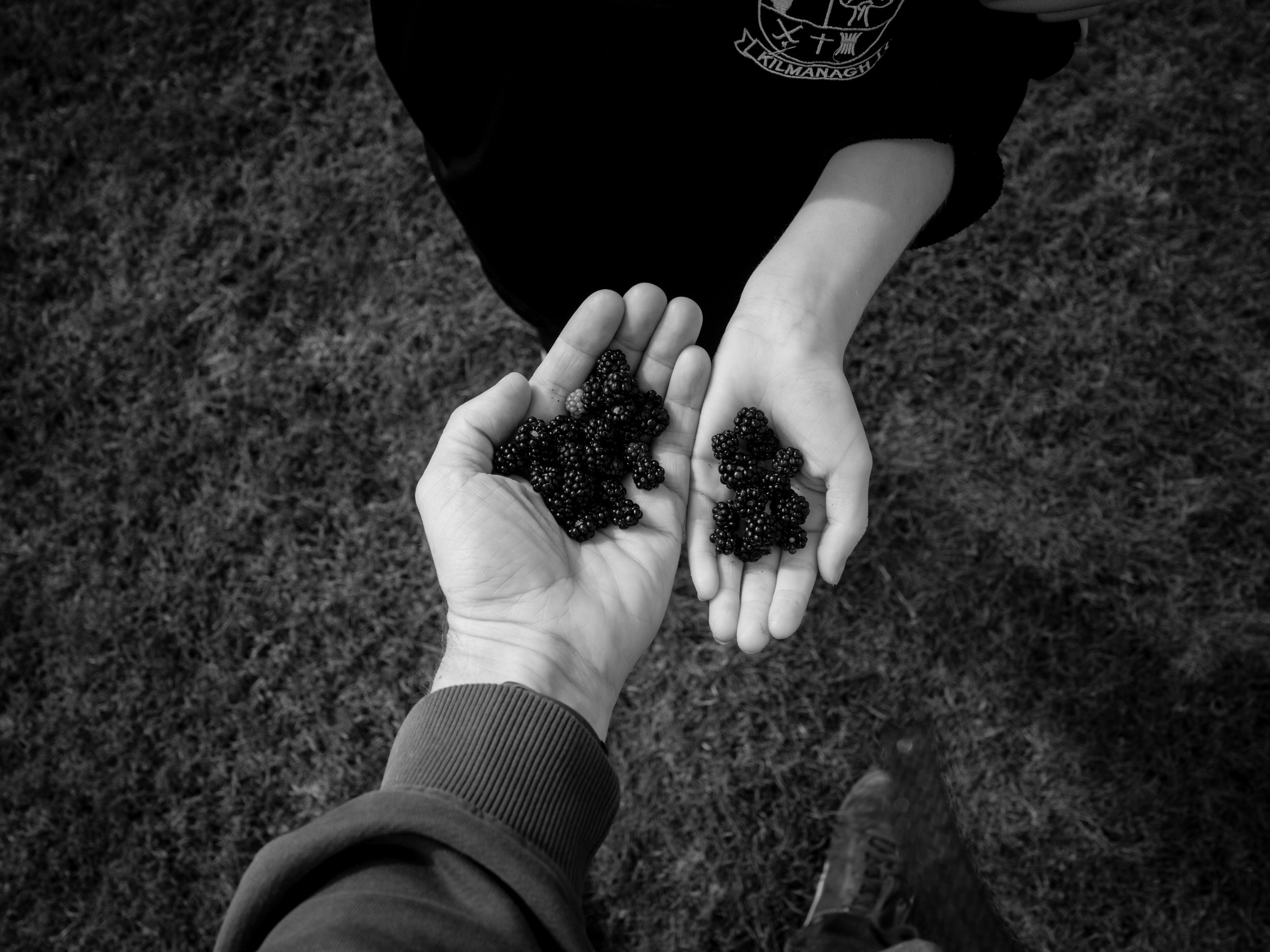
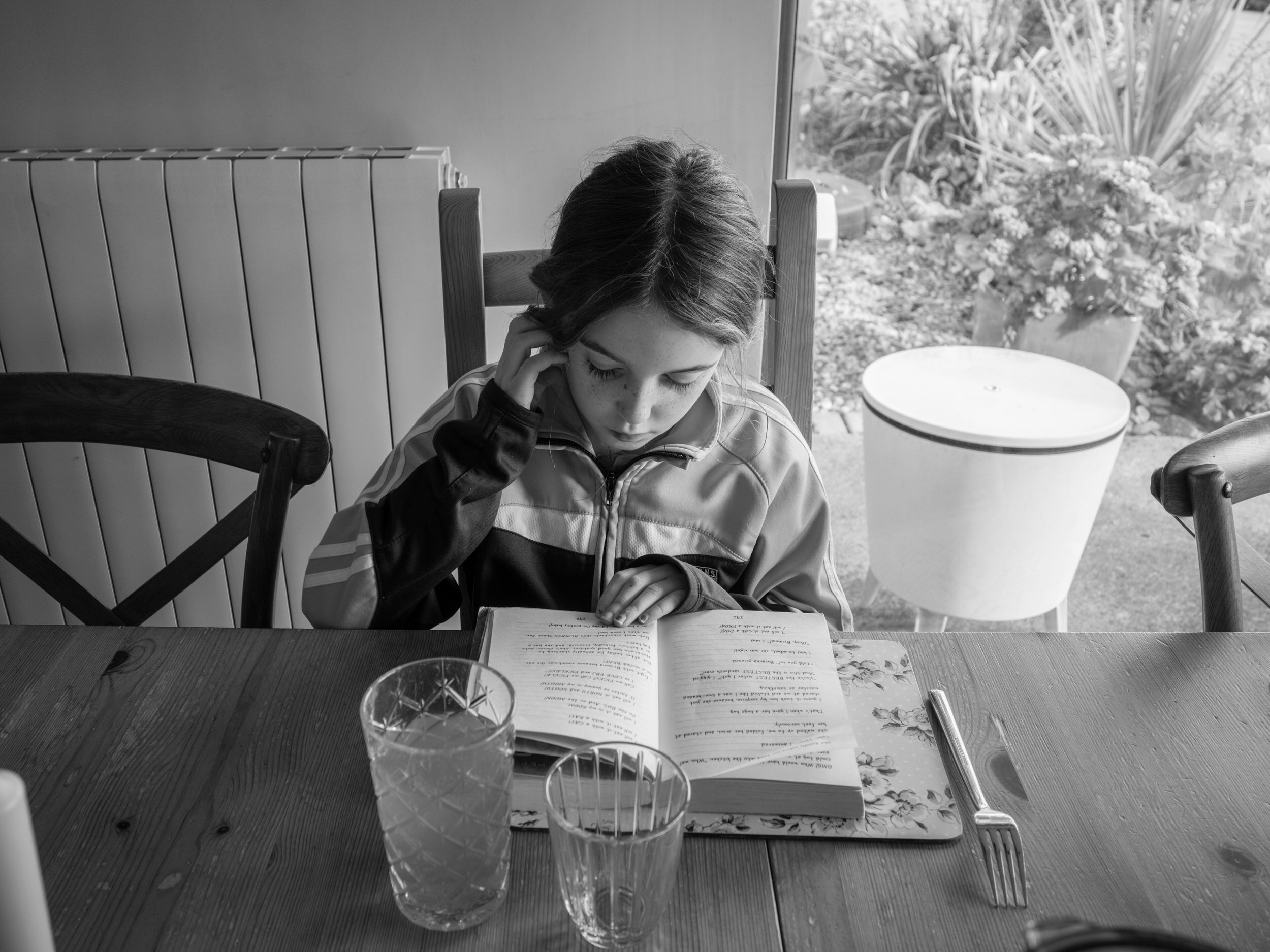
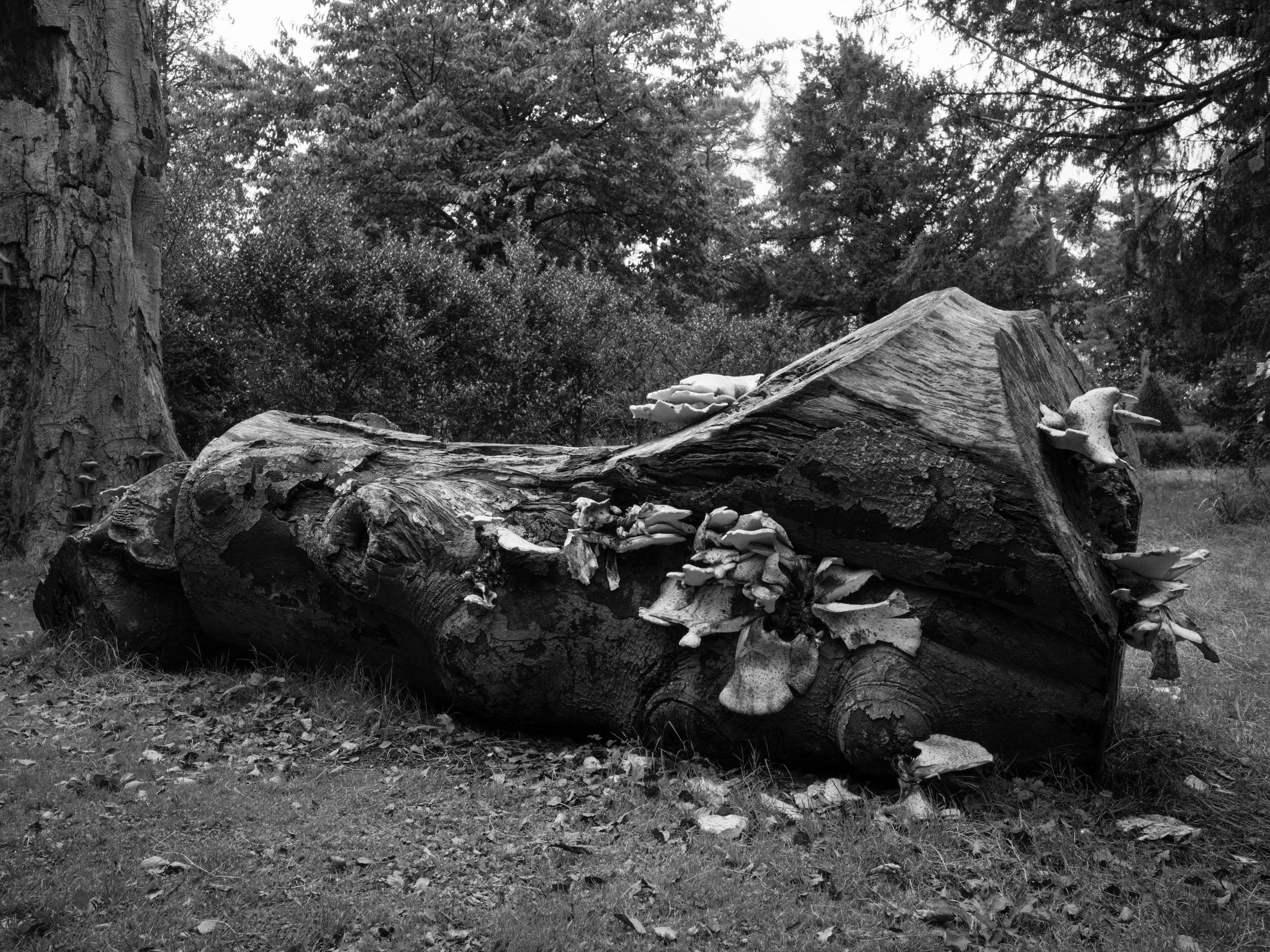
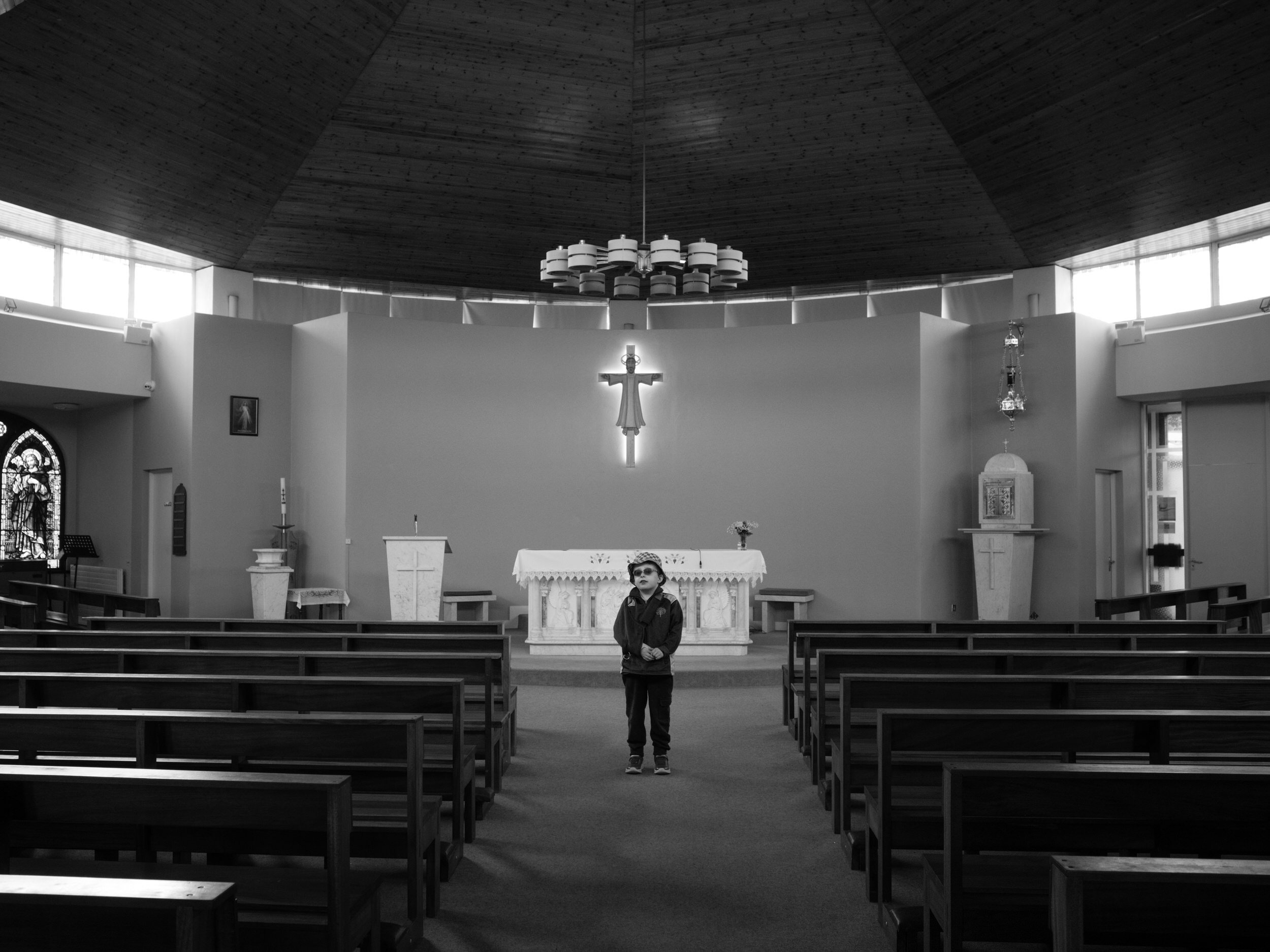
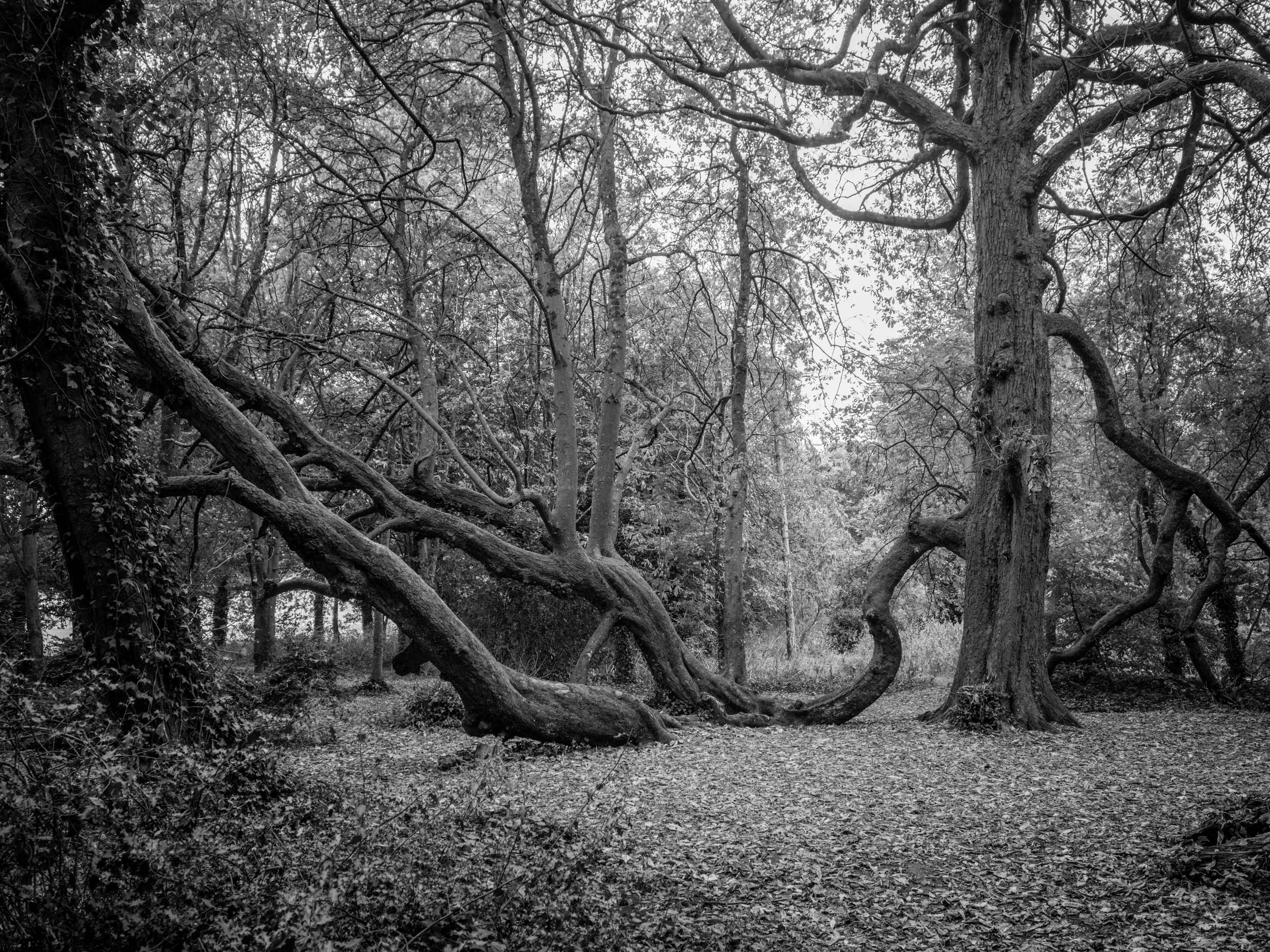
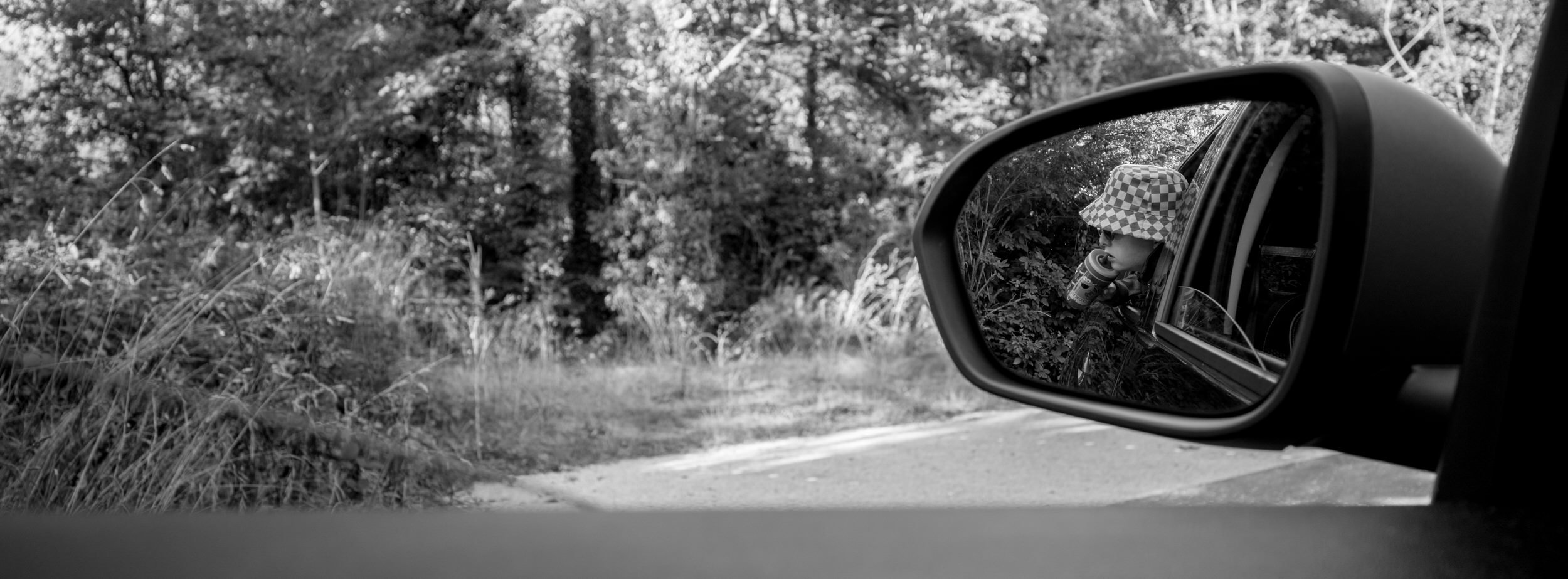
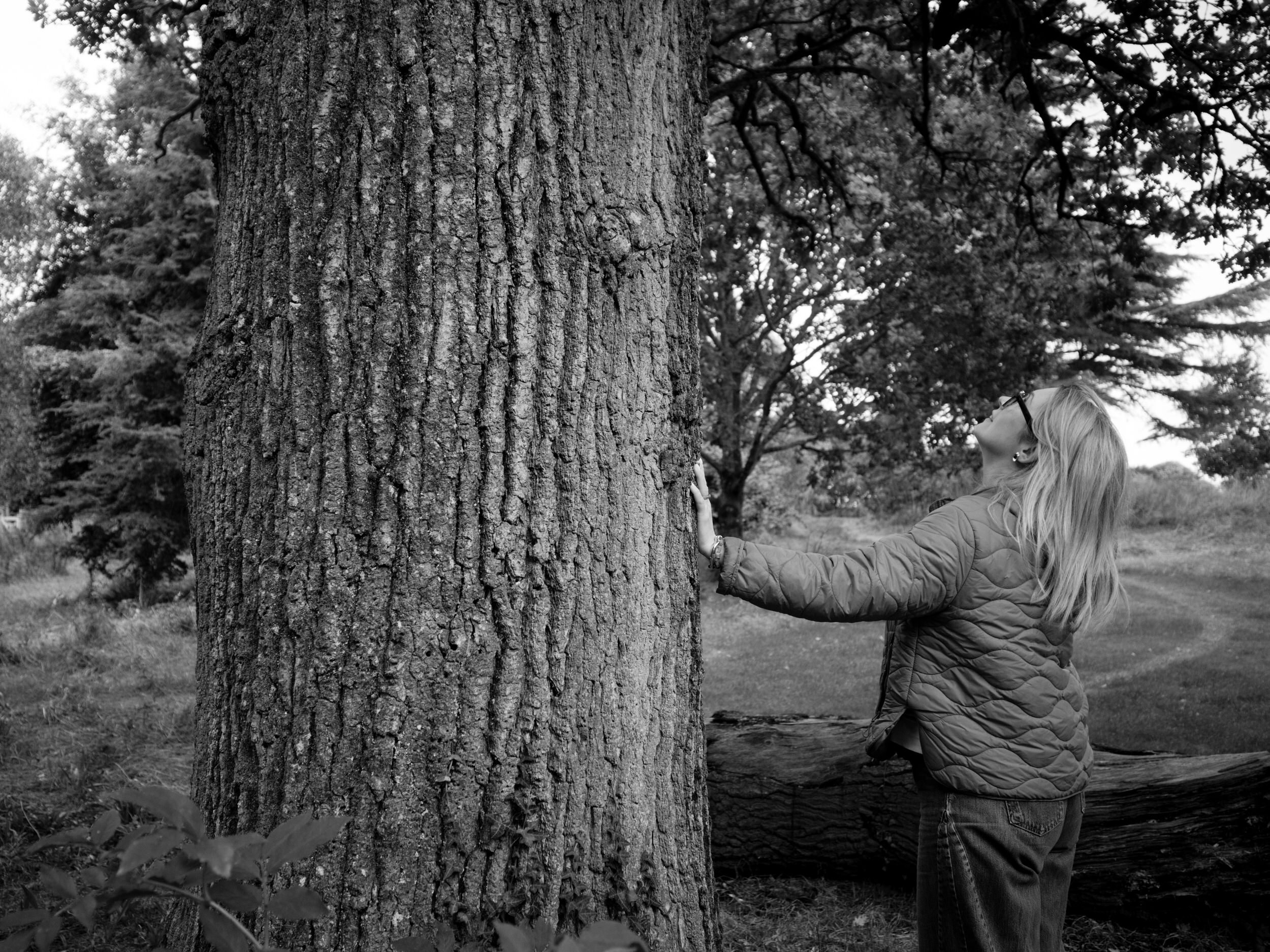
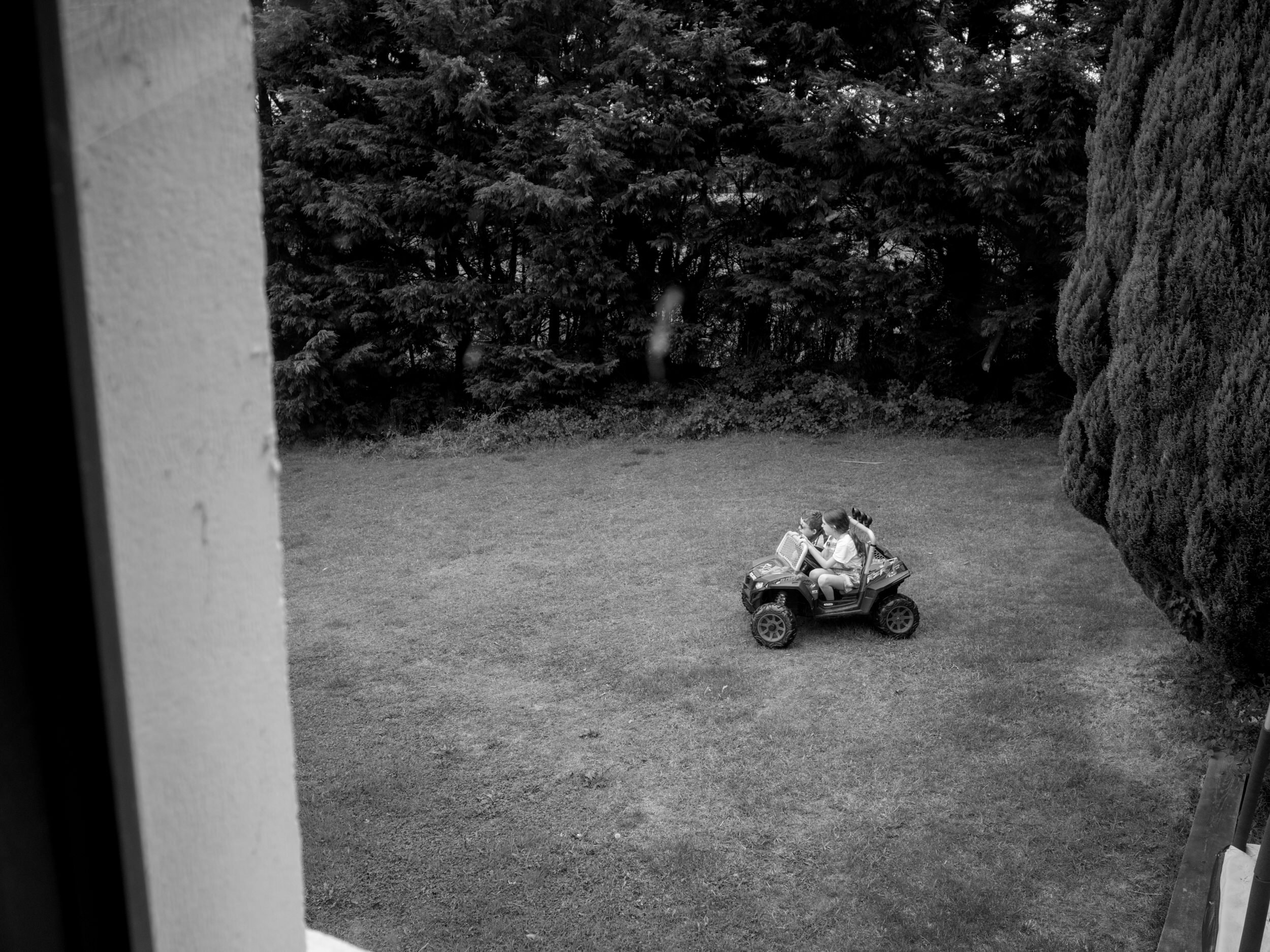
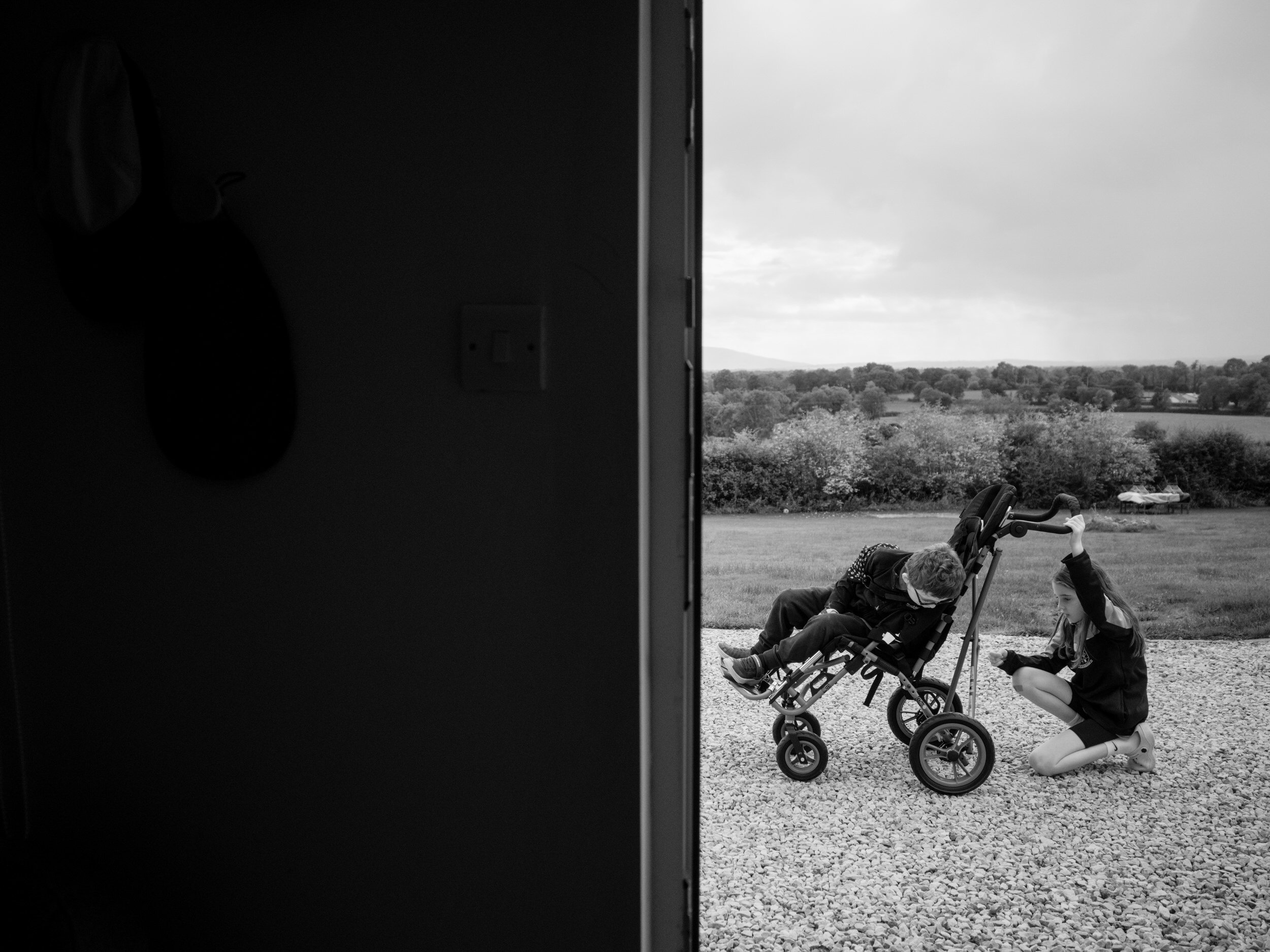
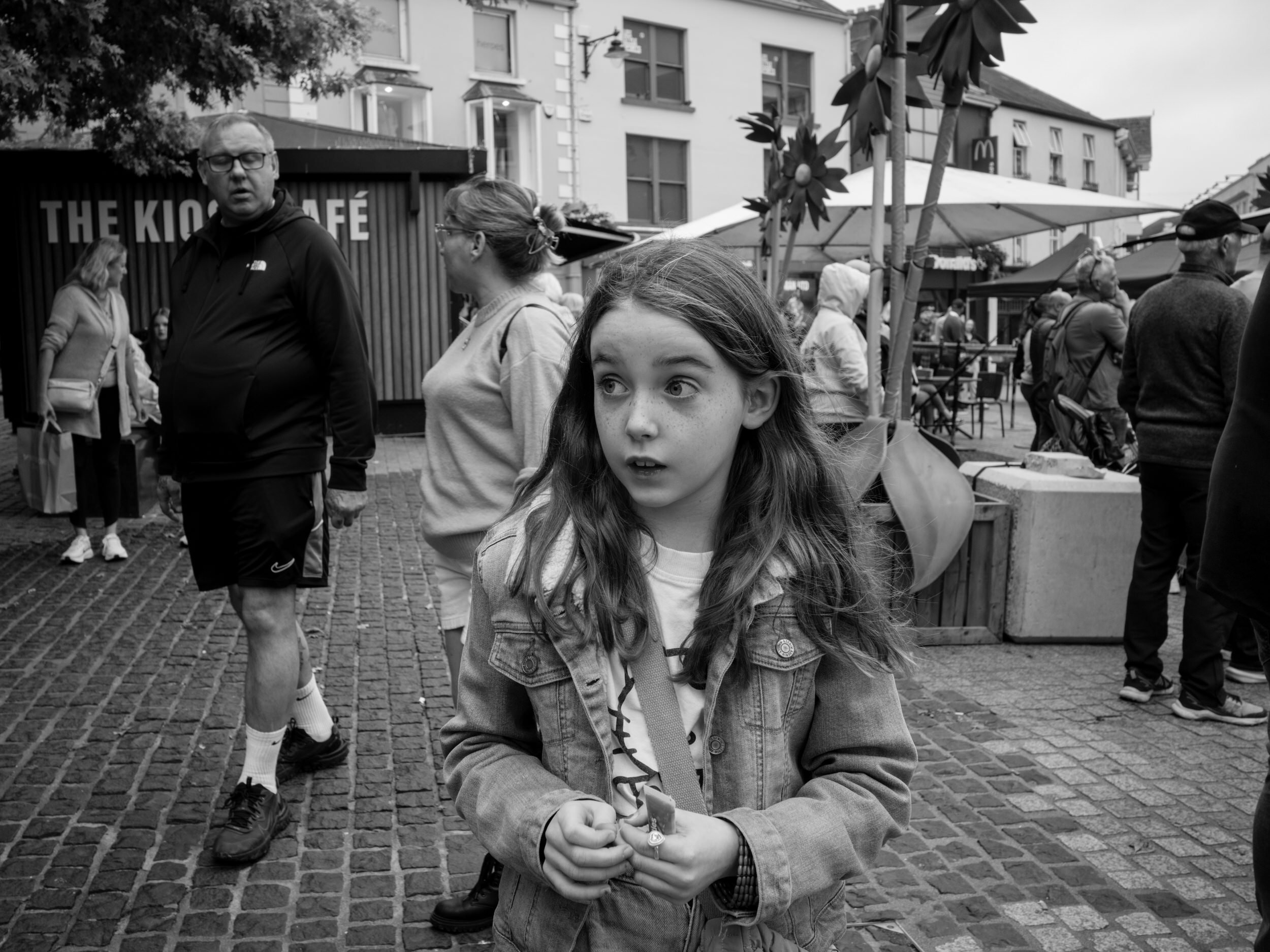
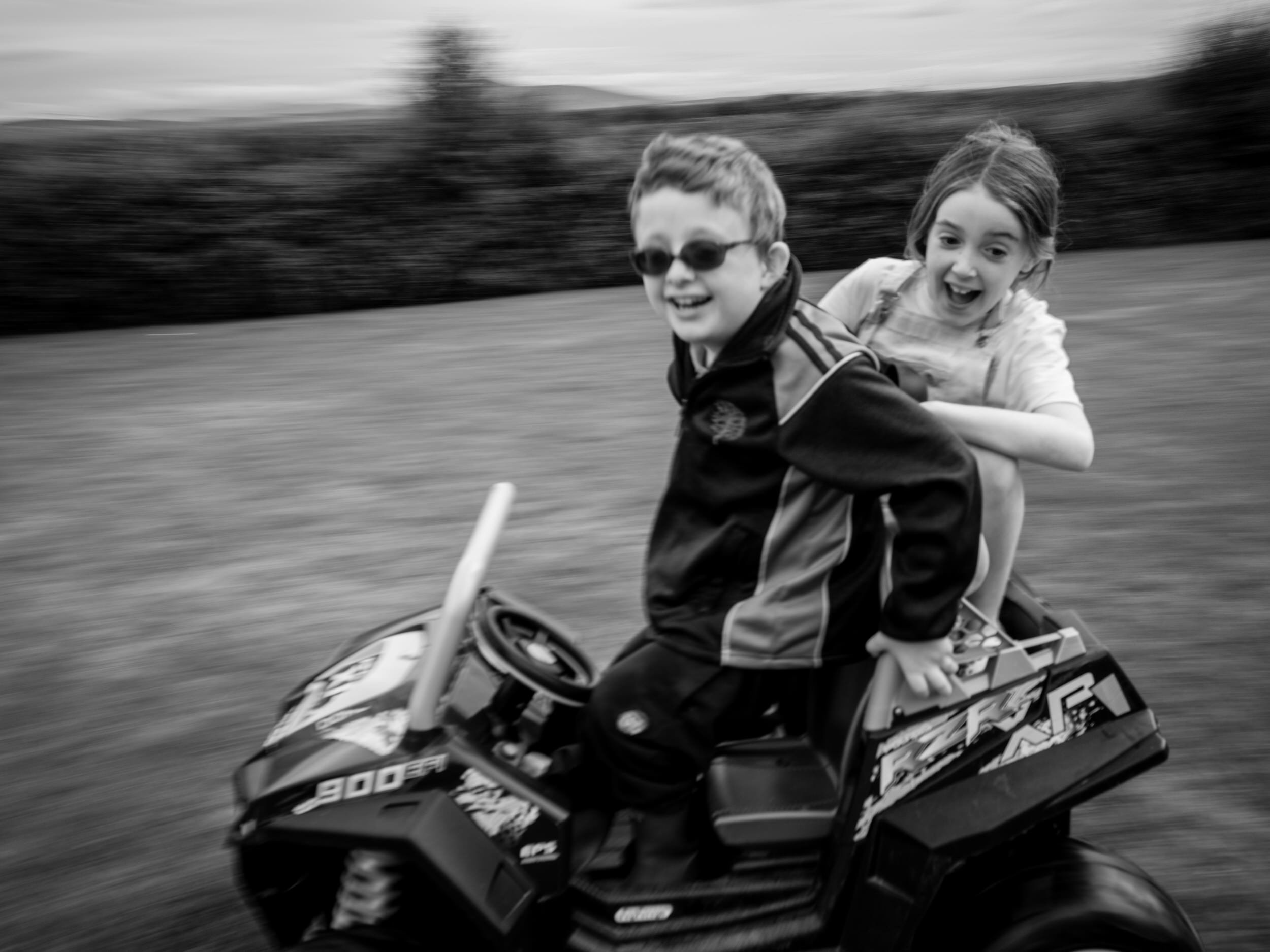
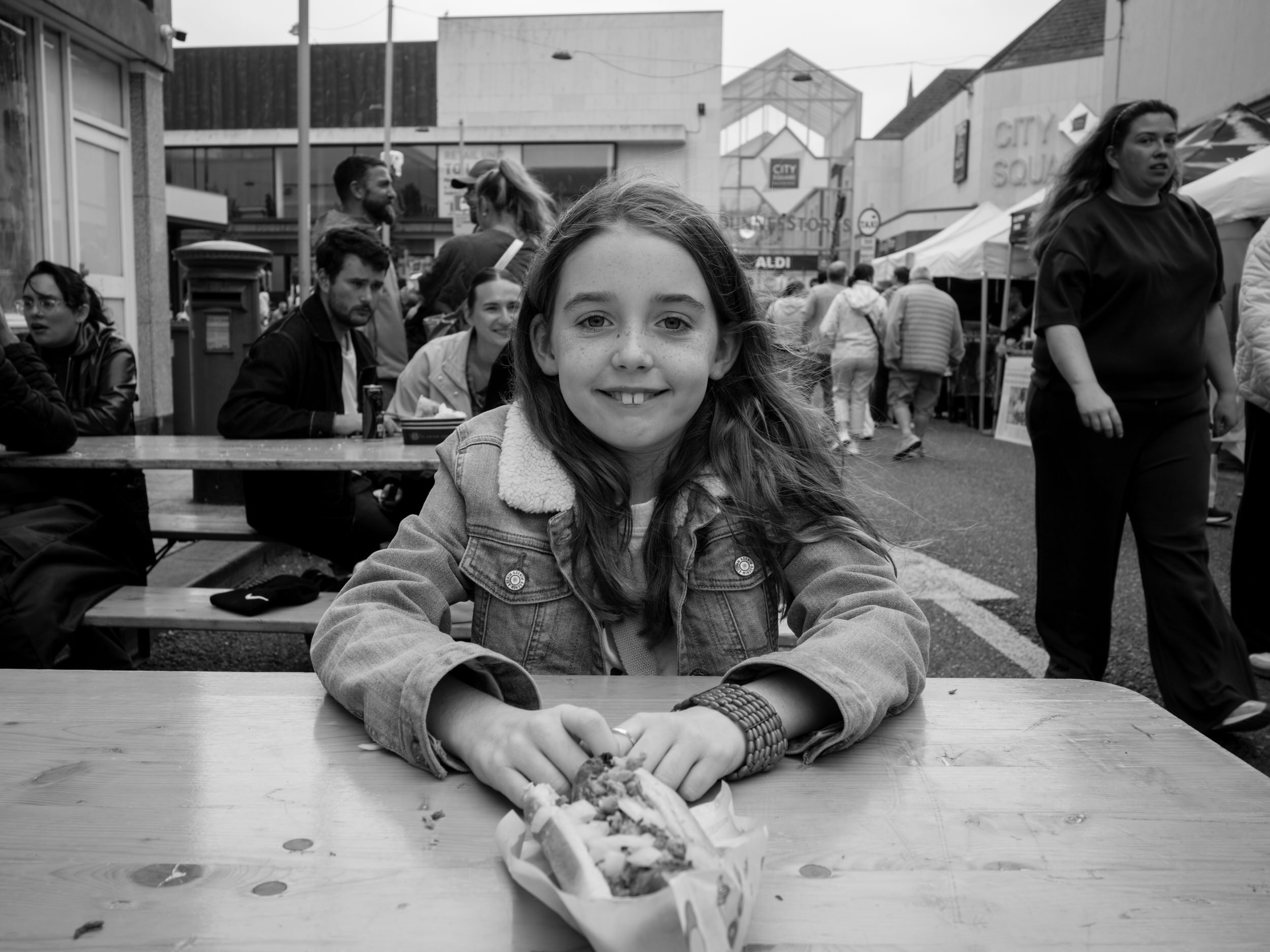
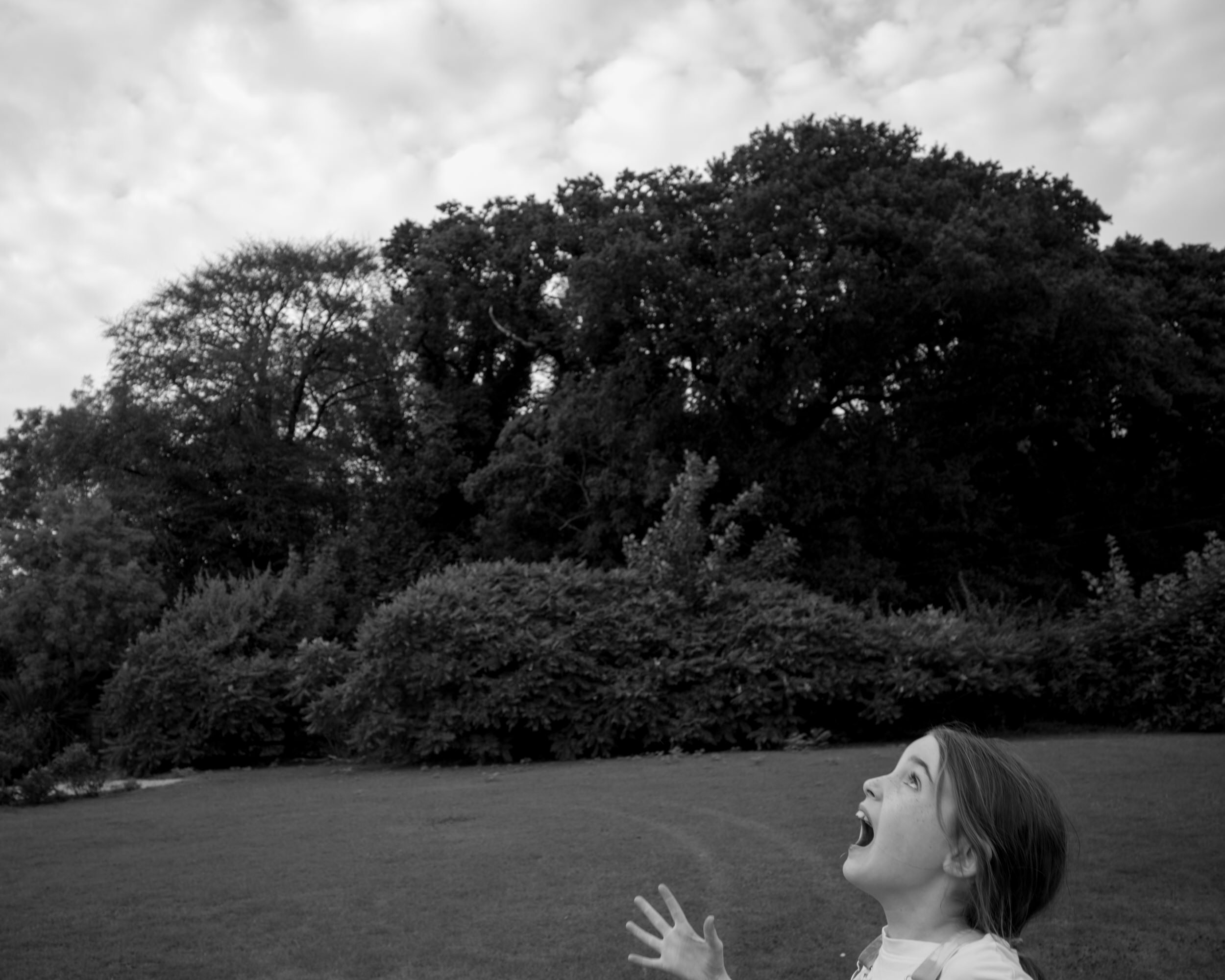
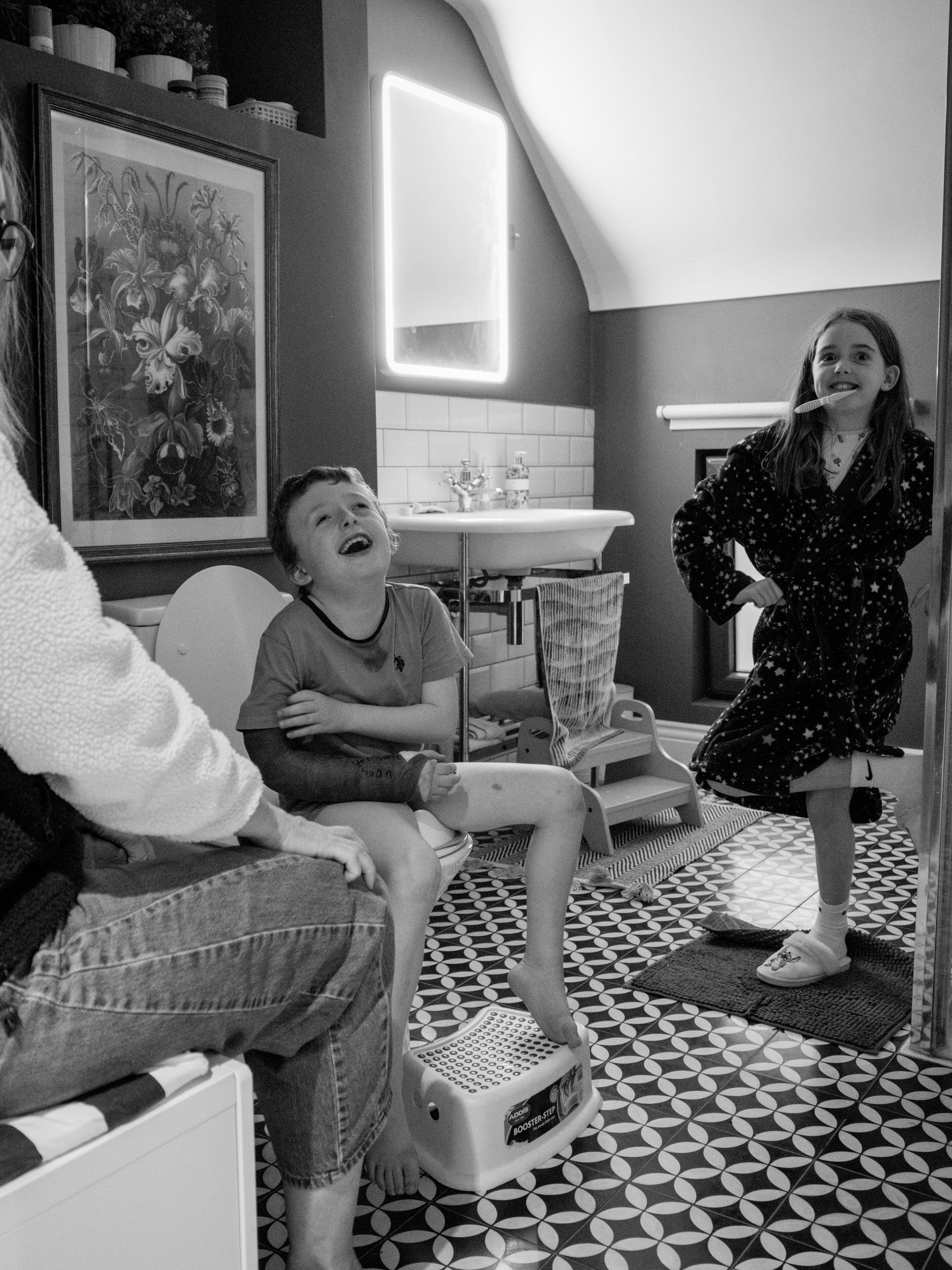
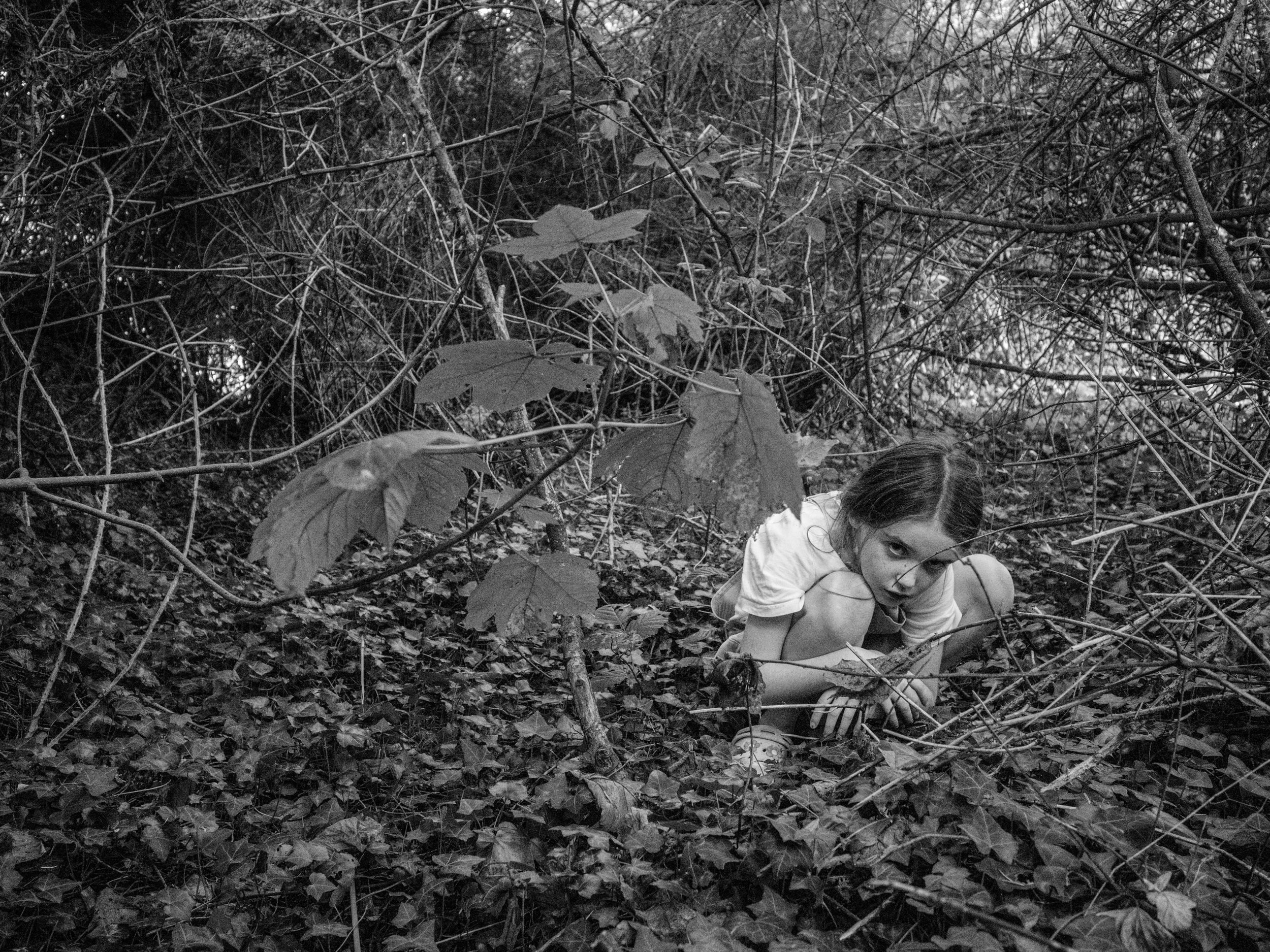
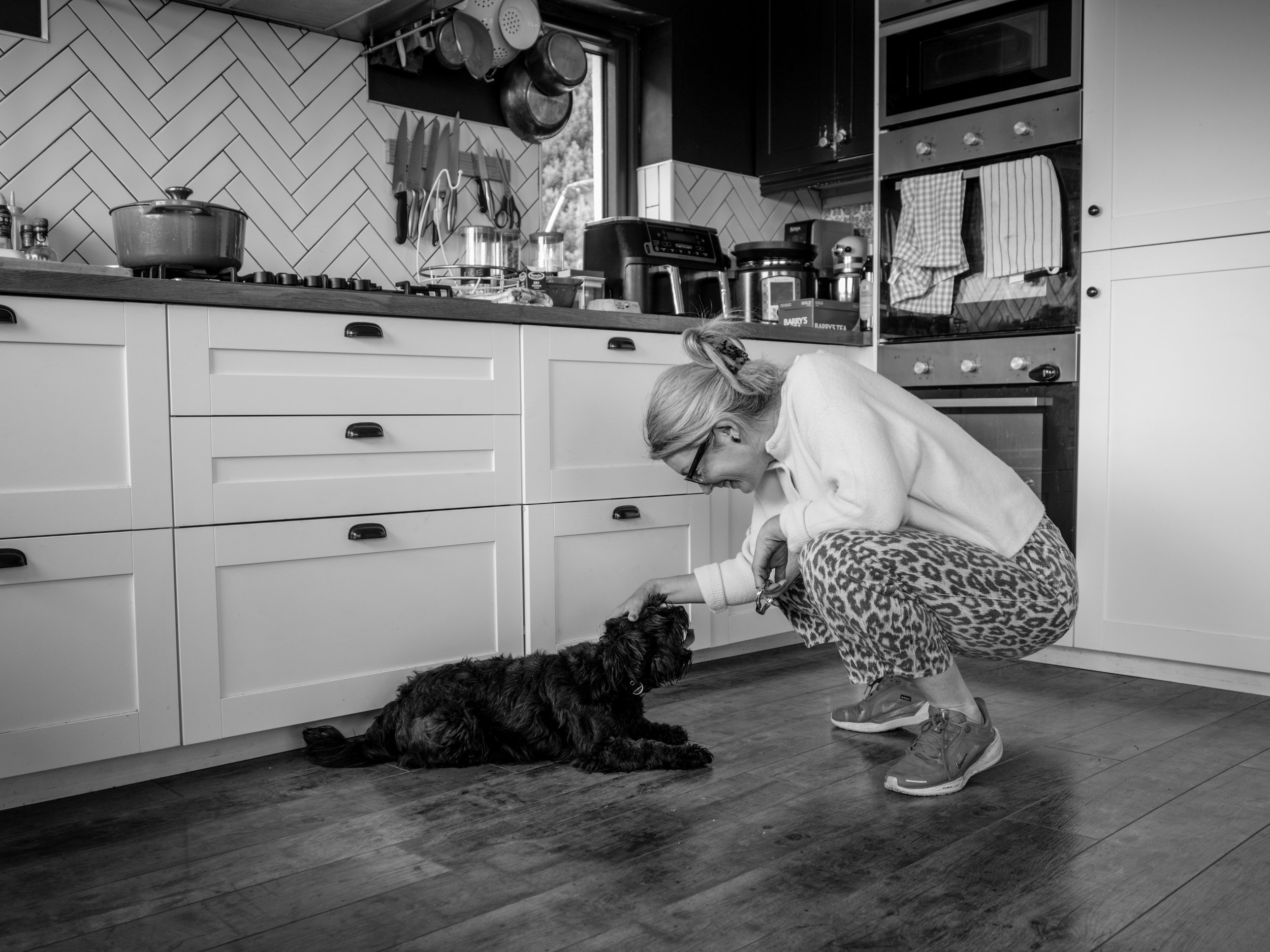
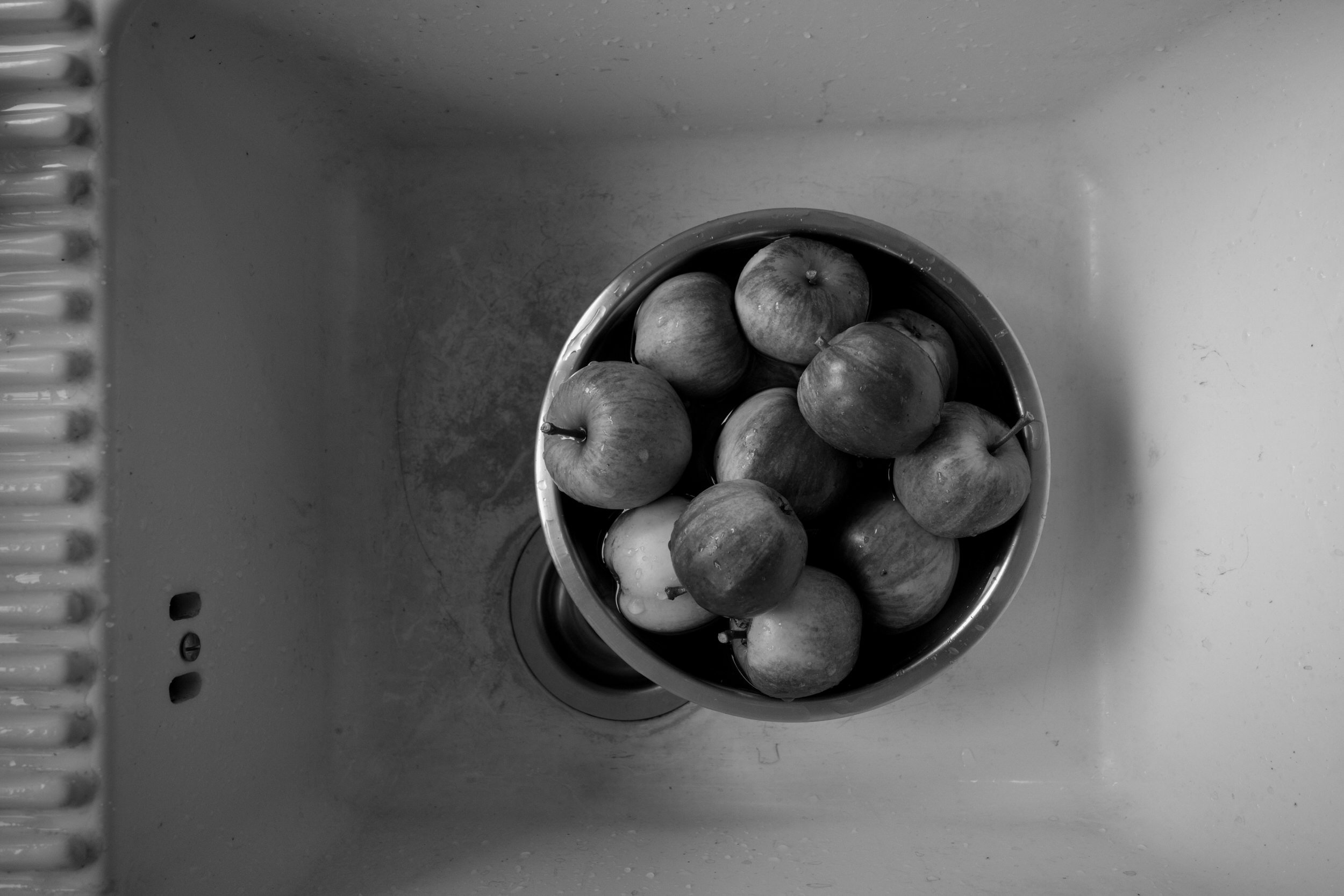
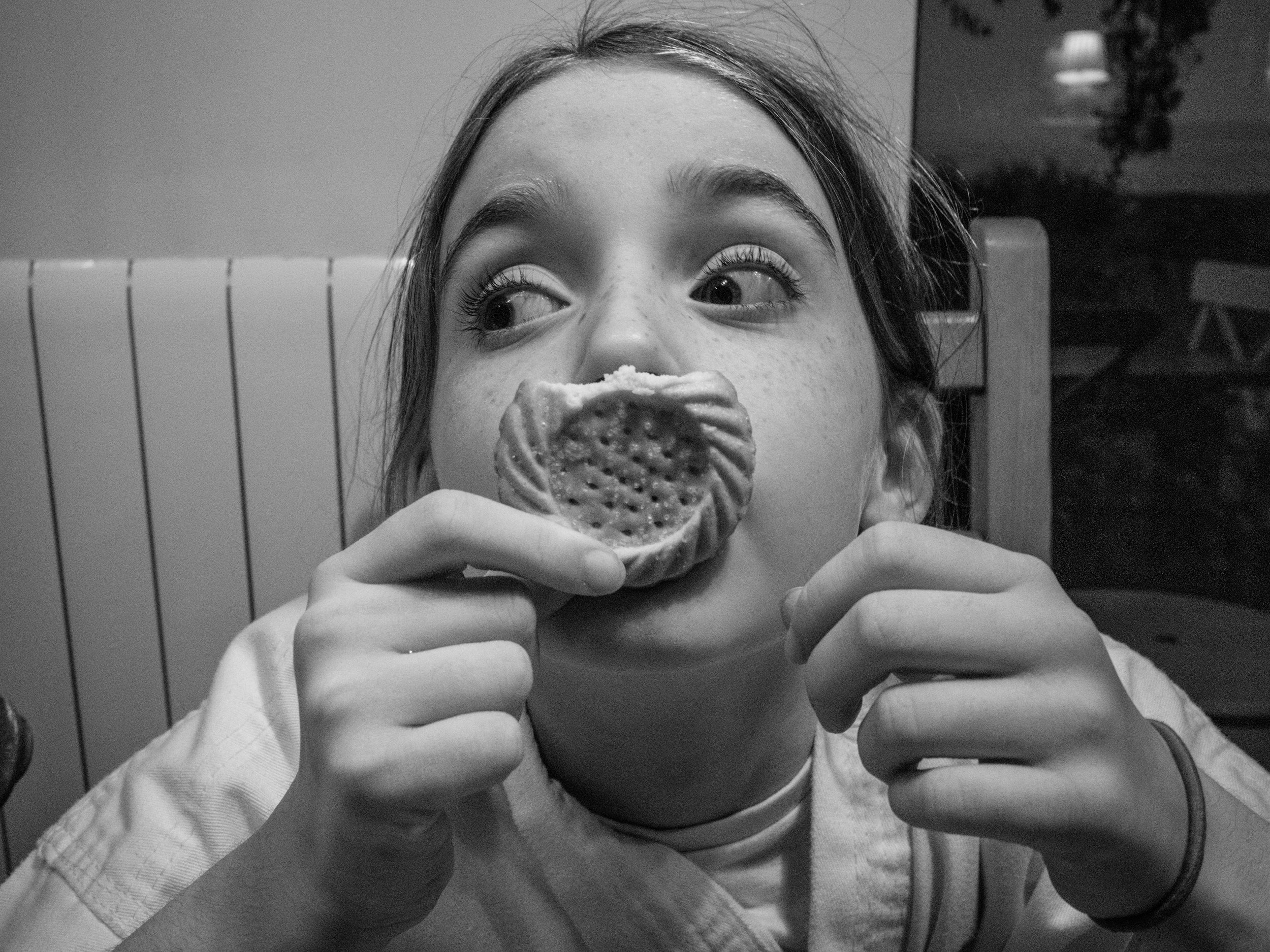
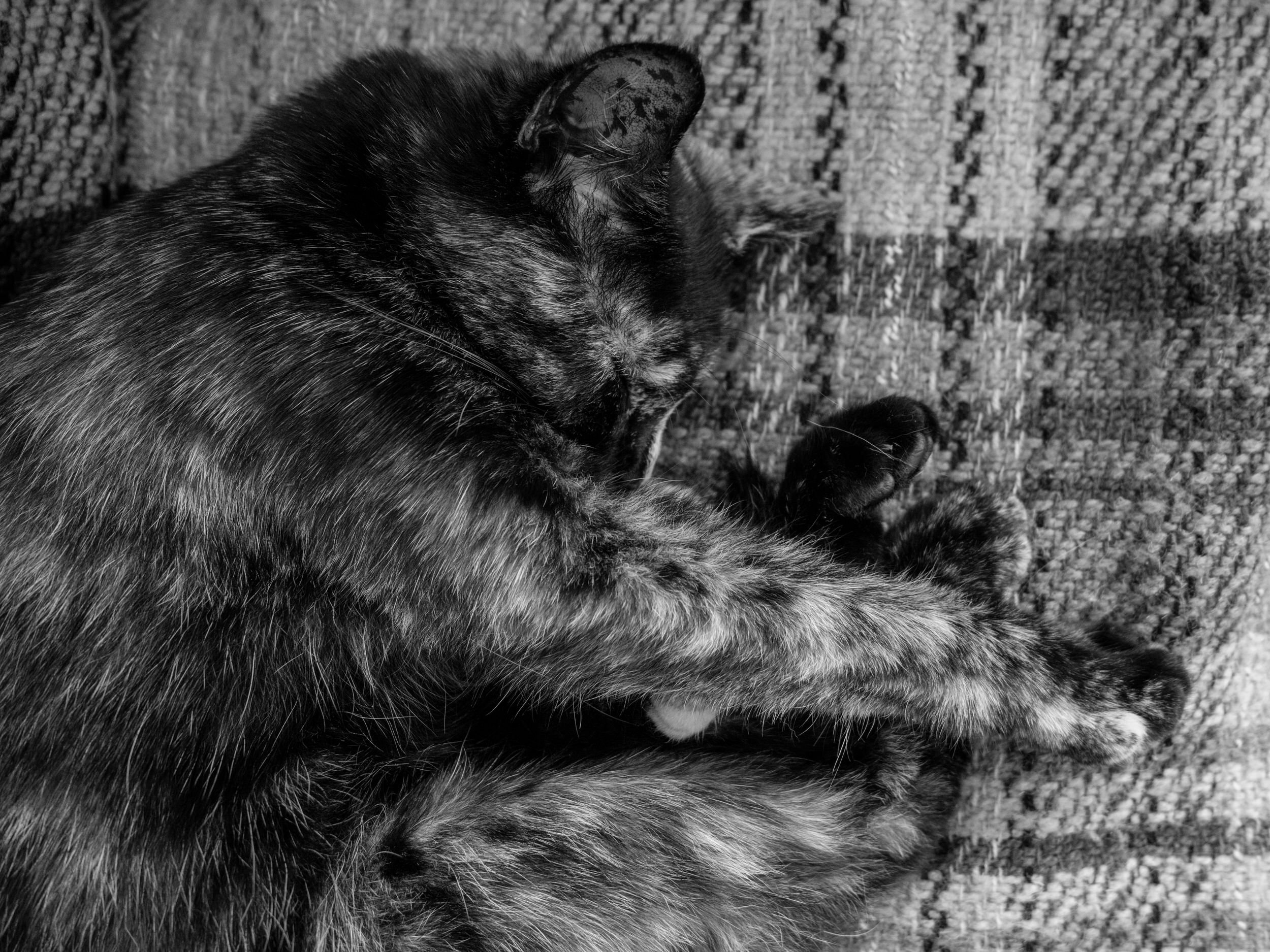
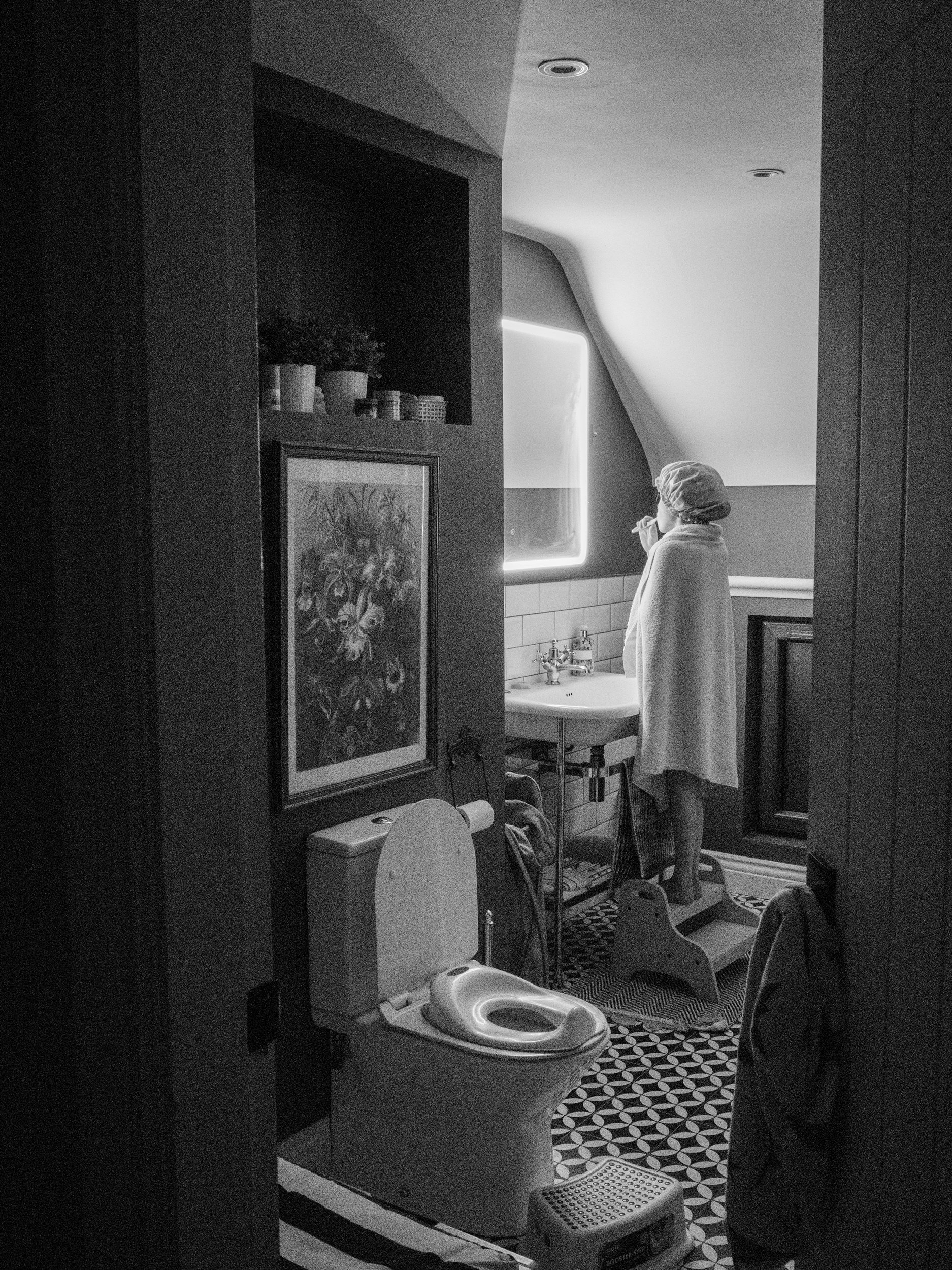
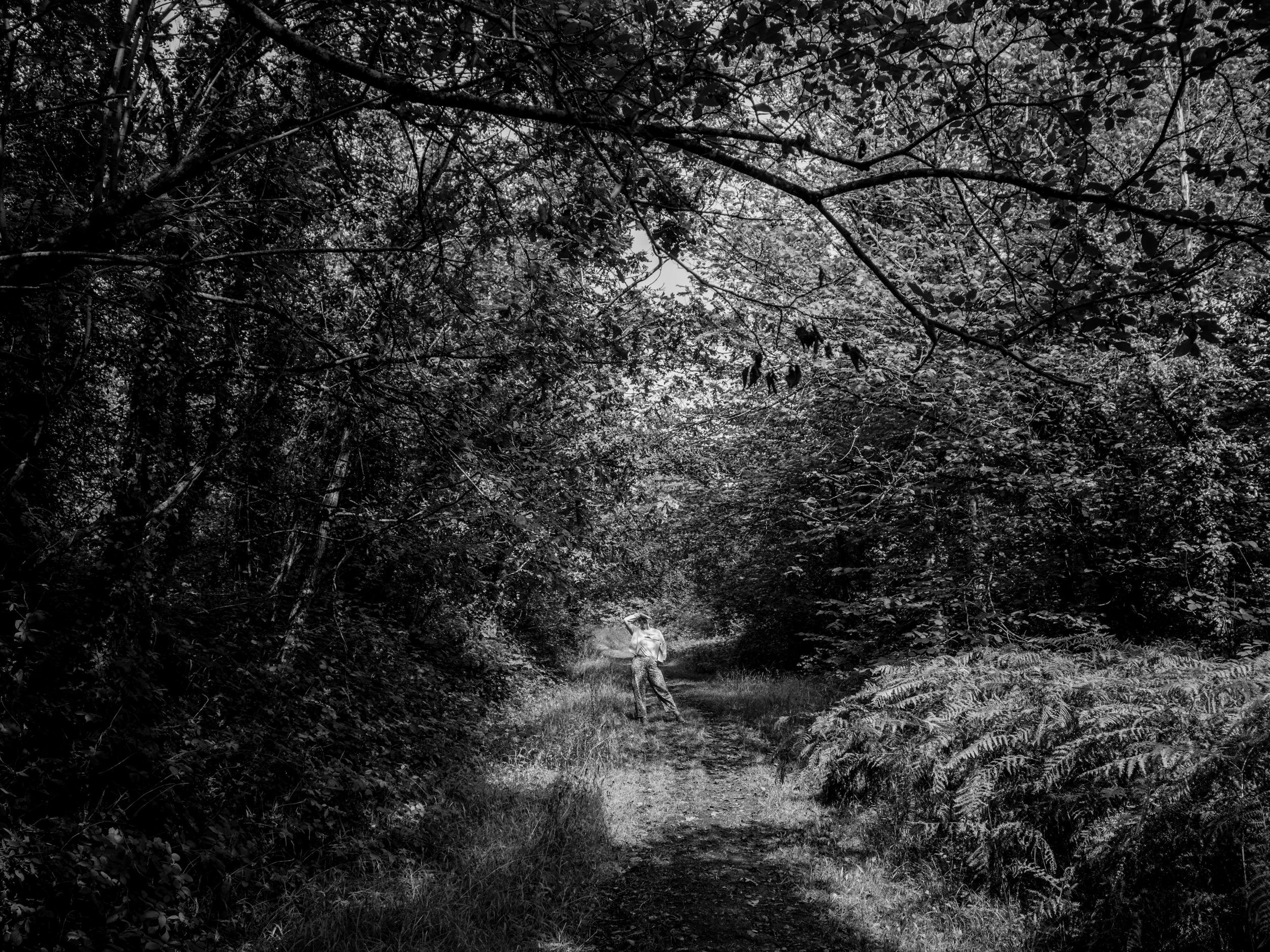
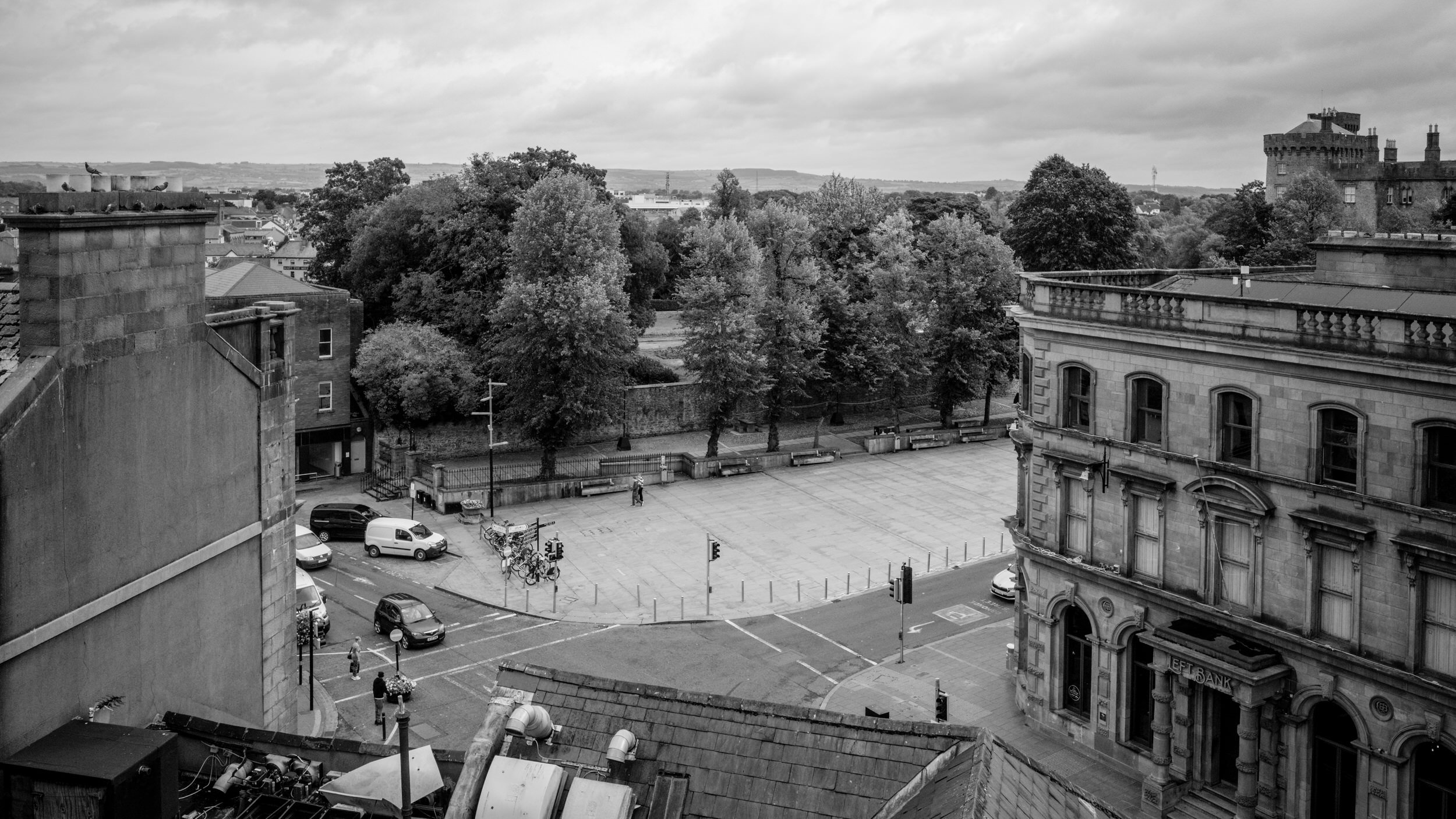
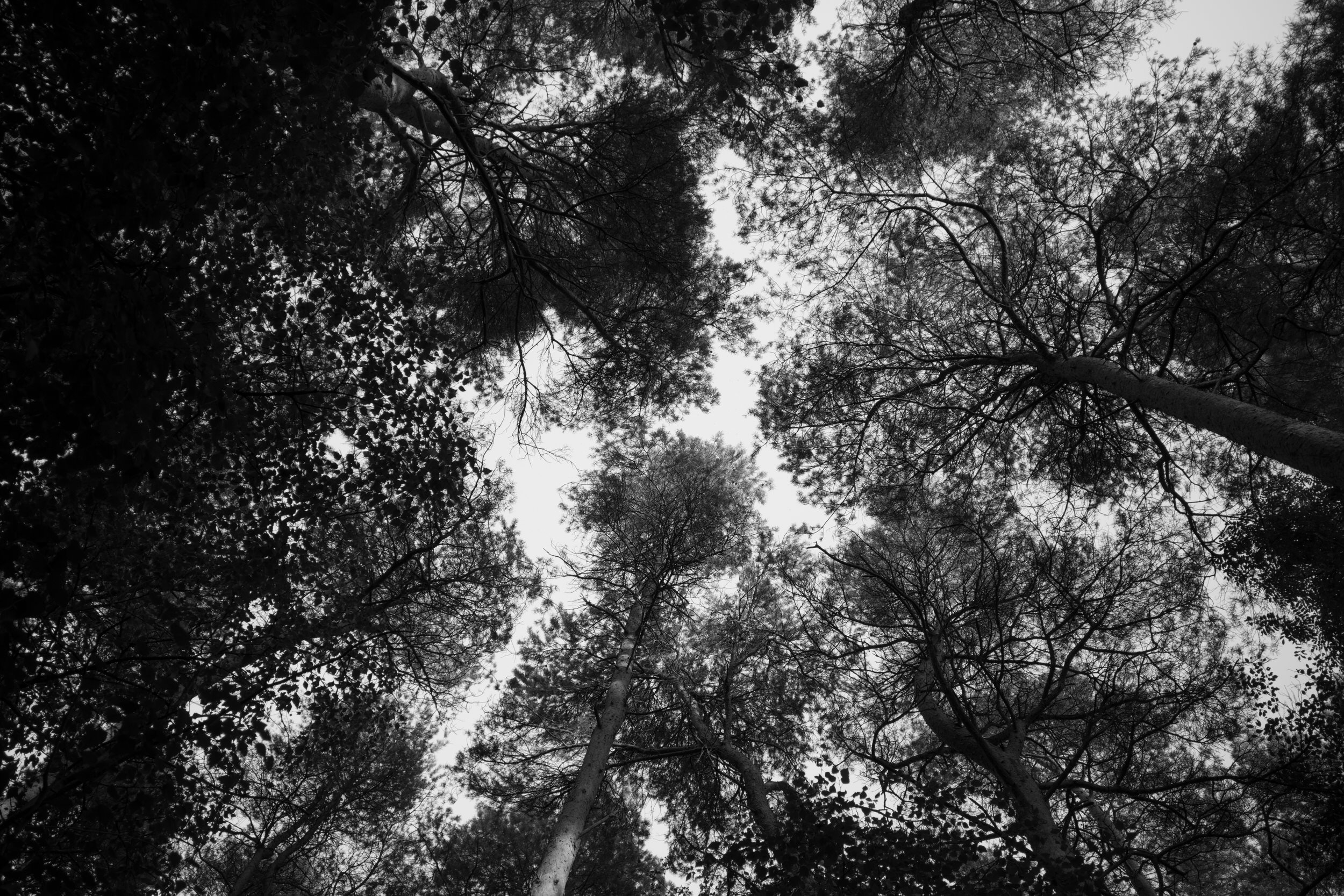
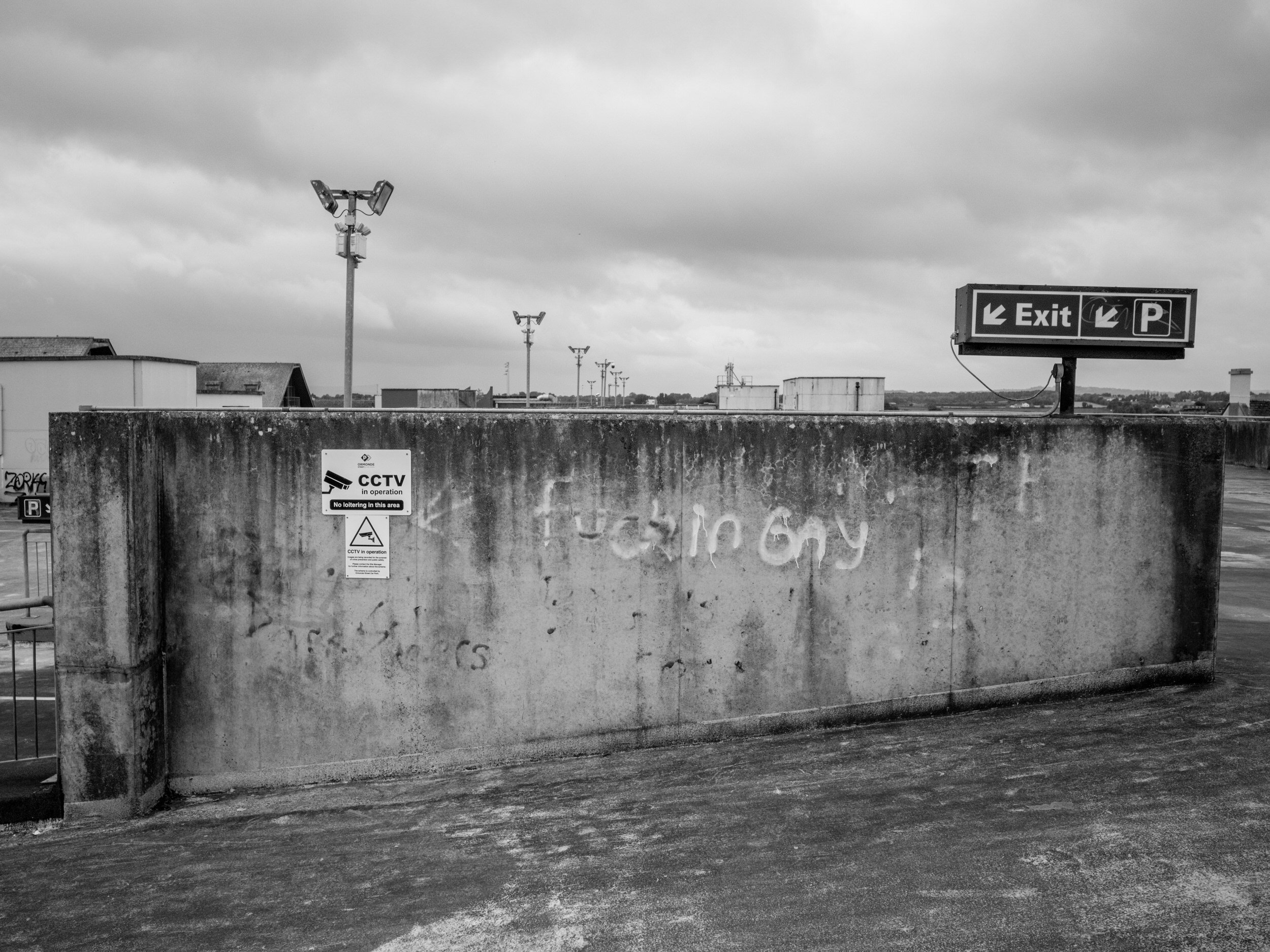
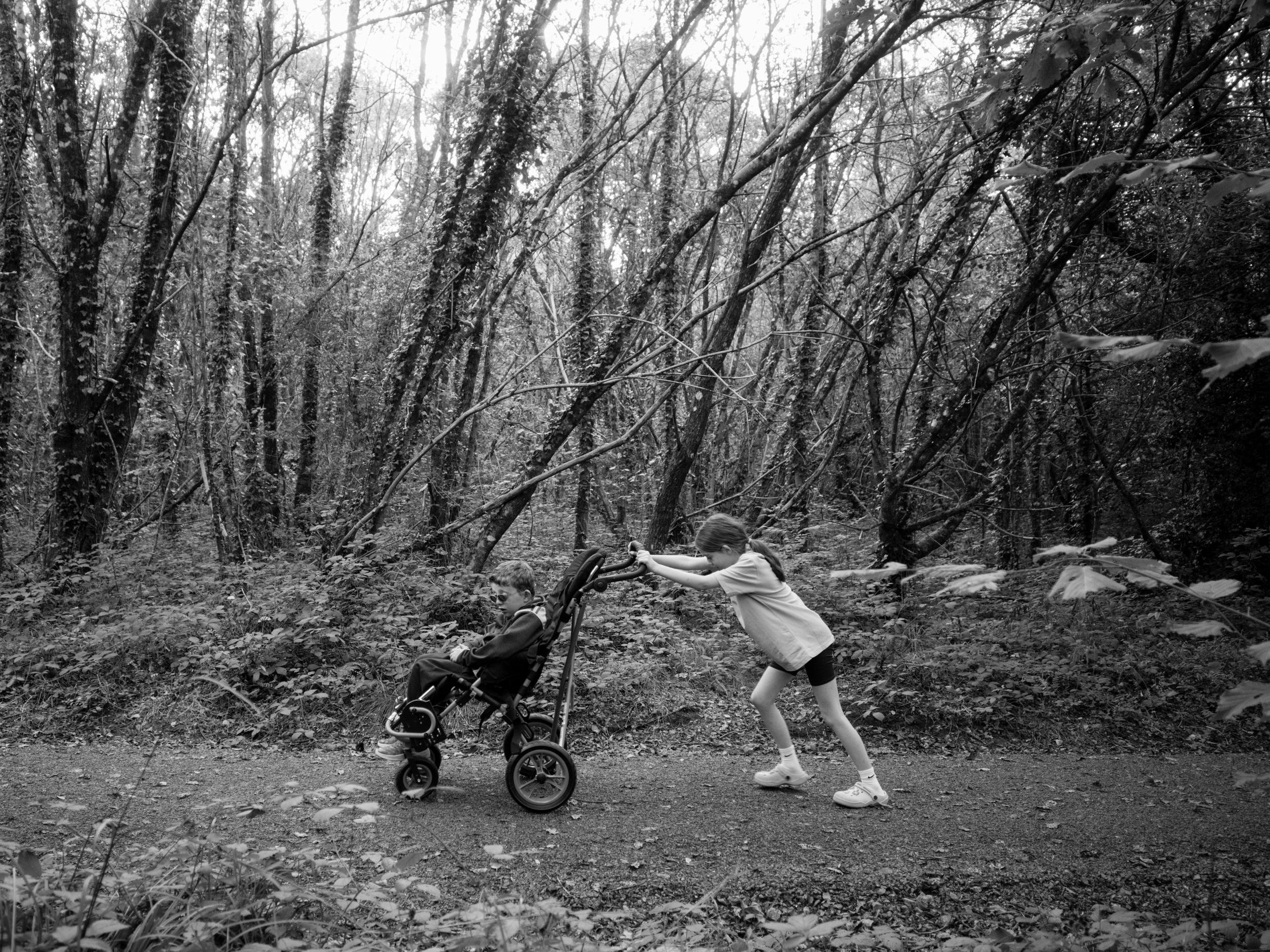
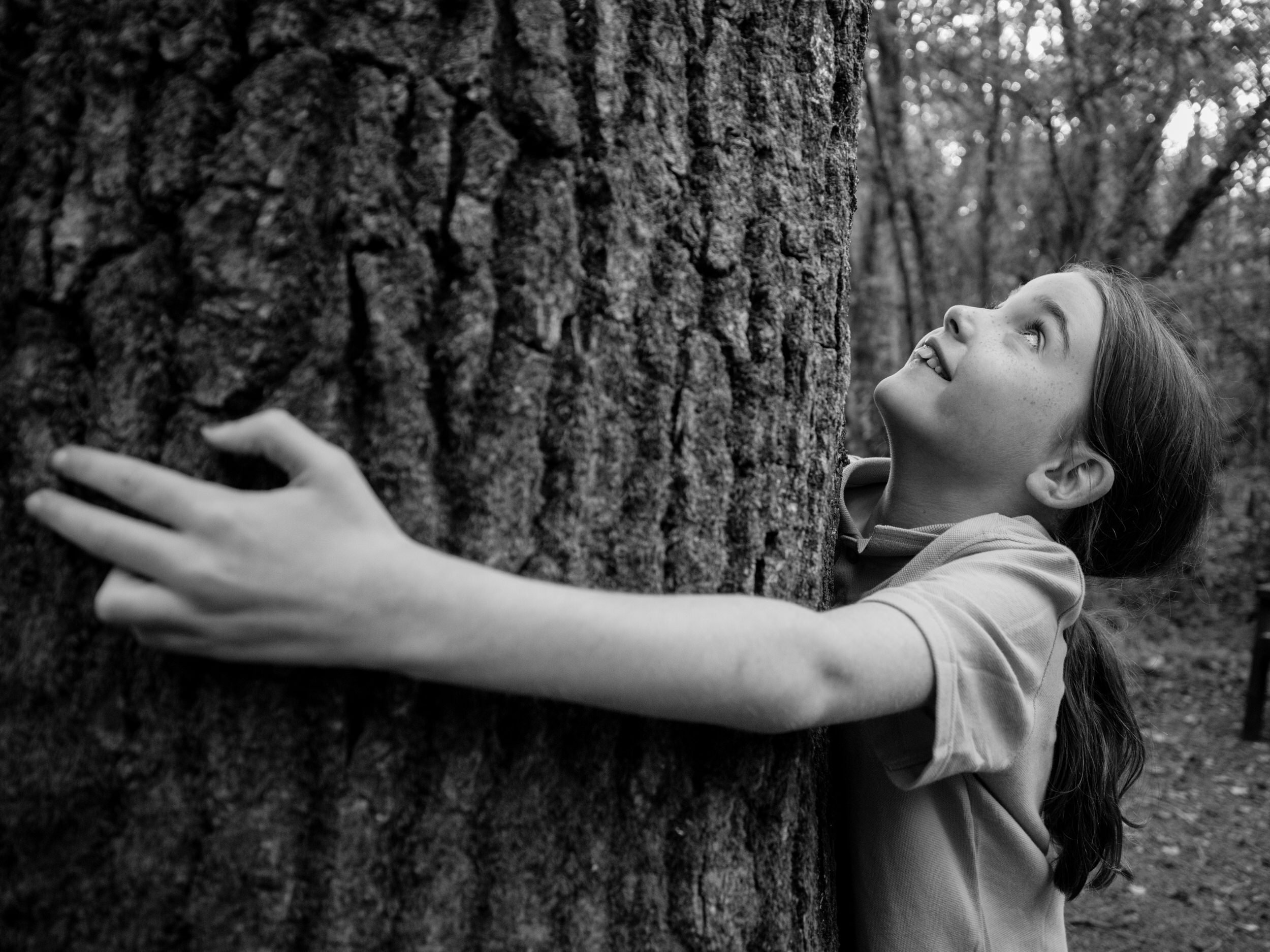
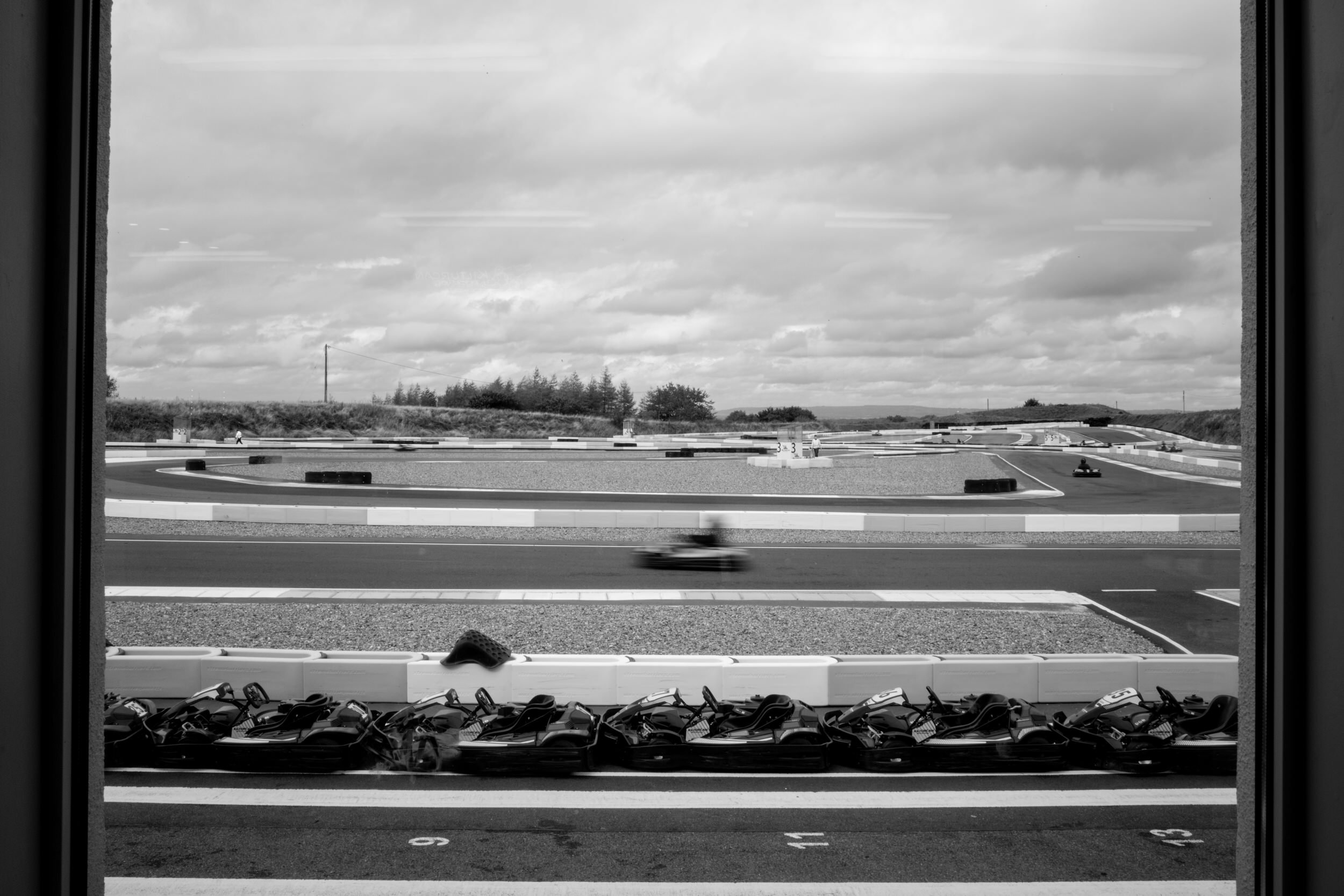
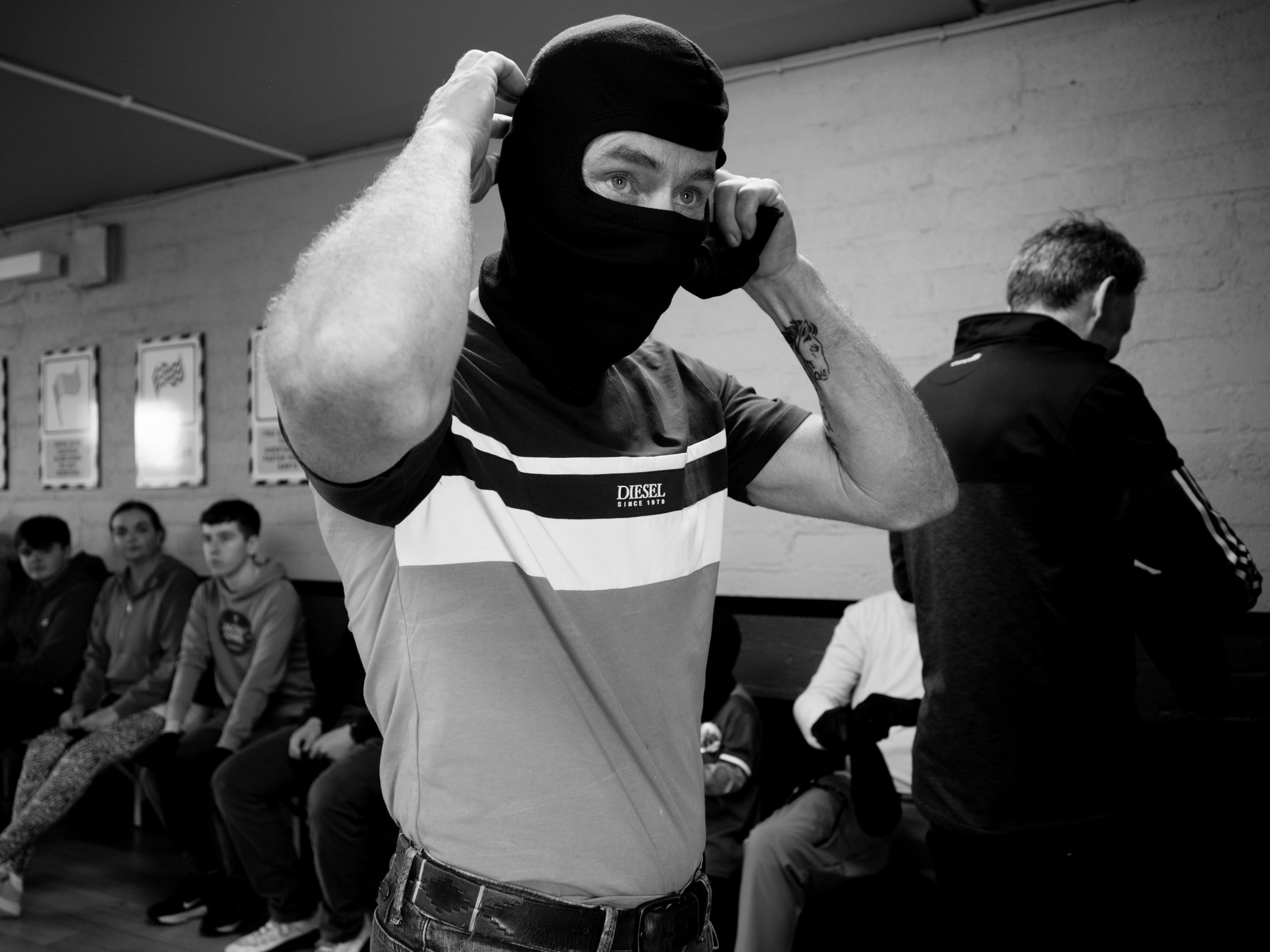
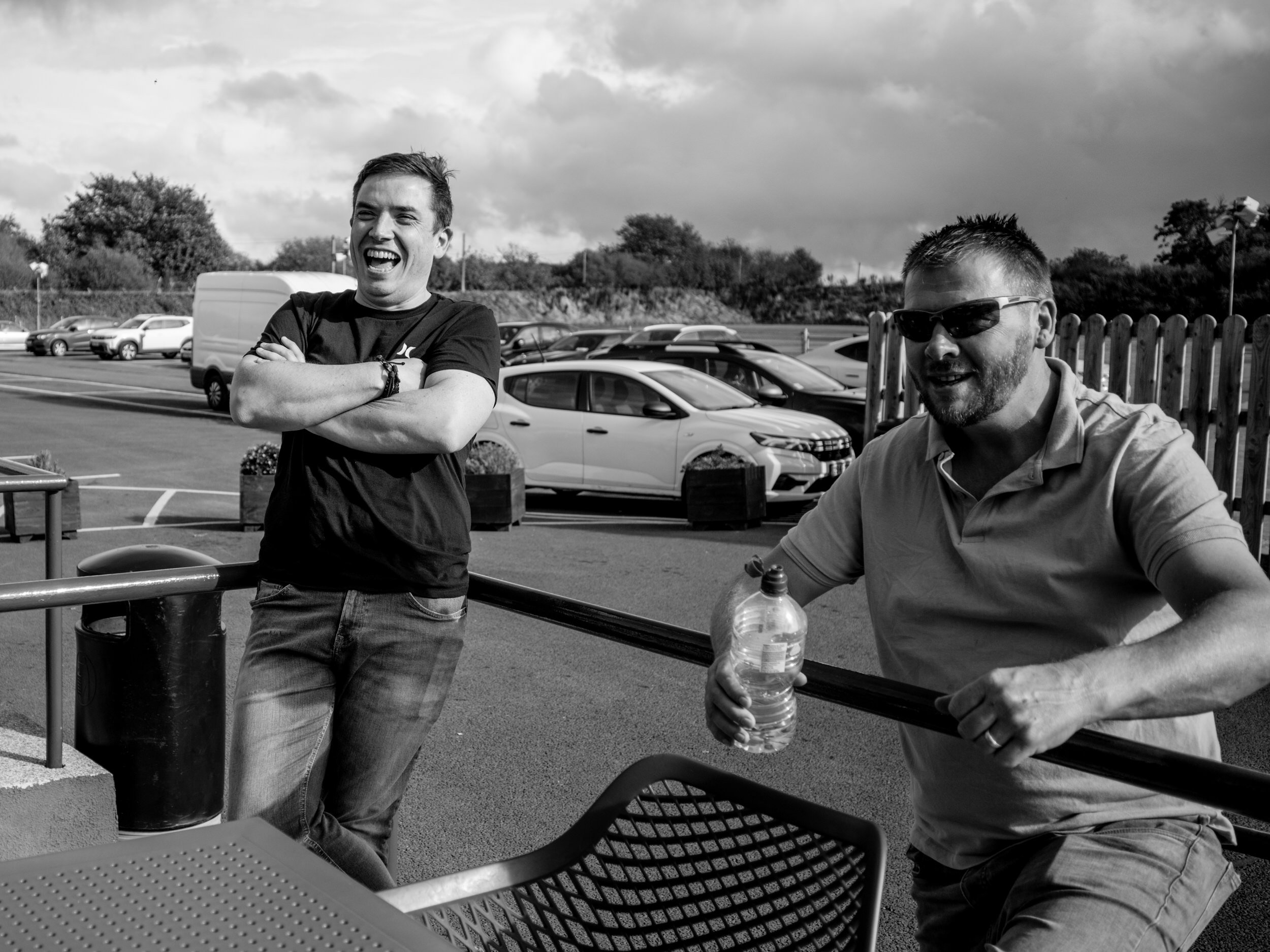
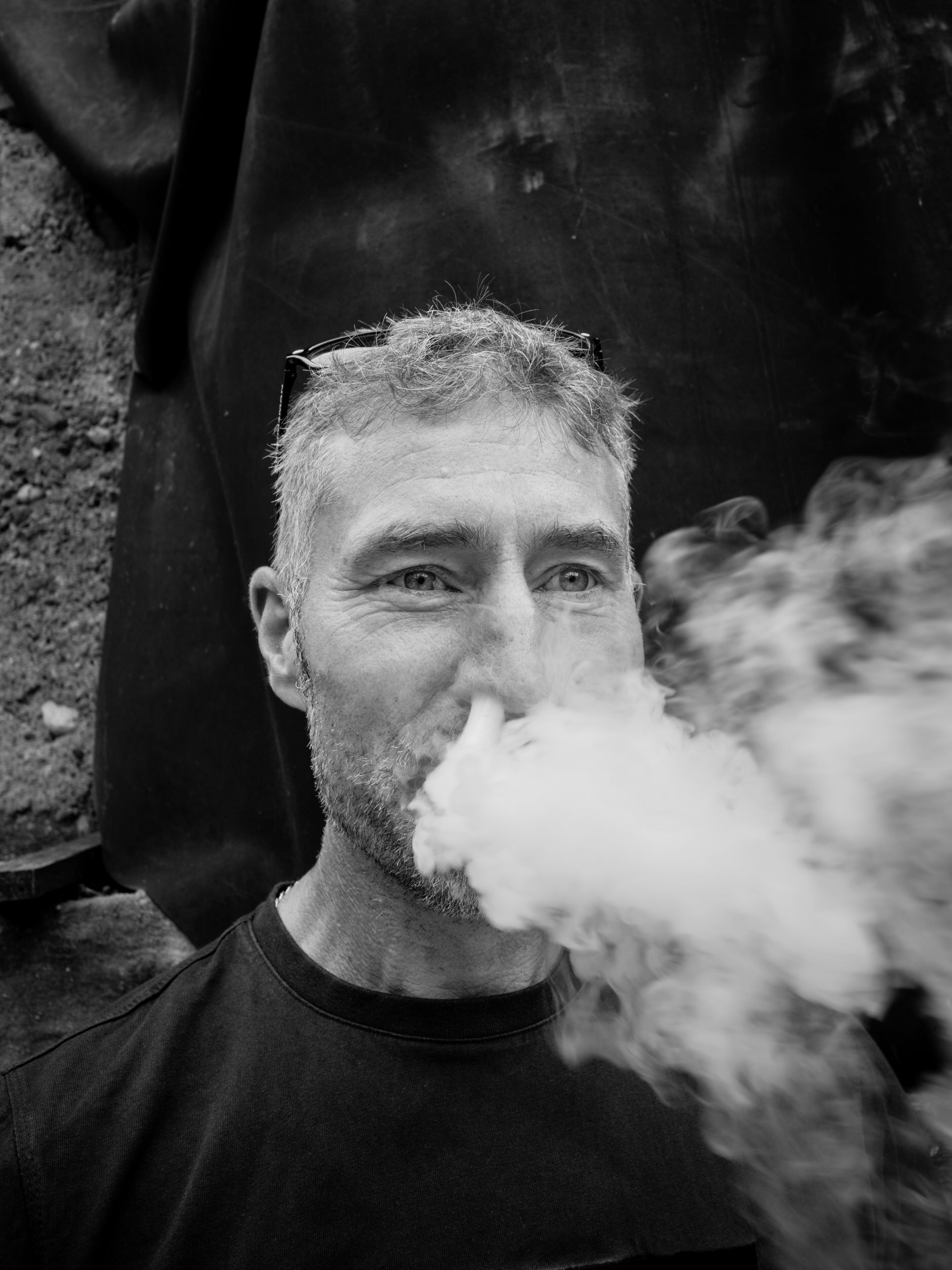
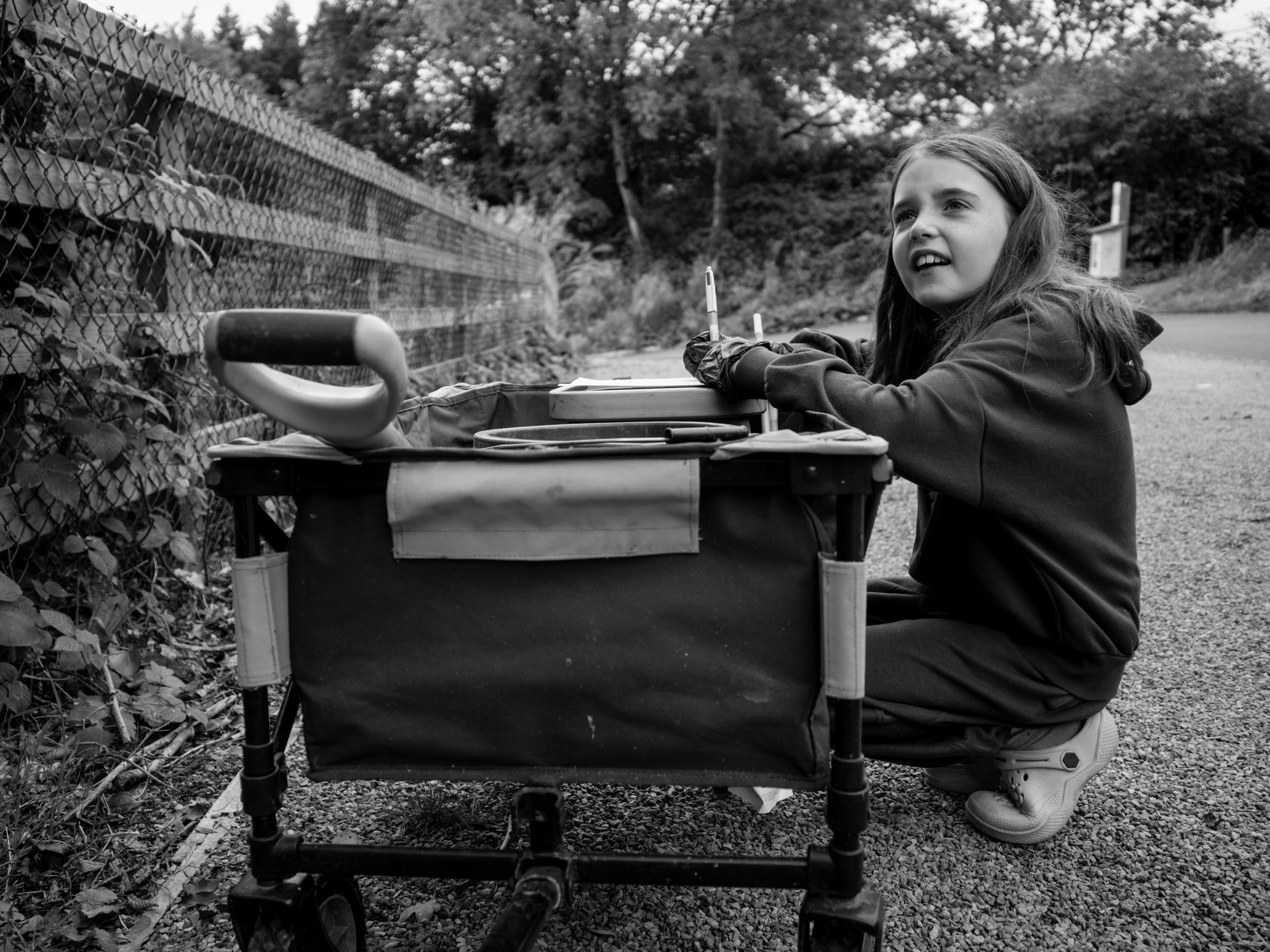
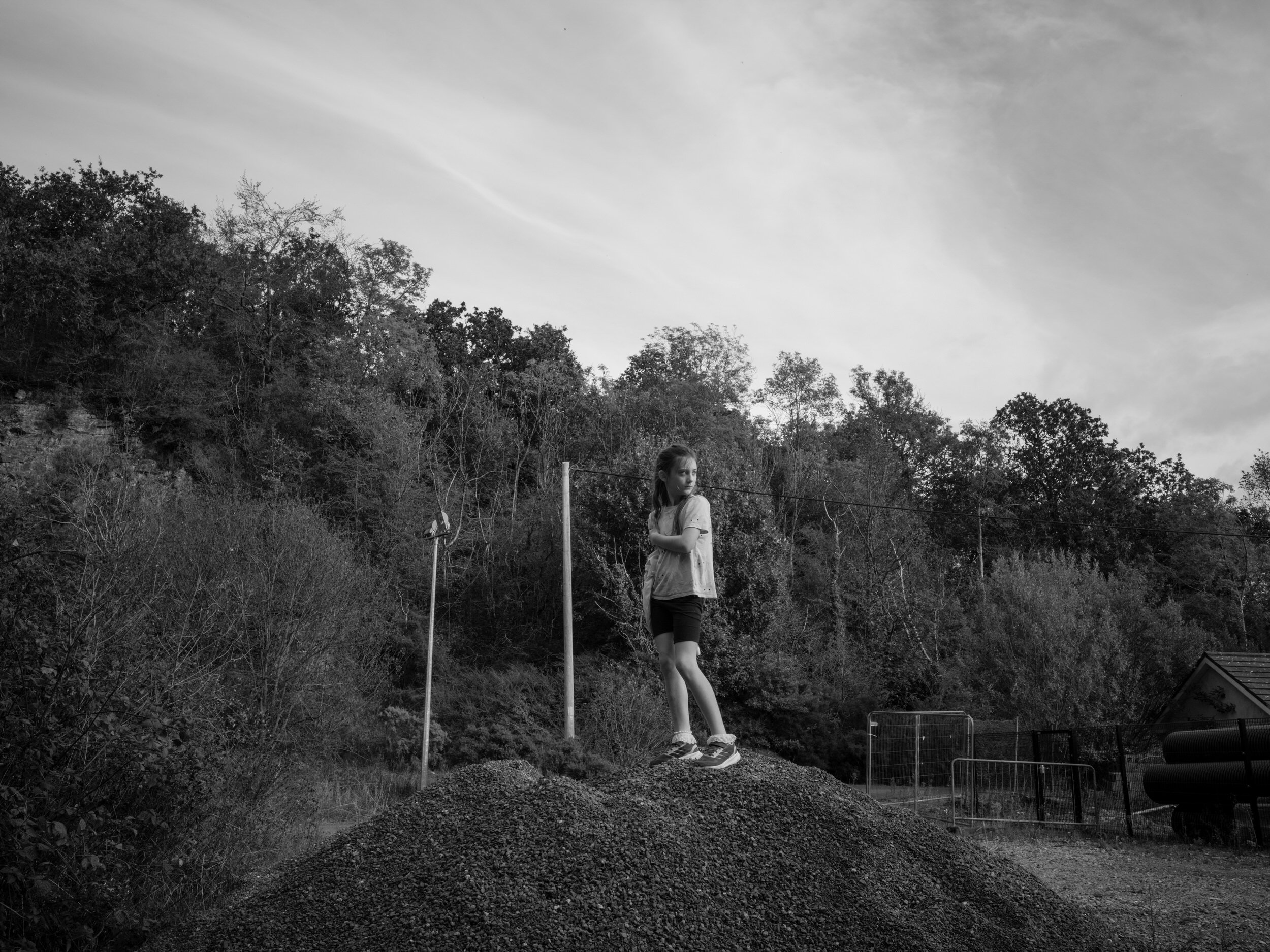
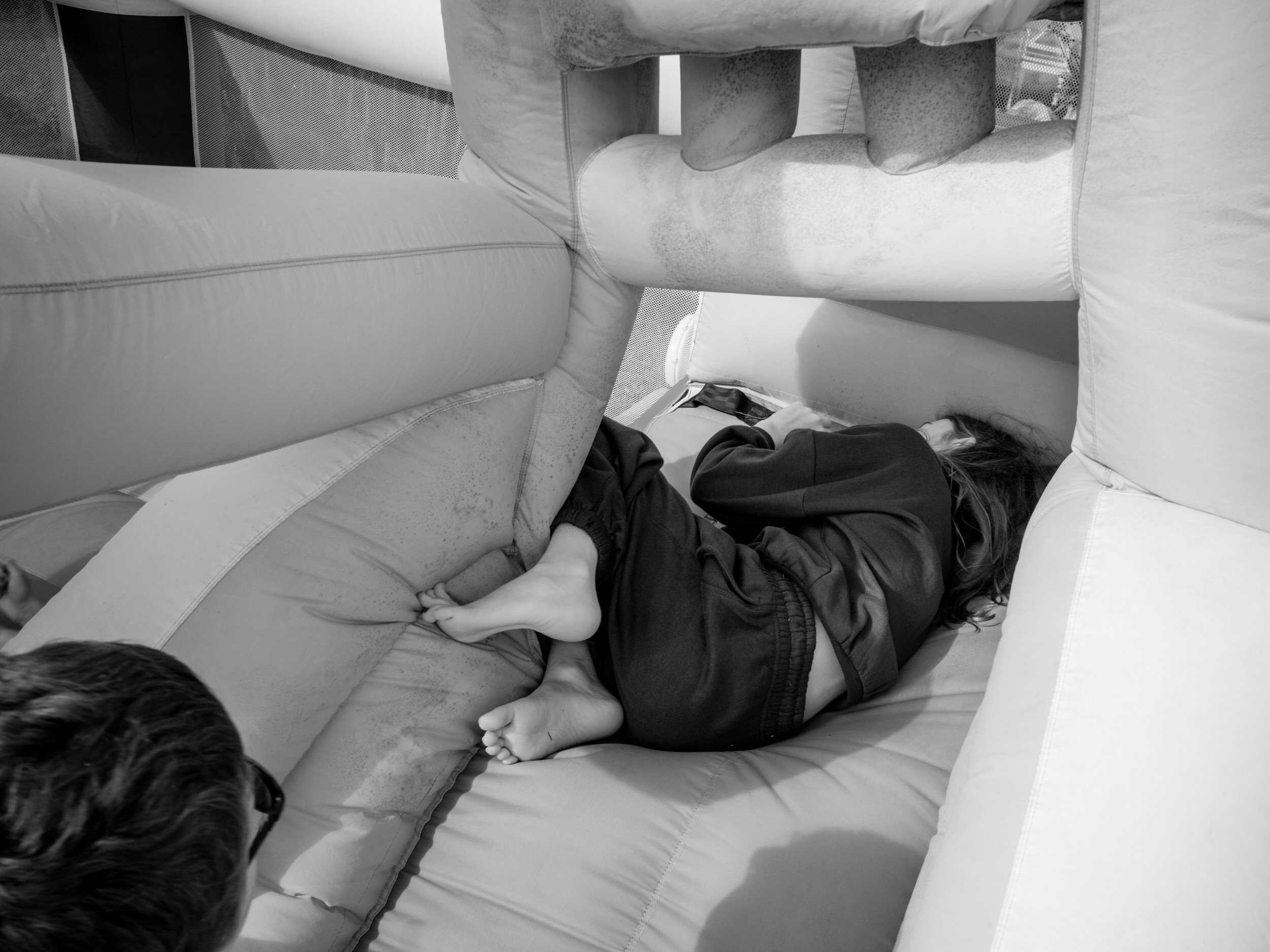
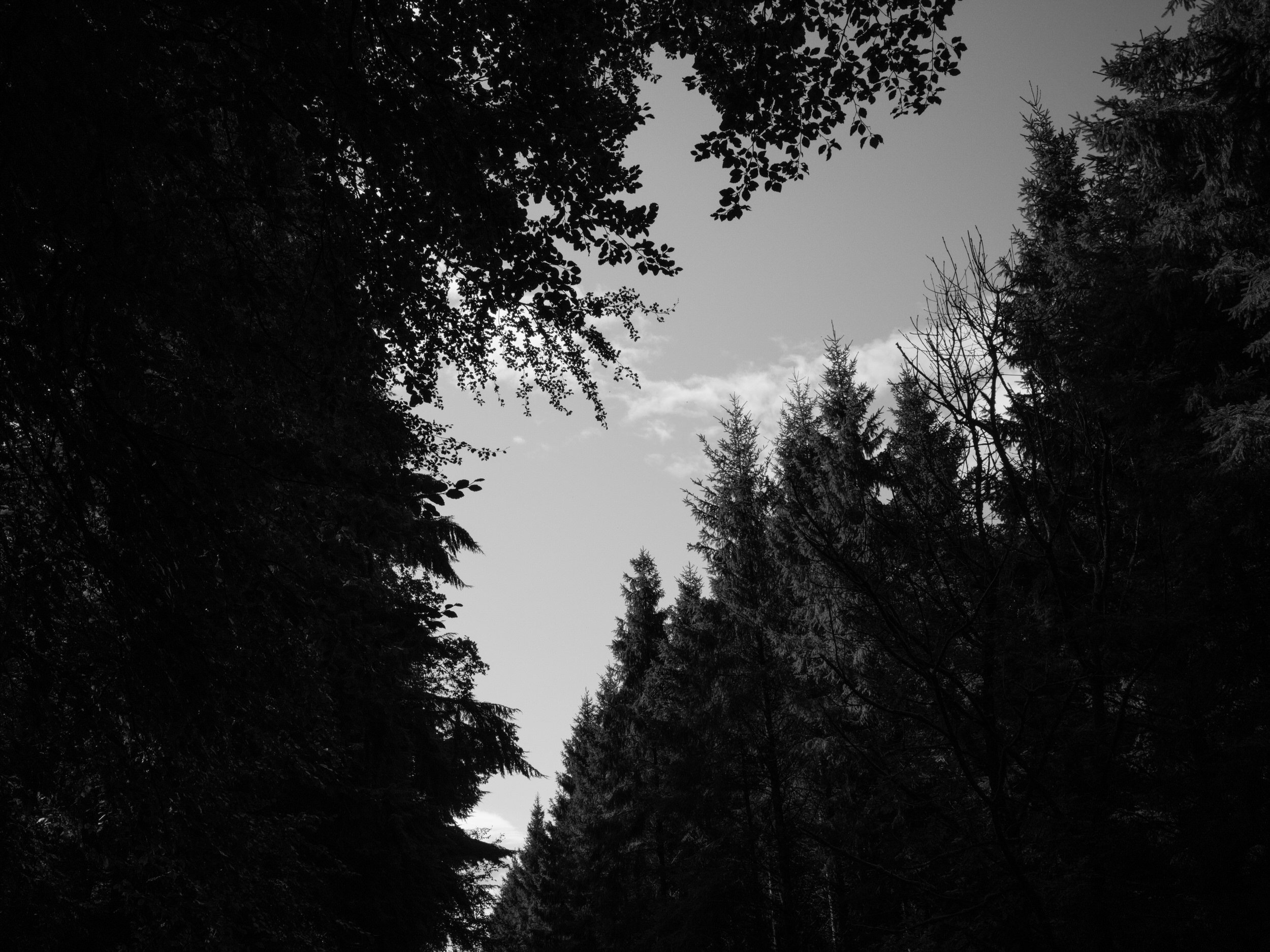
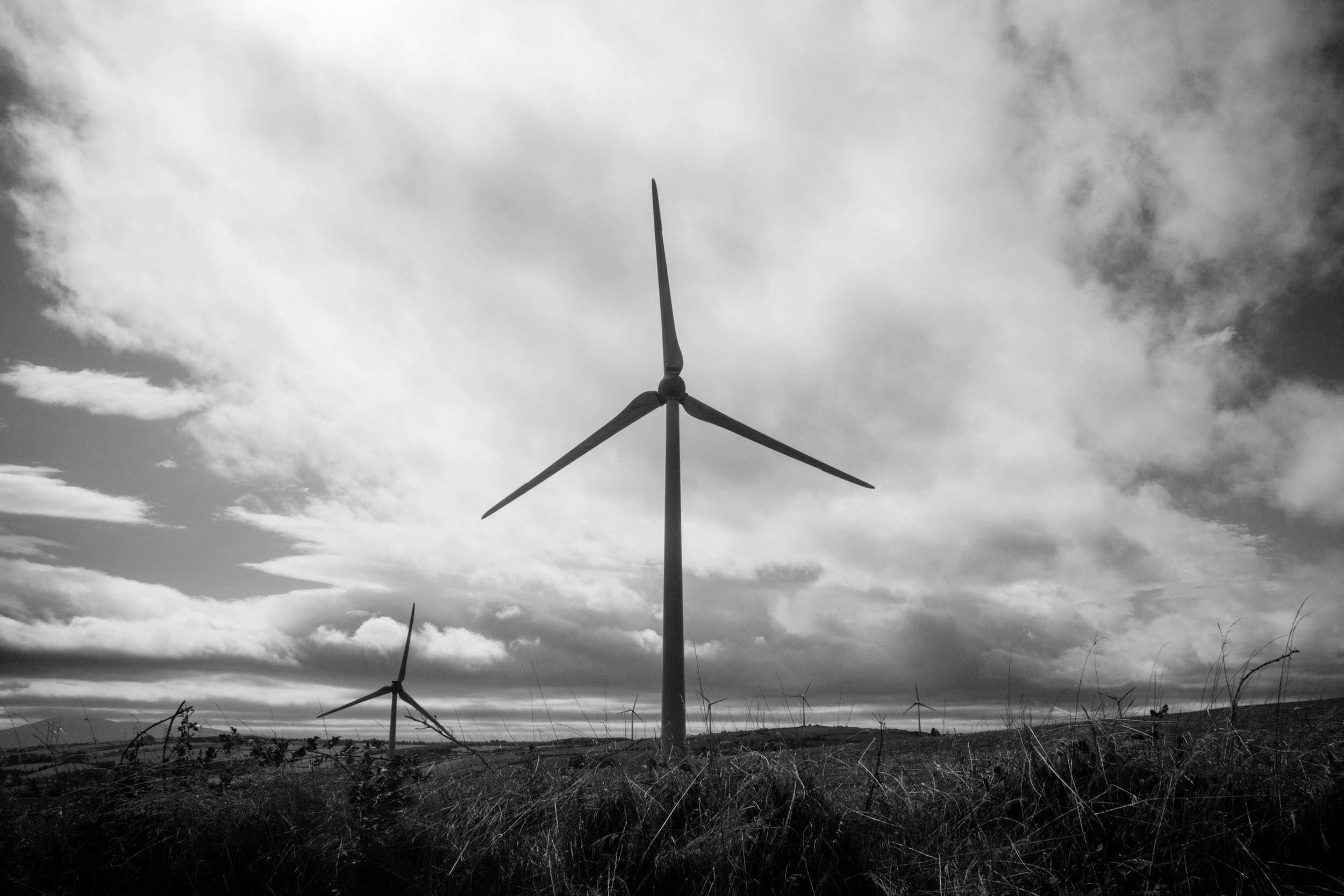
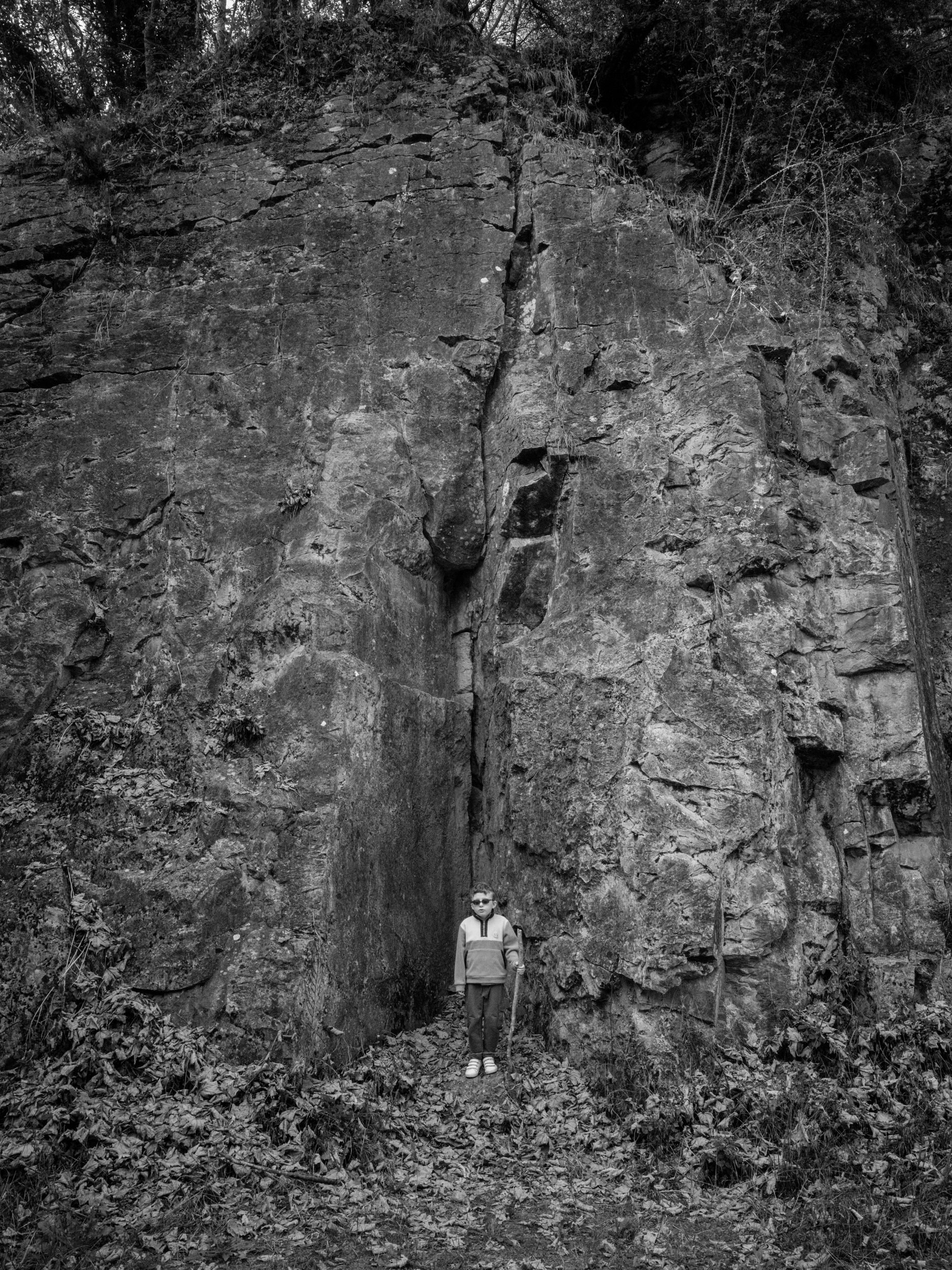
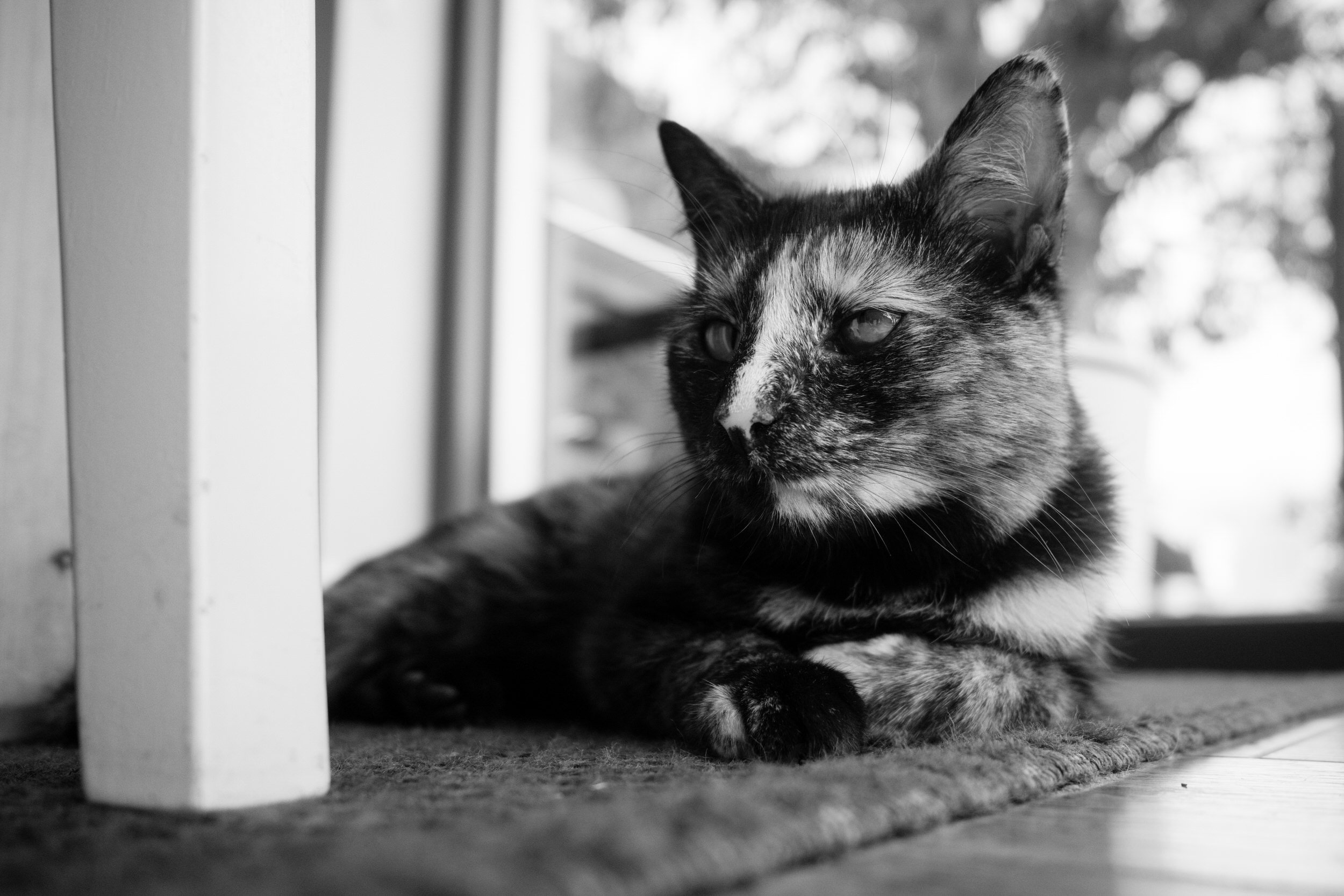
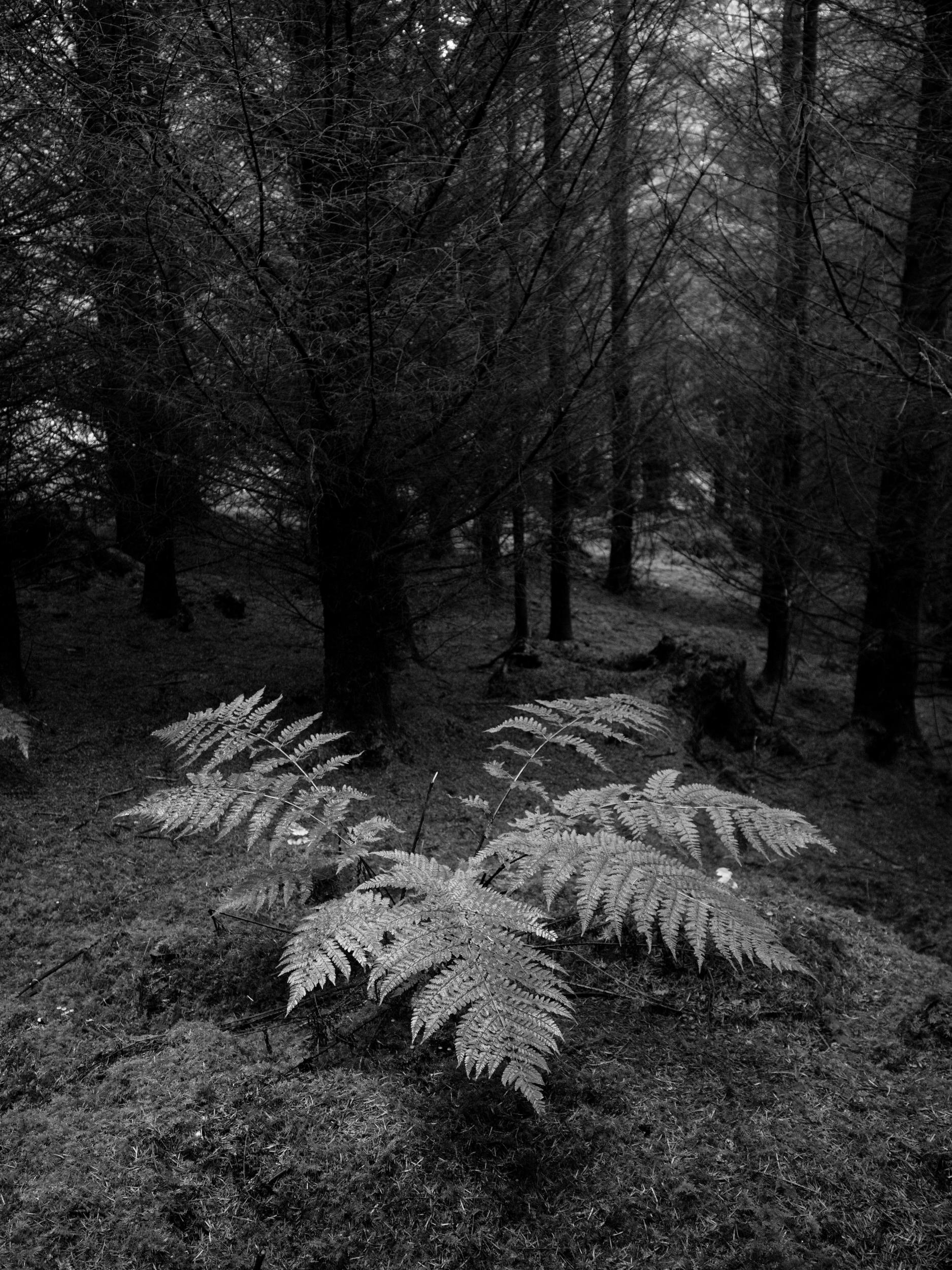
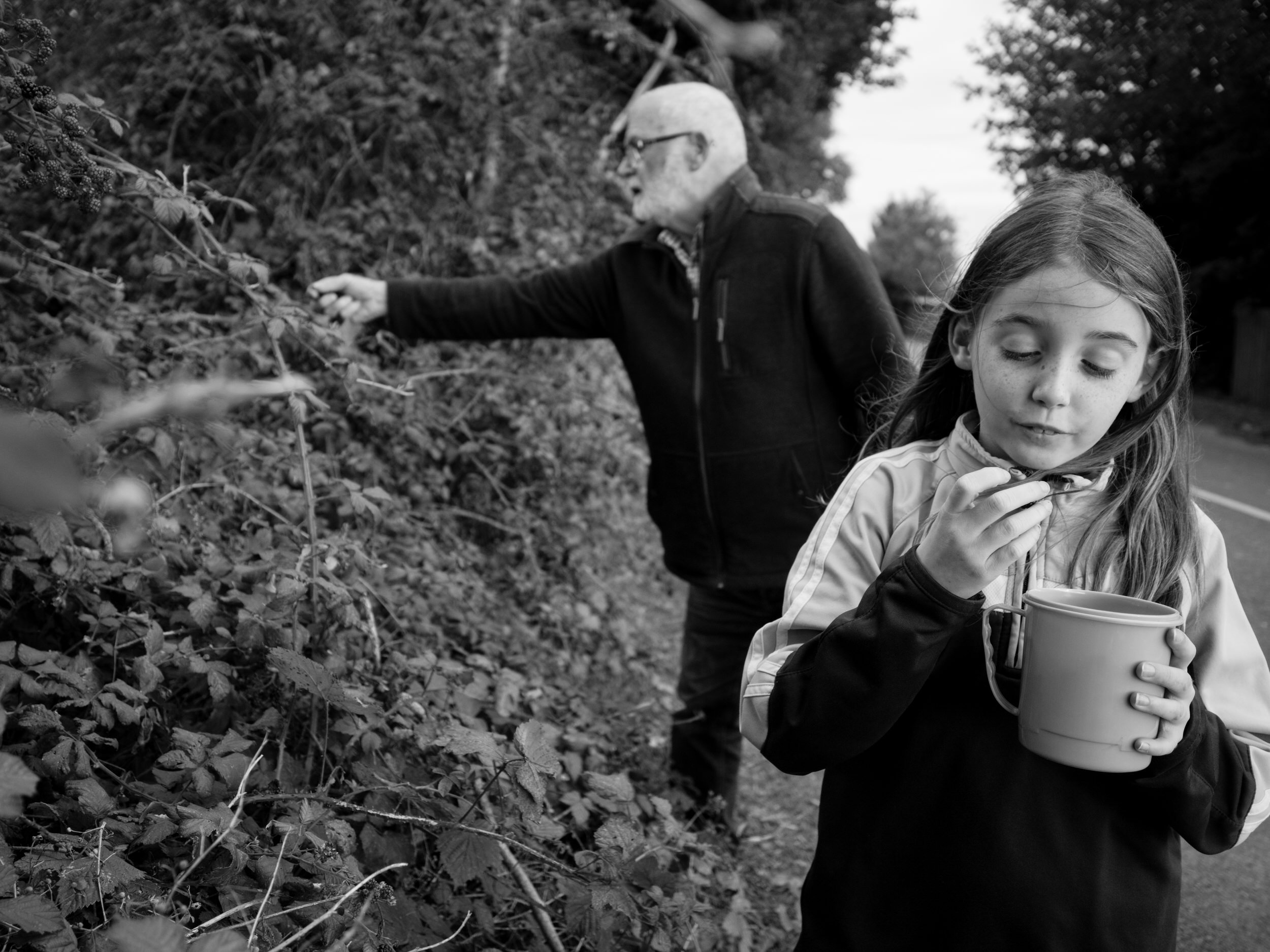
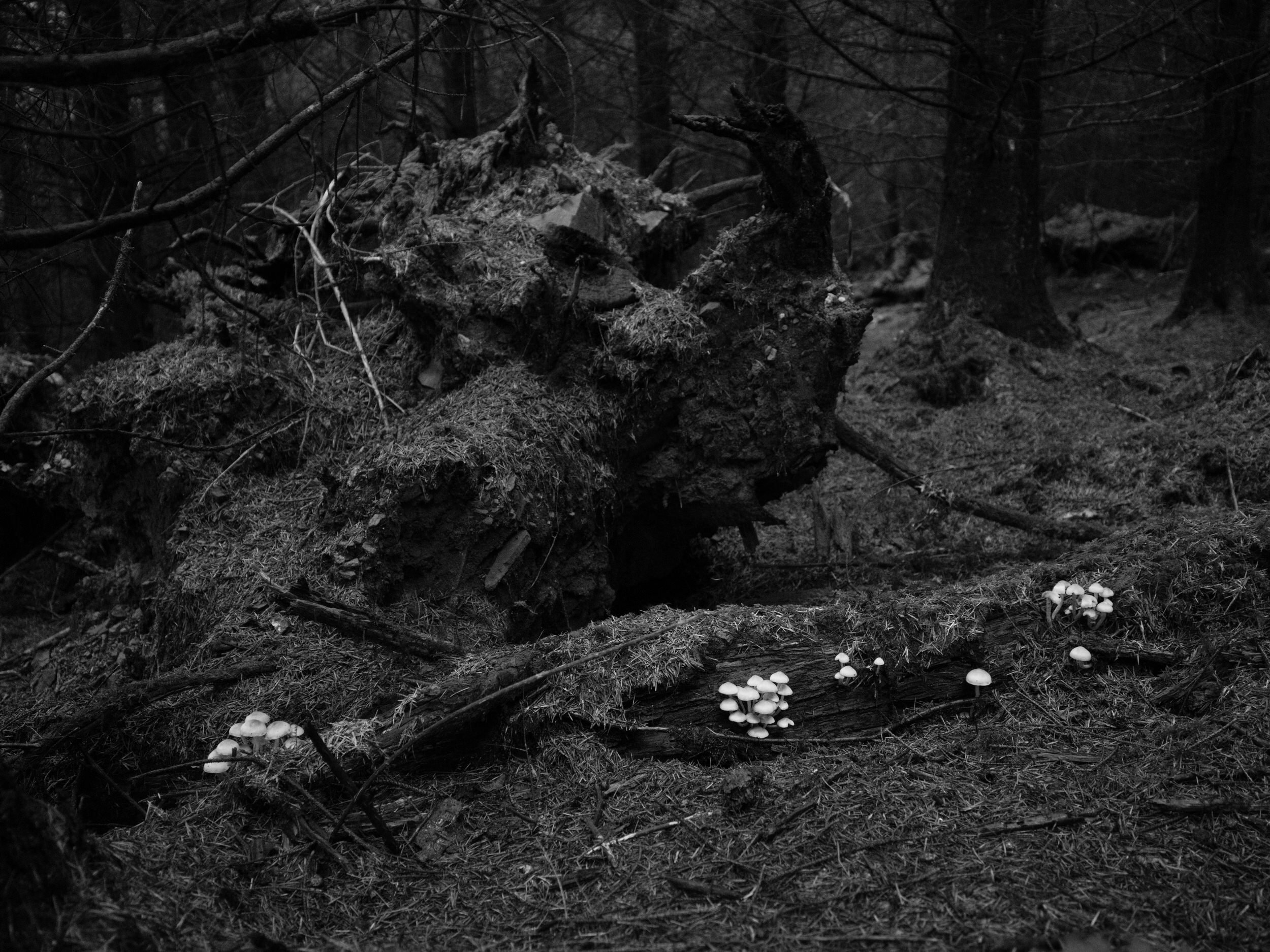
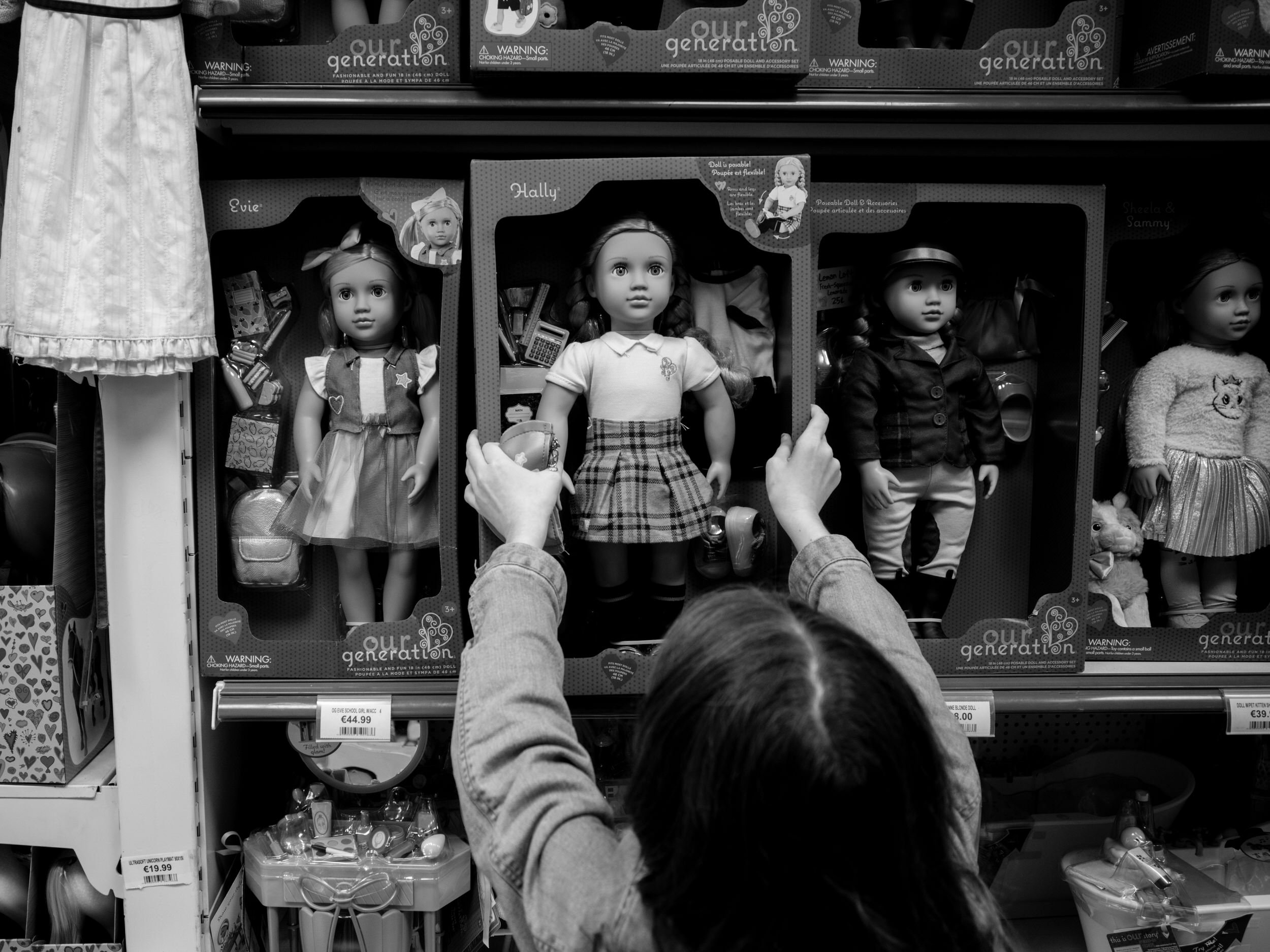
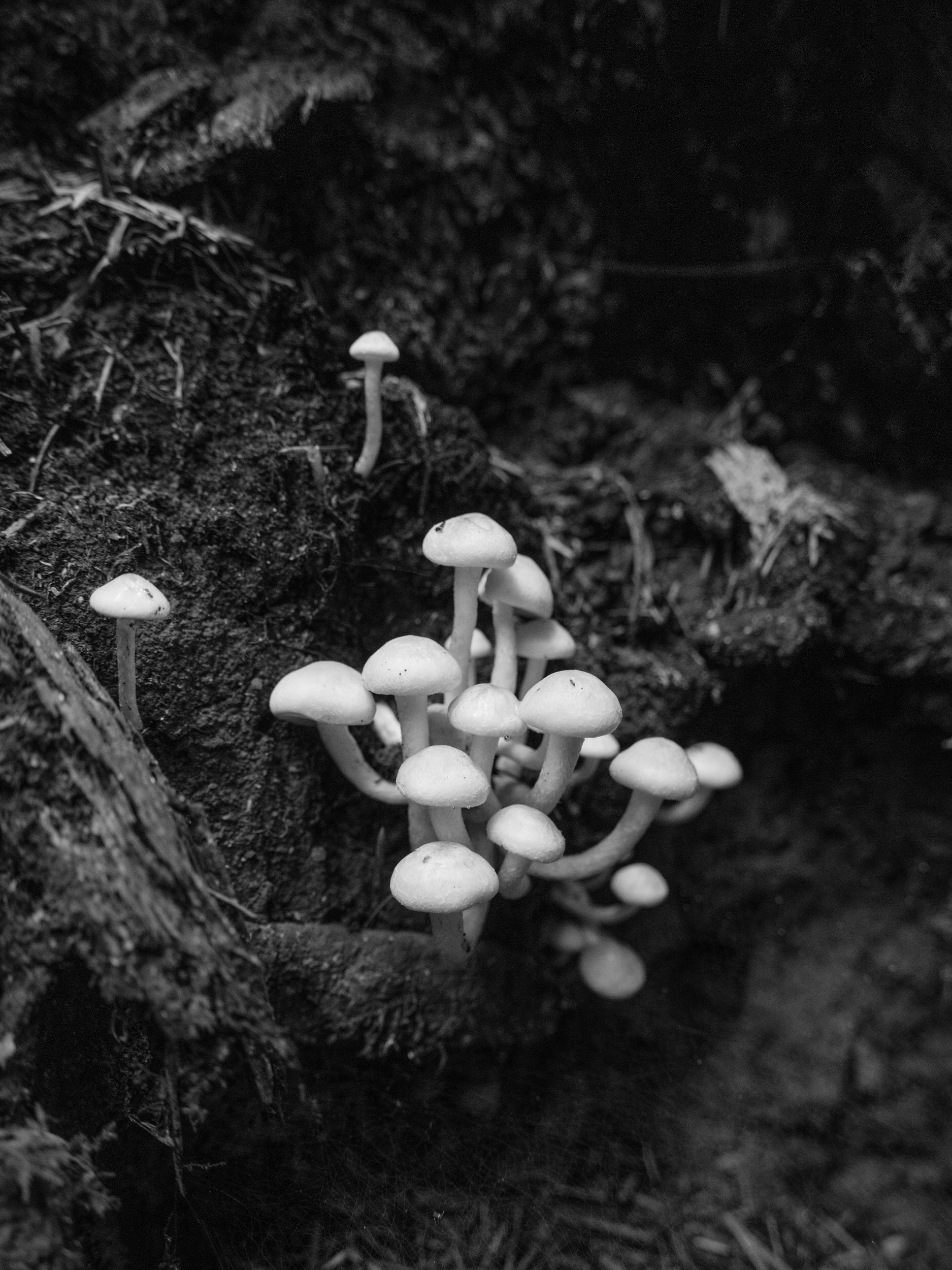
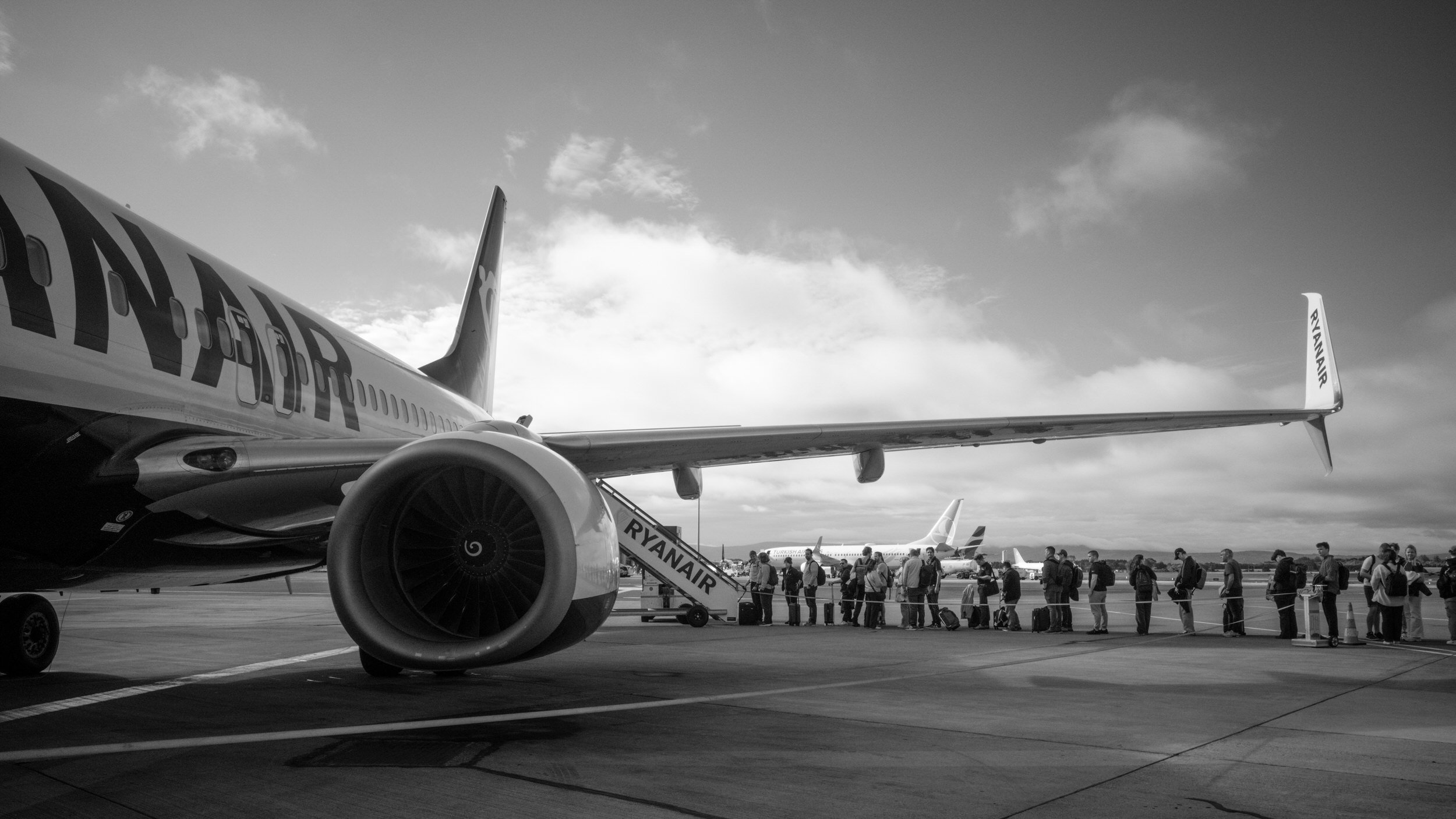
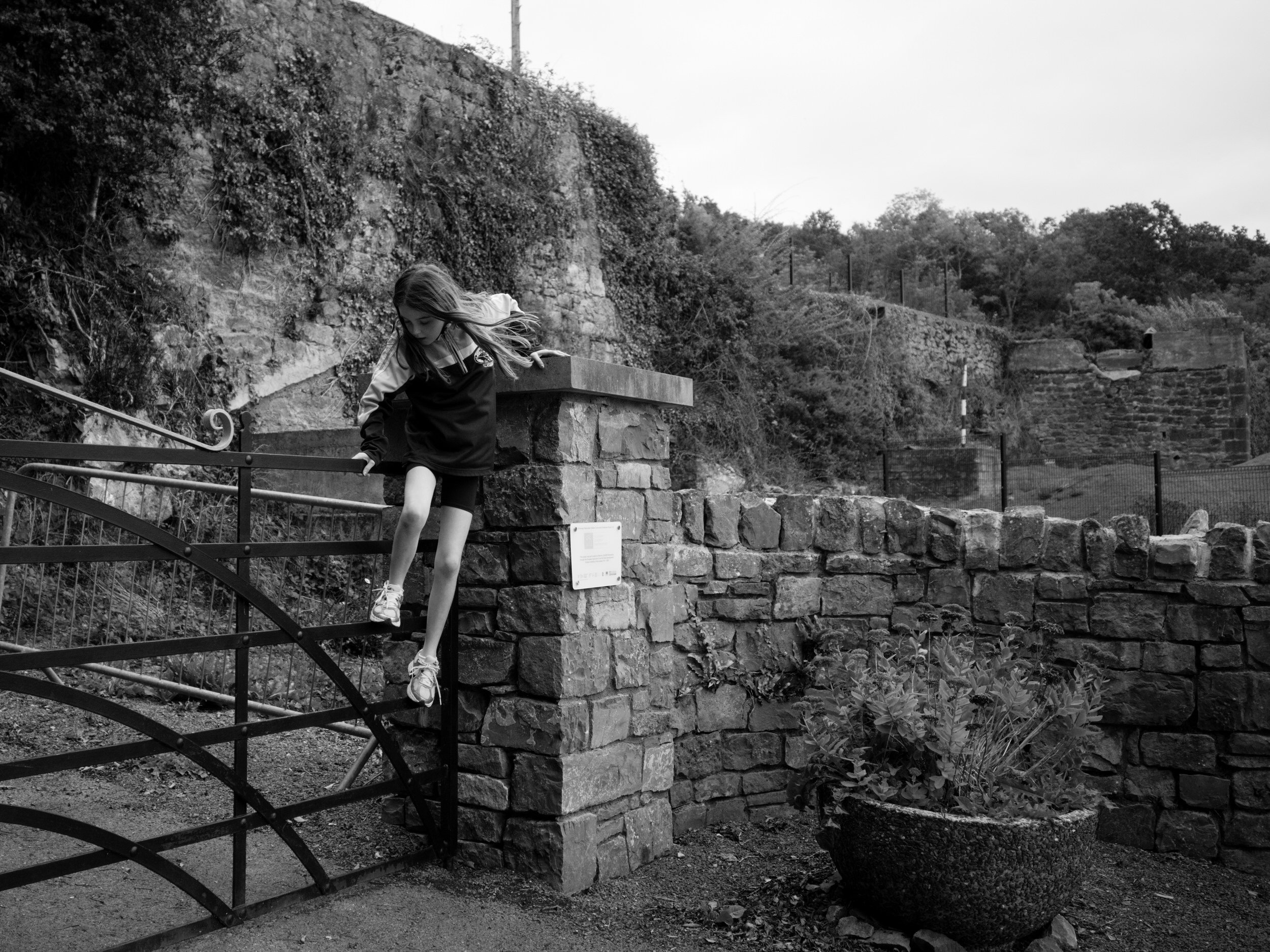
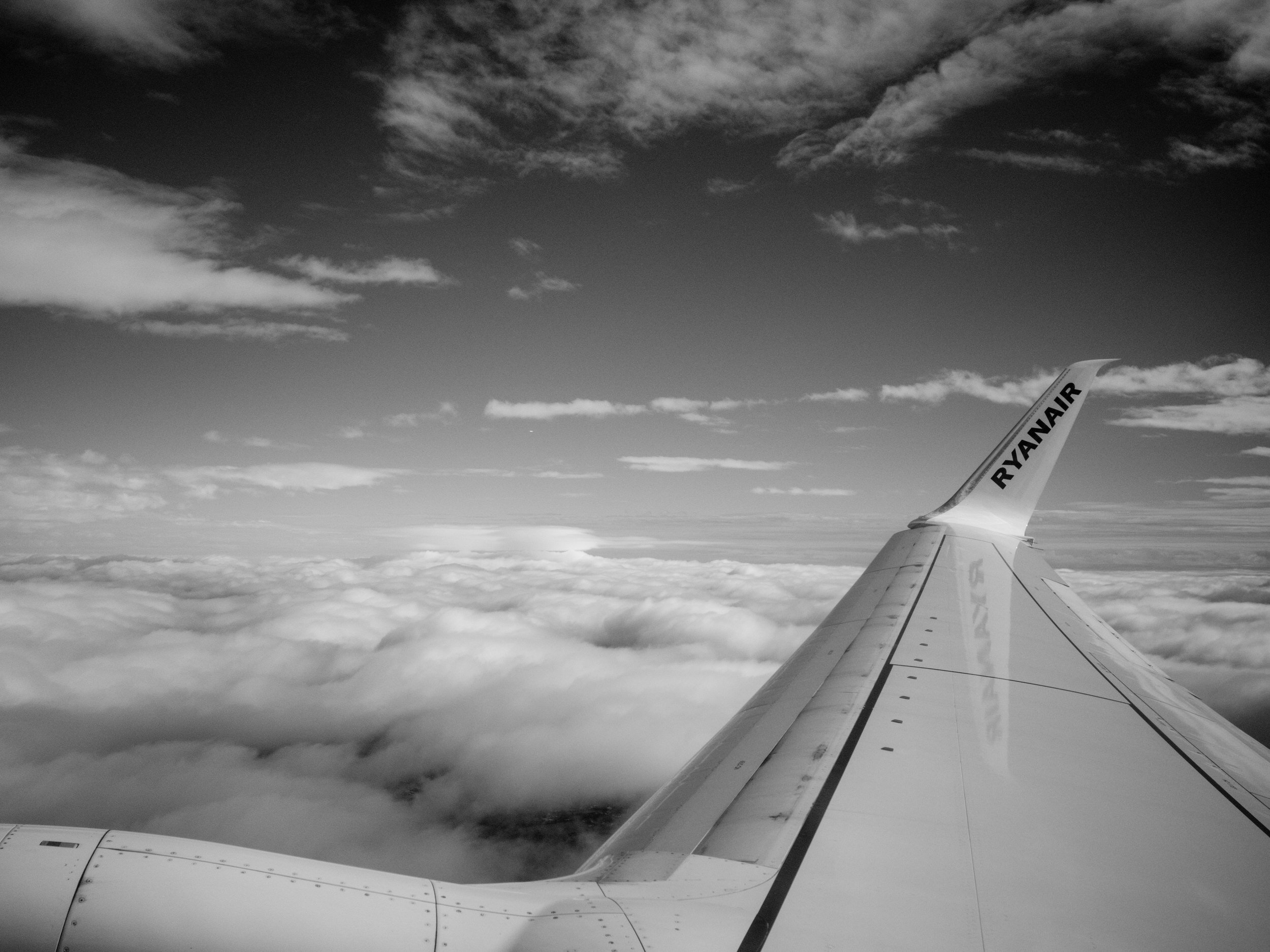
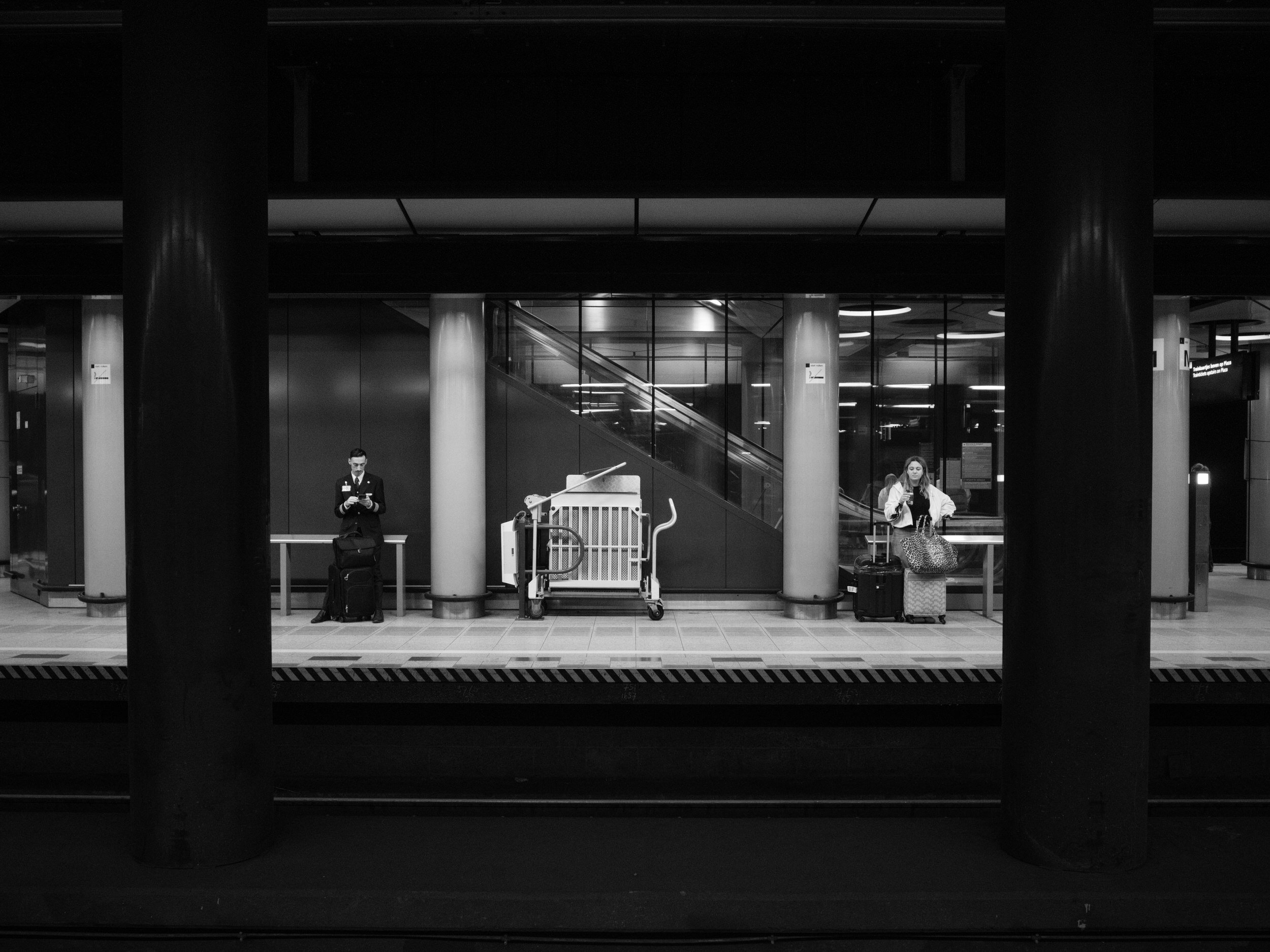
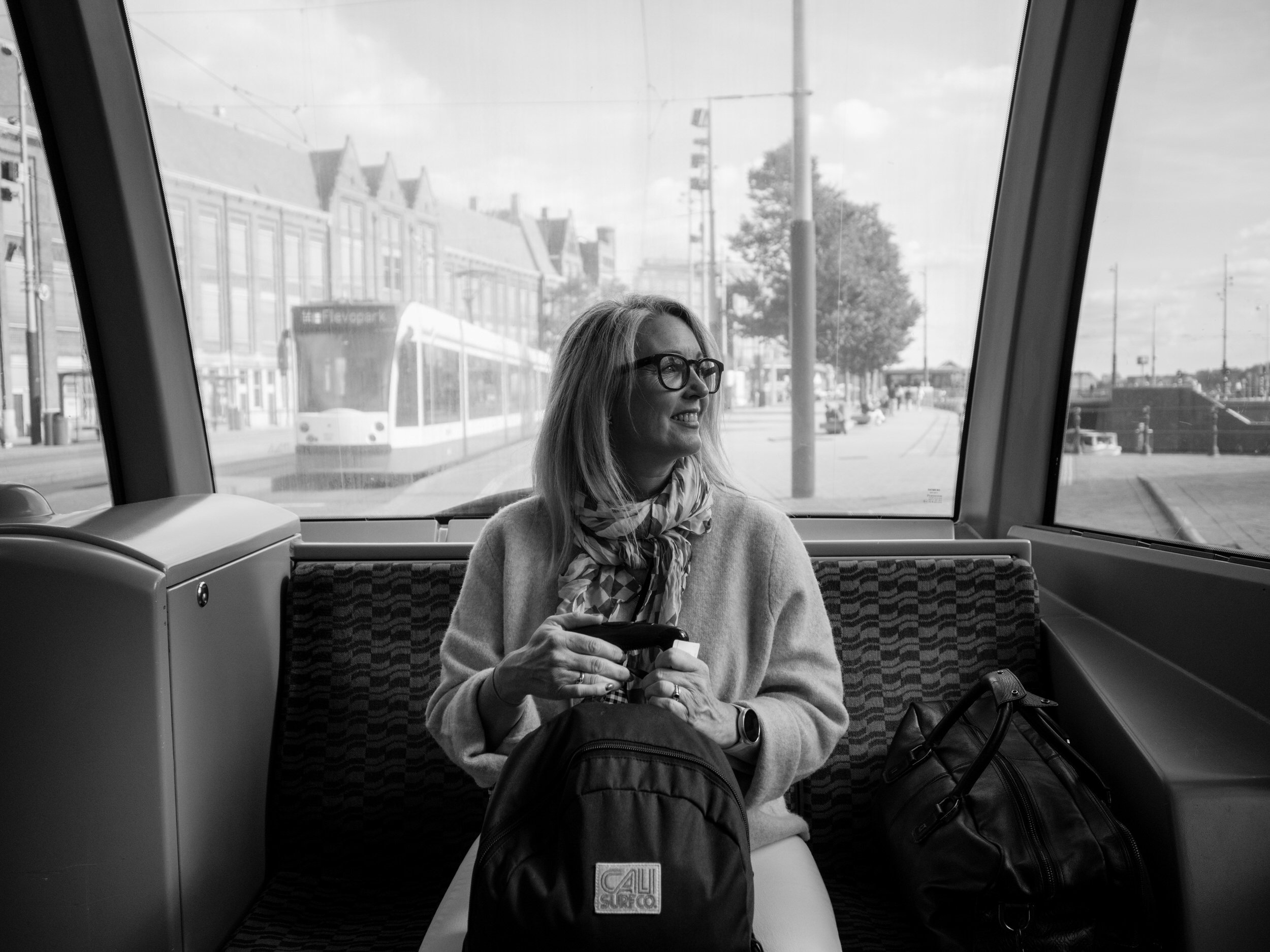
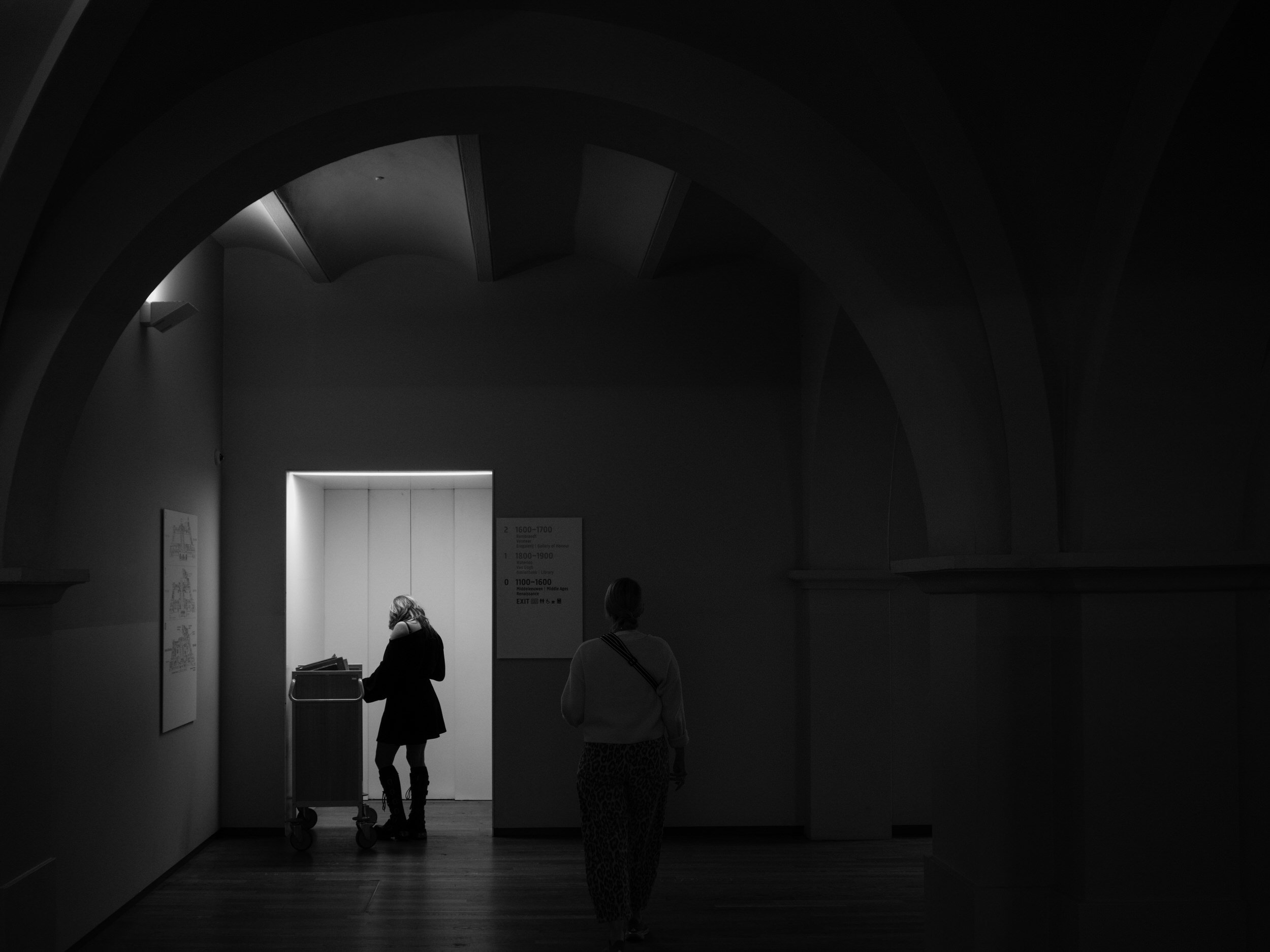
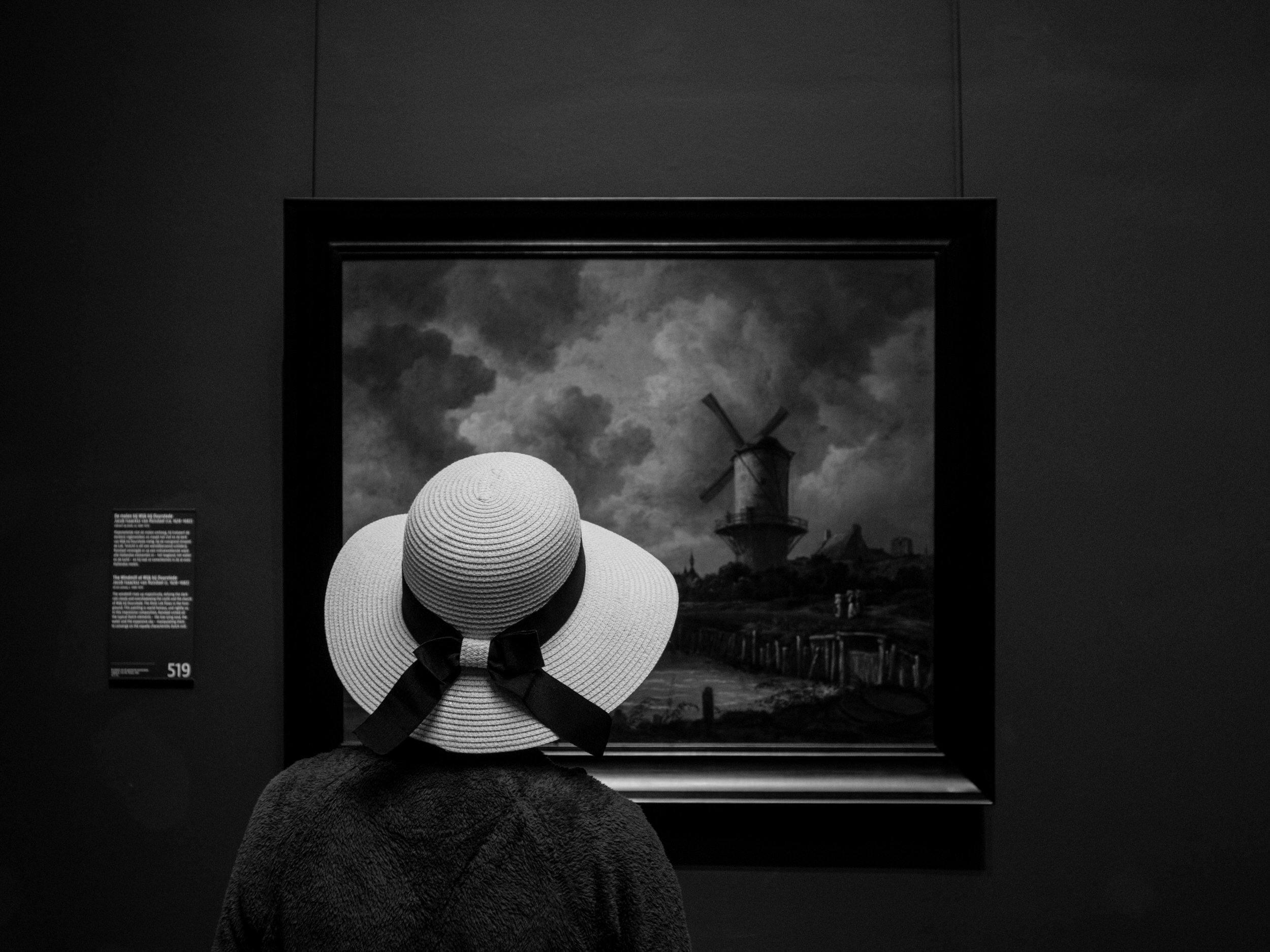
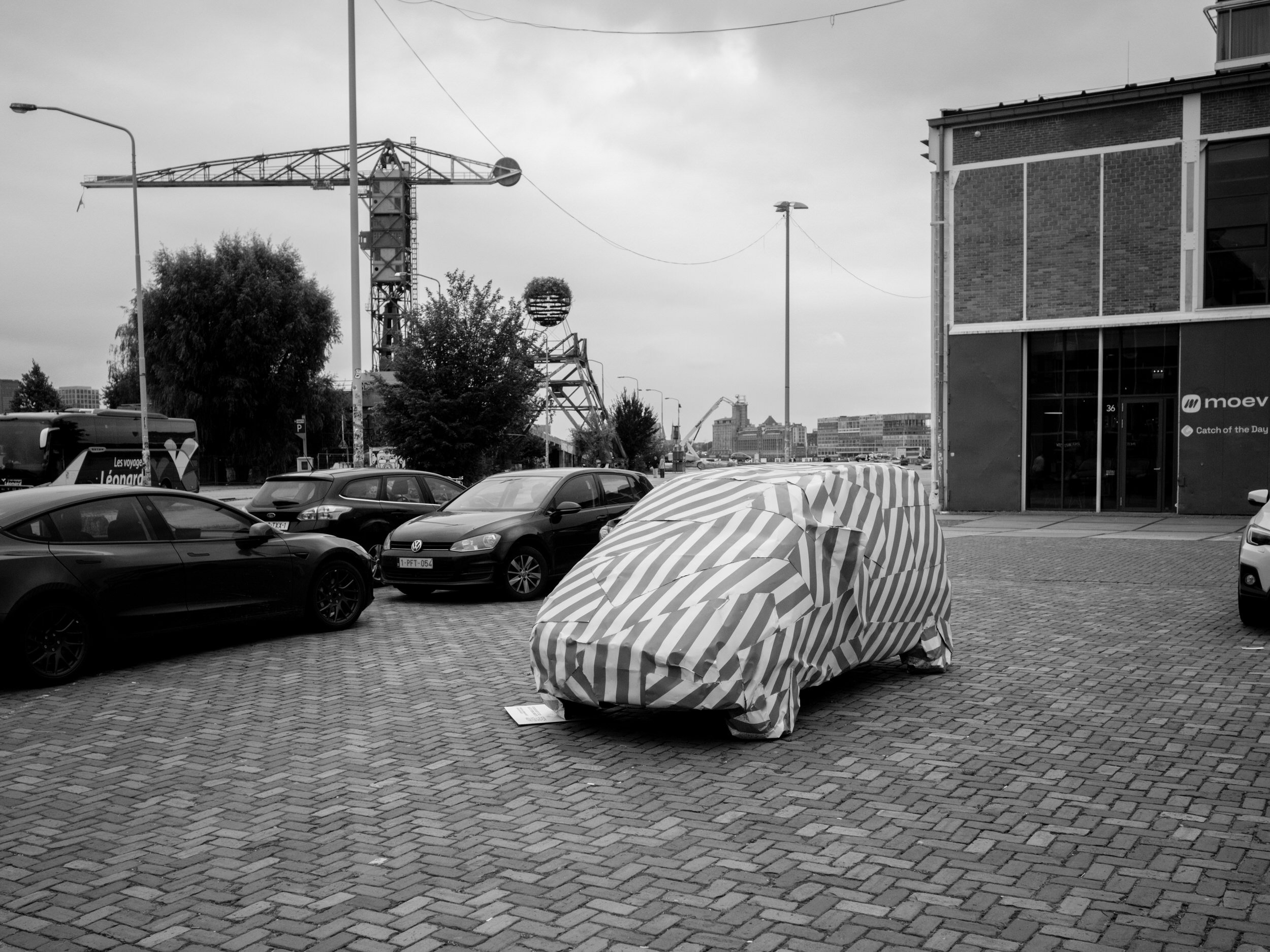
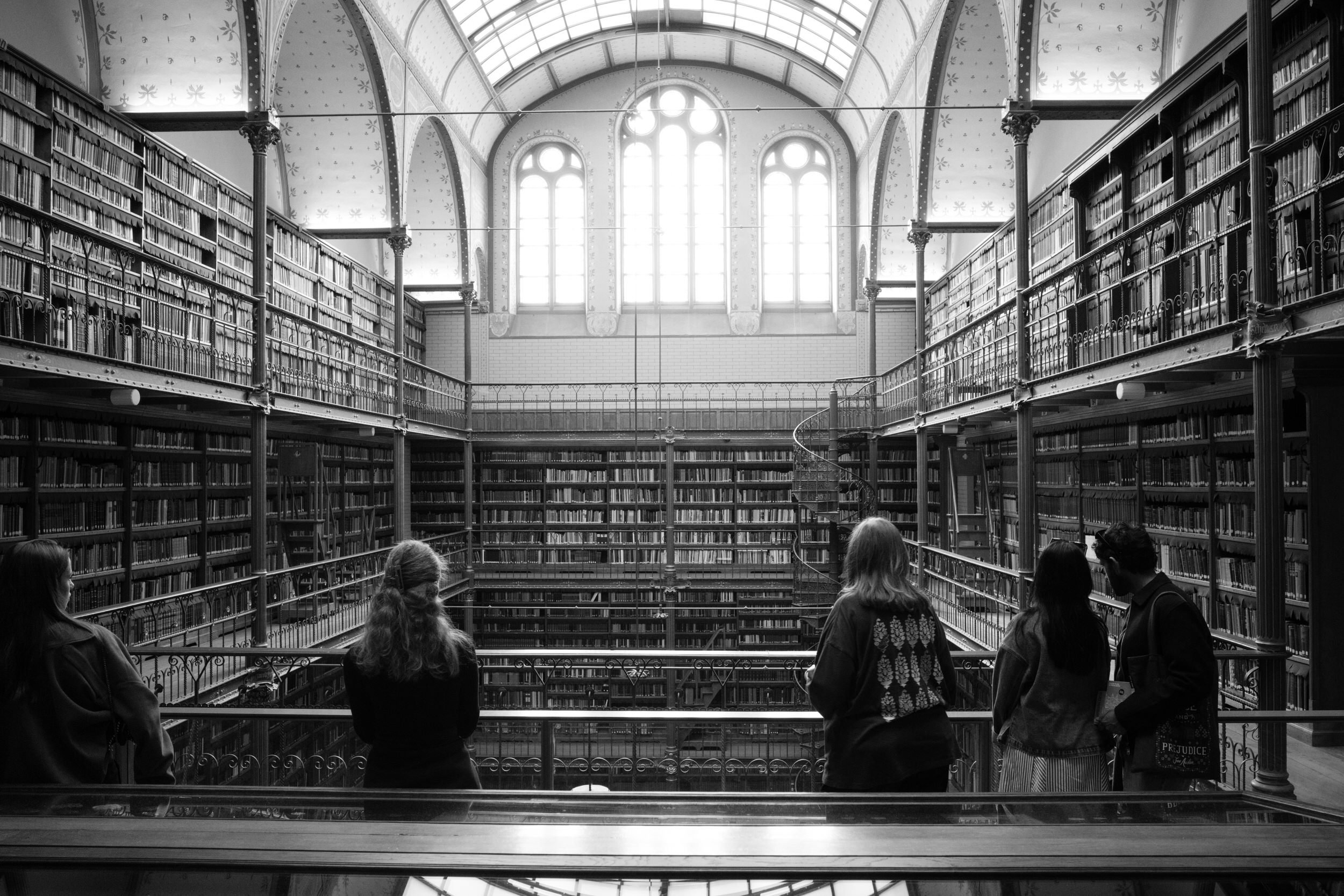
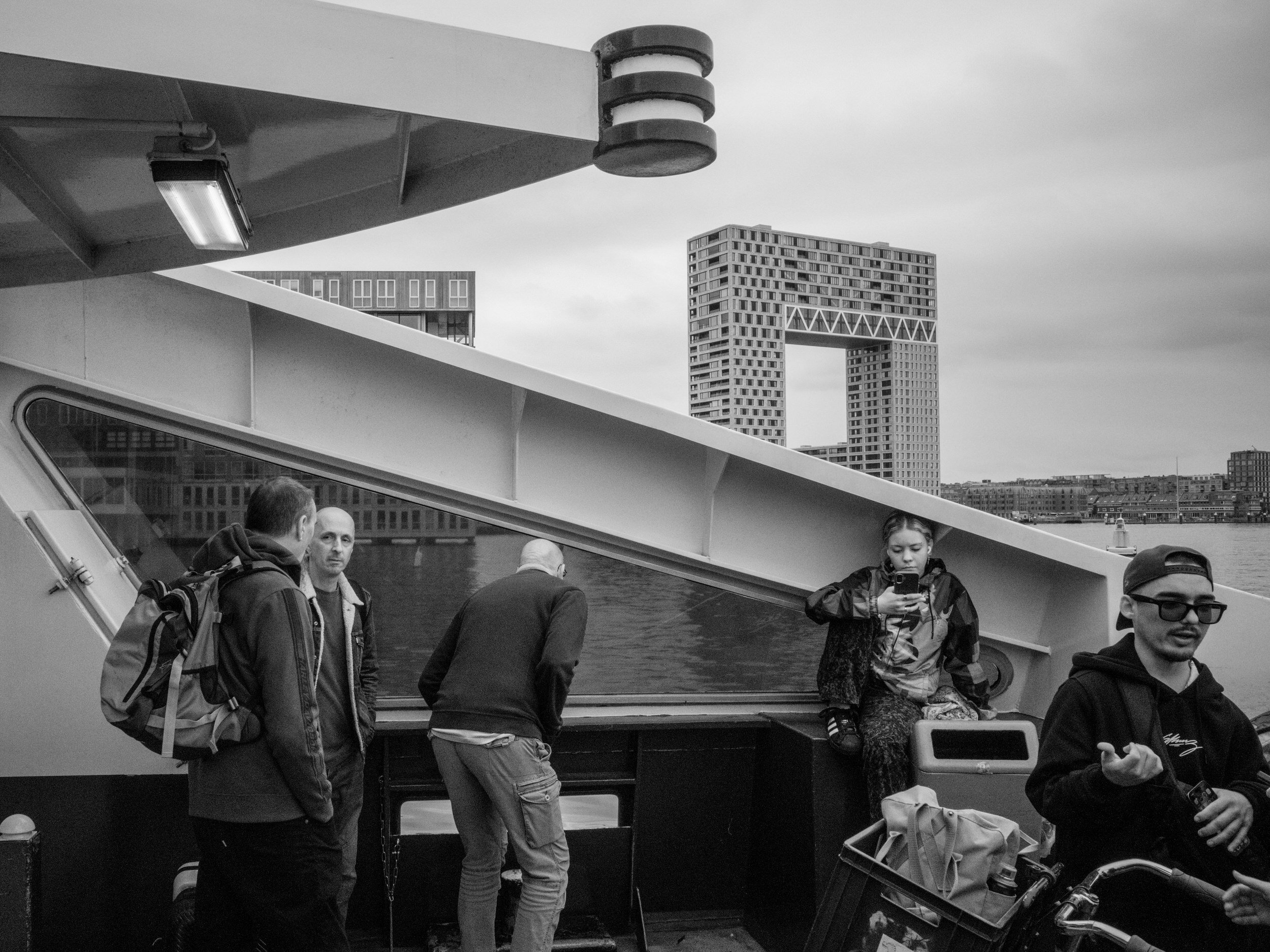
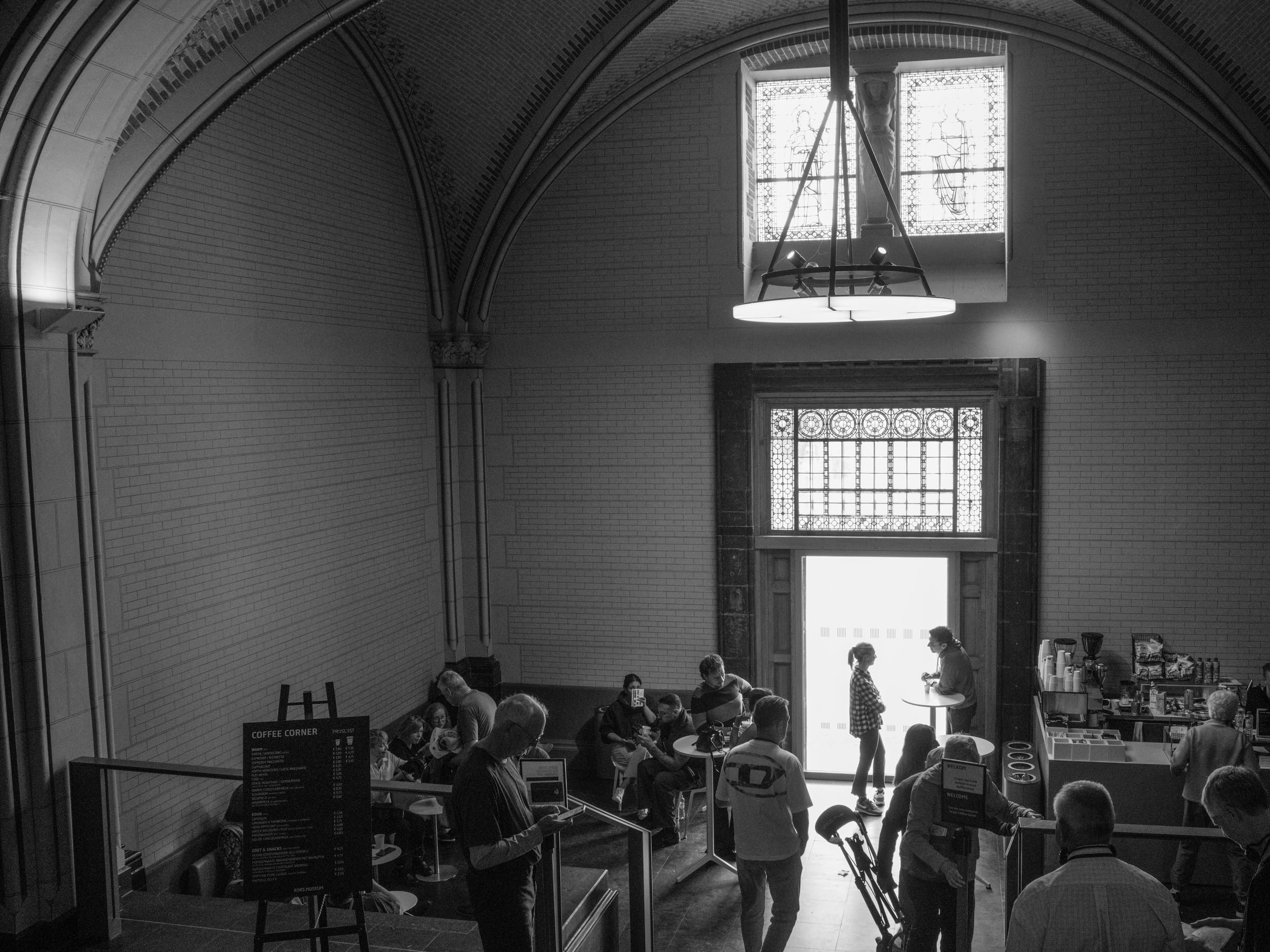
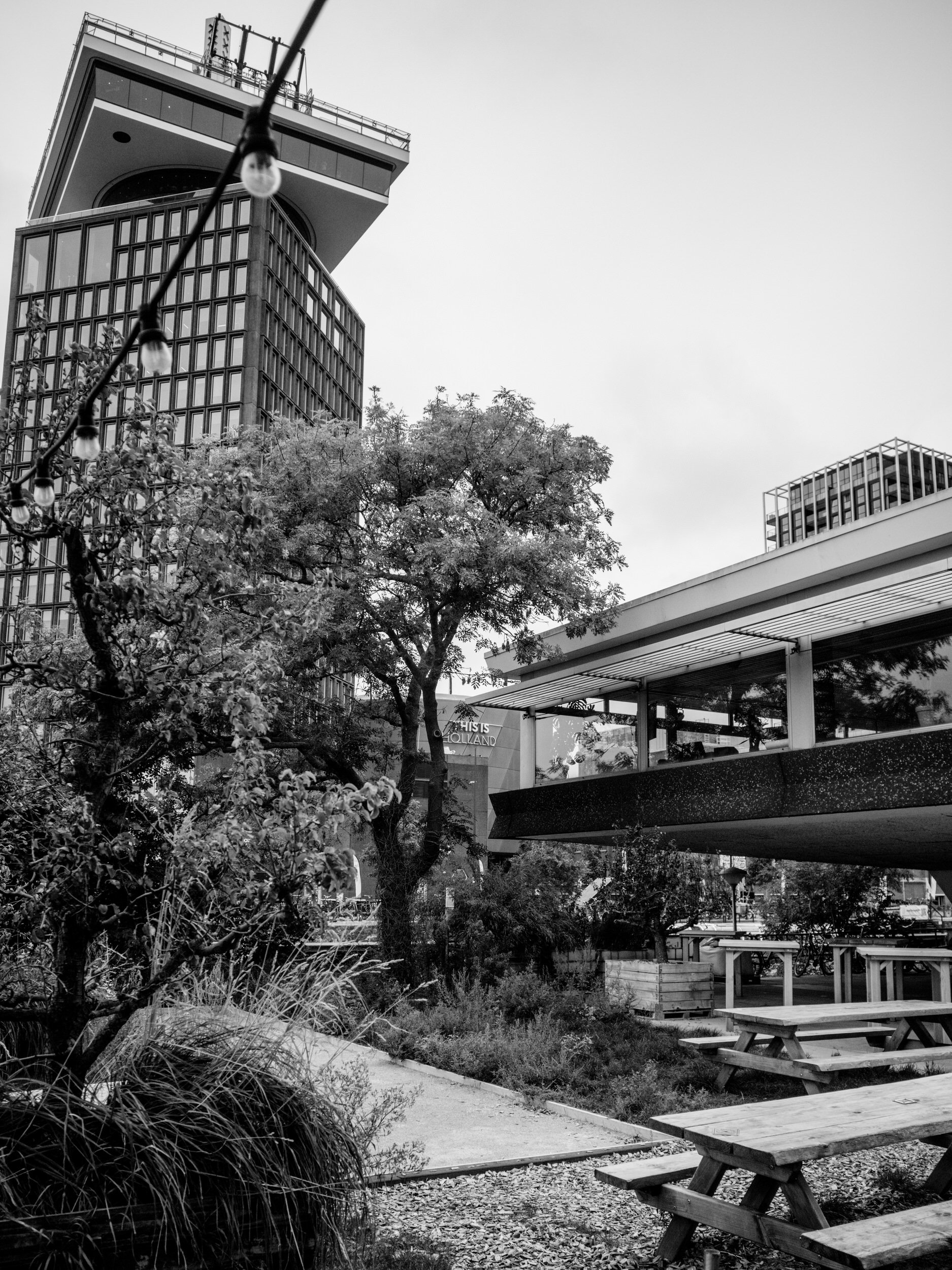
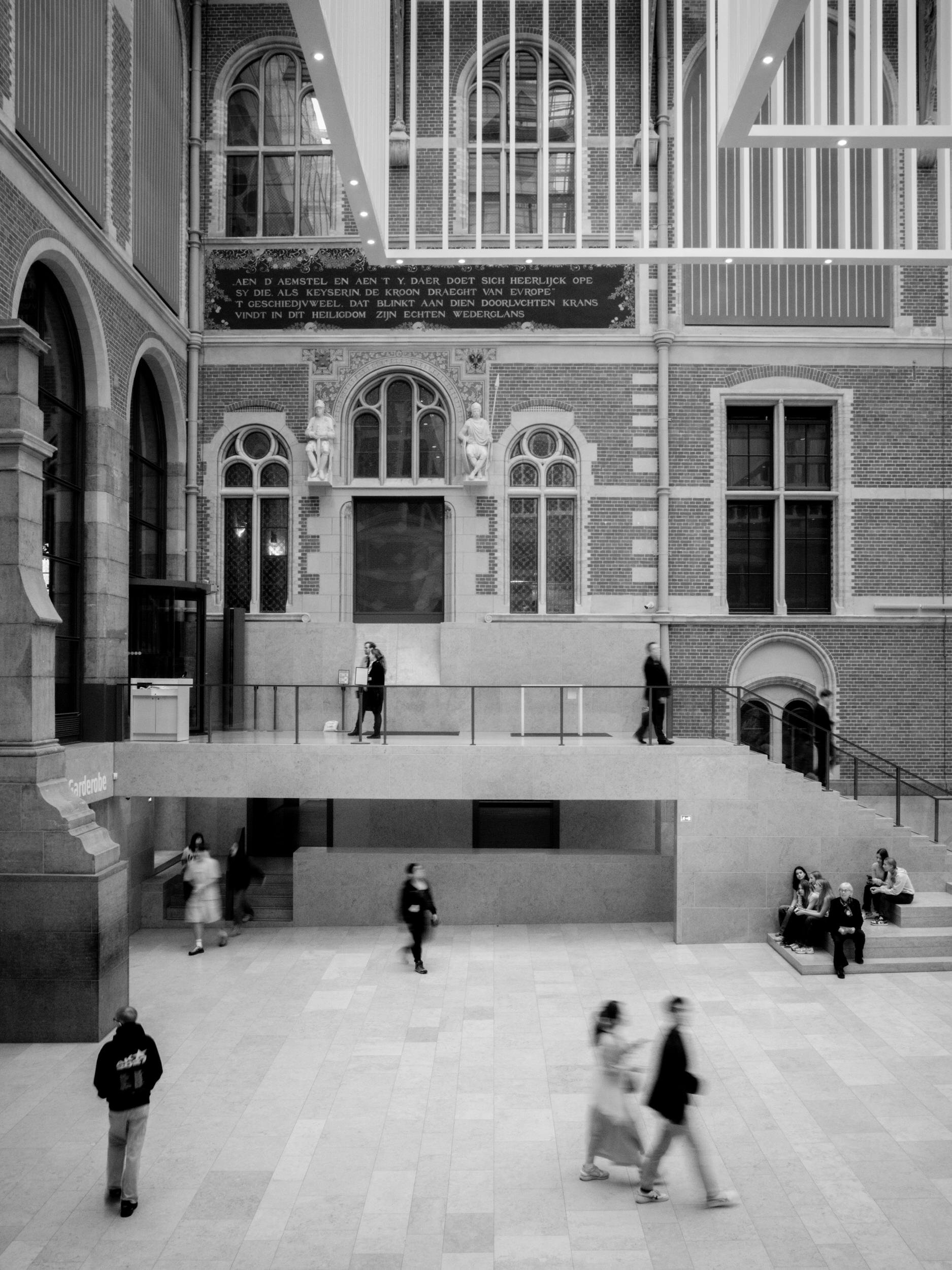
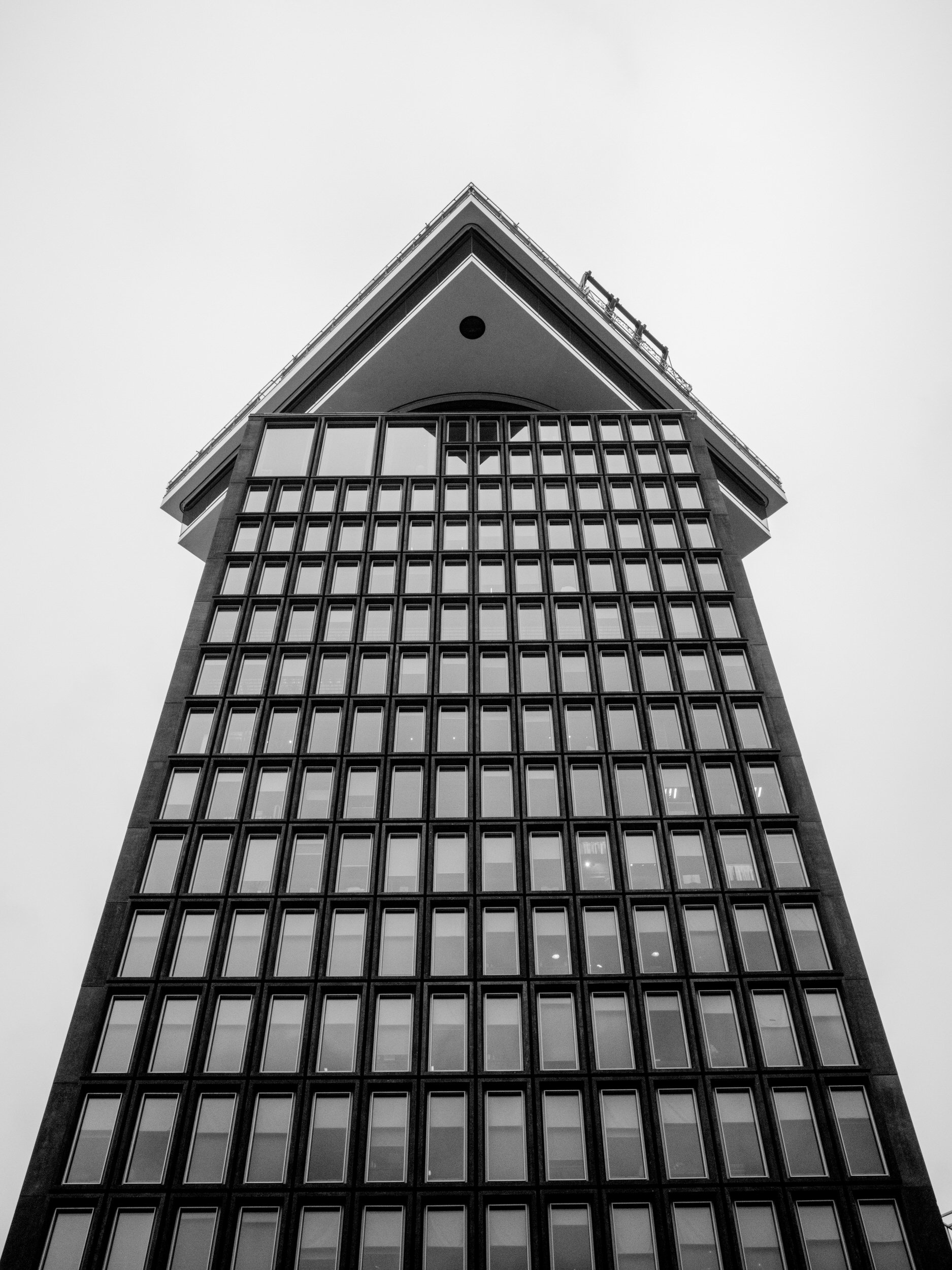
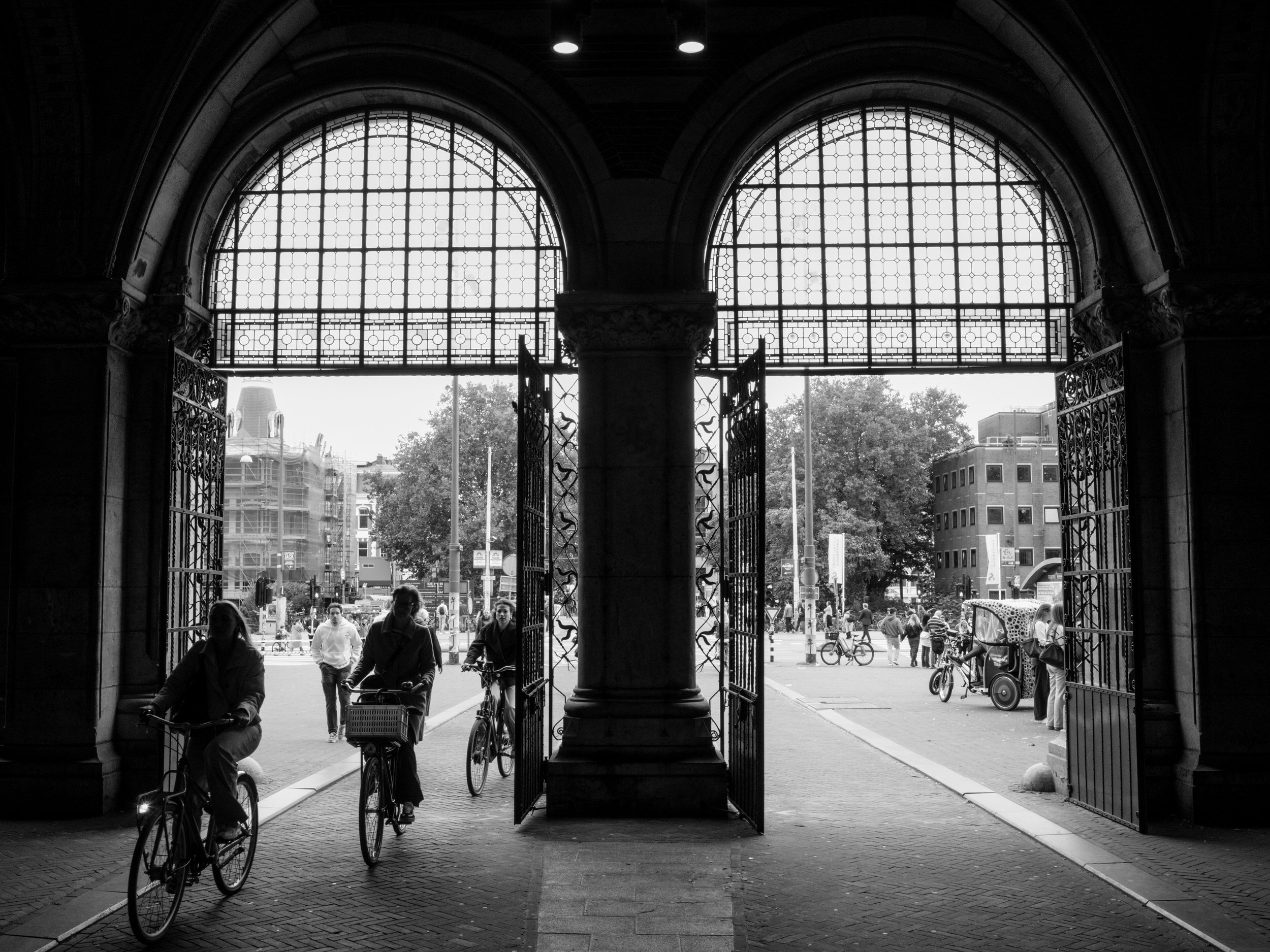
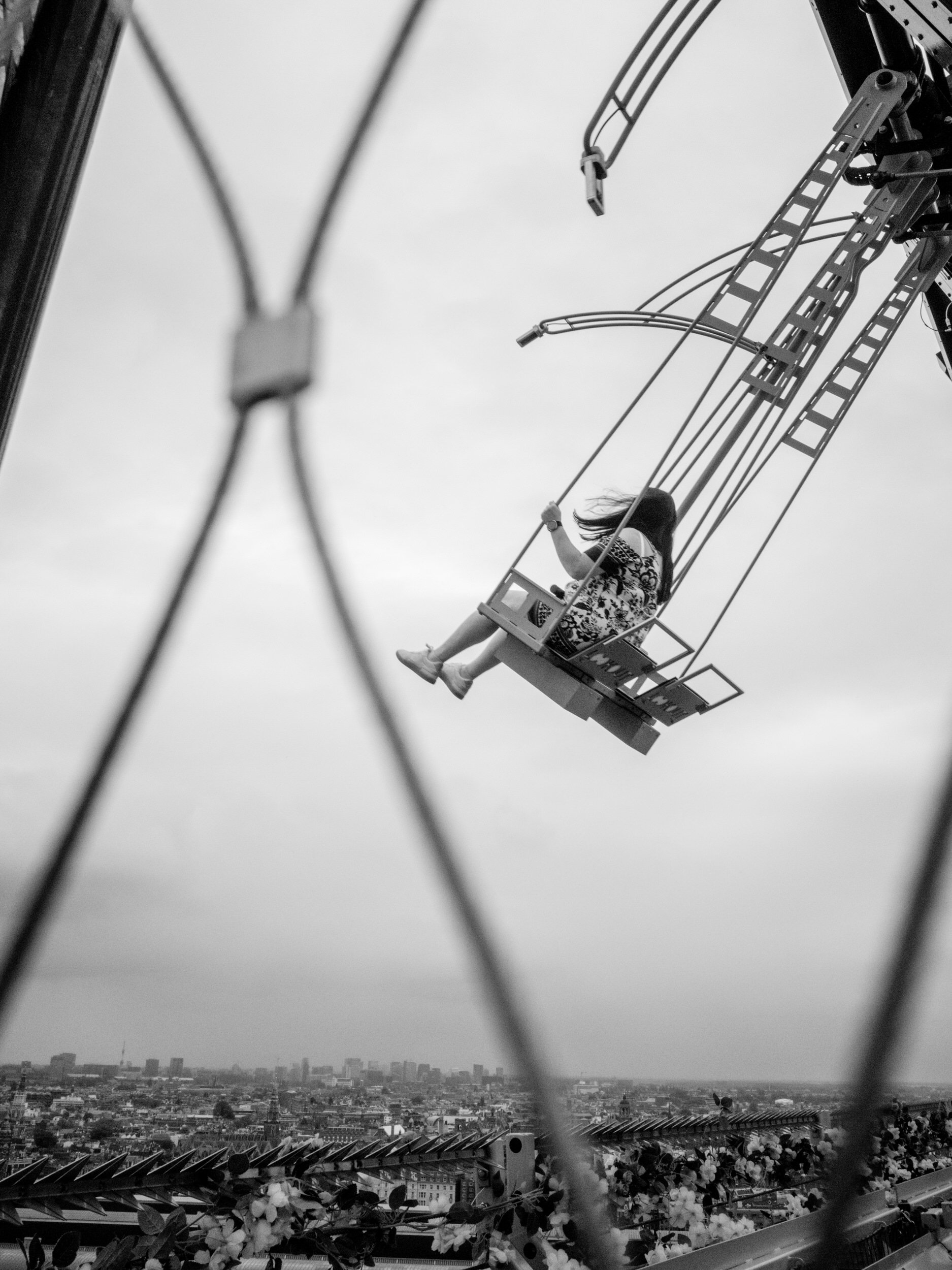
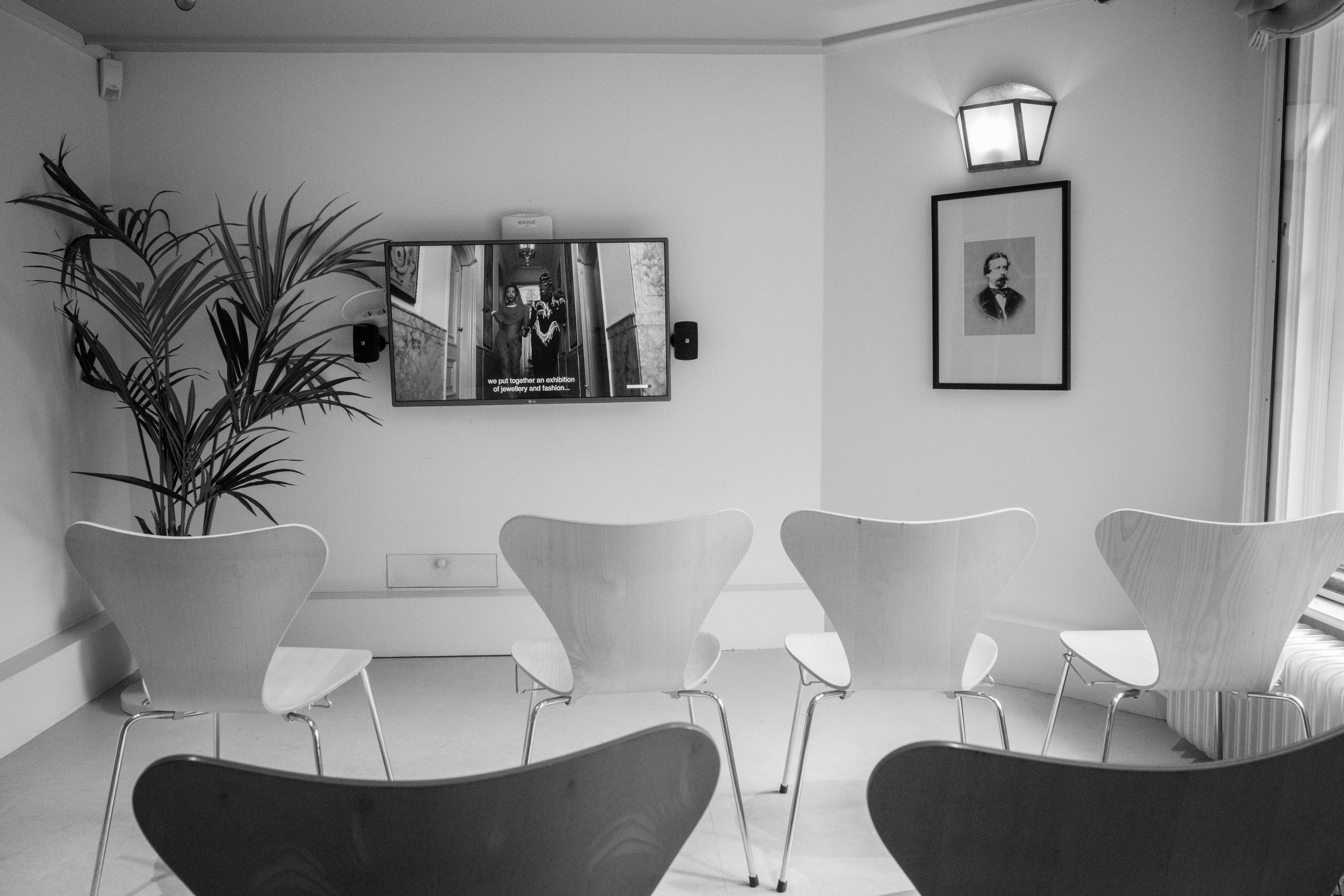
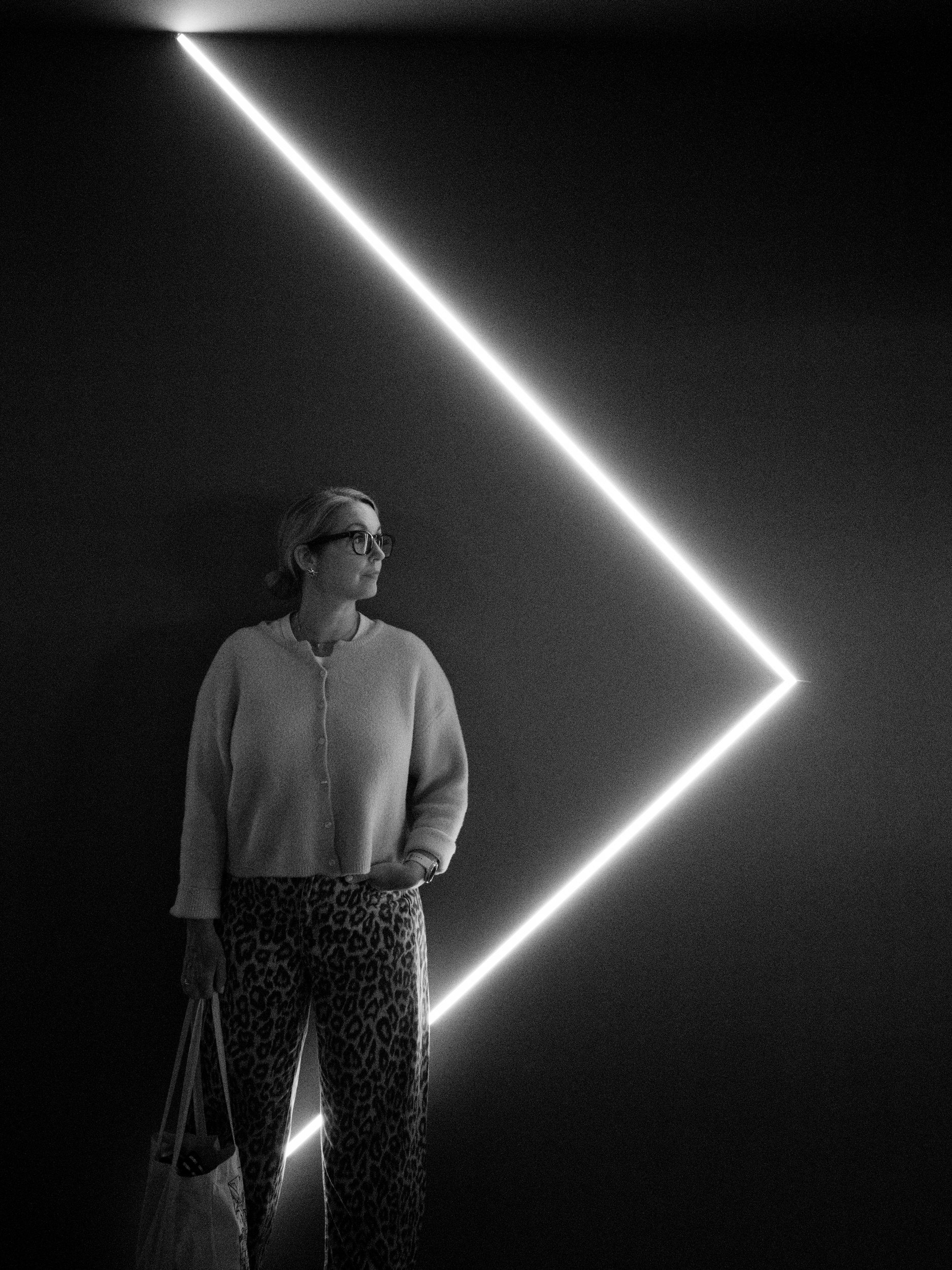
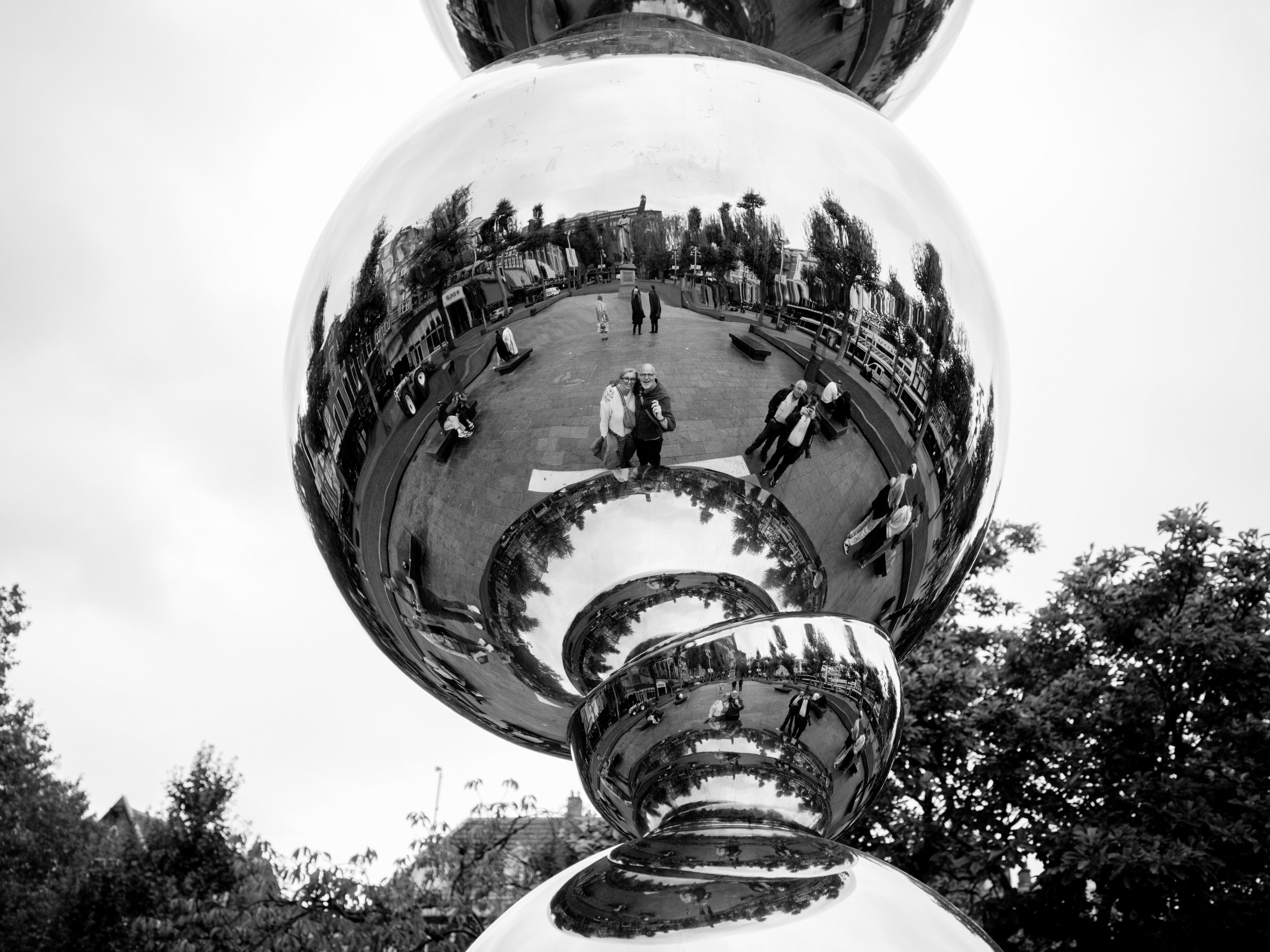
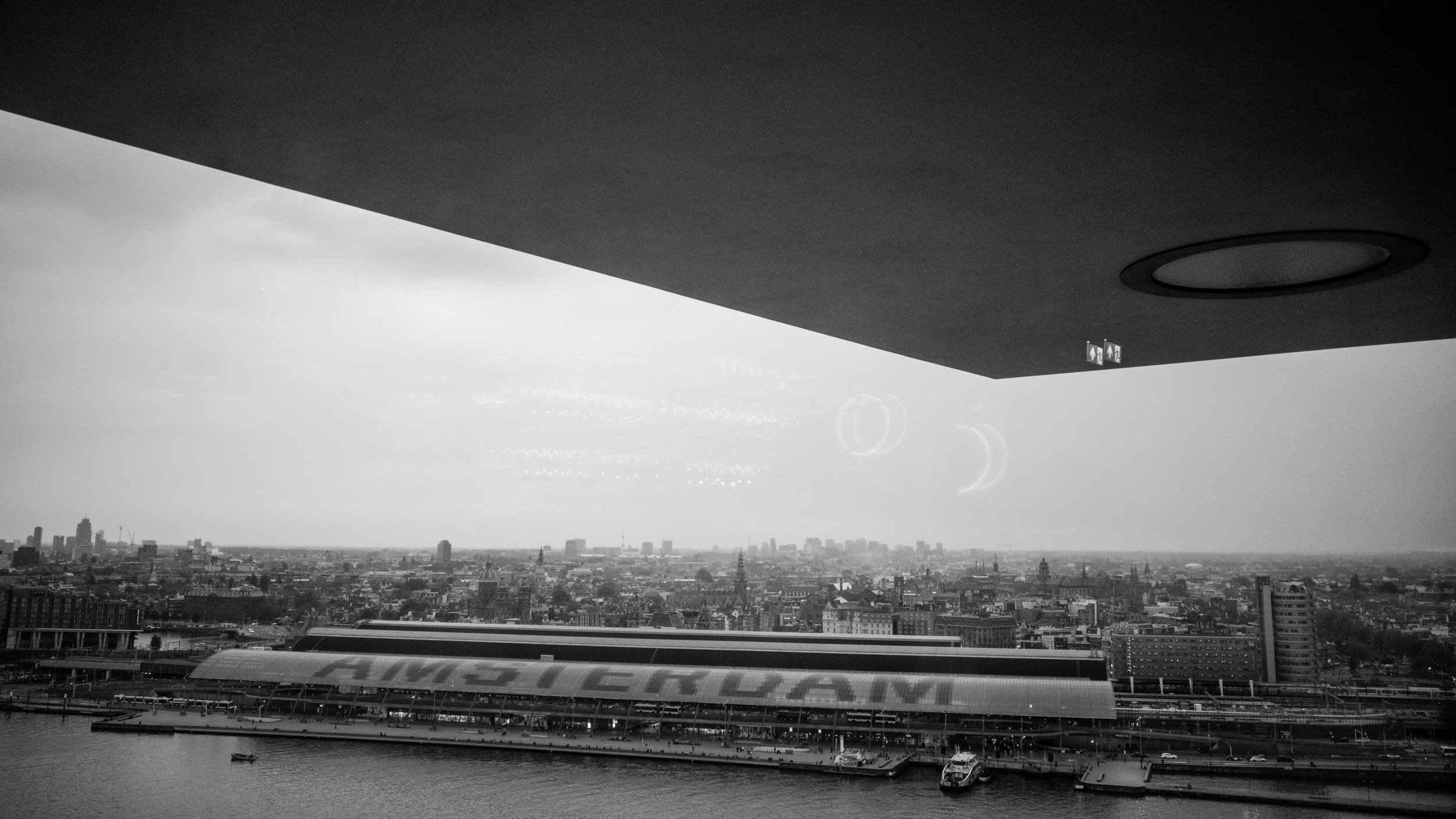
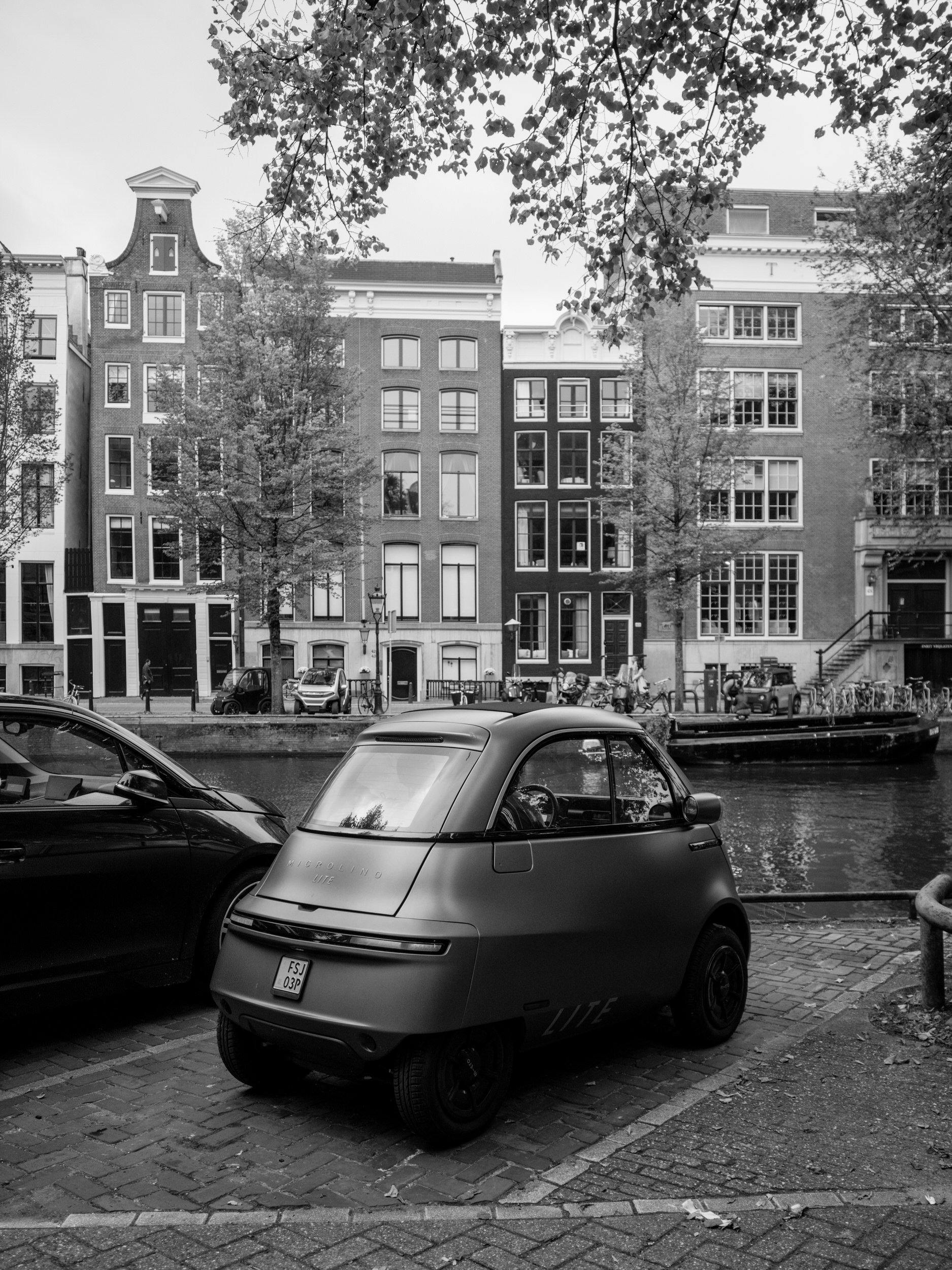
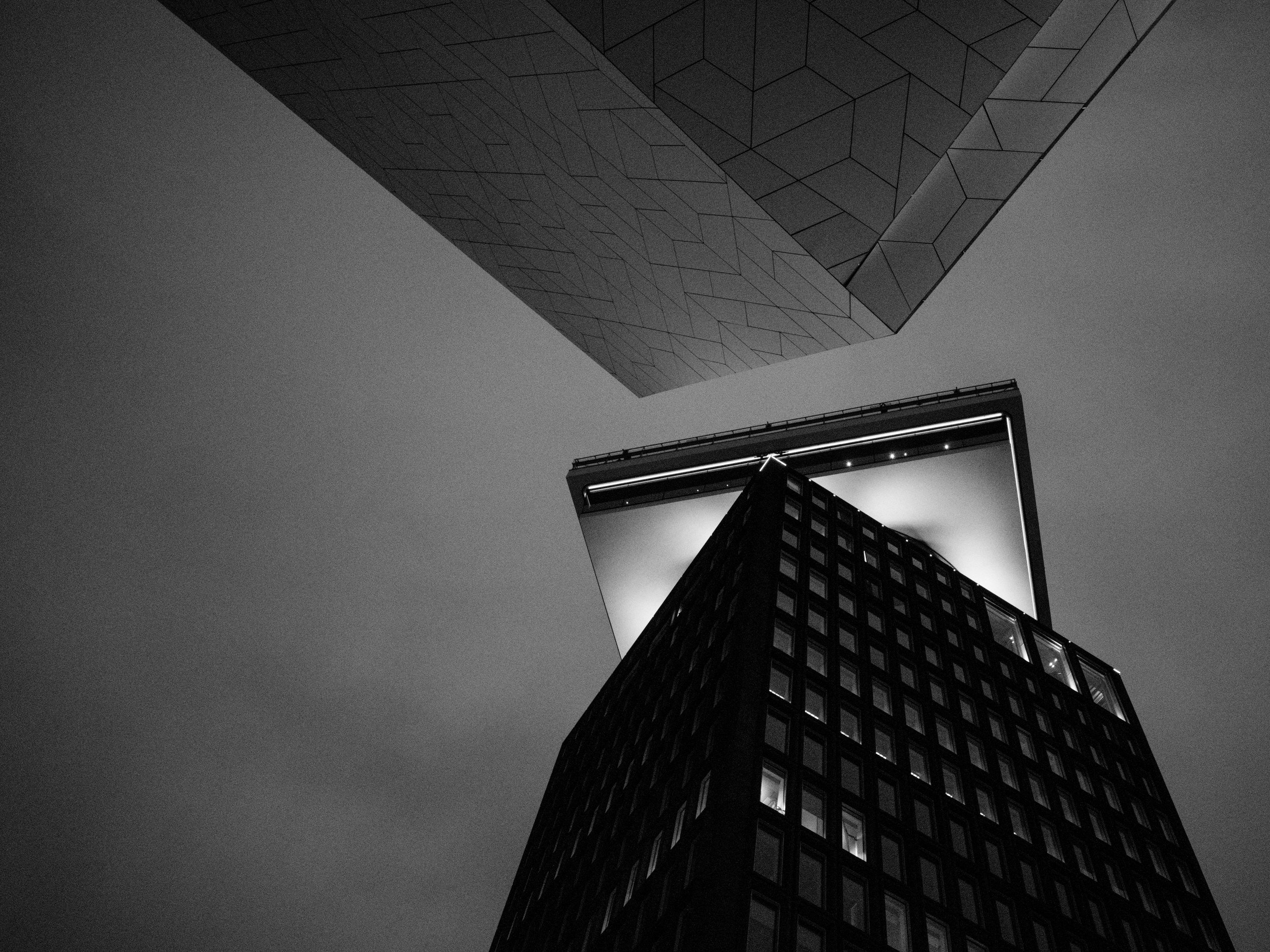
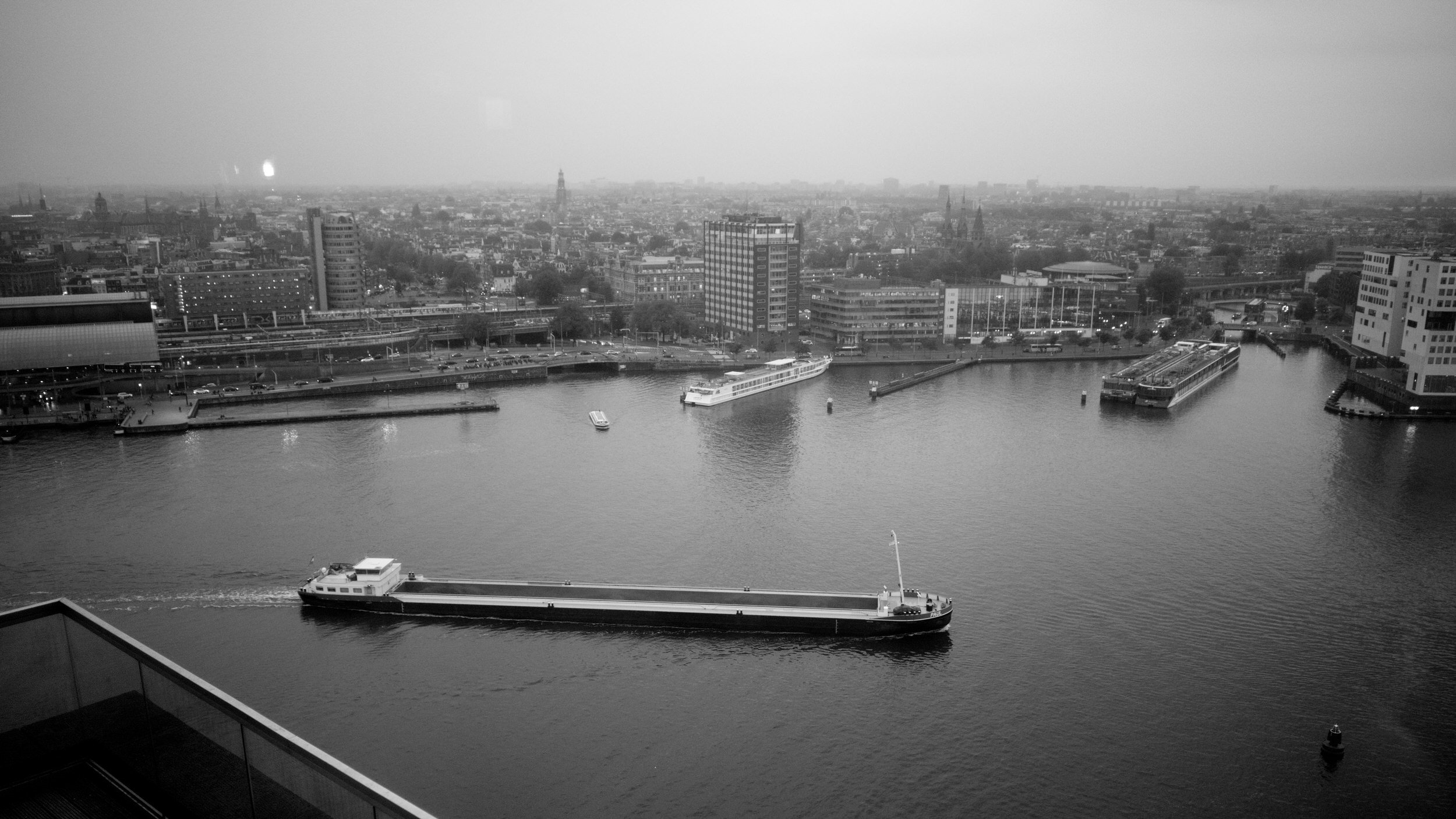
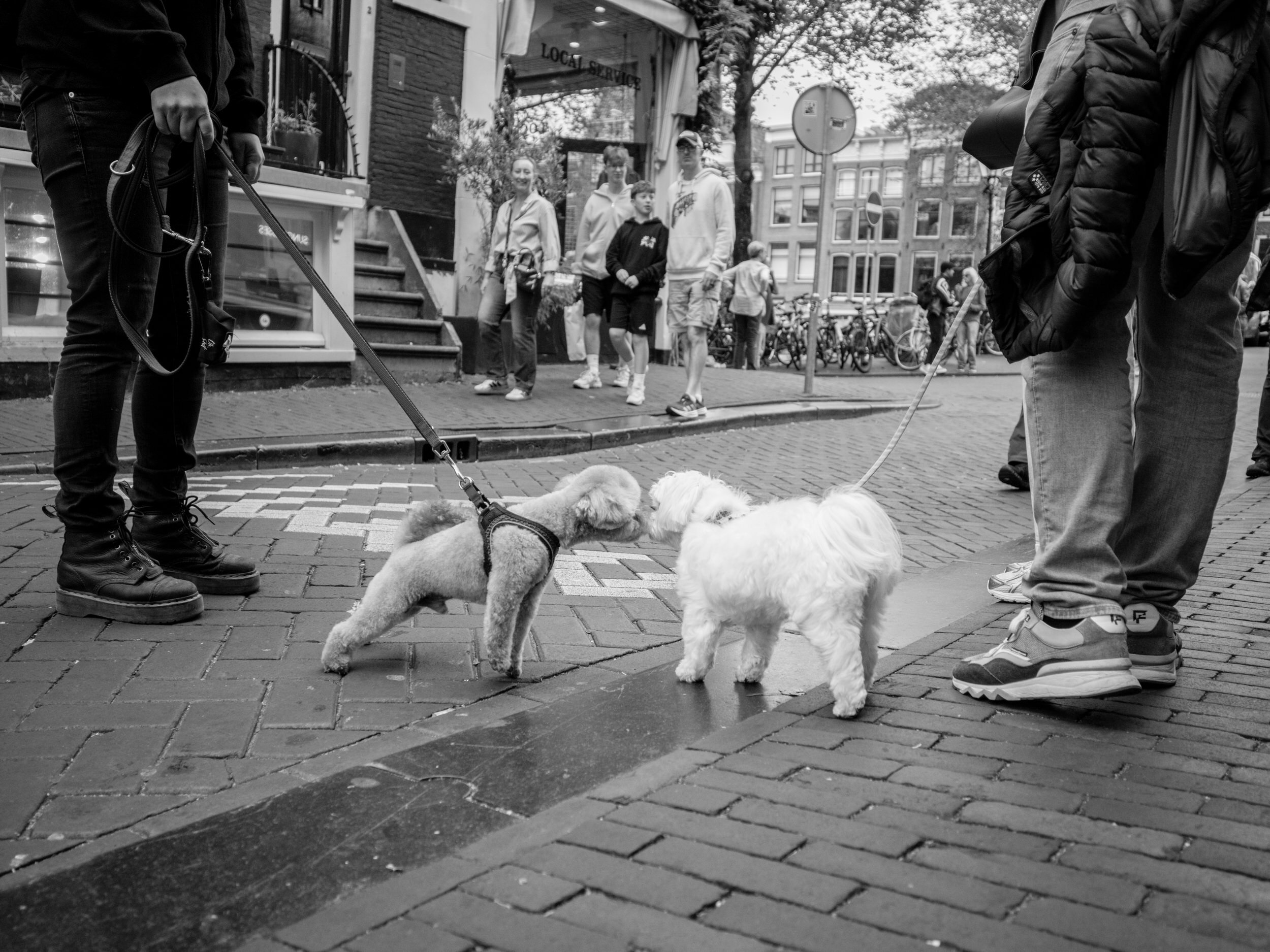
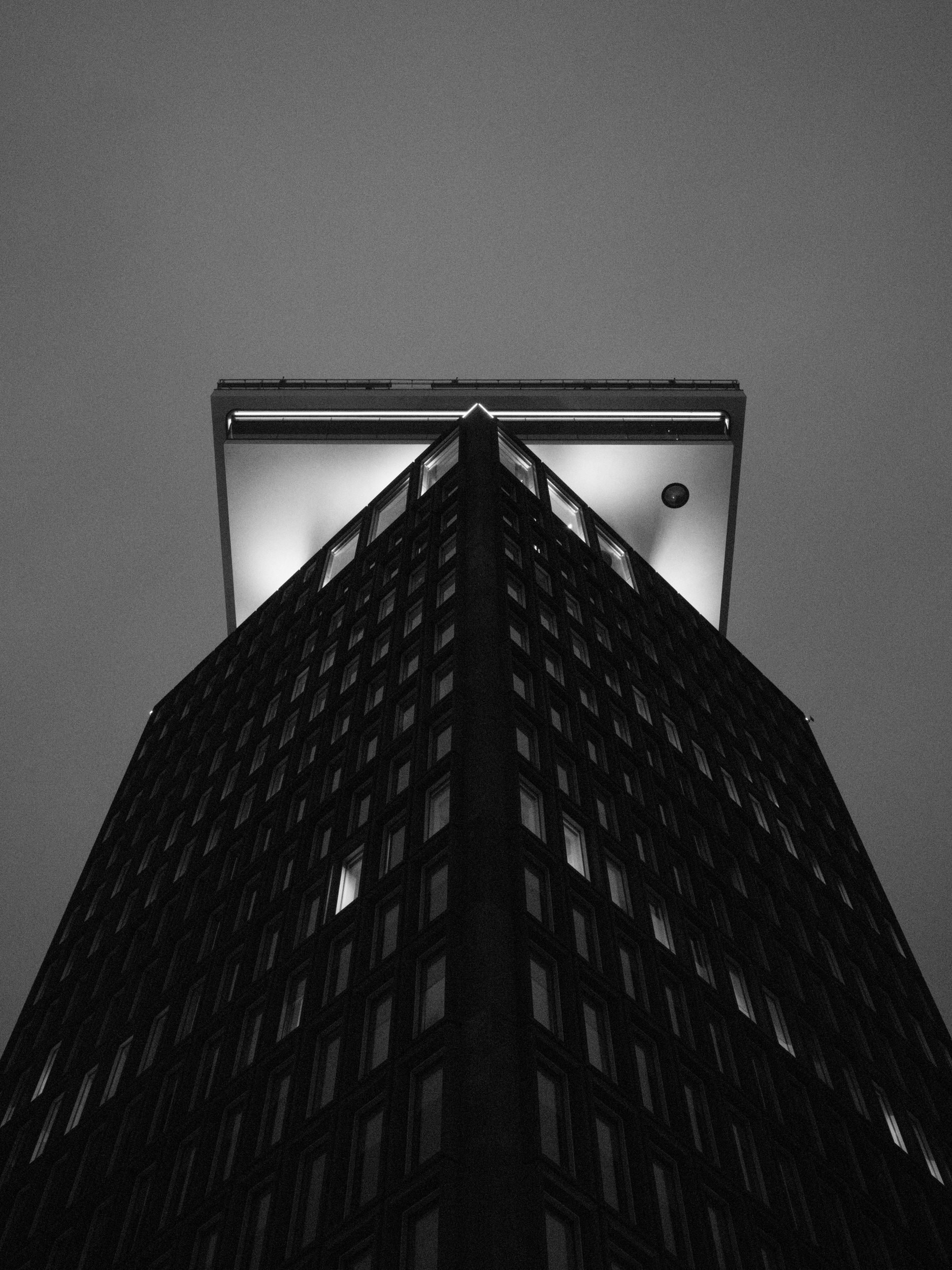
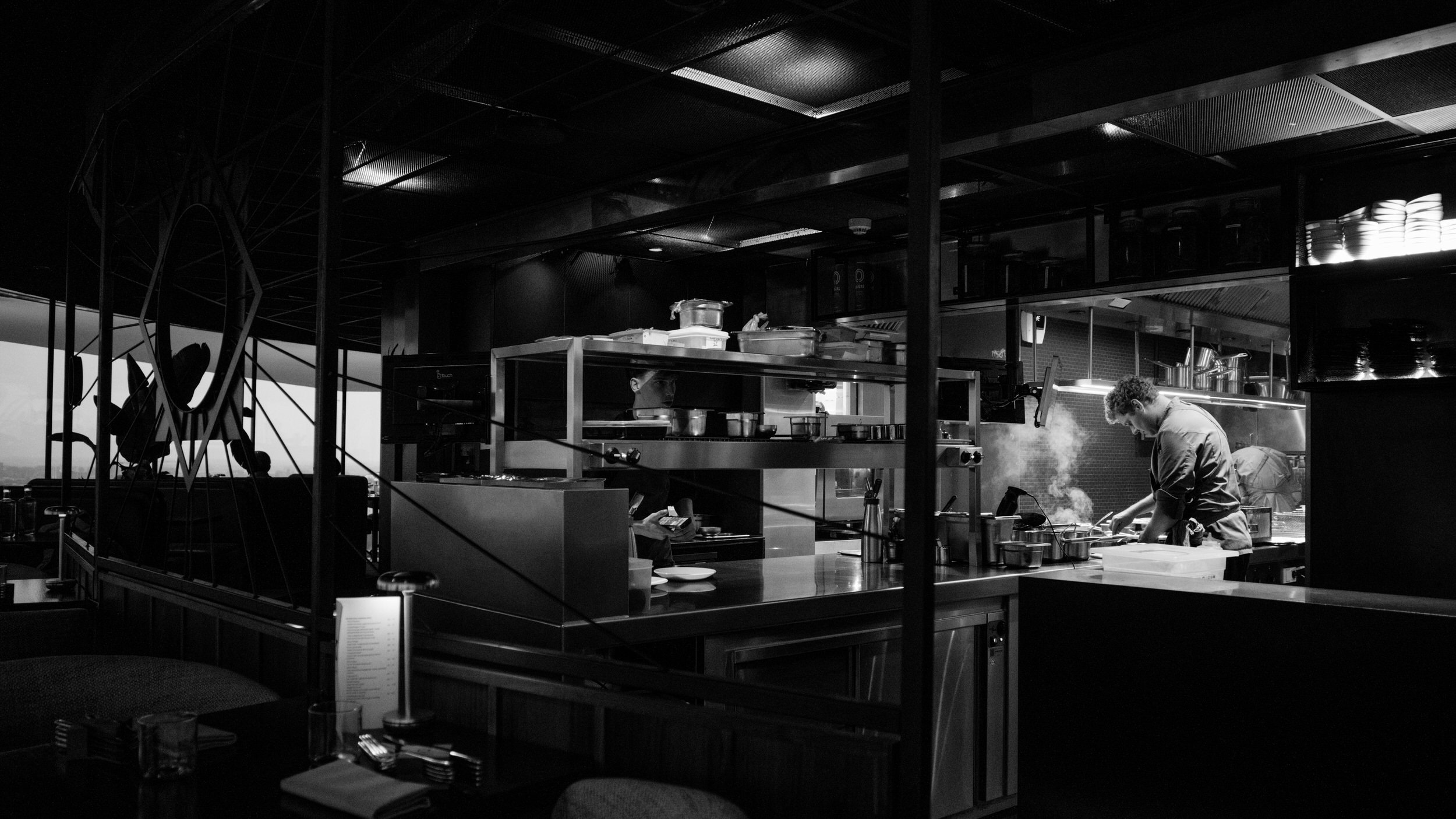
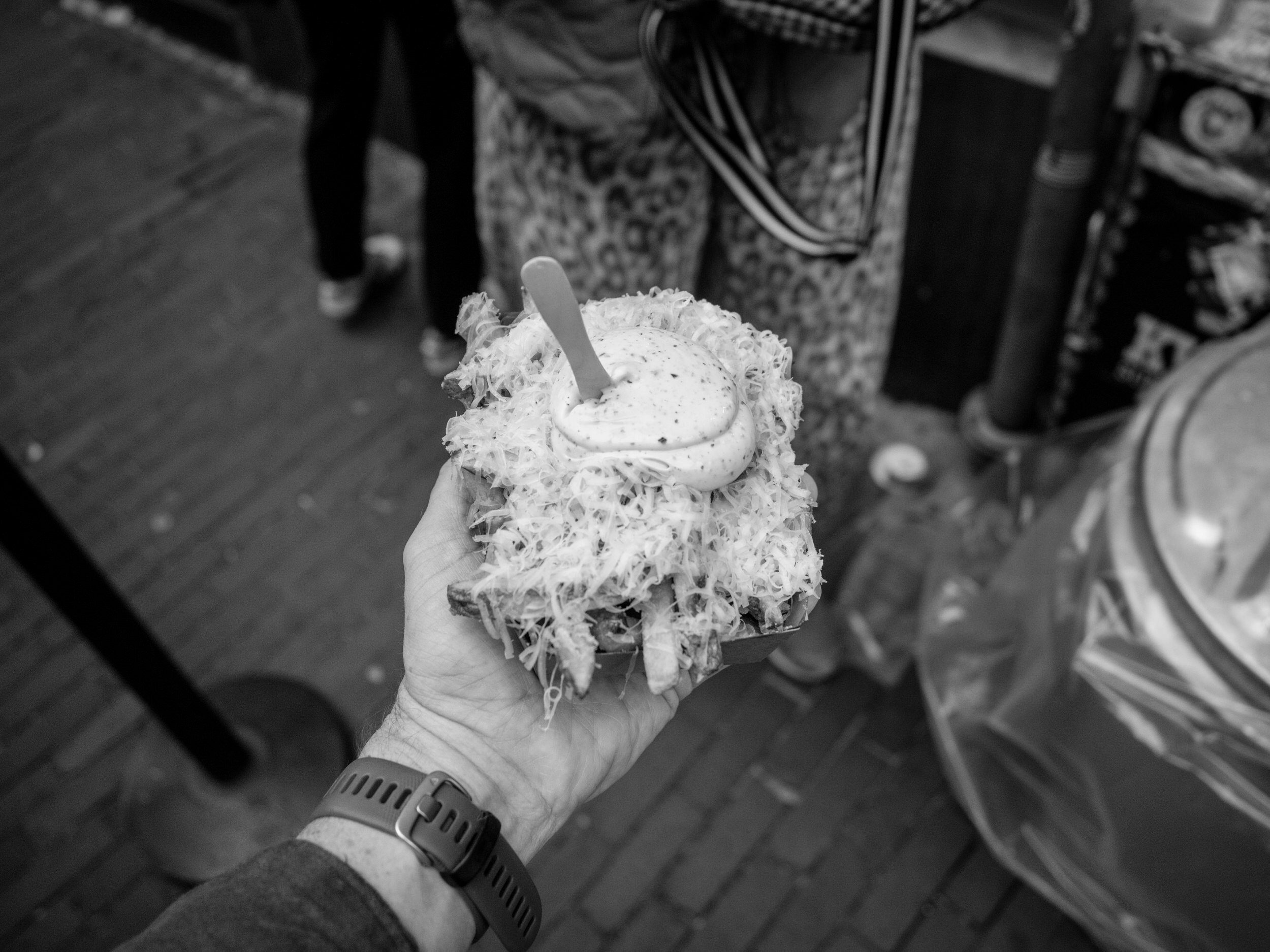
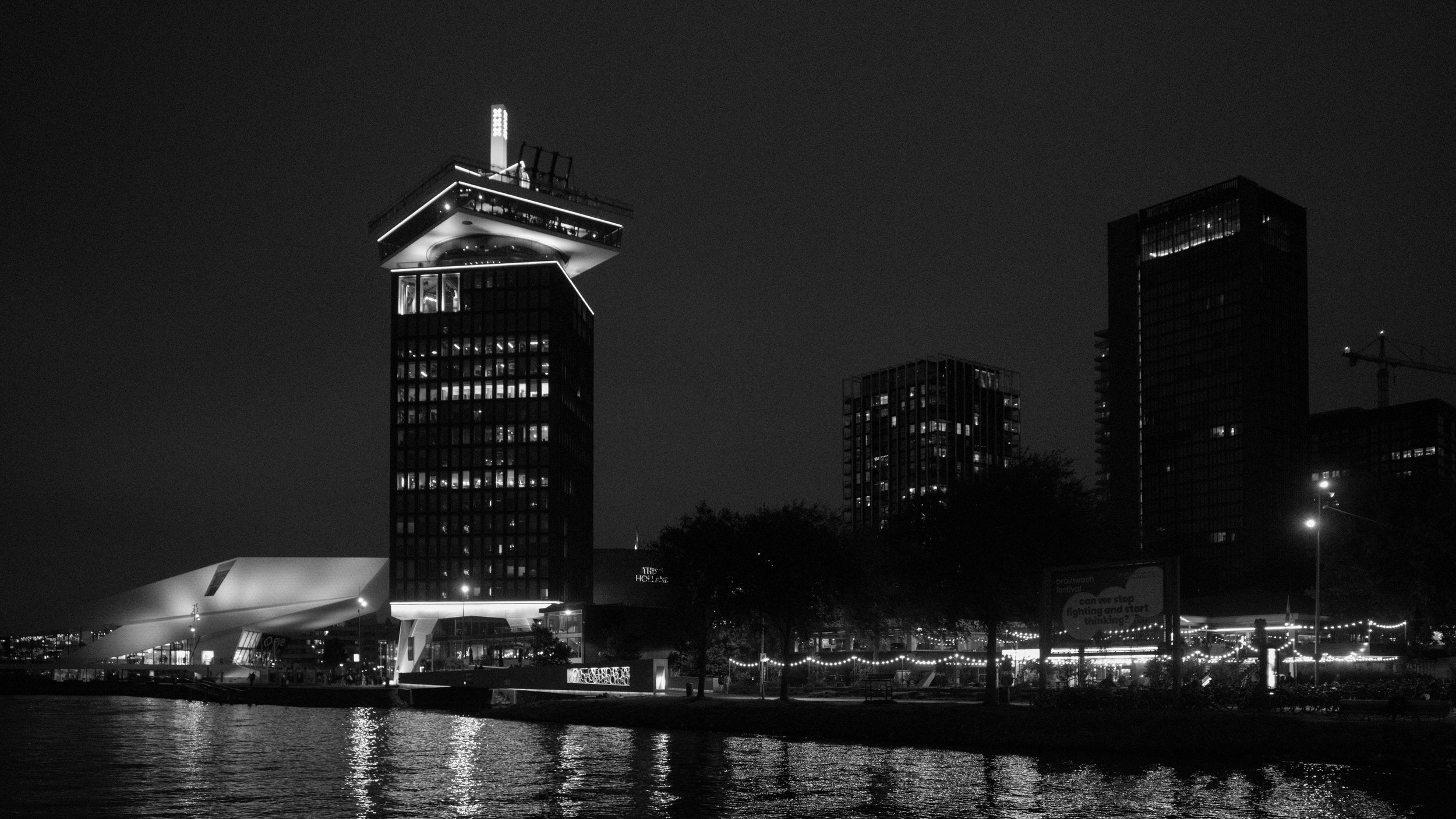
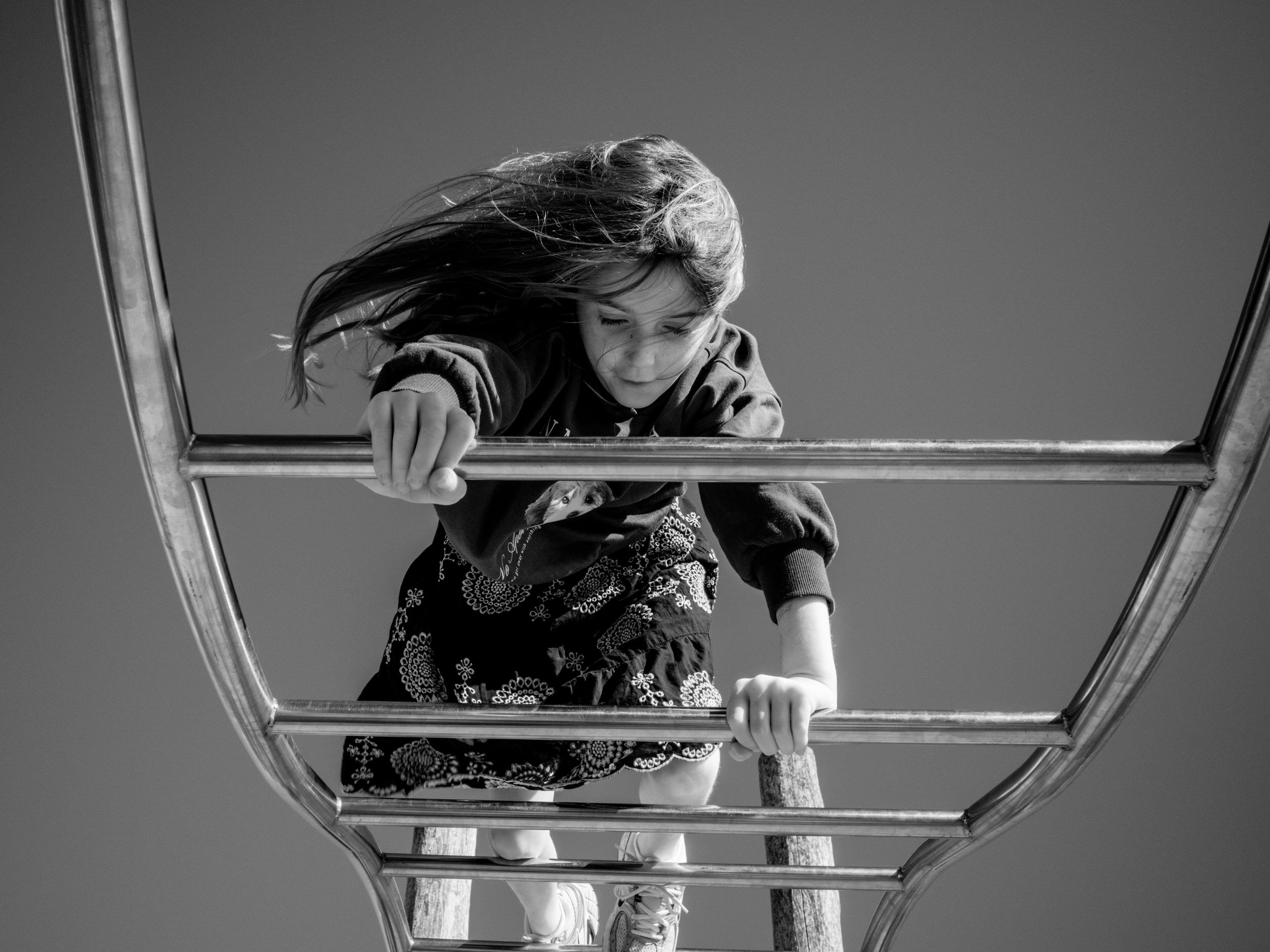
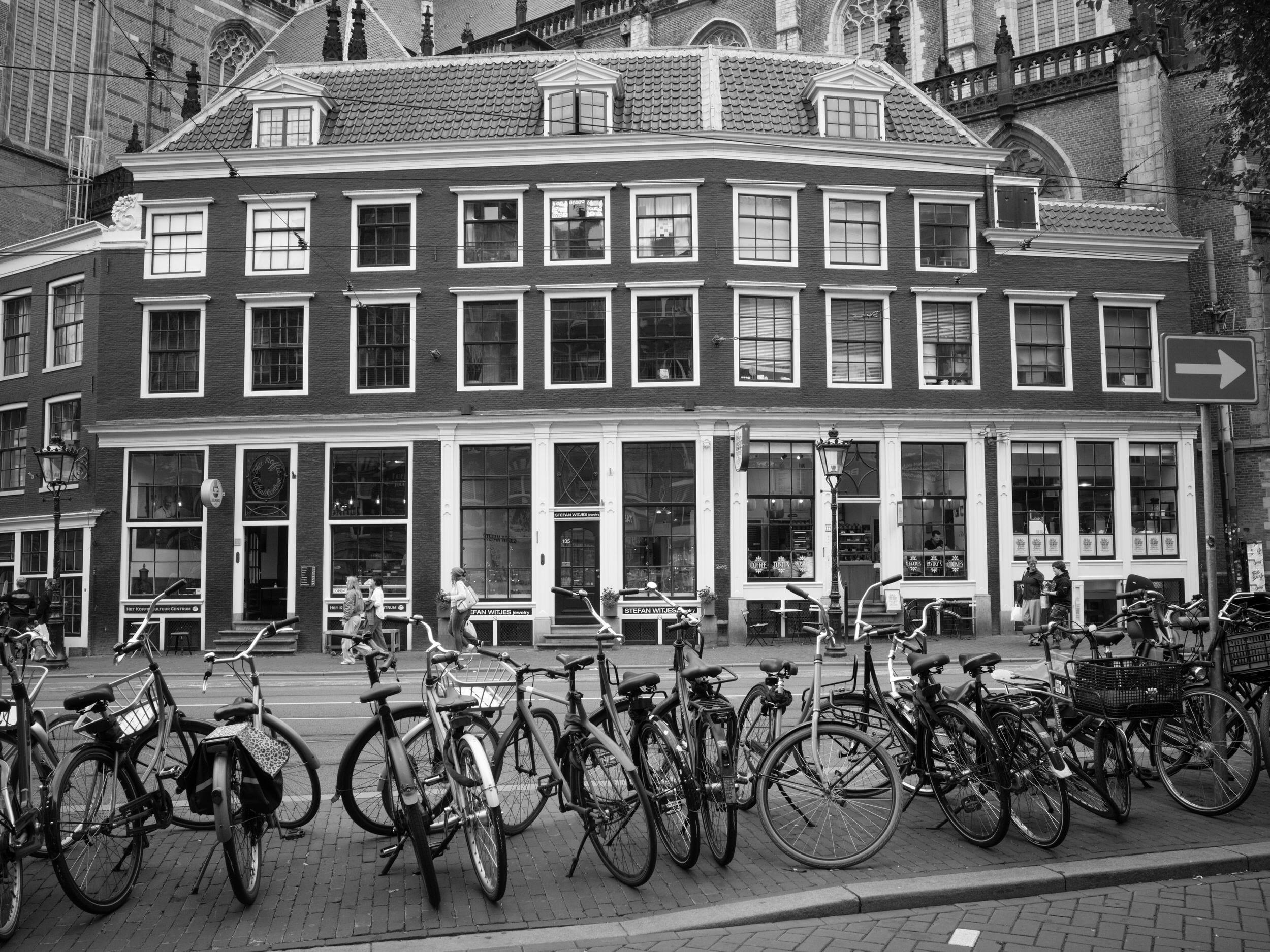
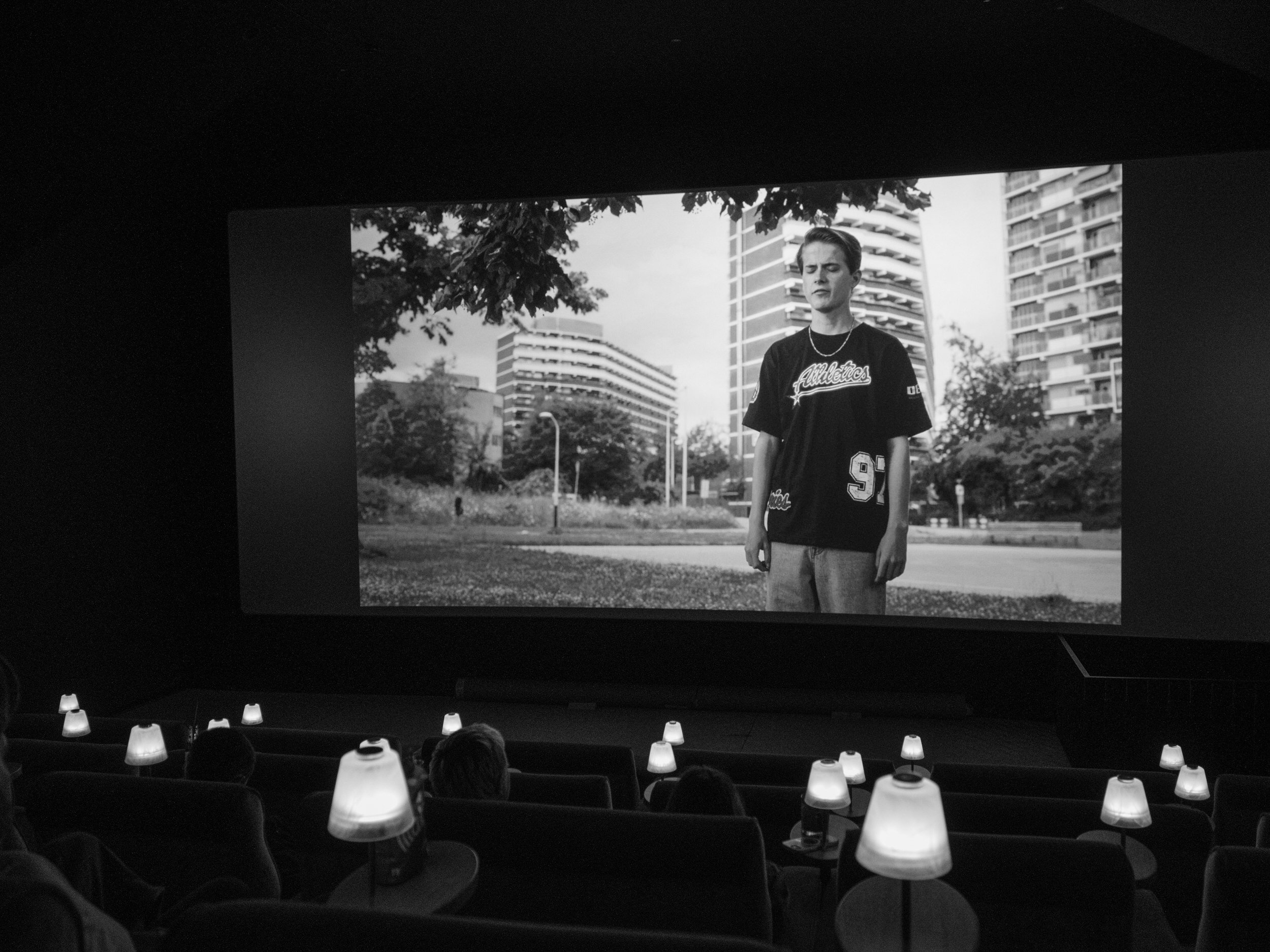
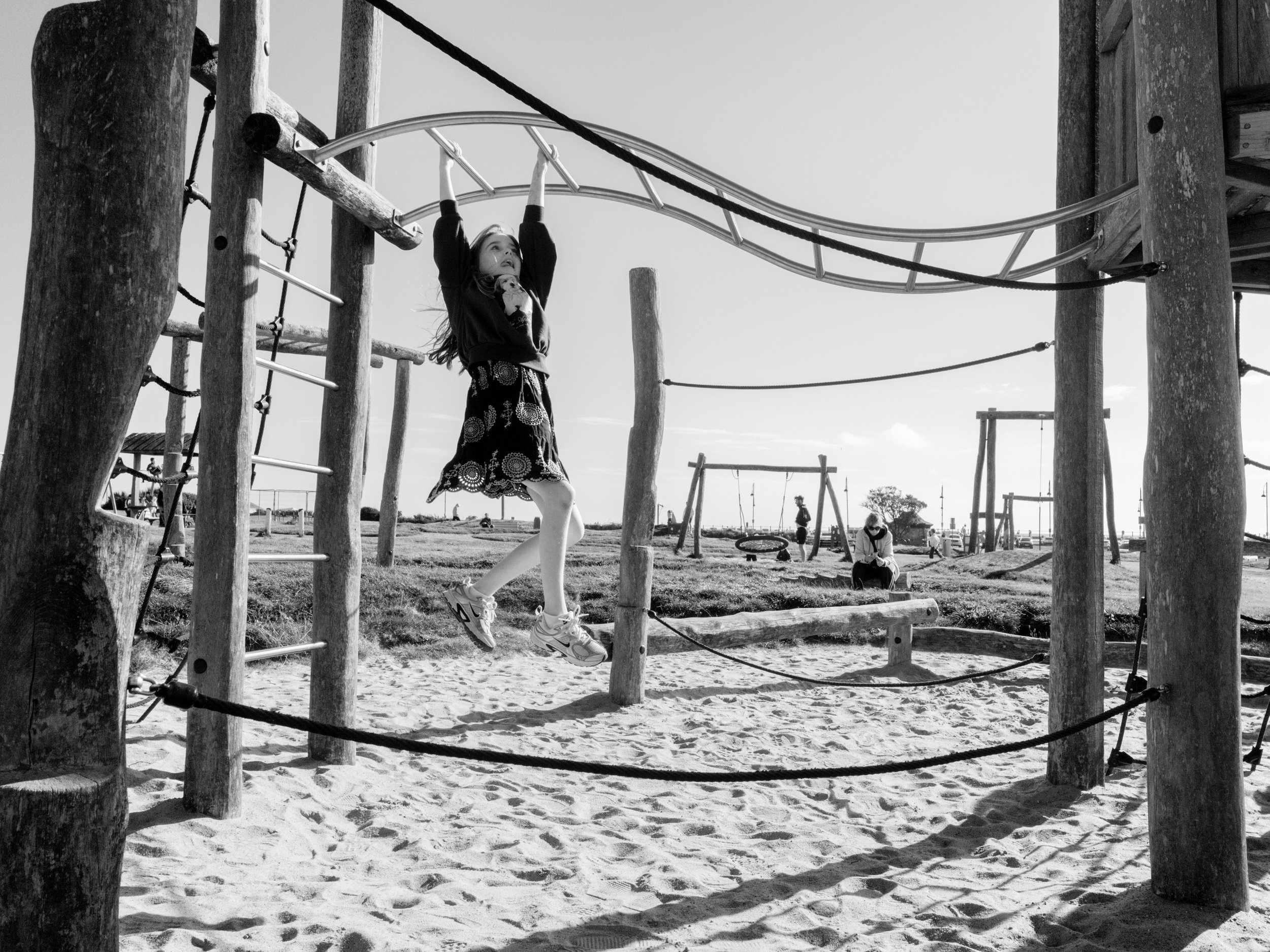
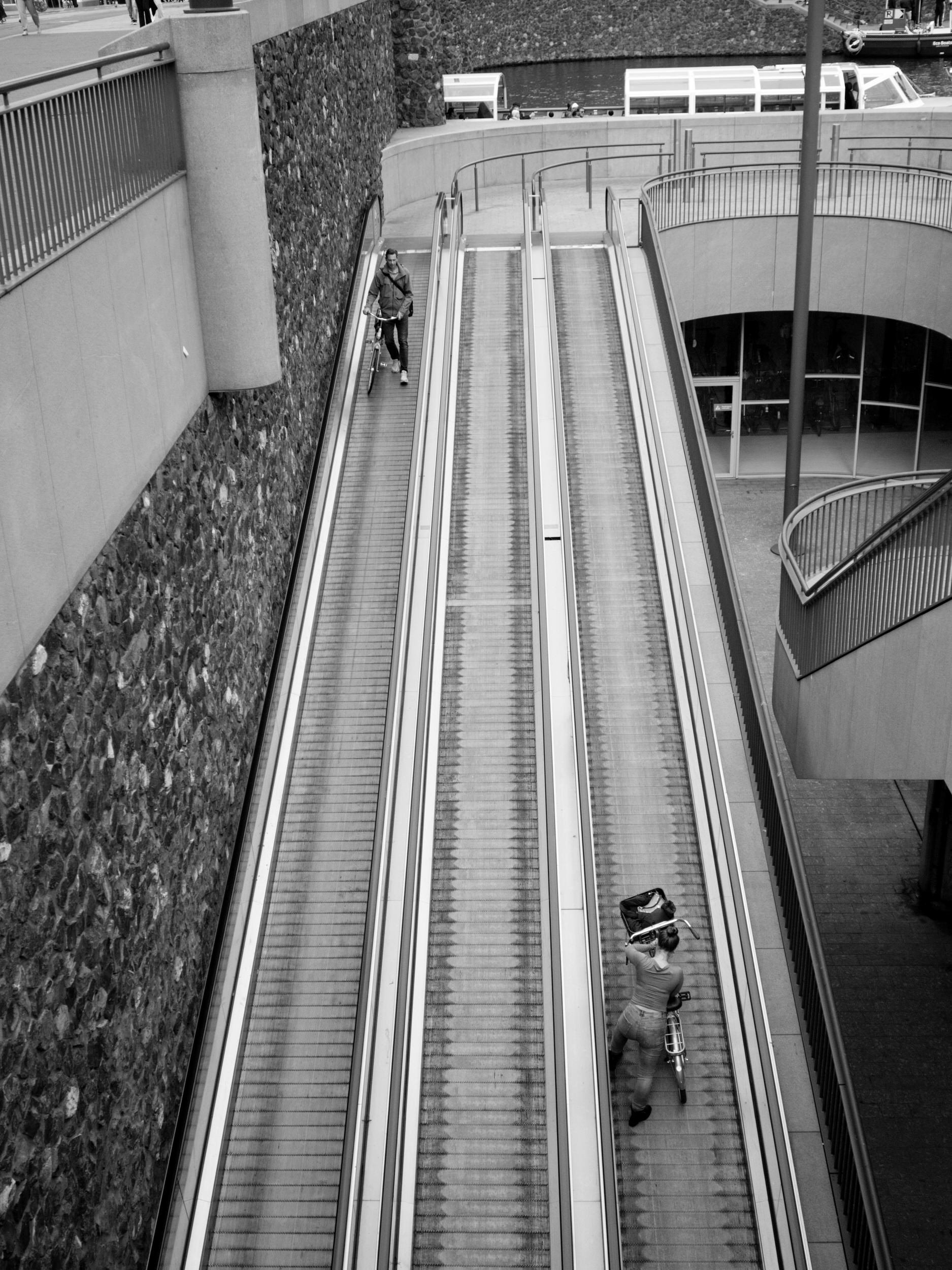
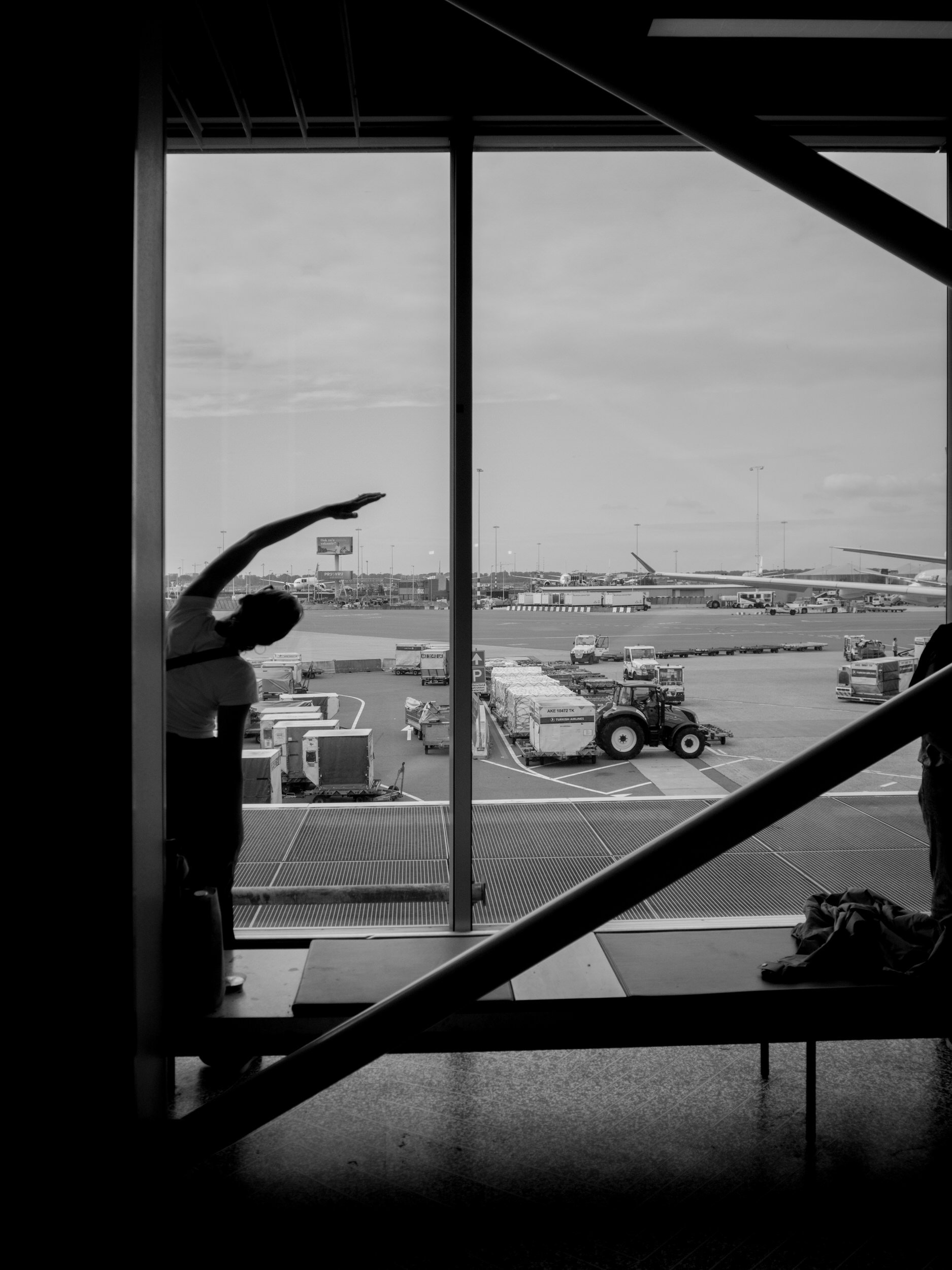
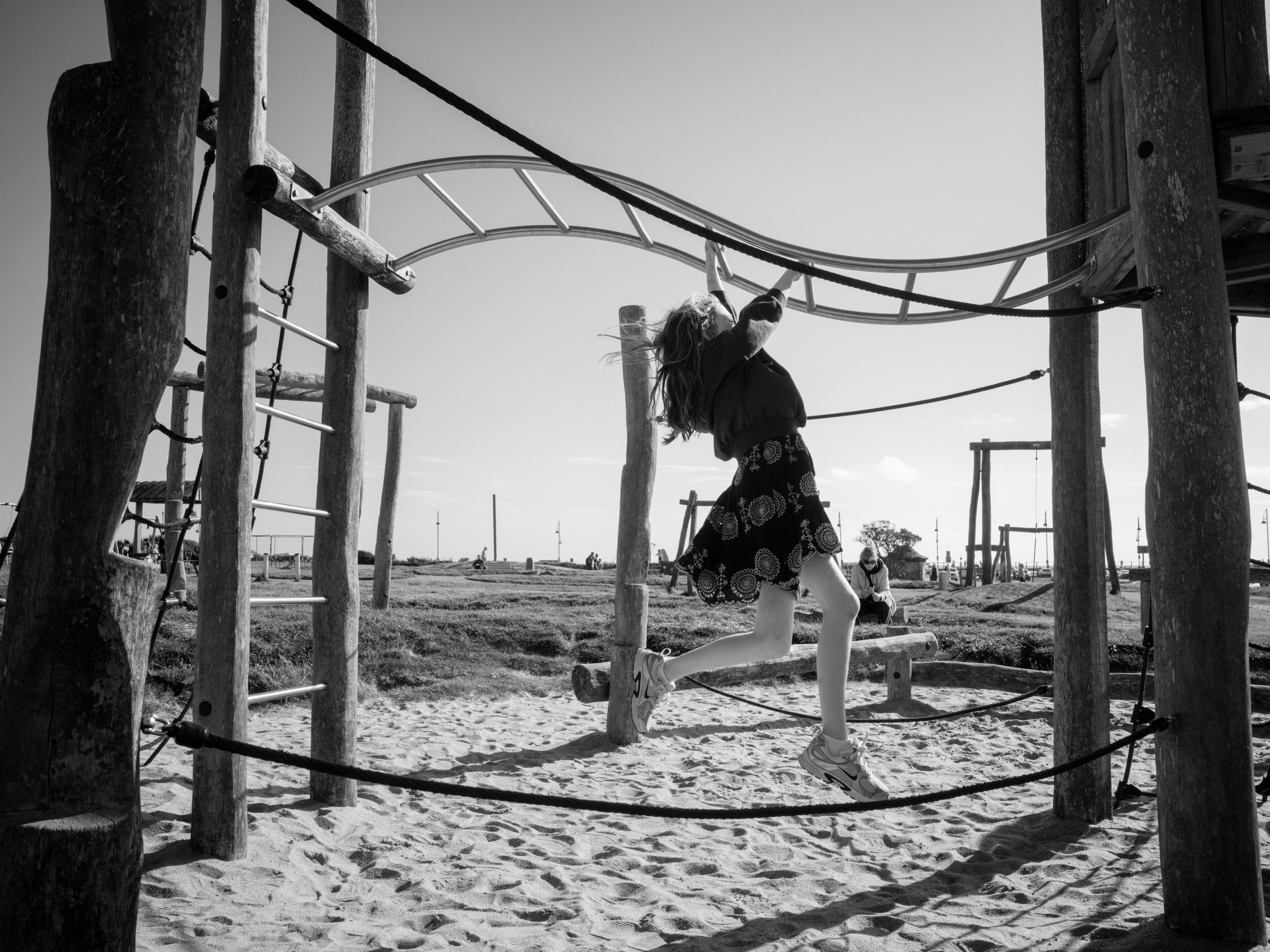
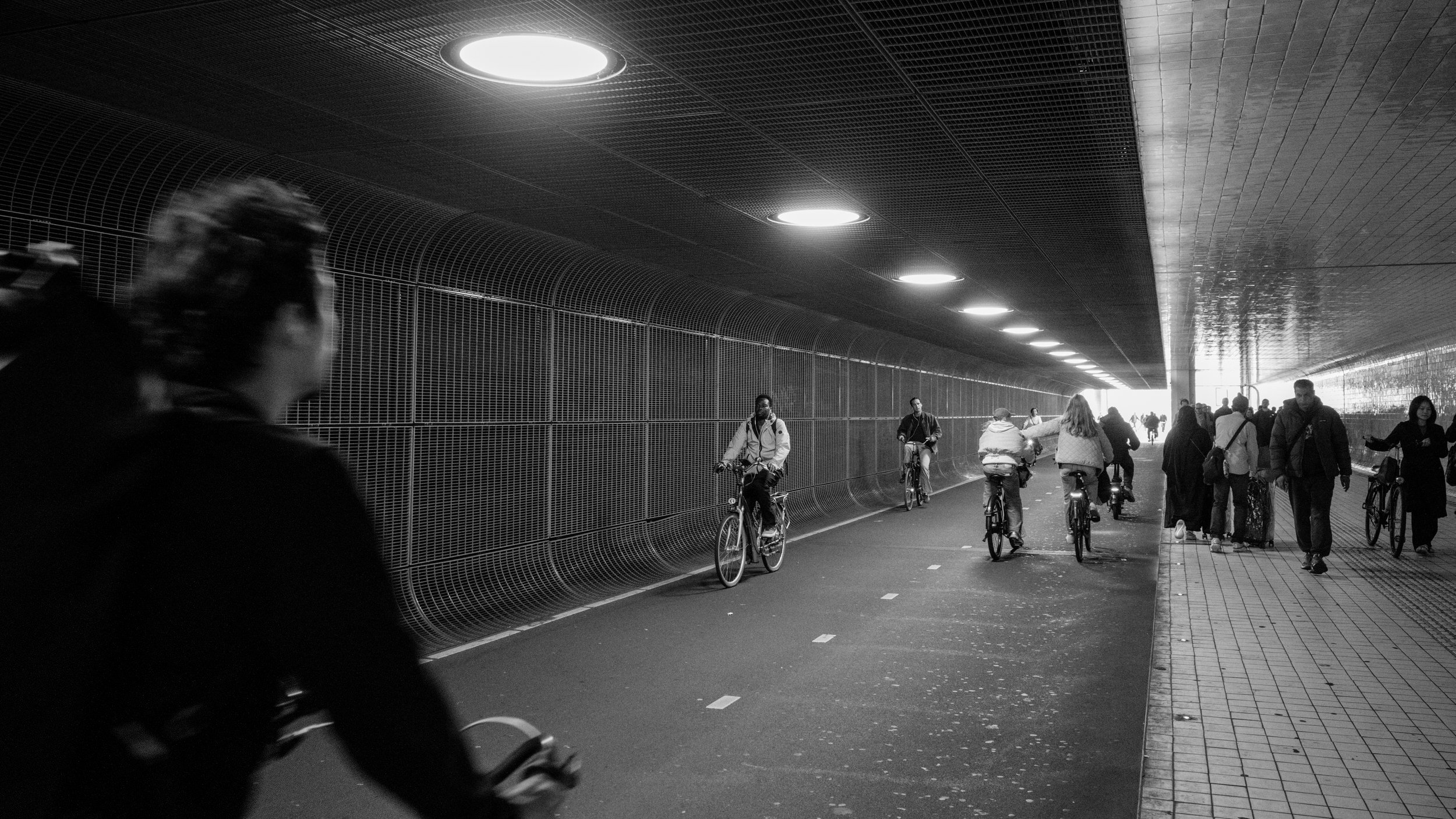
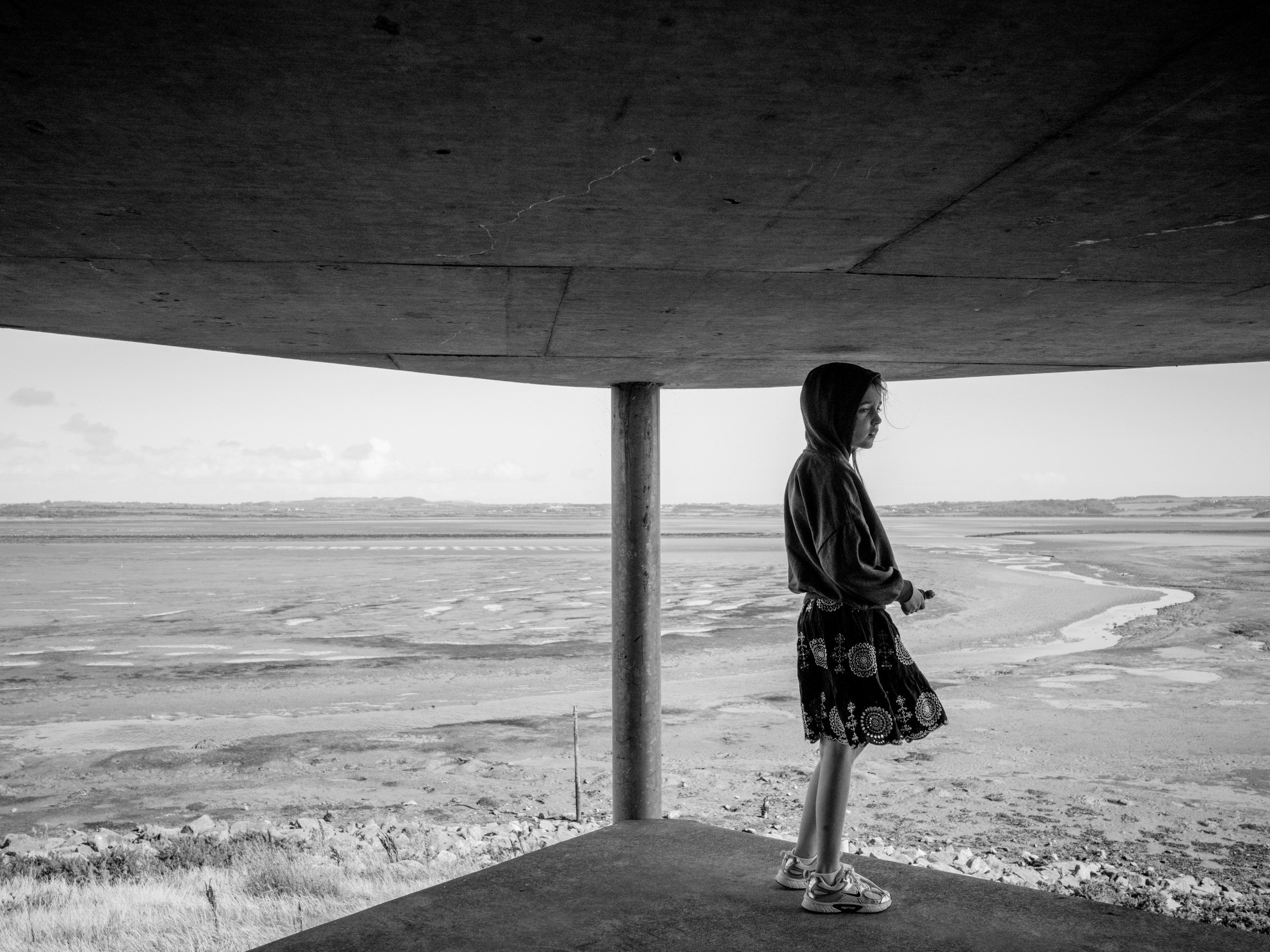
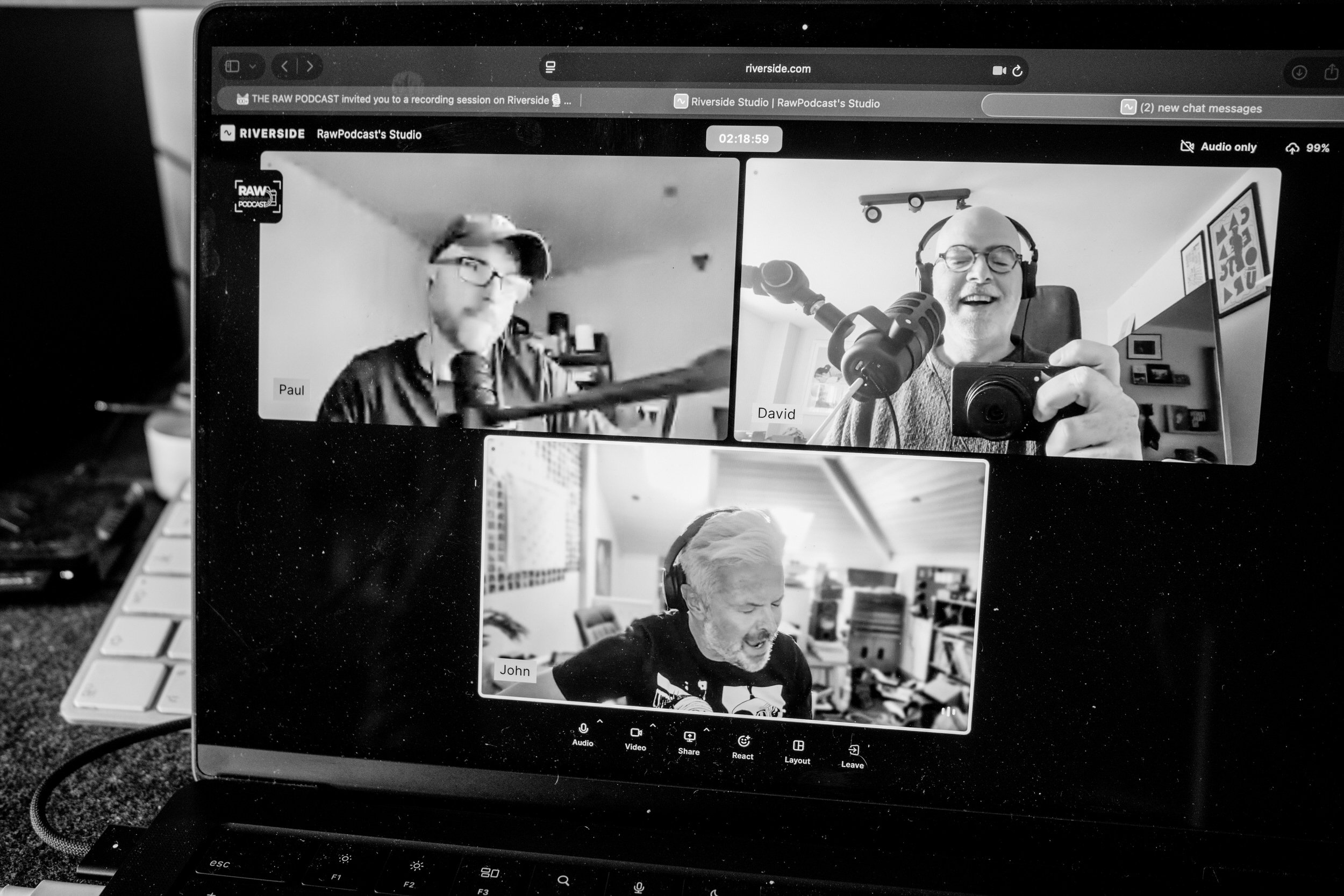
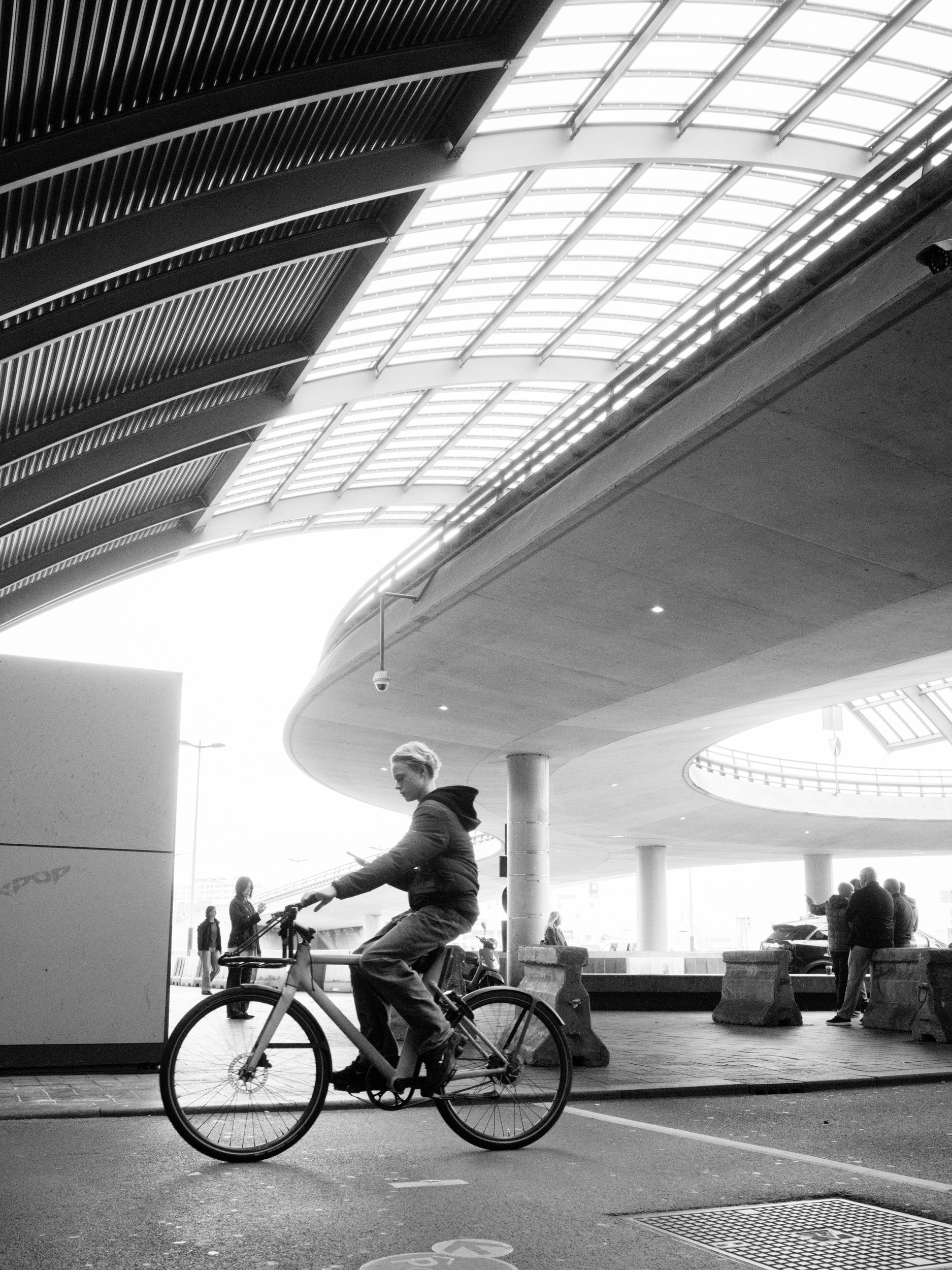
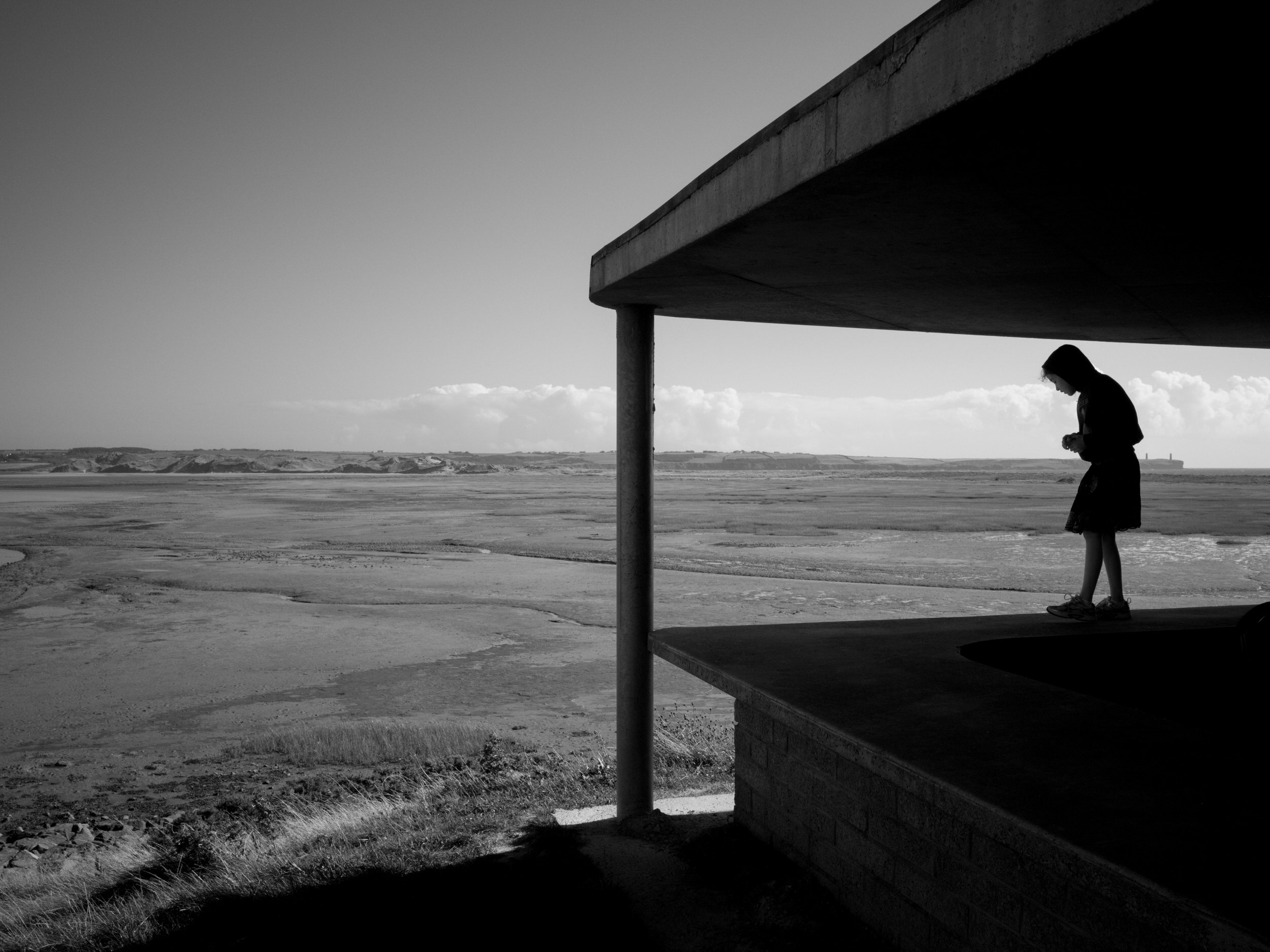
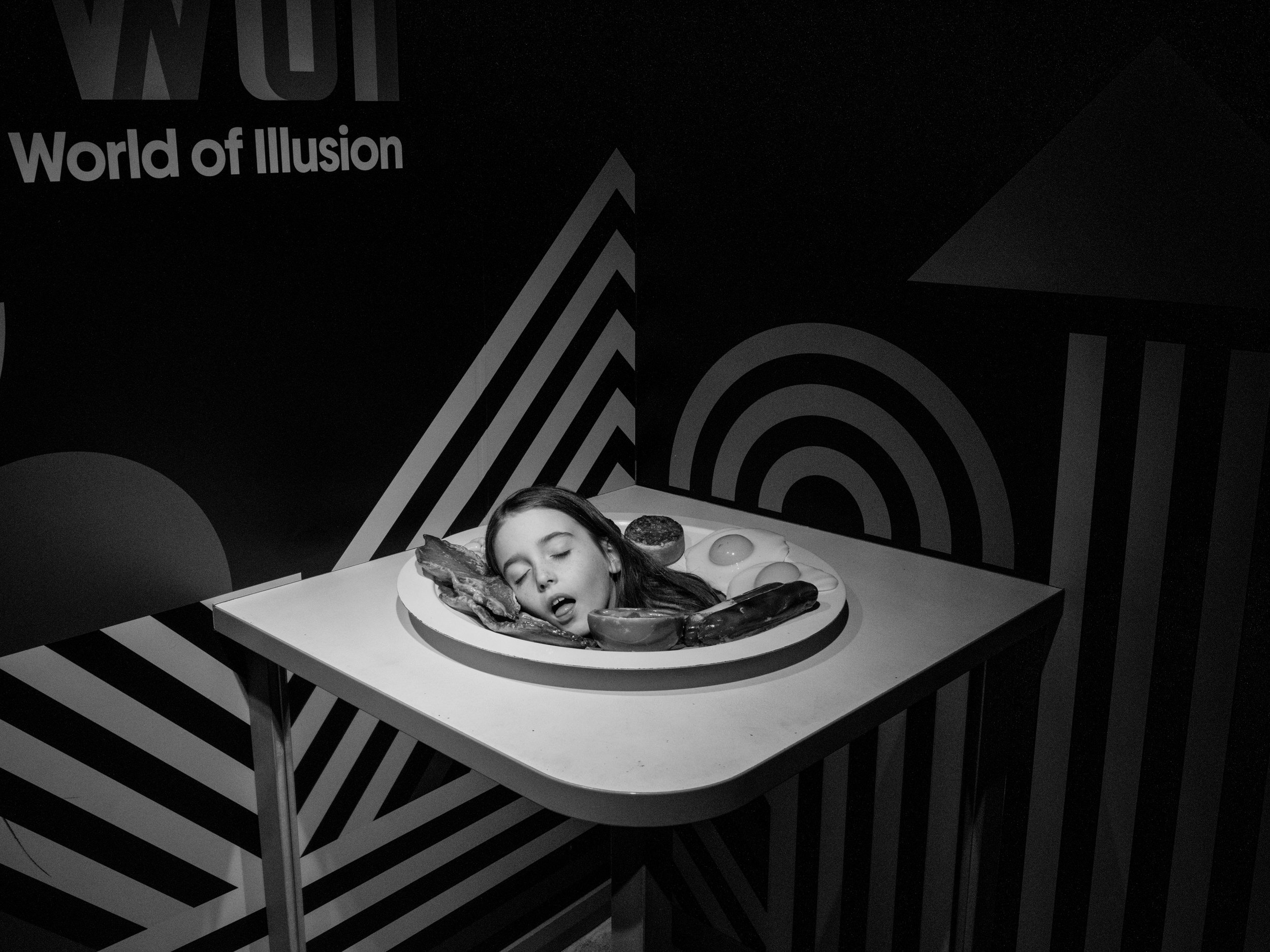
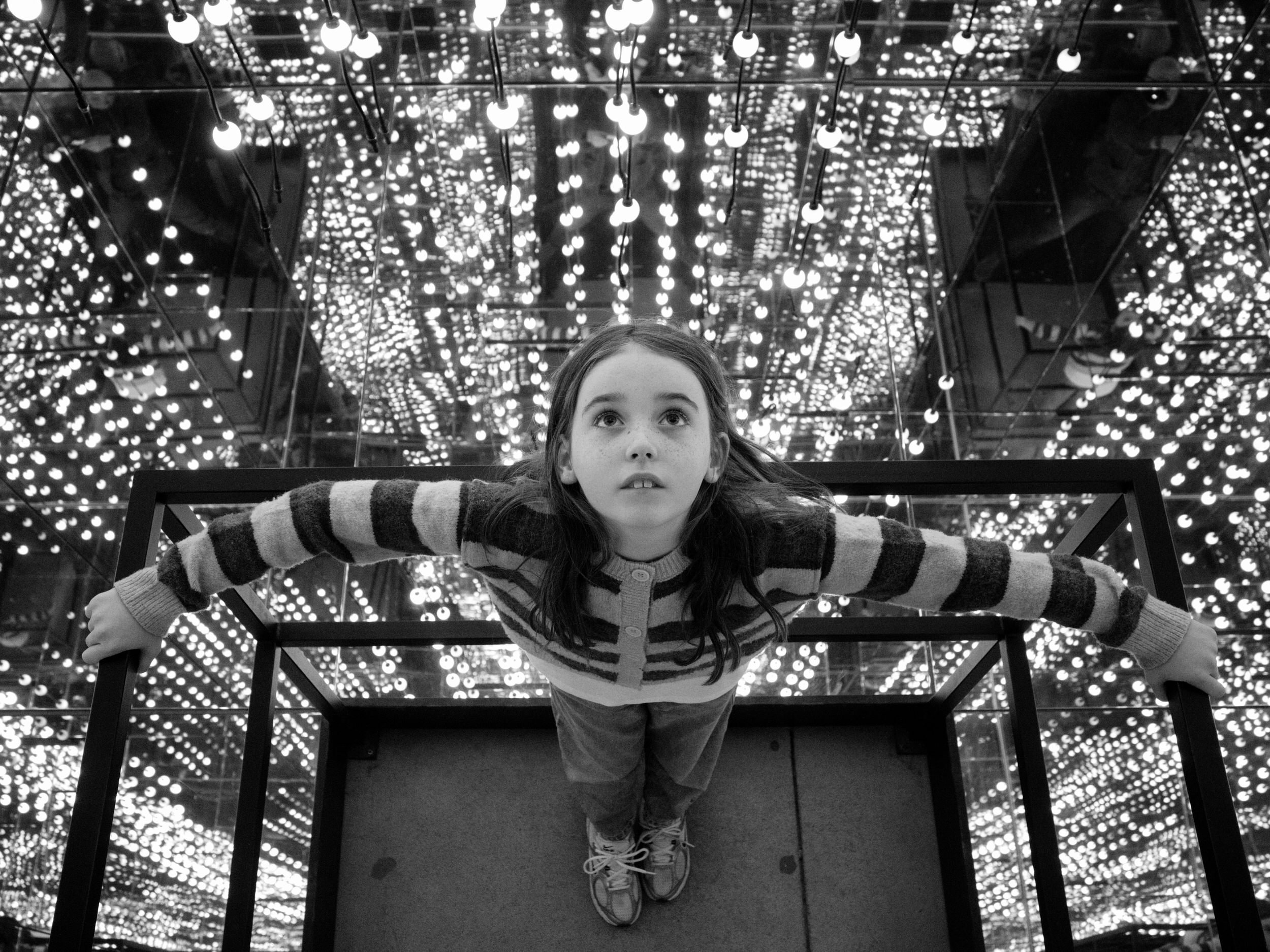
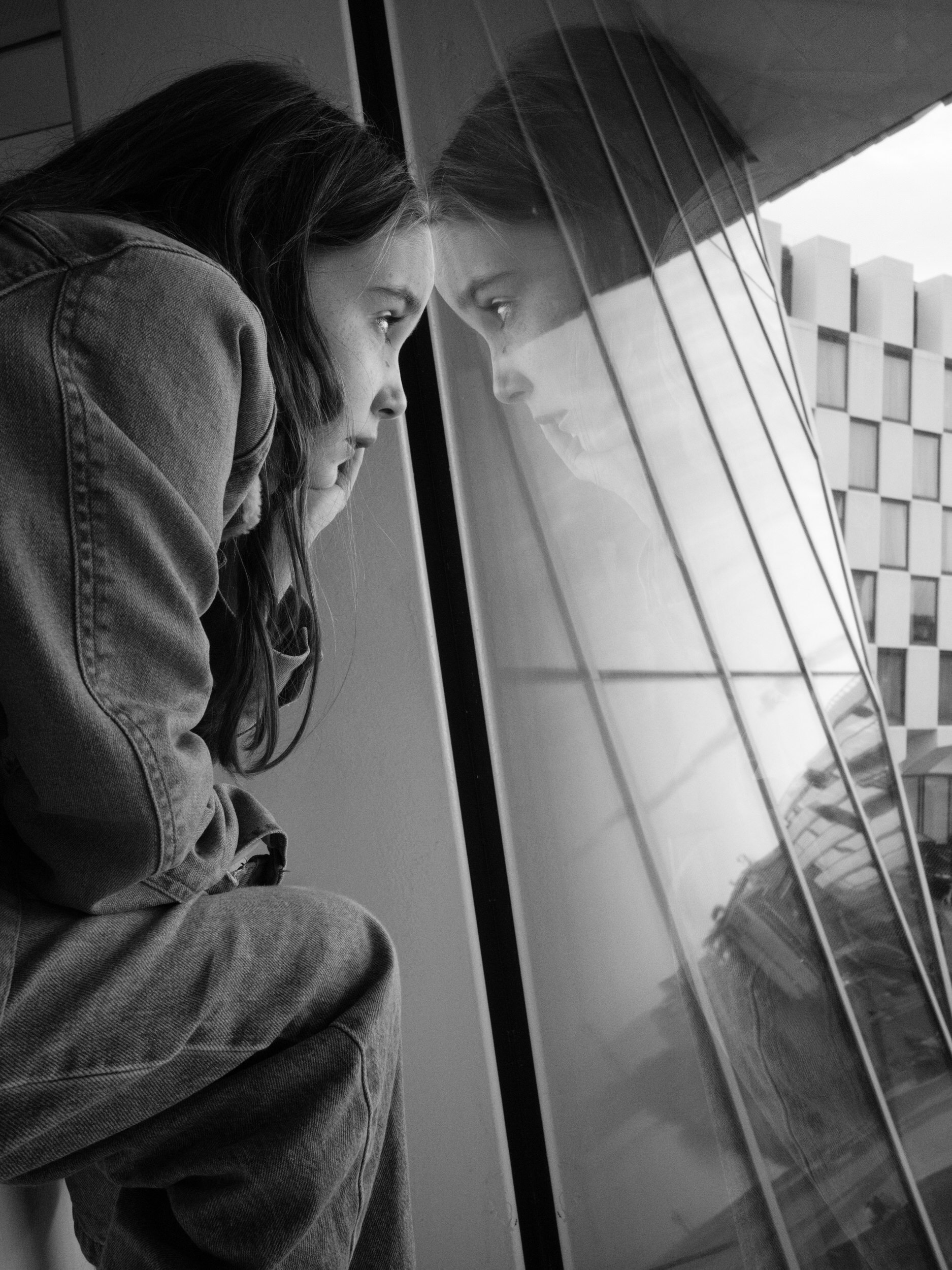
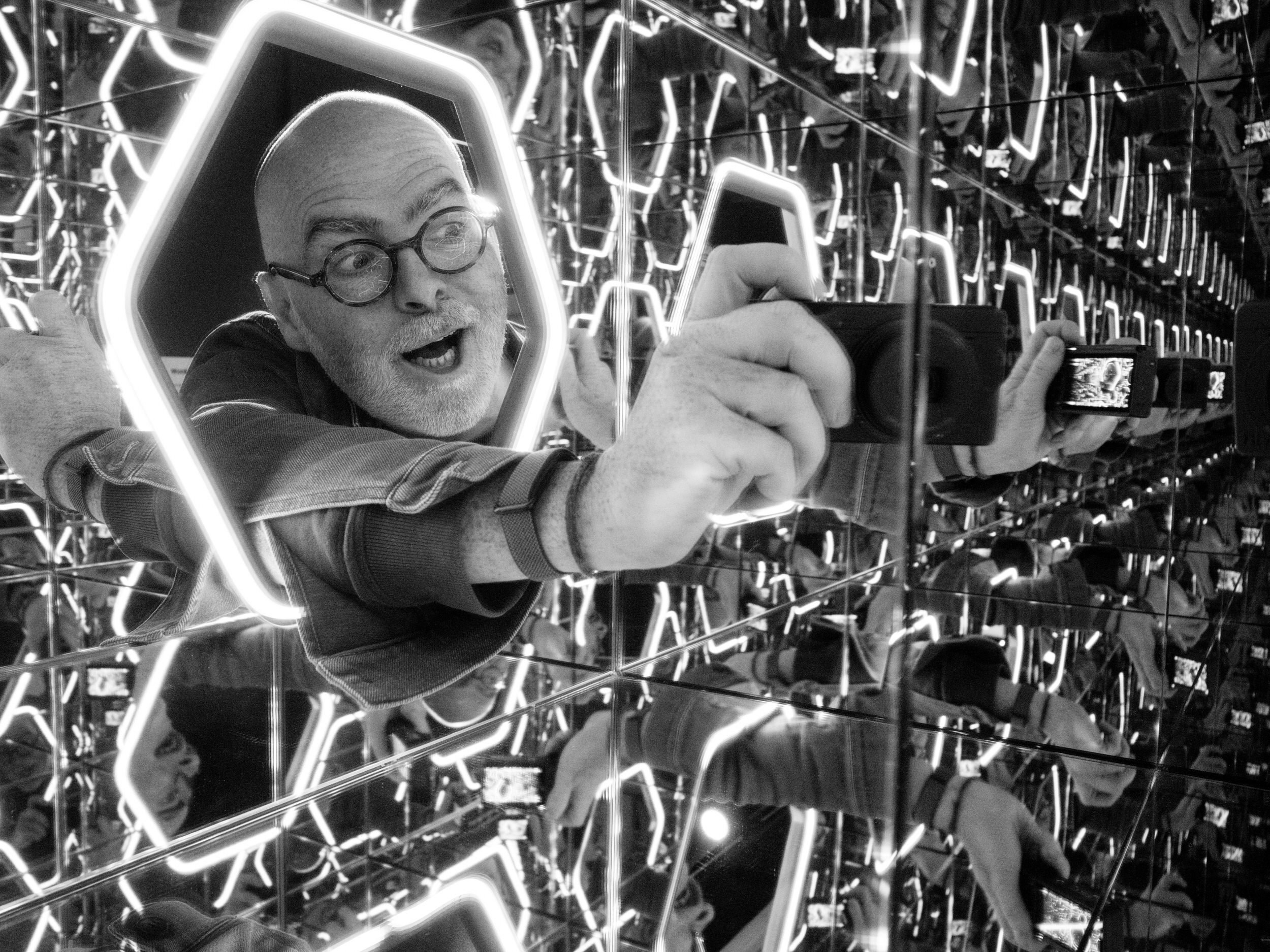
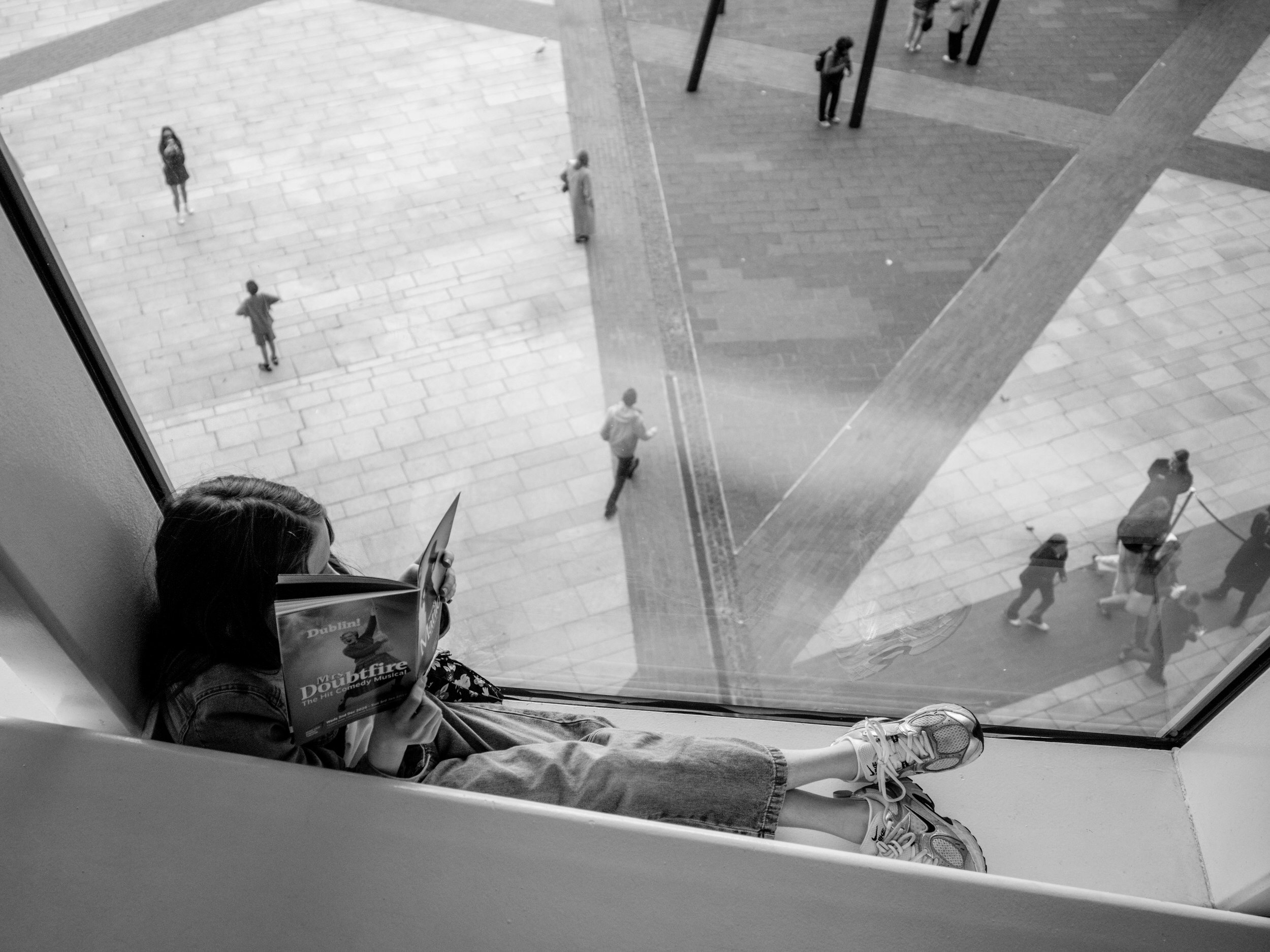
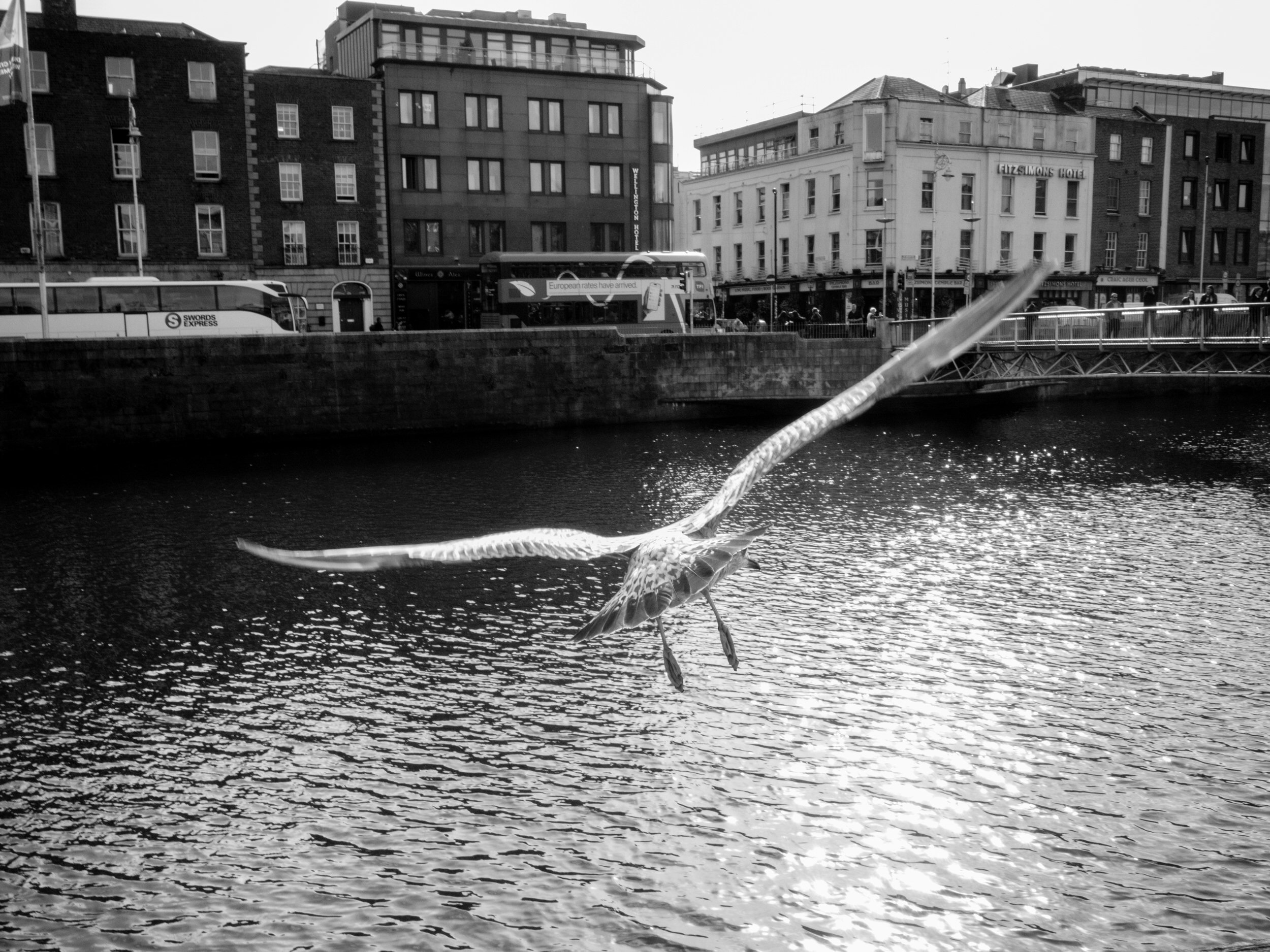
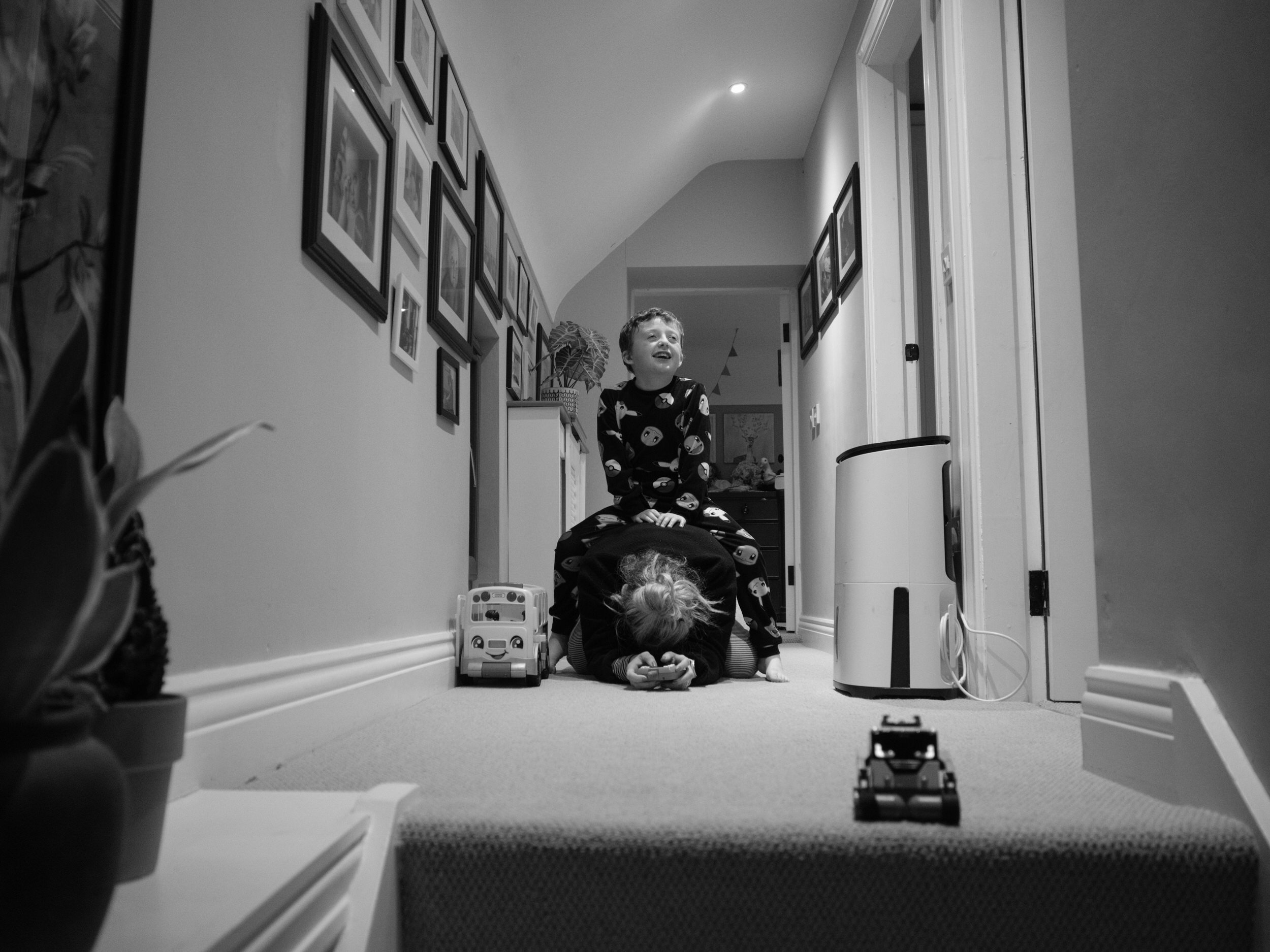
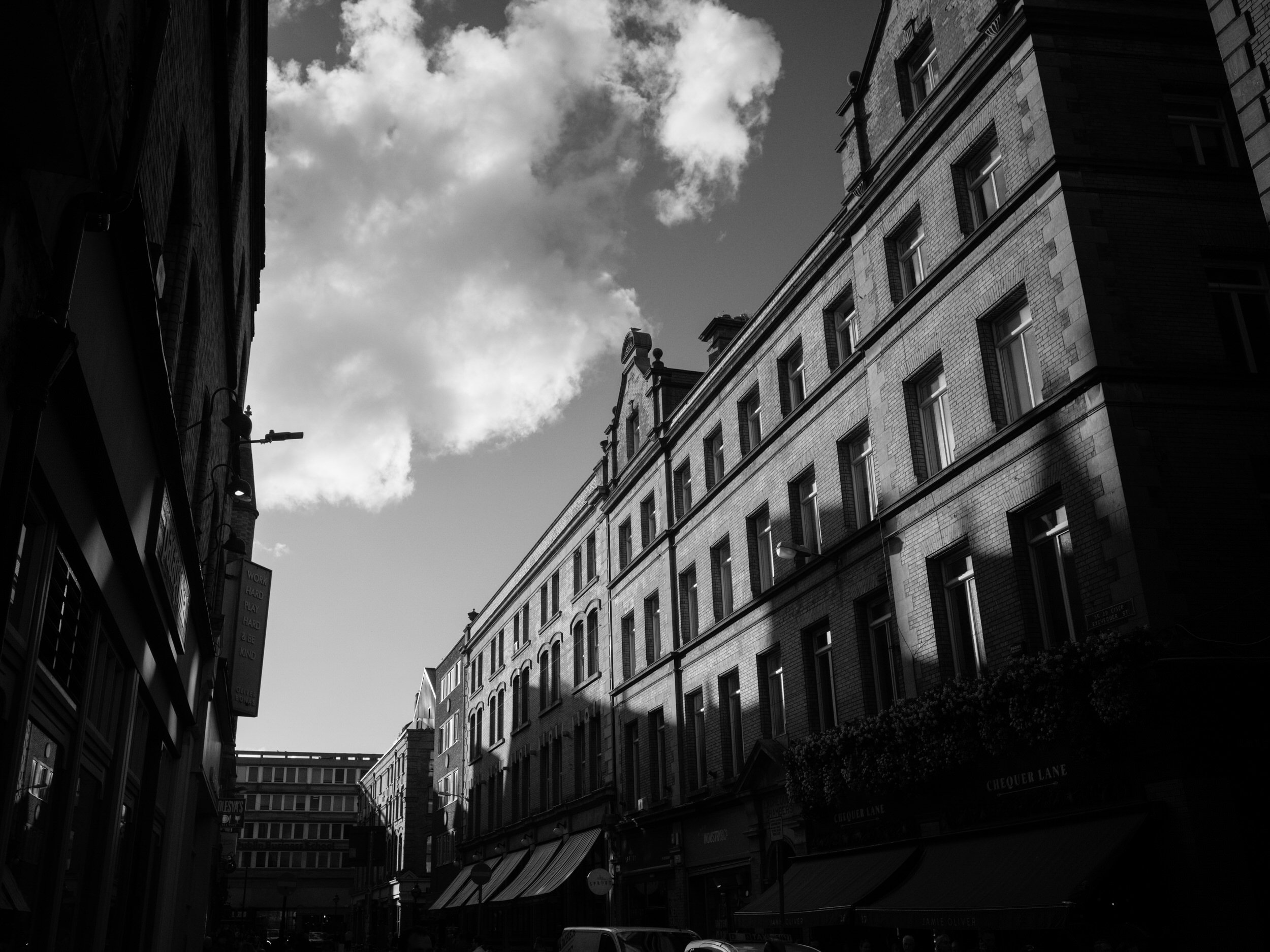
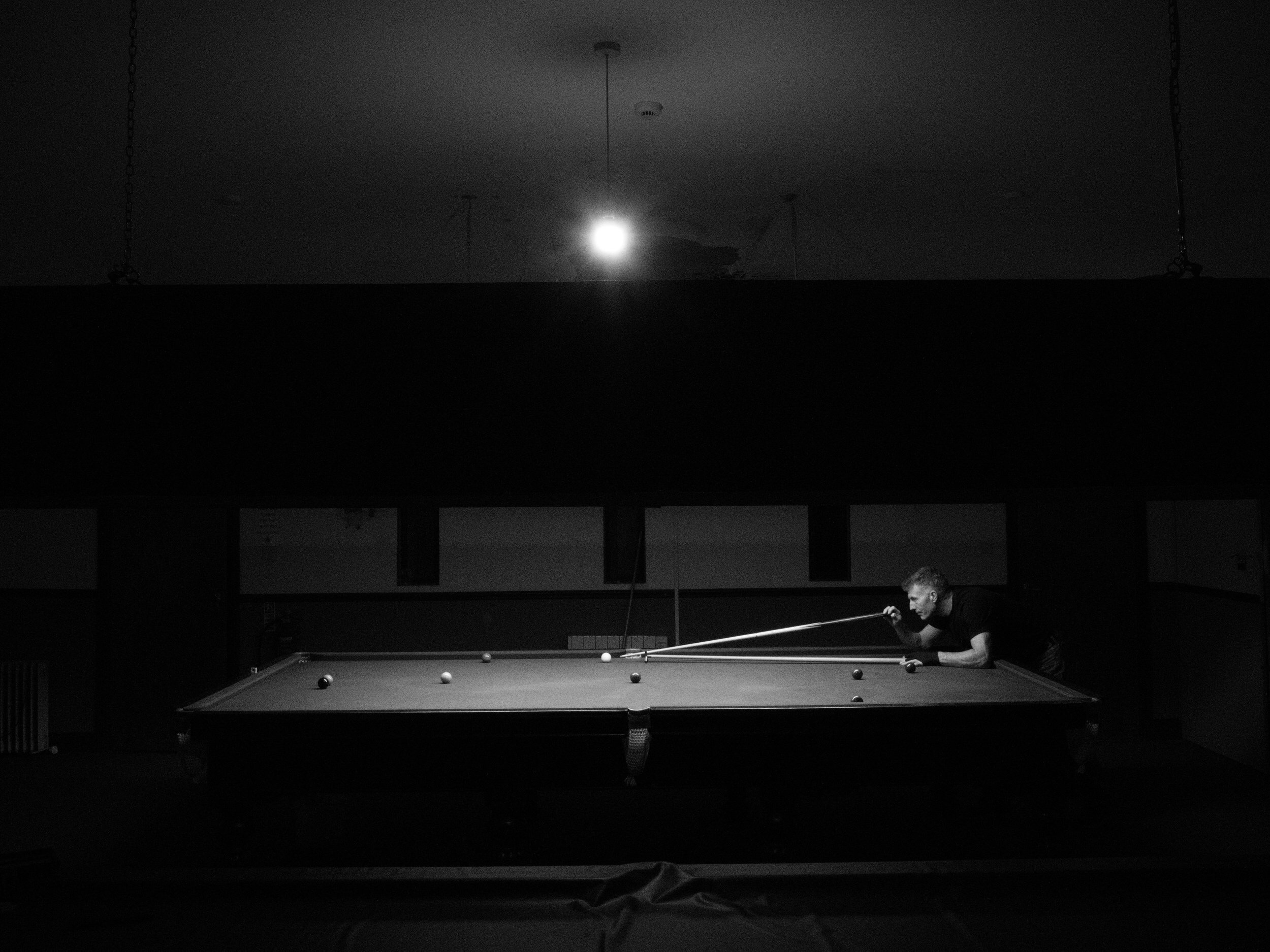
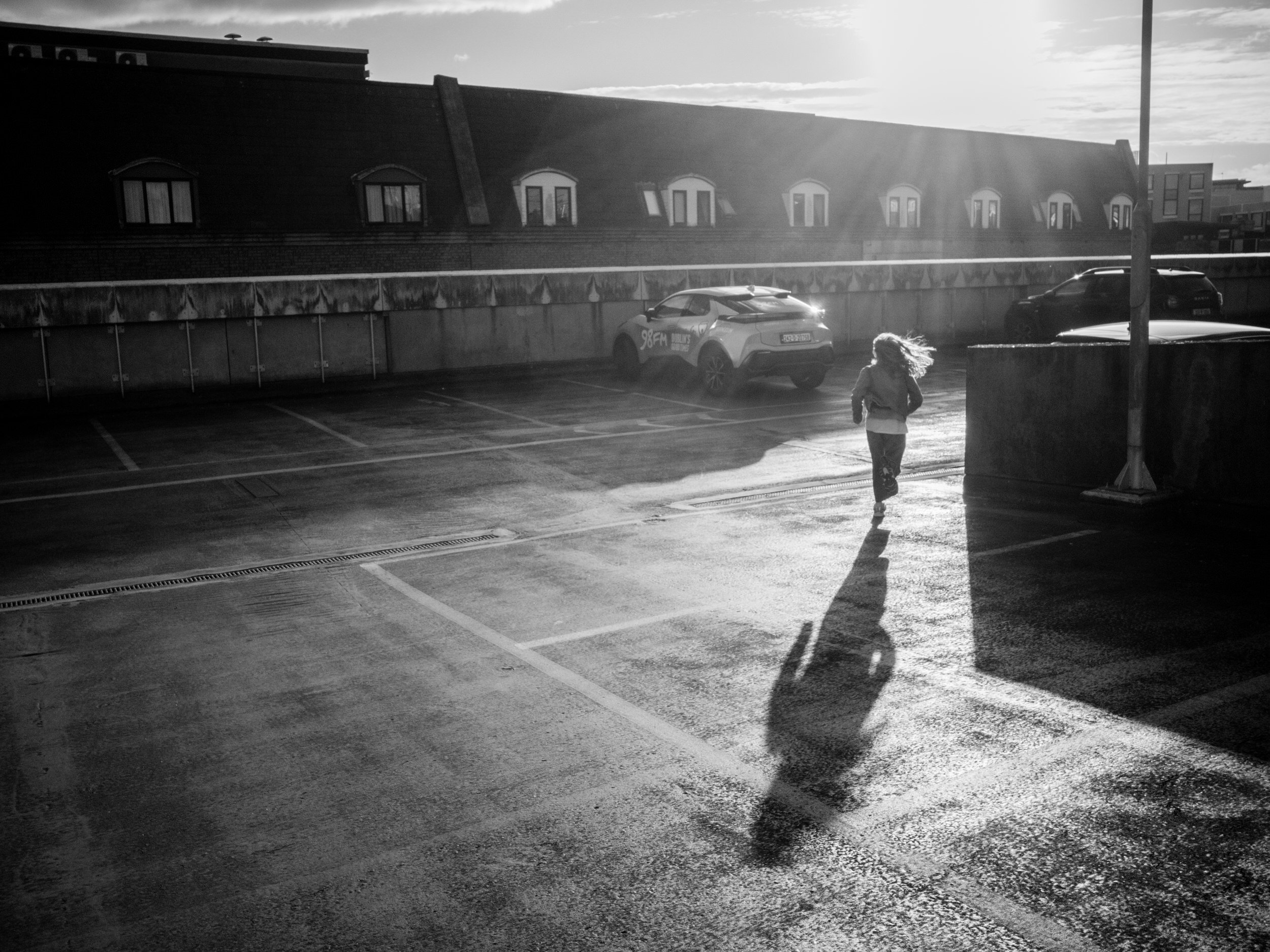
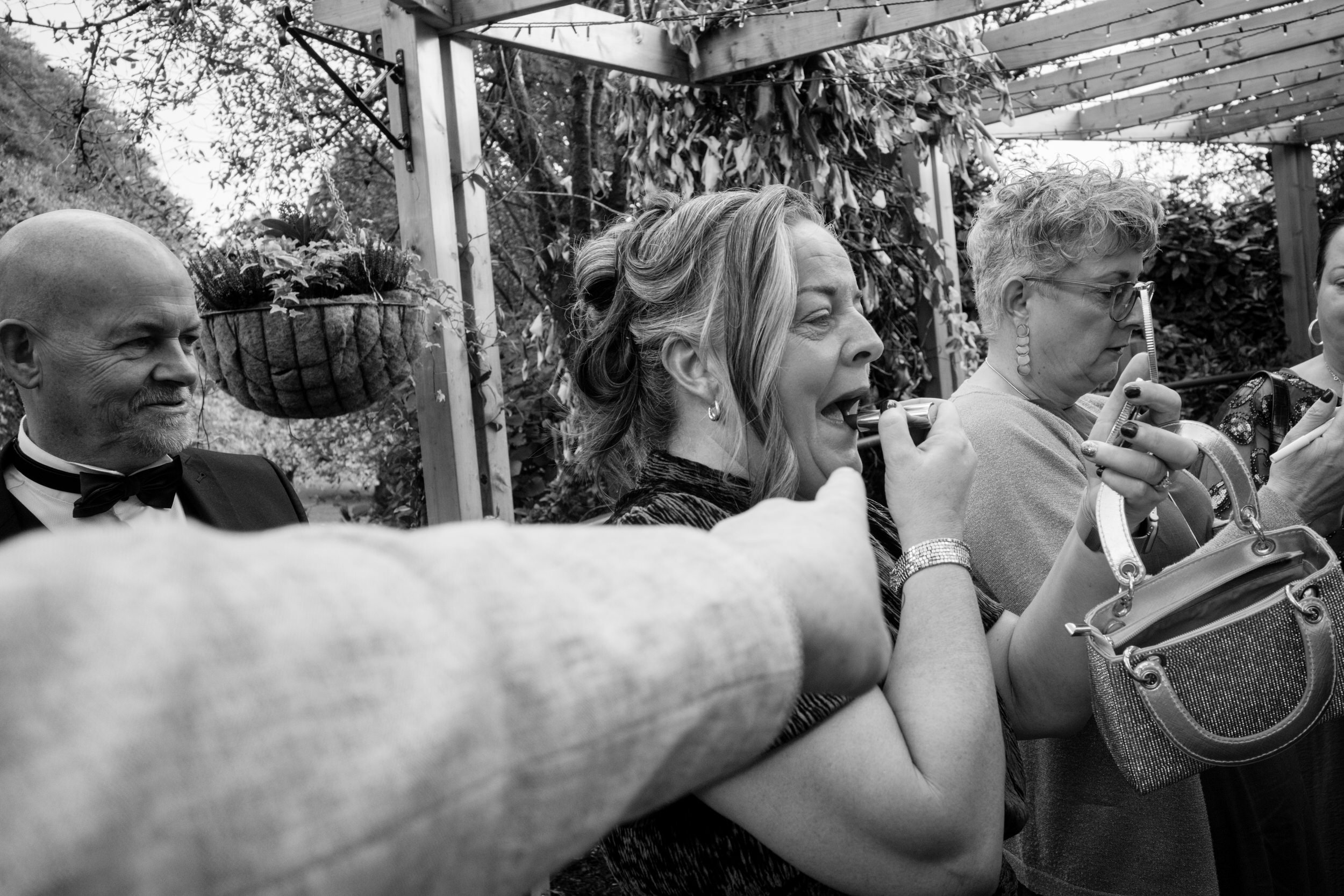
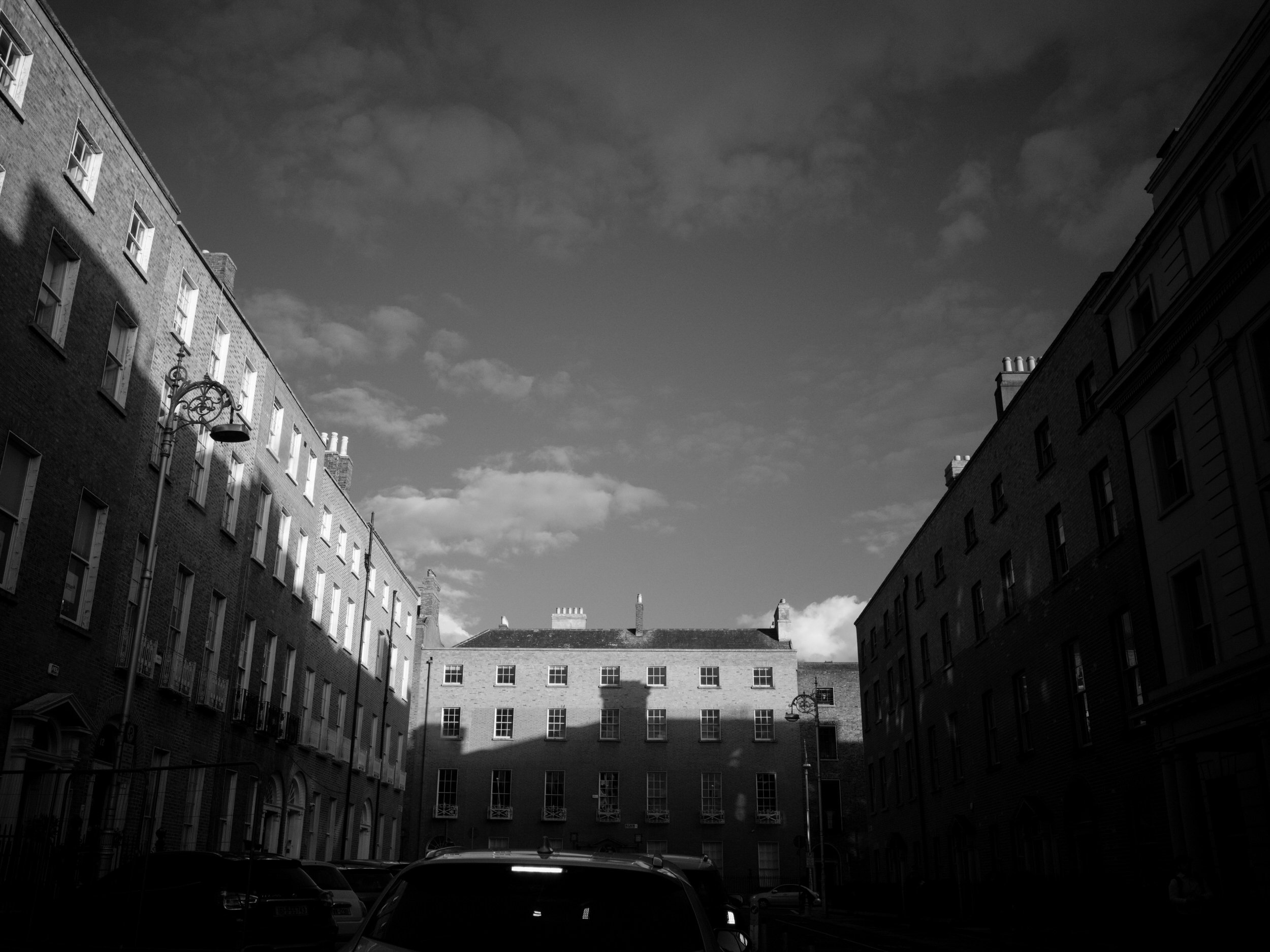
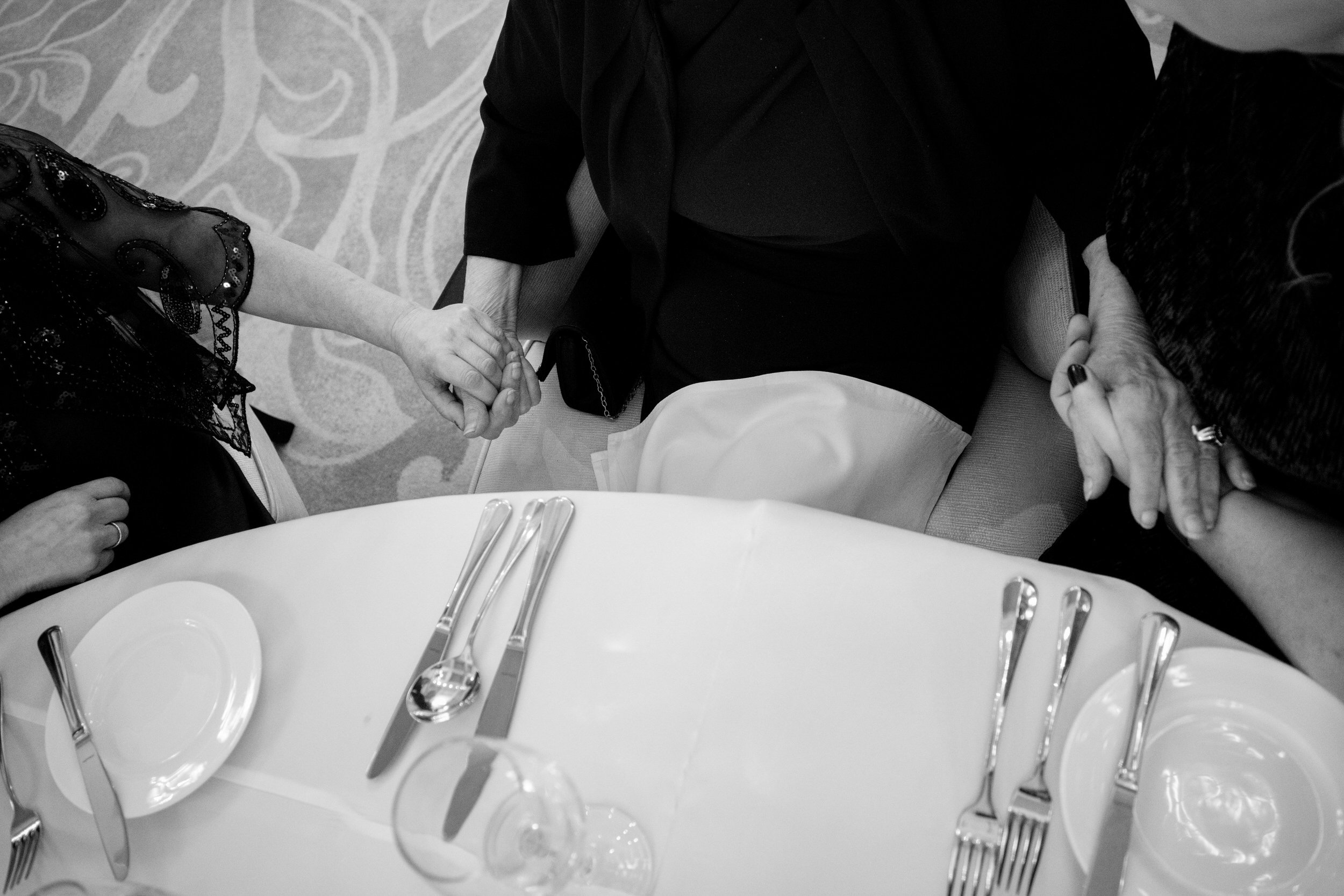
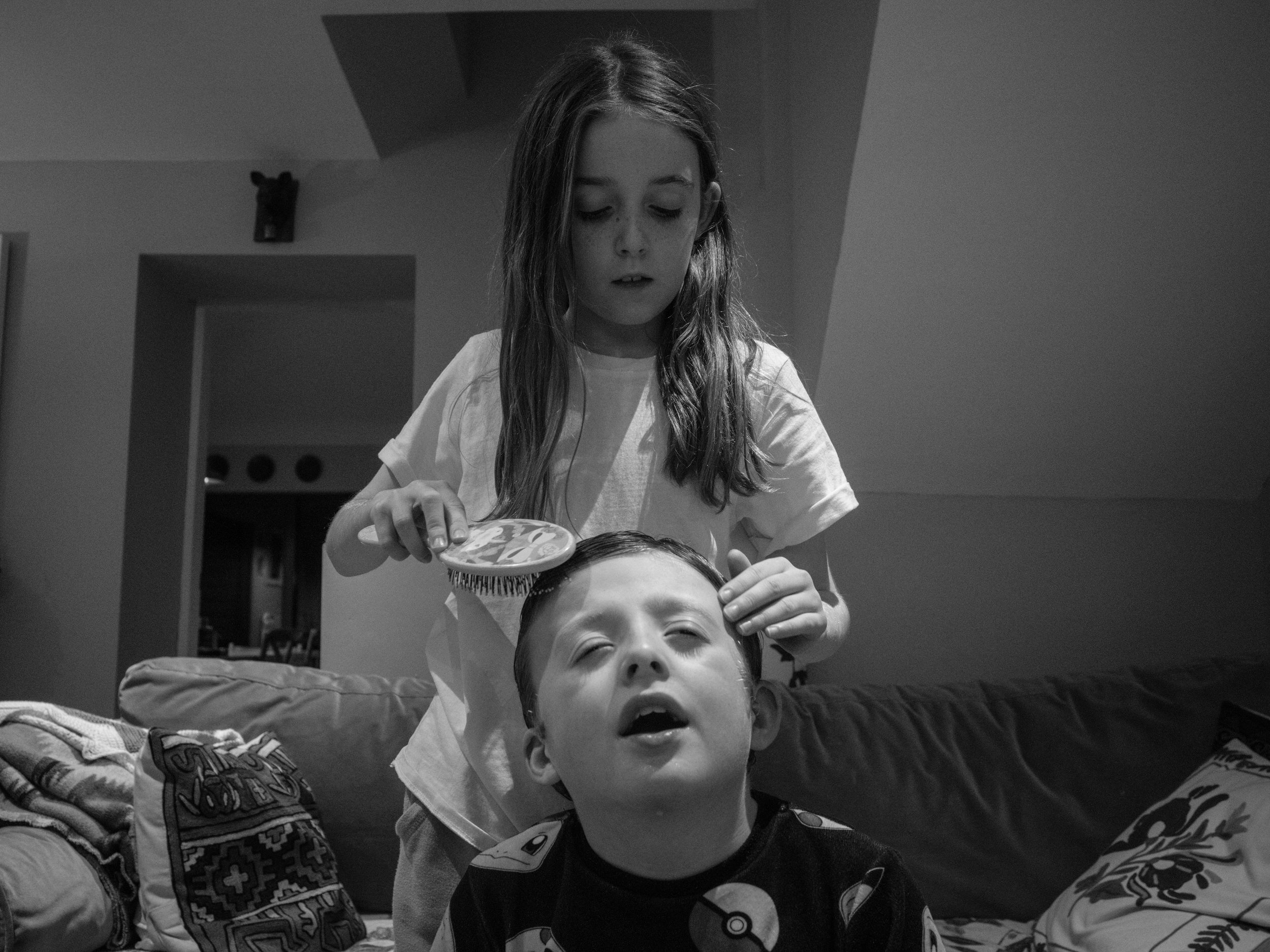
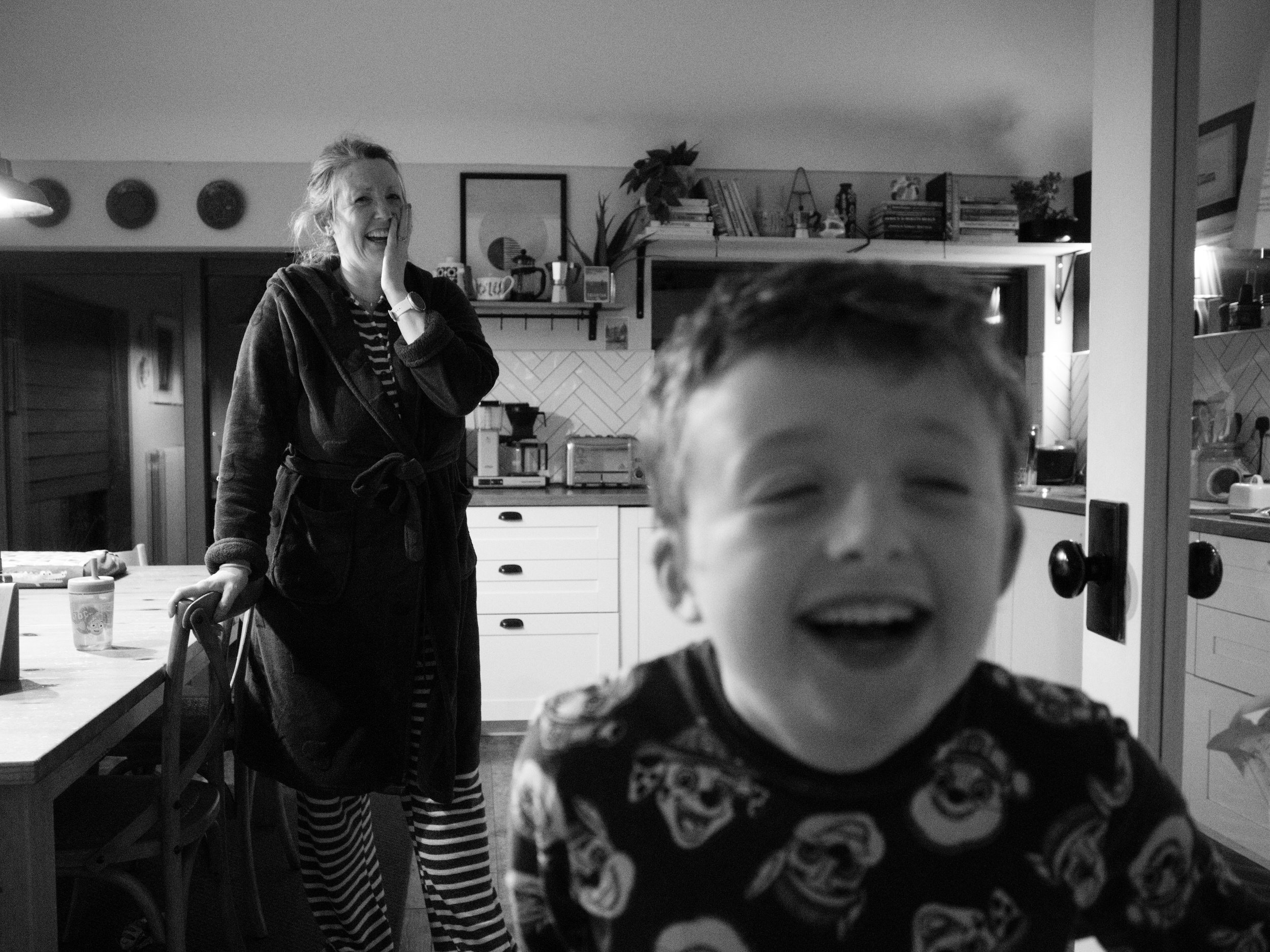
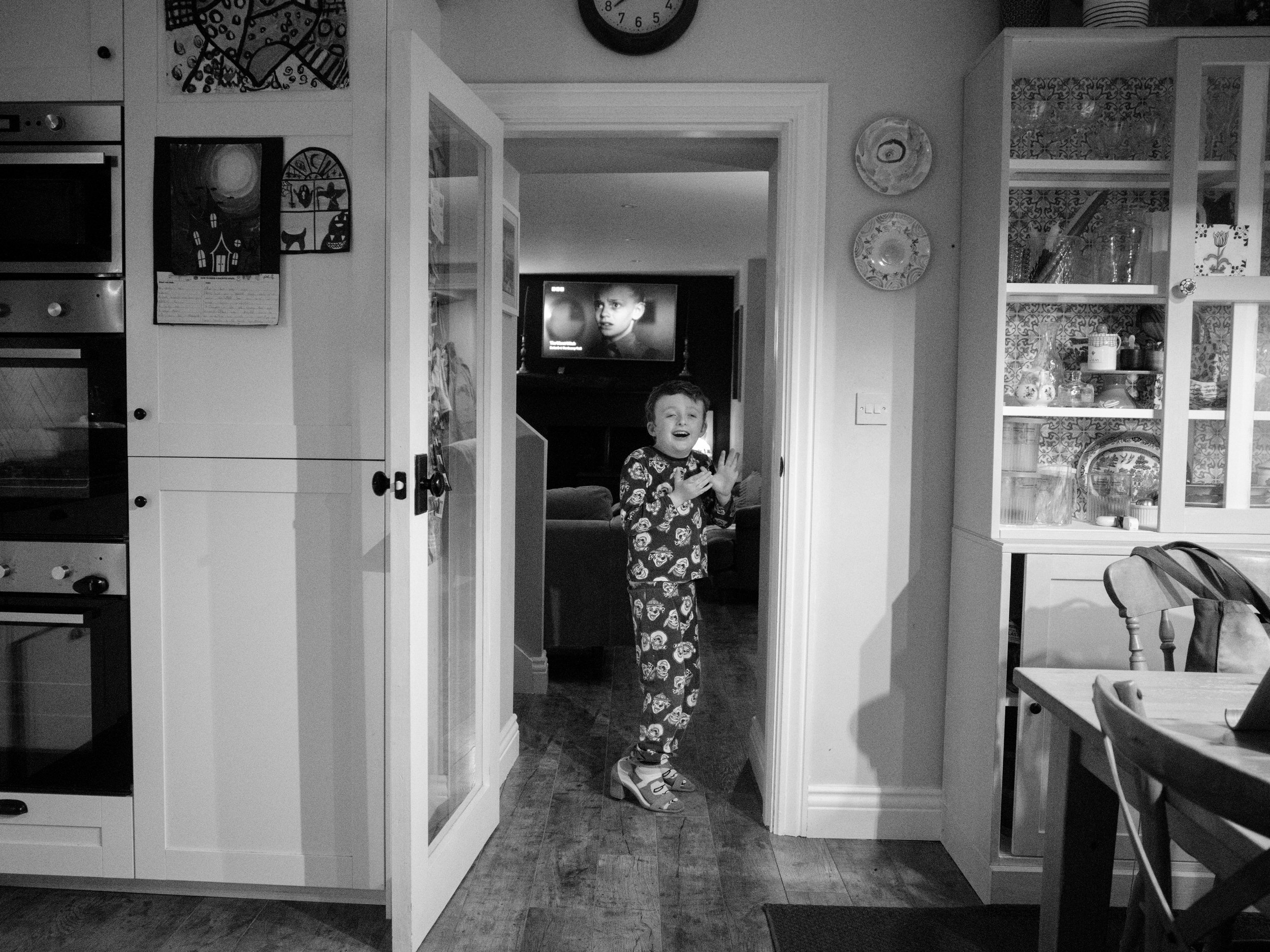
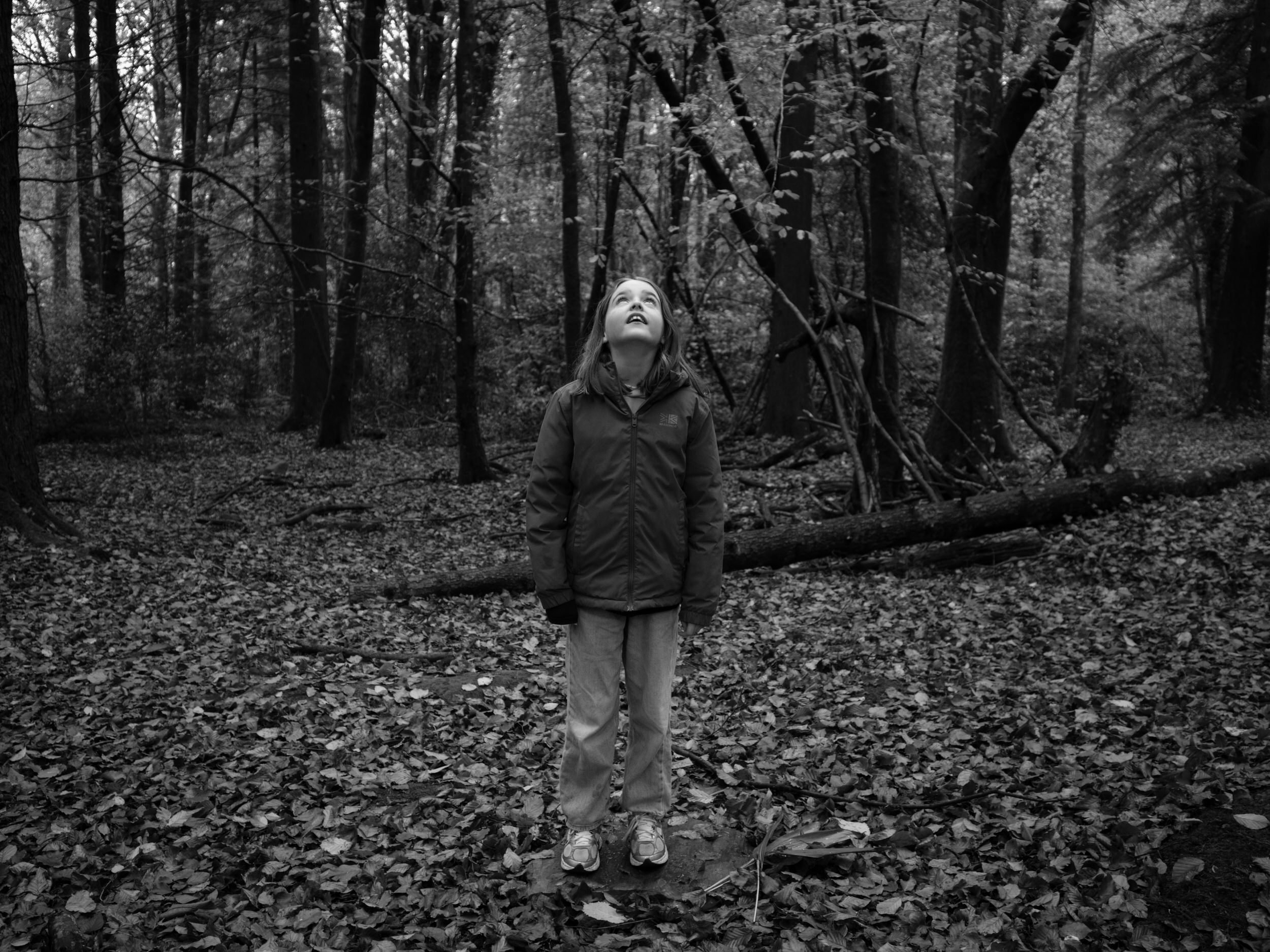
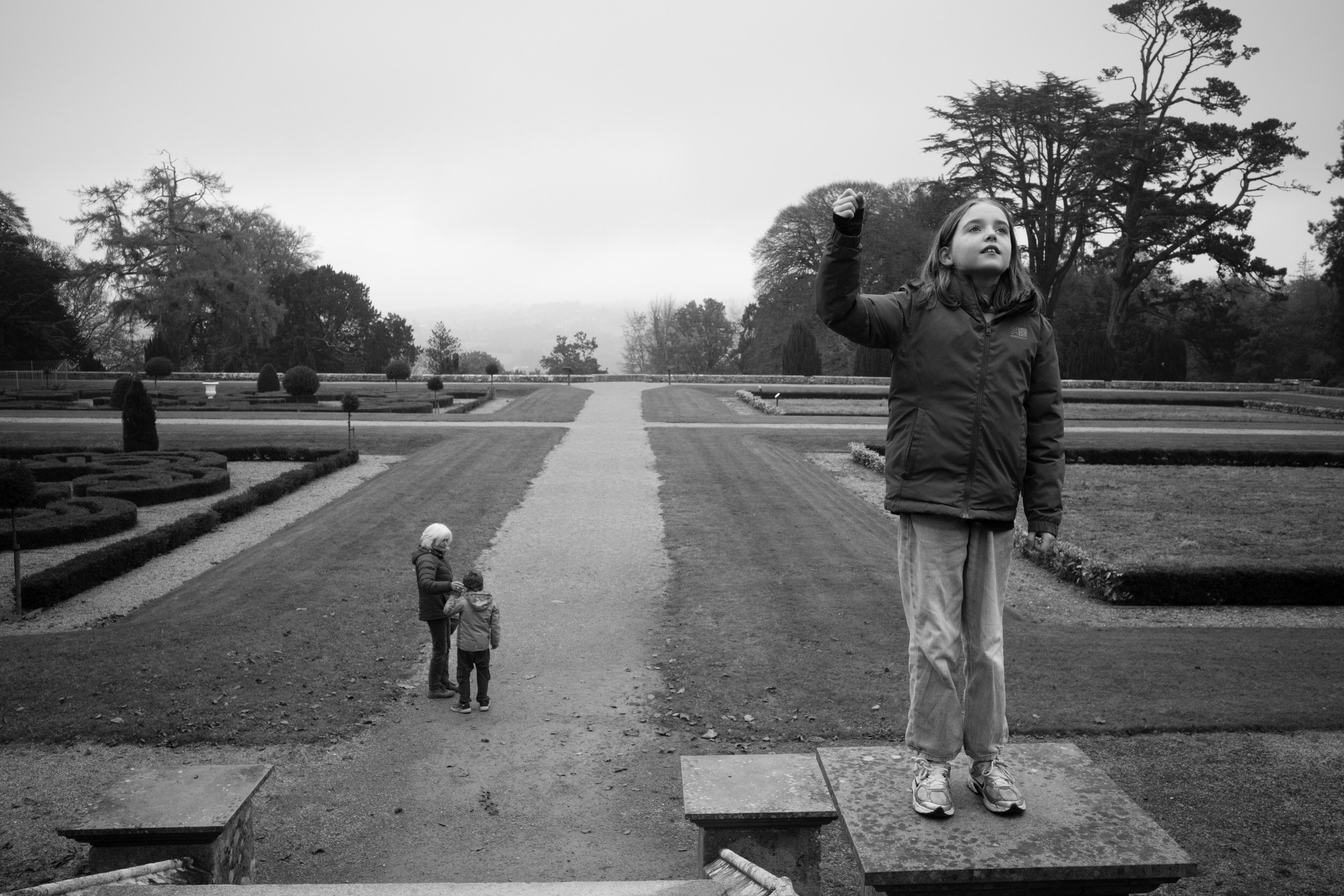
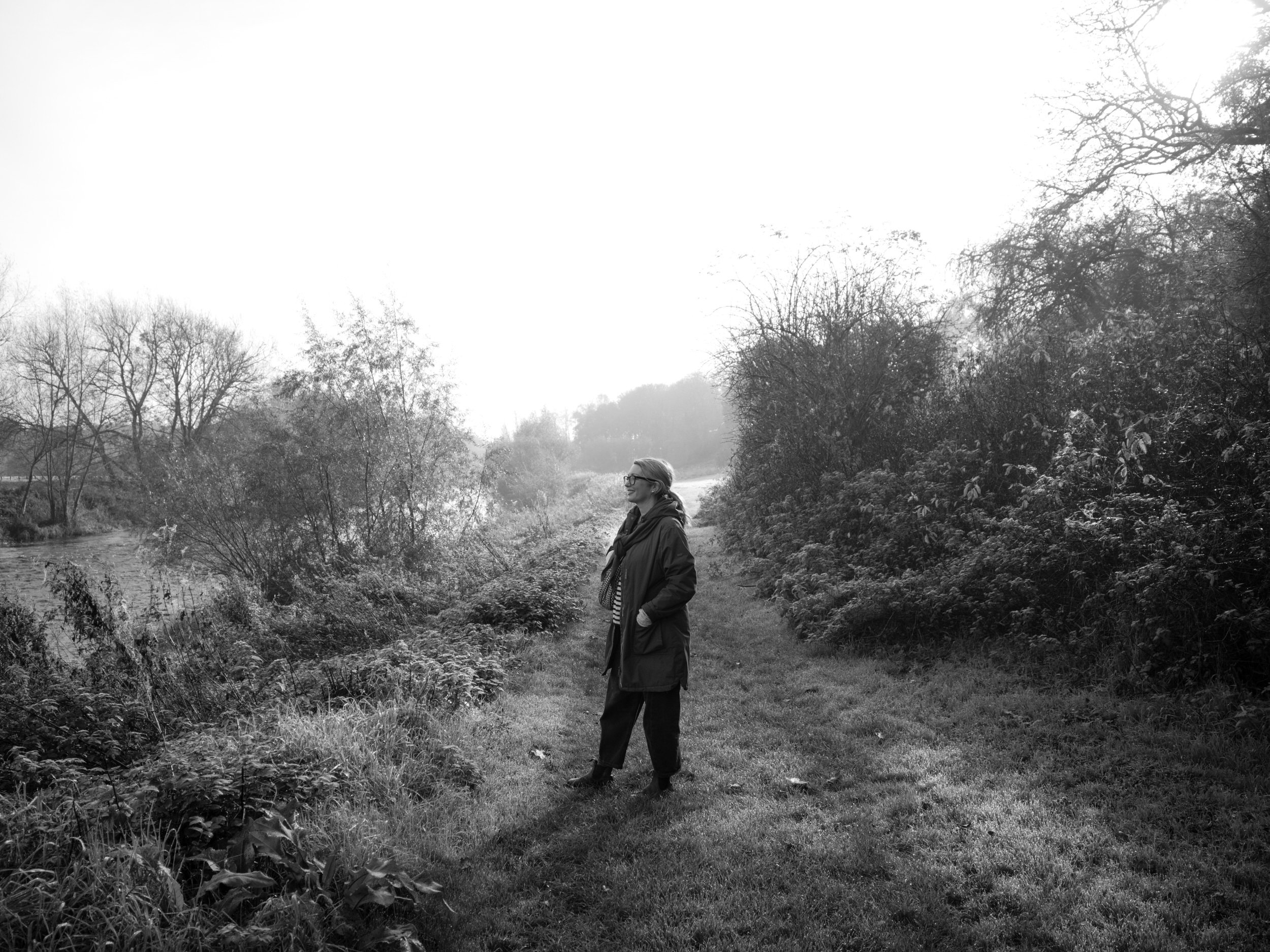
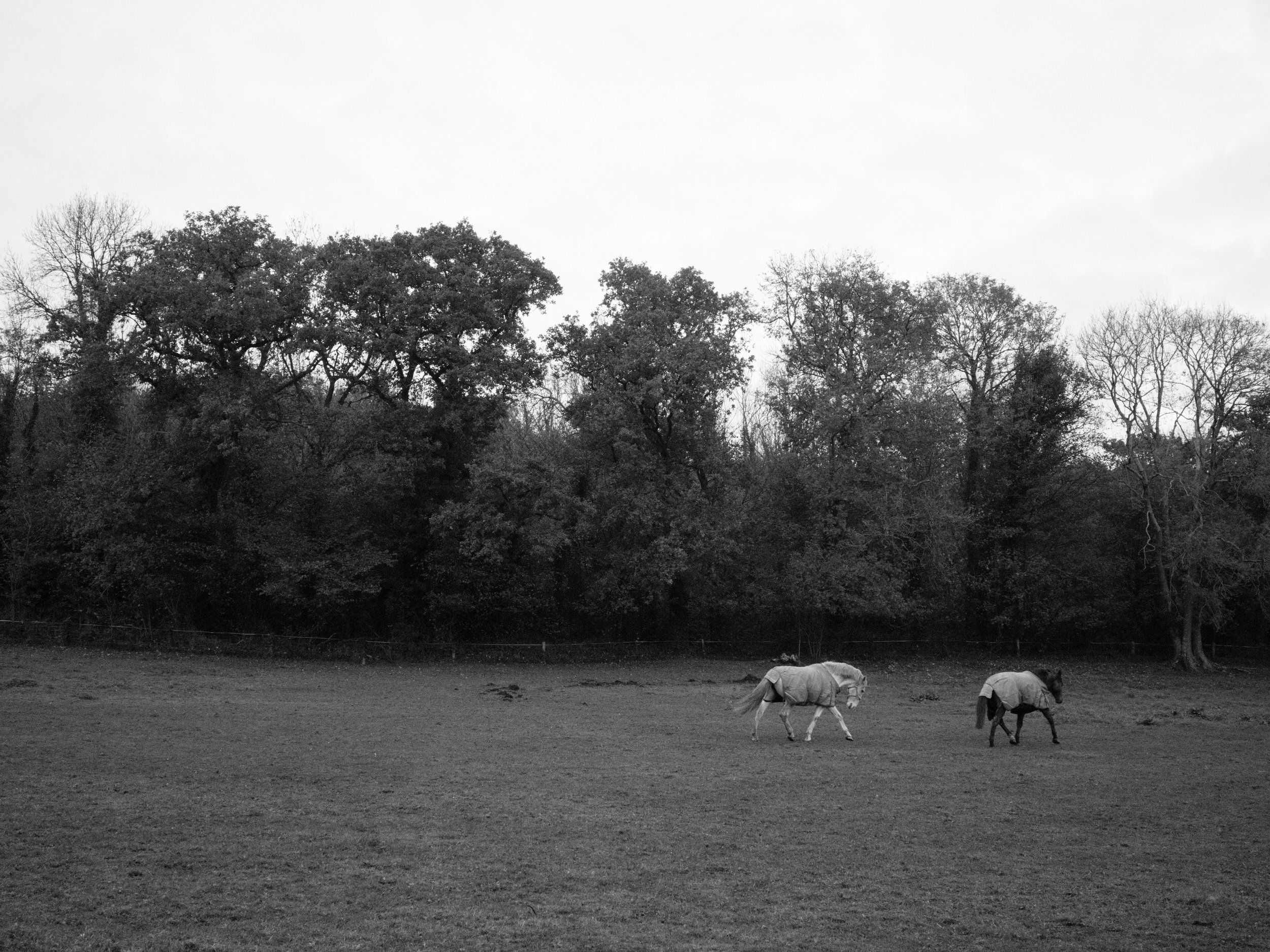
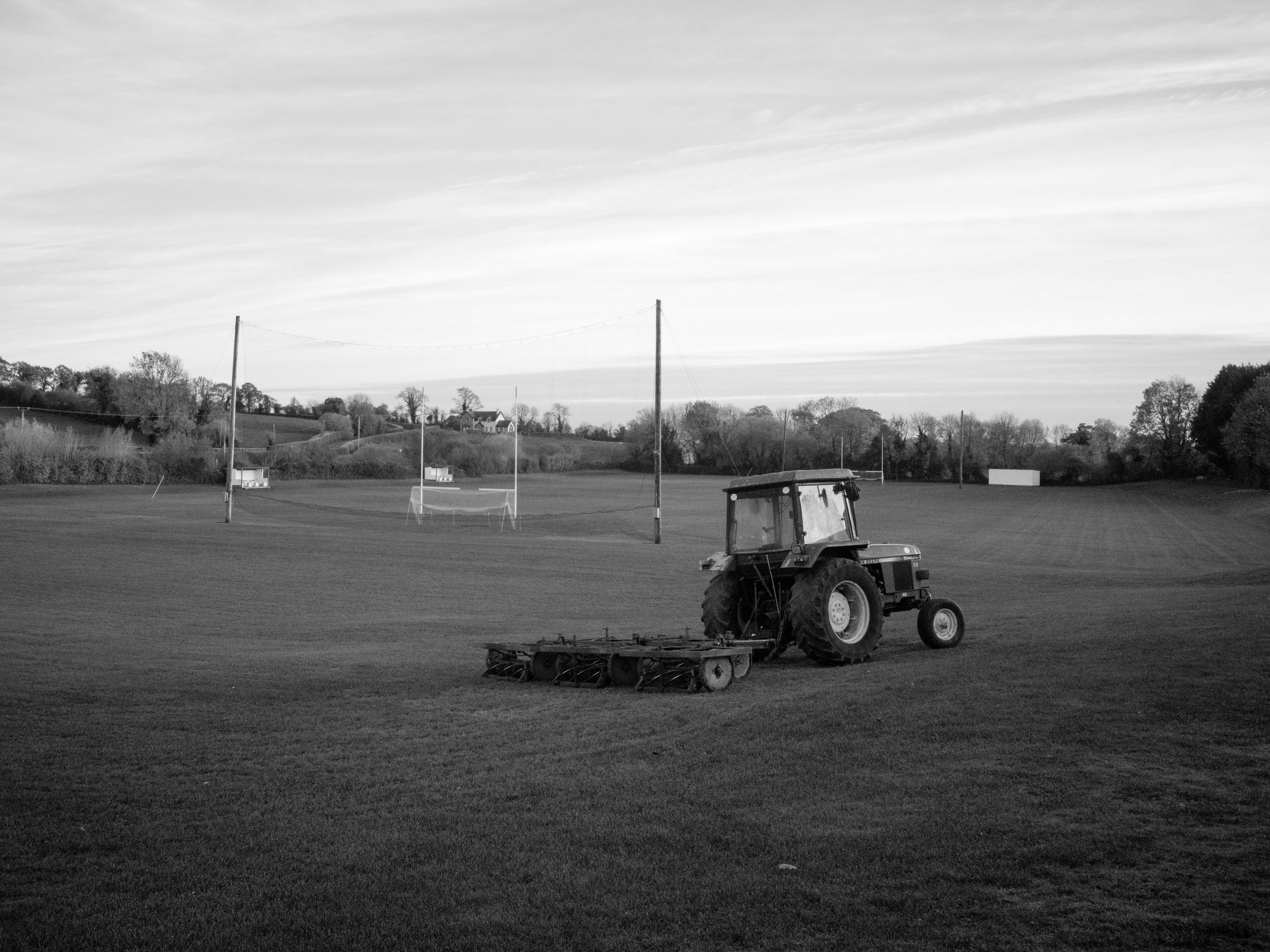
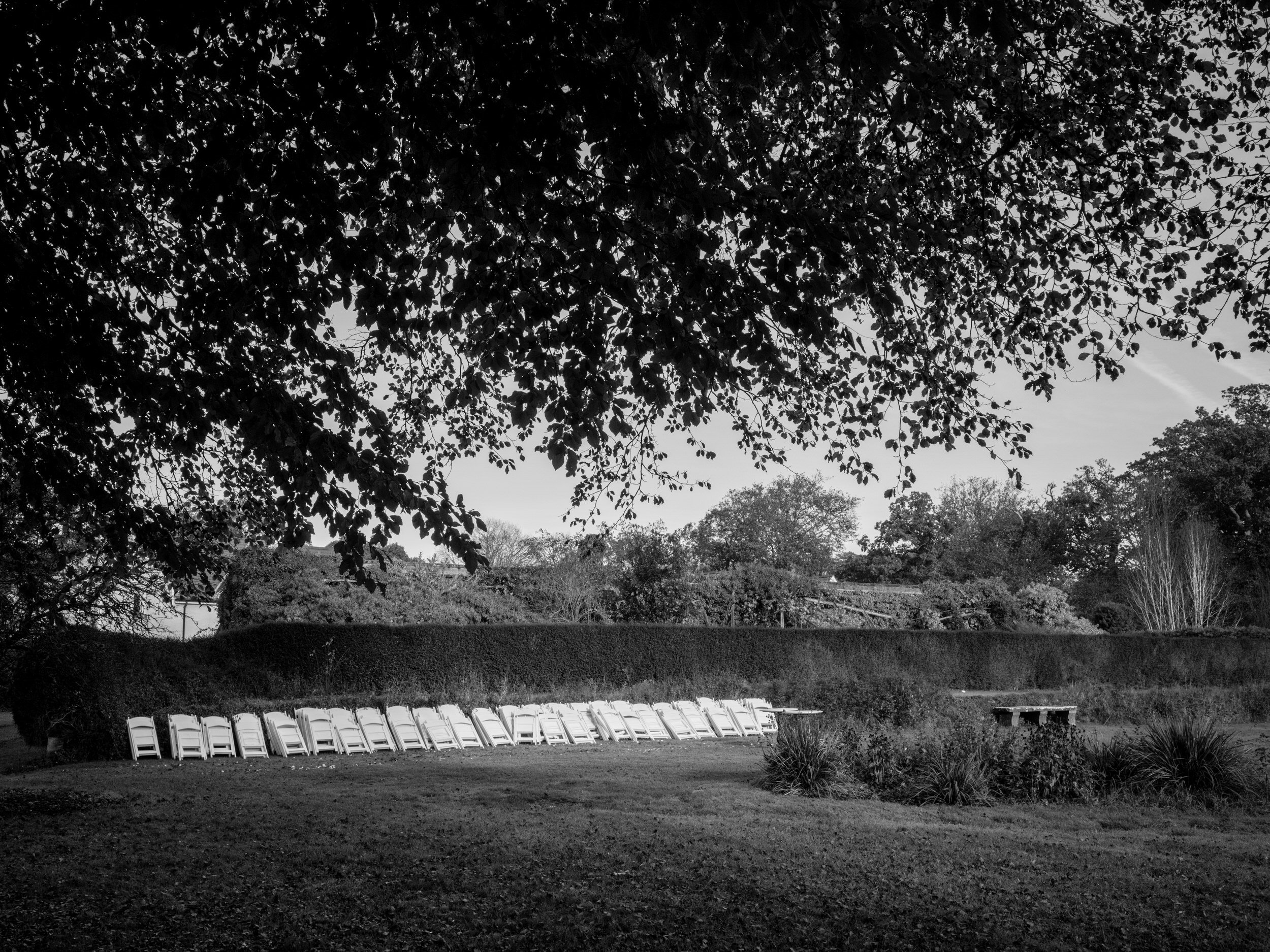
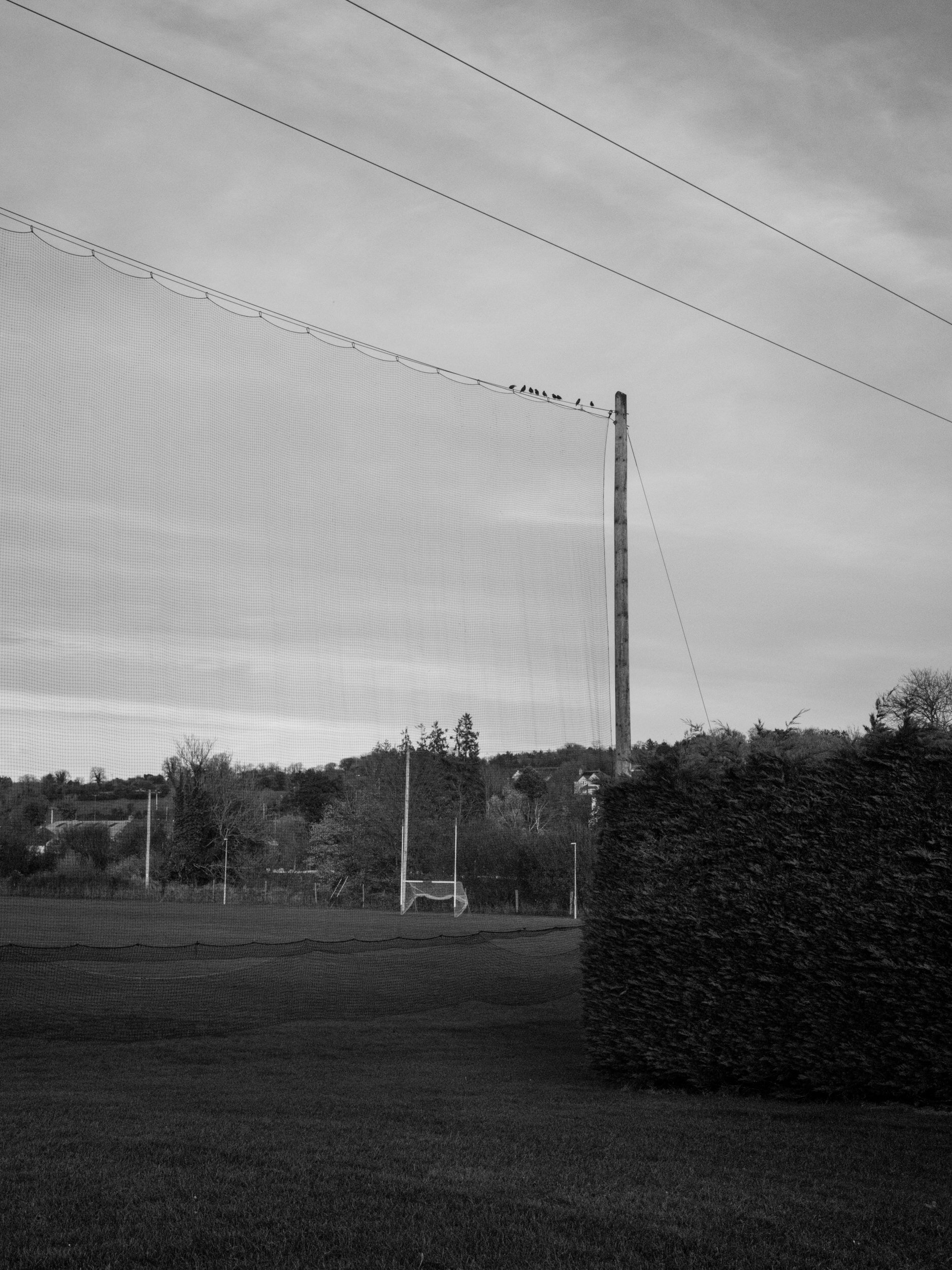
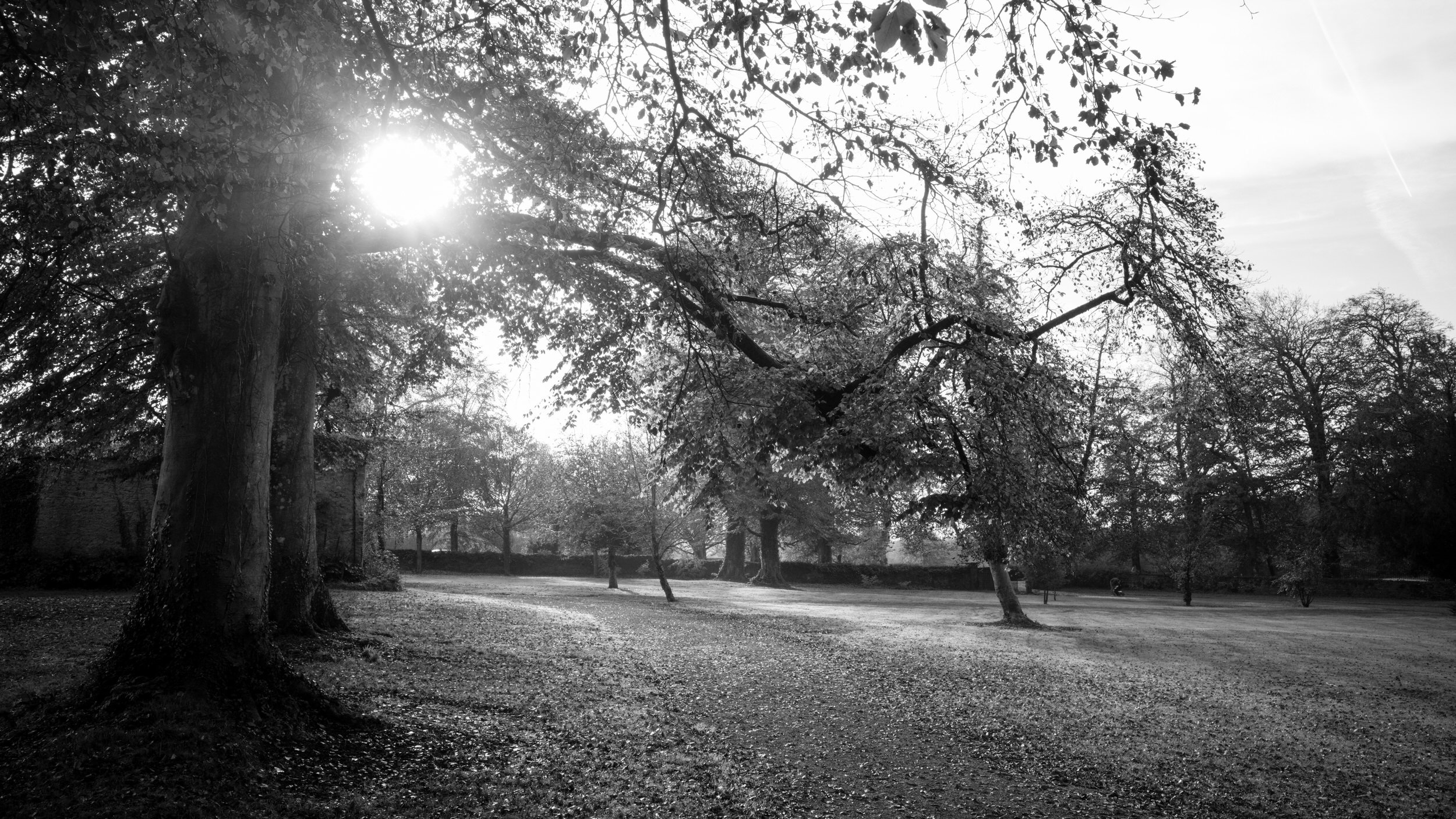
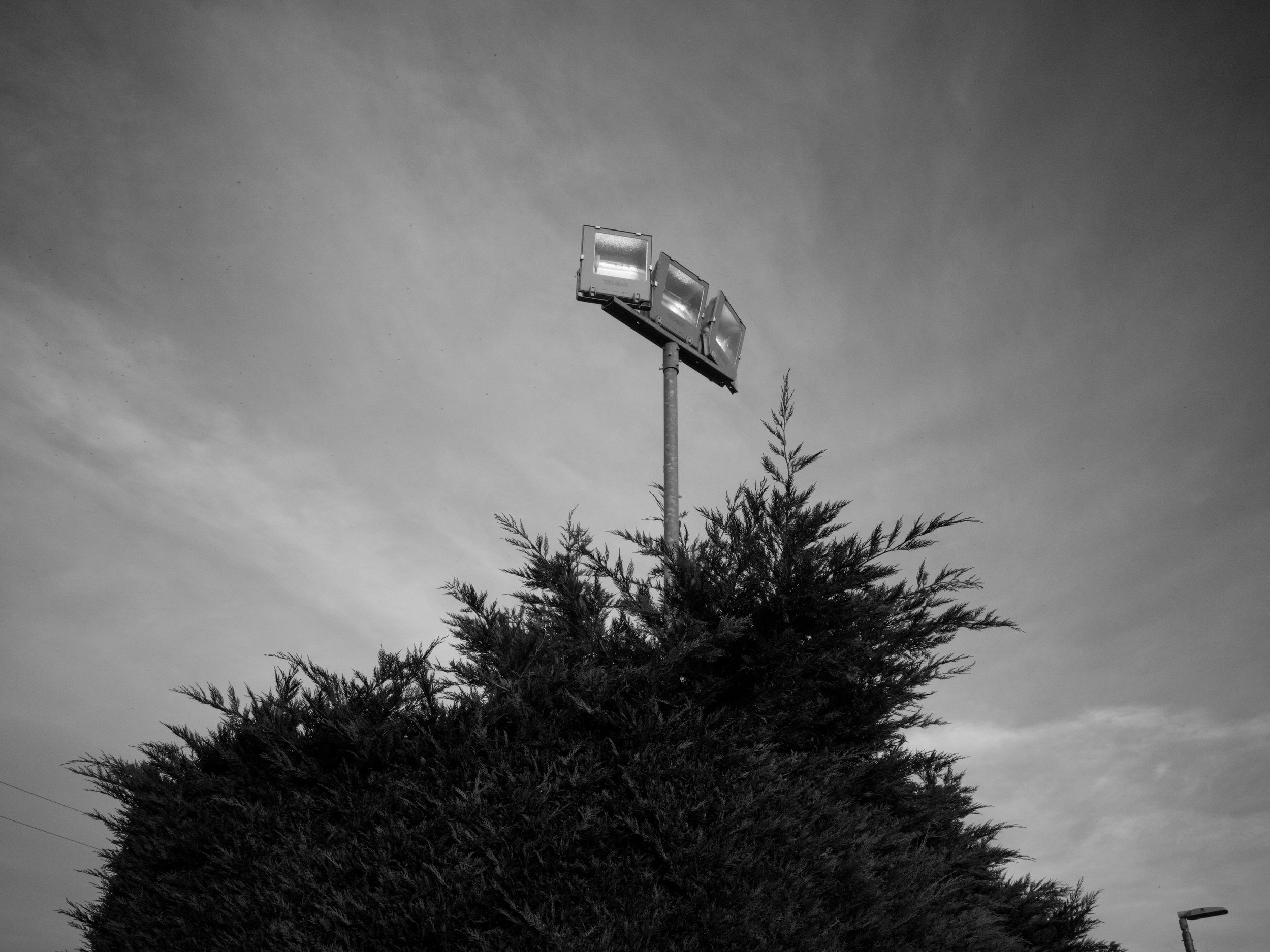
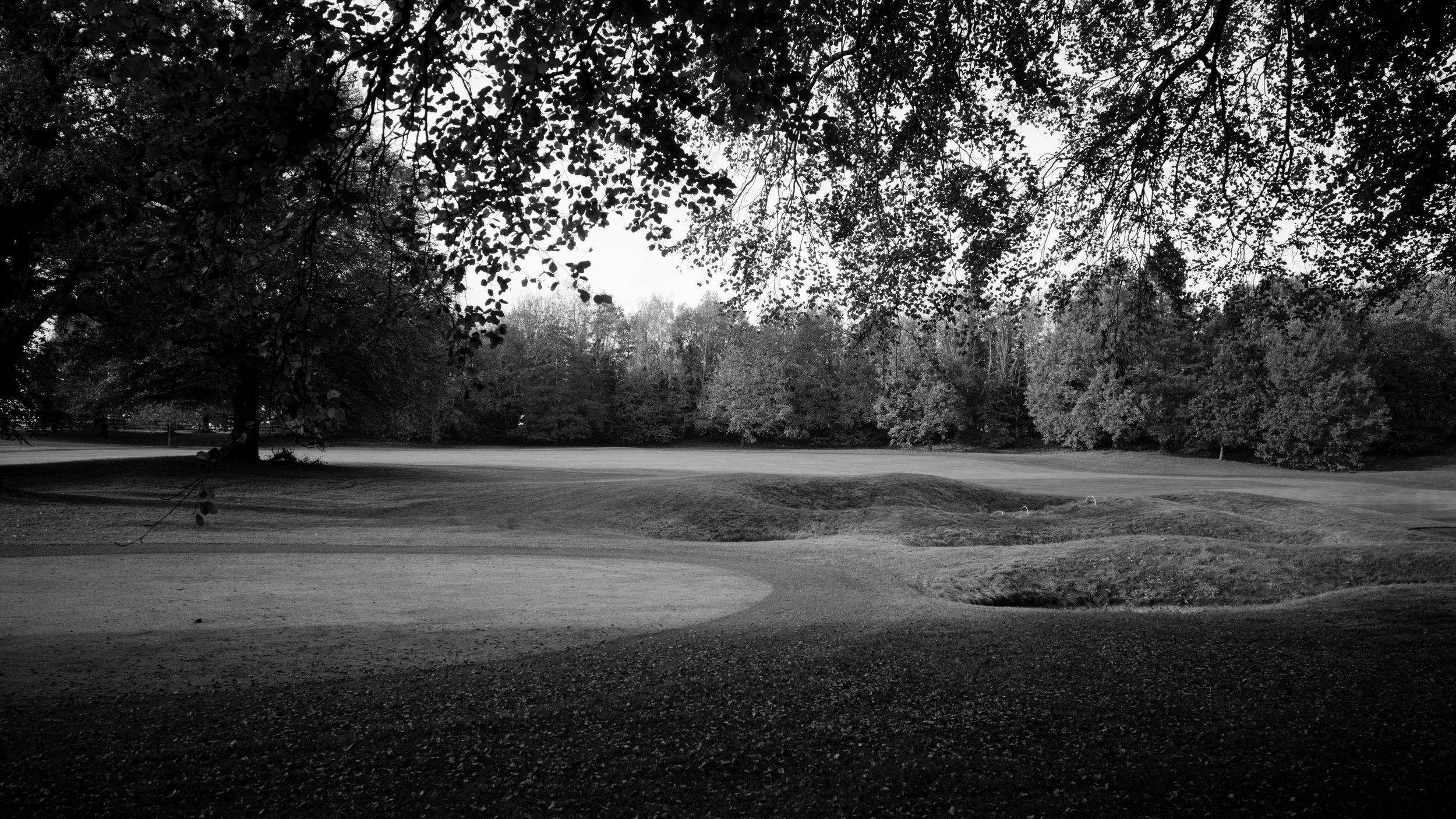
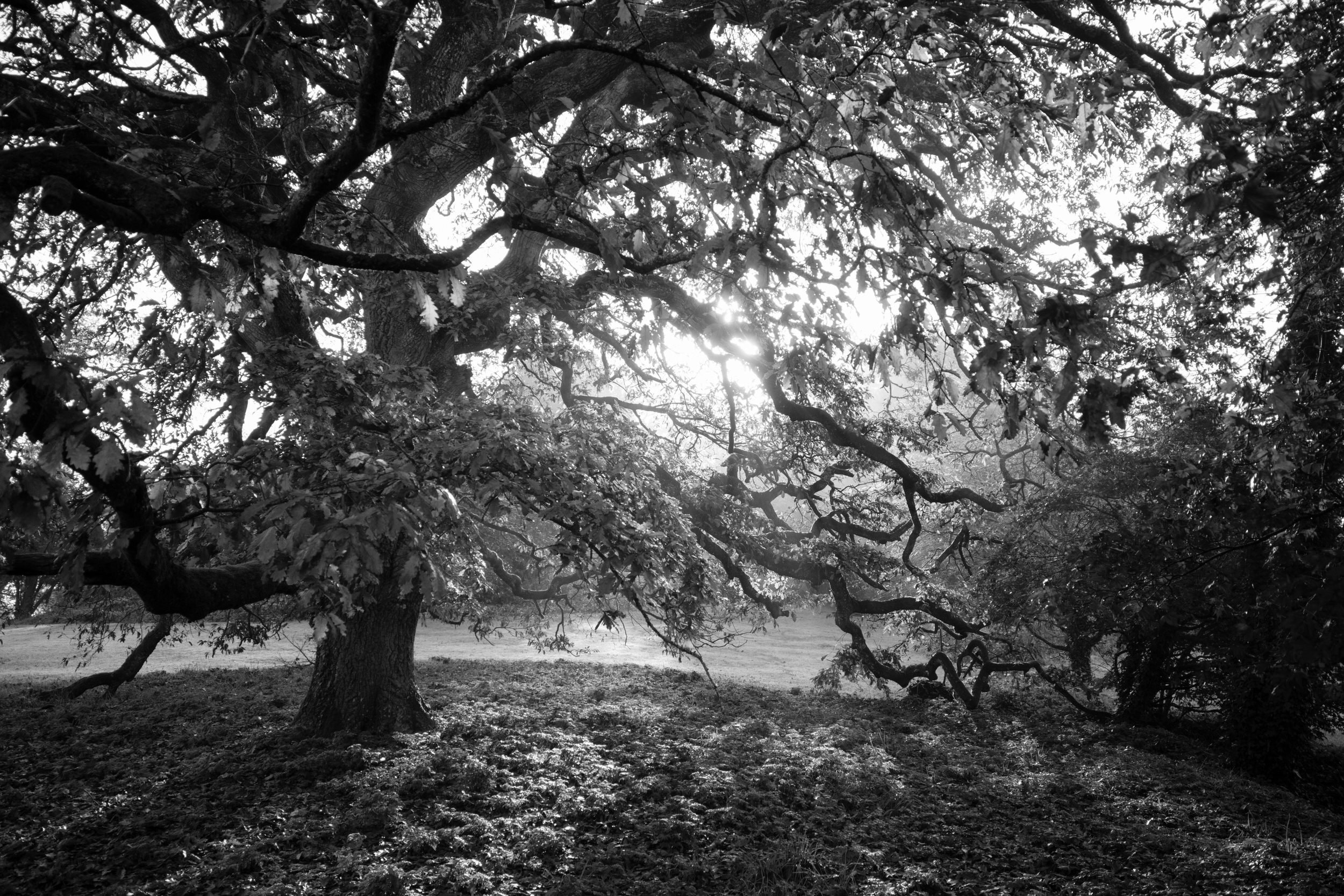
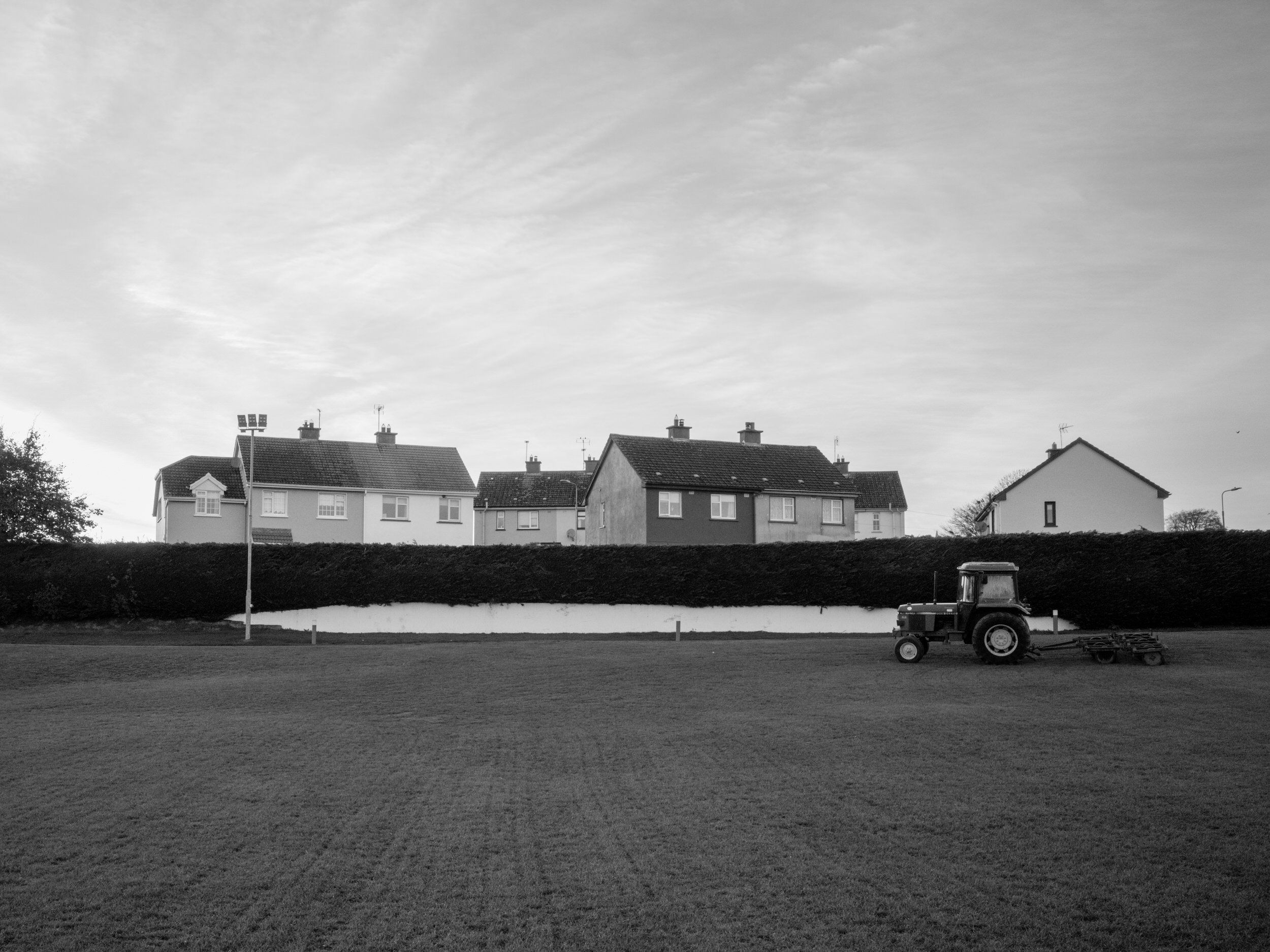
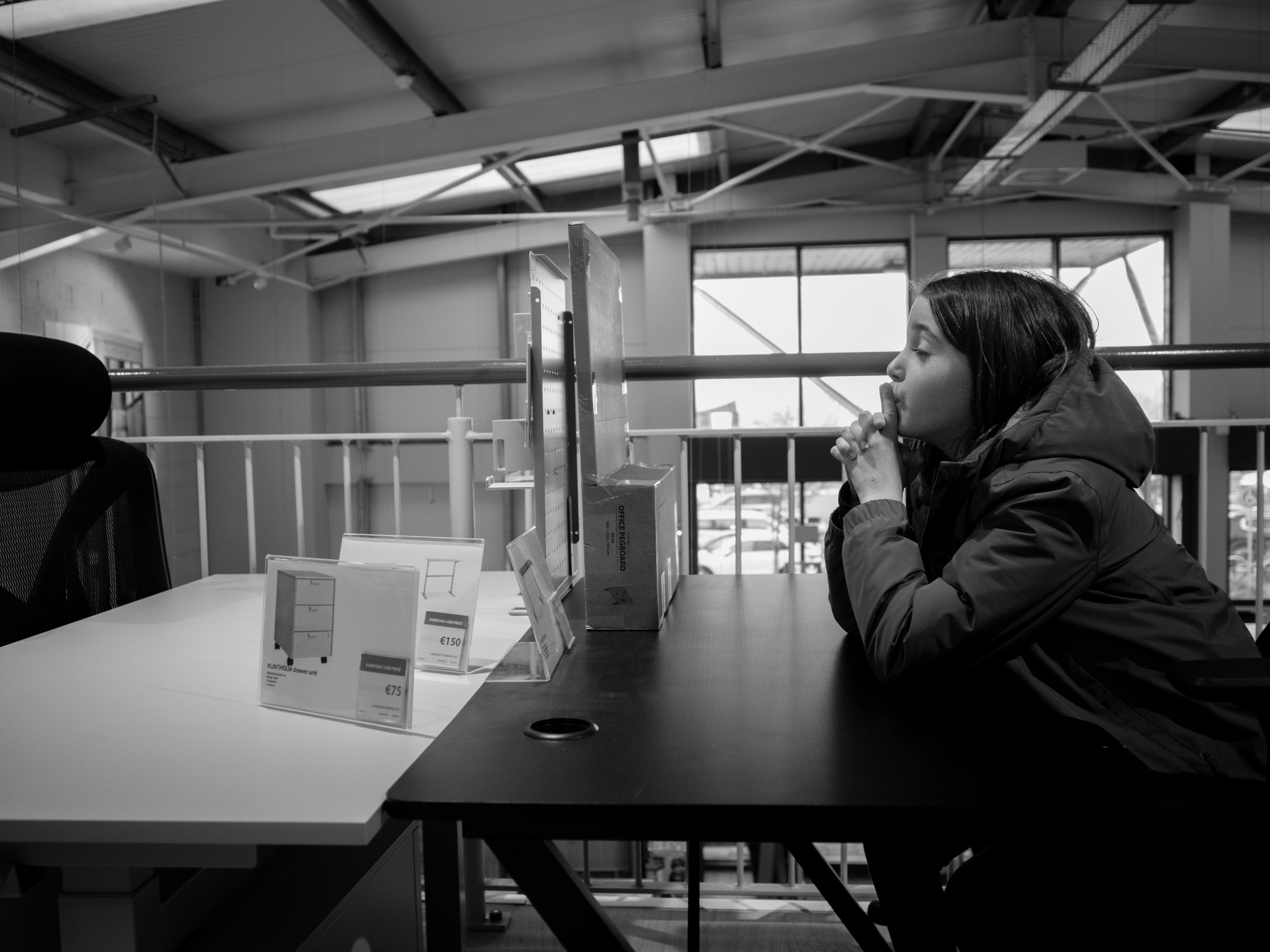
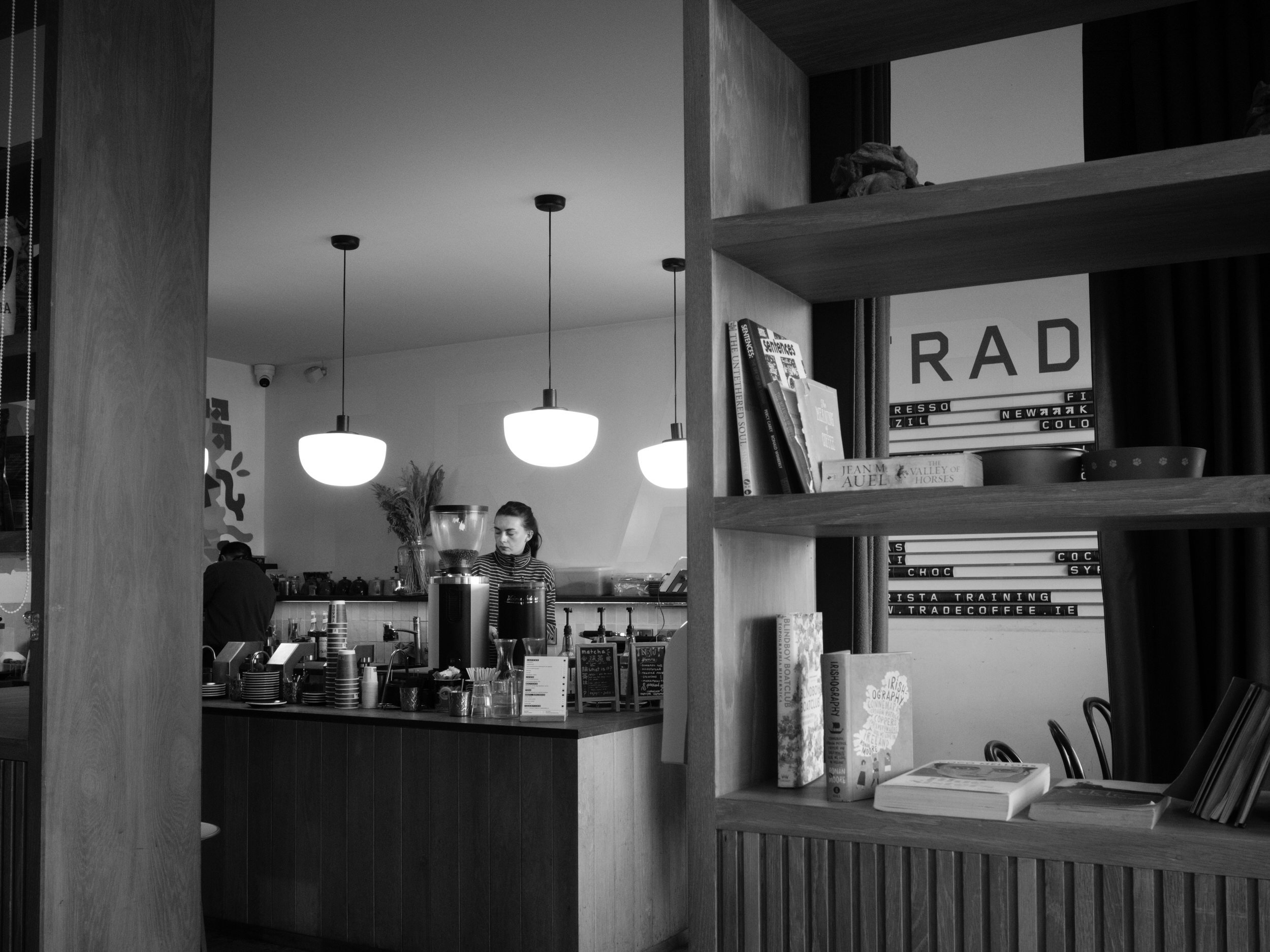
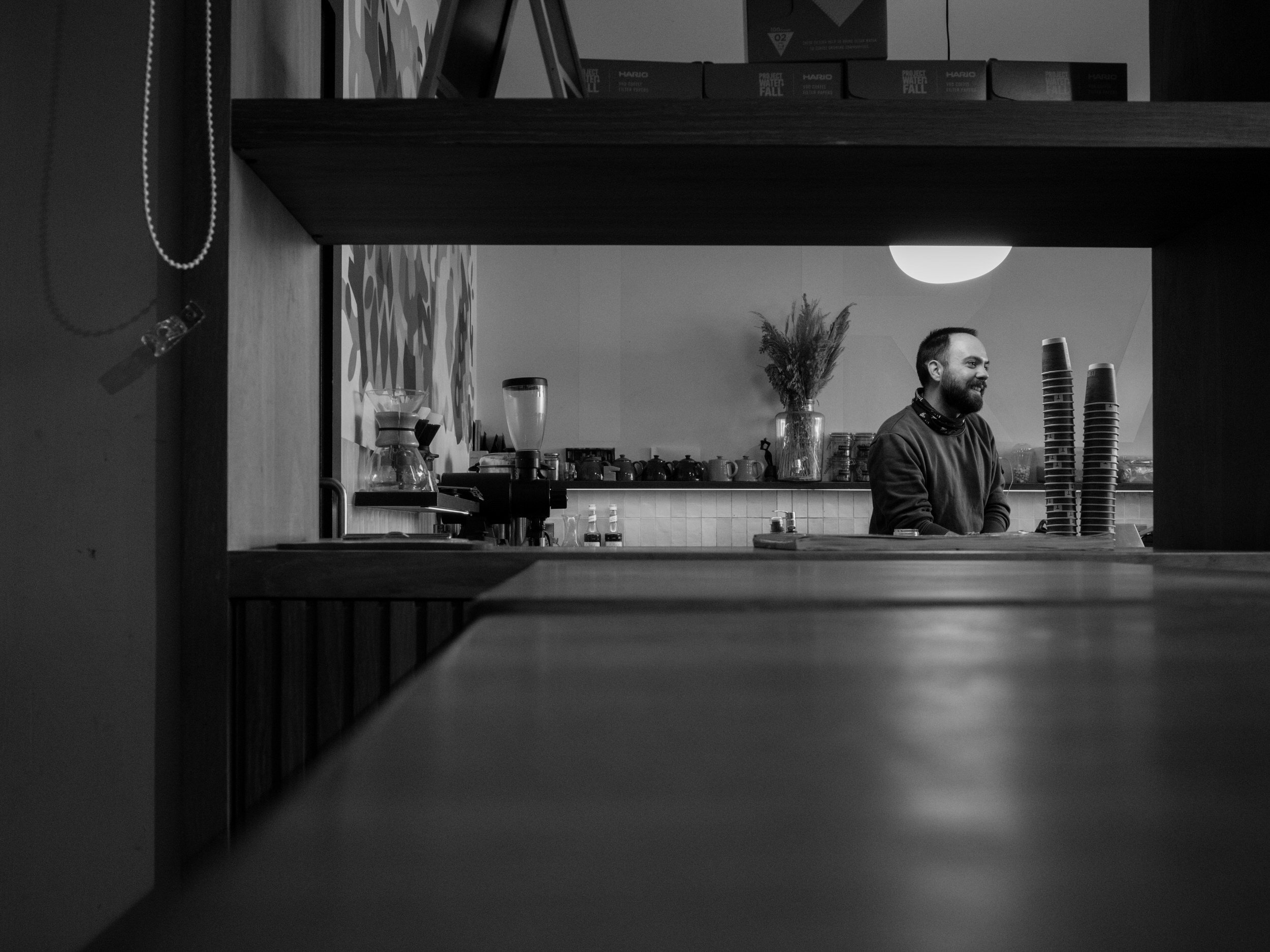
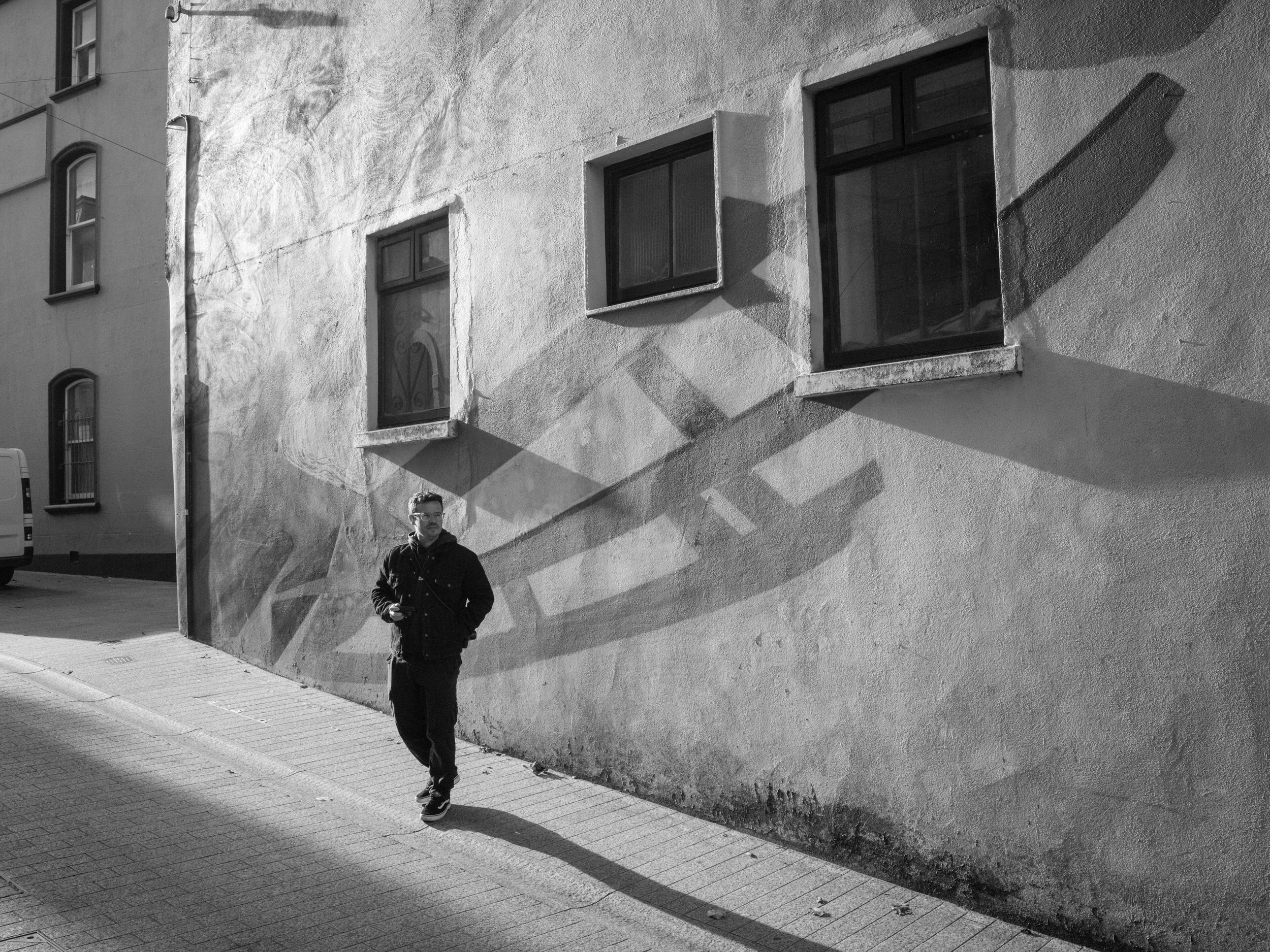
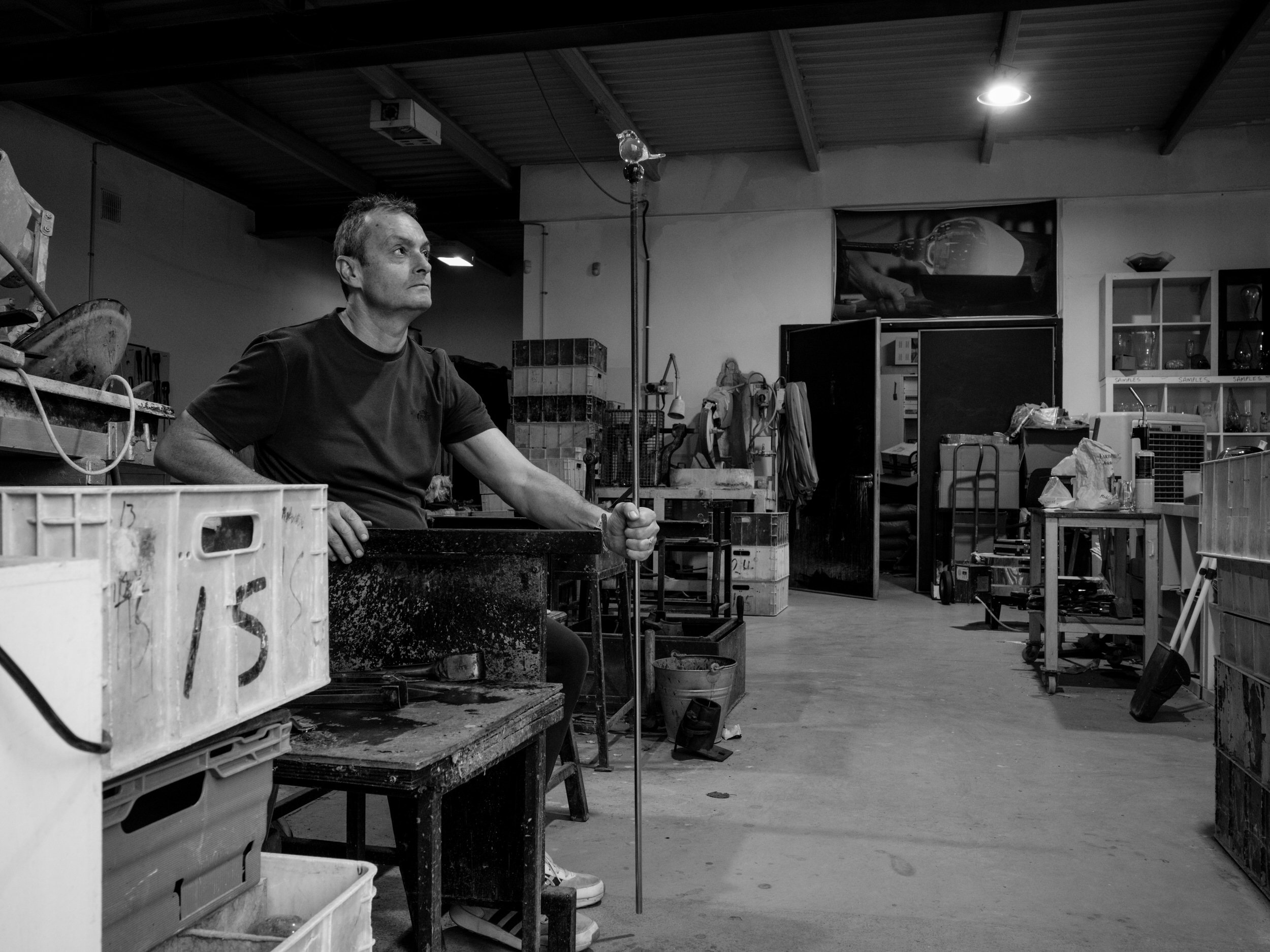
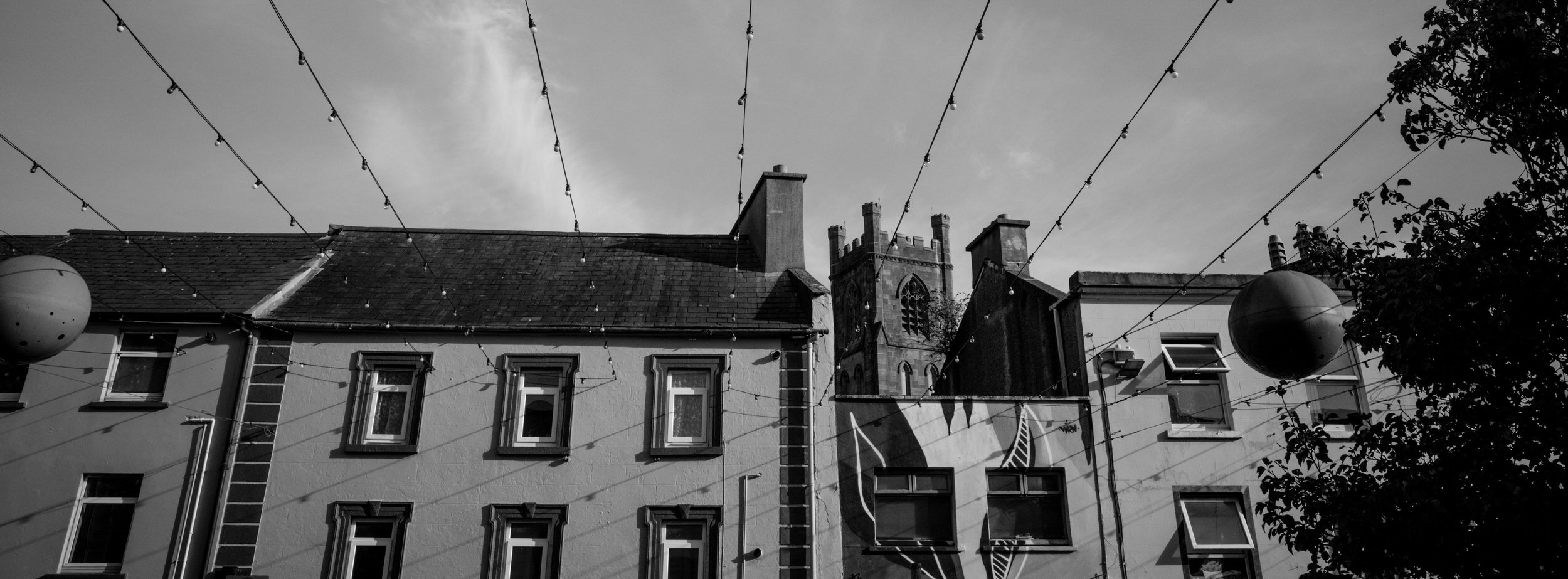
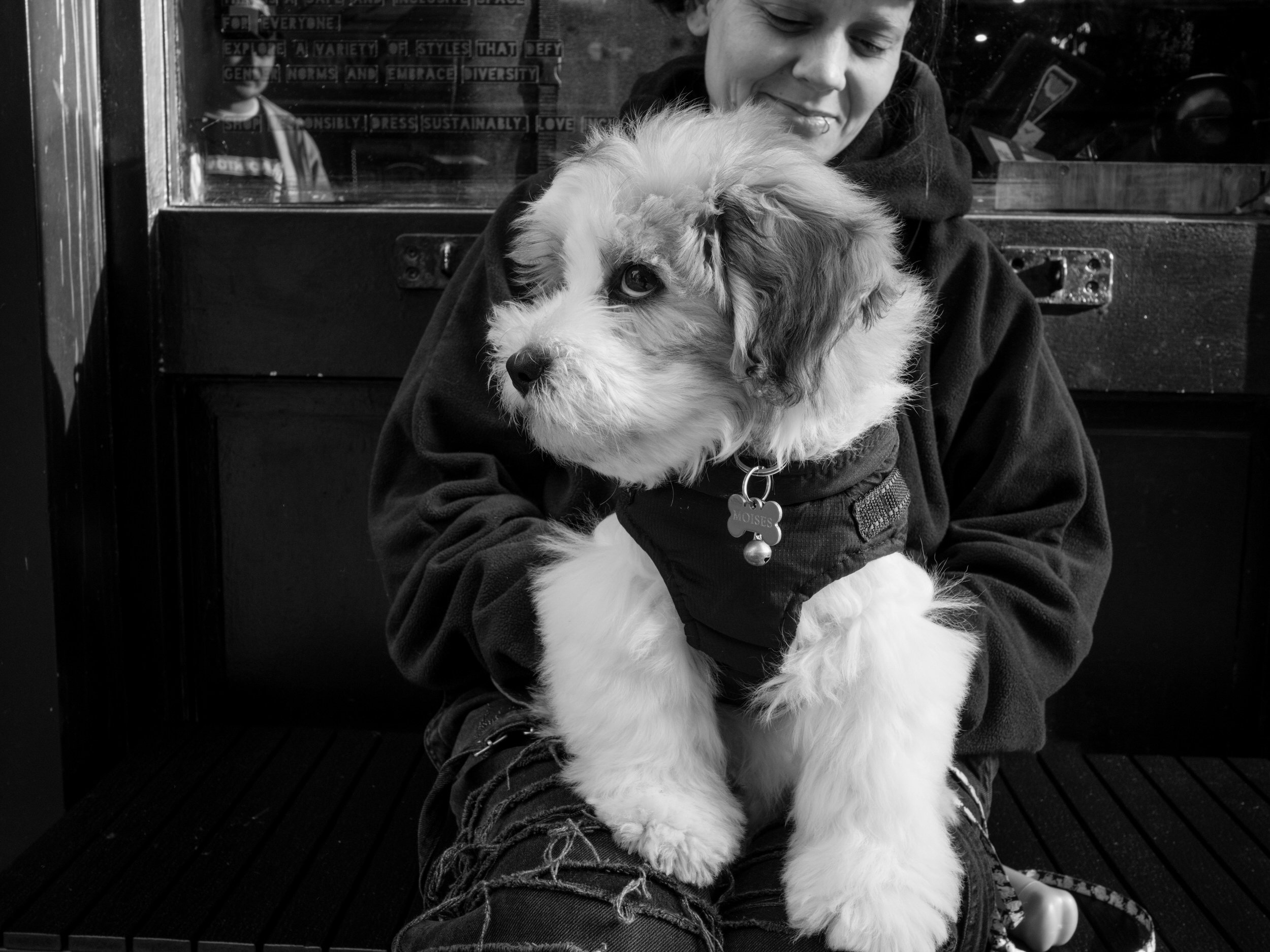
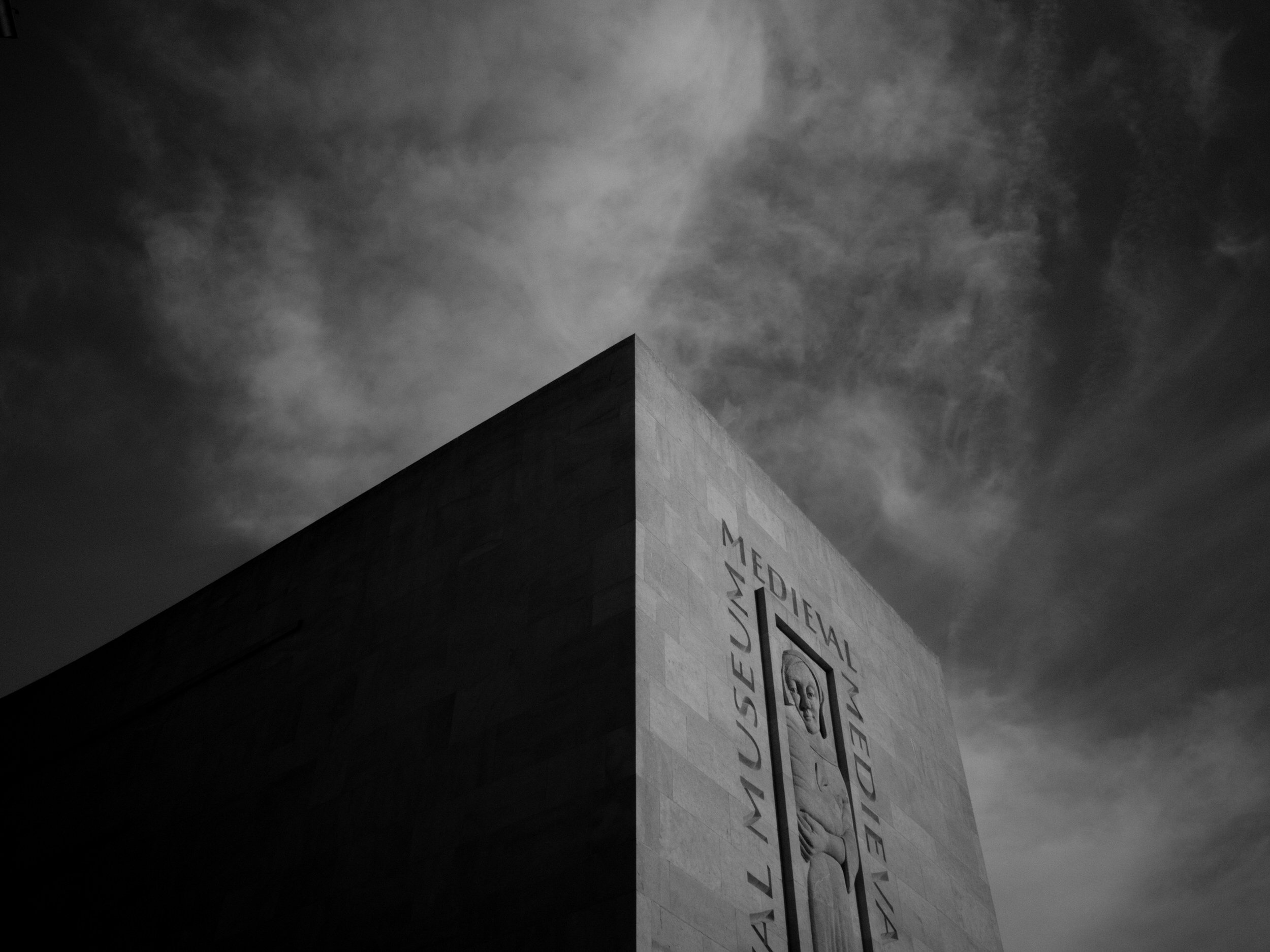
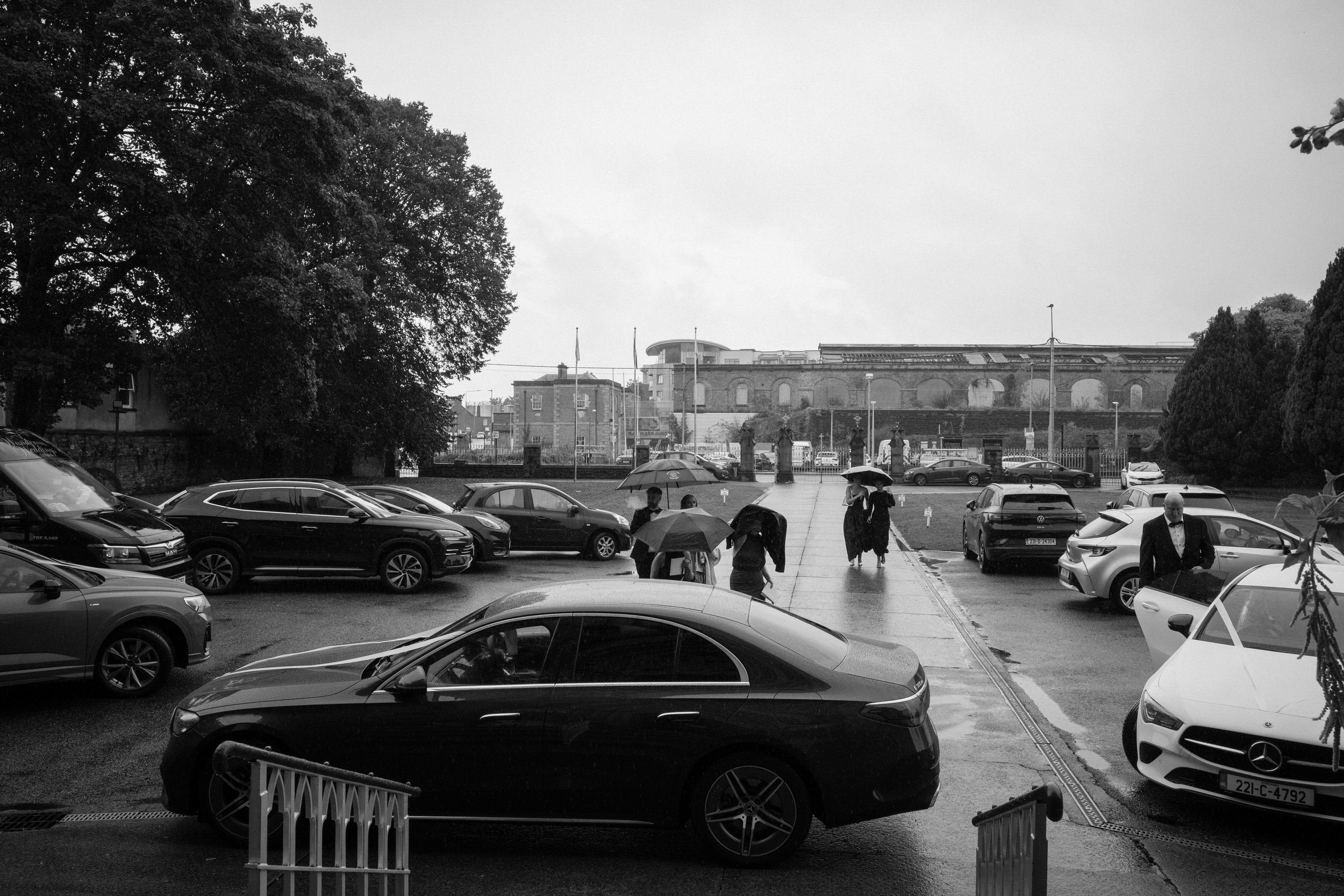
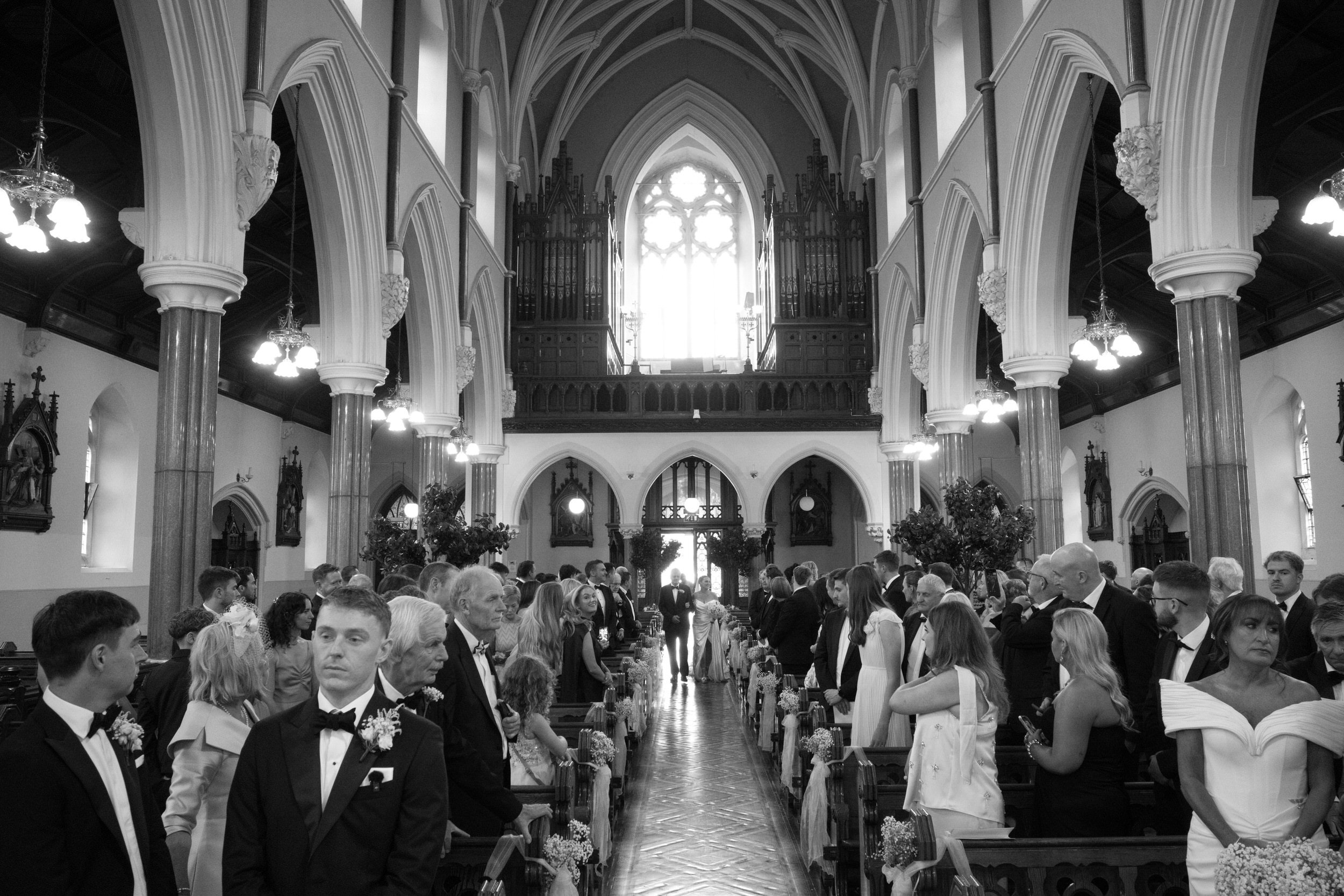
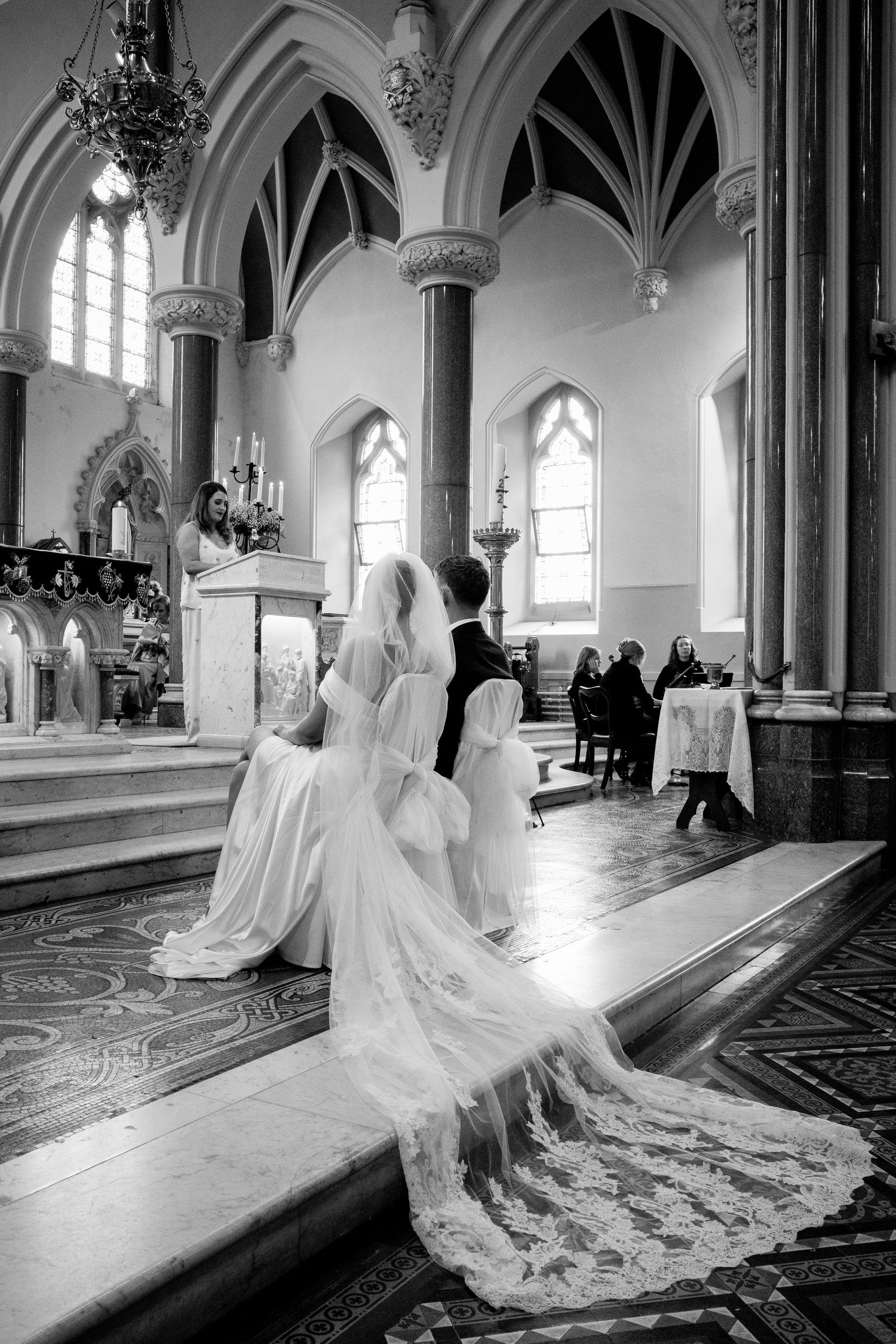
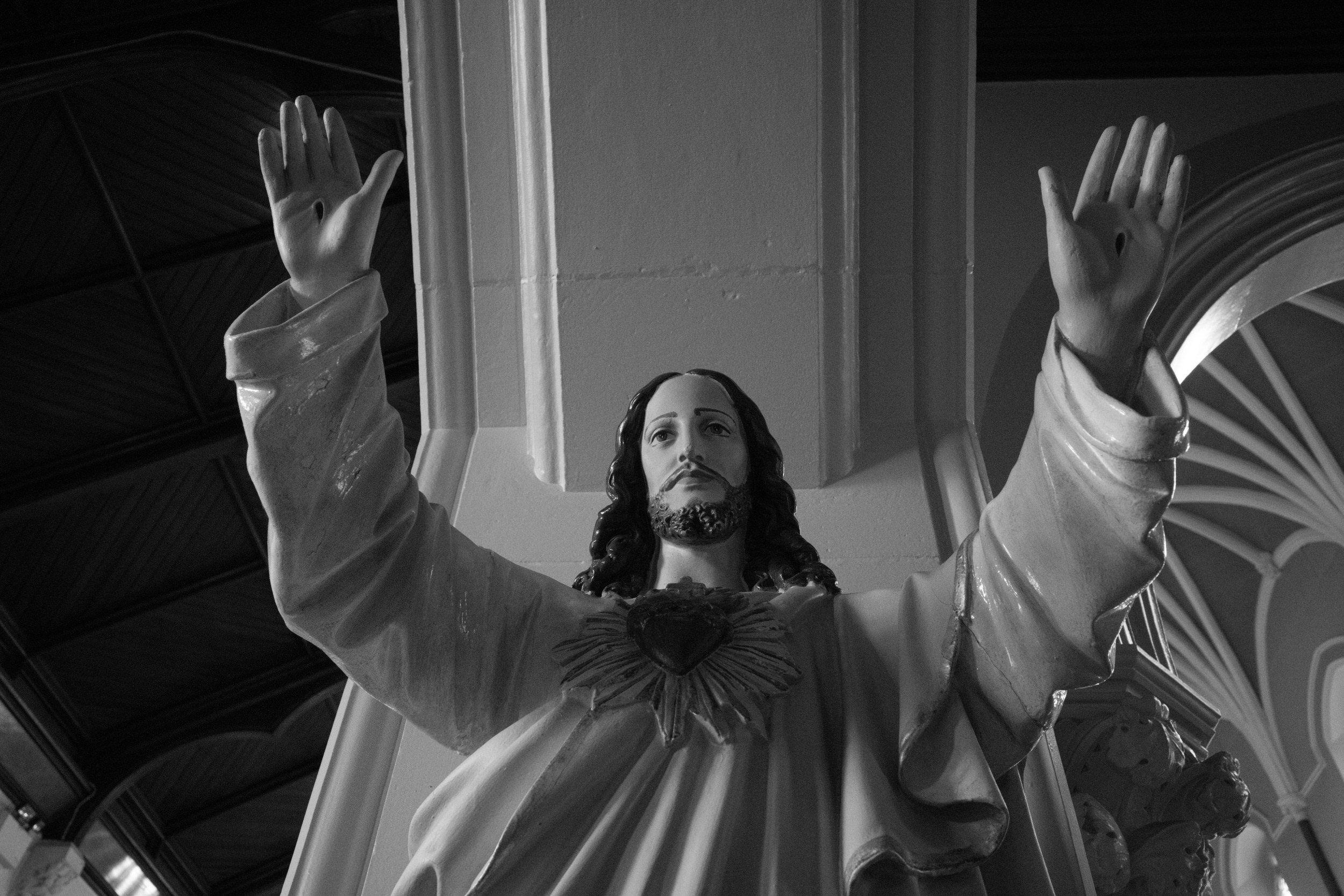
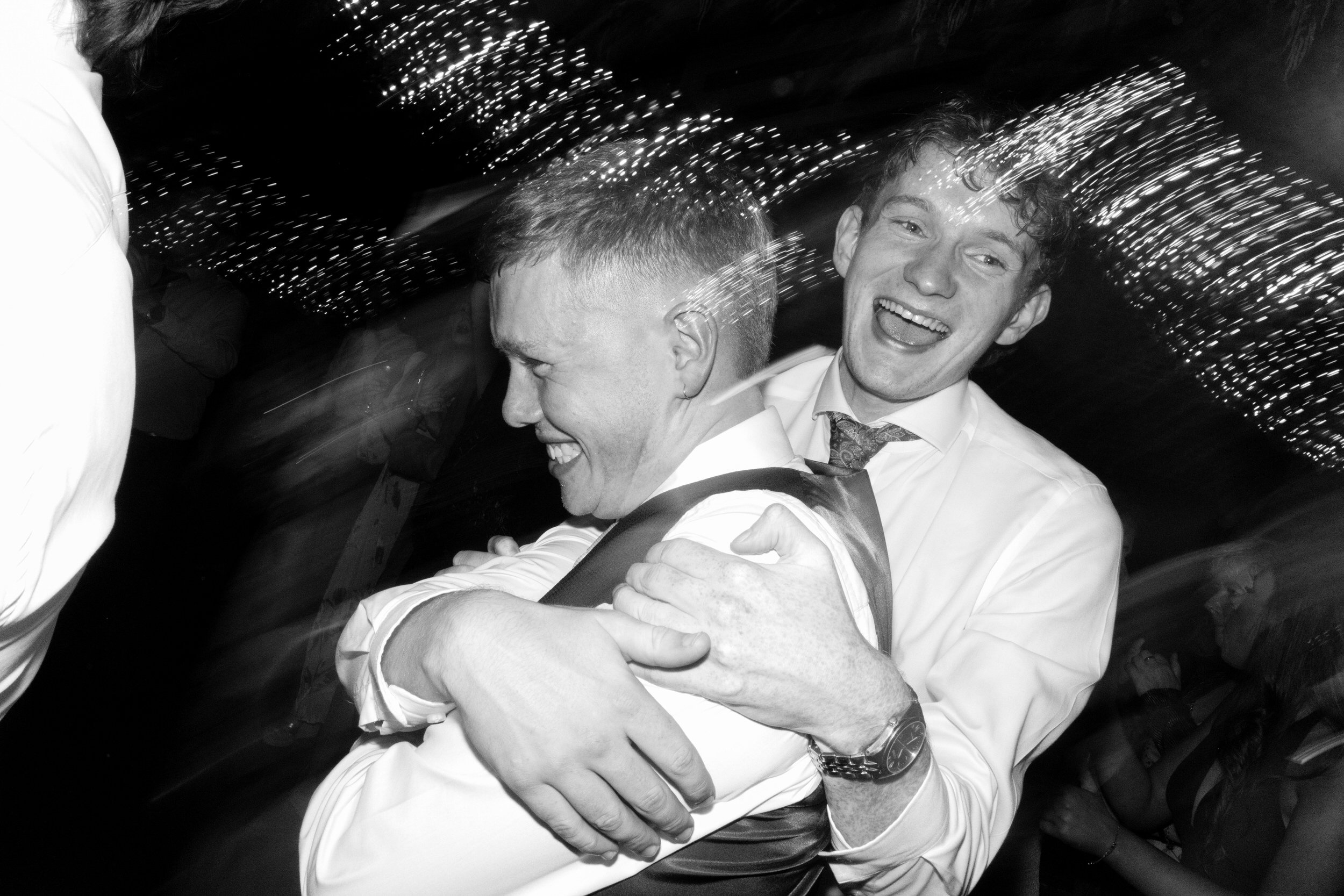
Around 6,000 photographs later, I’ve put together 100 examples from my time with it. There are photographs of my family, everyday bits and pieces, travel and weddings. It’s a fairly good reflection of where the camera has been, because I bring it everywhere.
That has become my favourite thing about it. It’s small enough to come along without much thought, and I’ve taken photographs in places where I wouldn’t normally have brought a camera.
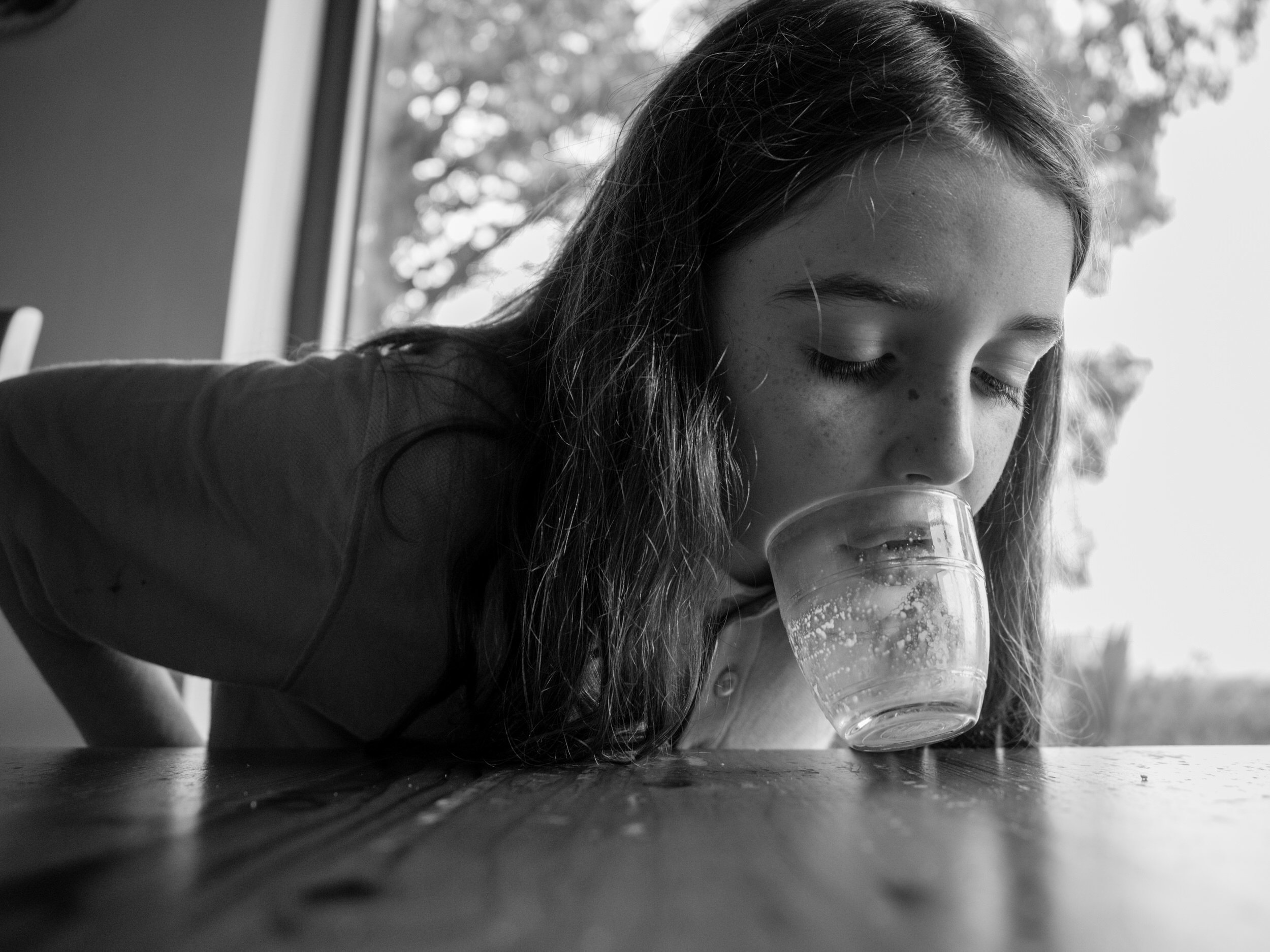
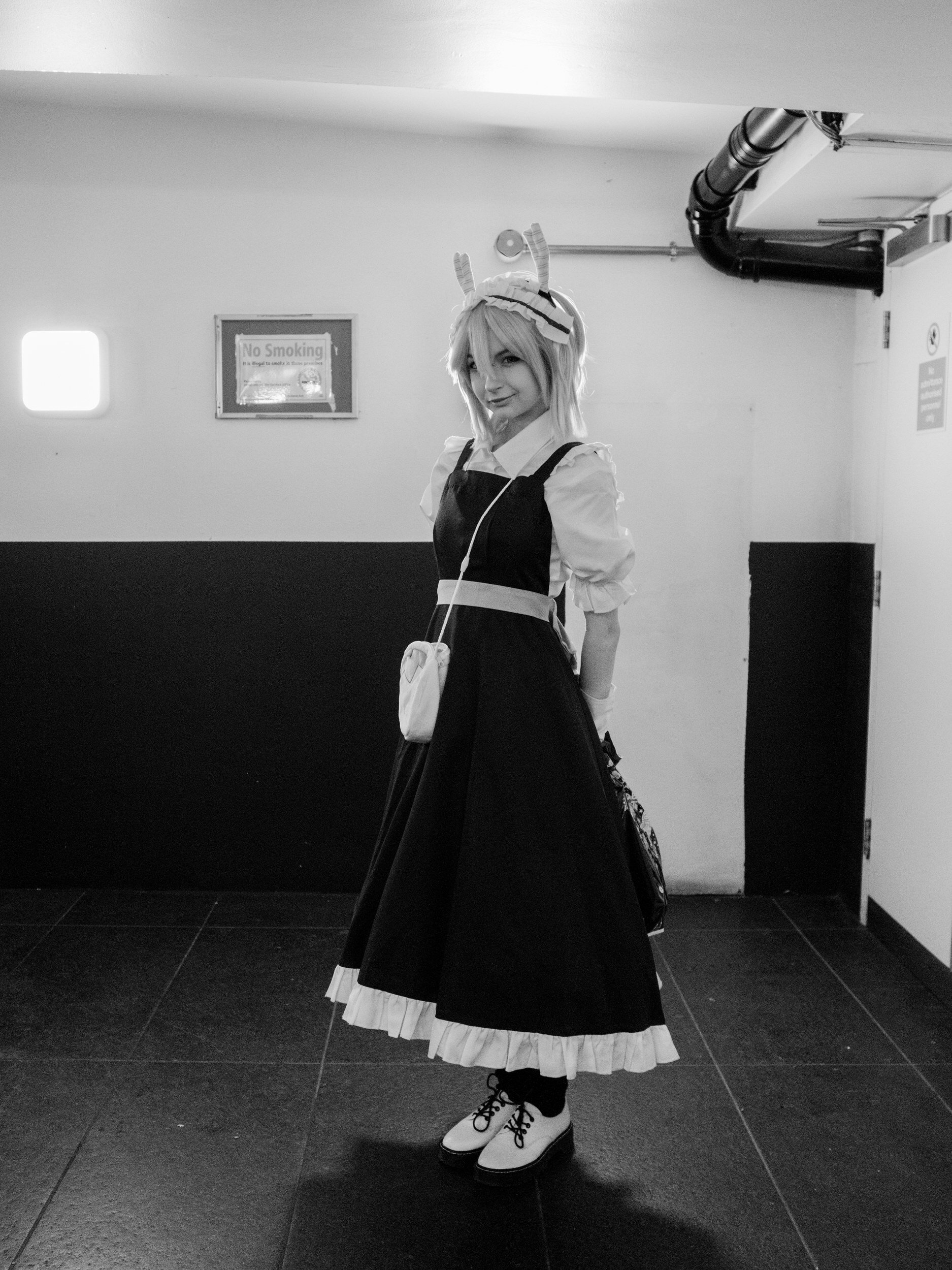
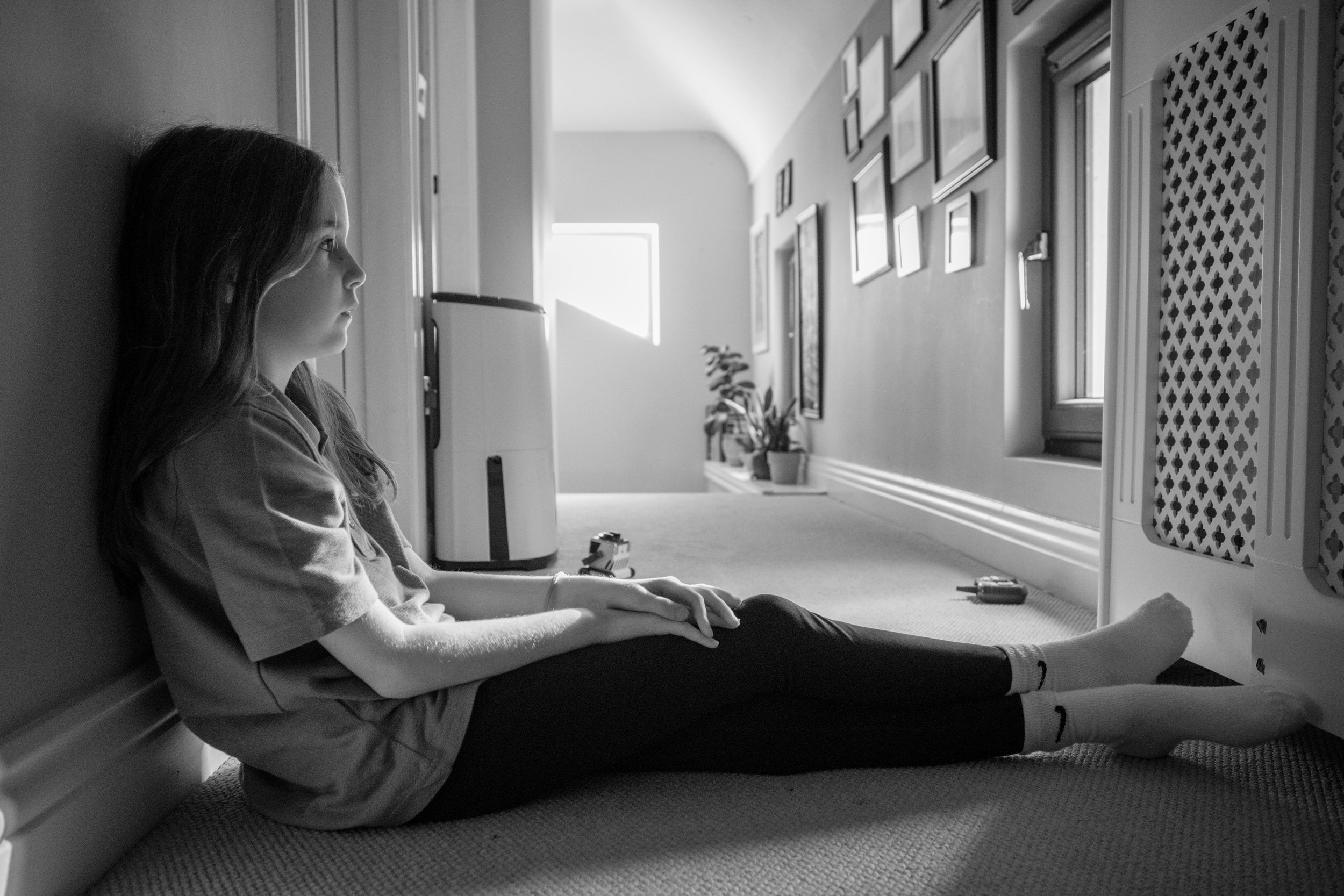
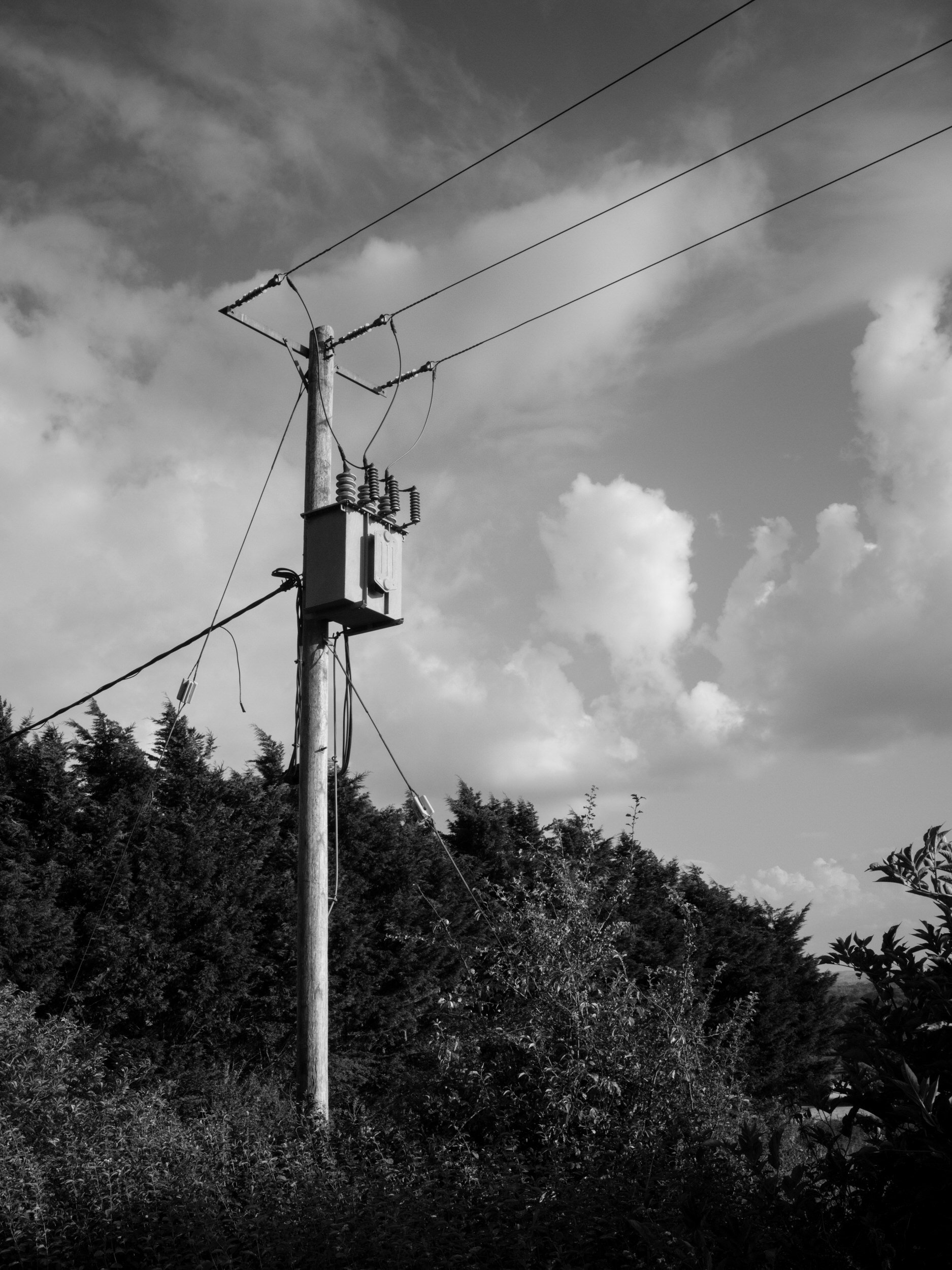
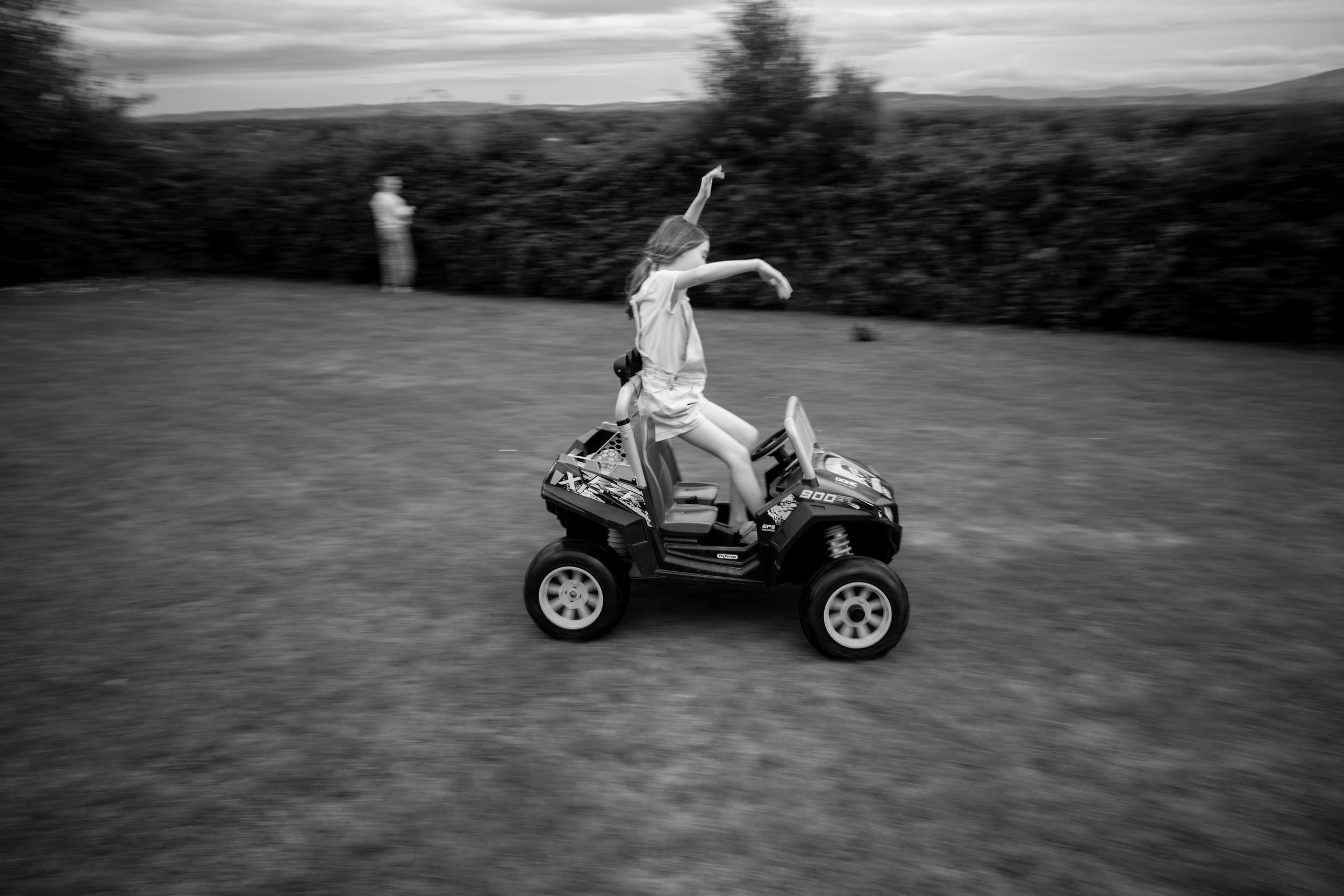
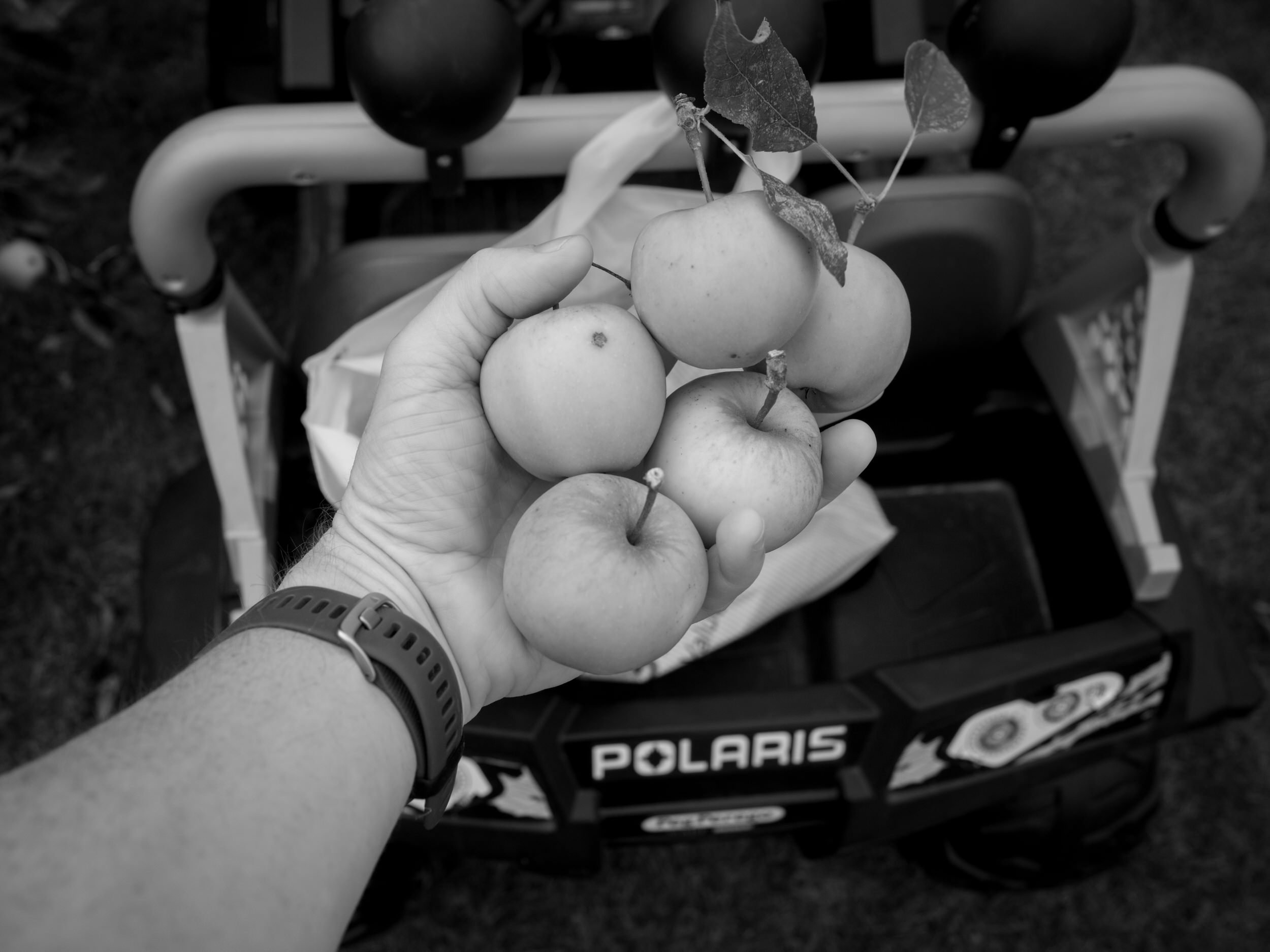
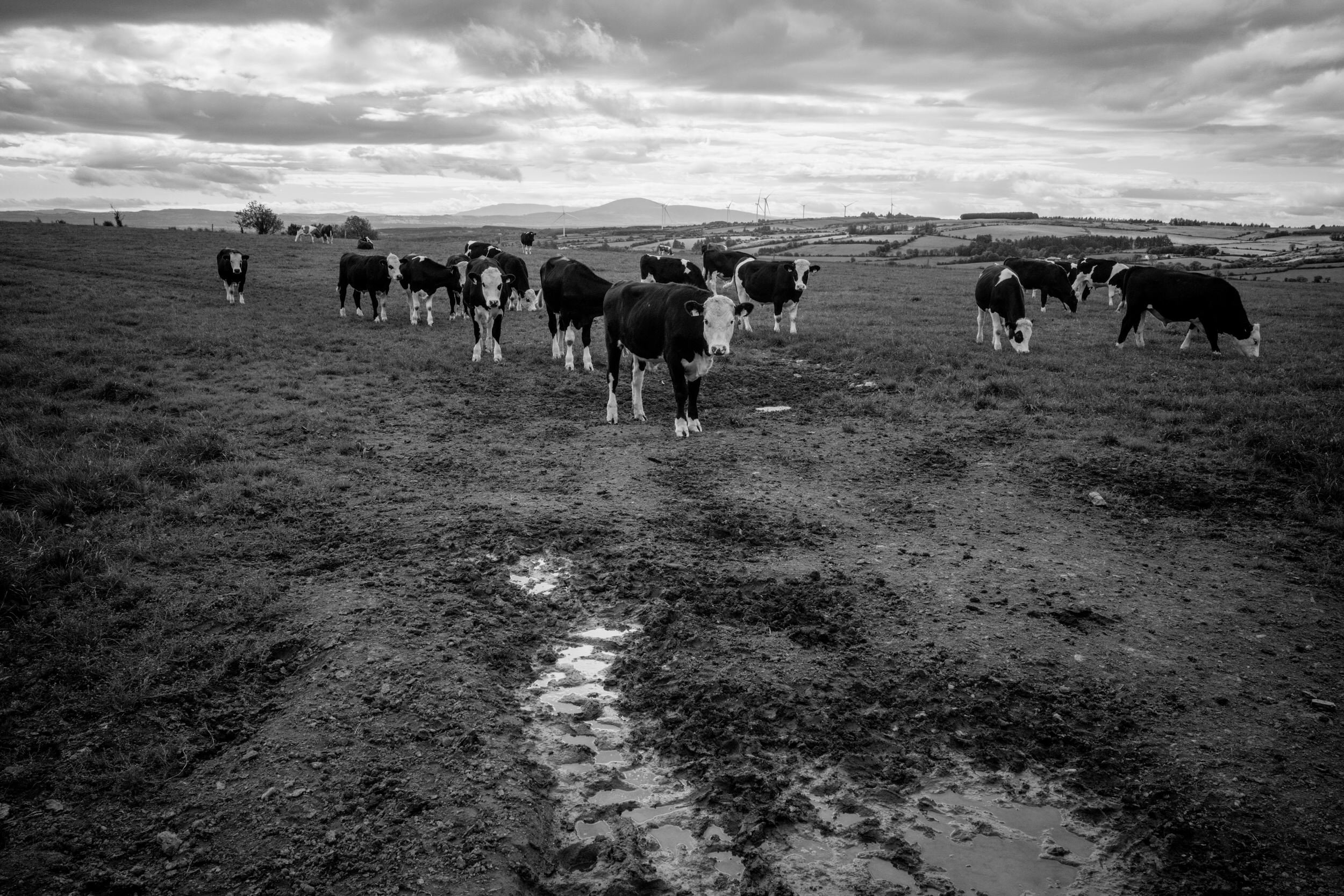
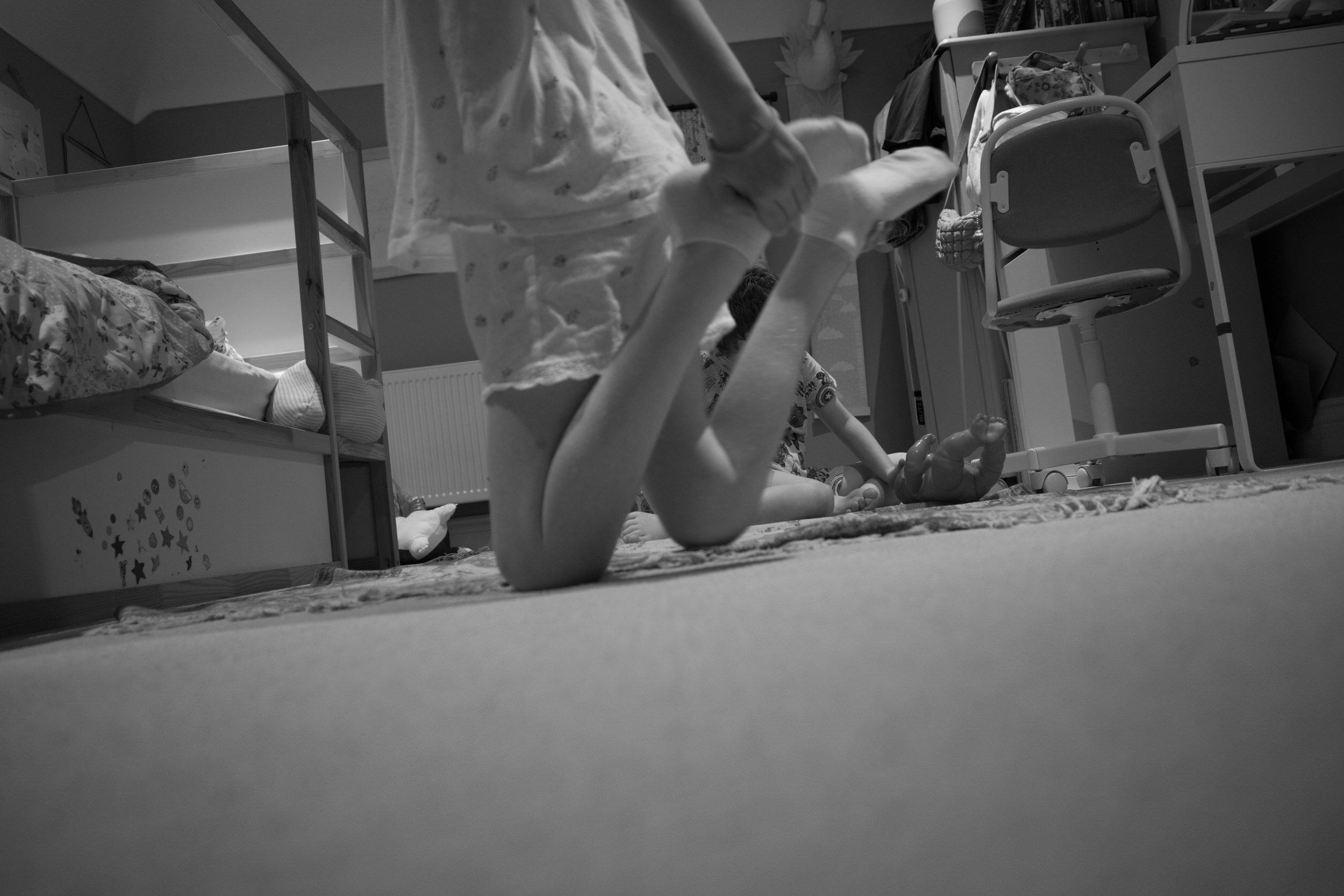
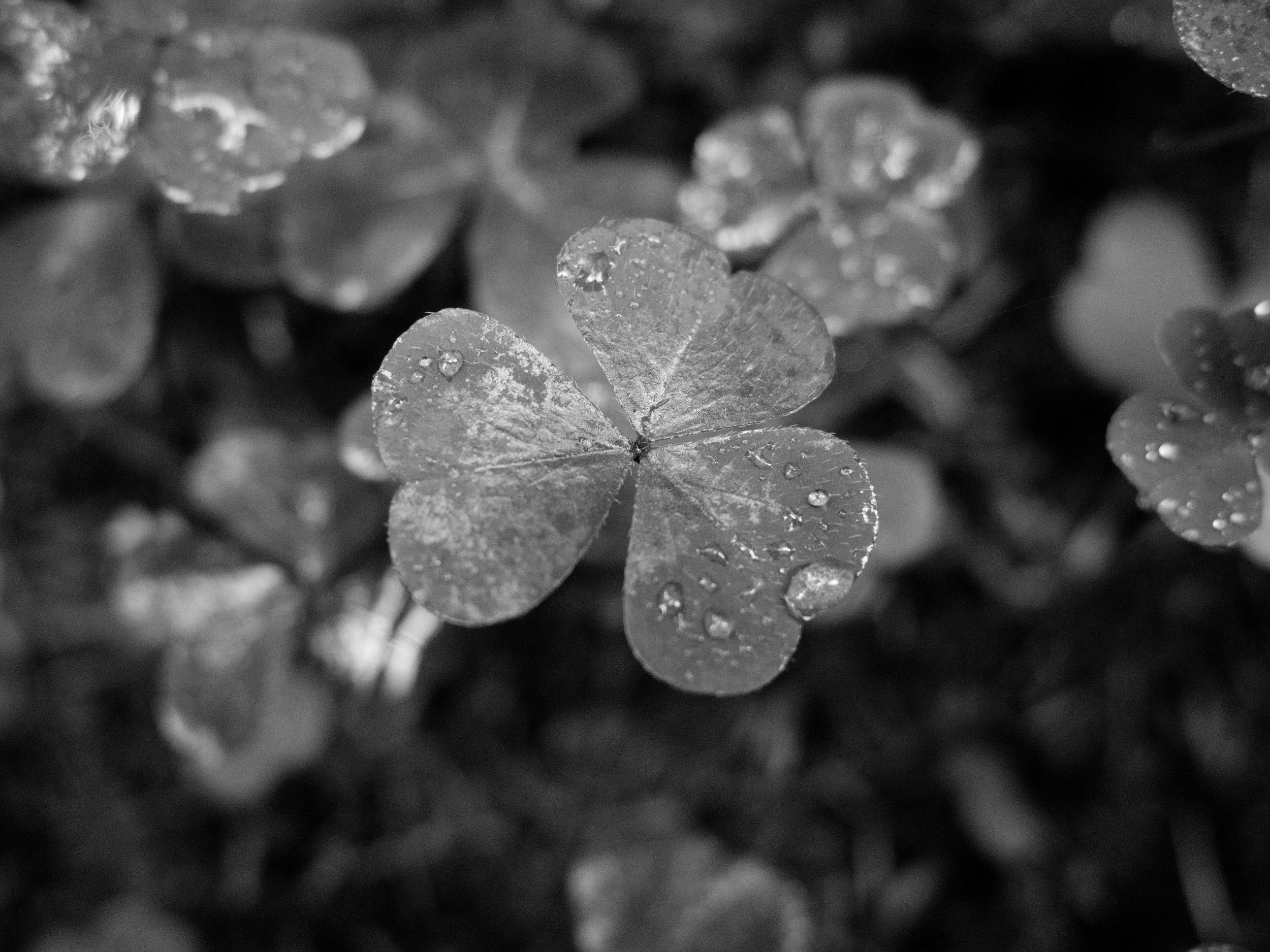
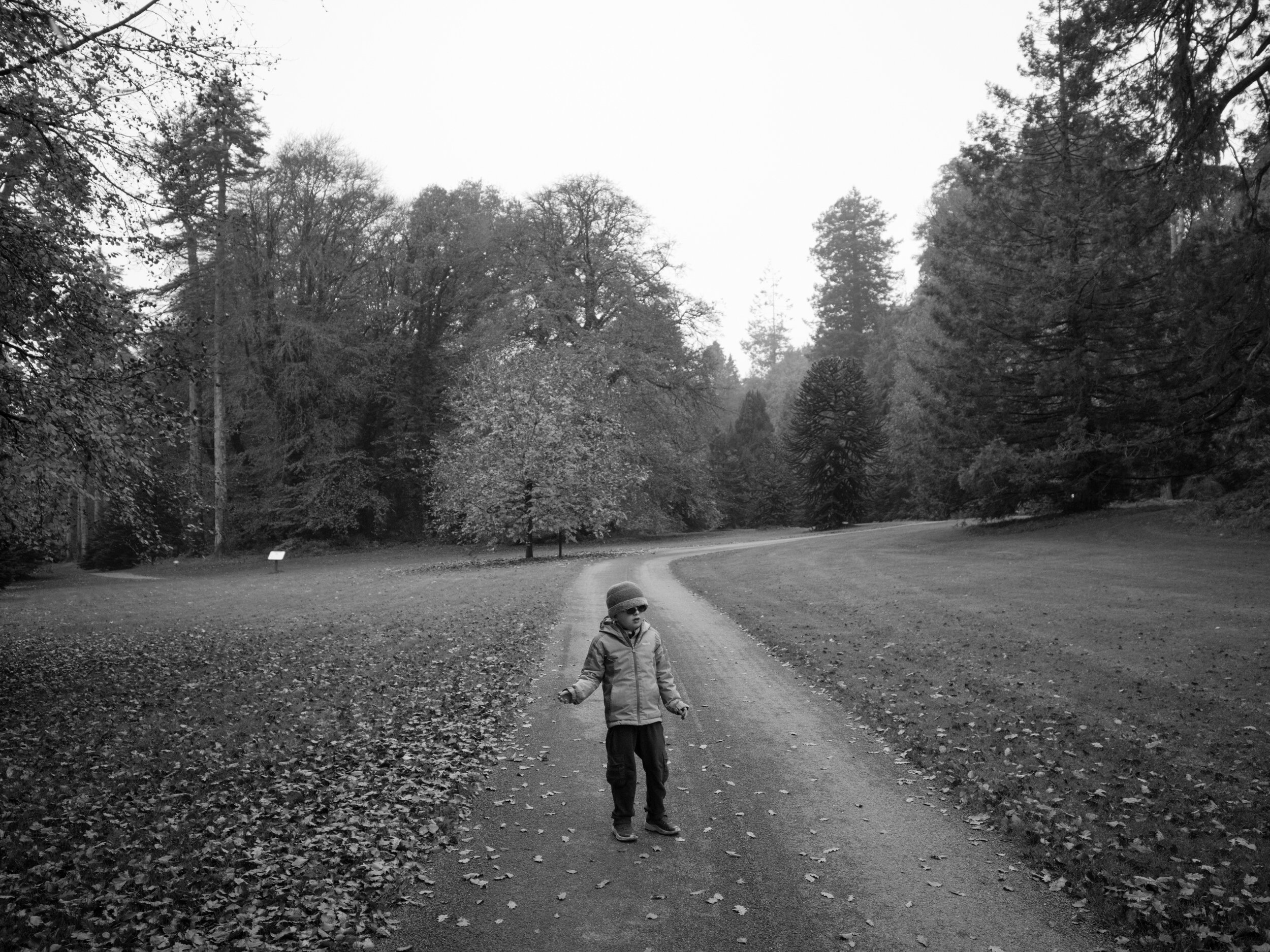
f/2.8 · 1/160 s · ISO 1,600
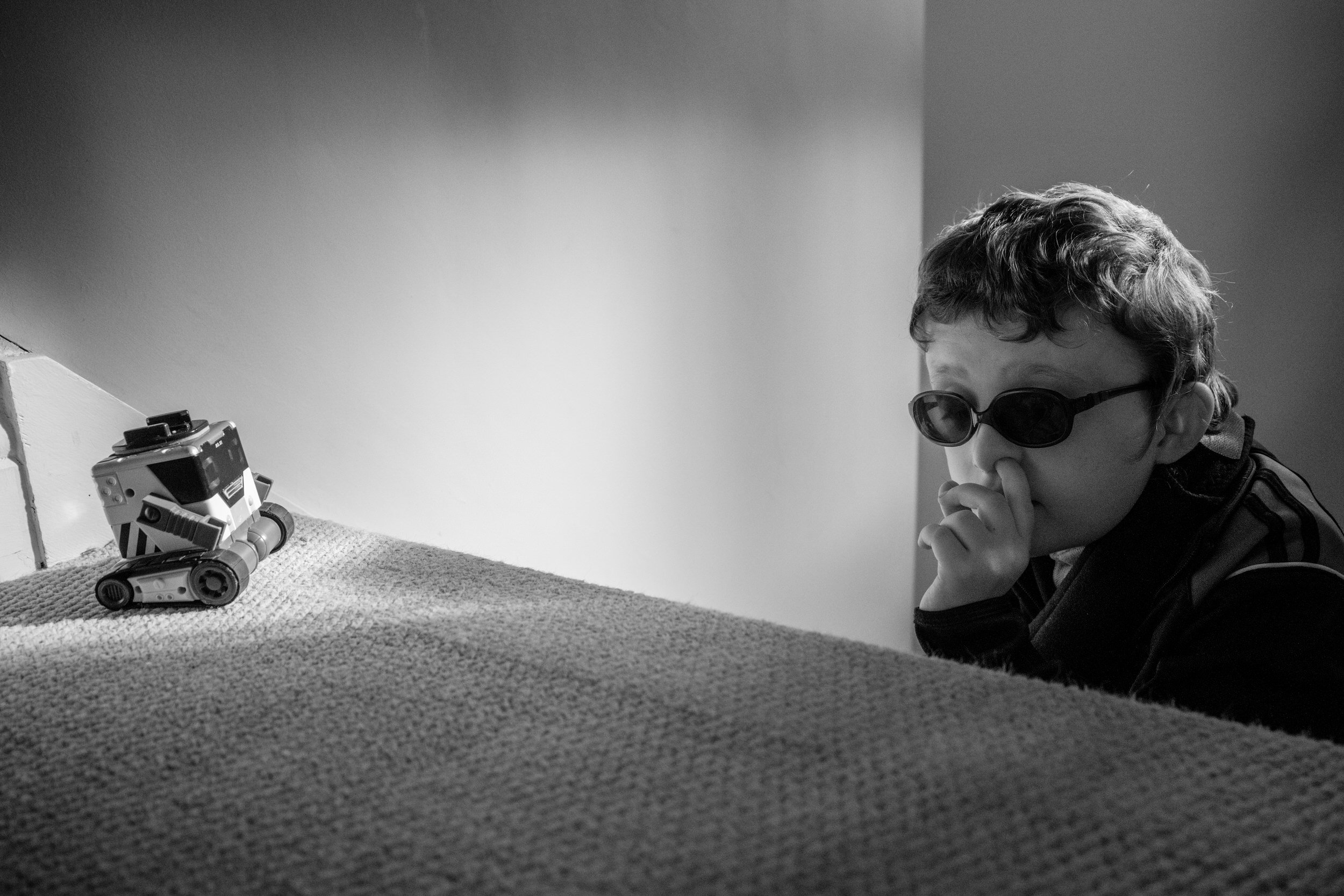
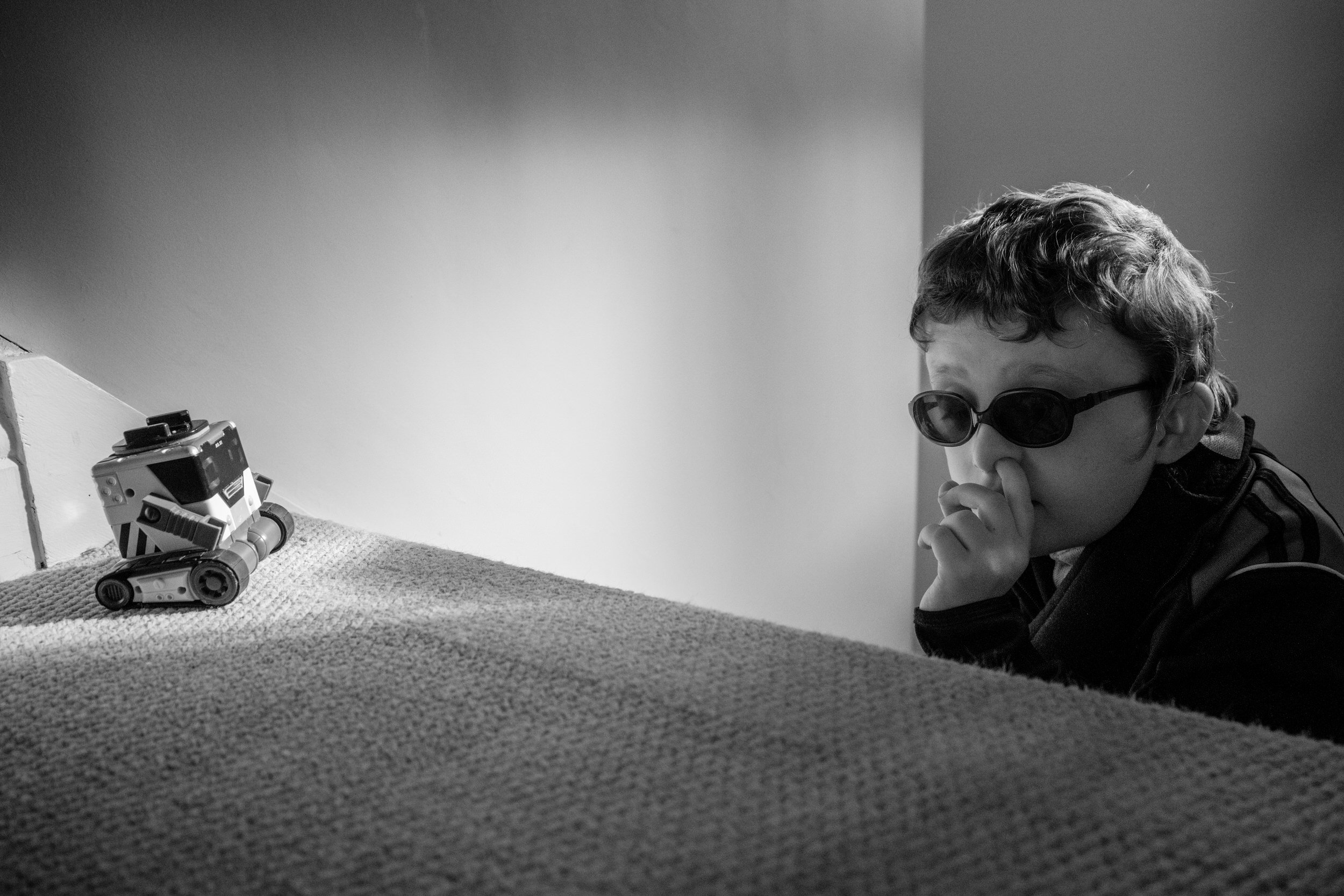
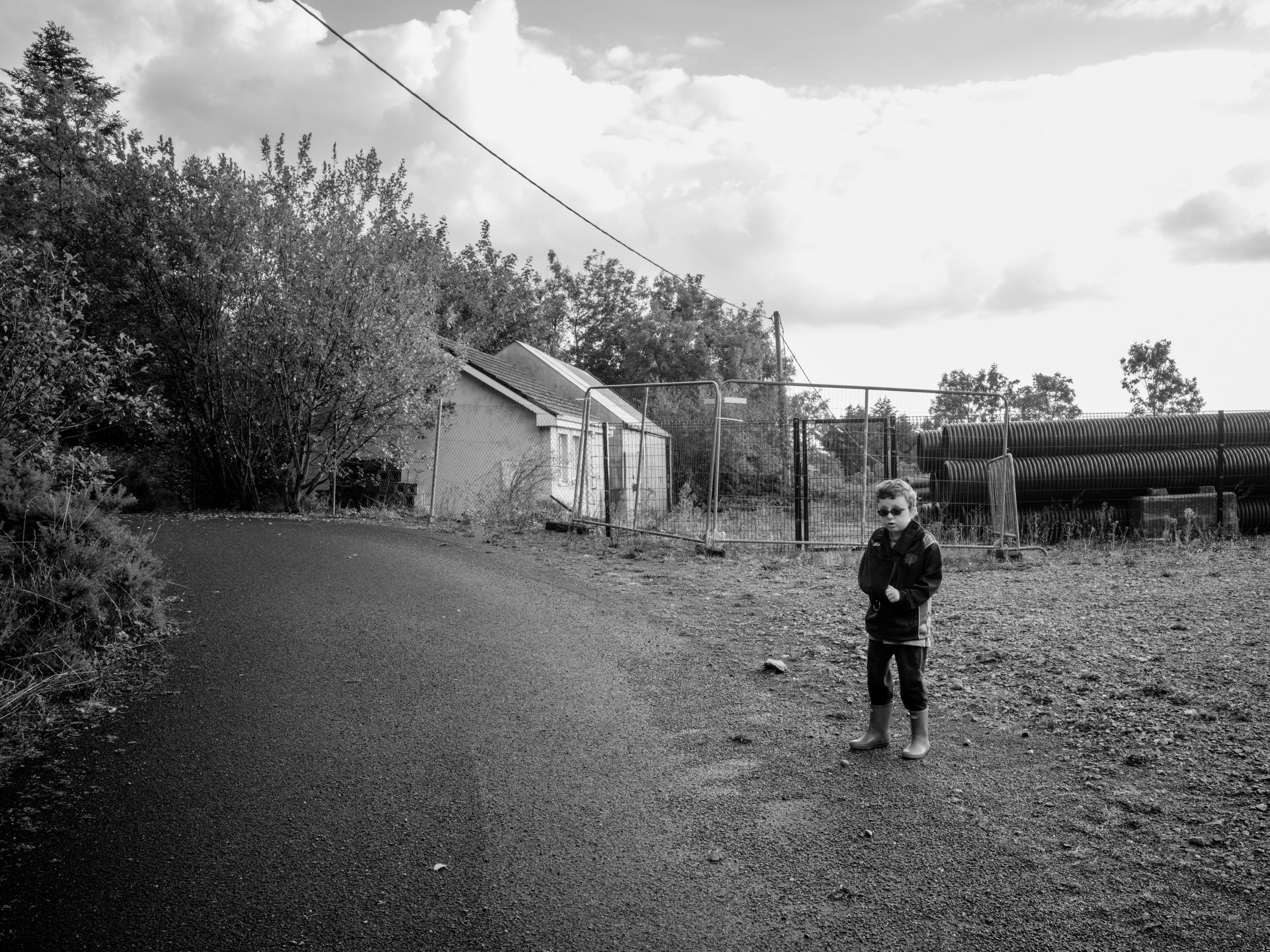
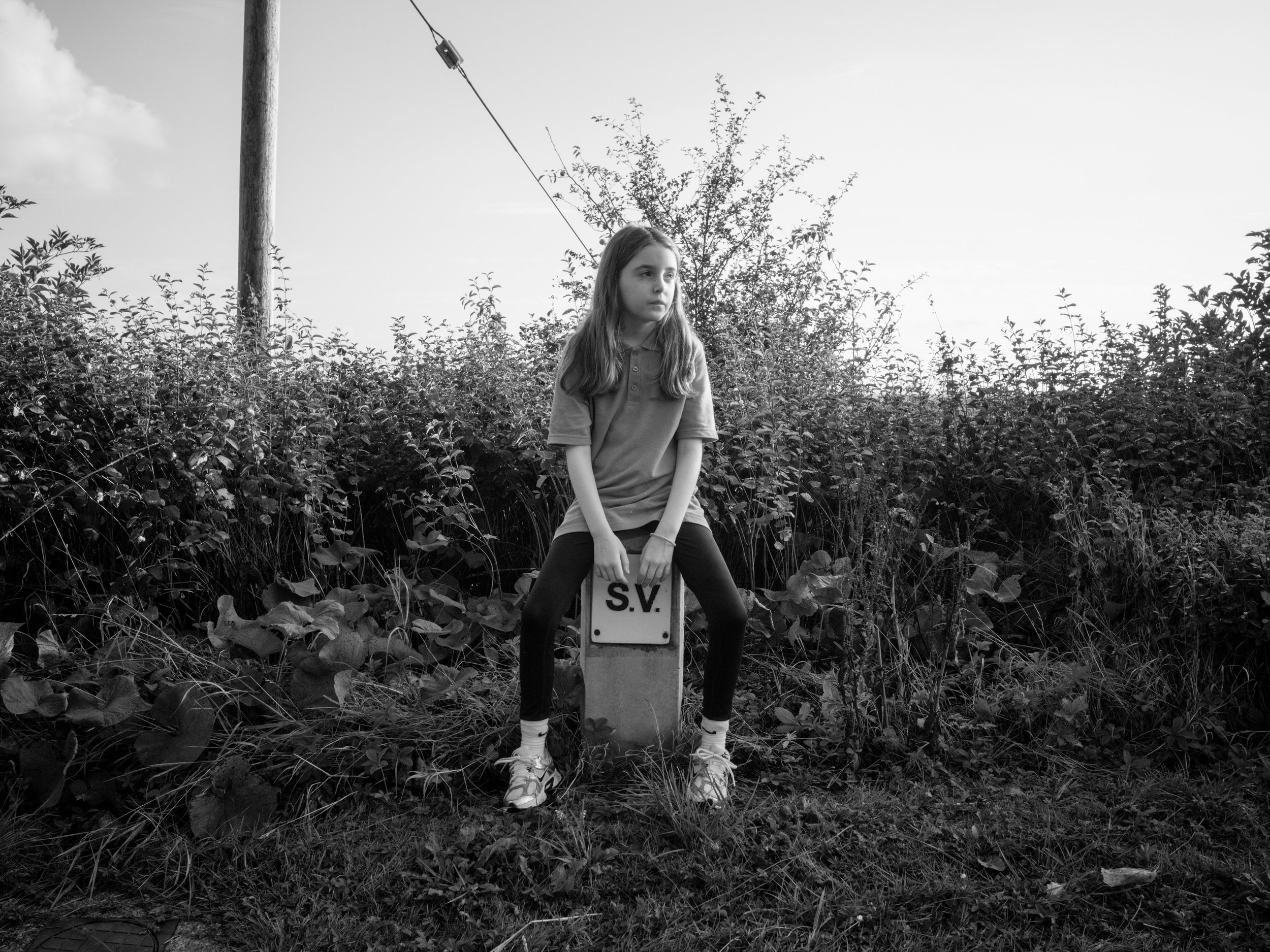
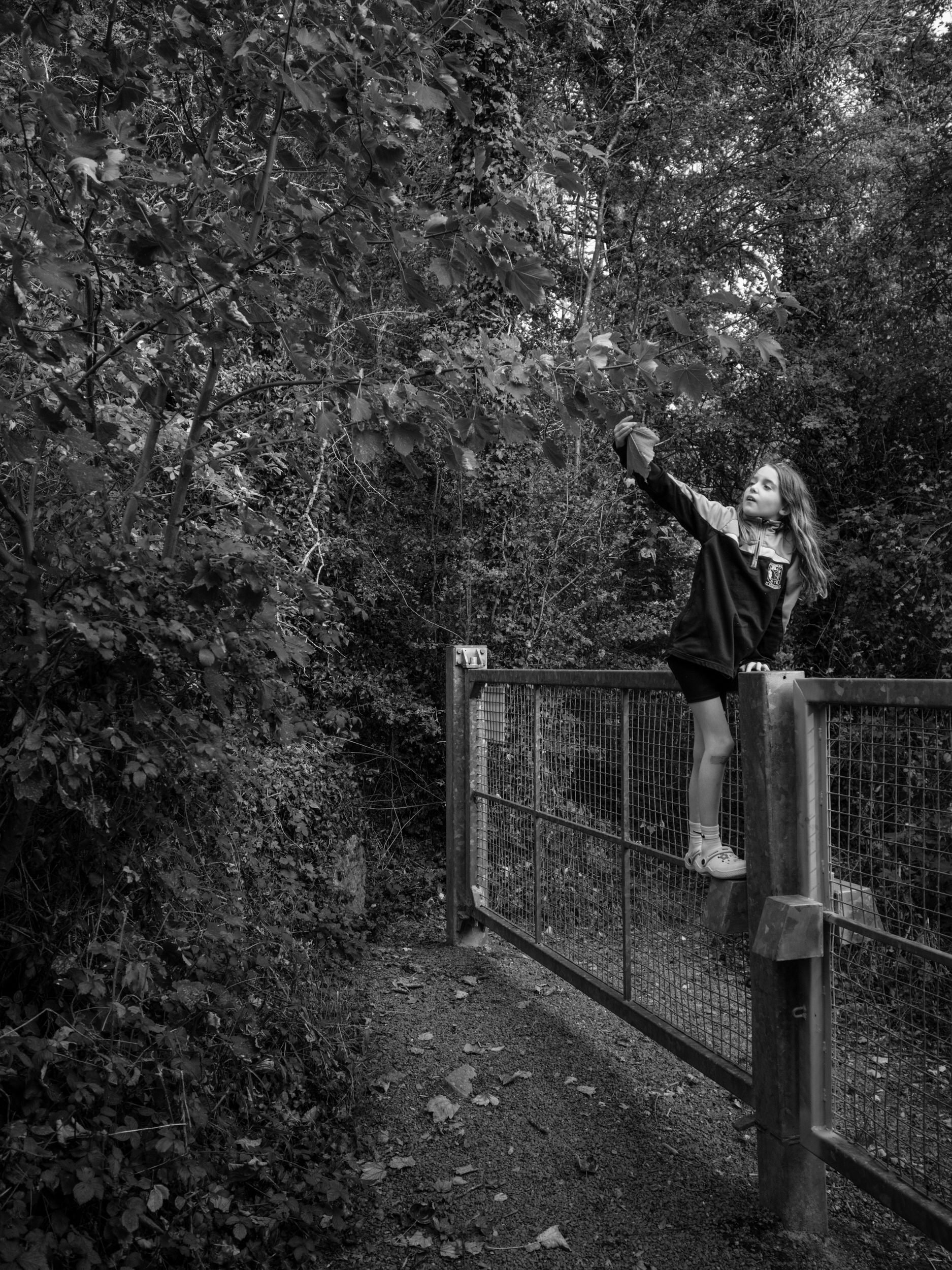
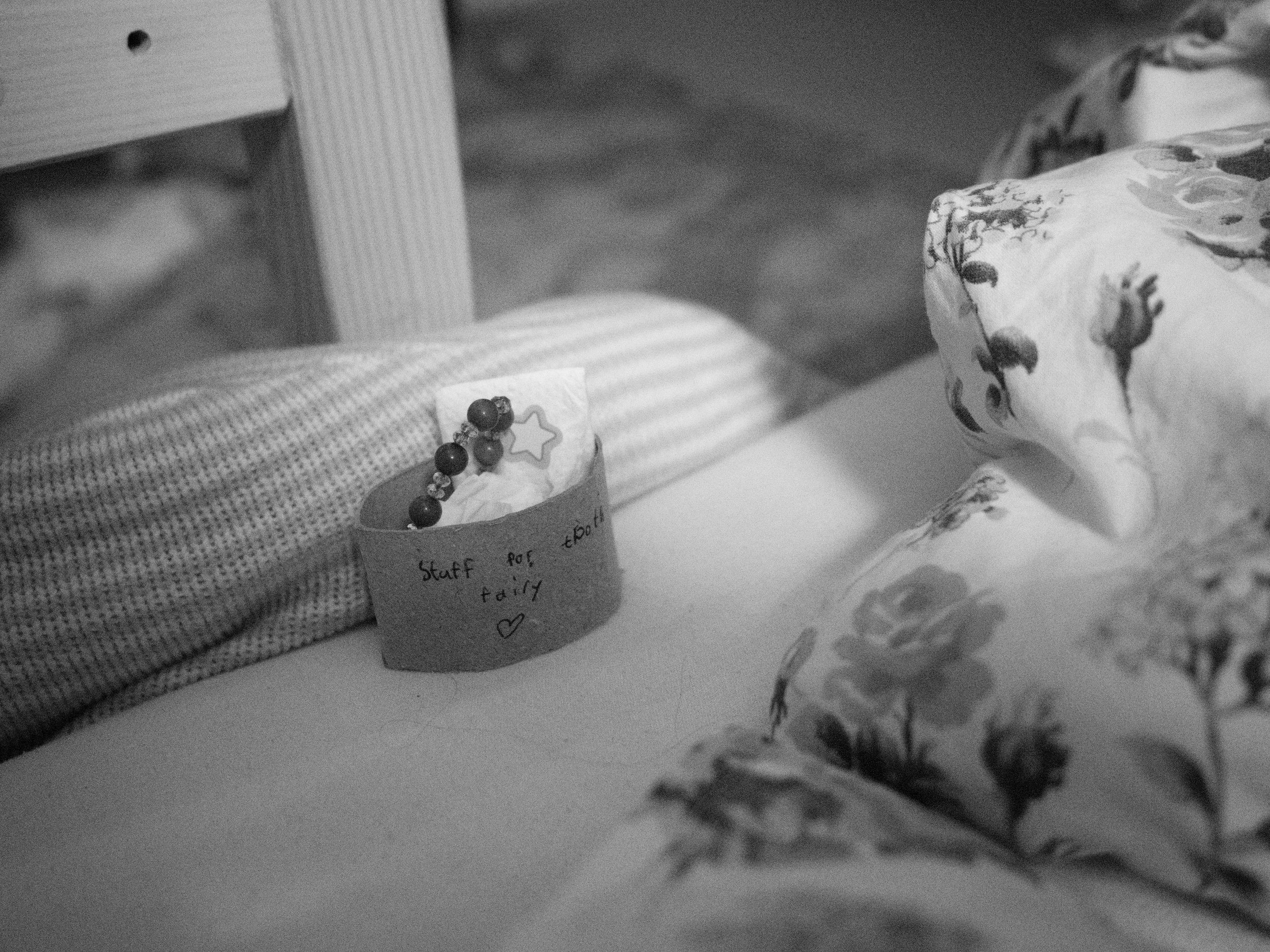
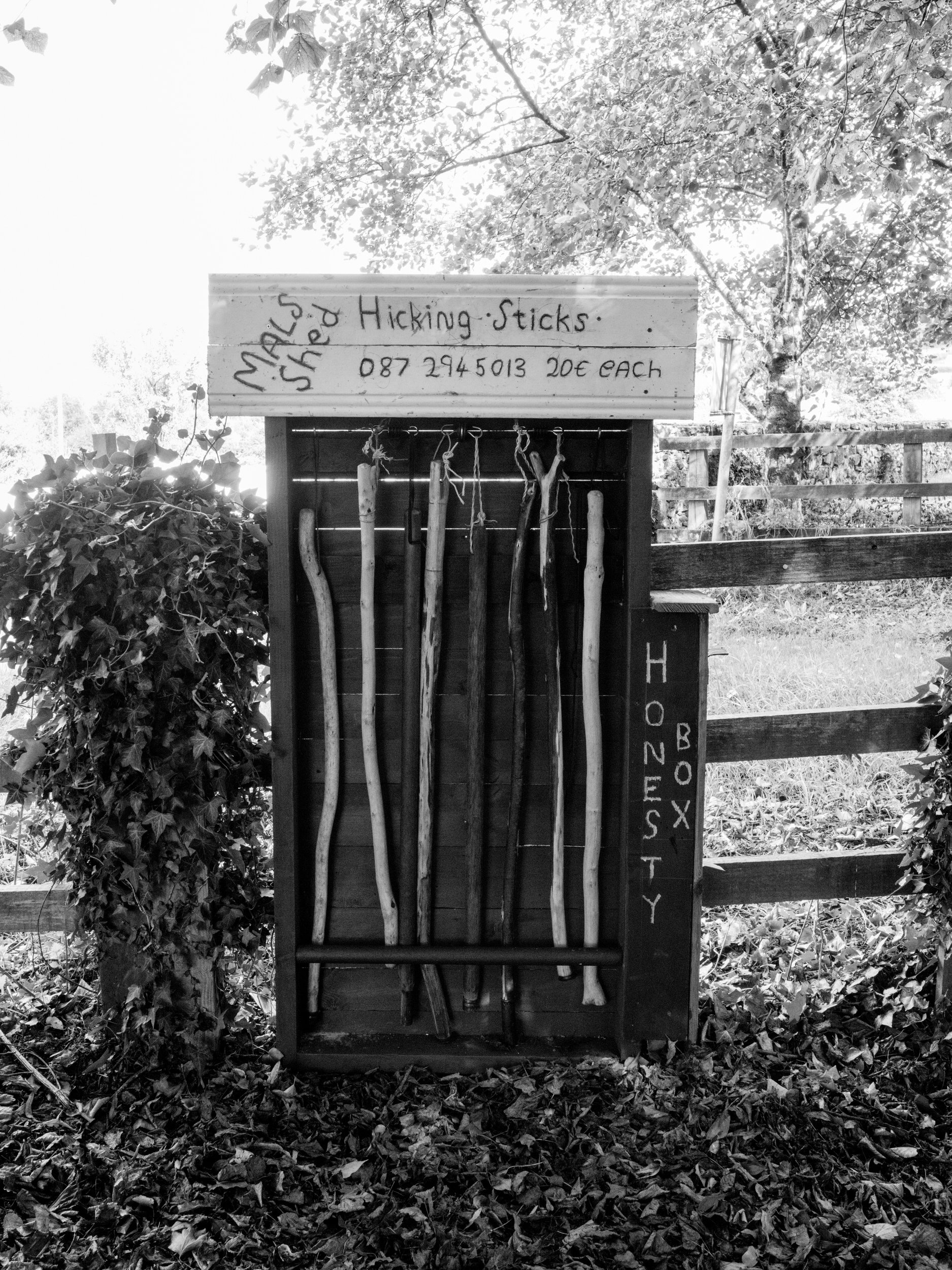
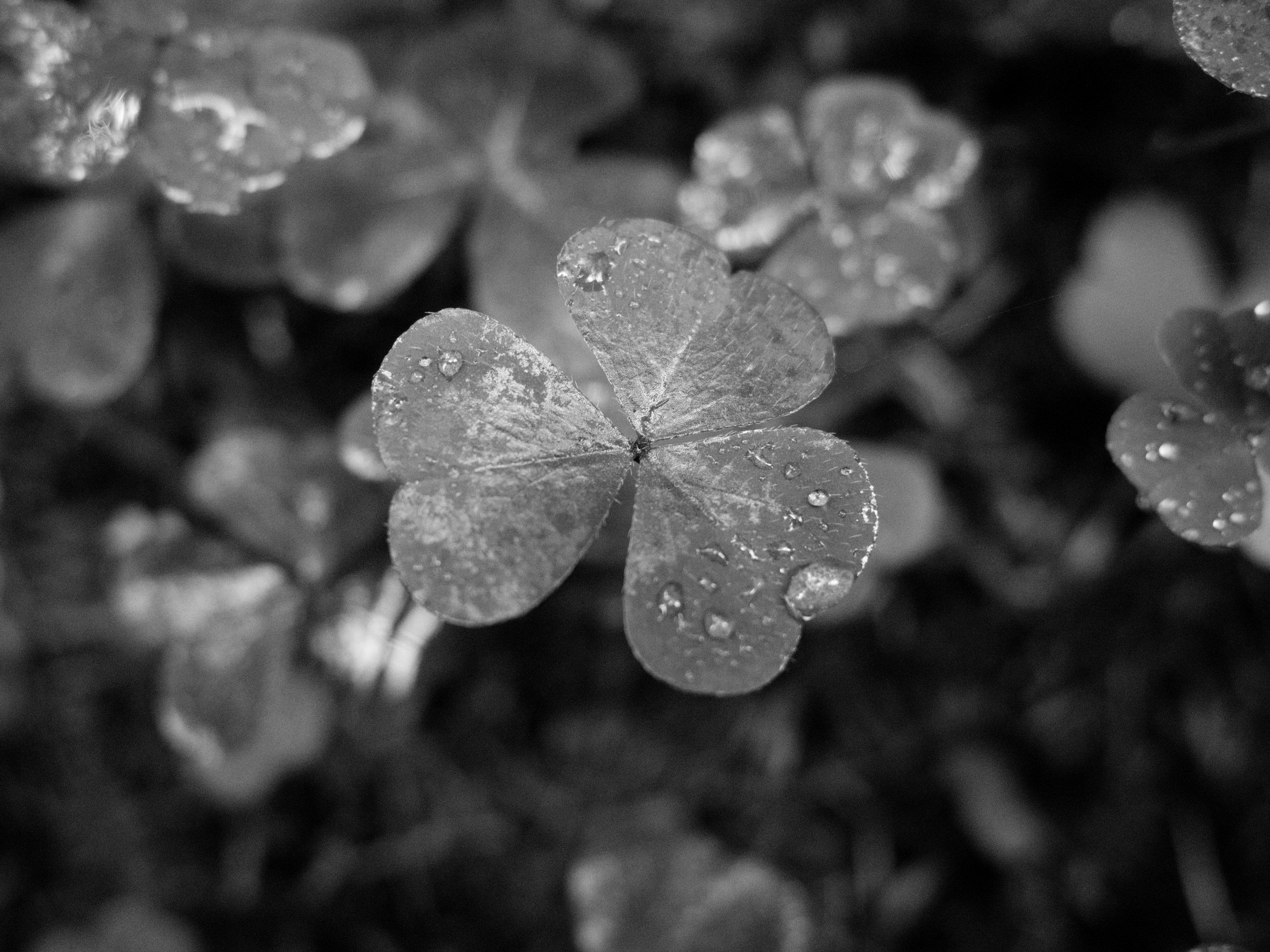
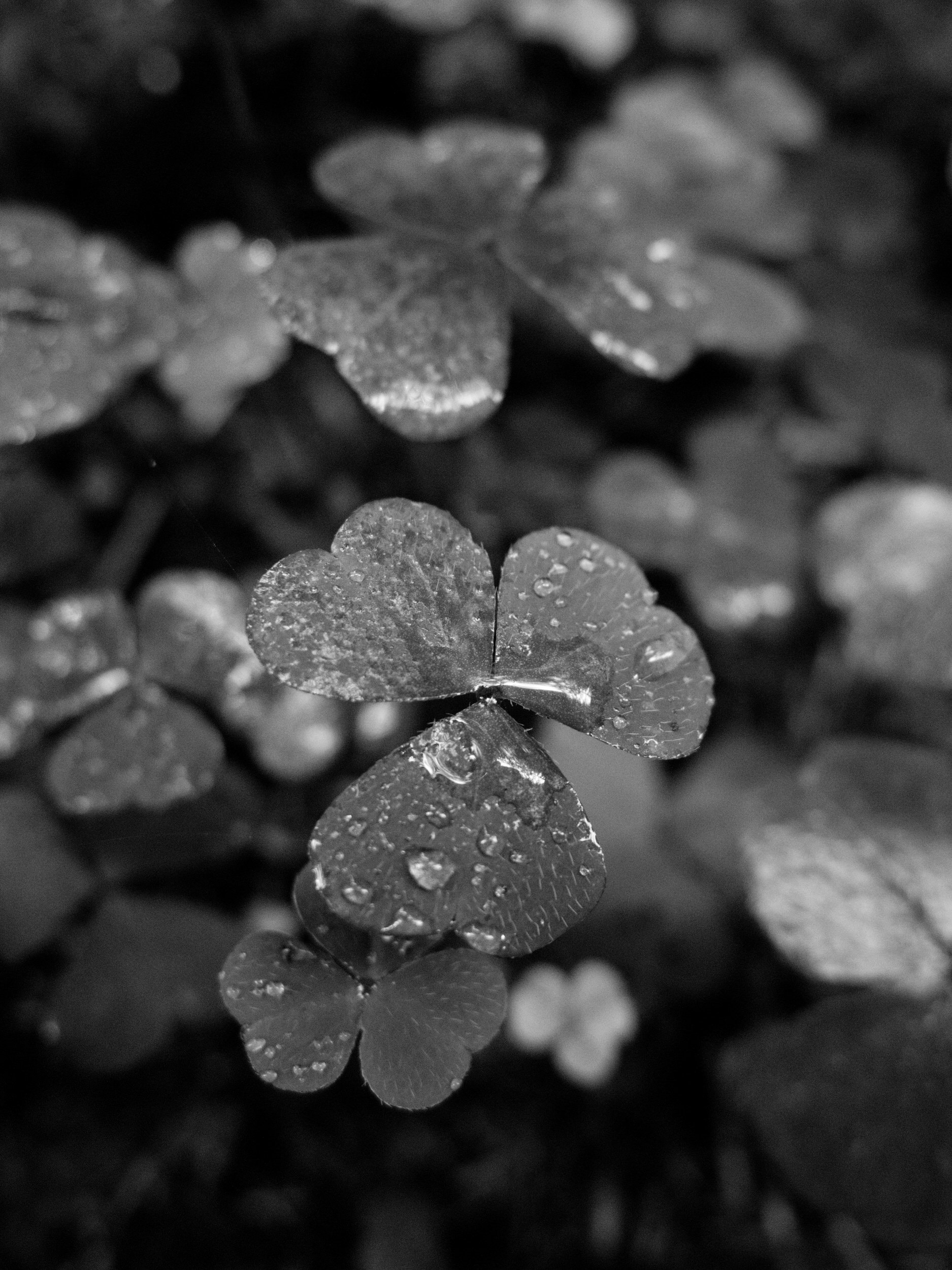
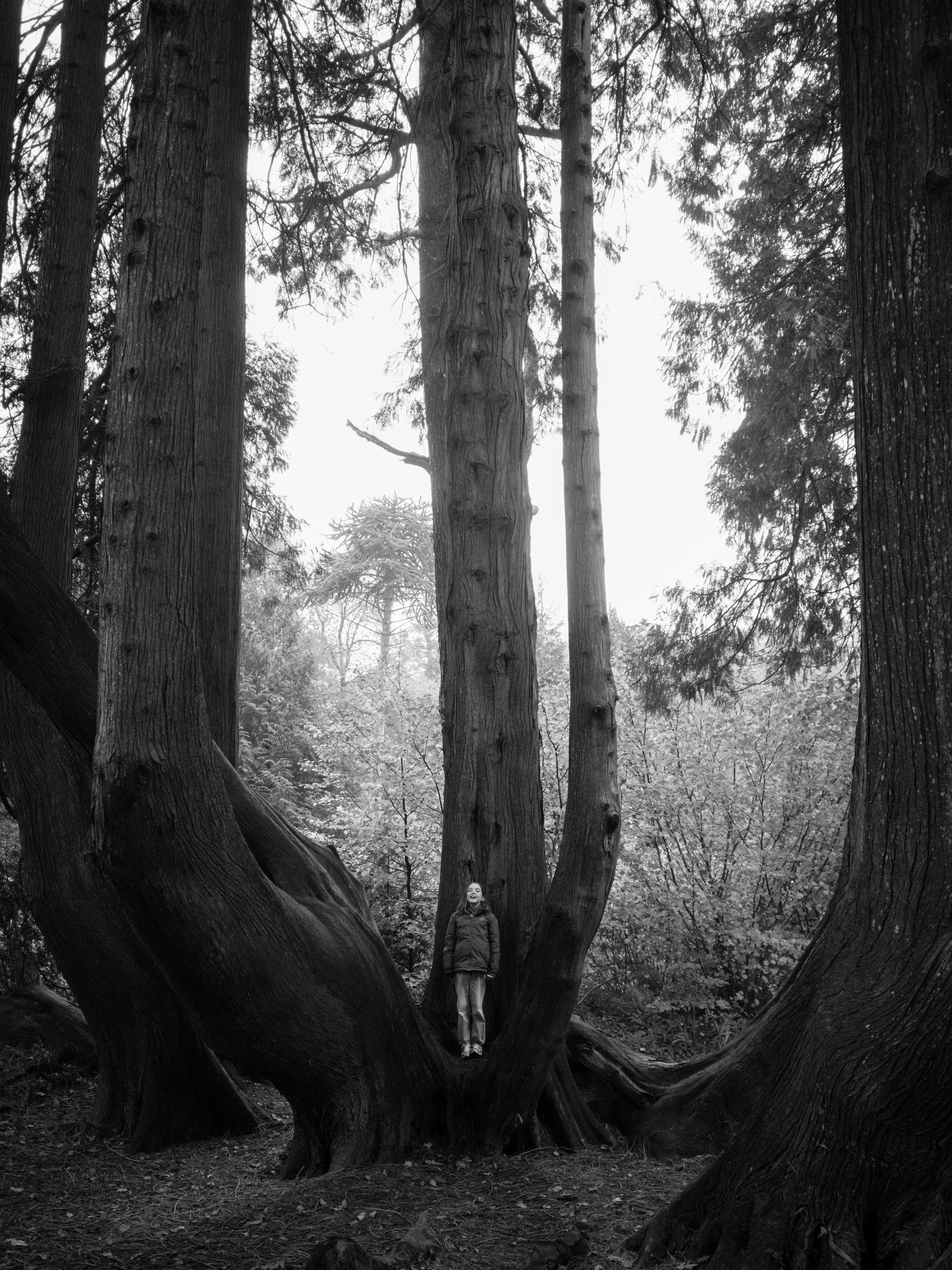
f/2.8 · 1/125 s · ISO 2,500
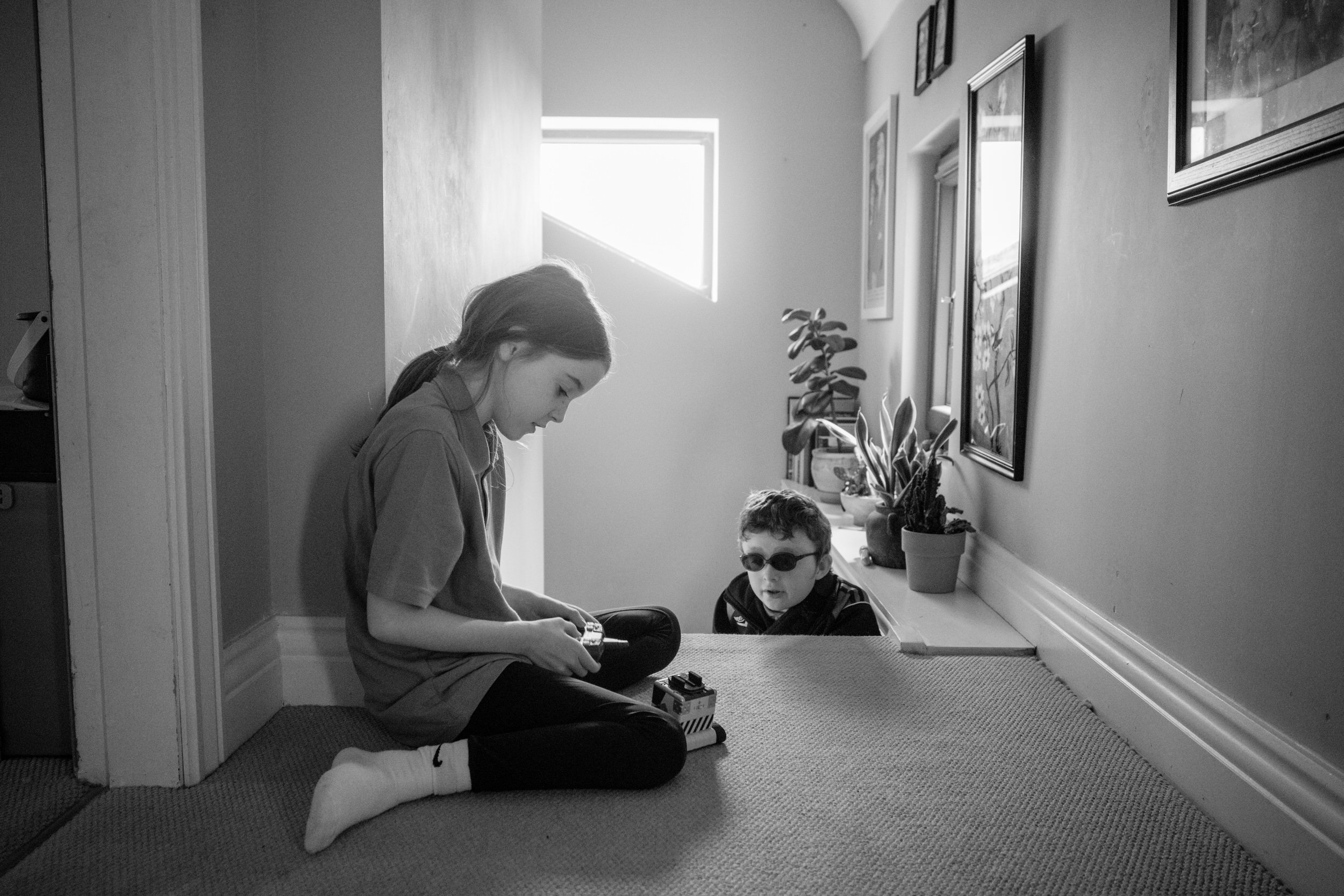
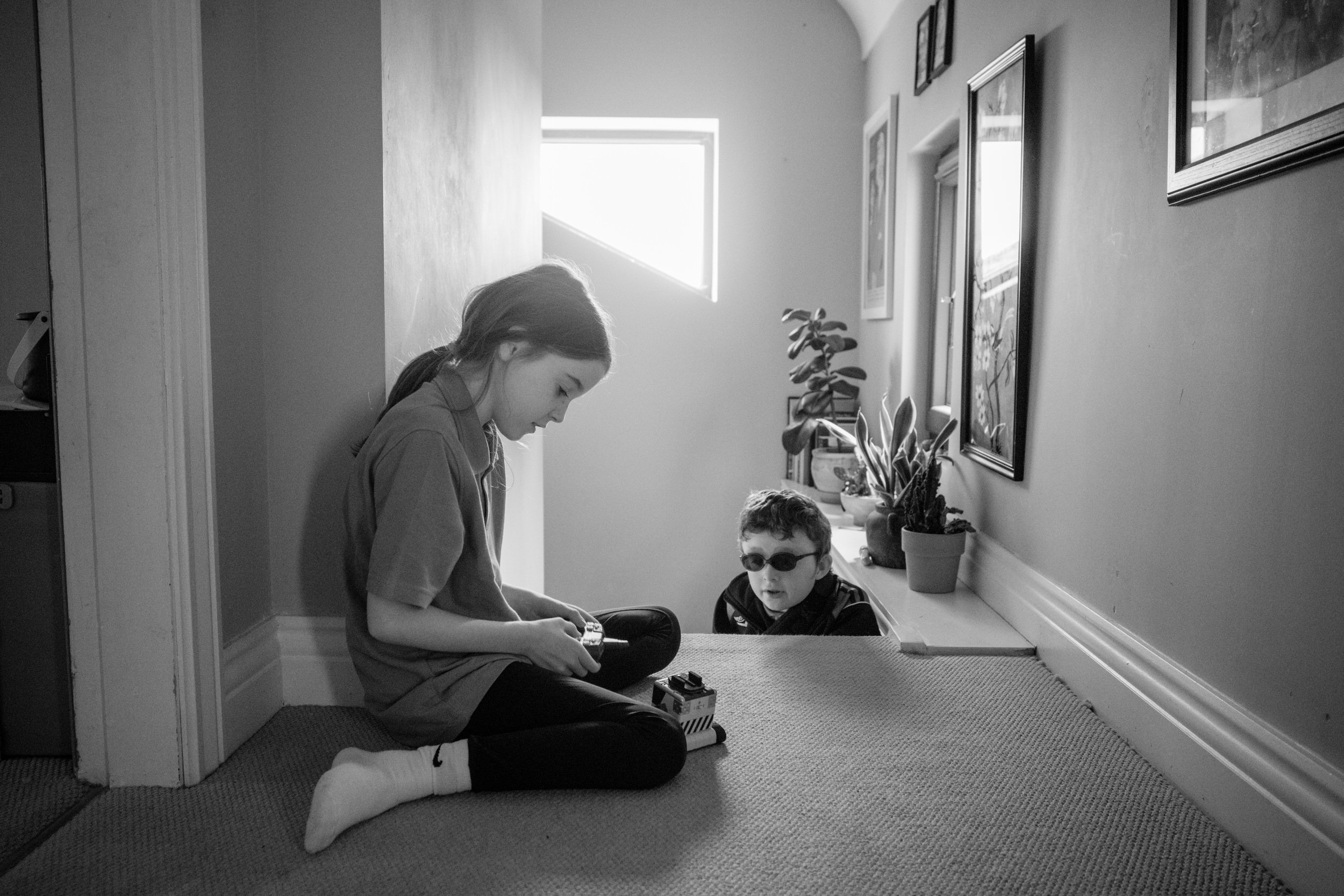
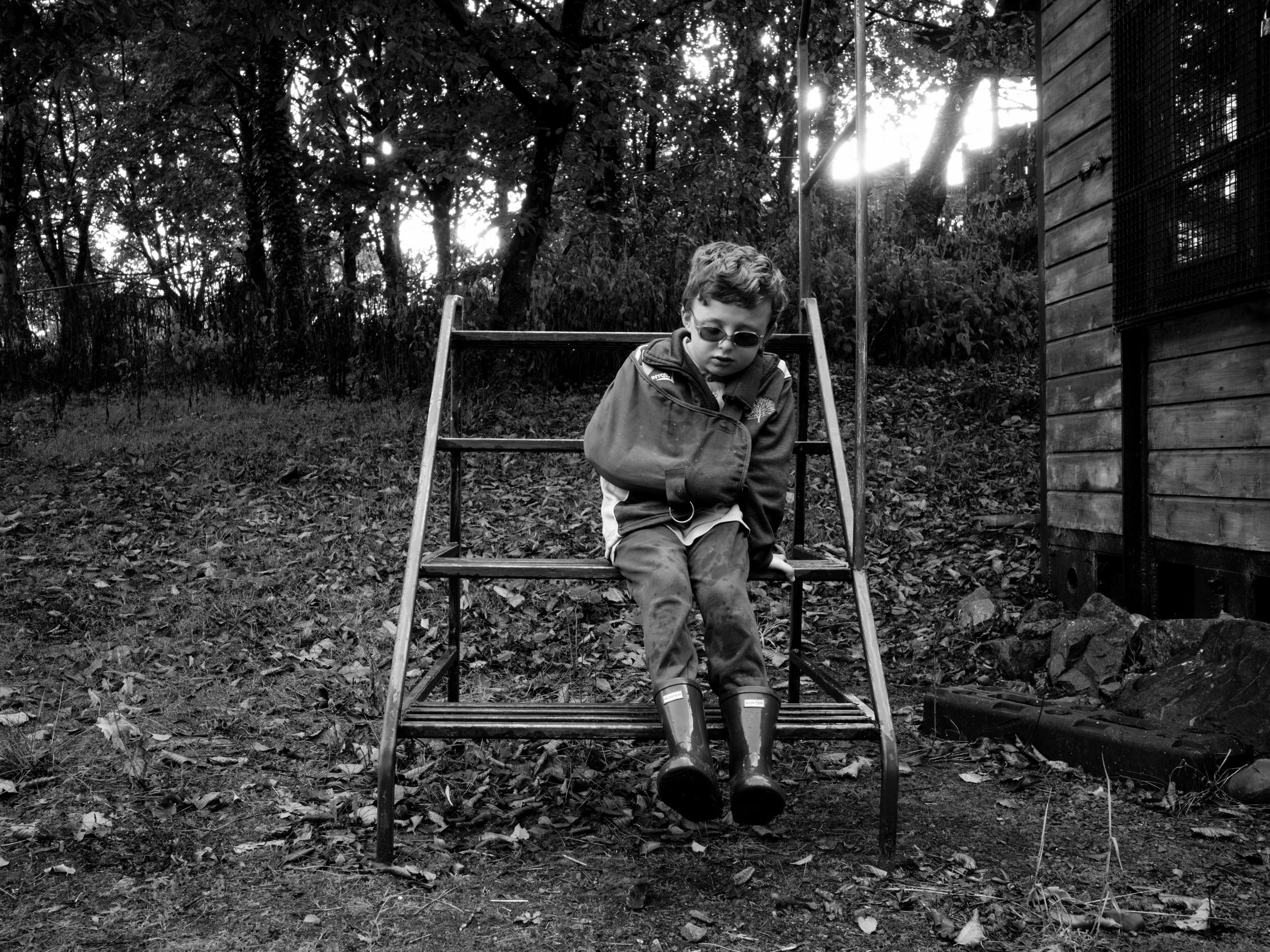
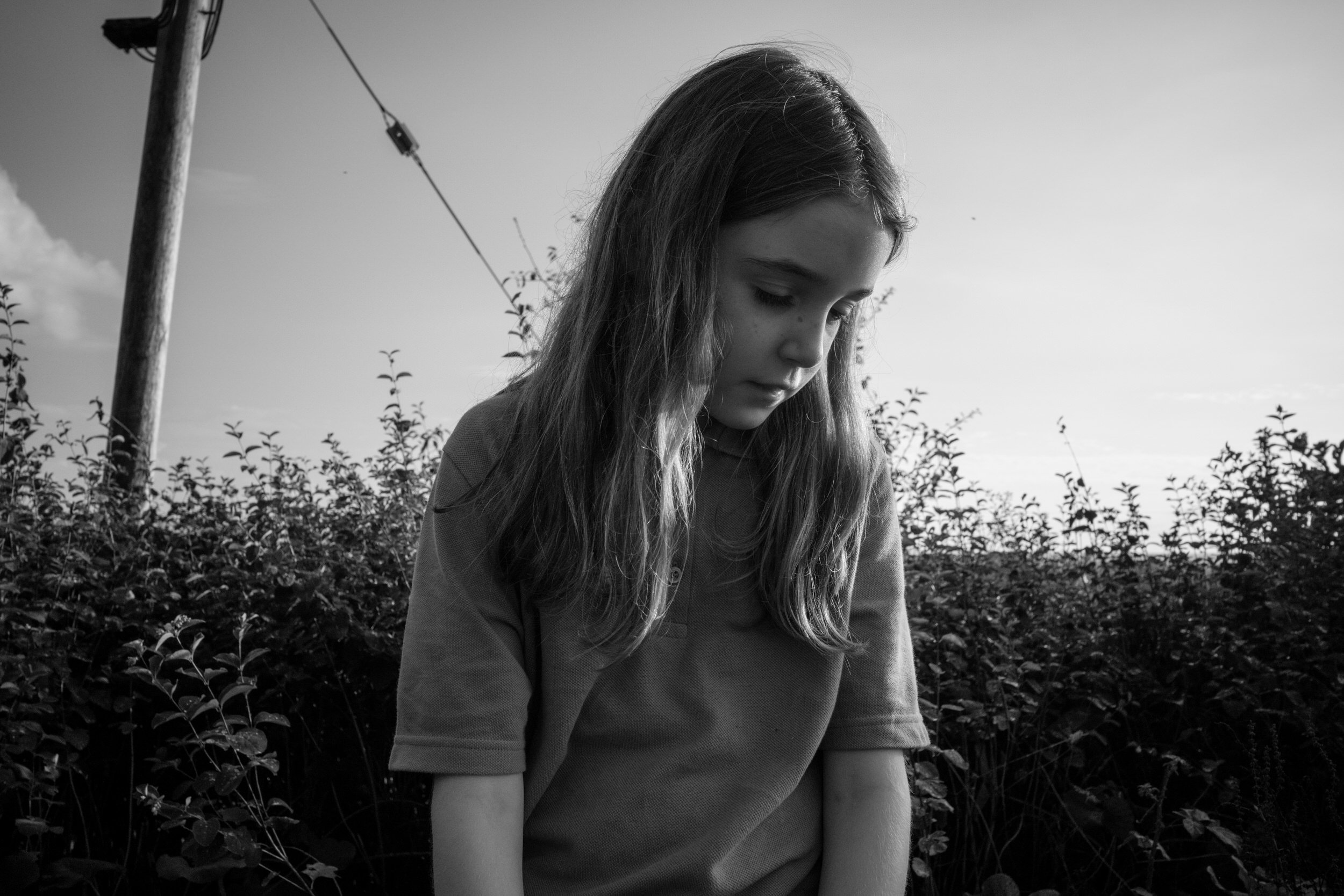
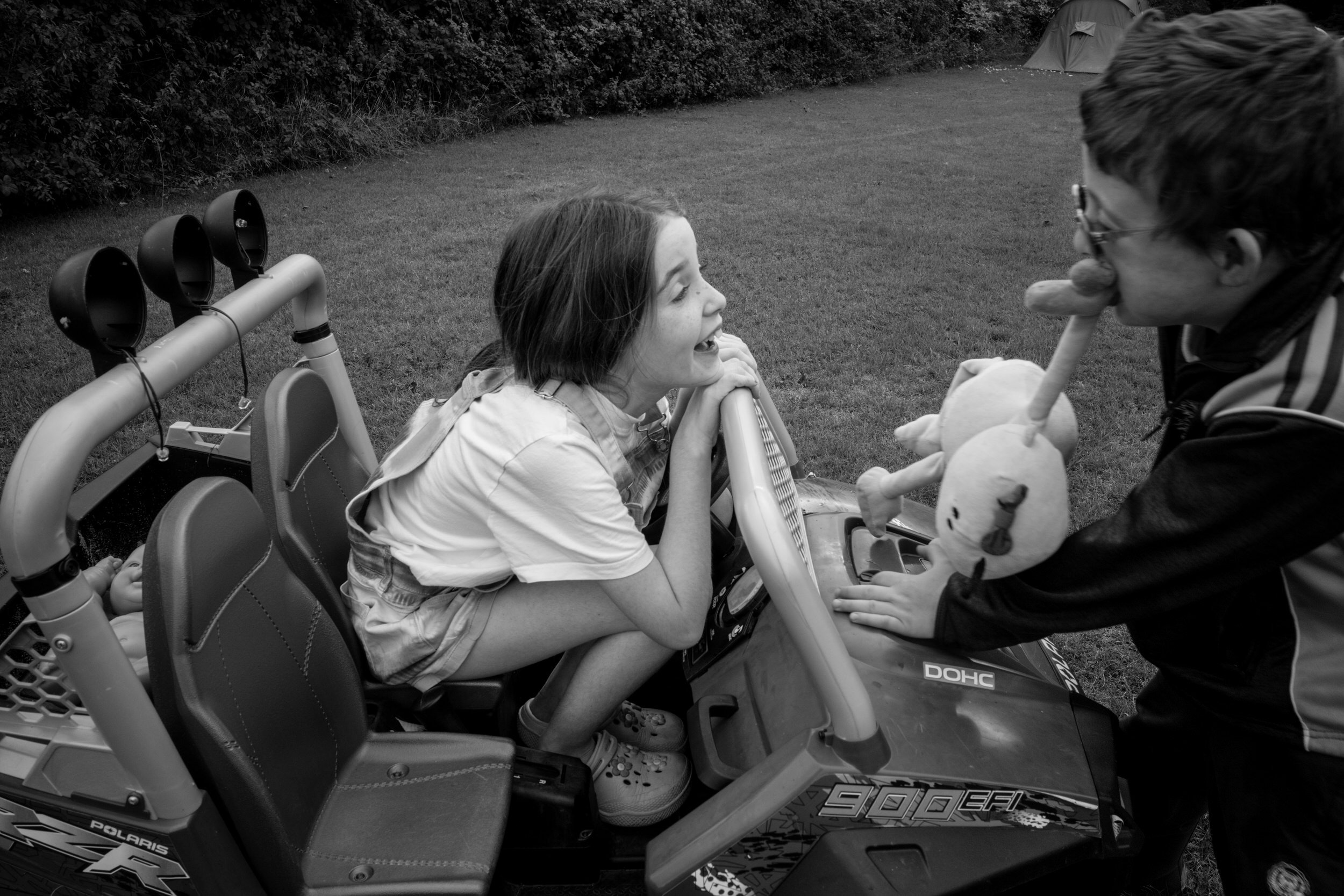
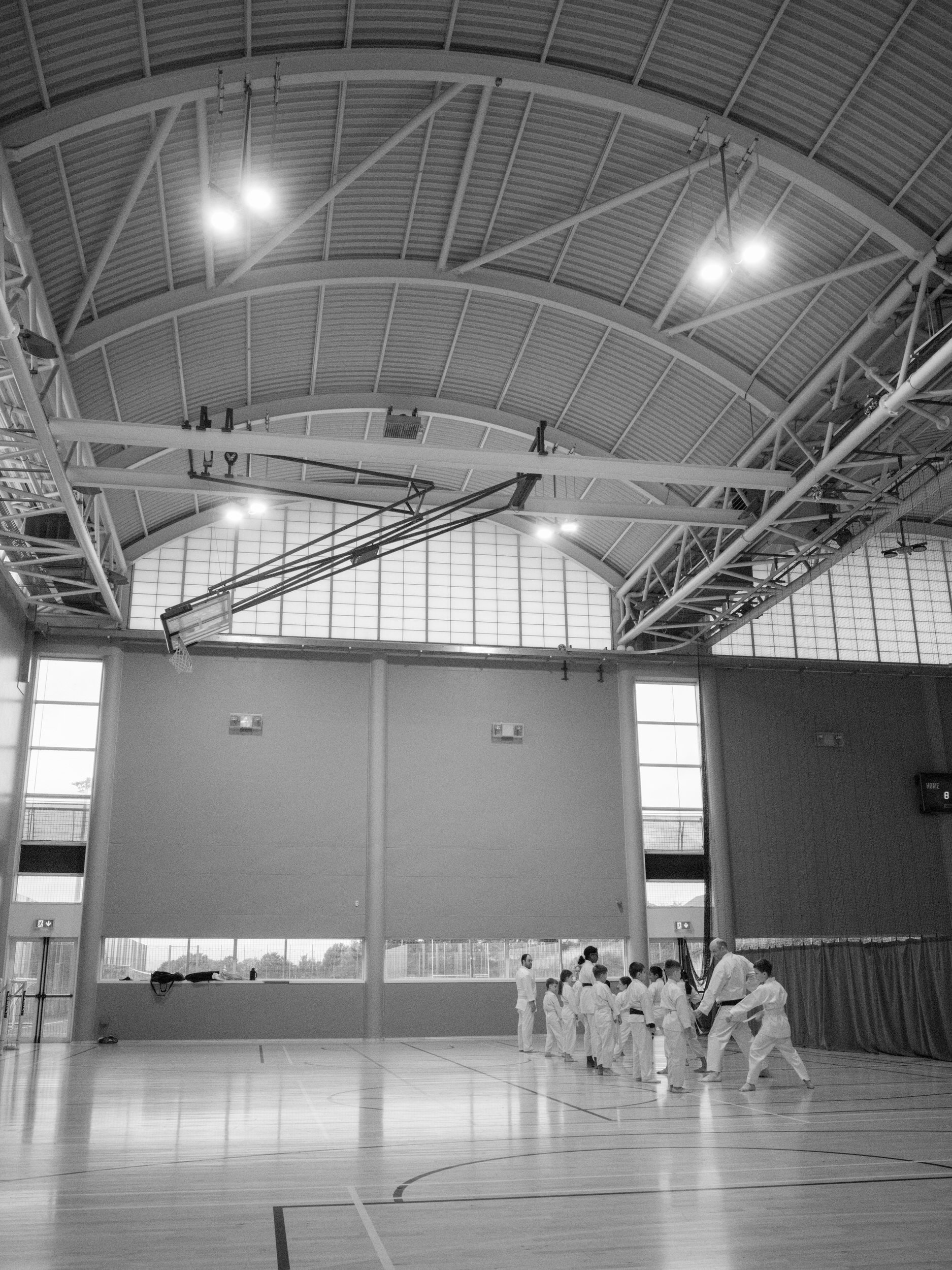
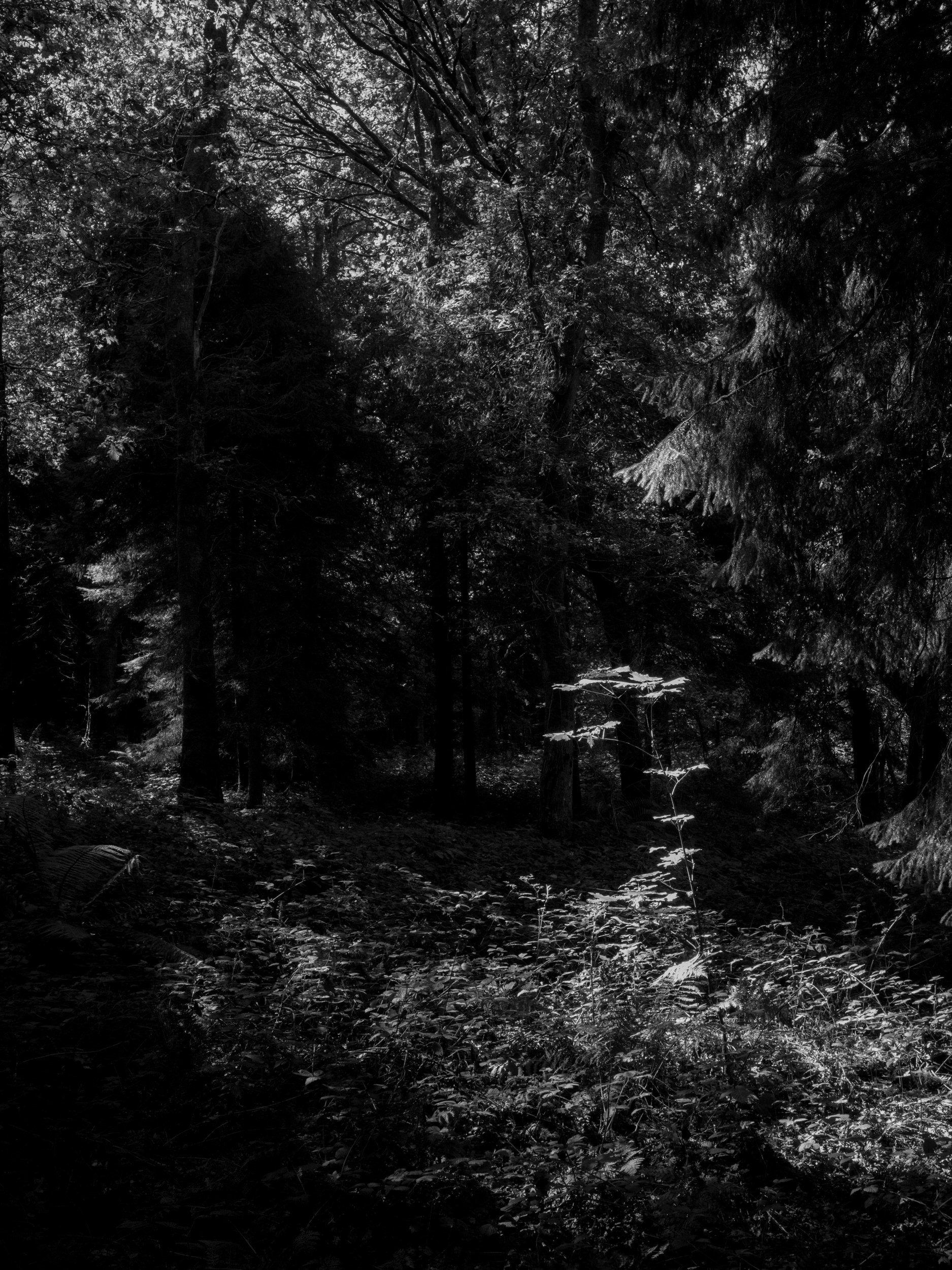
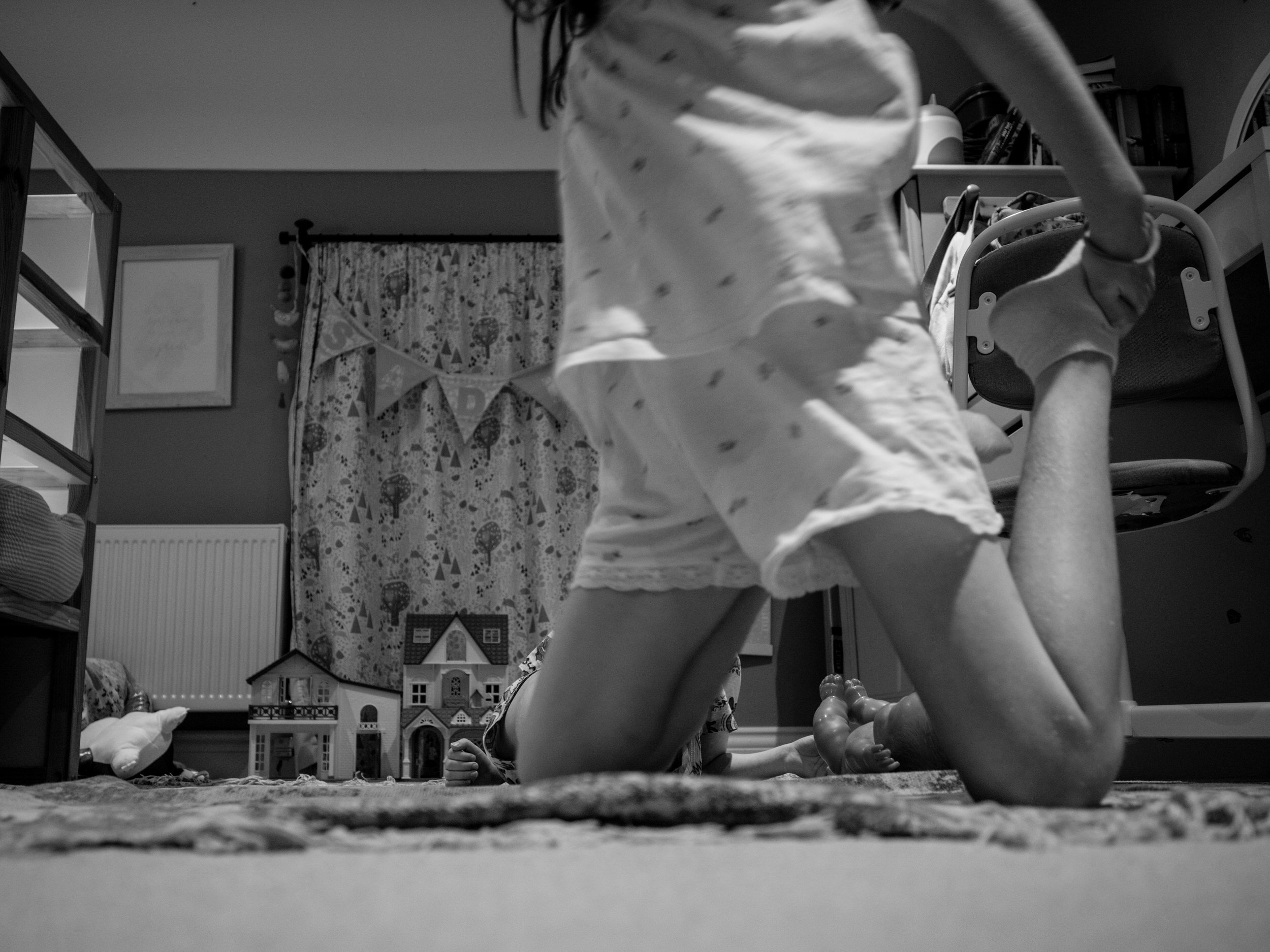
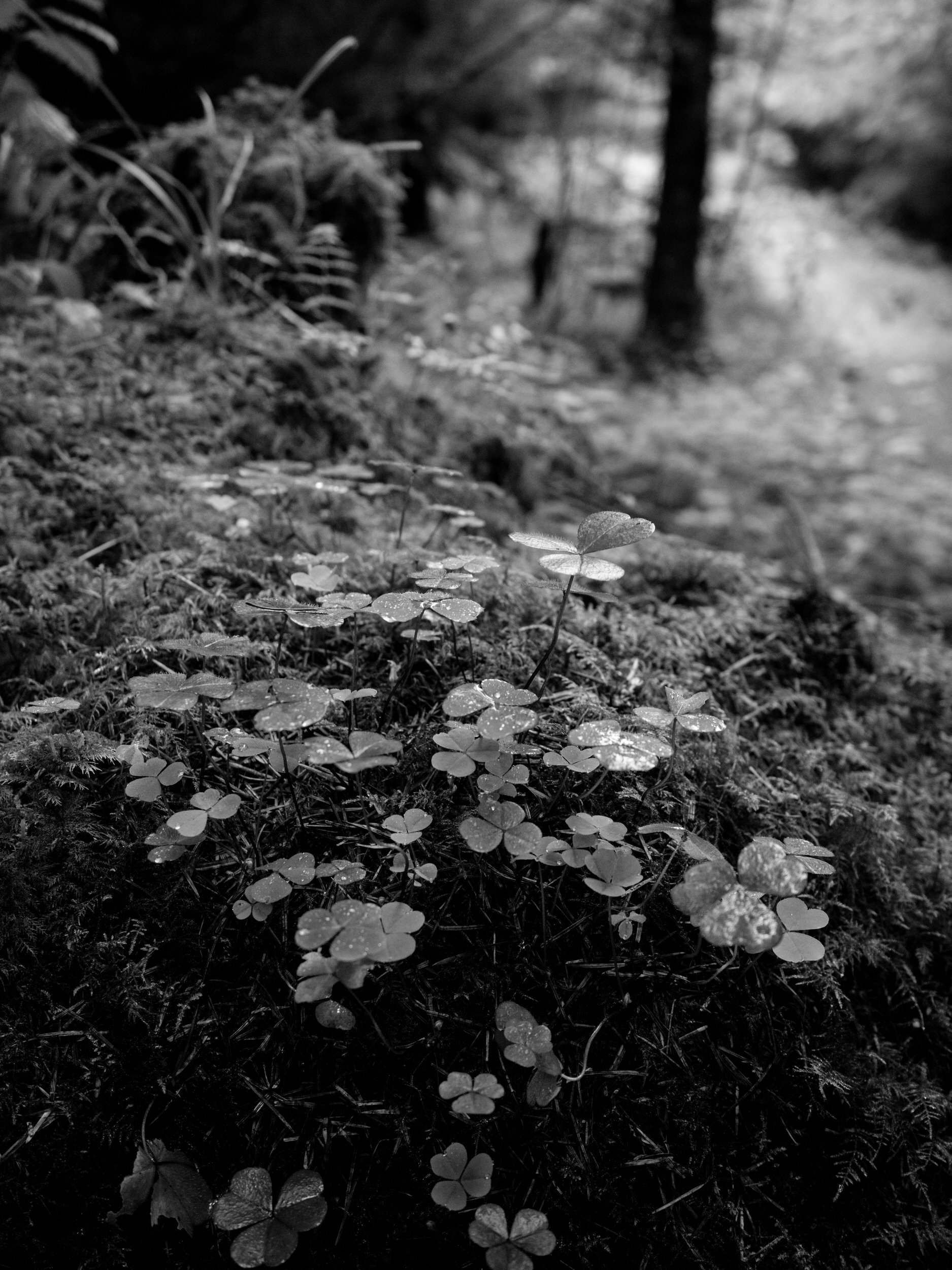
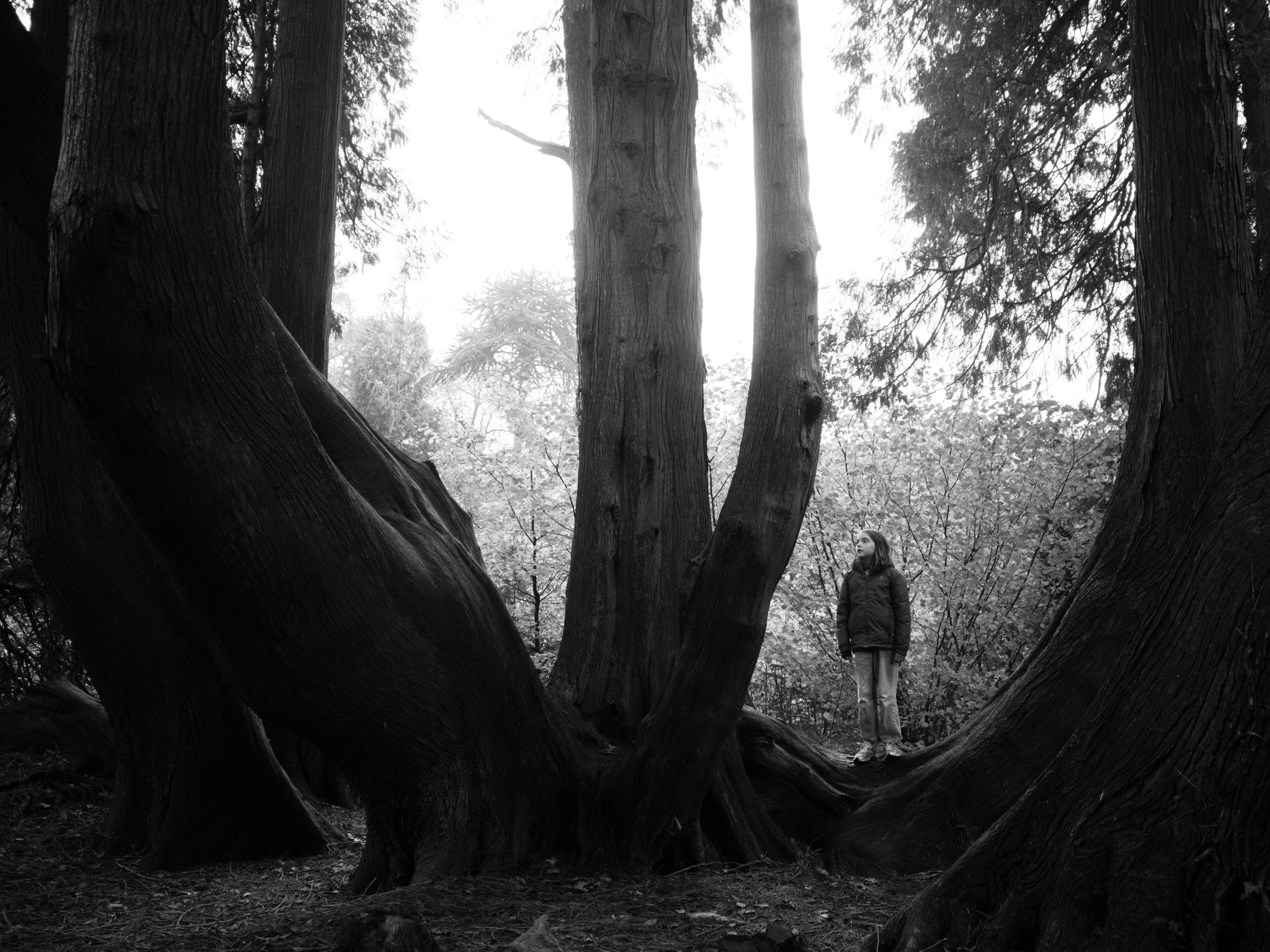
f/2.8 · 1/125 s · ISO 5,000
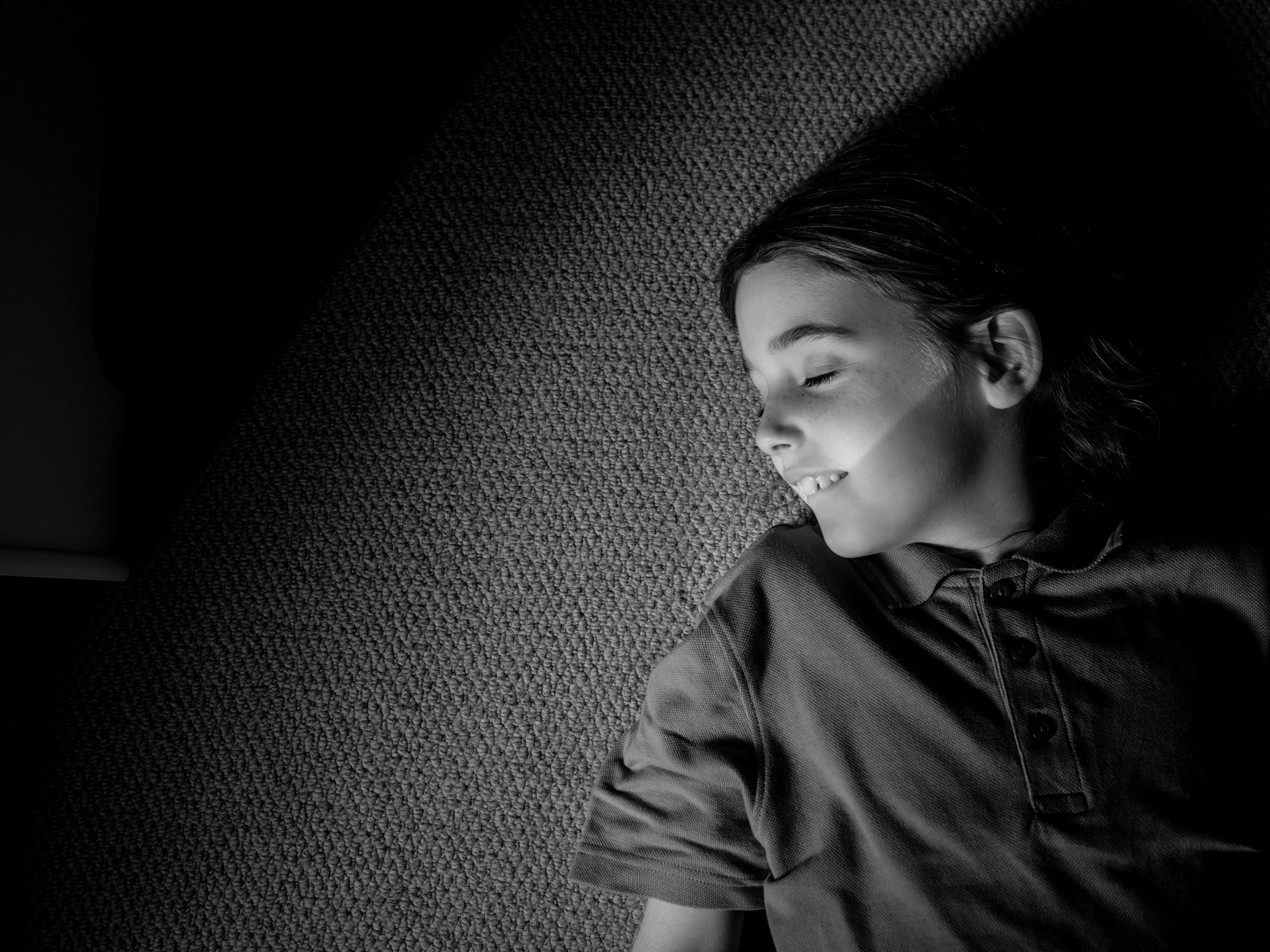
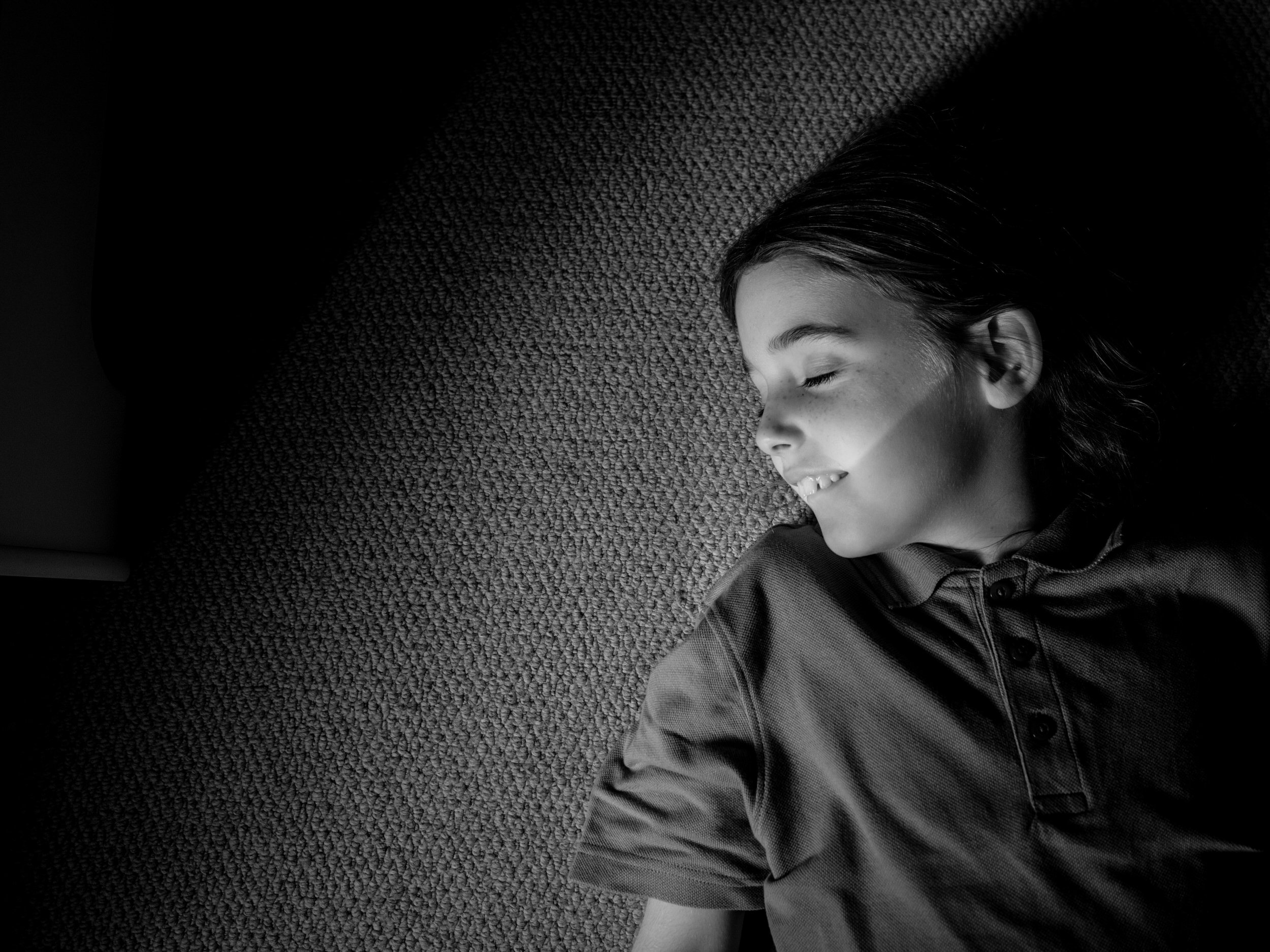
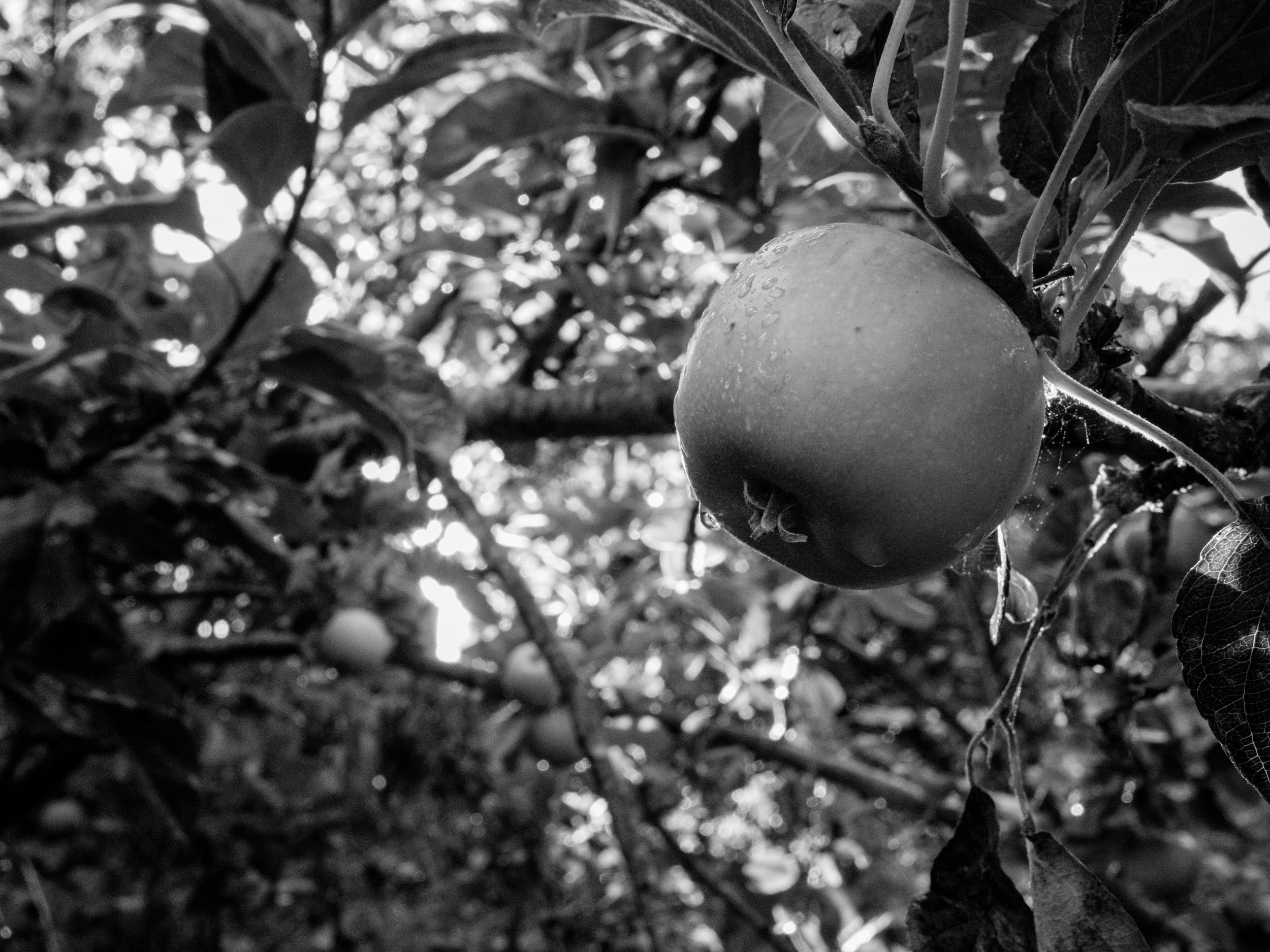
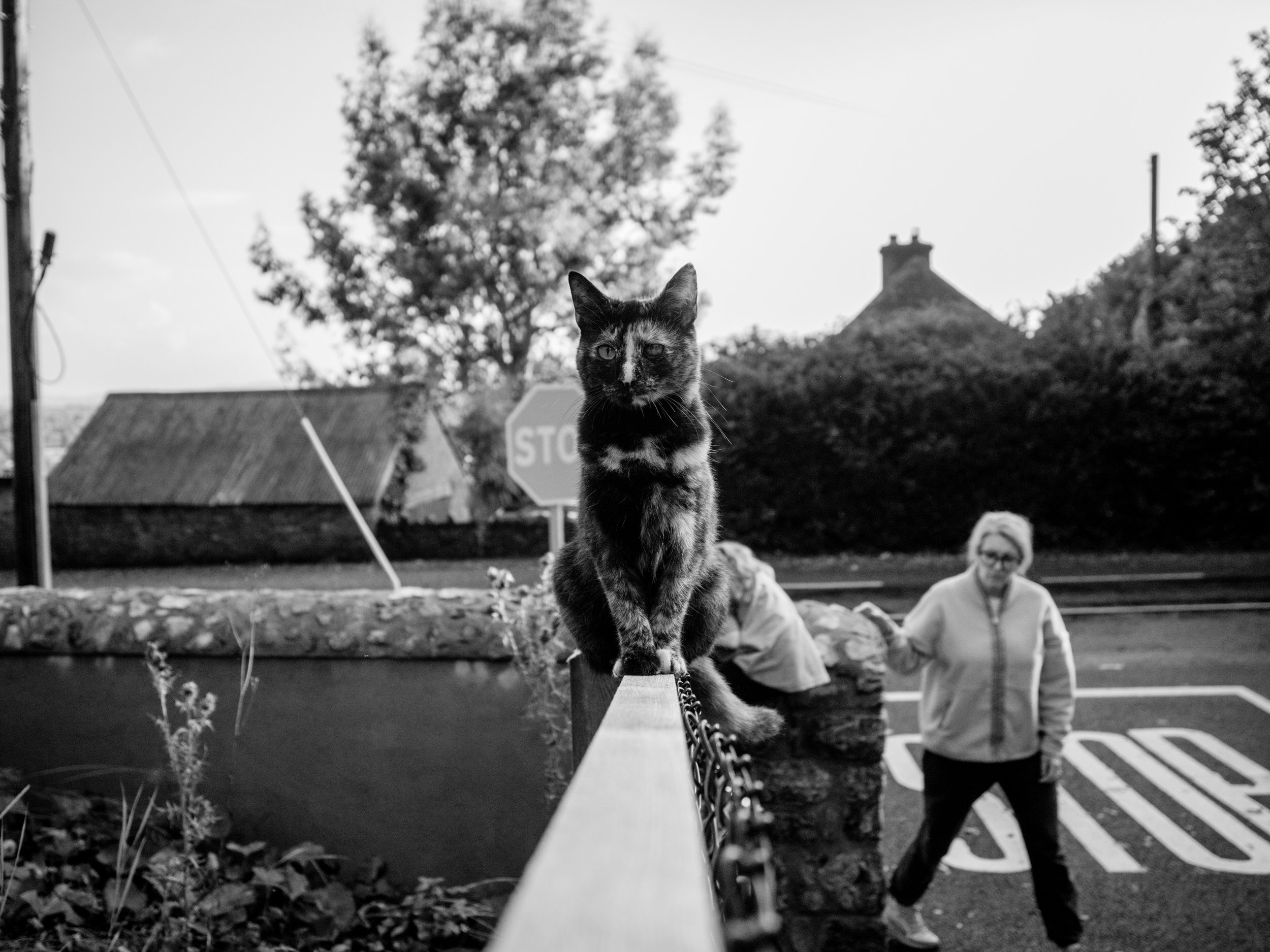
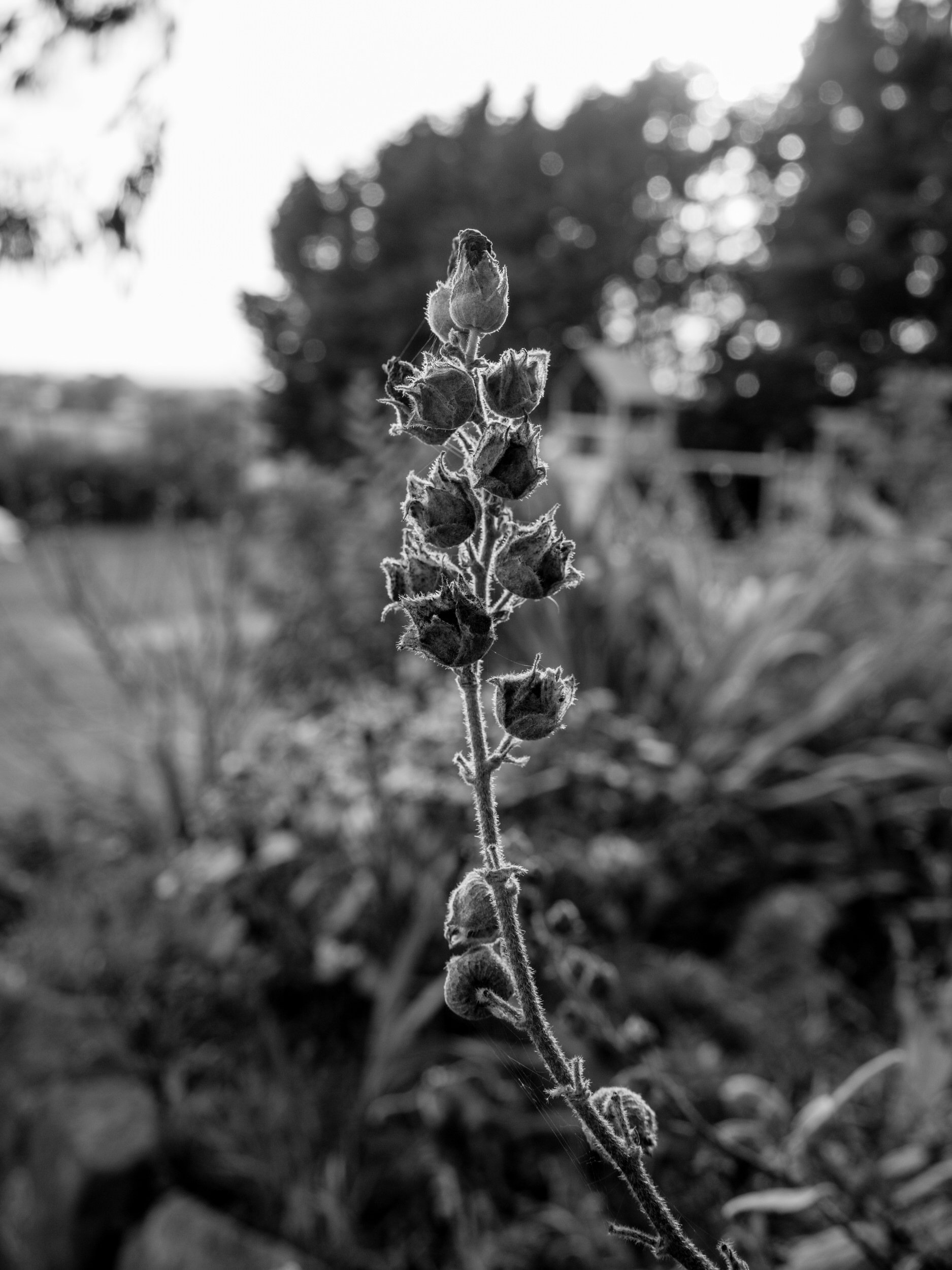
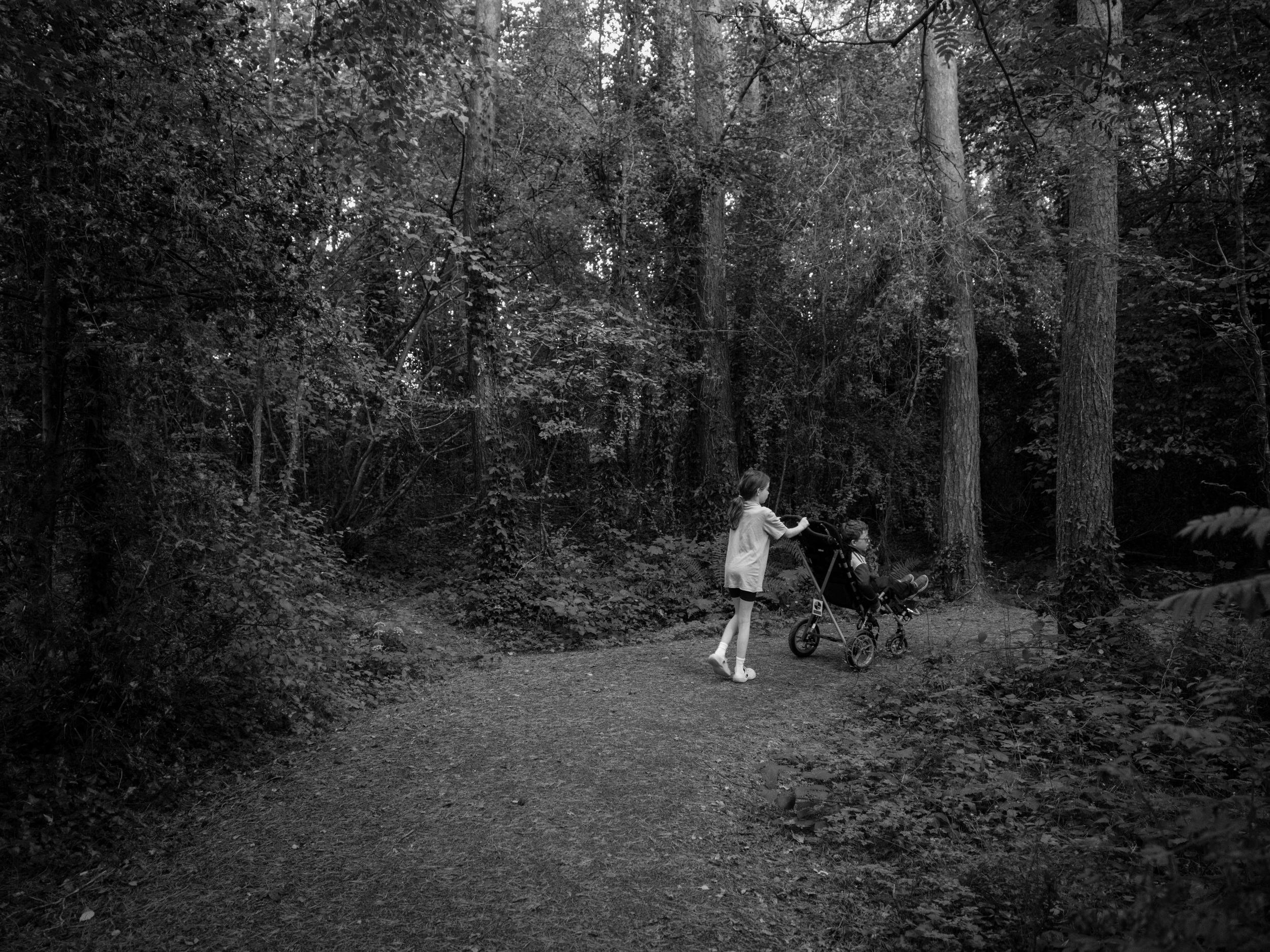
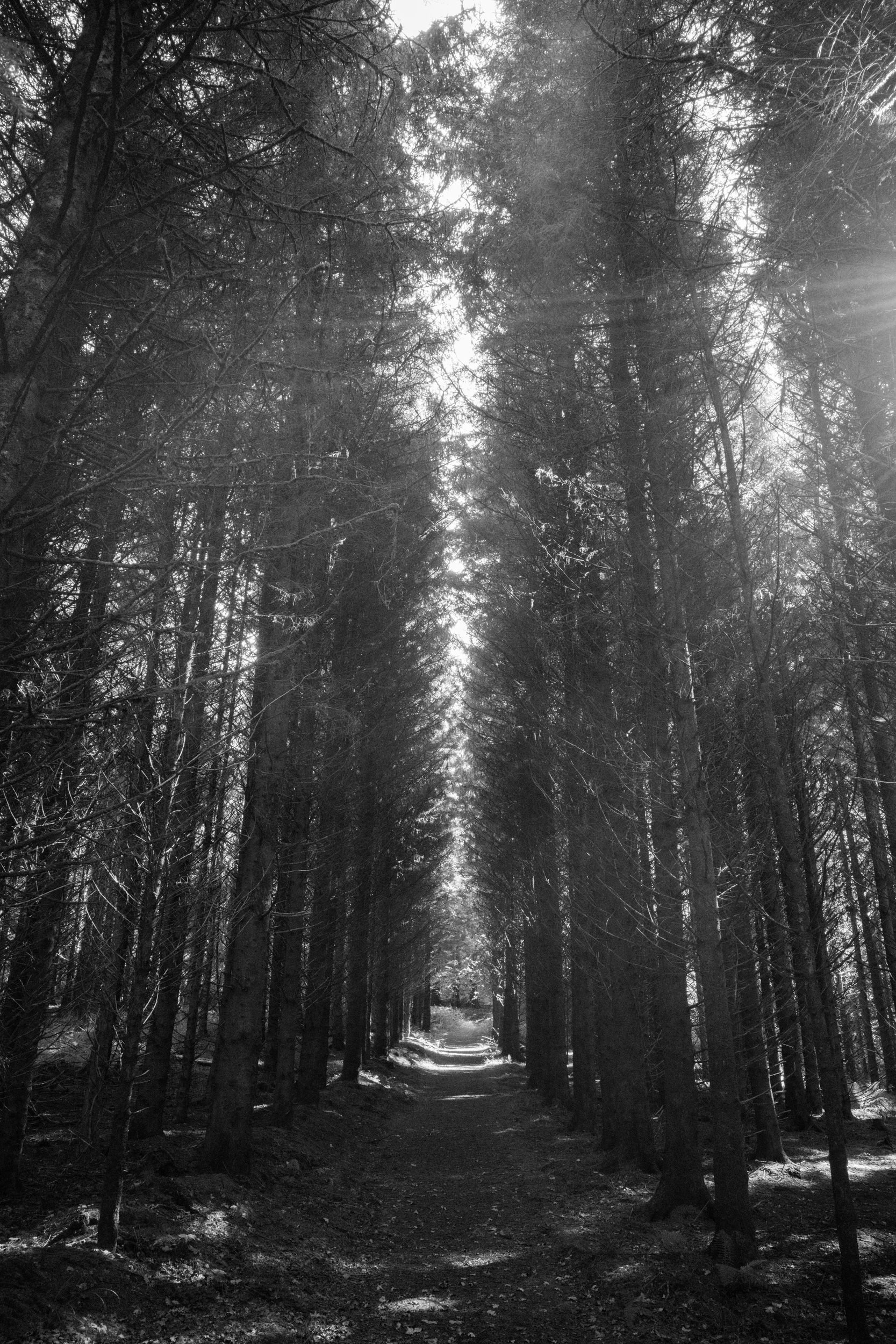
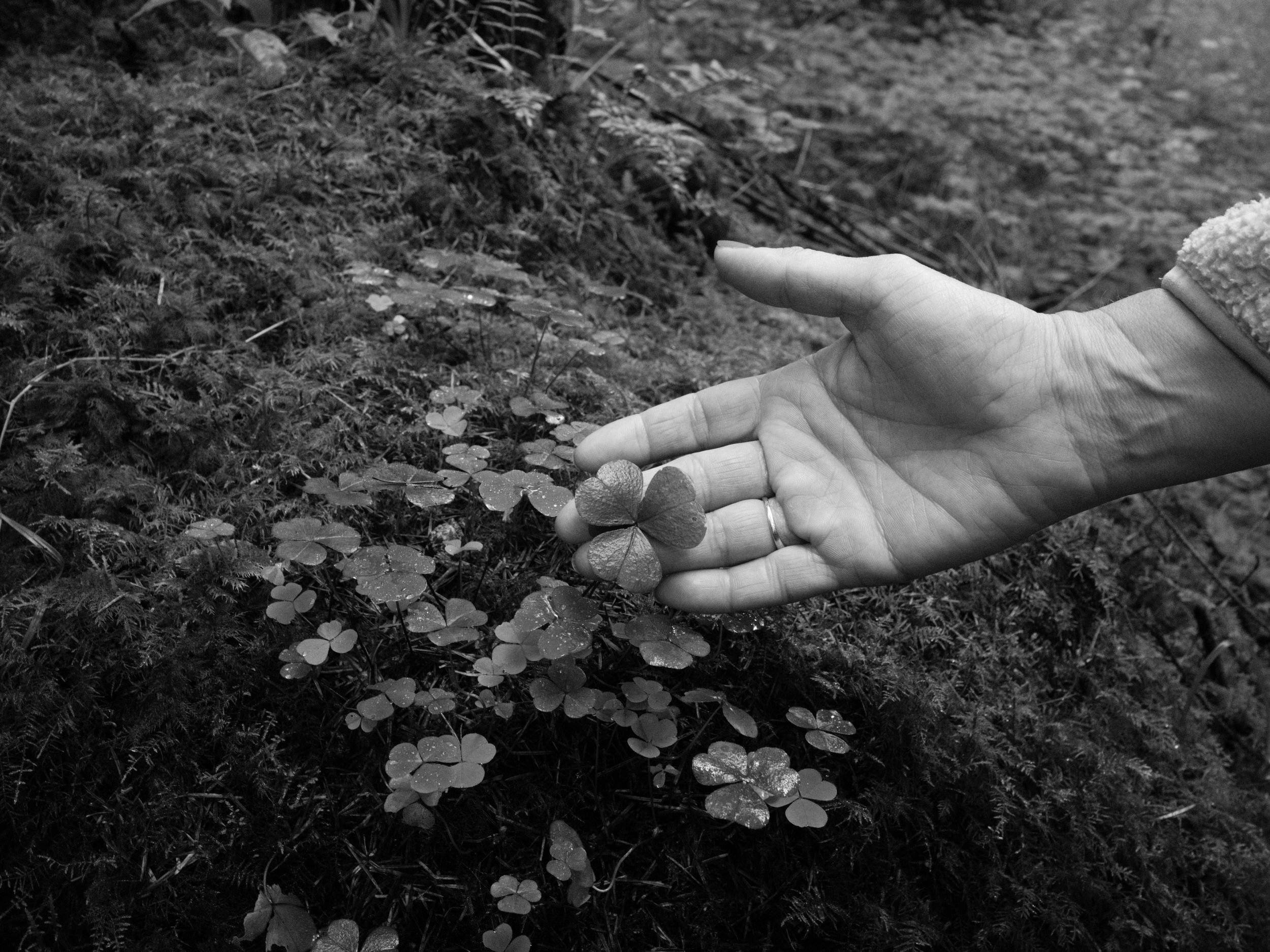
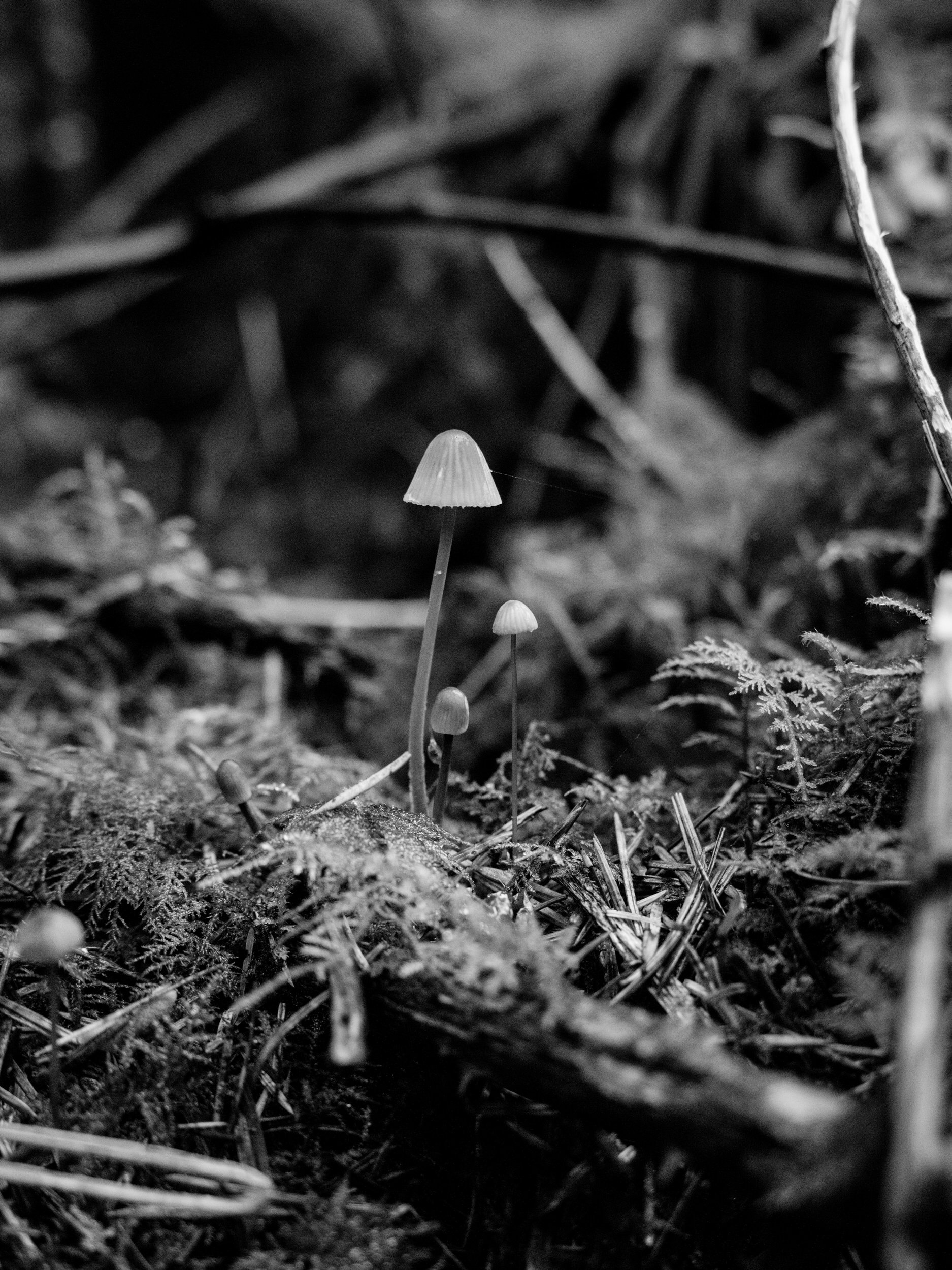
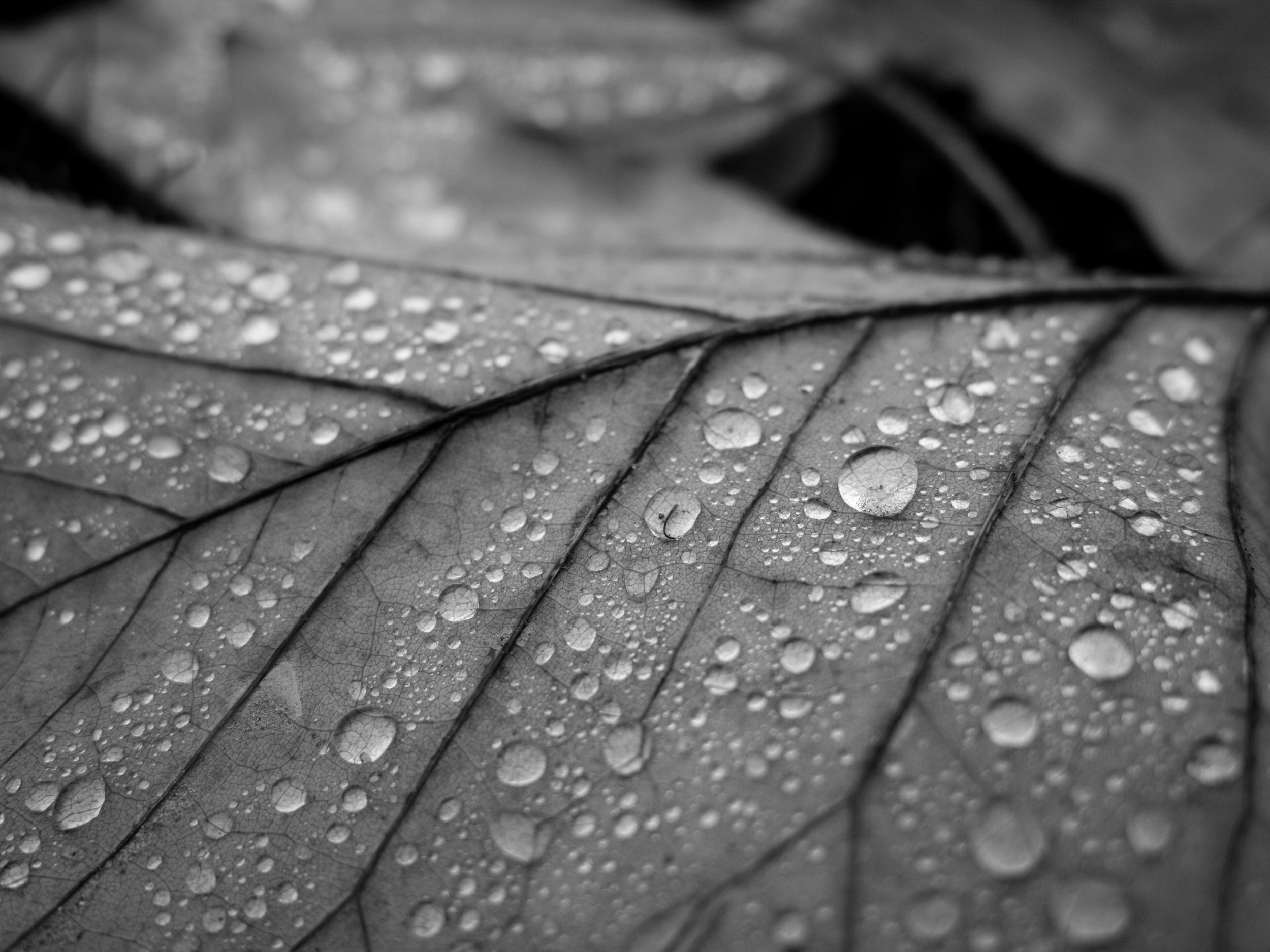
f/2.8 · 1/125 s · ISO 320
A camera that comes with me
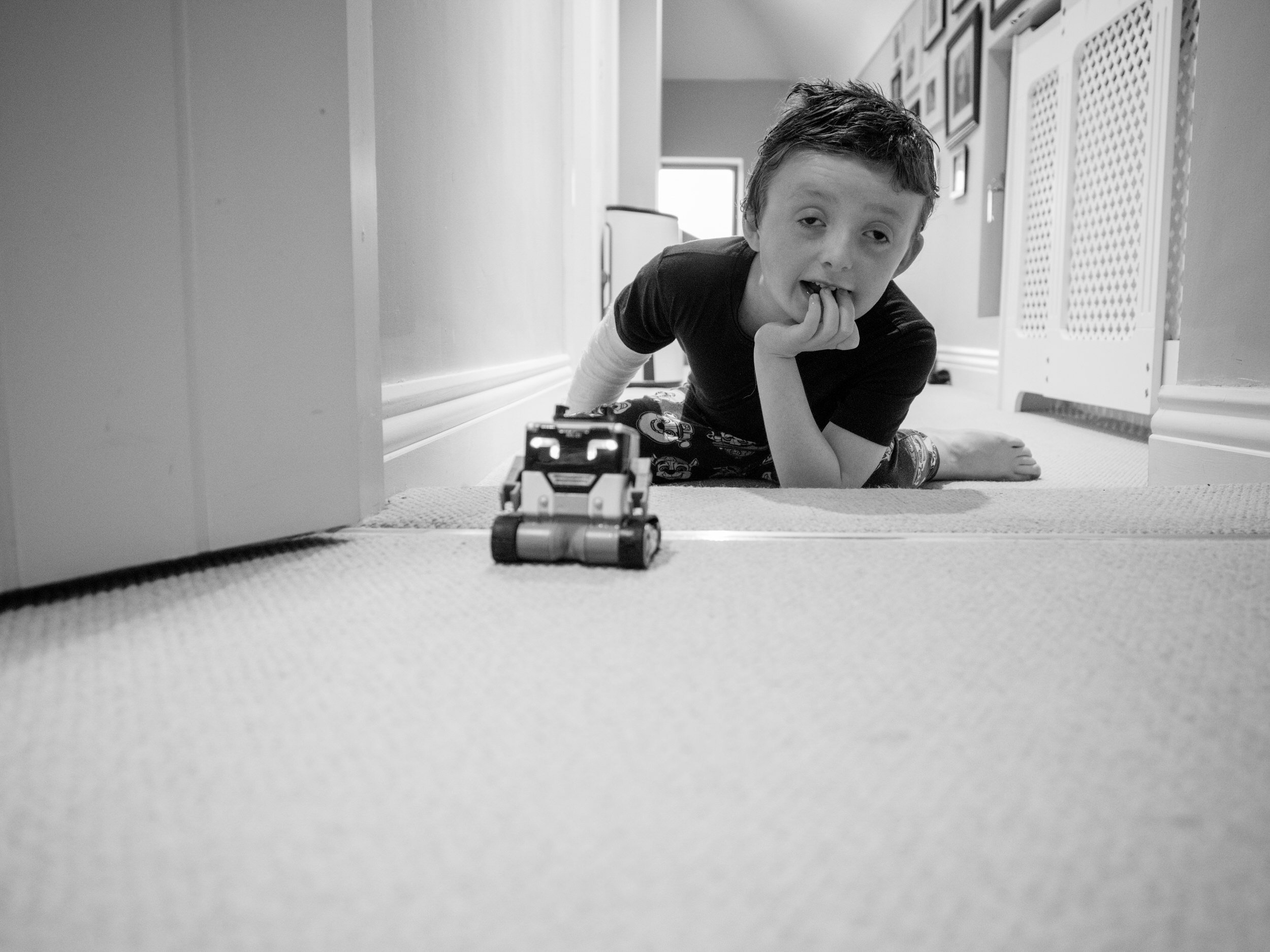
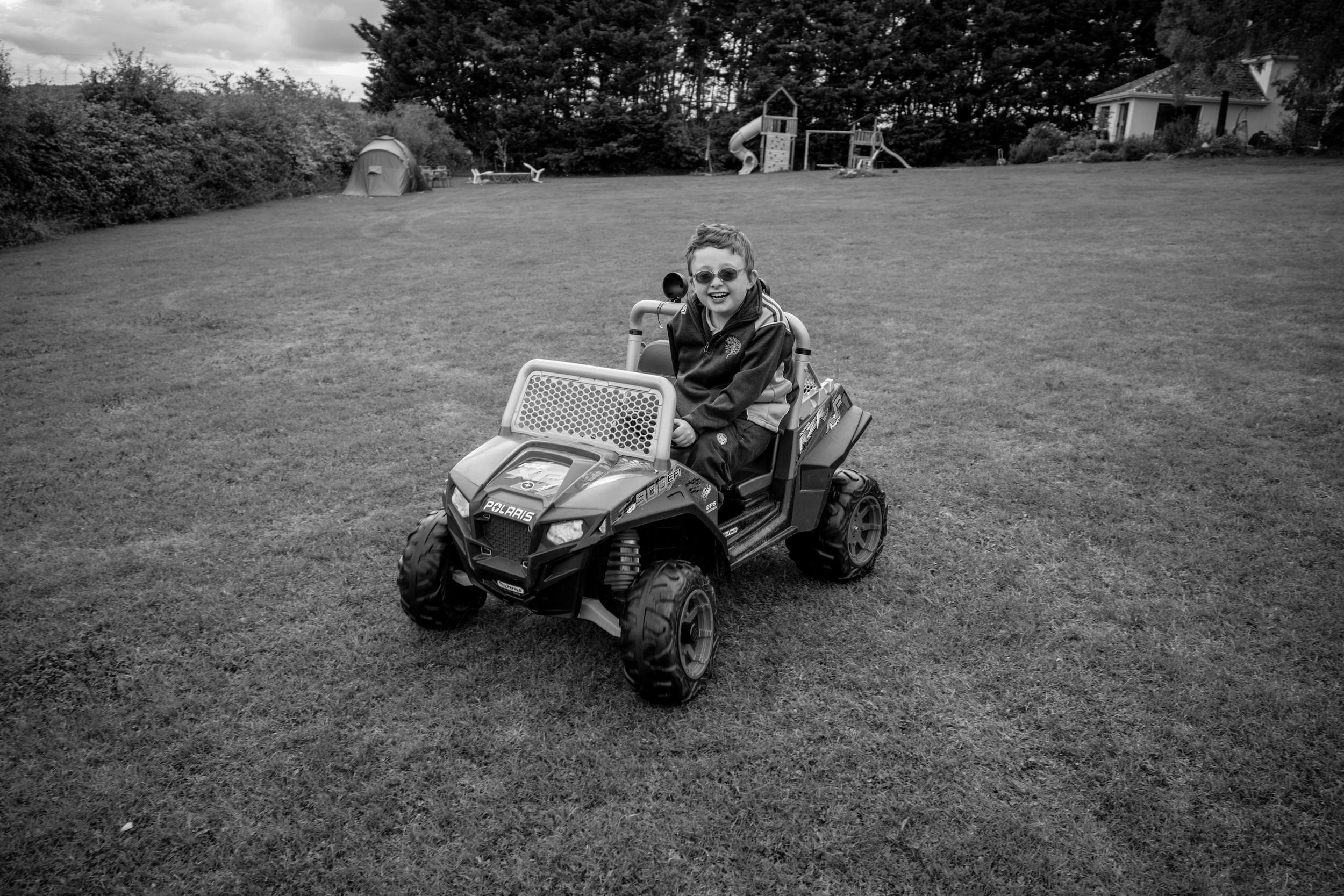
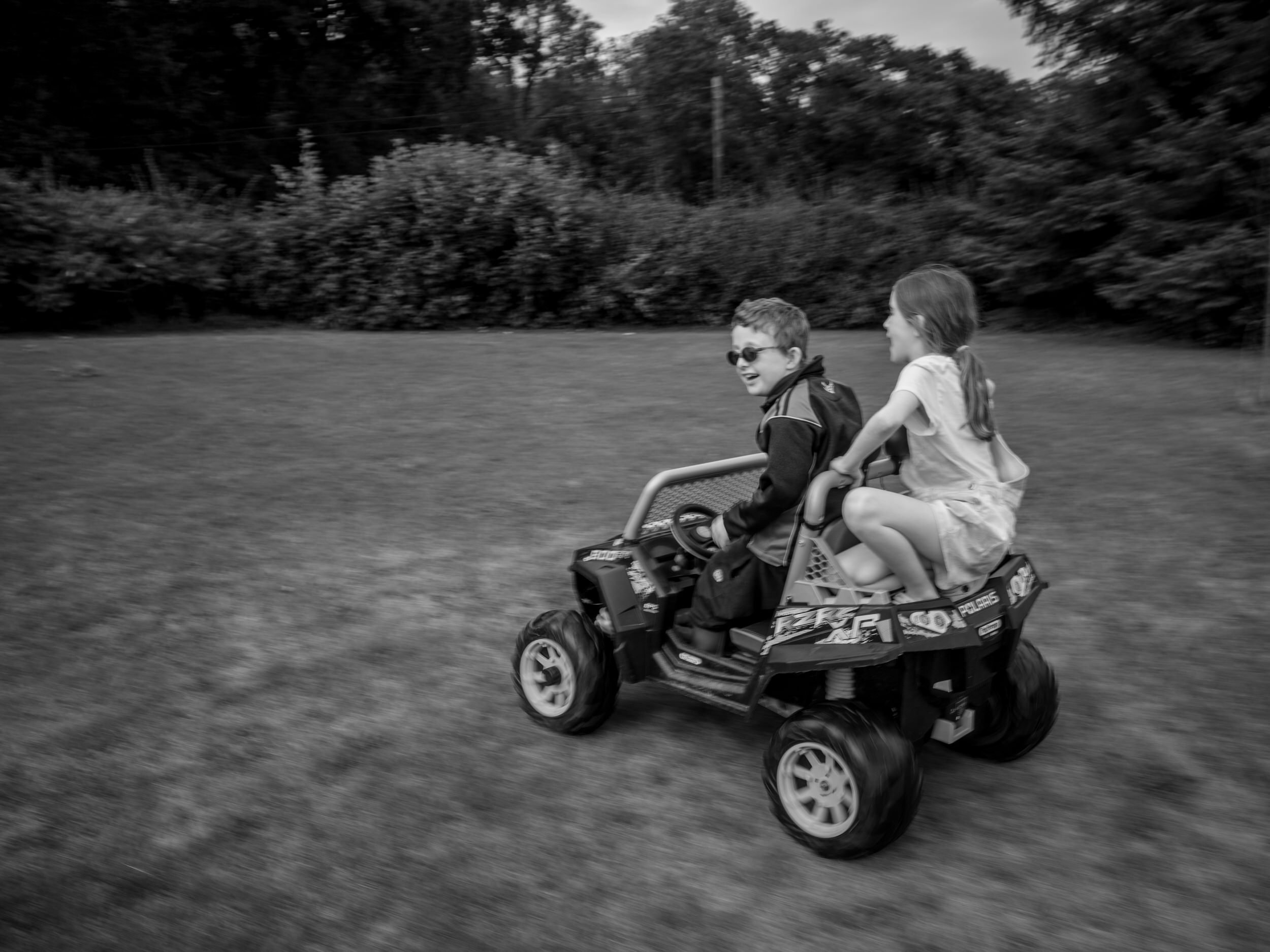
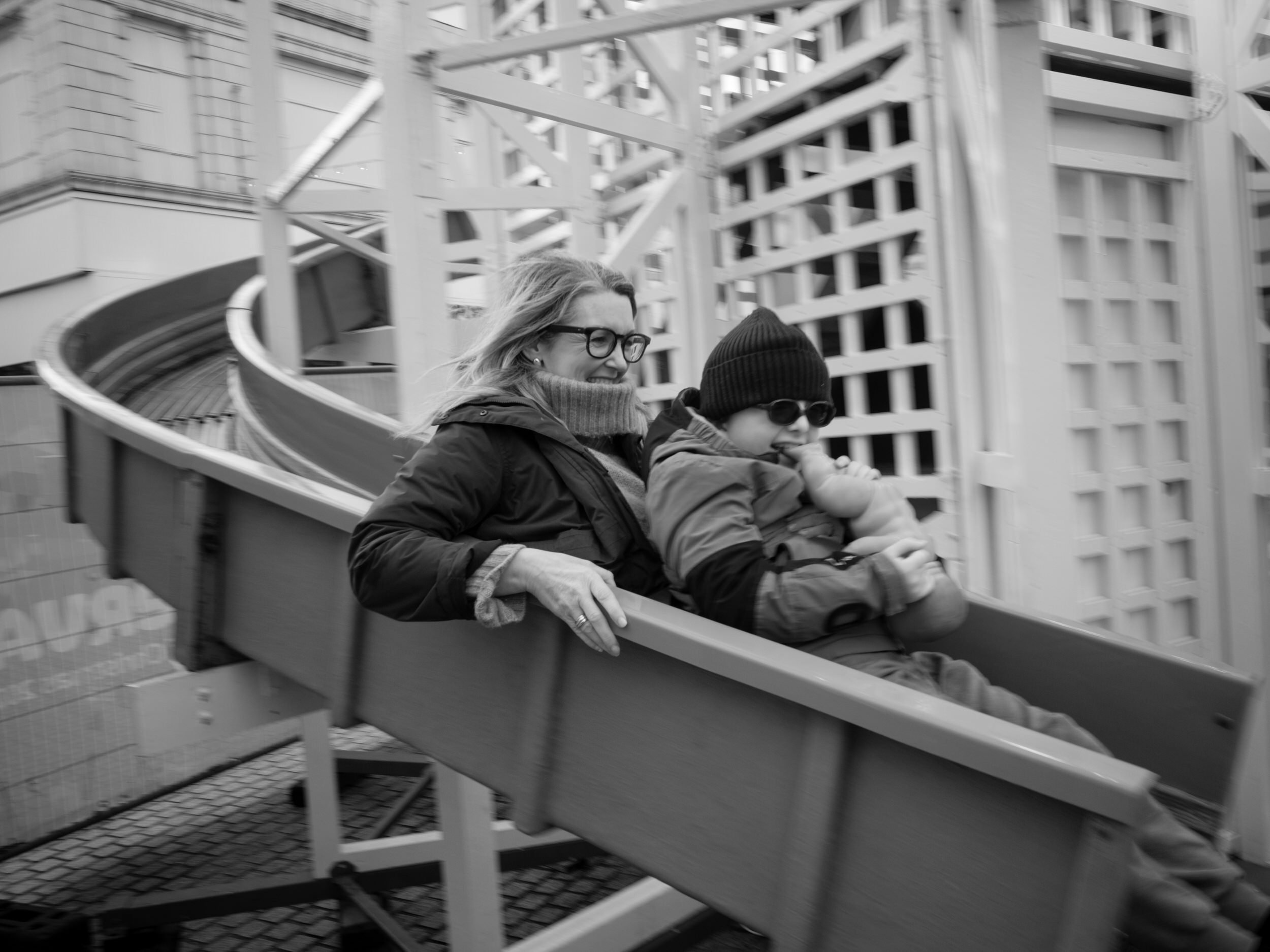
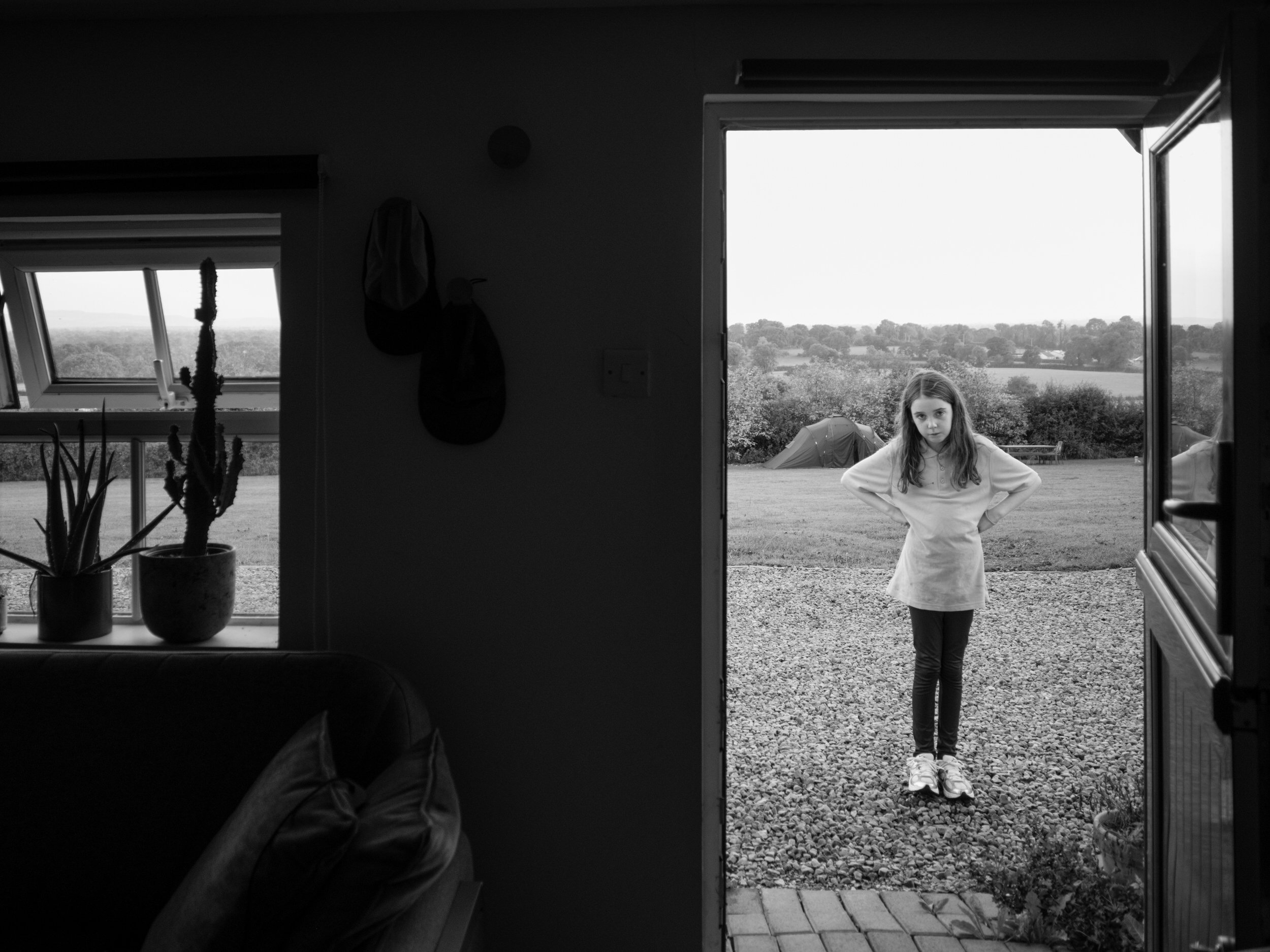
Most of what I photograph with the Ricoh is my family. If you’ve looked through my personal work, that probably won’t come as a great surprise. Sadie, Elliott and Dee have been providing me with photographs for years. Their patience with this arrangement varies.
There’s something very useful about having a proper camera that fits in a pocket. The Ricoh comes with me on walks, to the shops and on ordinary trips out where I might otherwise have left a camera at home. It slips into a pocket, ready whenever something catches my eye.
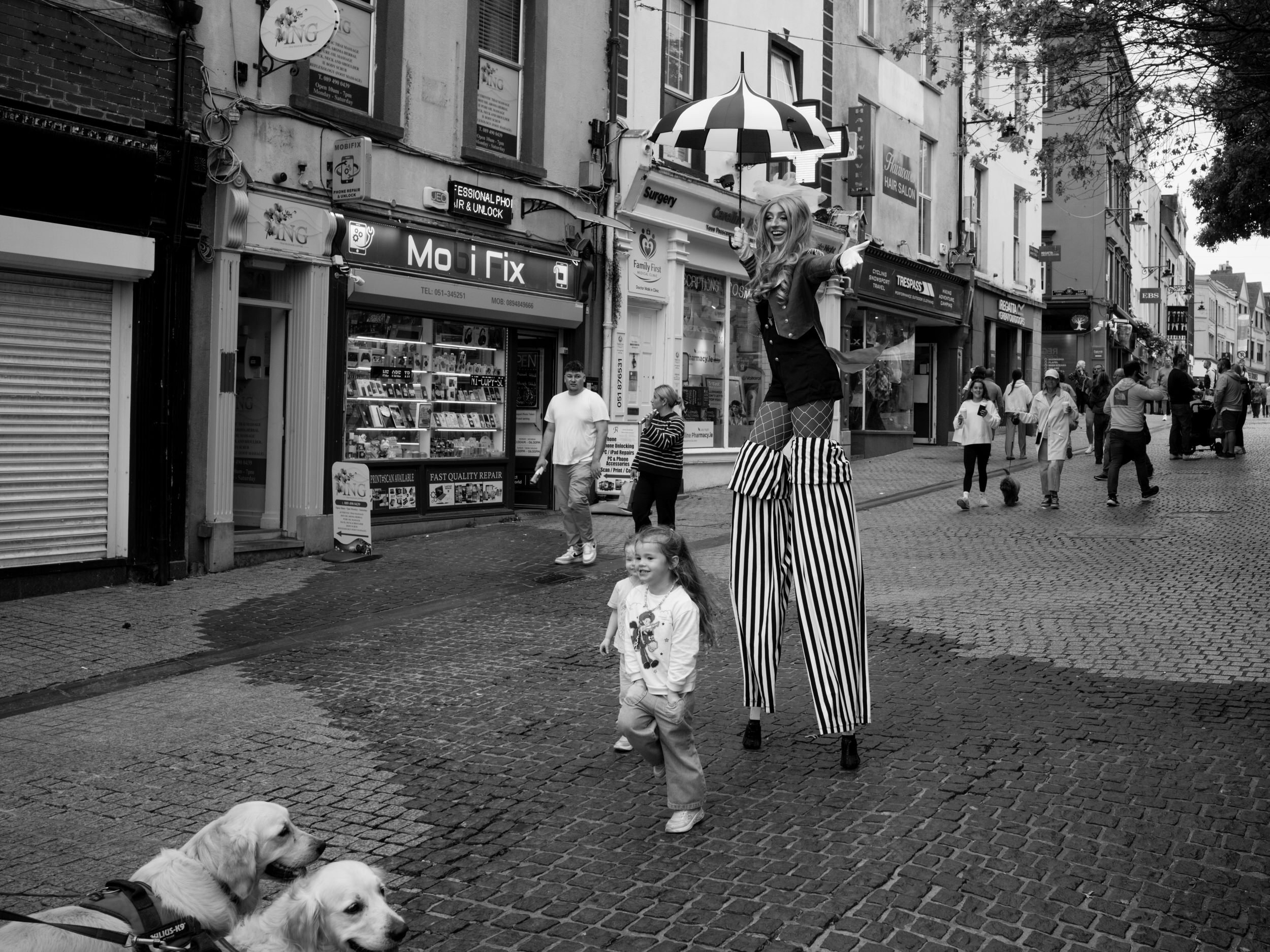
I also like how discreet it feels. Out on the street, it gives me a certain sense of anonymity. It’s a small camera, and I find that quite freeing.
As a wedding photographer, I spend plenty of time carrying cameras because I’m working. Having something this small makes it easy to keep photographing outside of that. There’s very little decision involved in bringing it.
And once it’s there, you notice things: a bit of light, an expression, a moment you want to keep. Having the camera with me means I can actually make the photograph.
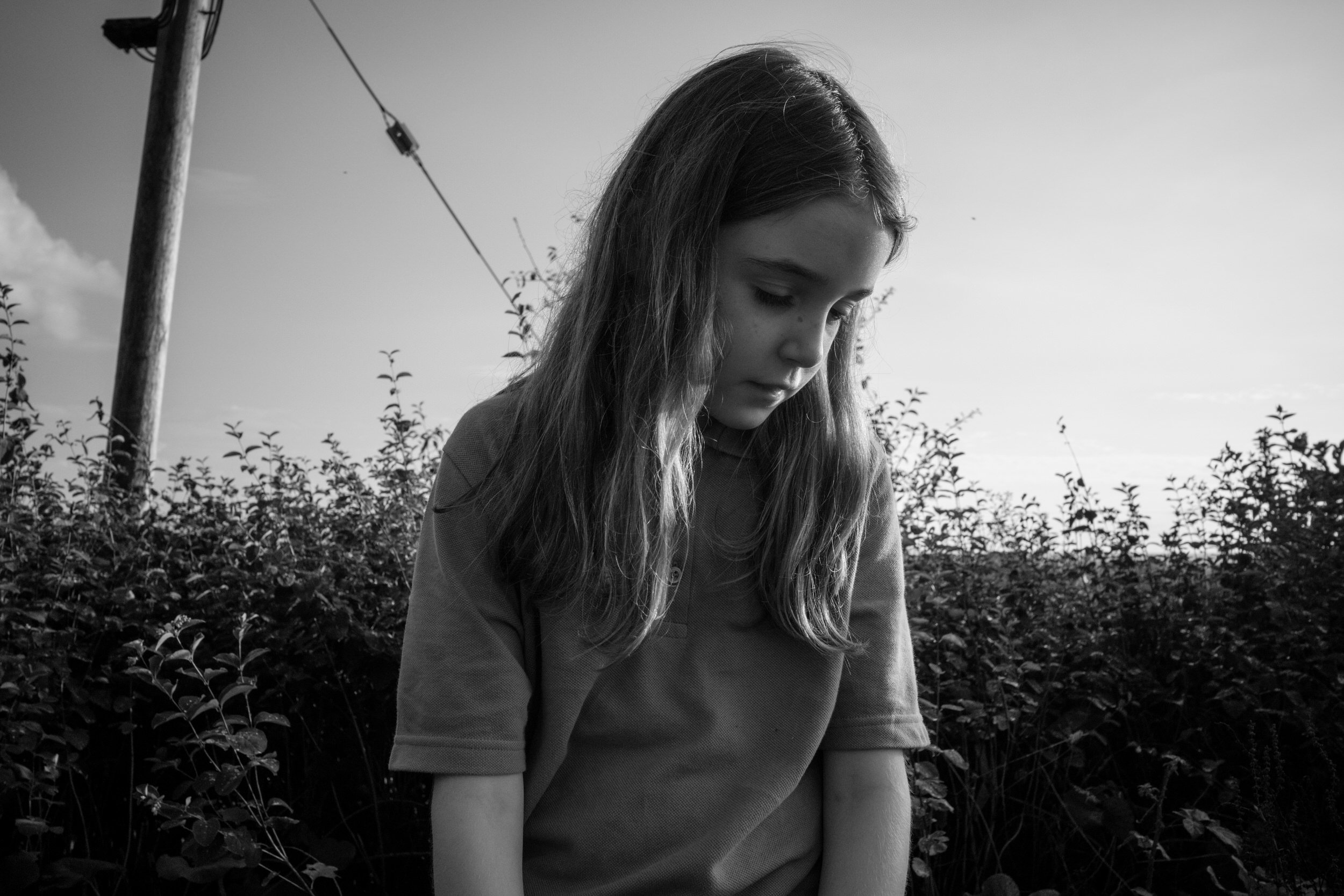
f/6.3 · 1/800 s · ISO 1,600
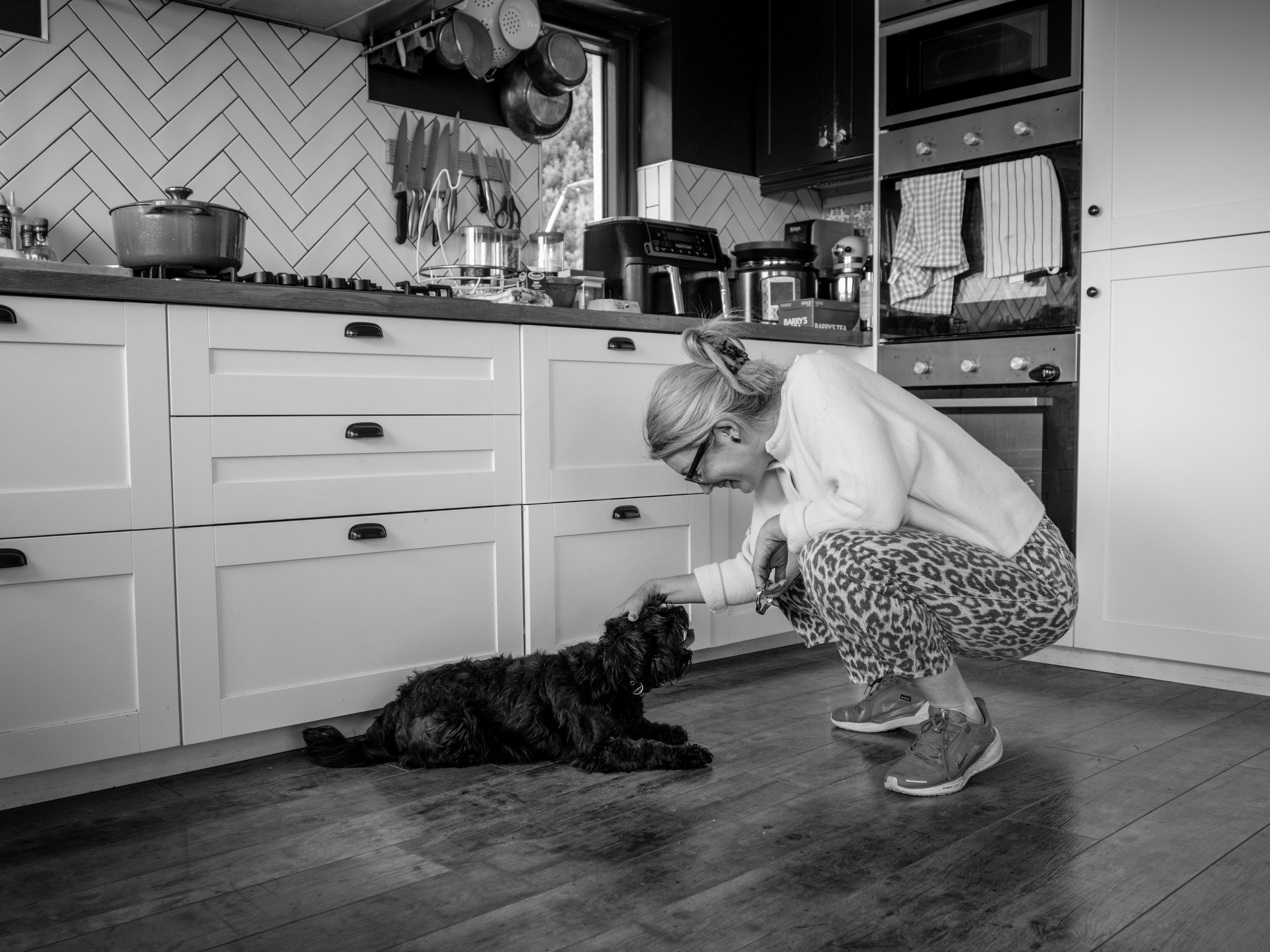
f/2.8 · 1/200 s · ISO 320
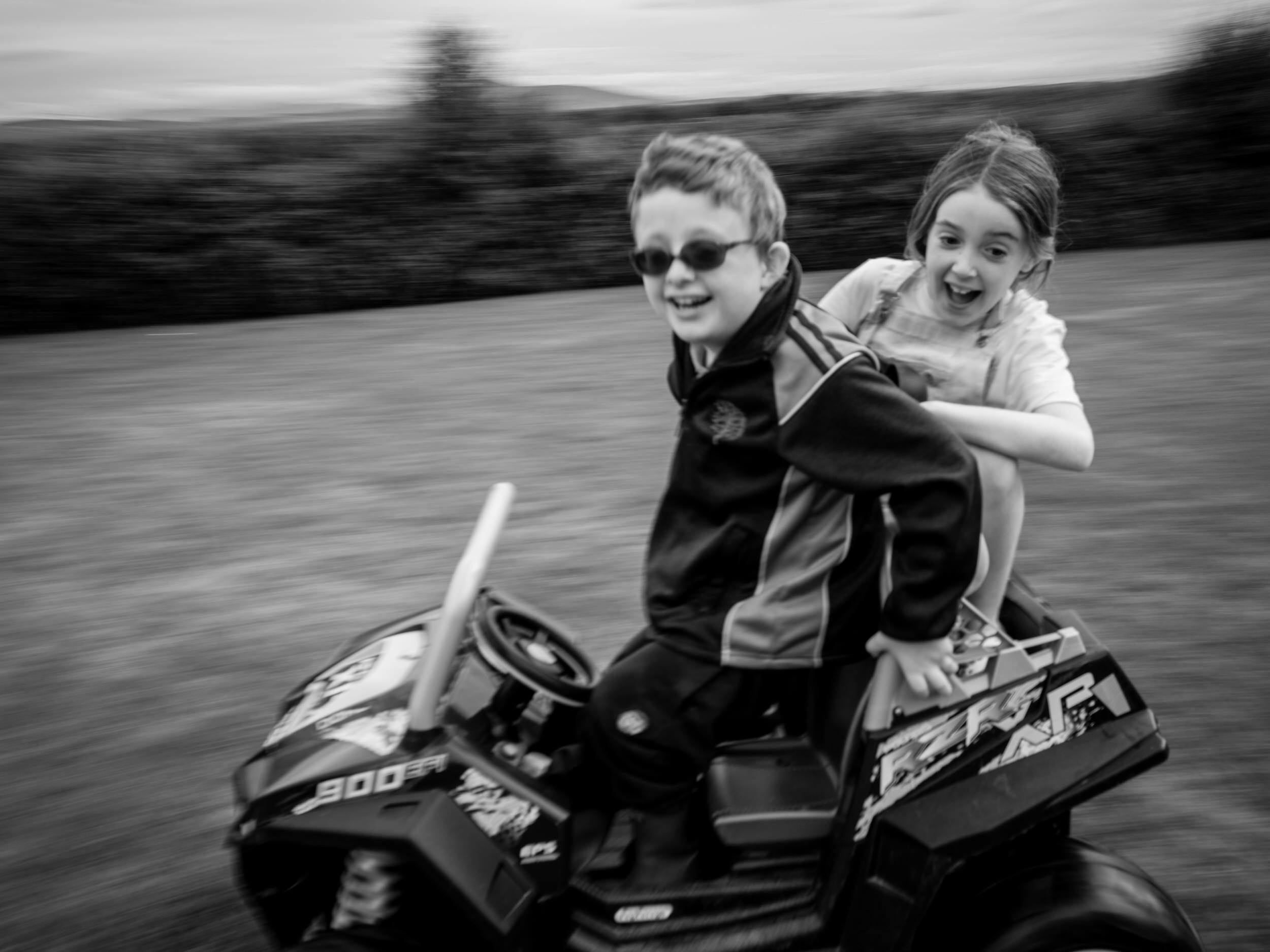
f/4 · 1/30 s · ISO 320
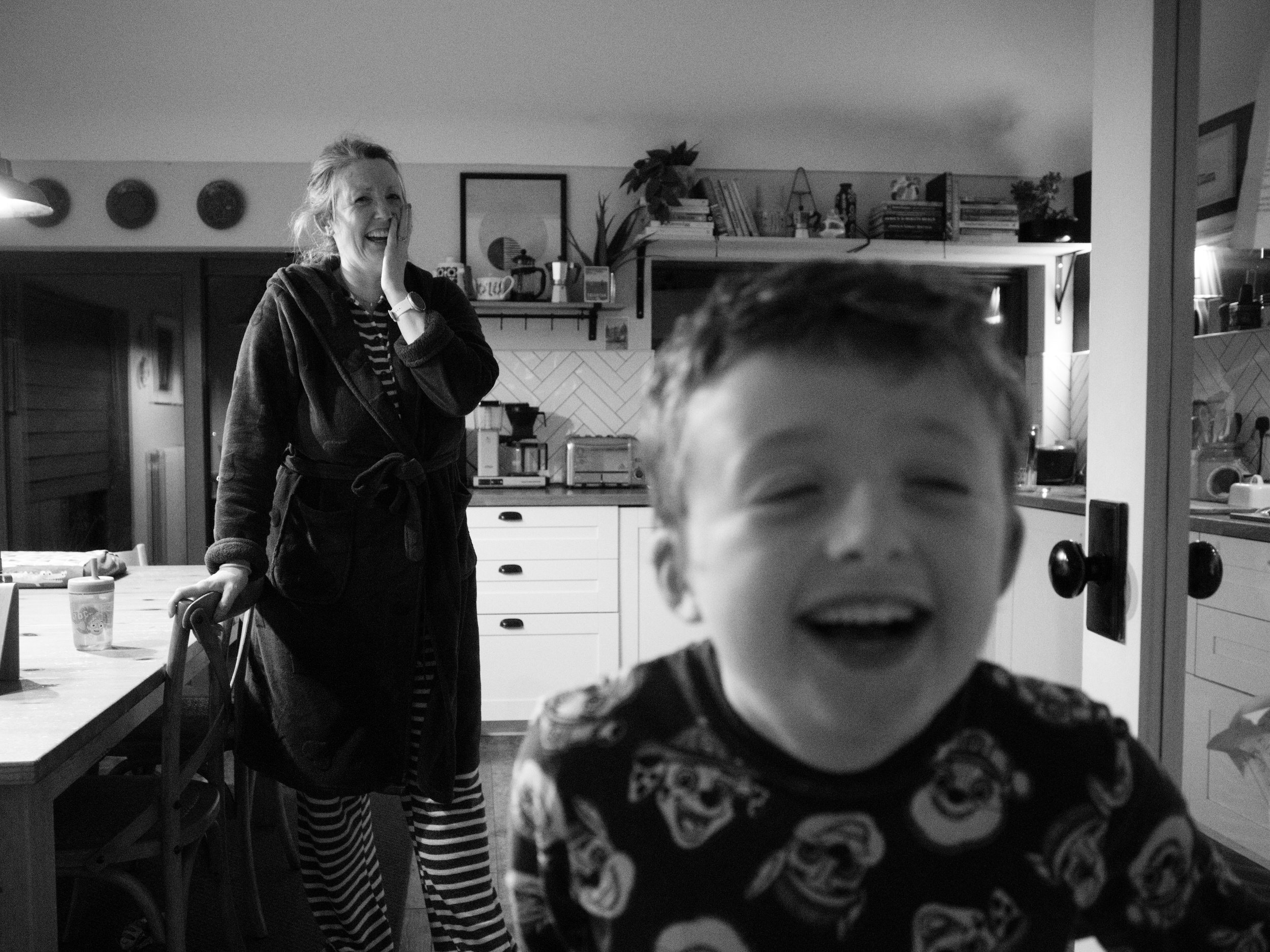
f/2.8 · 1/200 s · ISO 25,600
Committing to black and white
Part of the attraction was the limitation itself. I liked the idea of committing to black and white when I took the photograph.
It has changed how I see things when I’m using it. Colour is taken out of the decision, so I’m looking at what remains: the light, the tones, the shapes and the people in front of me.
I’ve loved black and white photography for a long time, but I still find the files from this camera quite distinctive. The tones have been a big part of the appeal. To my eye, they have a quality that I don’t get simply by putting a black and white preset on a colour photograph.
That’s a personal response to the pictures, and it’s the reason this particular camera interests me. I enjoy what it produces, and I enjoy having that commitment made before I press the shutter.
It has also encouraged me to photograph a broader range of things. Family photographs sit alongside landscapes, close details and ordinary places. I’ve found myself using it simply because I want to see what something will look like through it.
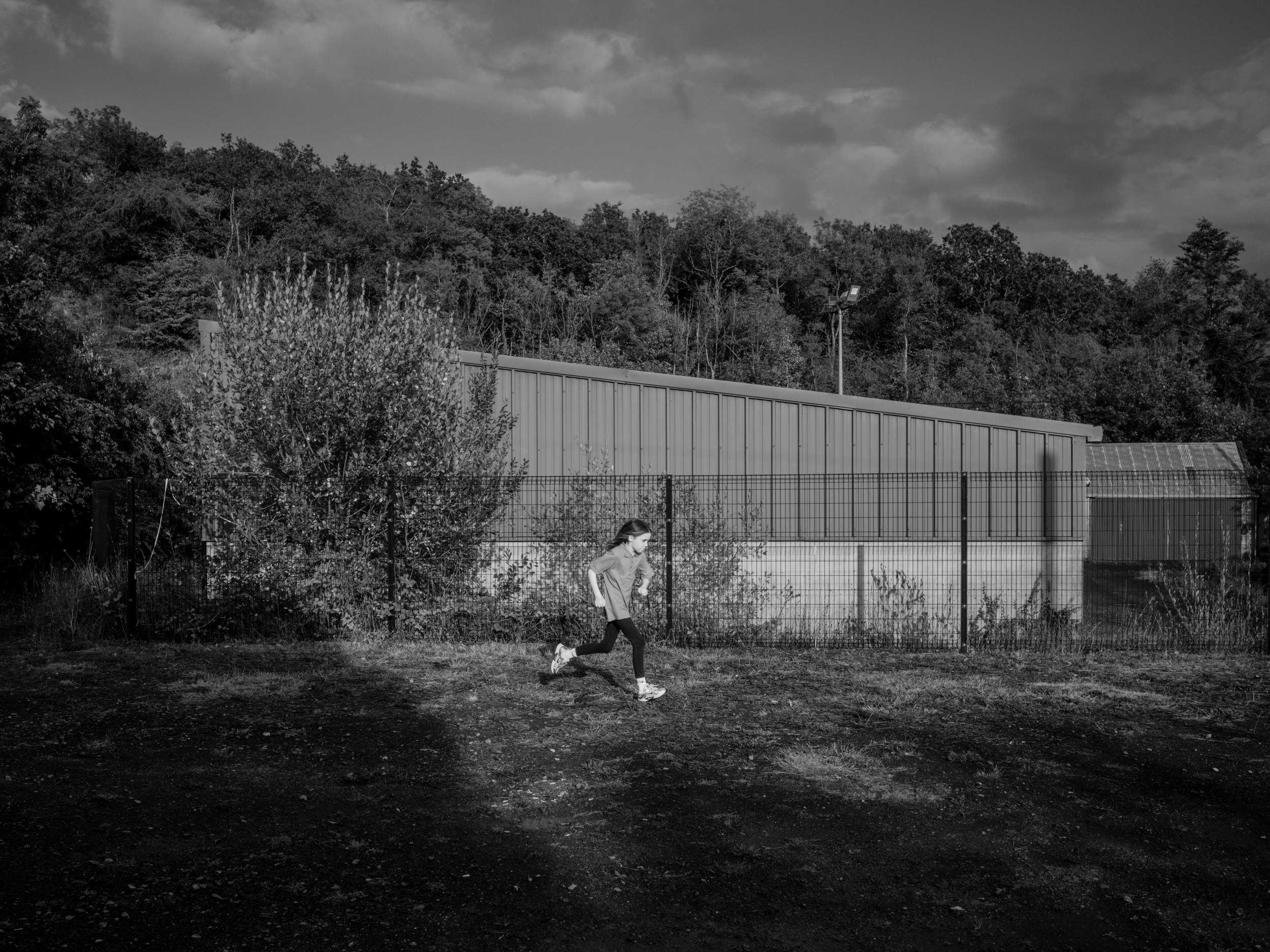
f/6.3 · 1/800 s · ISO 1,600
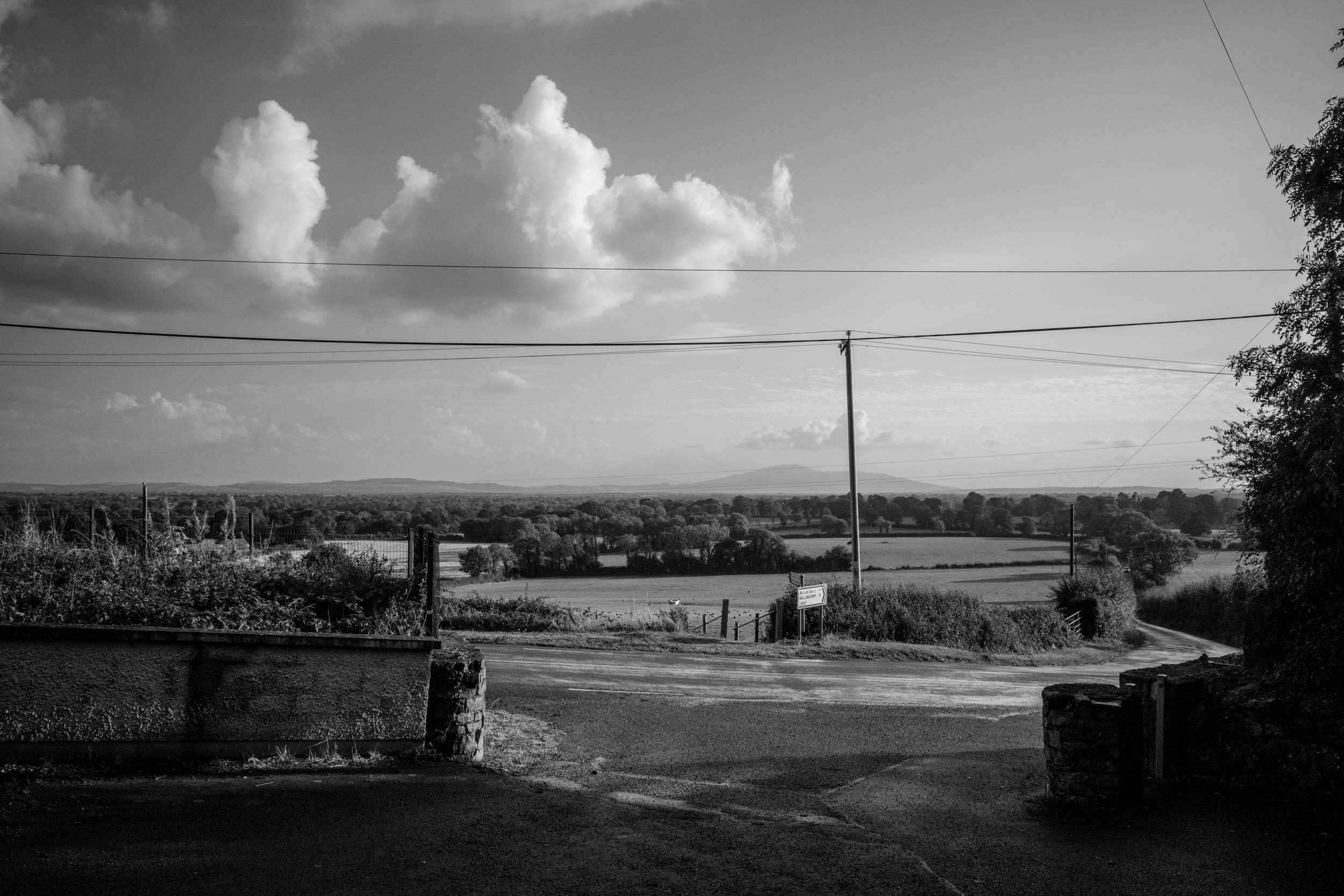
f/6.3 · 1/2000 s · ISO 1,600
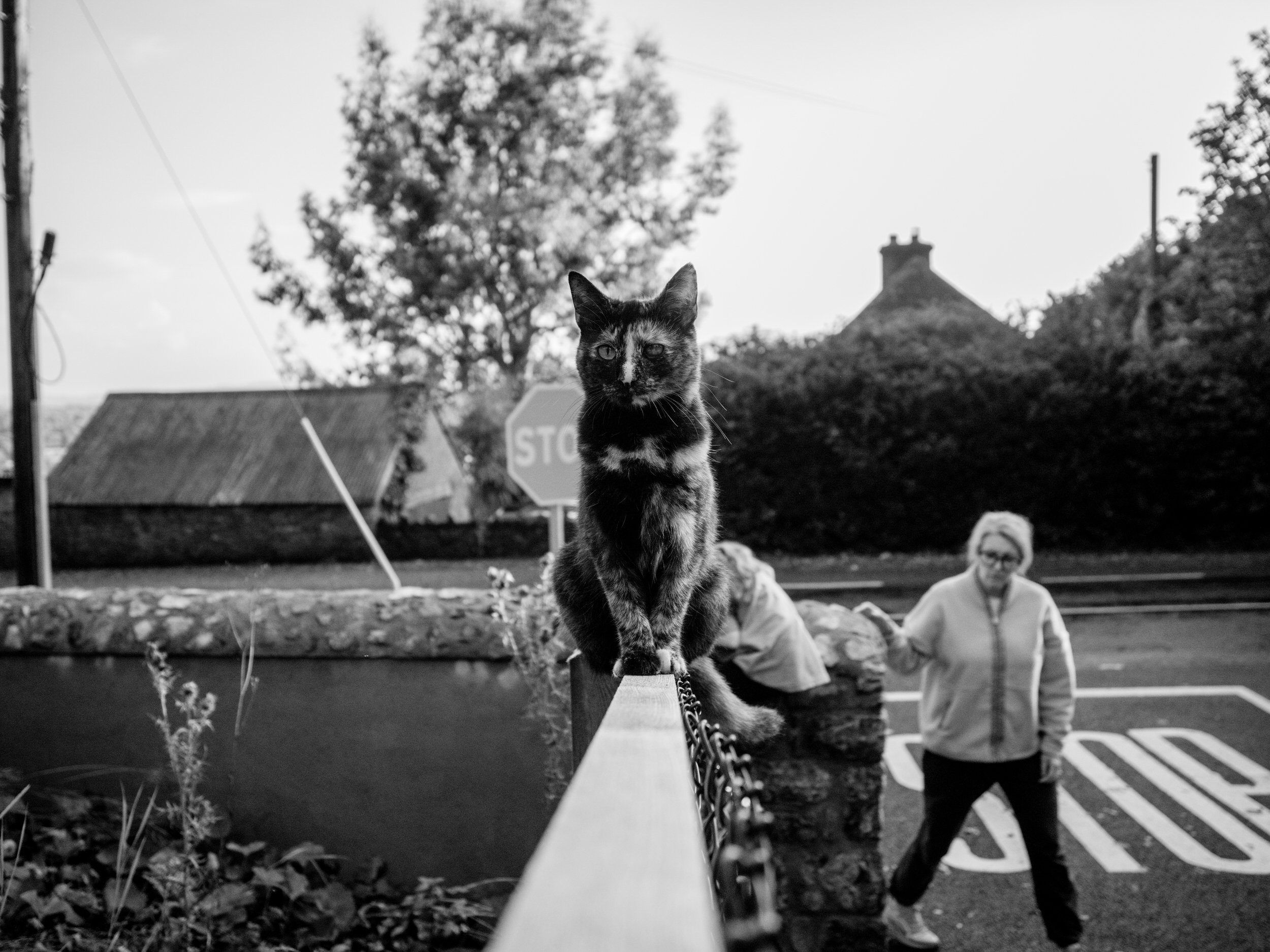
f/2.8 · 1/800 s · ISO 1,600
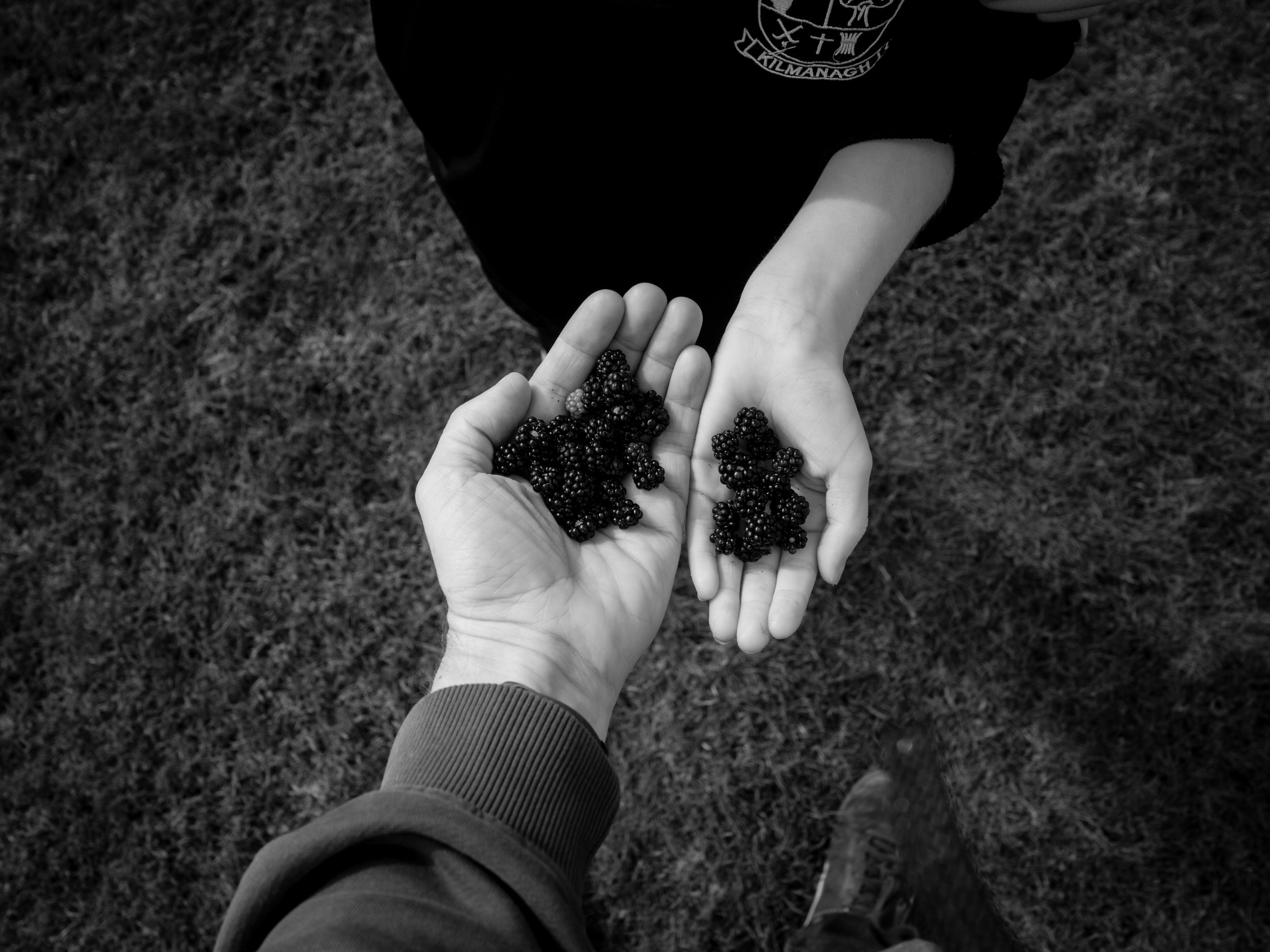
f/5 · 1/125 s · ISO 400
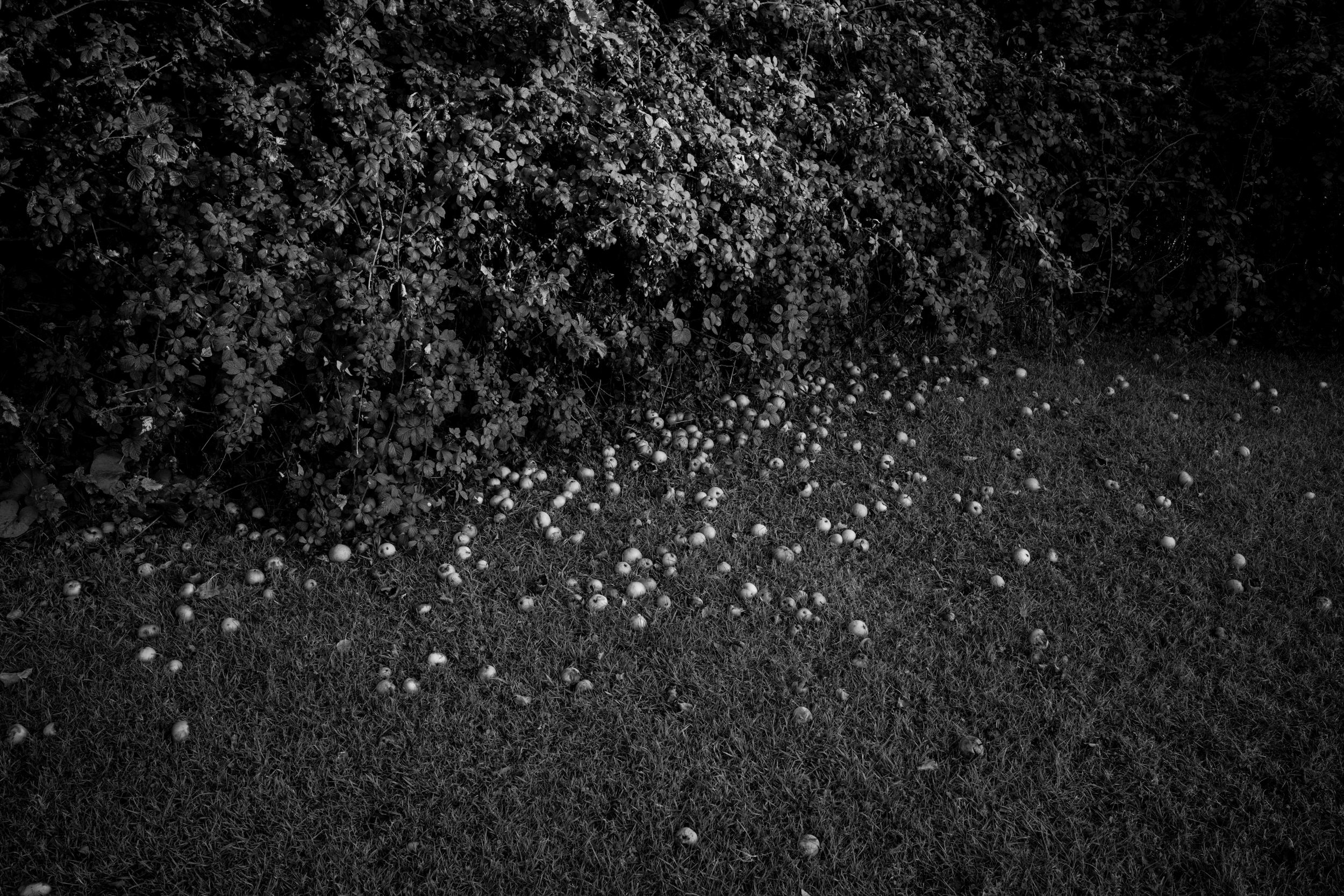
f/7.1 · 1/200 s · ISO 1,600
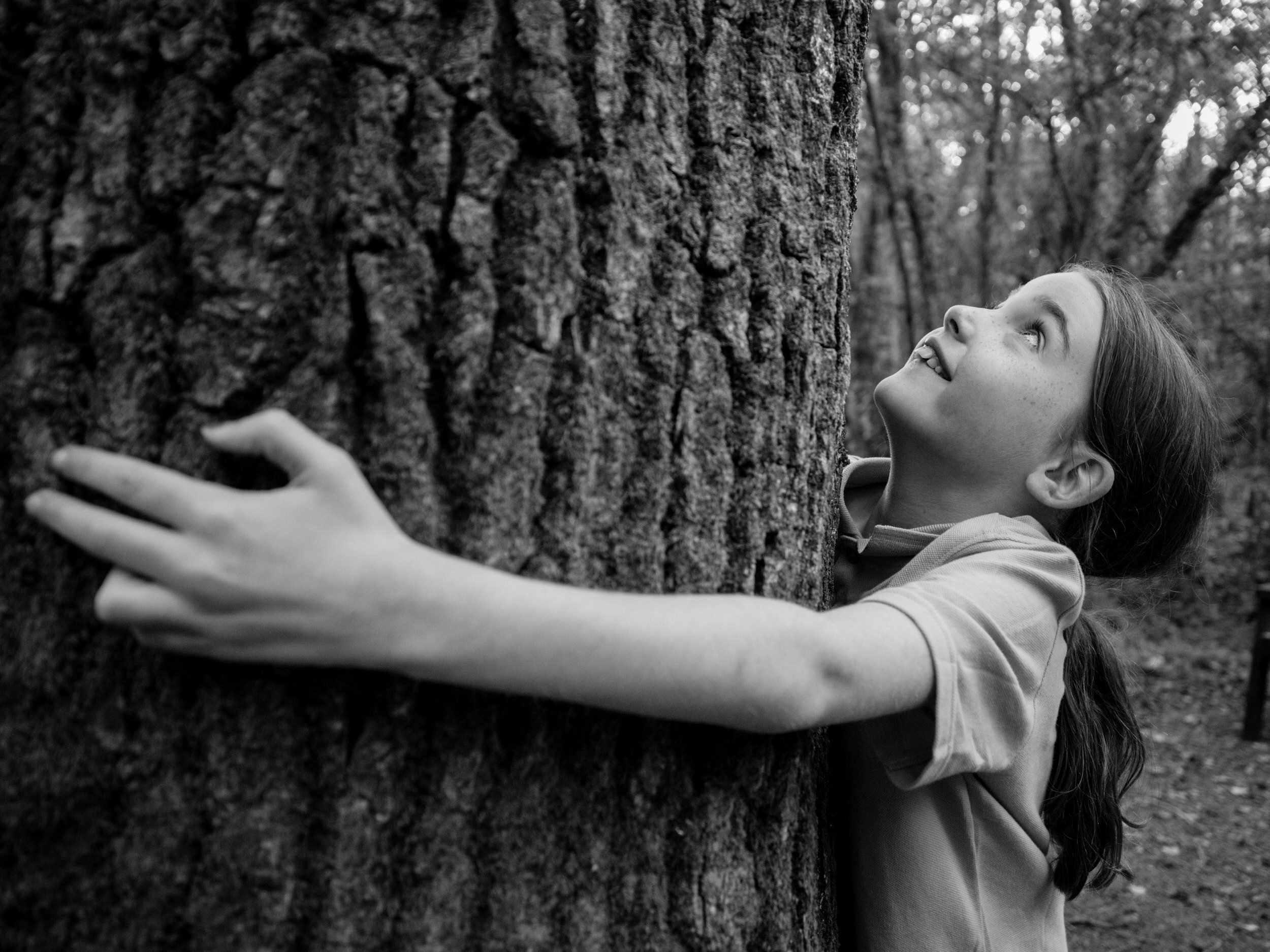
f/2.8 · 1/200 s · ISO 3,200
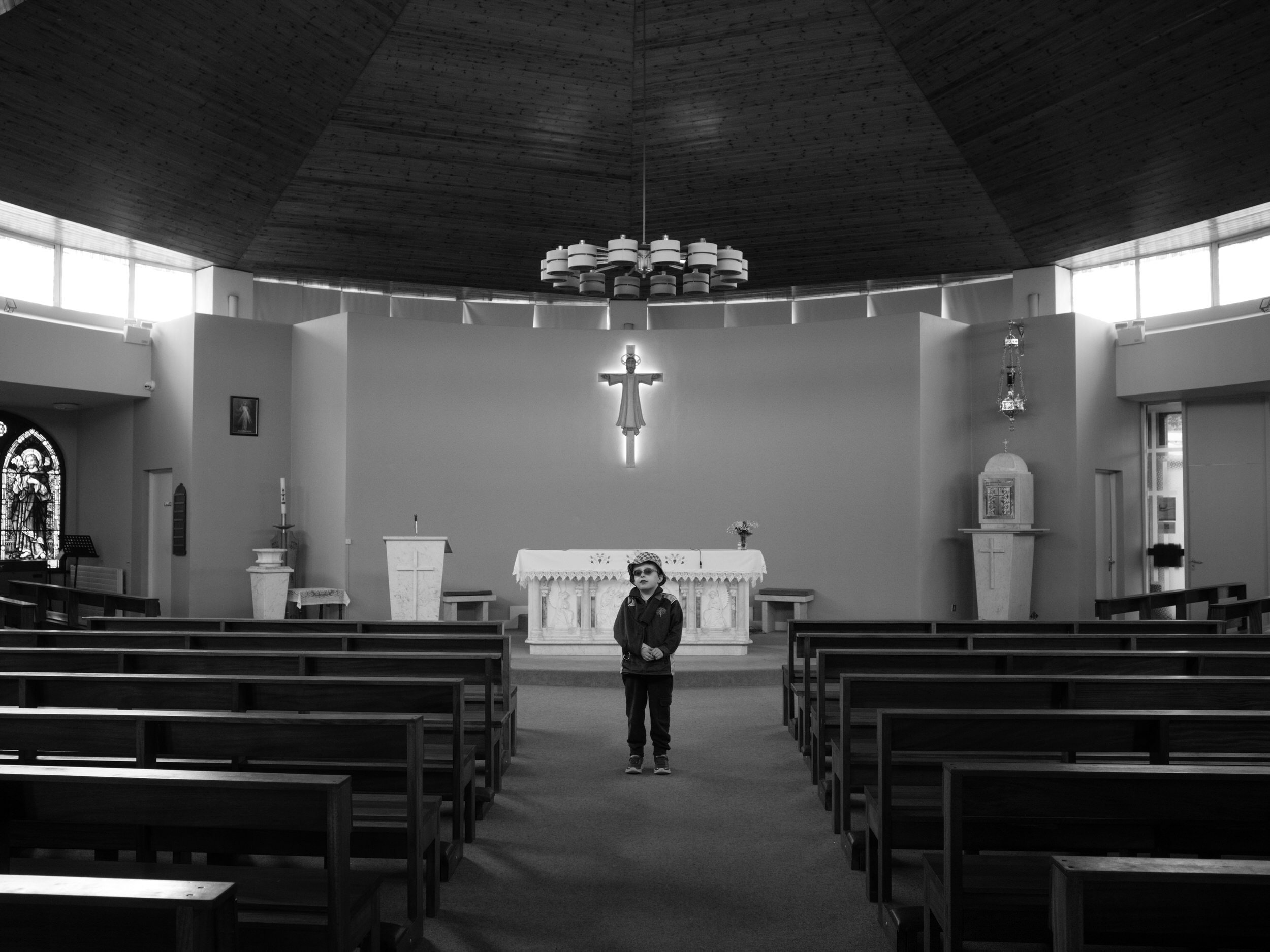
f/4 · 1/250 s · ISO 2,500
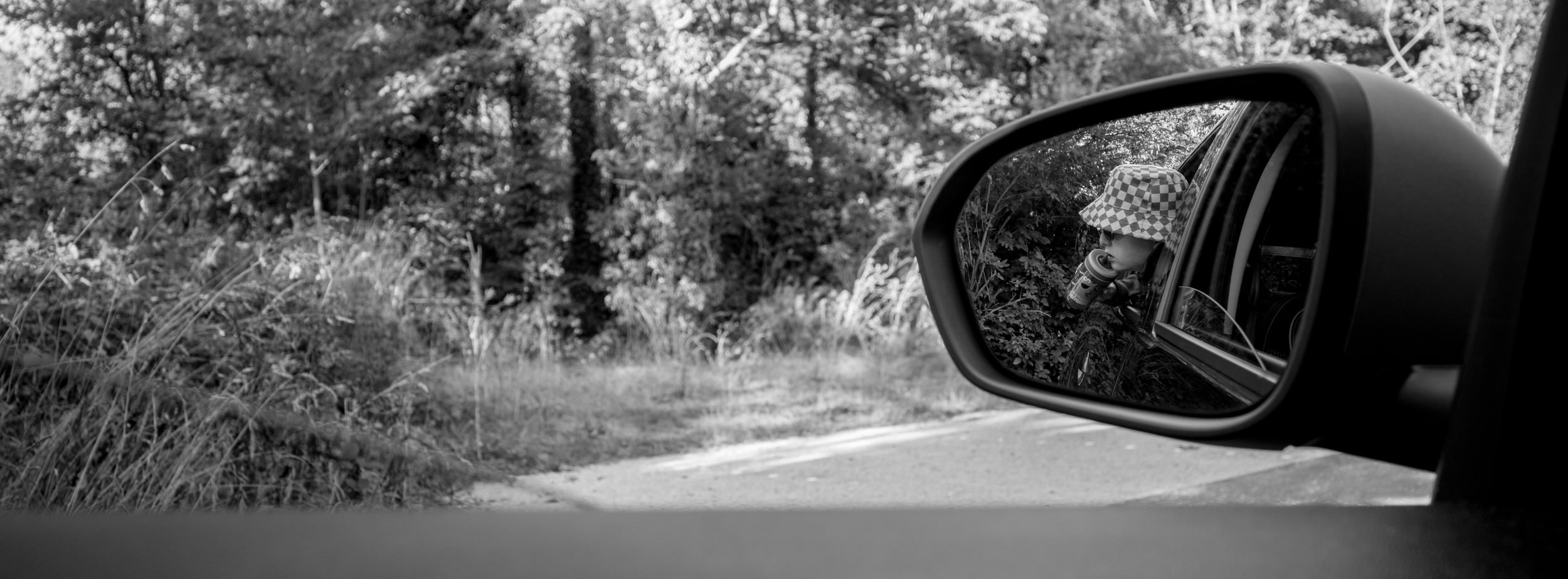
f/4 · 1/250 s · ISO 400
The ordinary things
Looking back through the photographs, I like how much everyday life is in there.
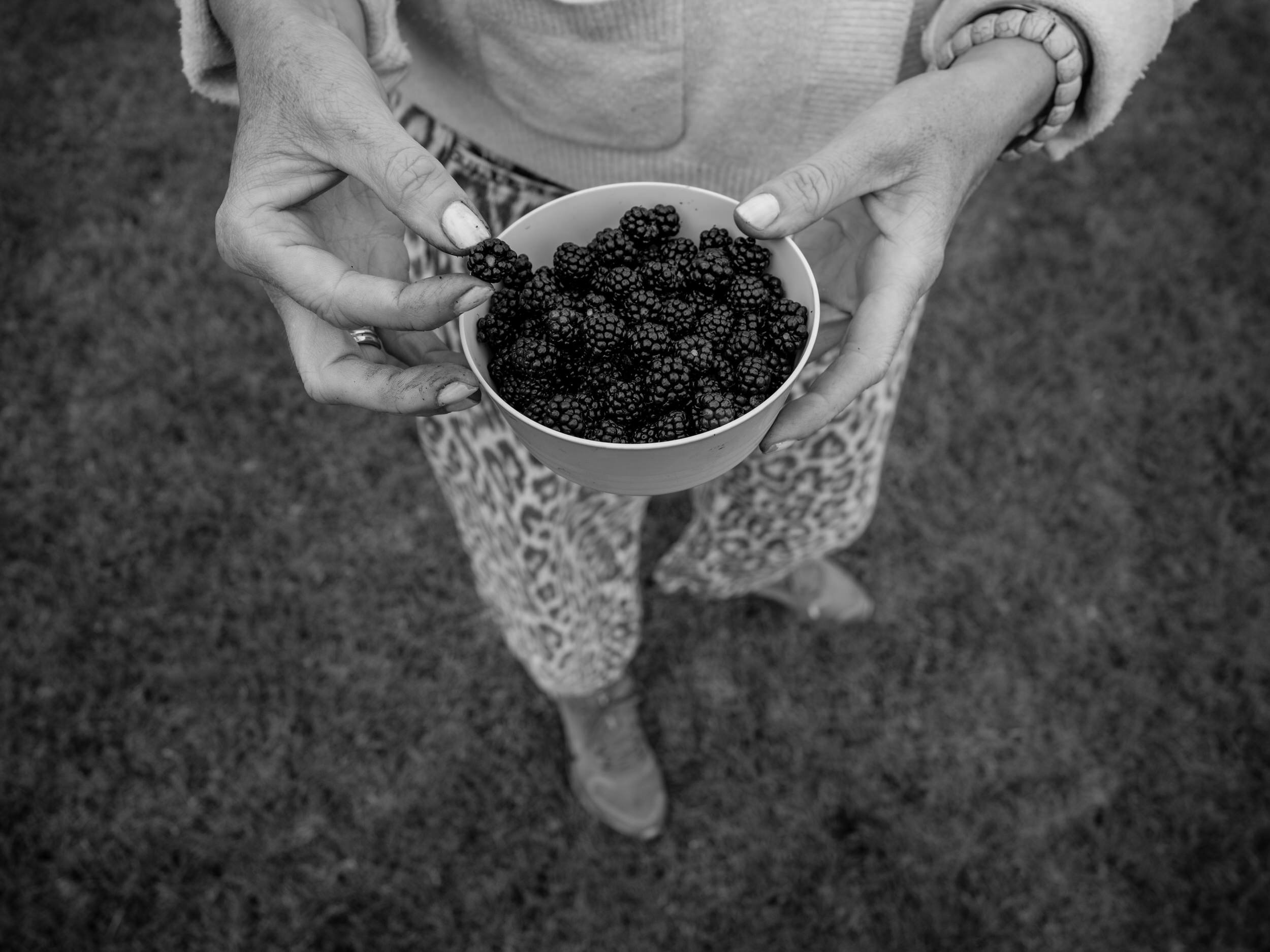
There are outings and trips, of course, but there are also photographs made in the middle of doing something else. The Ricoh has been very good for that. Being able to carry it so easily means the things I photograph aren’t limited to the occasions when I’ve deliberately gone out to take pictures.
The photographs of people matter most to me, but I enjoy the quieter pictures around them too. They give a sense of the places we’ve been and the things I’ve noticed along the way.
I’ve included some of those here because they’re part of my experience of the camera. After nearly 6,000 frames, the interesting thing is seeing how readily it has fitted into what I already do.
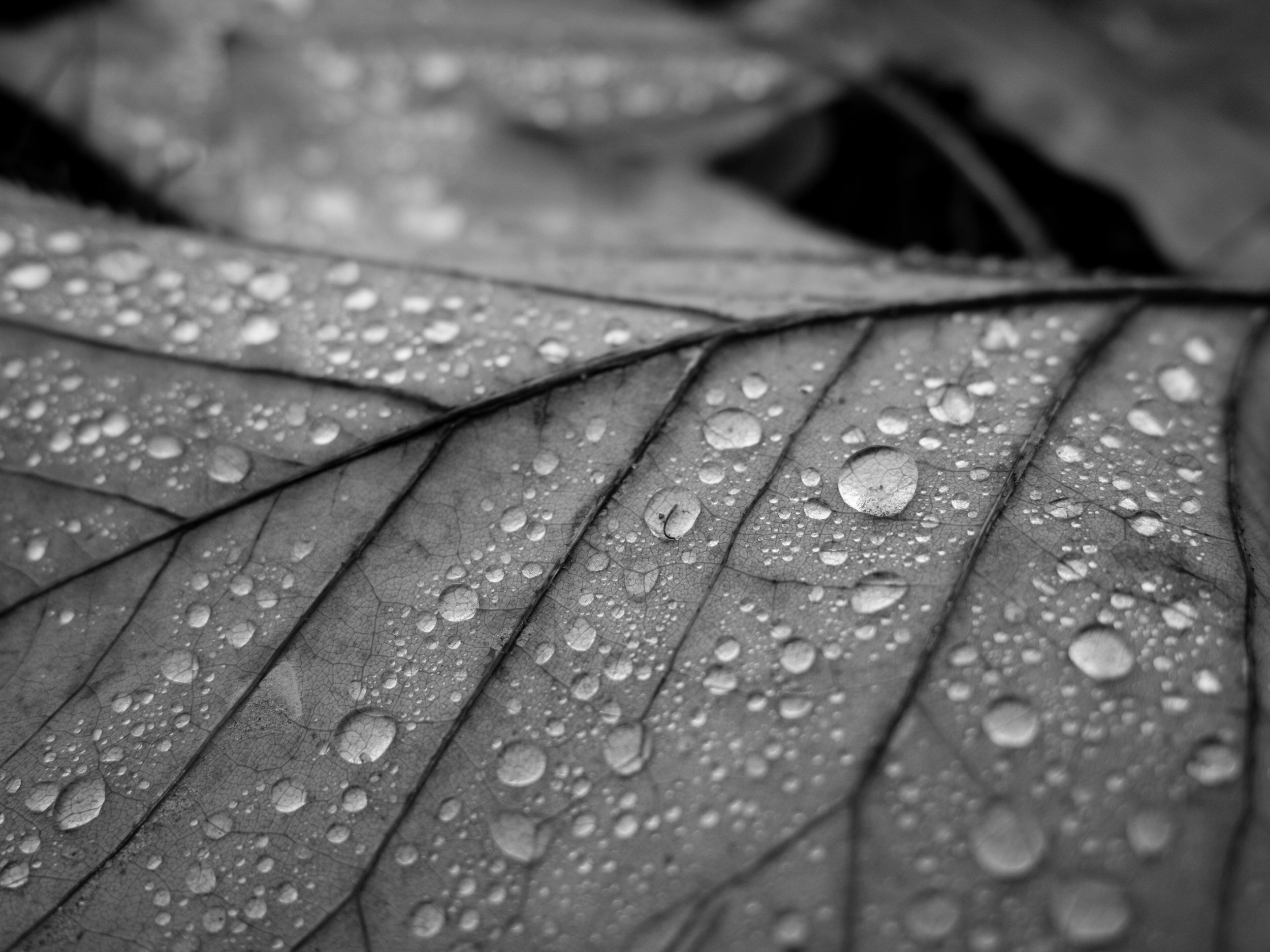
f/3.2 · 1/800 s · ISO 1,600
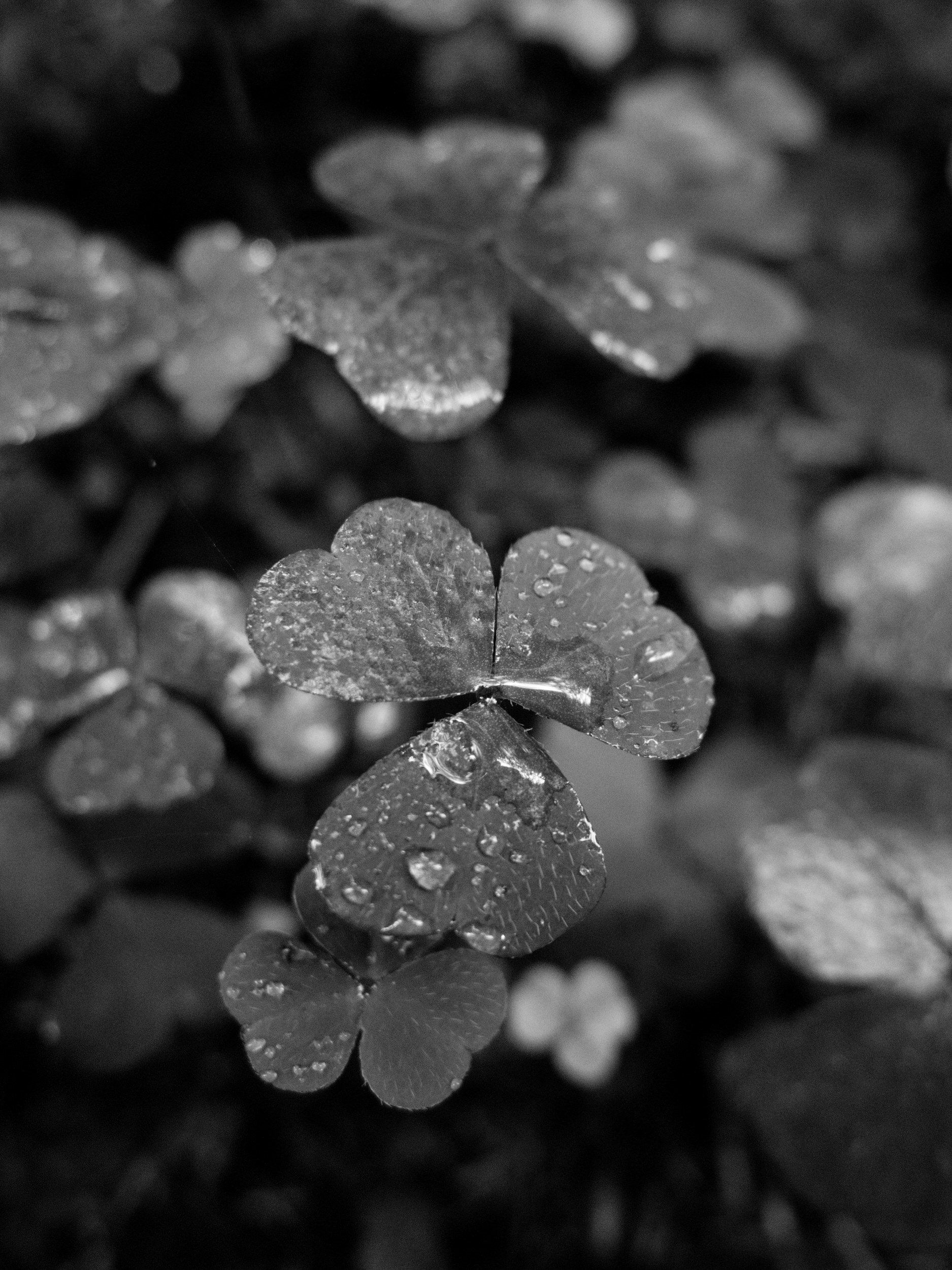
f/3.2 · 1/125 s · ISO 4,000
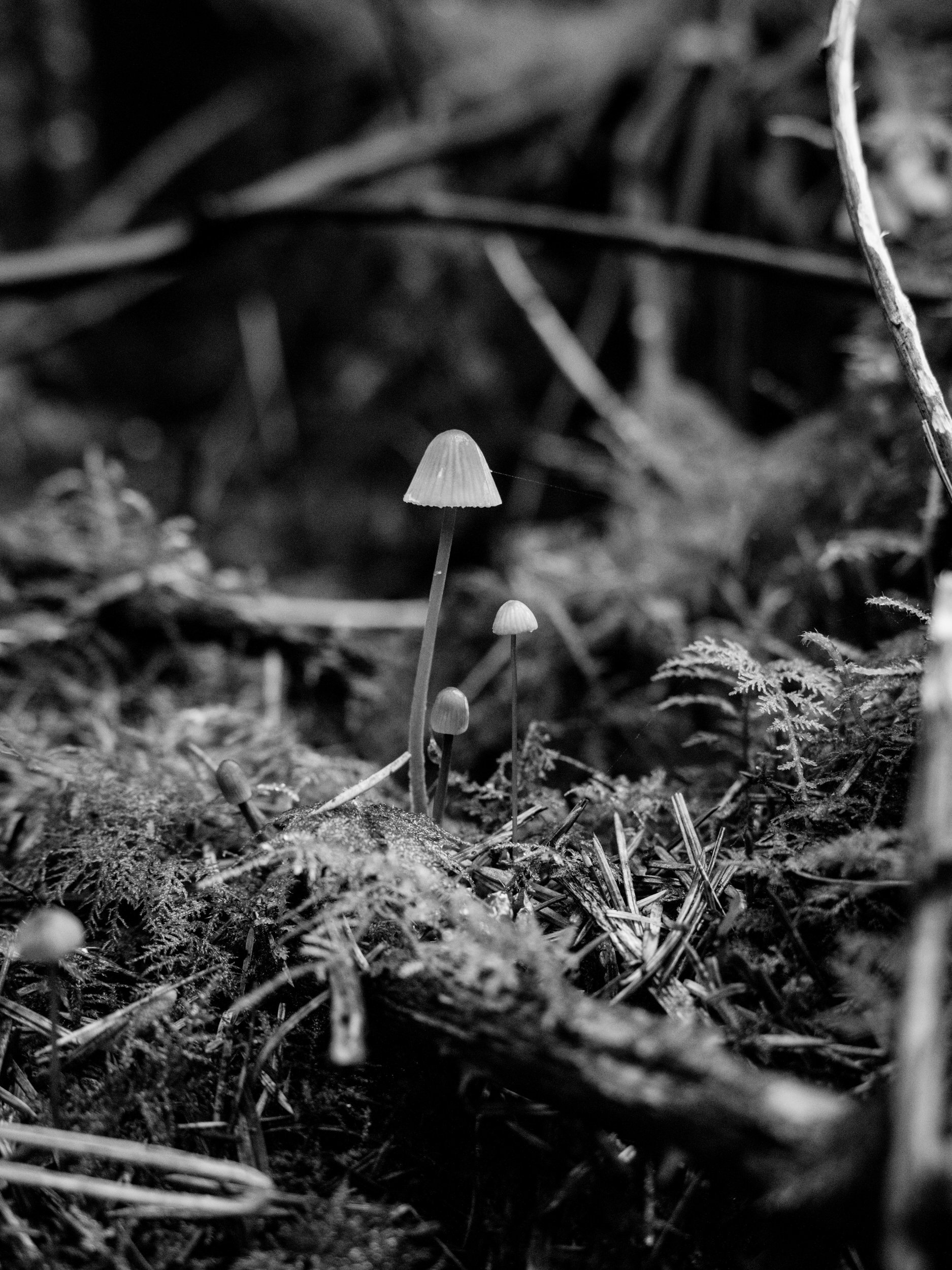
f/3.2 · 1/125 s · ISO 4,000
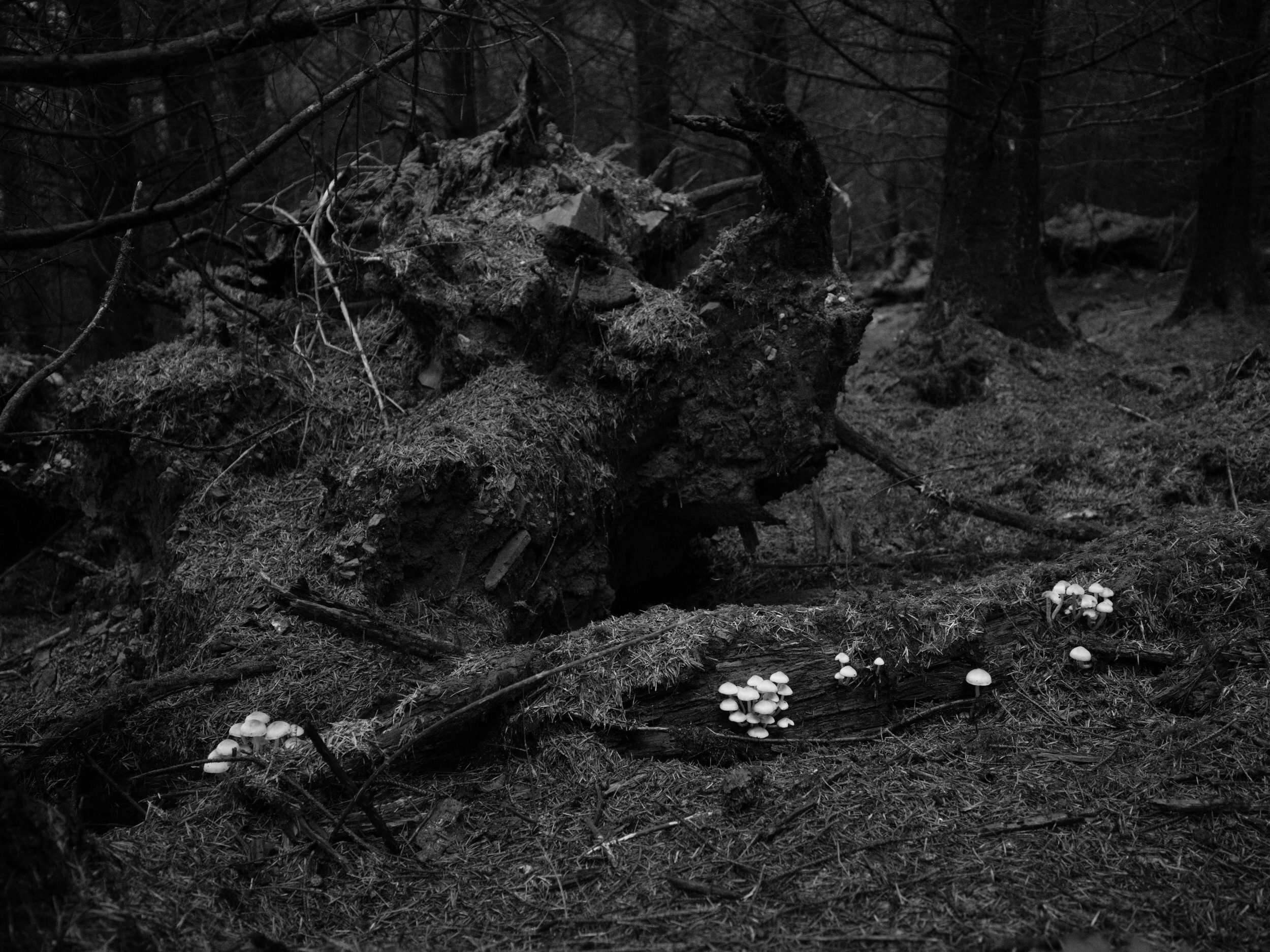
f/2.8 · 1/125 s · ISO 5,000
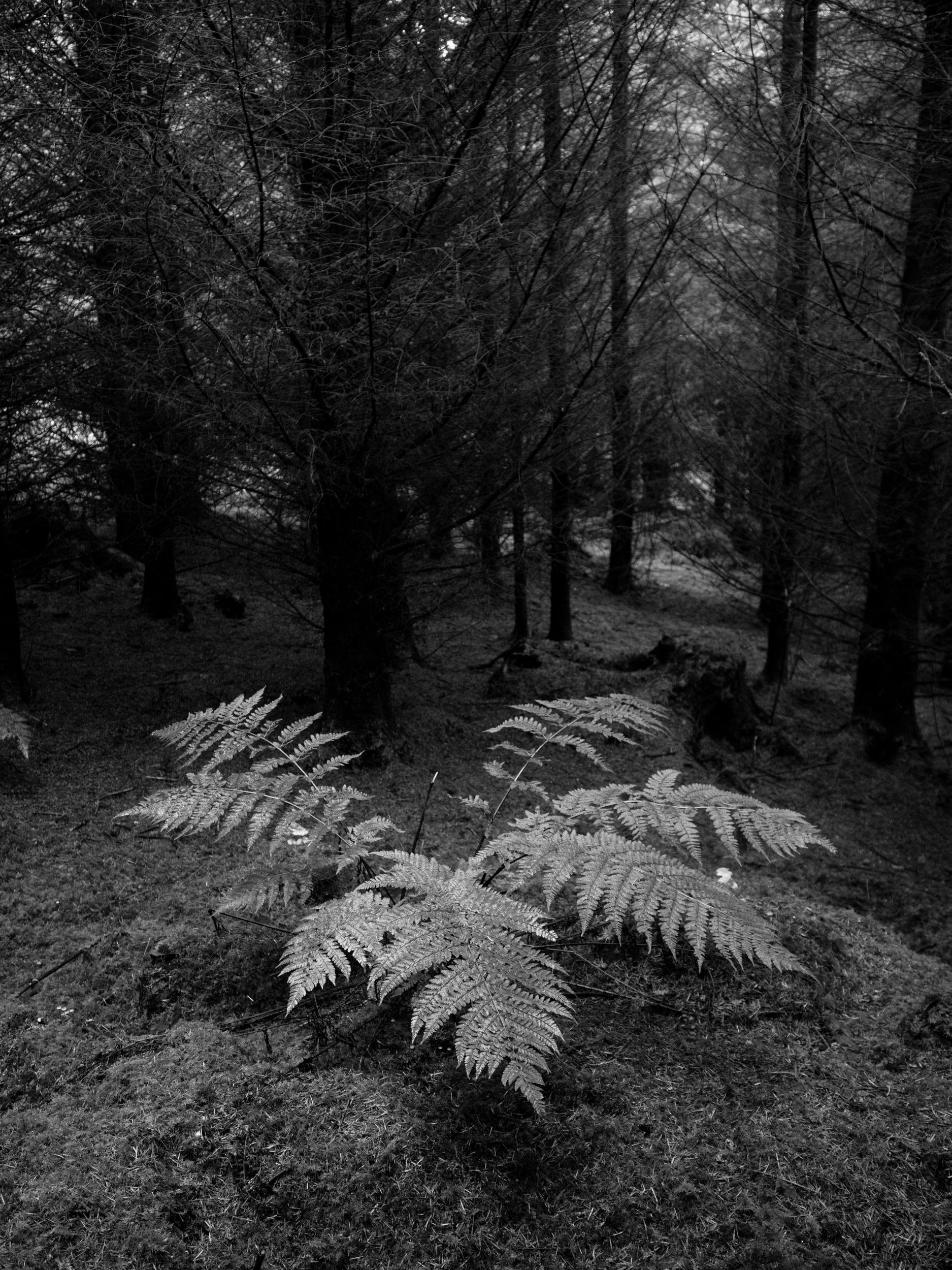
f/3.2 · 1/125 s · ISO 3,200
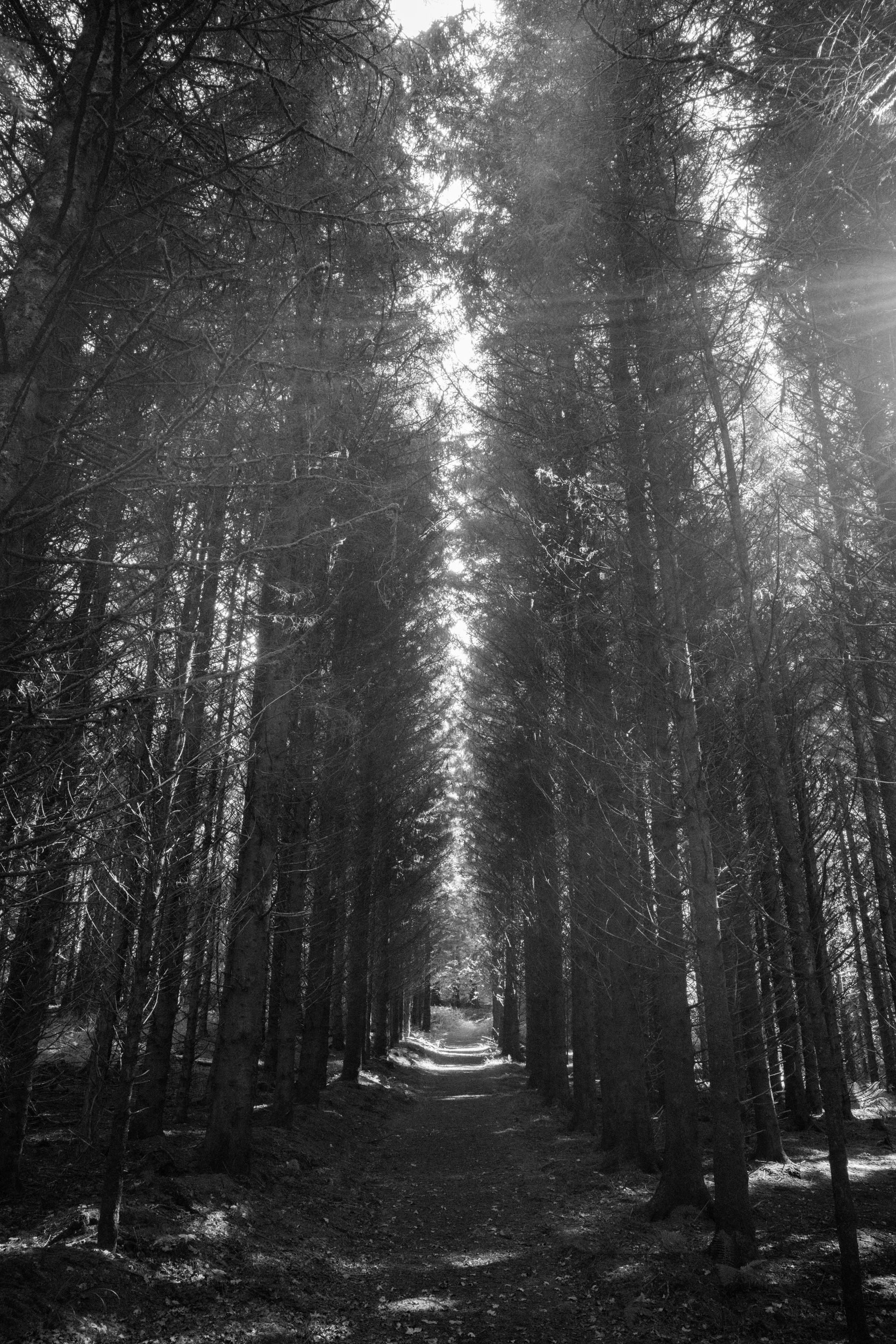
f/8 · 1/250 s · ISO 6,400
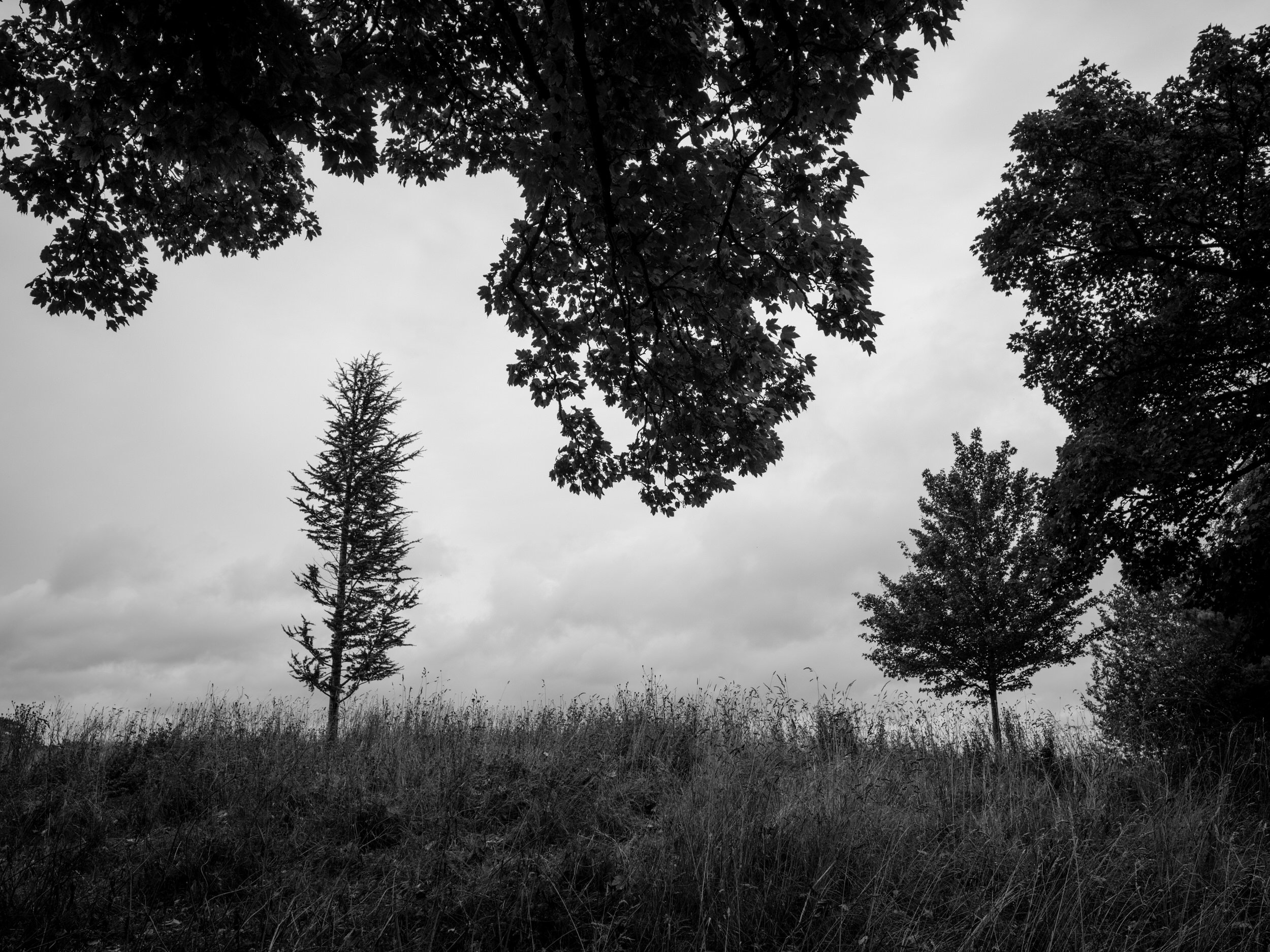
f/4.5 · 1/500 s · ISO 160
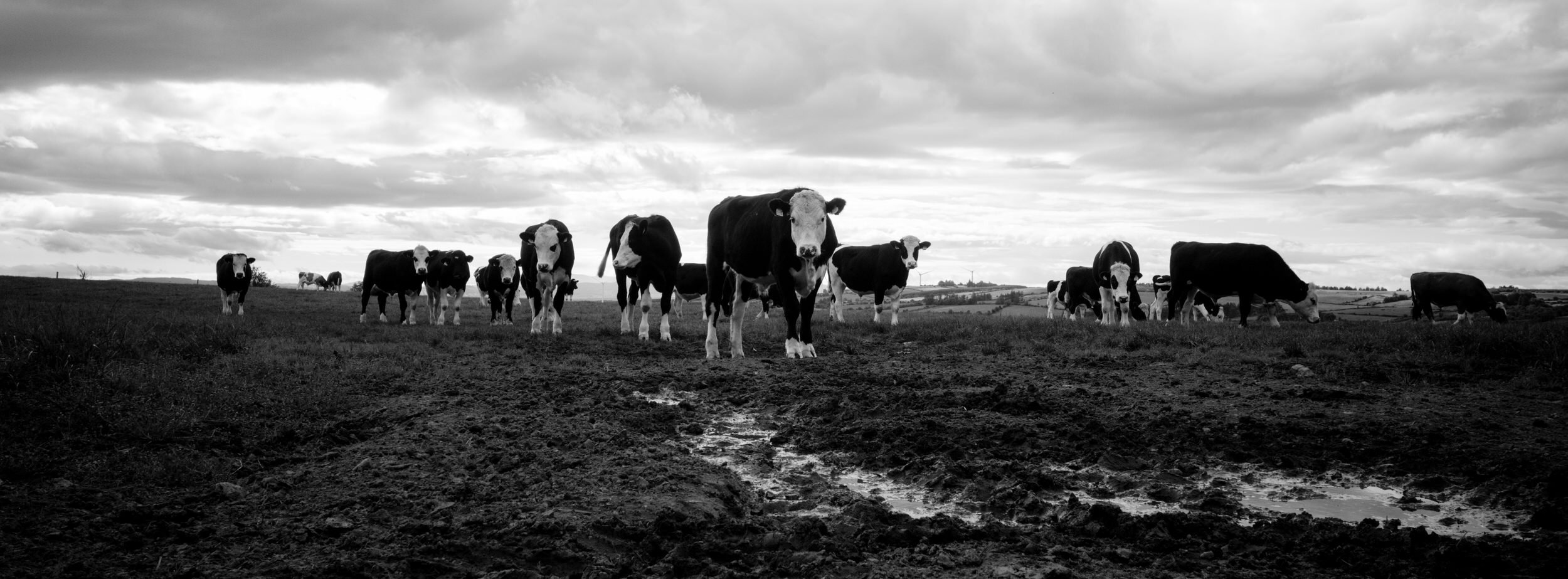
f/8 · 1/320 s · ISO 1,600
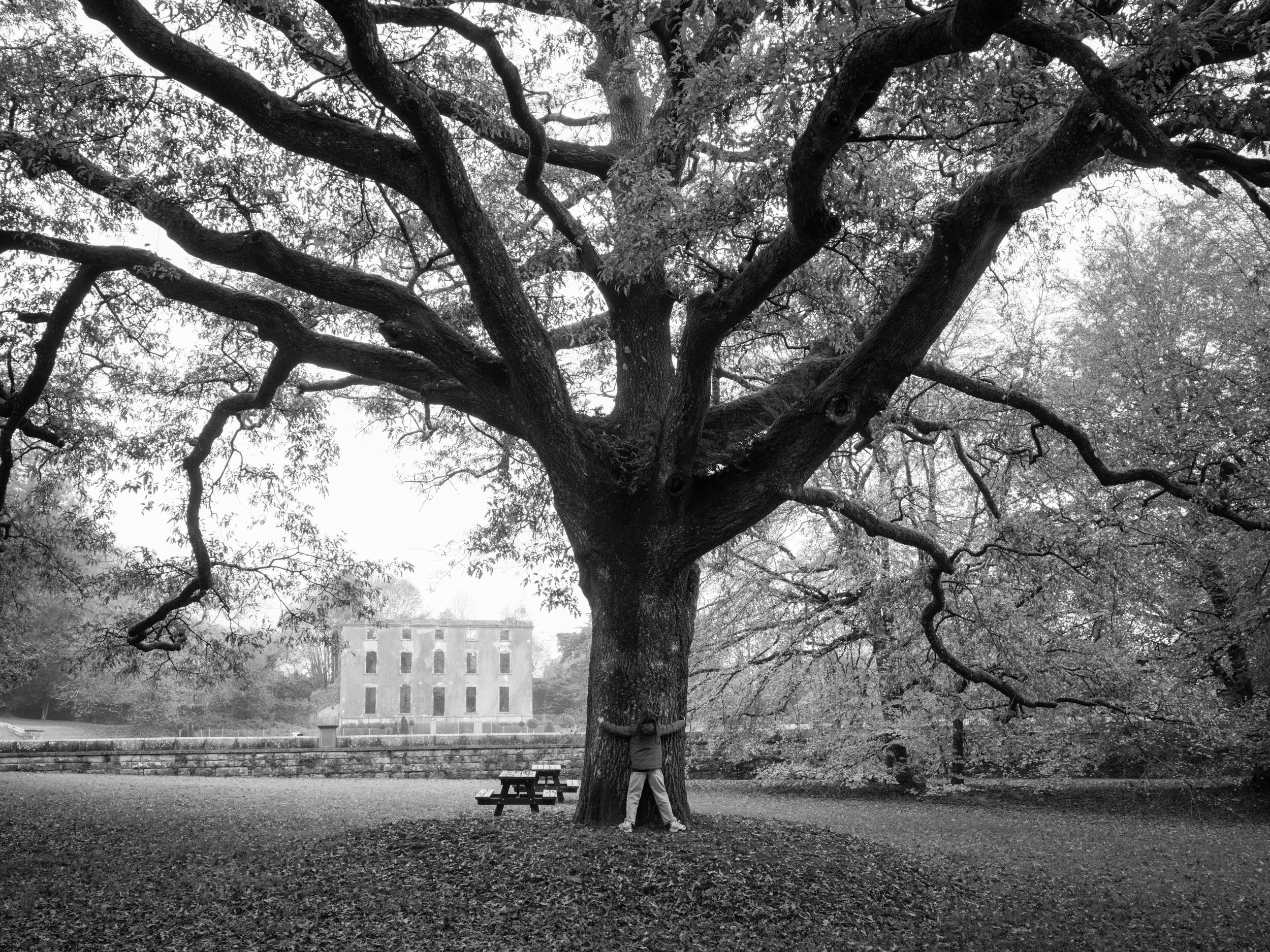
f/5 · 1/200 s · ISO 1,600
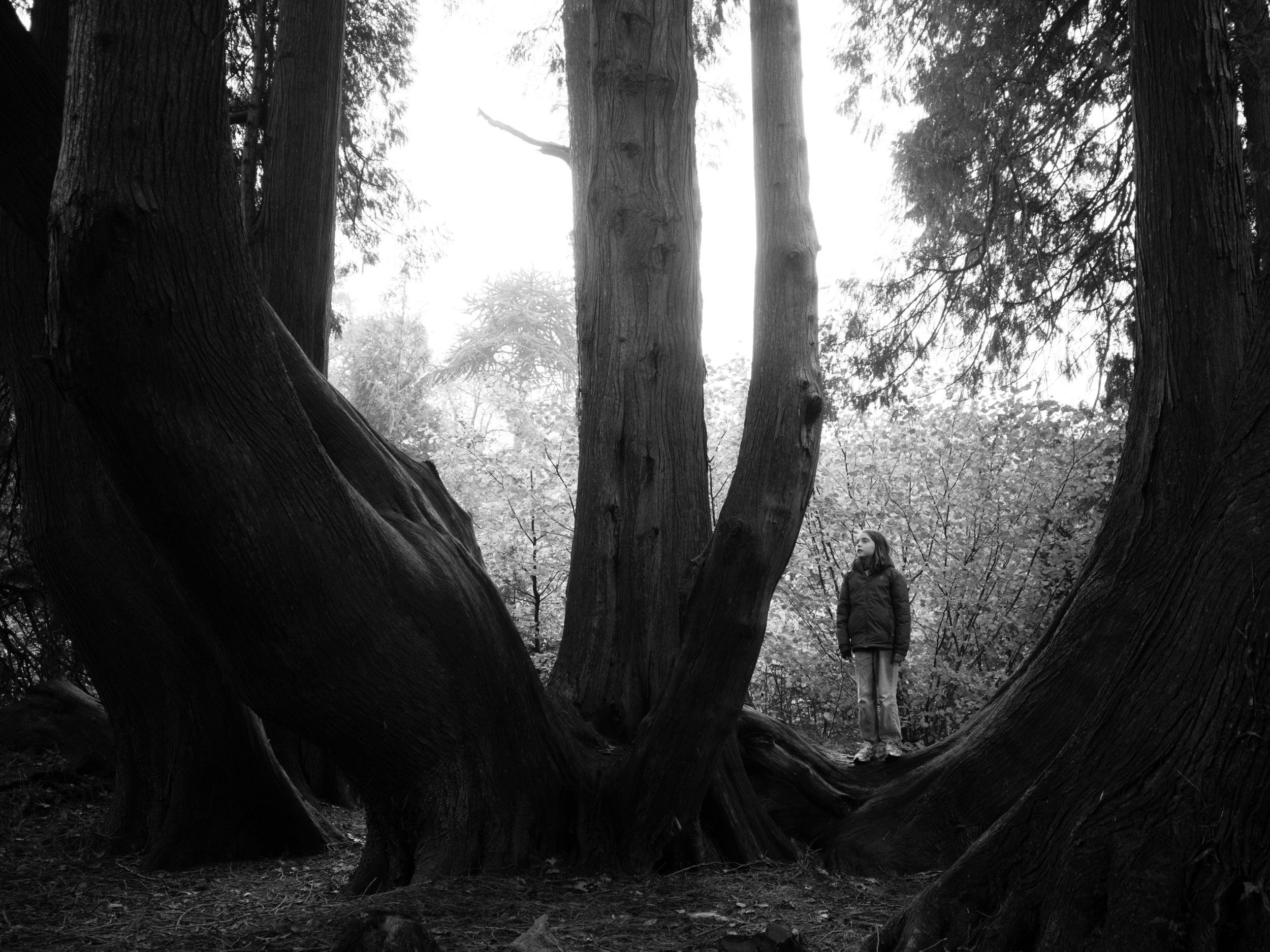
f/2.8 · 1/200 s · ISO 2,000
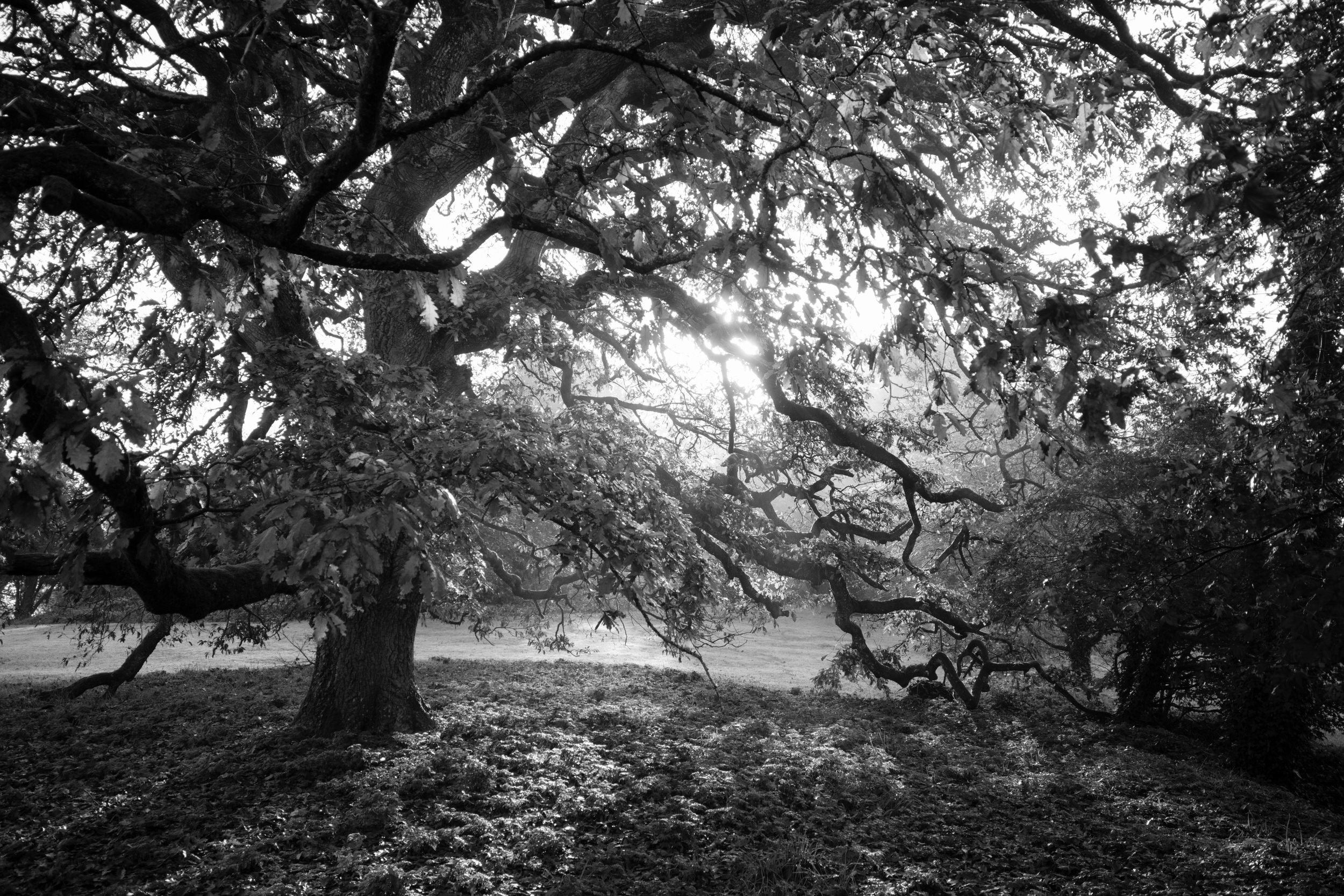
f/2.8 · 1/3200 s · ISO 1,600
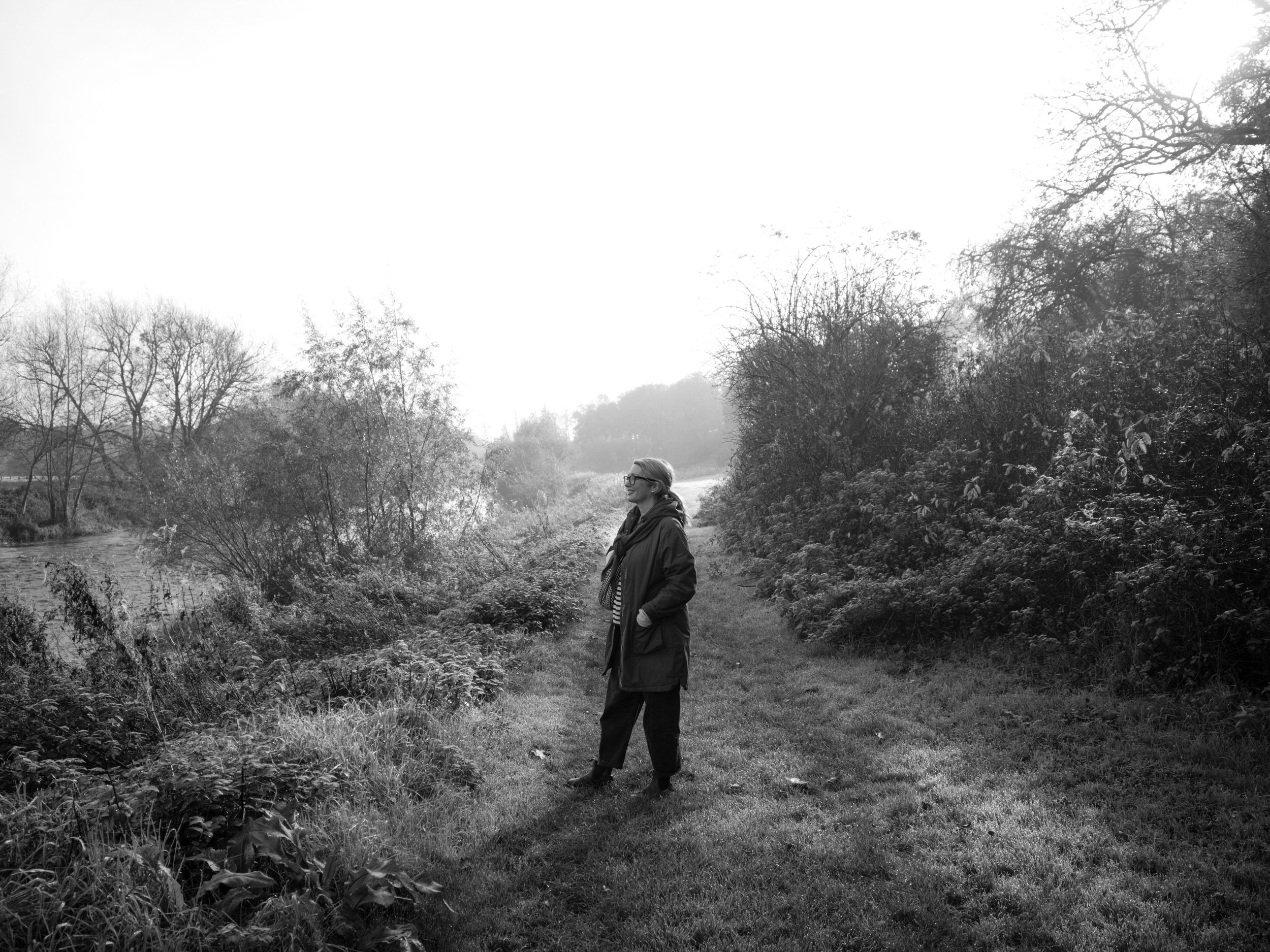
f/2.8 · 1/6400 s · ISO 1,600
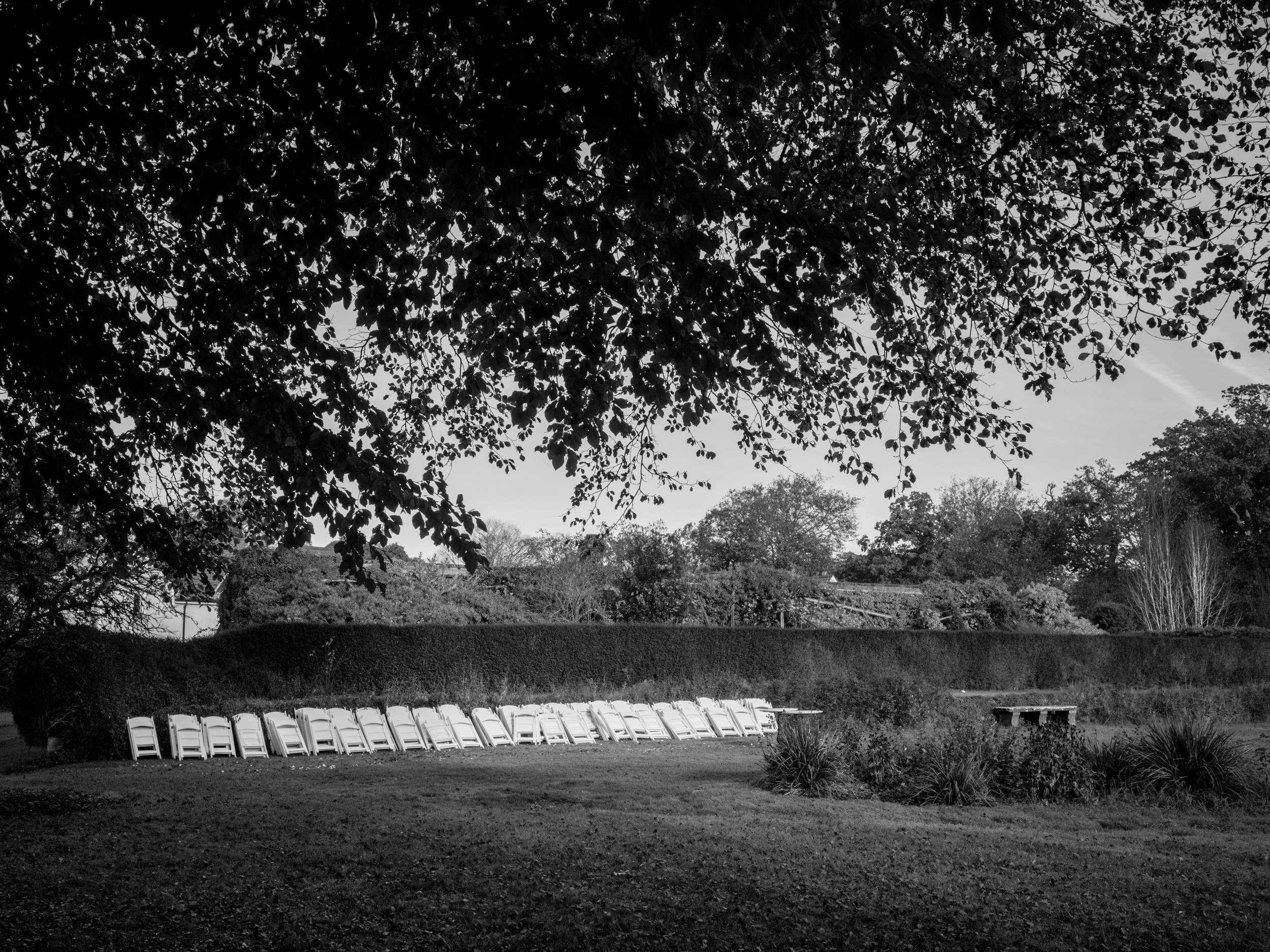
f/7.1 · 1/1600 s · ISO 1,600
Getting used to it
The fixed rear screen took a little getting used to. I occasionally brought the camera up to my eye, expecting a viewfinder to be there. Old habits.
I’m completely used to it now. It’s simply how I use the camera, although it was an adjustment at the beginning.
Changing settings as I go has been straightforward. I’ve been experimenting with the U1, U2 and U3 positions for different ways of shooting, including slower shutter speeds and highlight-weighted metering. I like being able to make those changes without much fuss.
Battery life is something I’ve seen criticised in reviews, but I’ve actually found it pretty good for my use. I have a couple of batteries, they hold their charge well, and charging in the camera is quick enough that it hasn’t become much of a concern.
The internal storage has also rescued me when I’ve left the memory card at home. That’s a feature you appreciate very quickly when you need it. I can transfer the photographs to the computer by cable, or move them from the internal storage to the card.
For something so small, it’s fitted into my usual way of working quite comfortably.
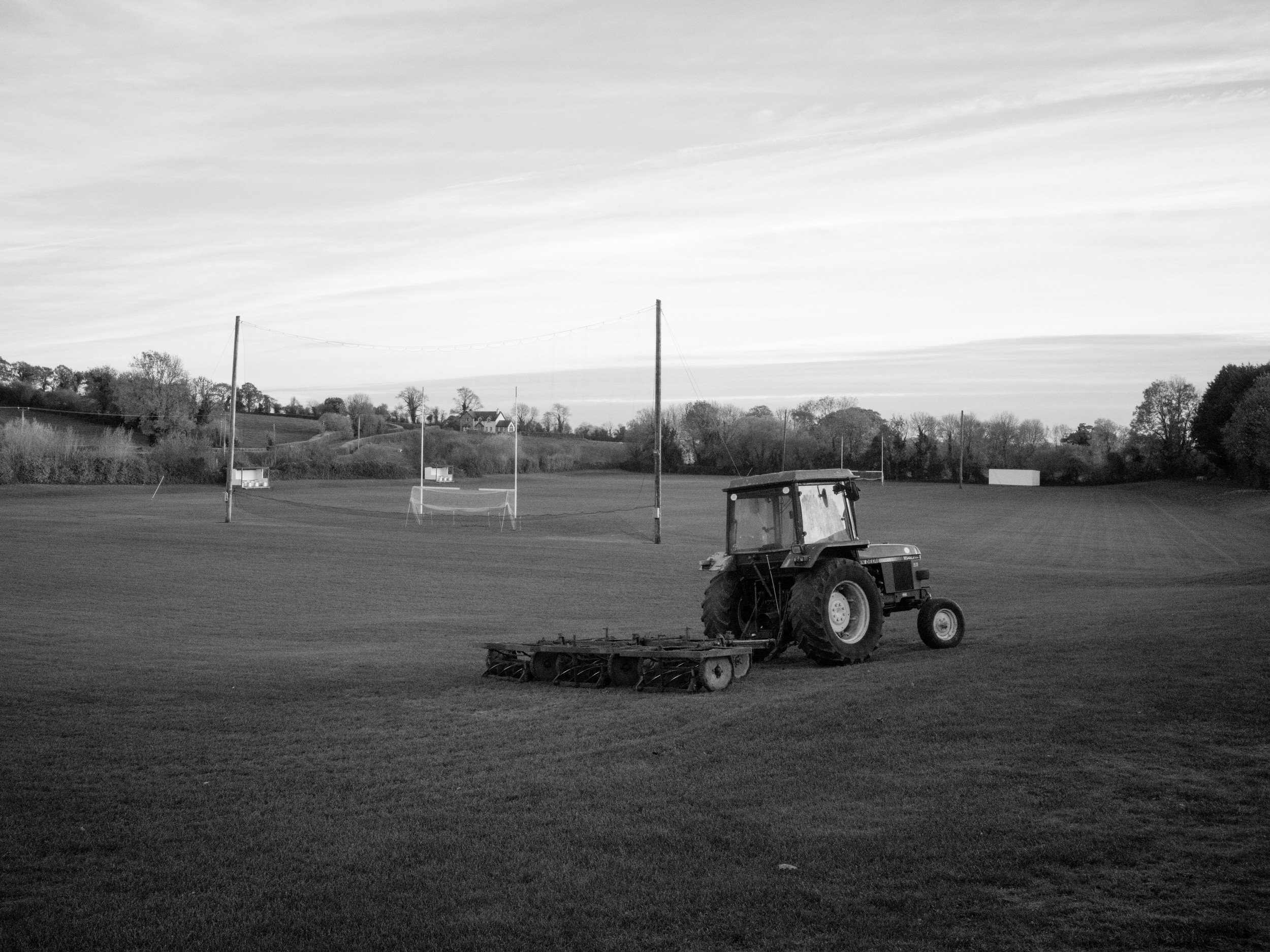
f/8 · 1/200 s · ISO 6,400
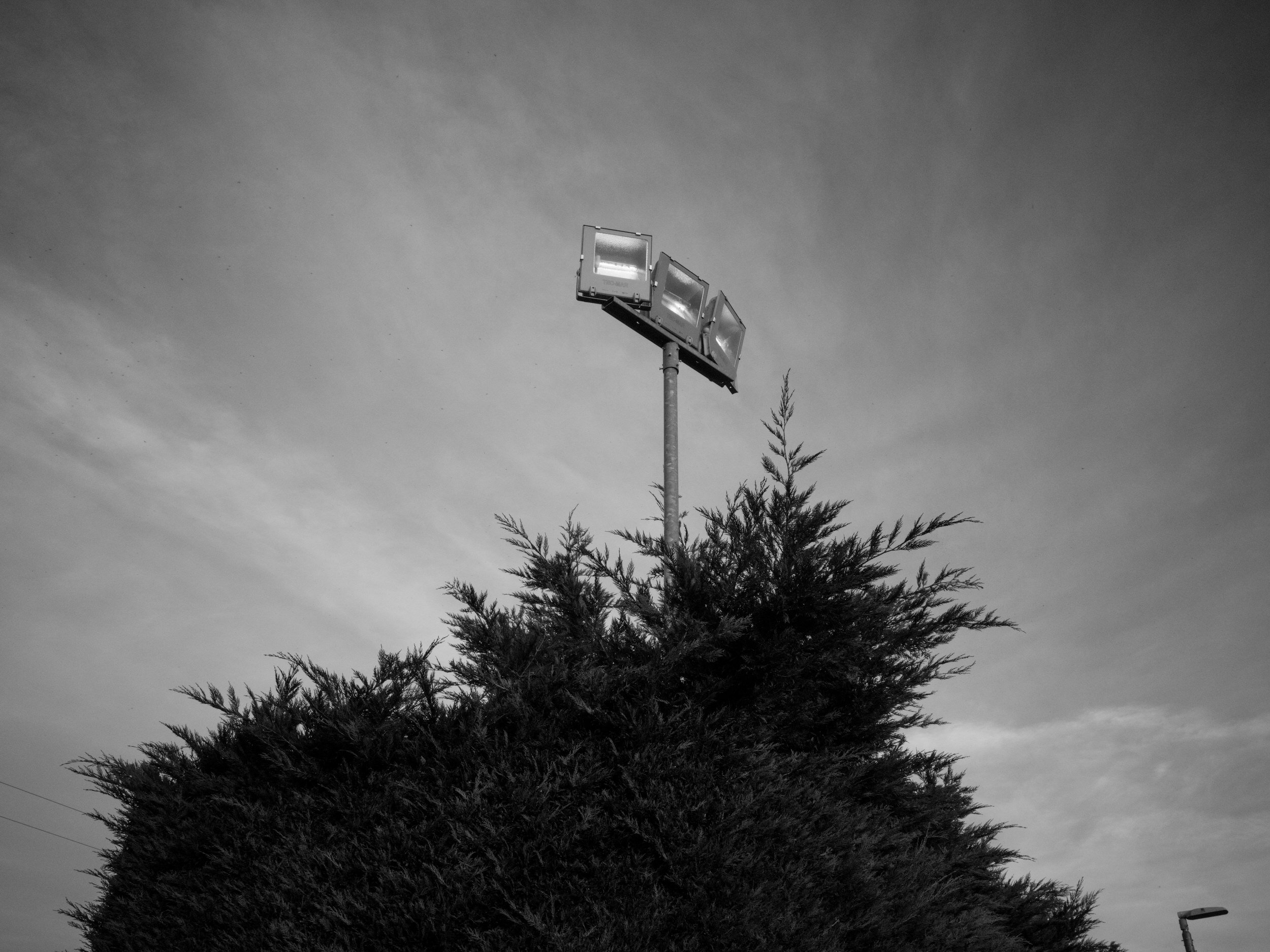
f/9 · 1/200 s · ISO 2,000
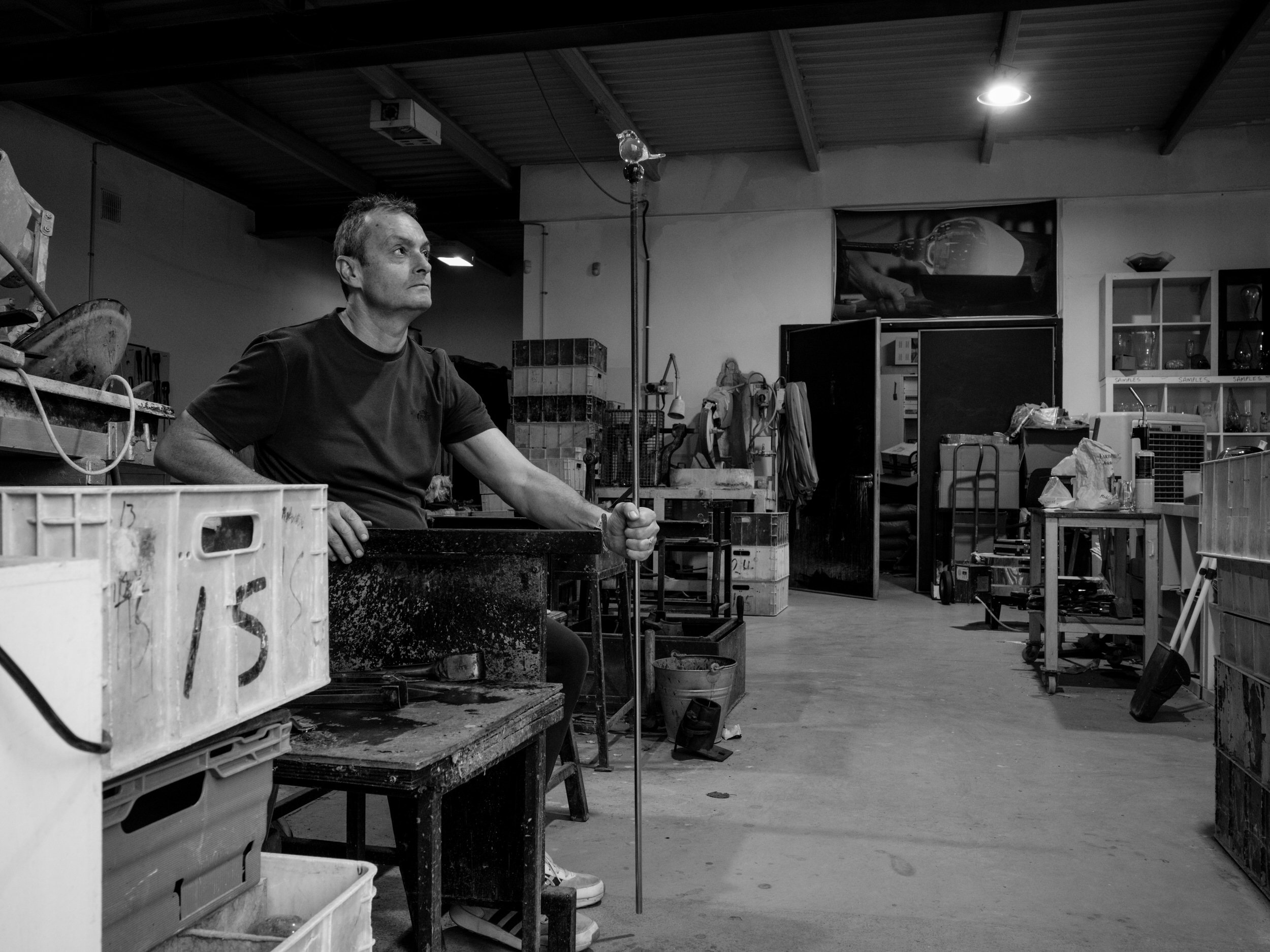
f/6.3 · 1/200 s · ISO 2,000
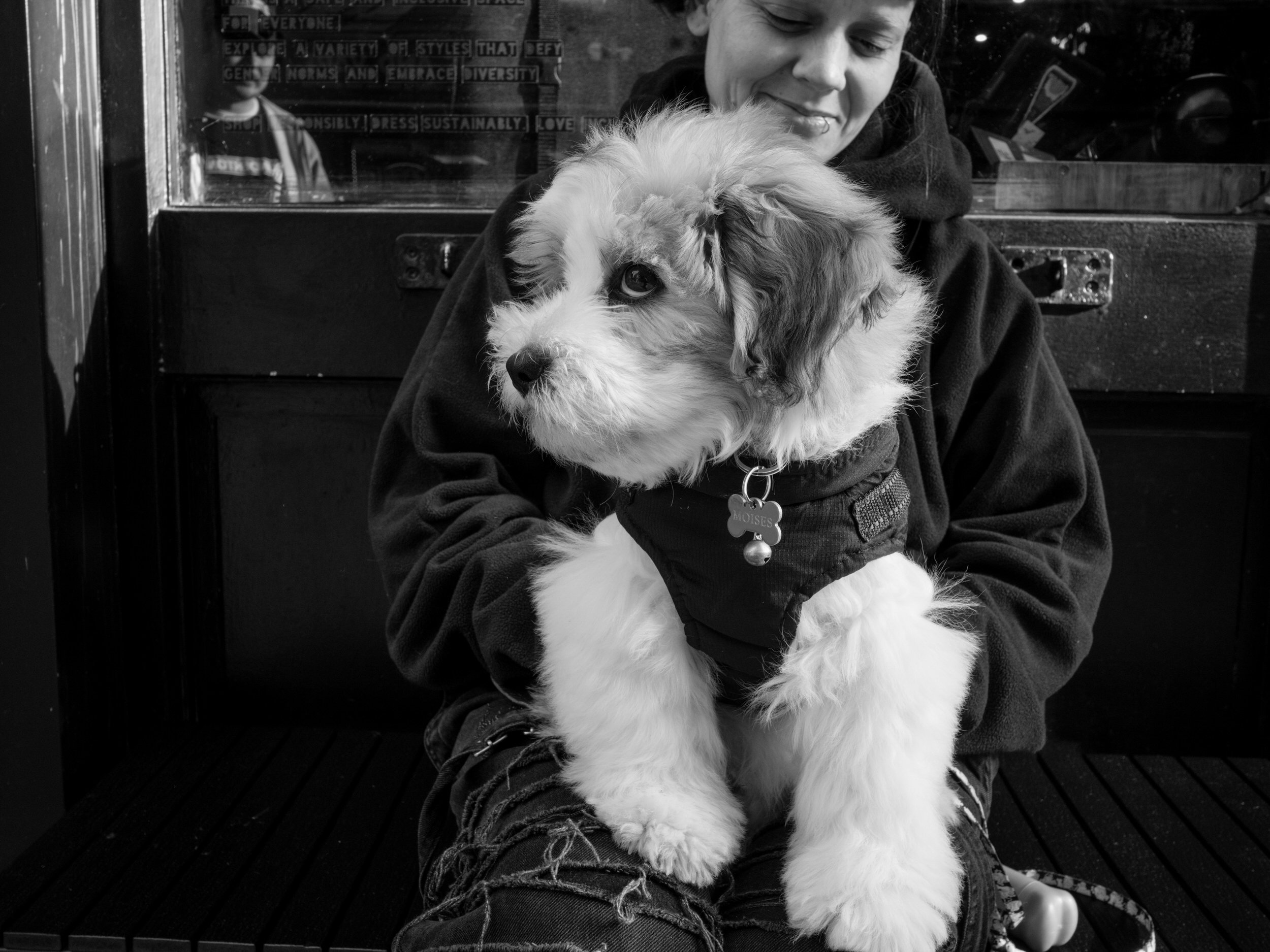
f/8 · 1/400 s · ISO 1,600
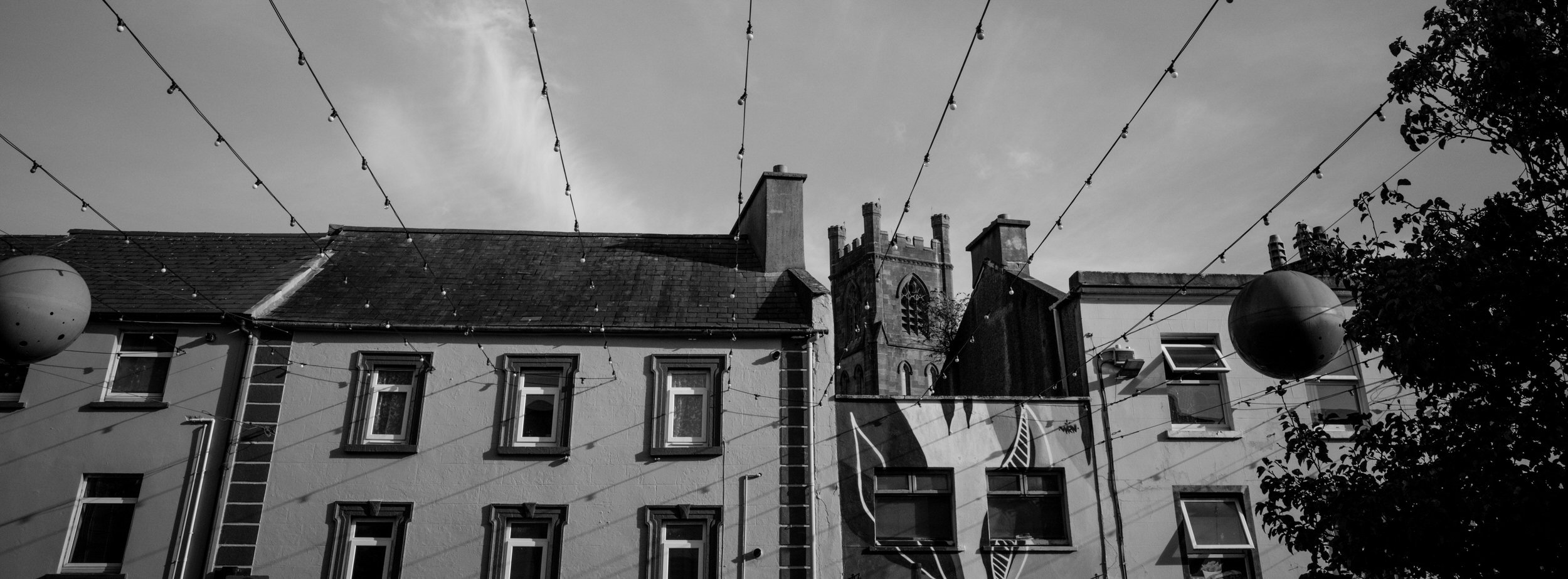
f/8 · 1/5000 s · ISO 1,600
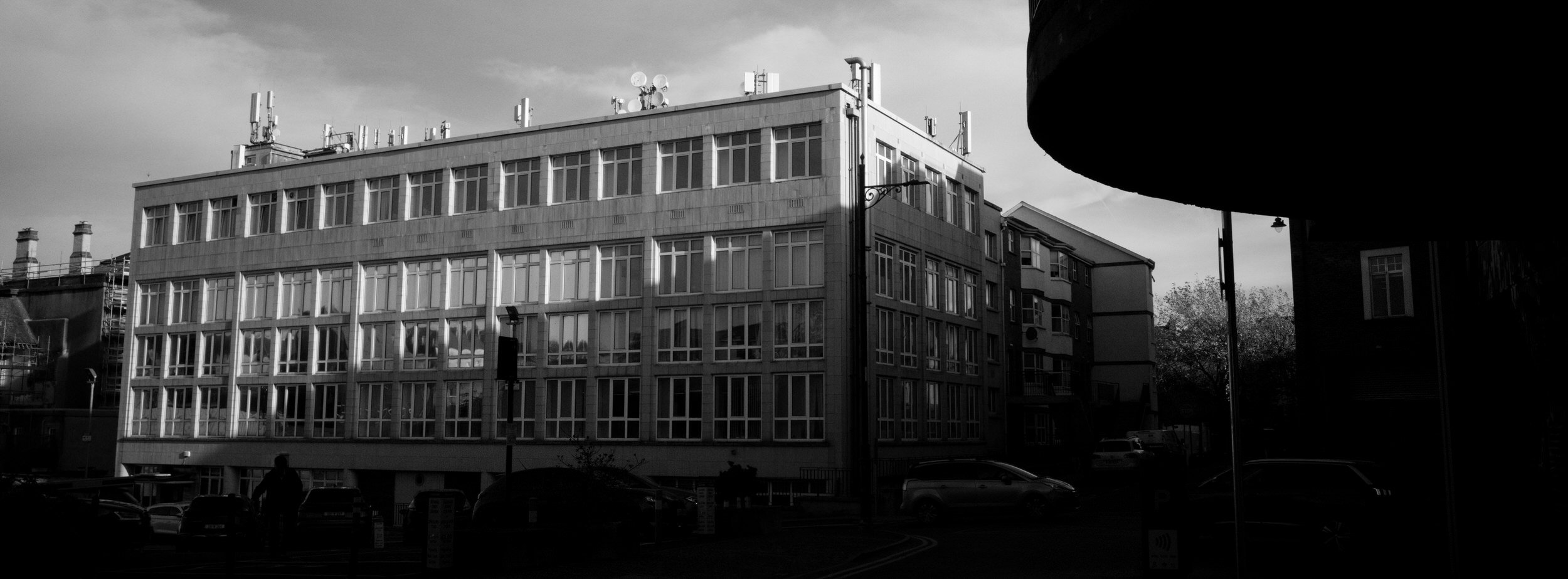
f/10 · 1/800 s · ISO 1,600
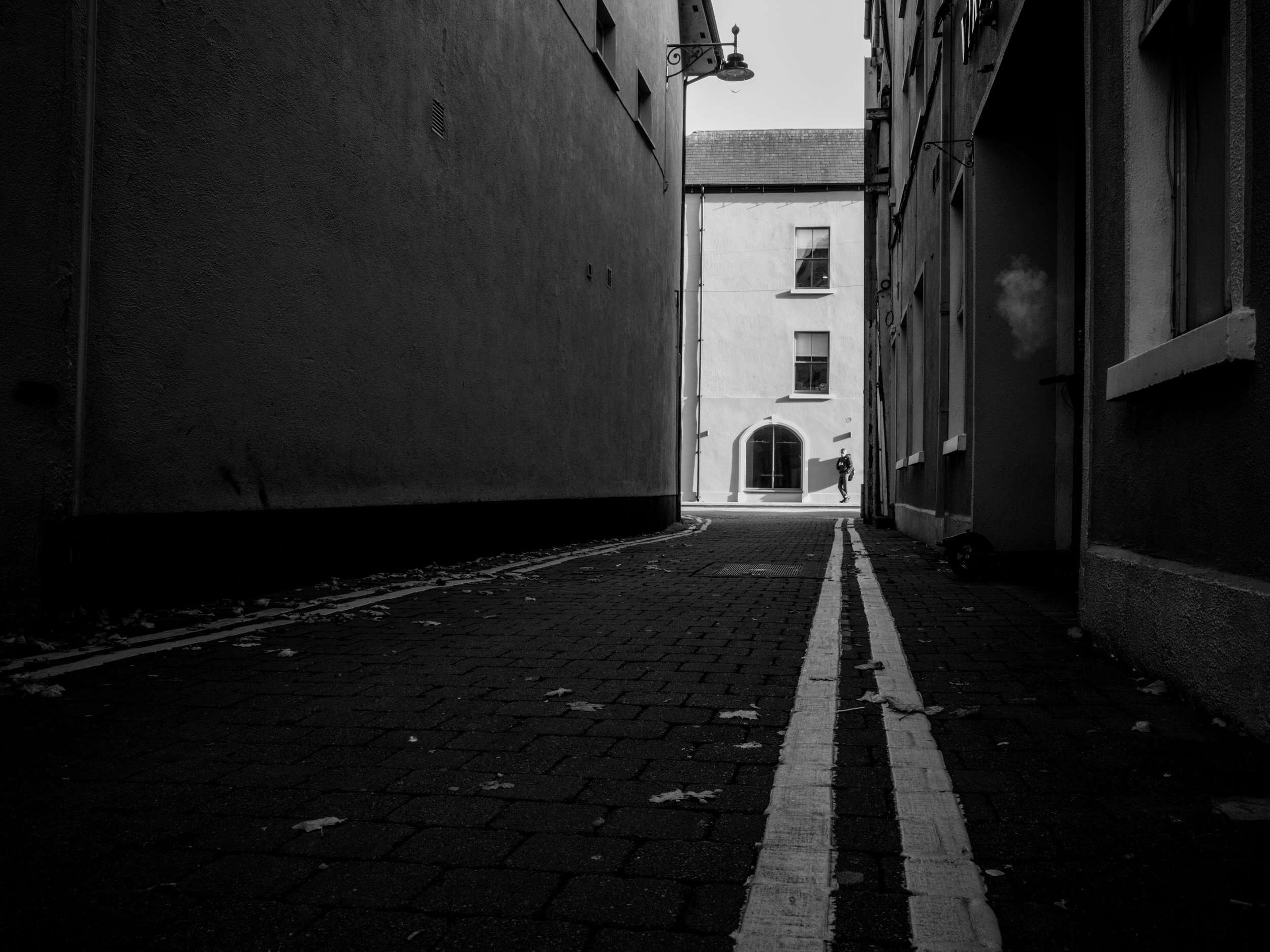
f/13 · 1/250 s · ISO 1,600
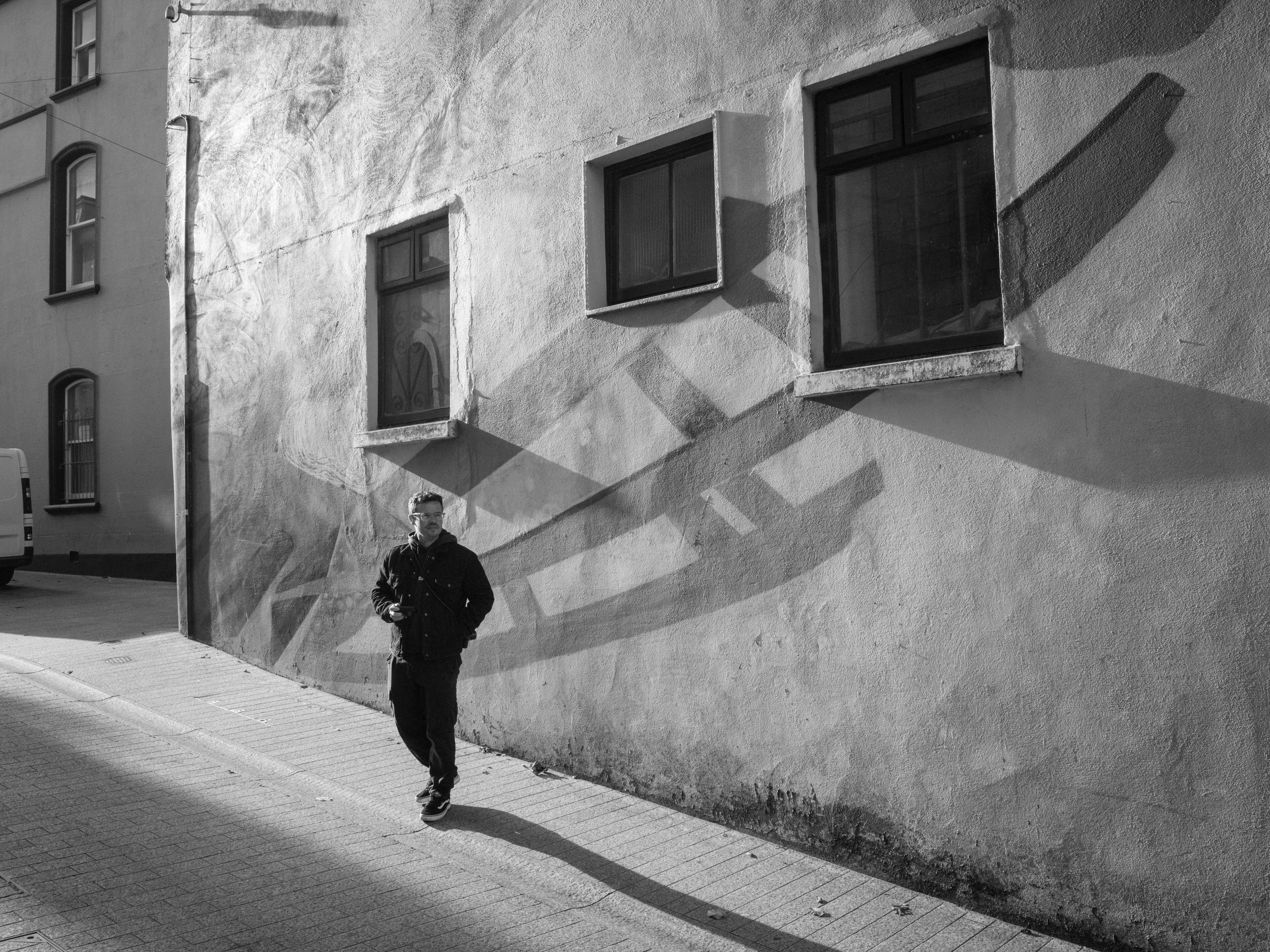
f/6.3 · 1/6400 s · ISO 1,600
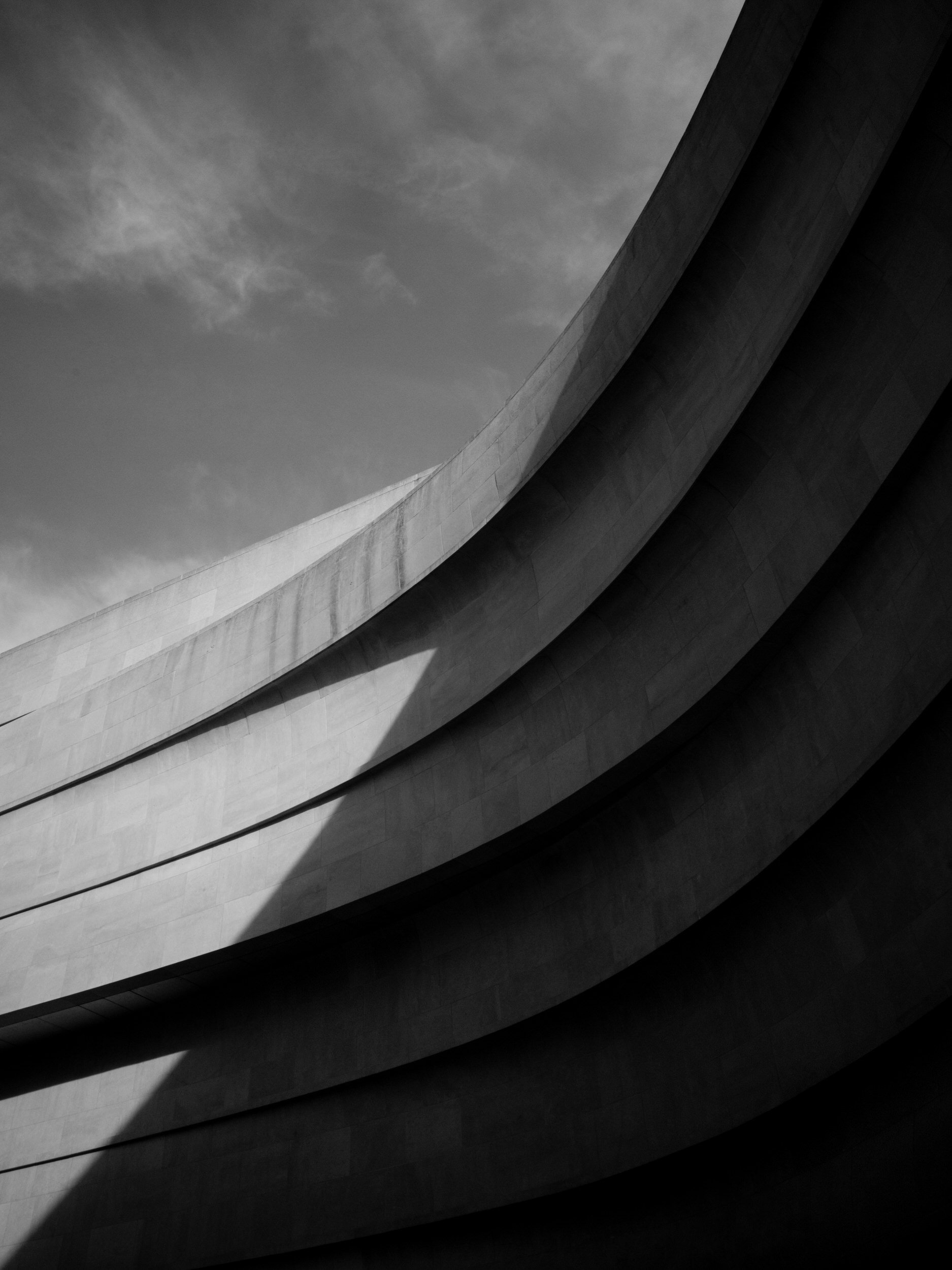
f/16 · 1/1250 s · ISO 1,600
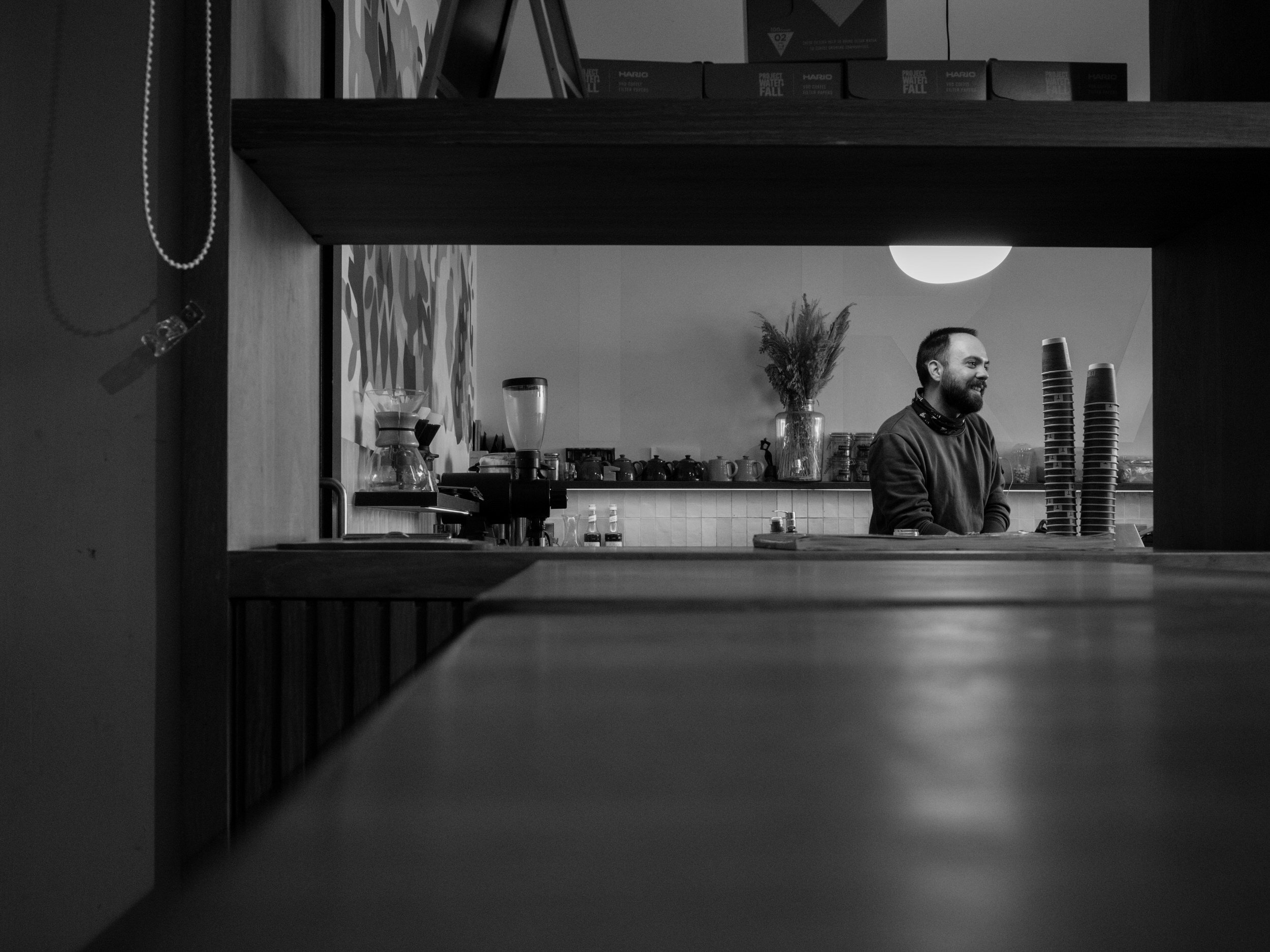
f/5.6 · 1/200 s · ISO 6,400
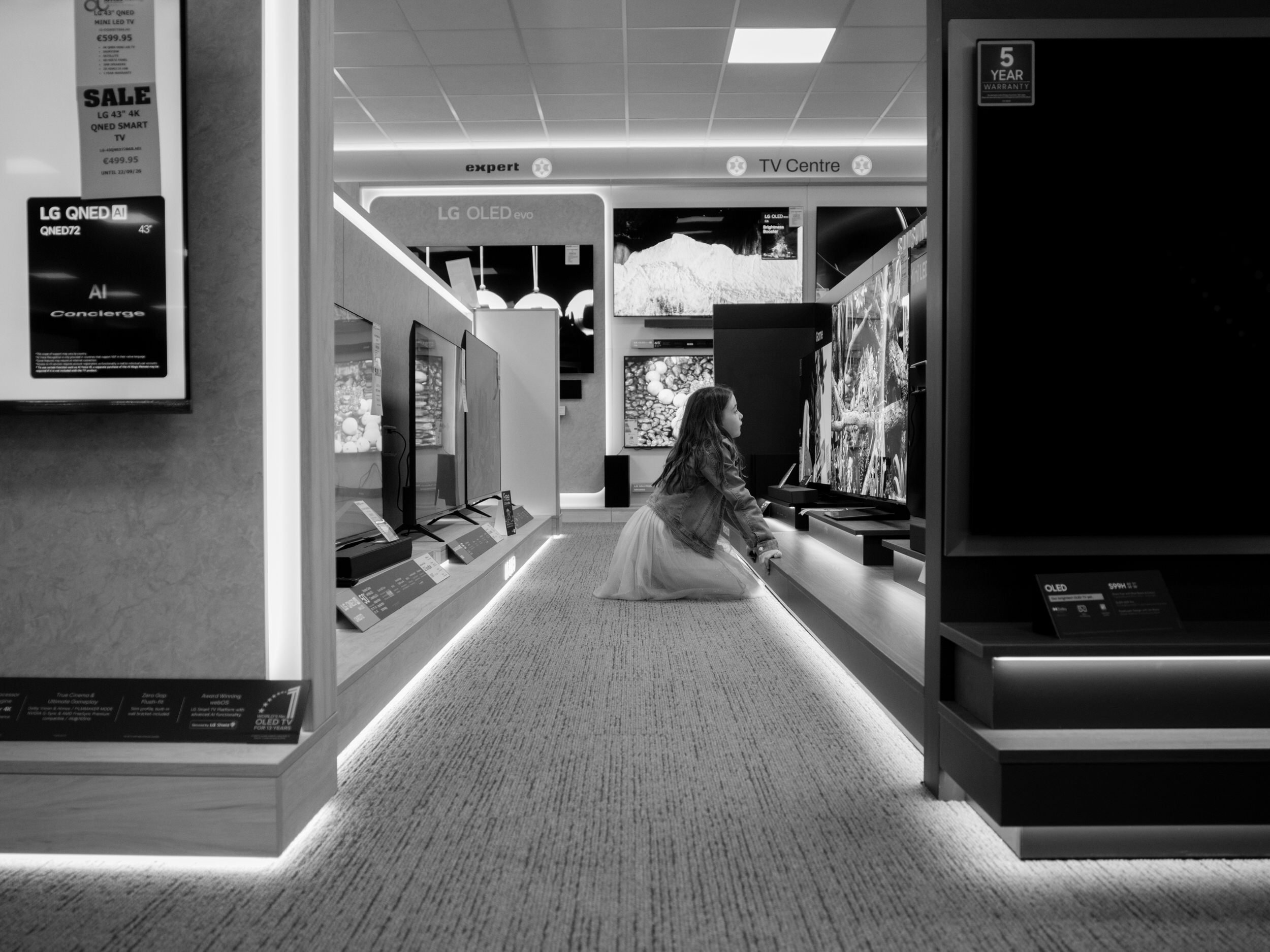
f/2.8 · 1/500 s · ISO 1,600
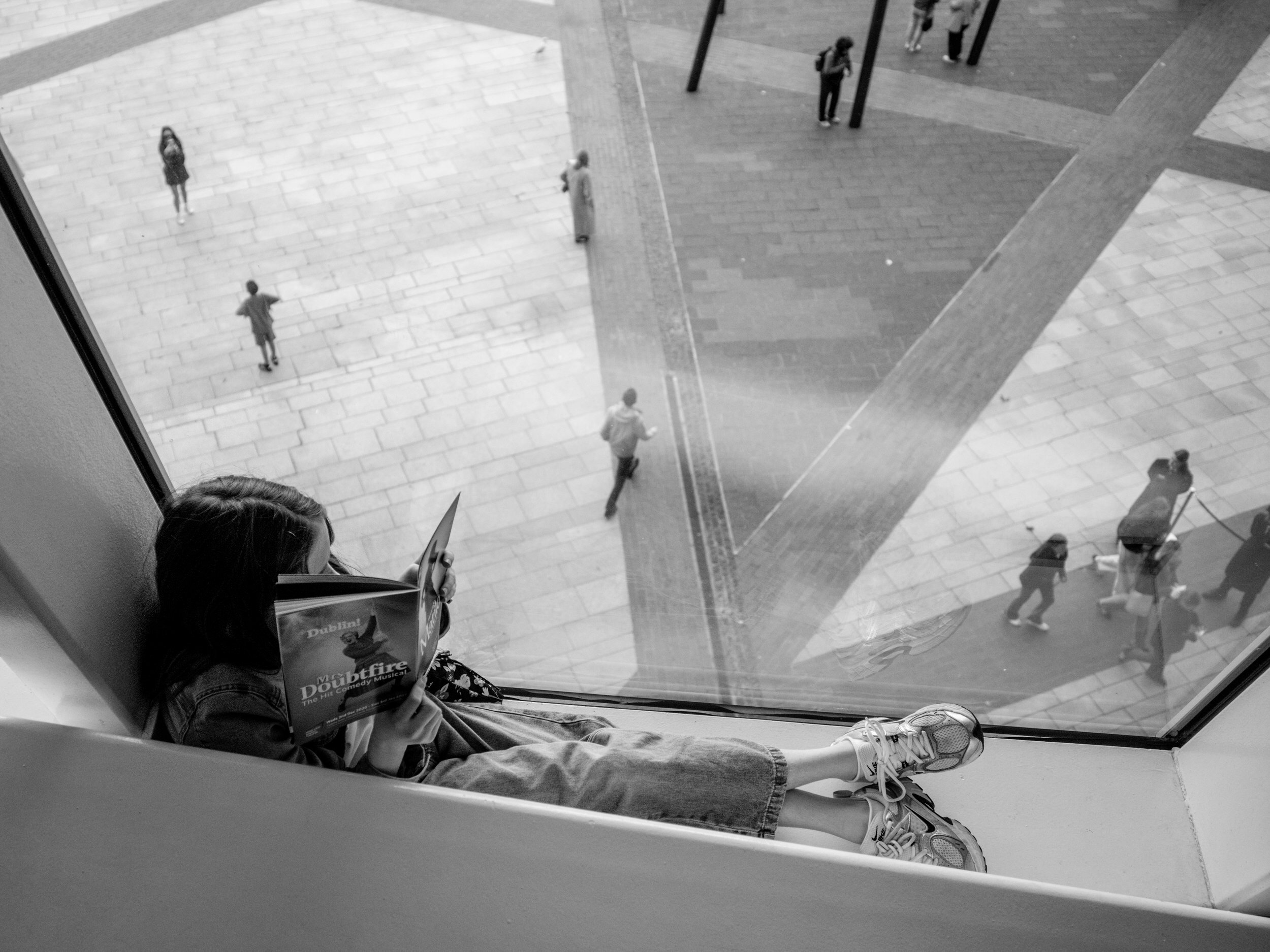
f/2.8 · 1/250 s · ISO 2,000
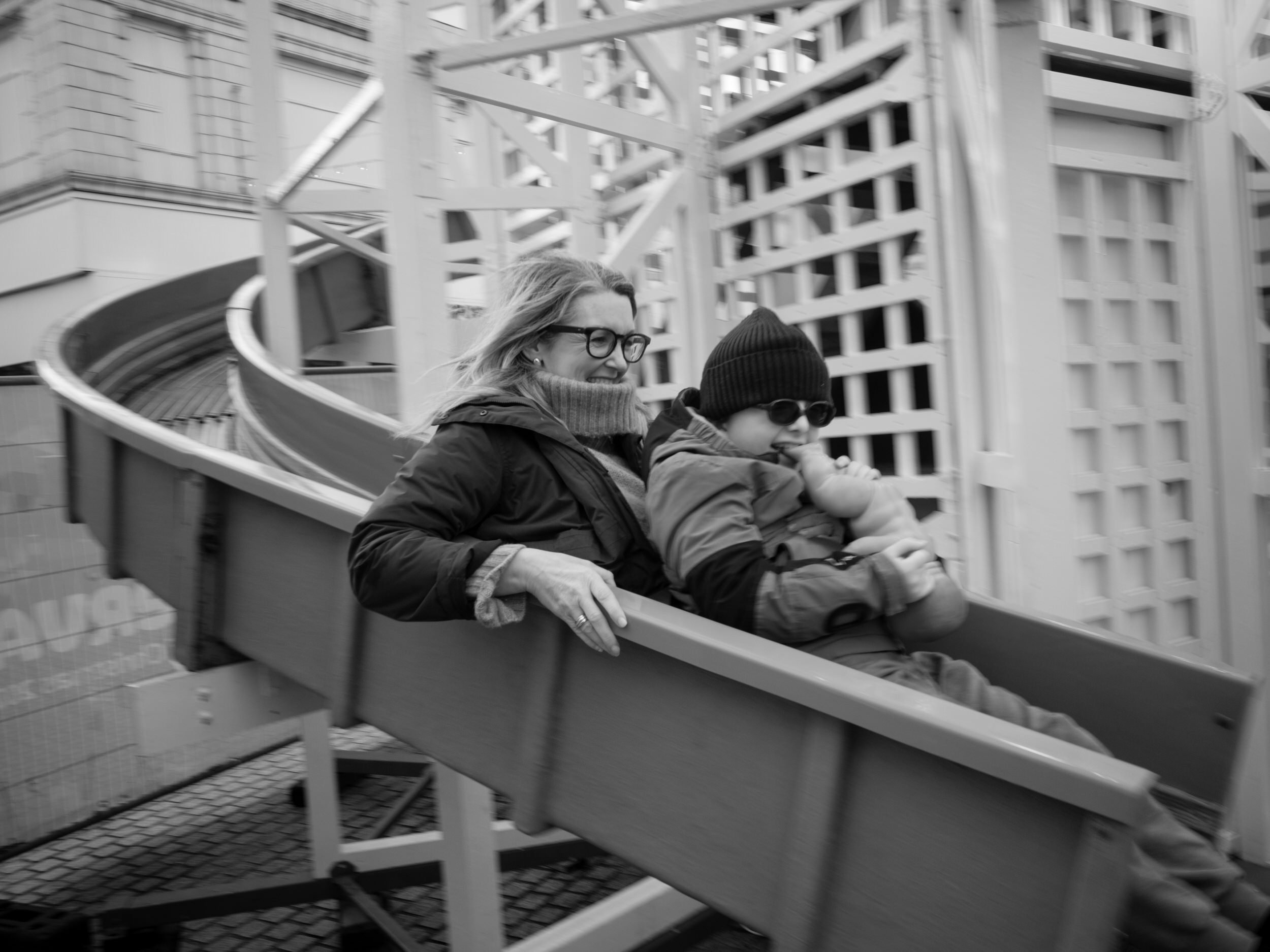
f/6.3 · 1/60 s · ISO 320
Living with 28mm
I’ve loved the 28mm view since shooting with the Leica Q2. It’s become my favourite focal length, so the Ricoh feels very natural to me in that respect.
I like having enough of the surroundings in a photograph to give it some context. That suits the way I photograph people, and it suits the family and travel photographs I’ve been making with this camera.
There’s room to crop when I want a tighter frame too. I’m happy cropping towards something closer to a 35mm, 40mm or 45mm view when the picture calls for it.
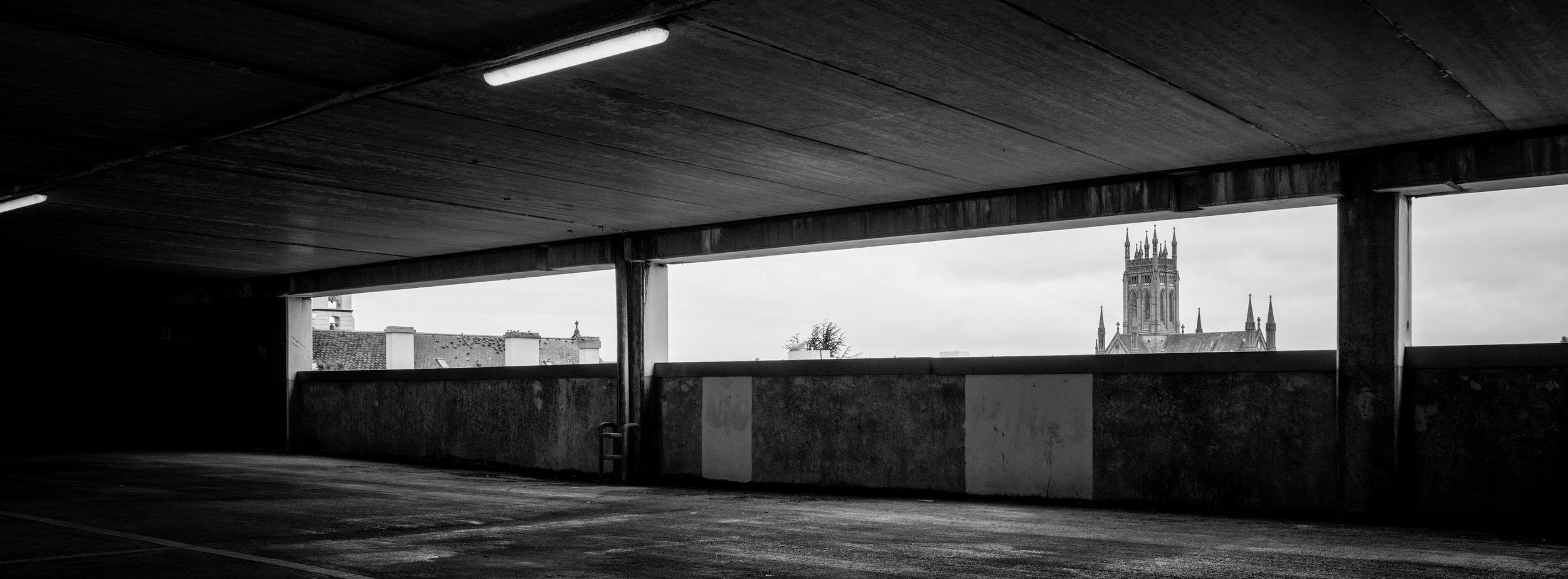
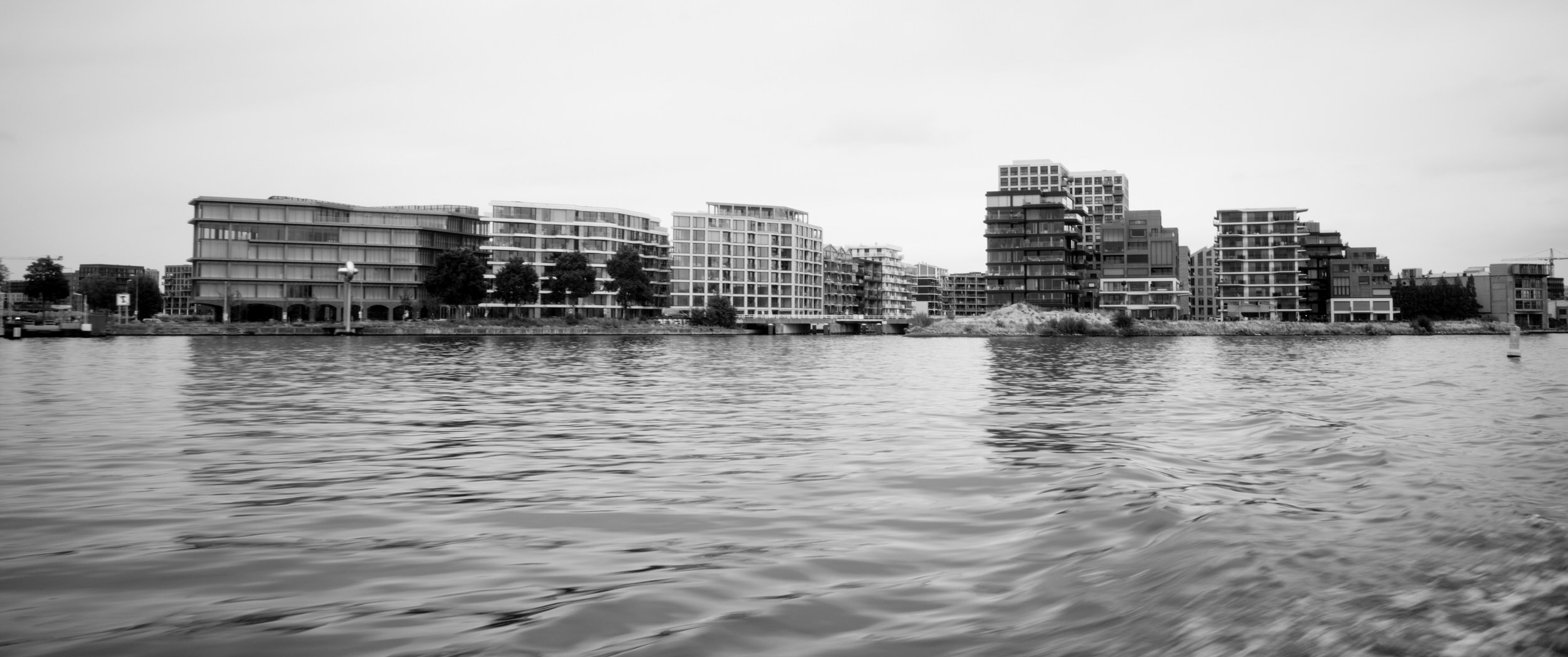
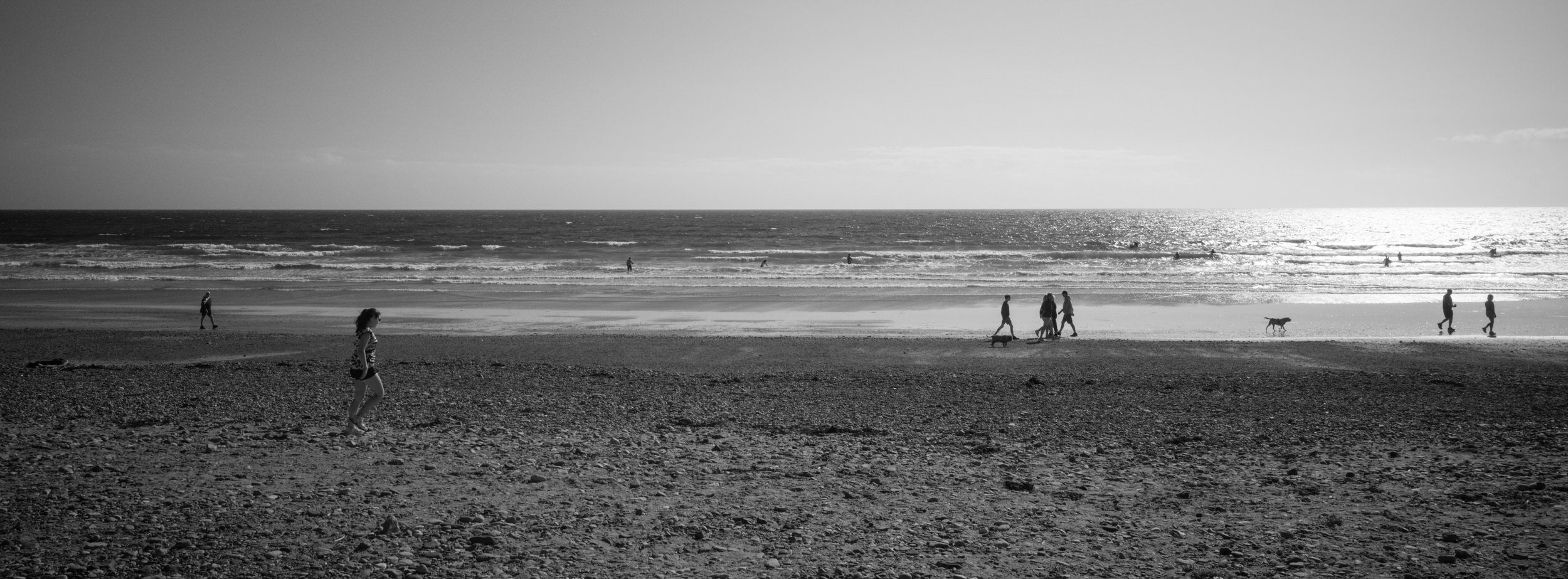
I’ve also been enjoying different aspect ratios. I’m quite drawn to 4:3 at the moment, and there are a few panoramic crops among these photographs. Some pictures just seem to want that extra width.
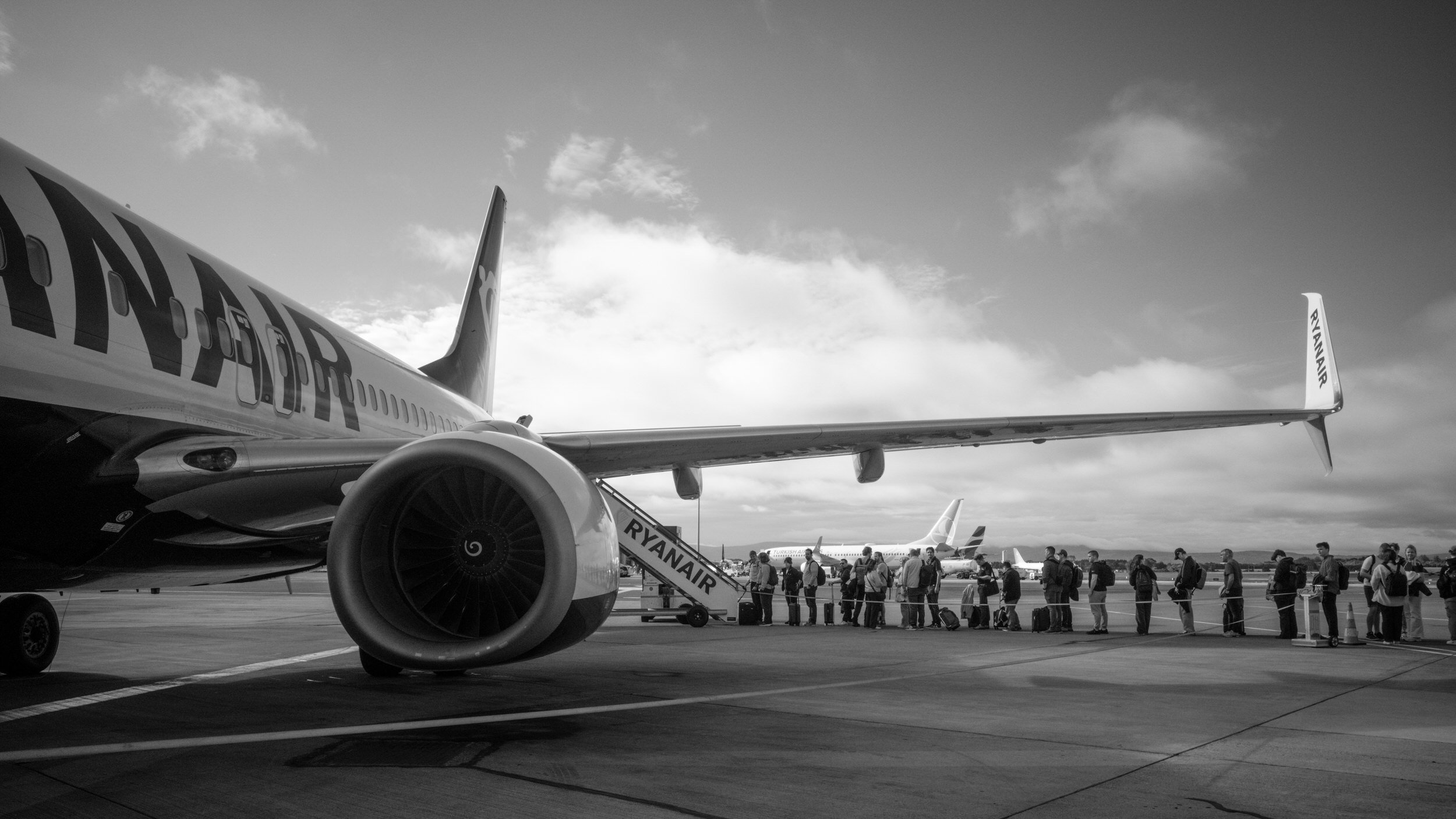
f/11 · 1/400 s · ISO 1,600
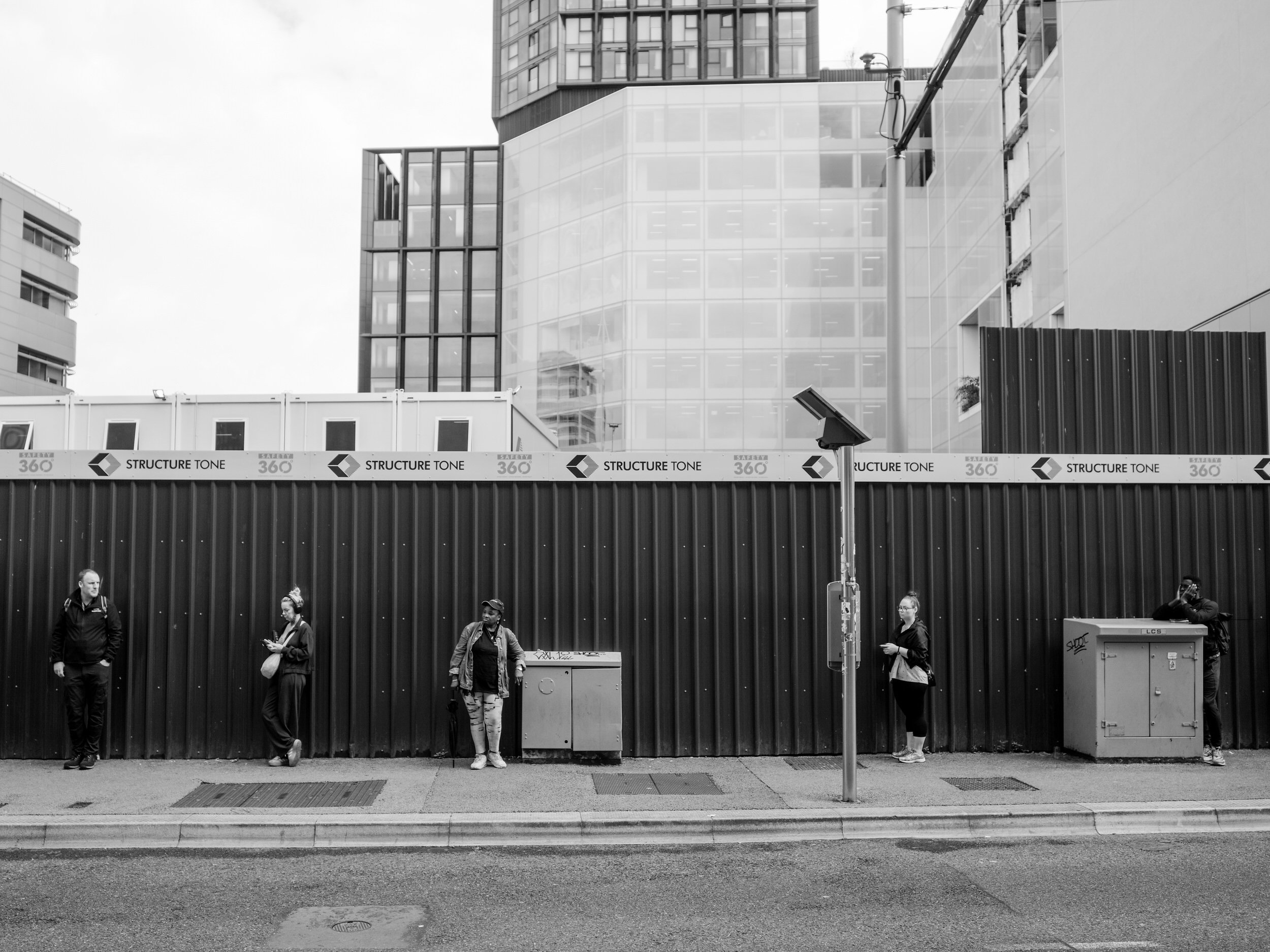
f/2.8 · 1/320 s · ISO 320
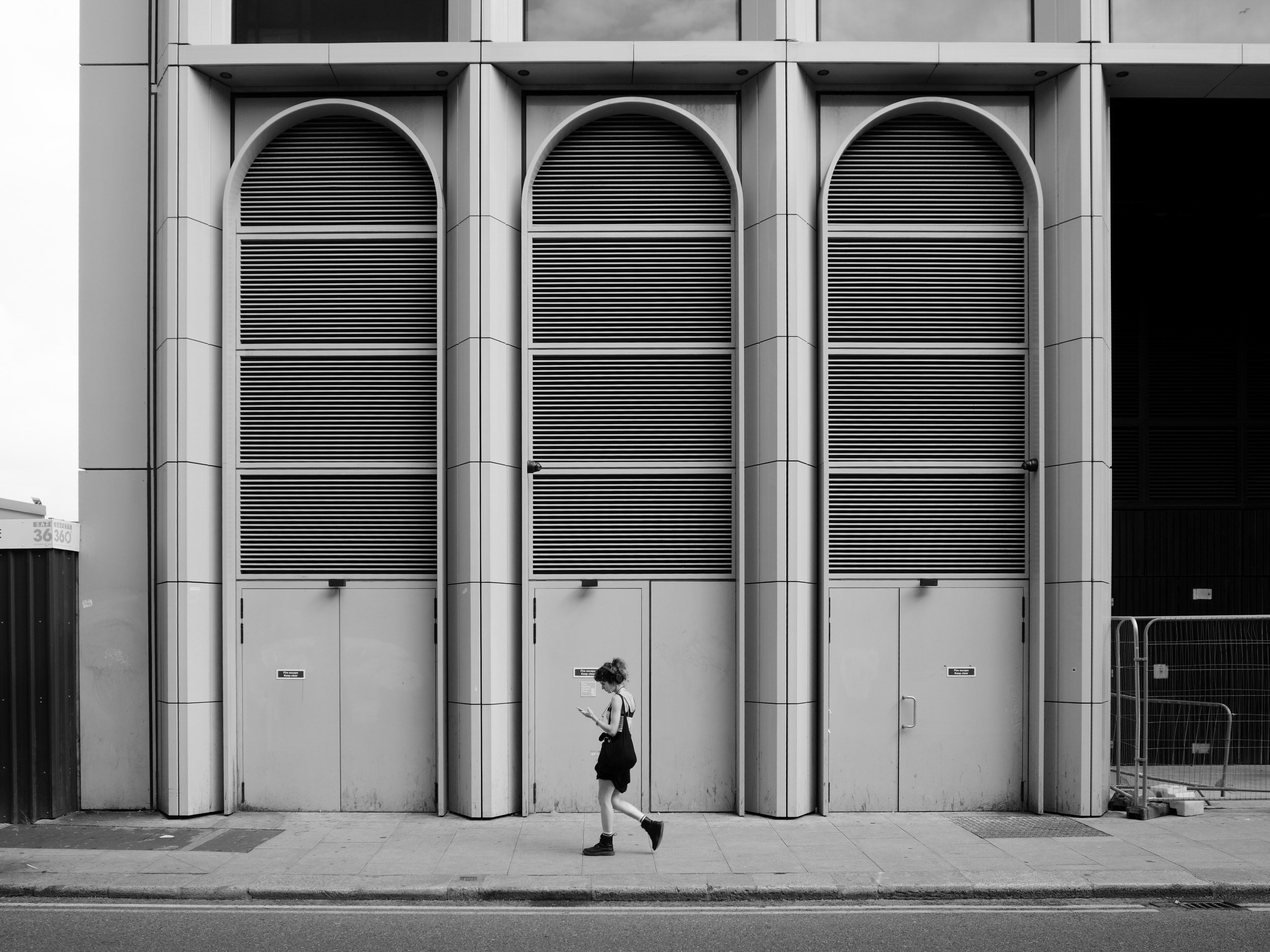
f/2.8 · 1/320 s · ISO 320
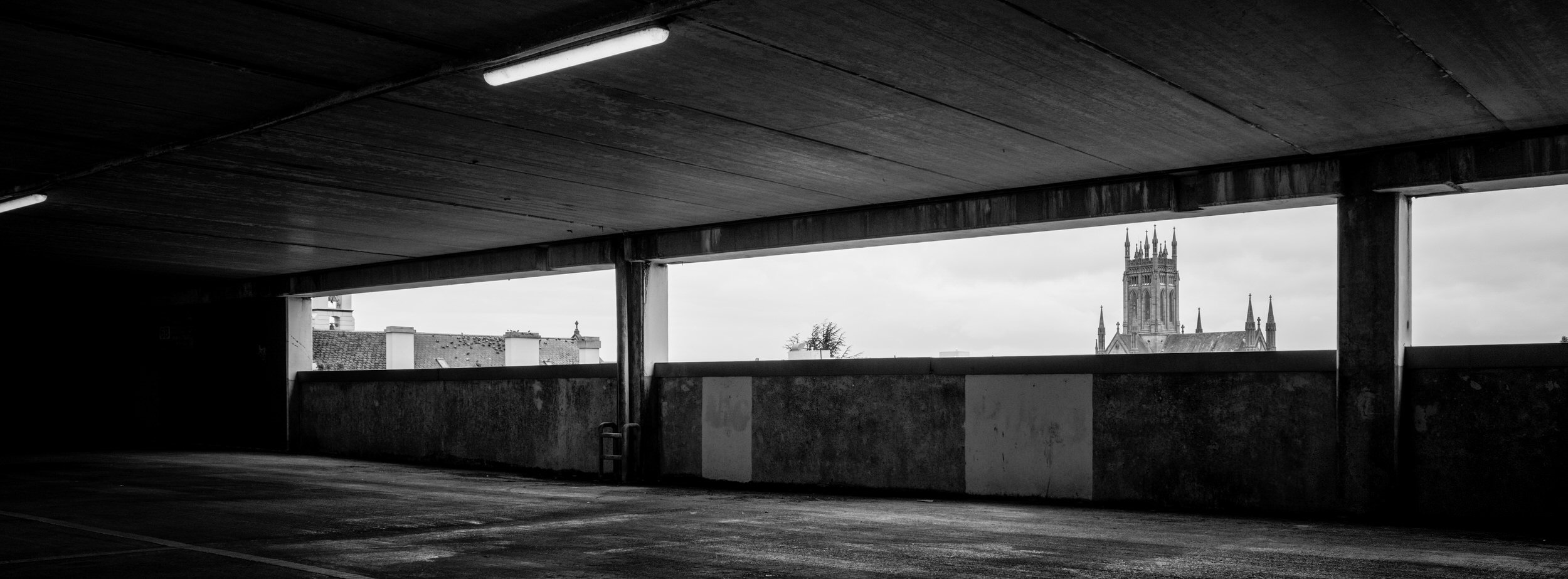
f/7.1 · 1/400 s · ISO 320
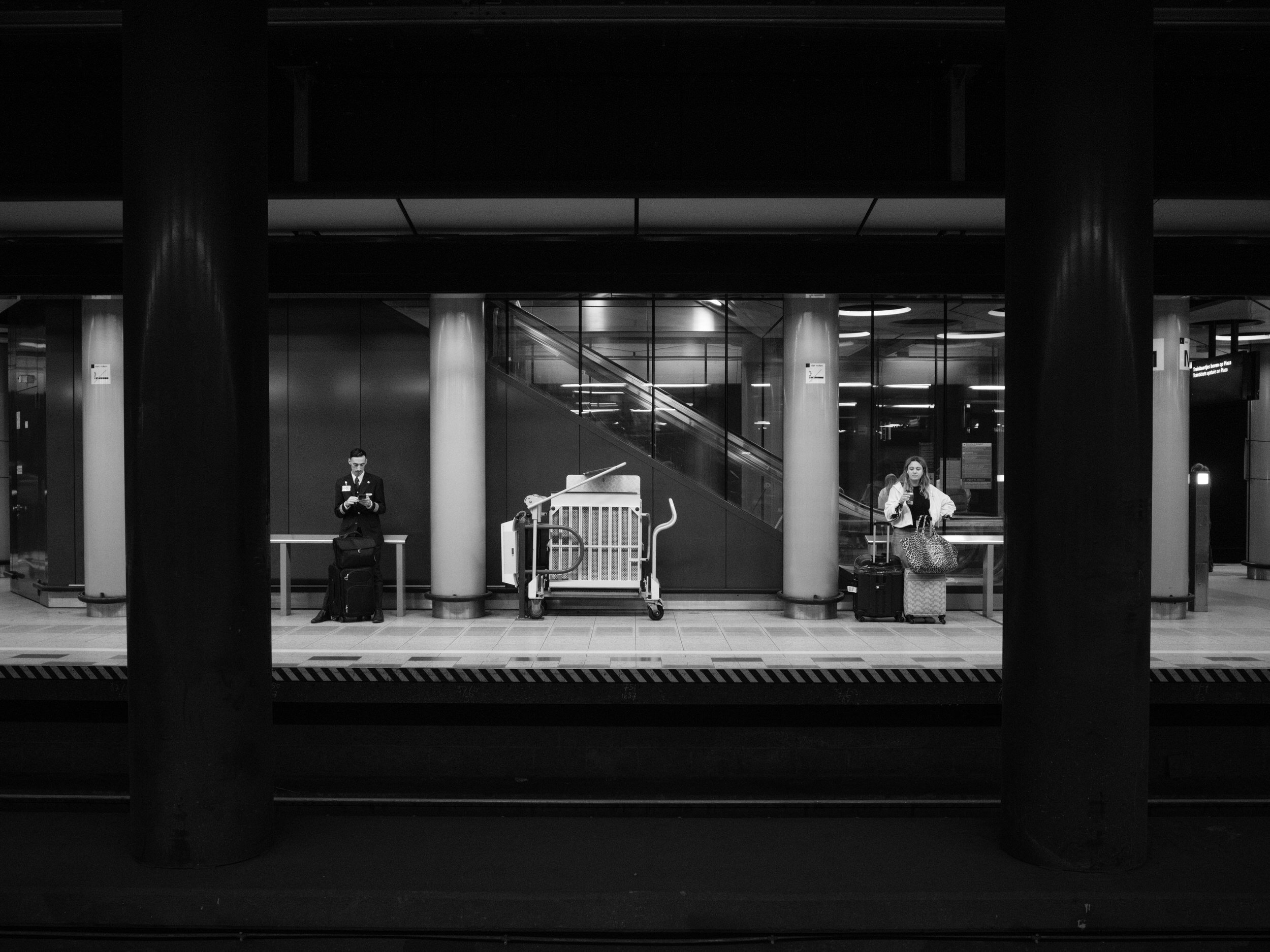
f/3.5 · 1/125 s · ISO 8,000
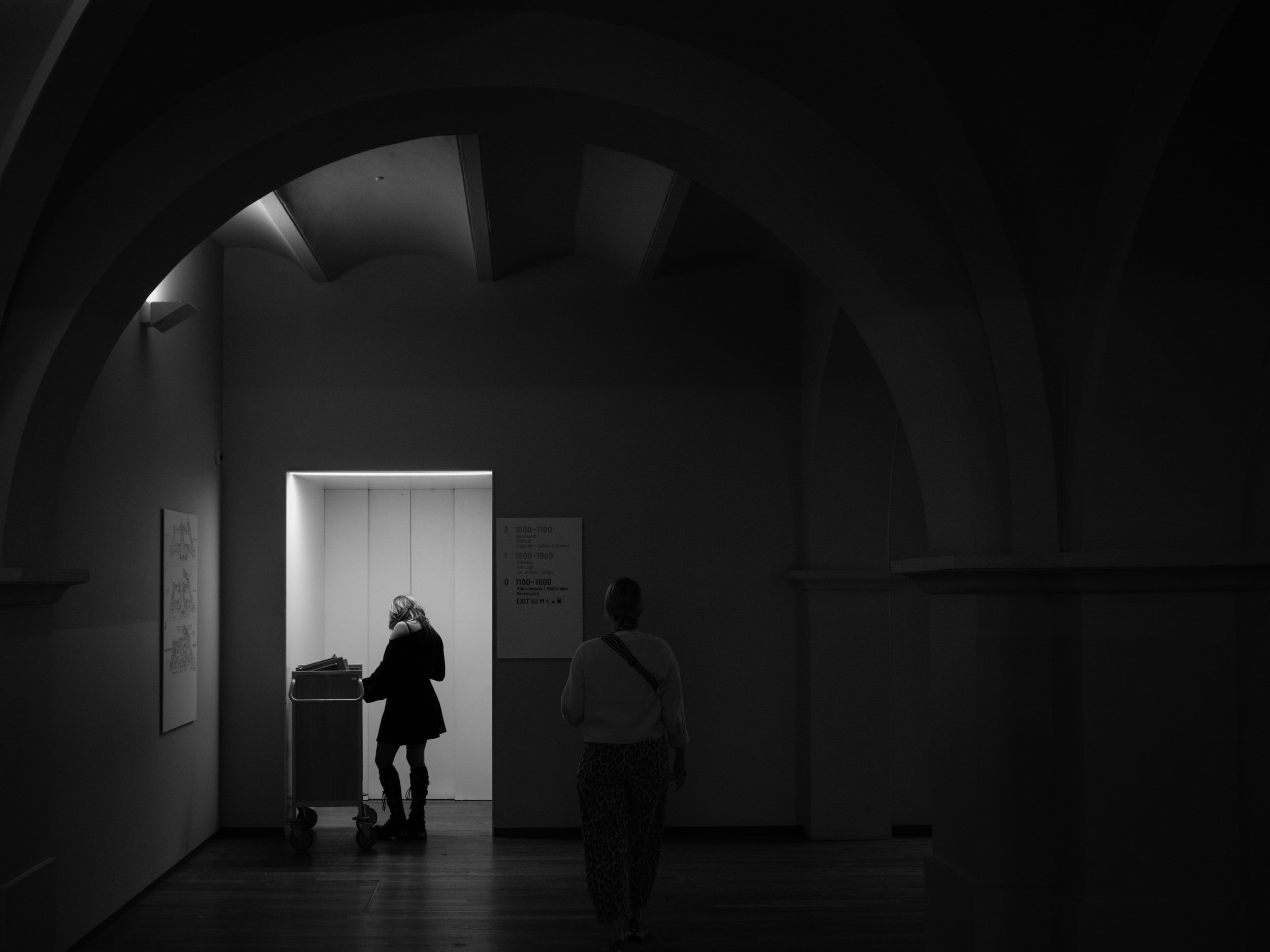
f/2.8 · 1/125 s · ISO 1,600
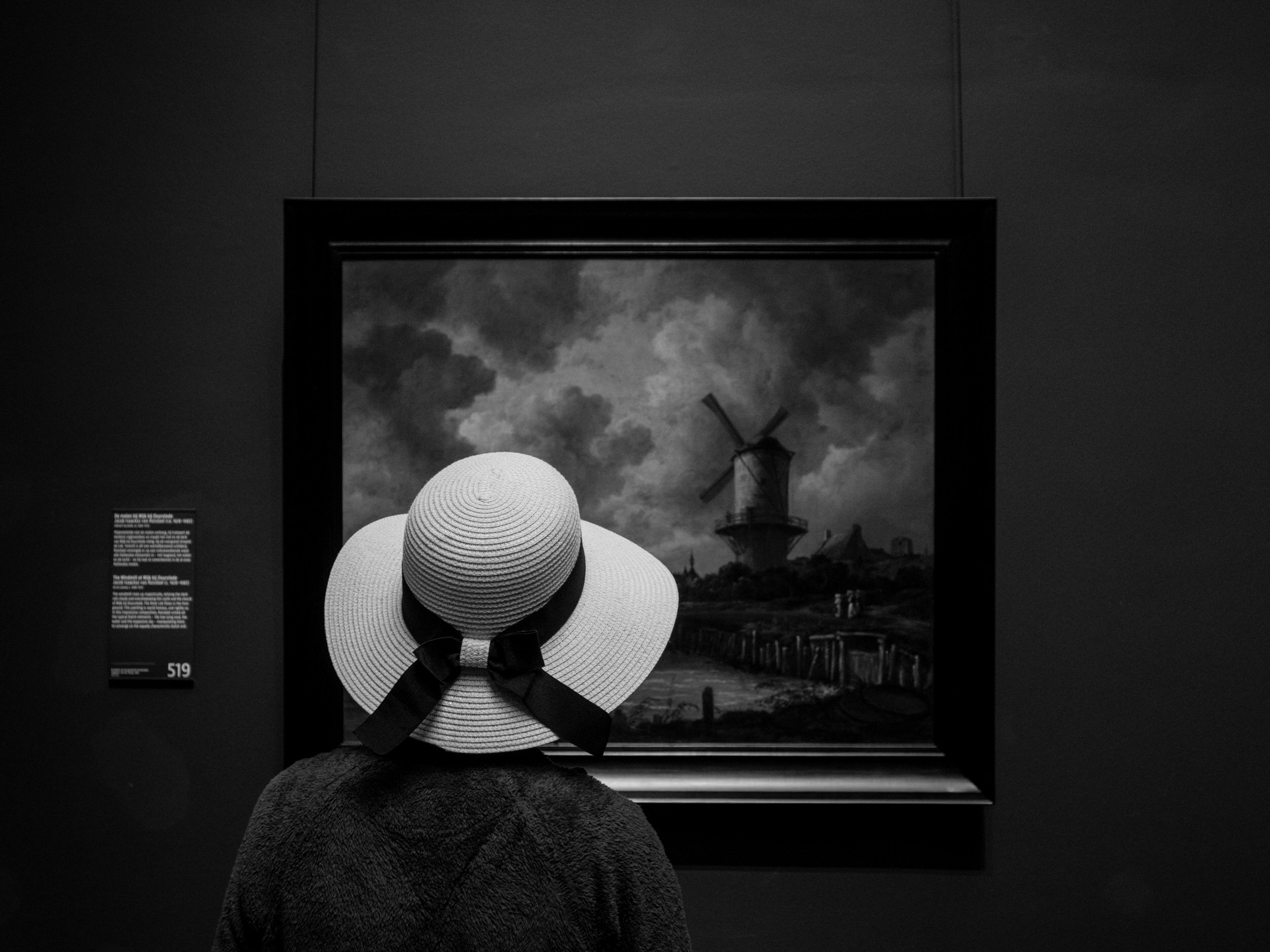
f/2.8 · 1/125 s · ISO 2,000
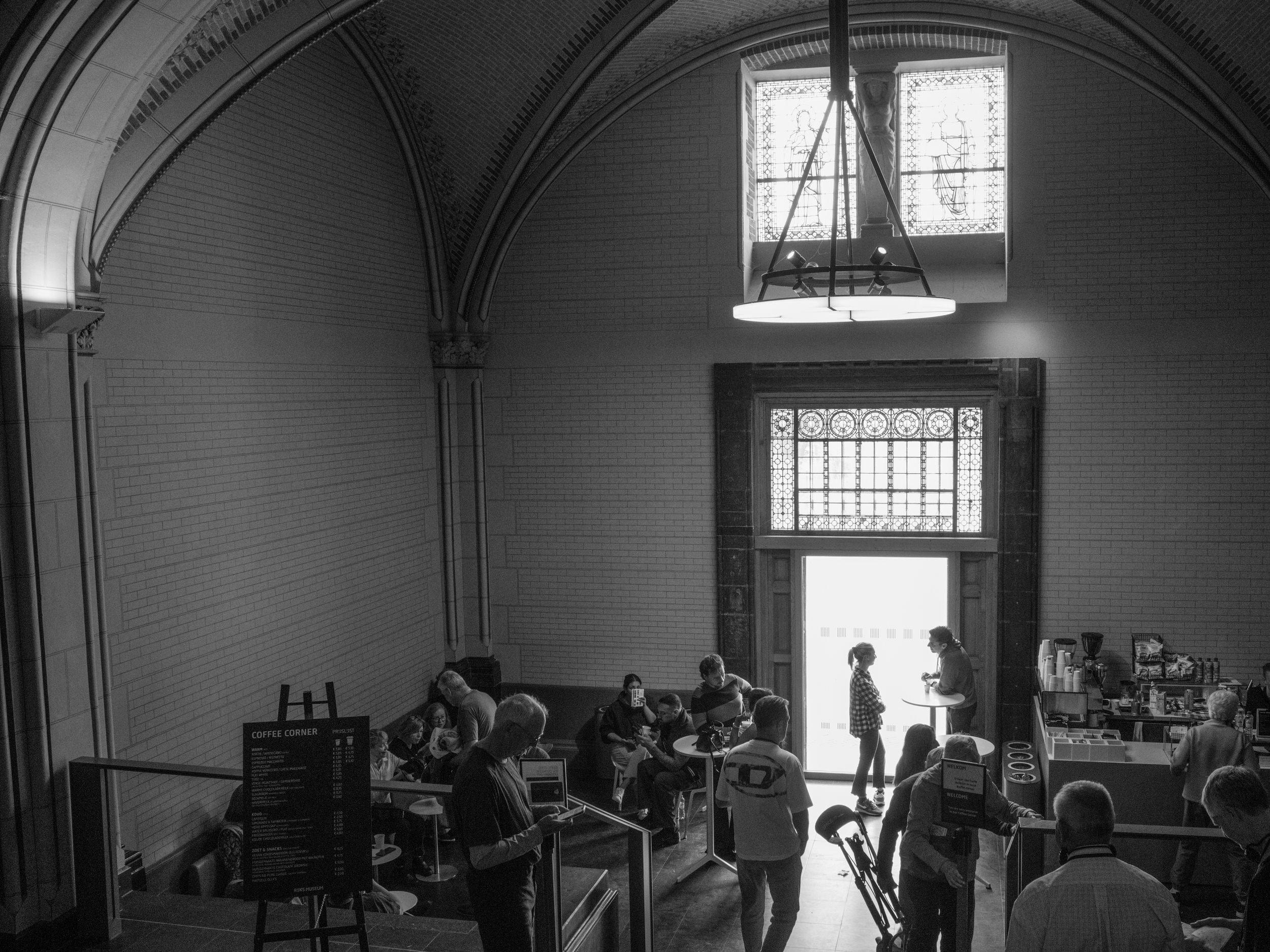
f/5 · 1/125 s · ISO 2,500
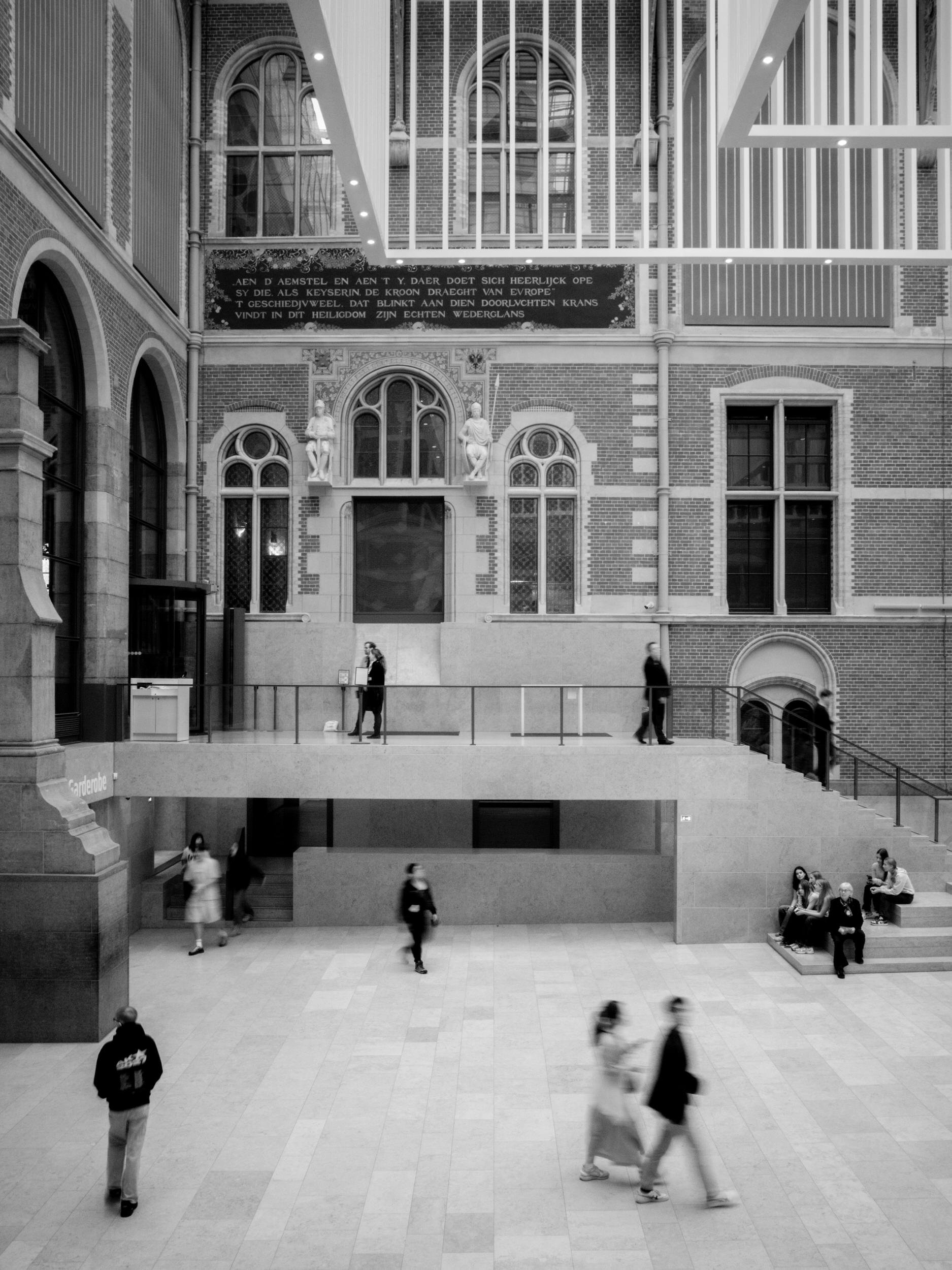
f/16 · 1/6 s · ISO 1,250
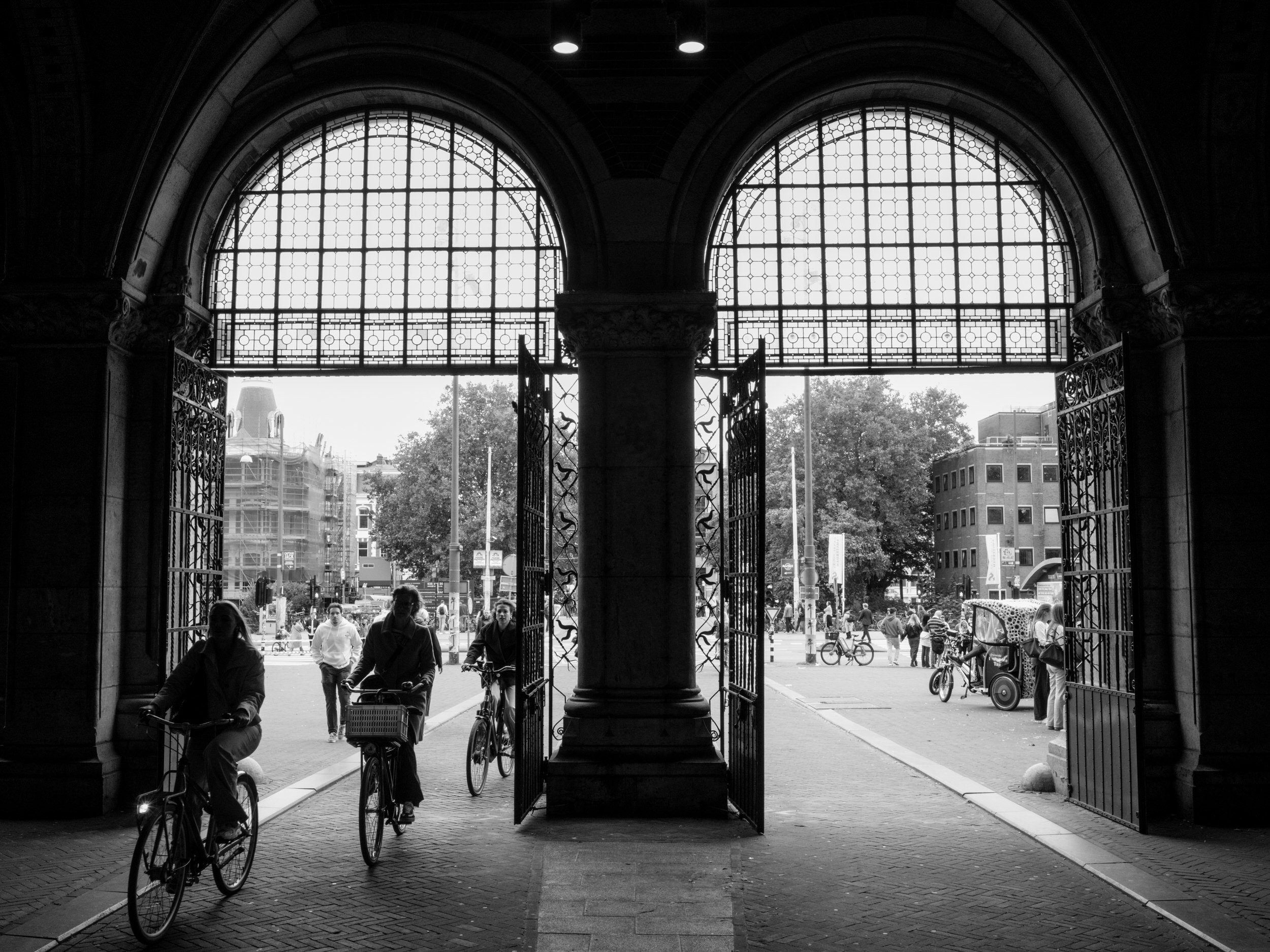
f/9 · 1/250 s · ISO 2,000
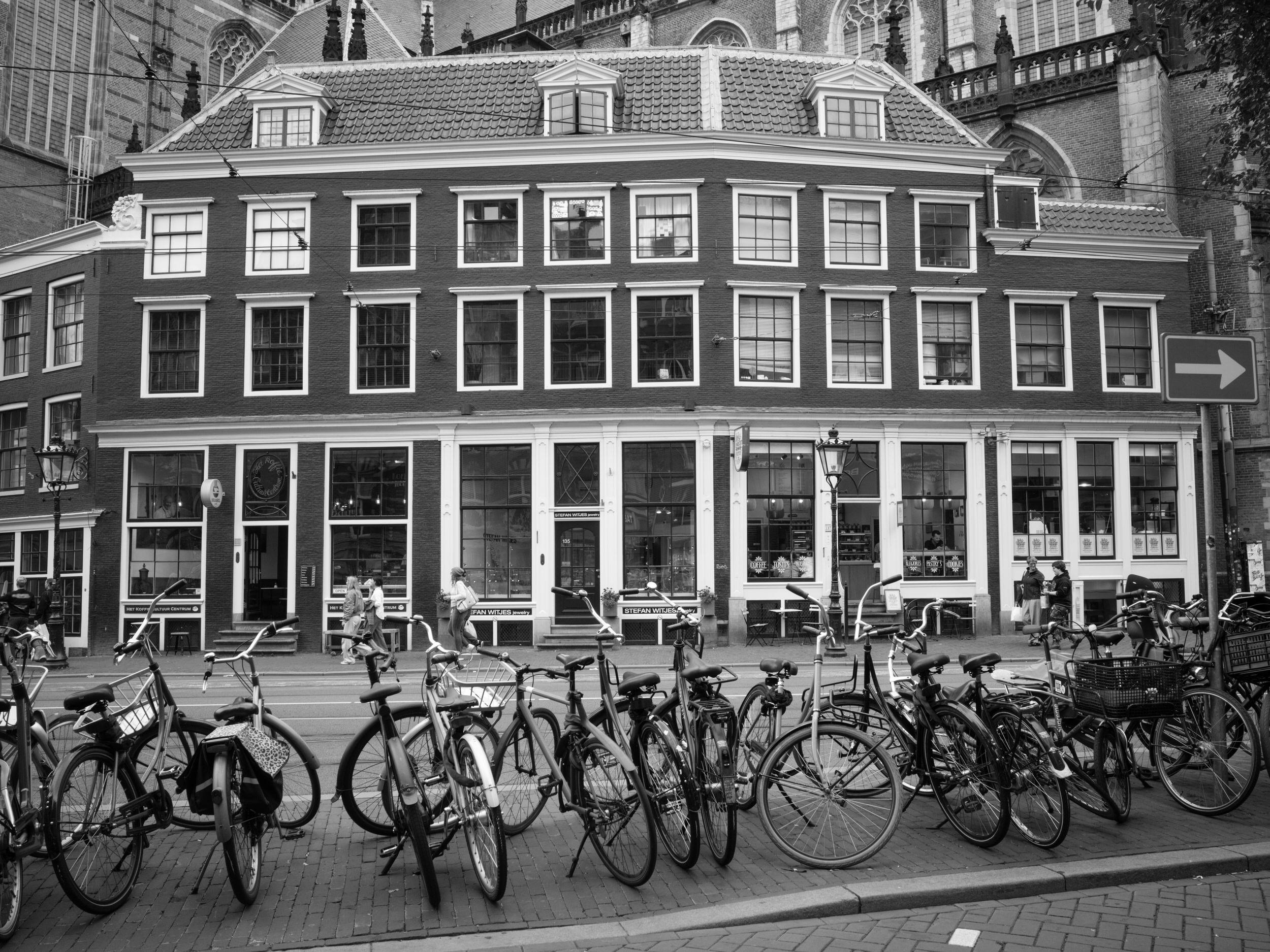
f/6.3 · 1/500 s · ISO 1,600
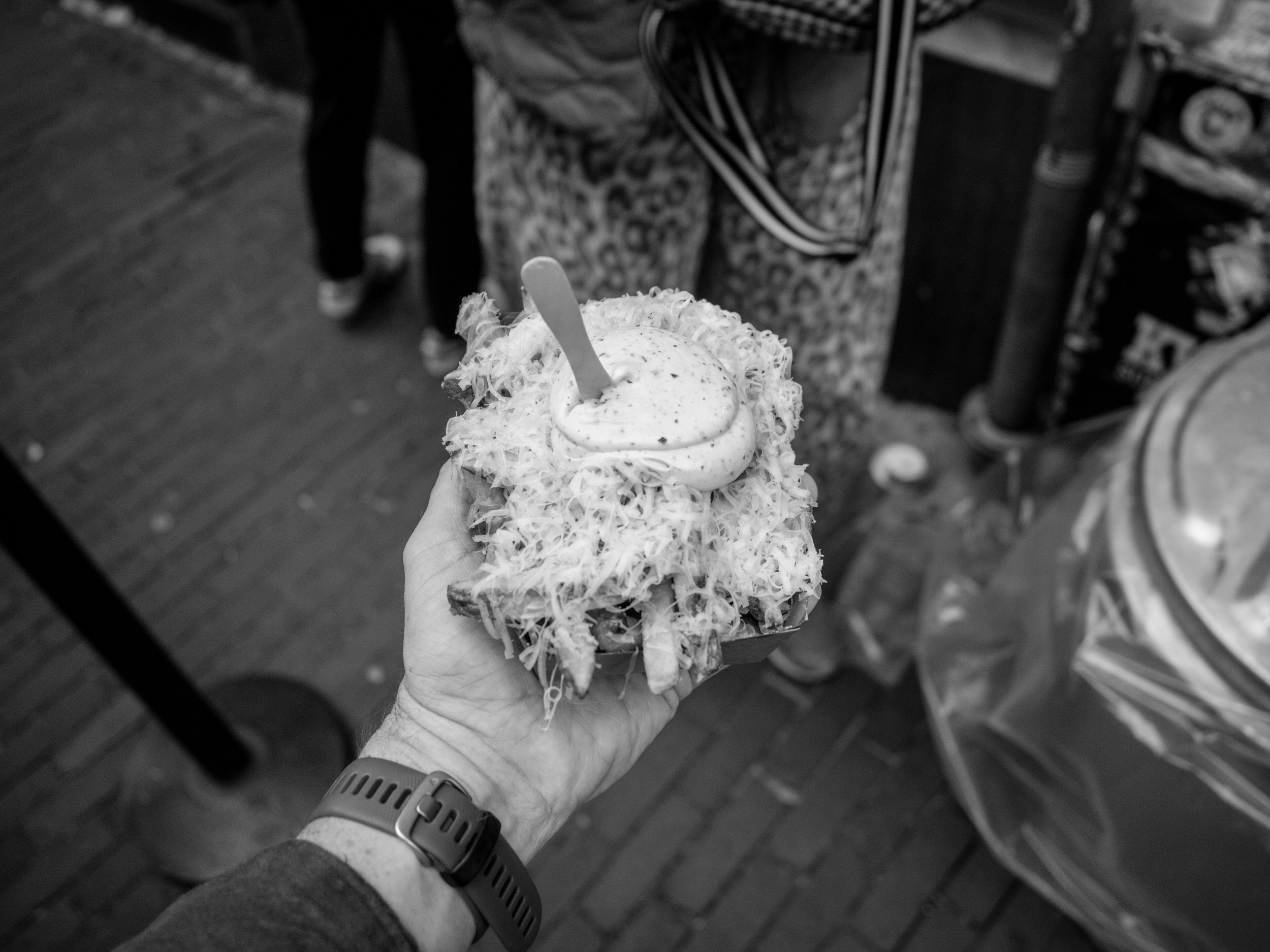
f/2.8 · 1/5000 s · ISO 1,600
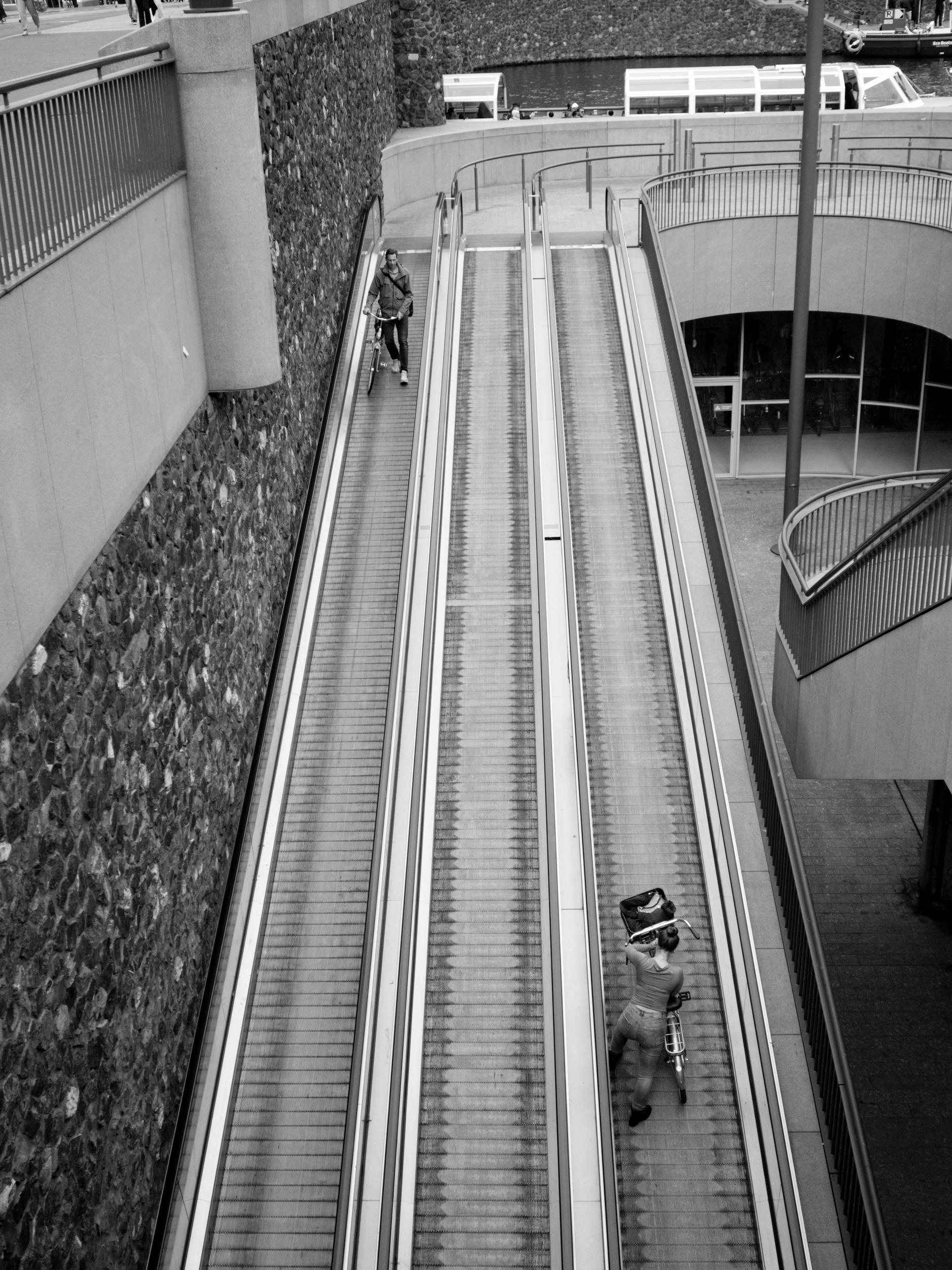
f/2.8 · 1/10000 s · ISO 1,600
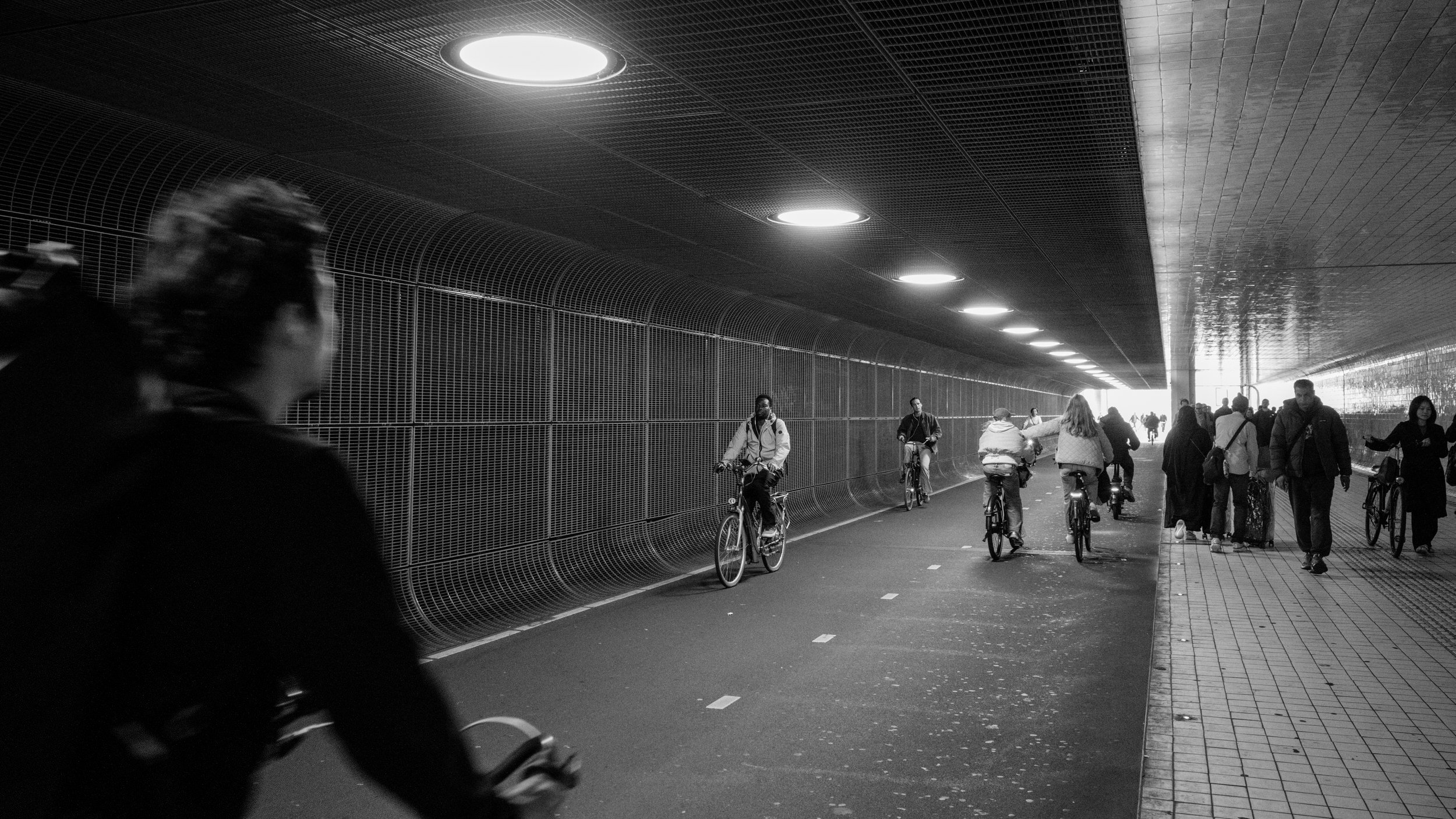
f/4 · 1/250 s · ISO 8,000
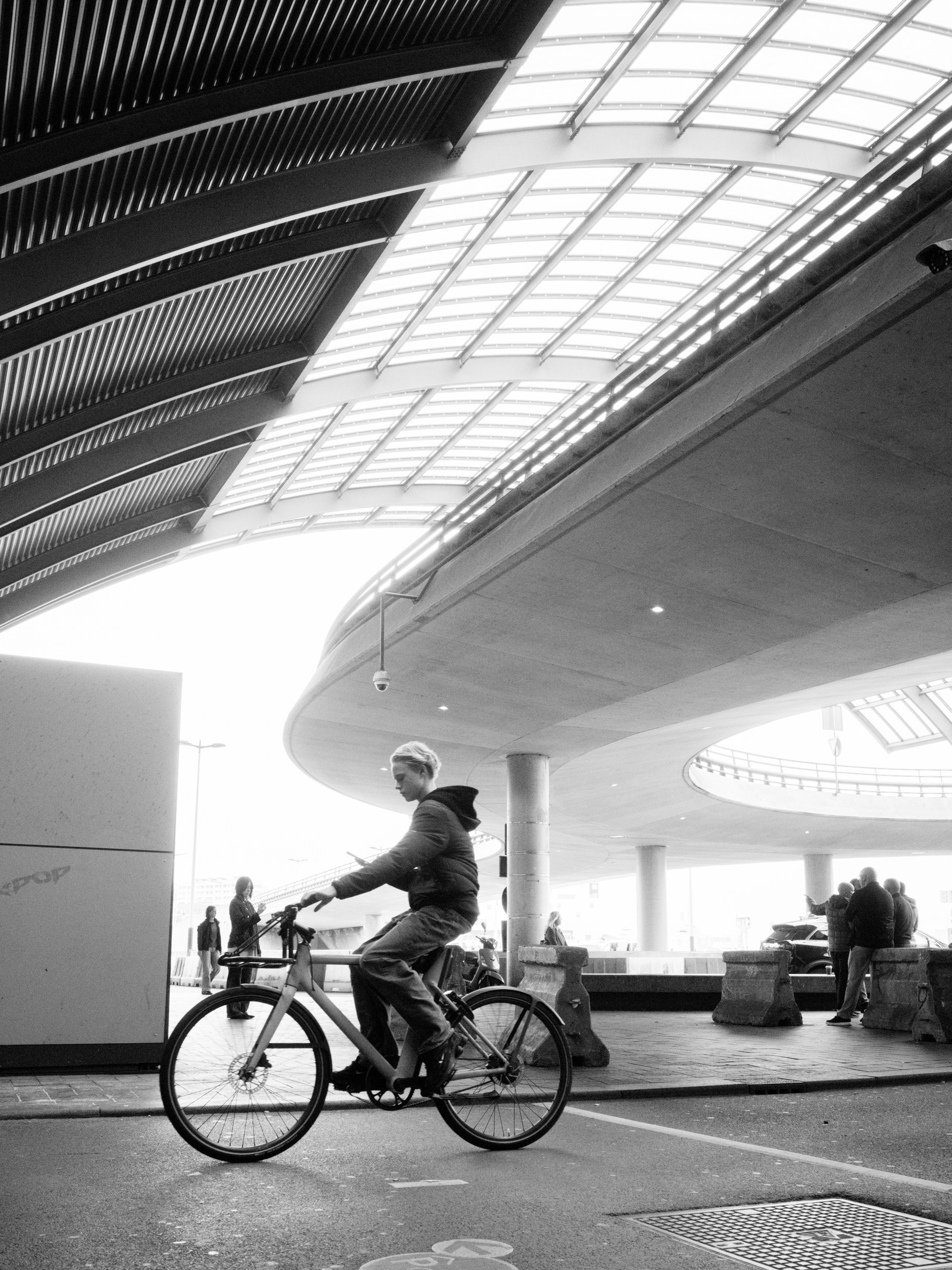
f/6.3 · 1/1000 s · ISO 1,600
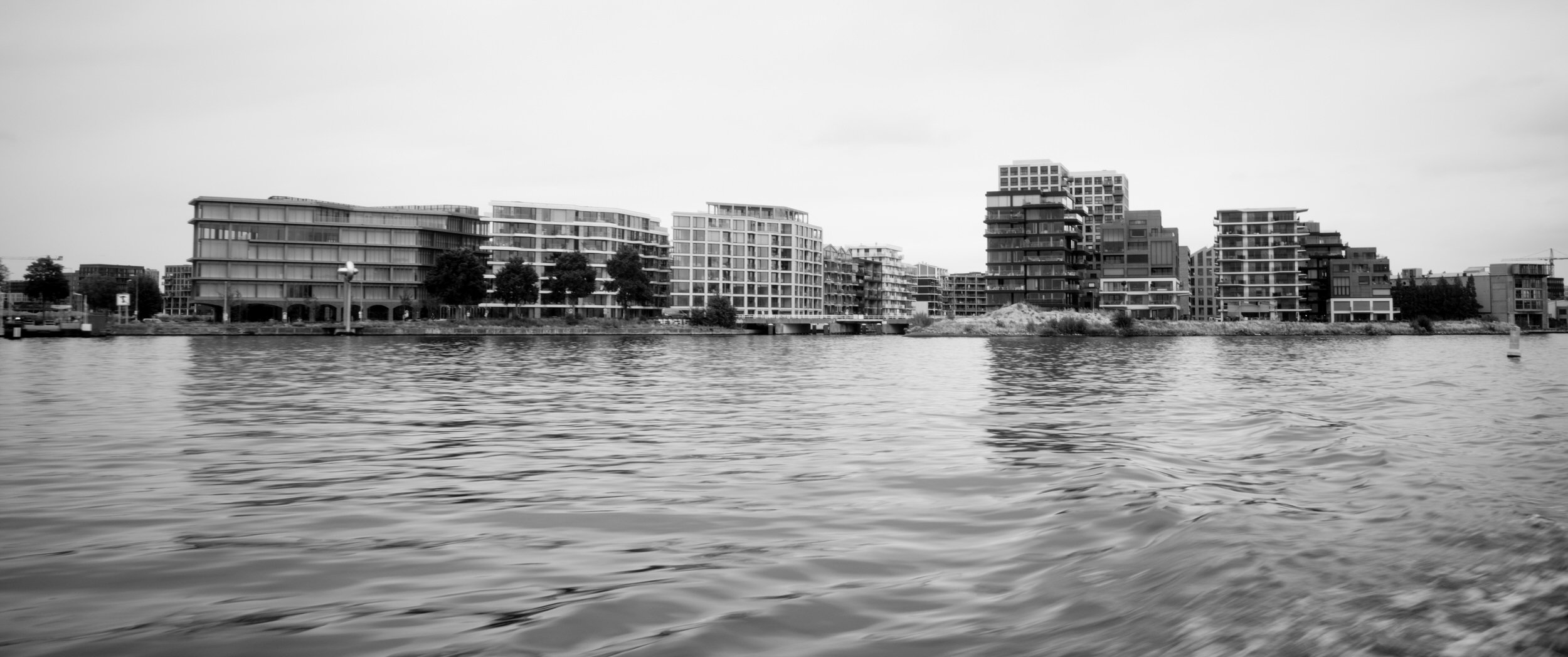
f/13 · 1/13 s · ISO 160
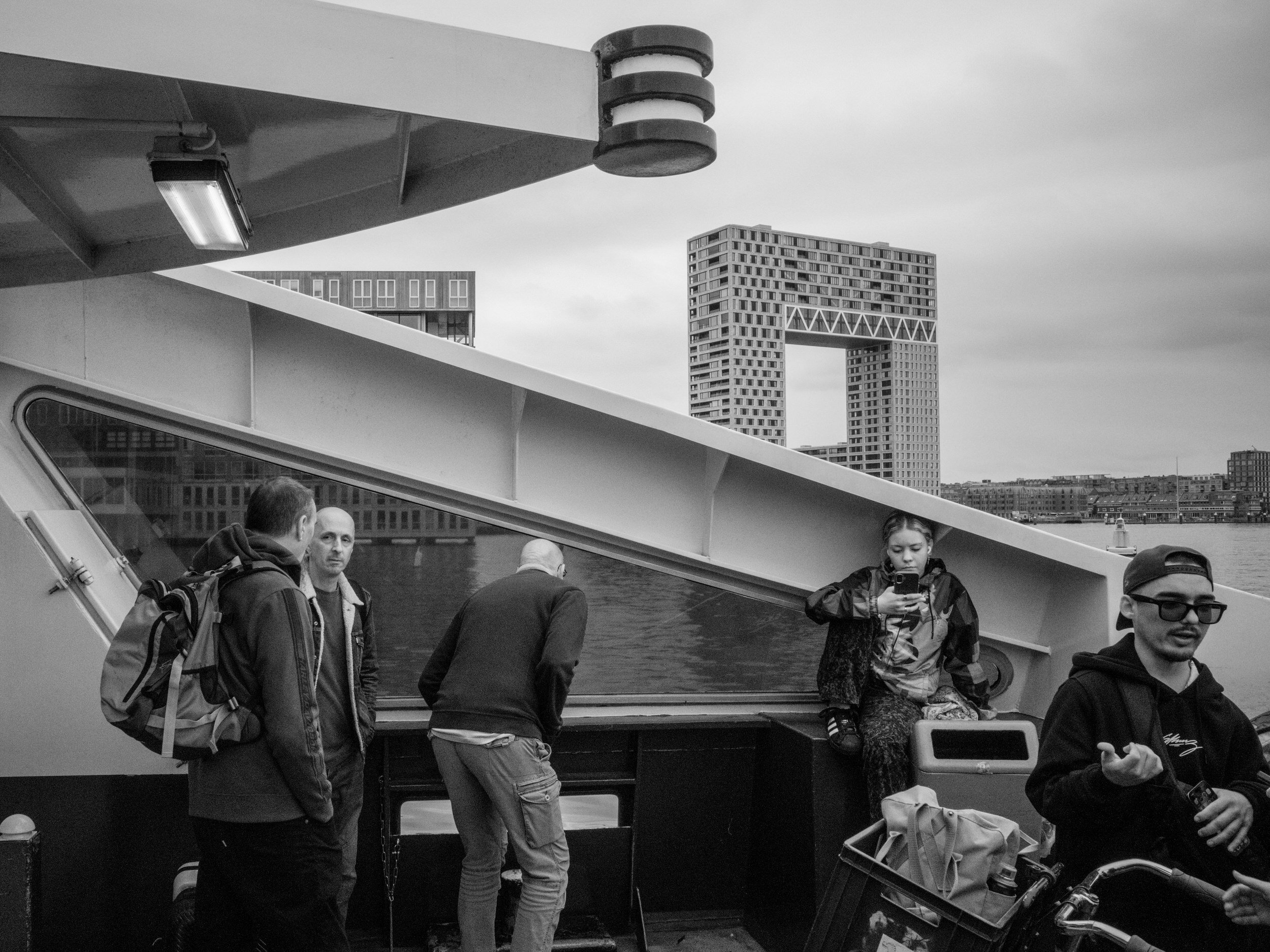
f/9 · 1/250 s · ISO 8,000
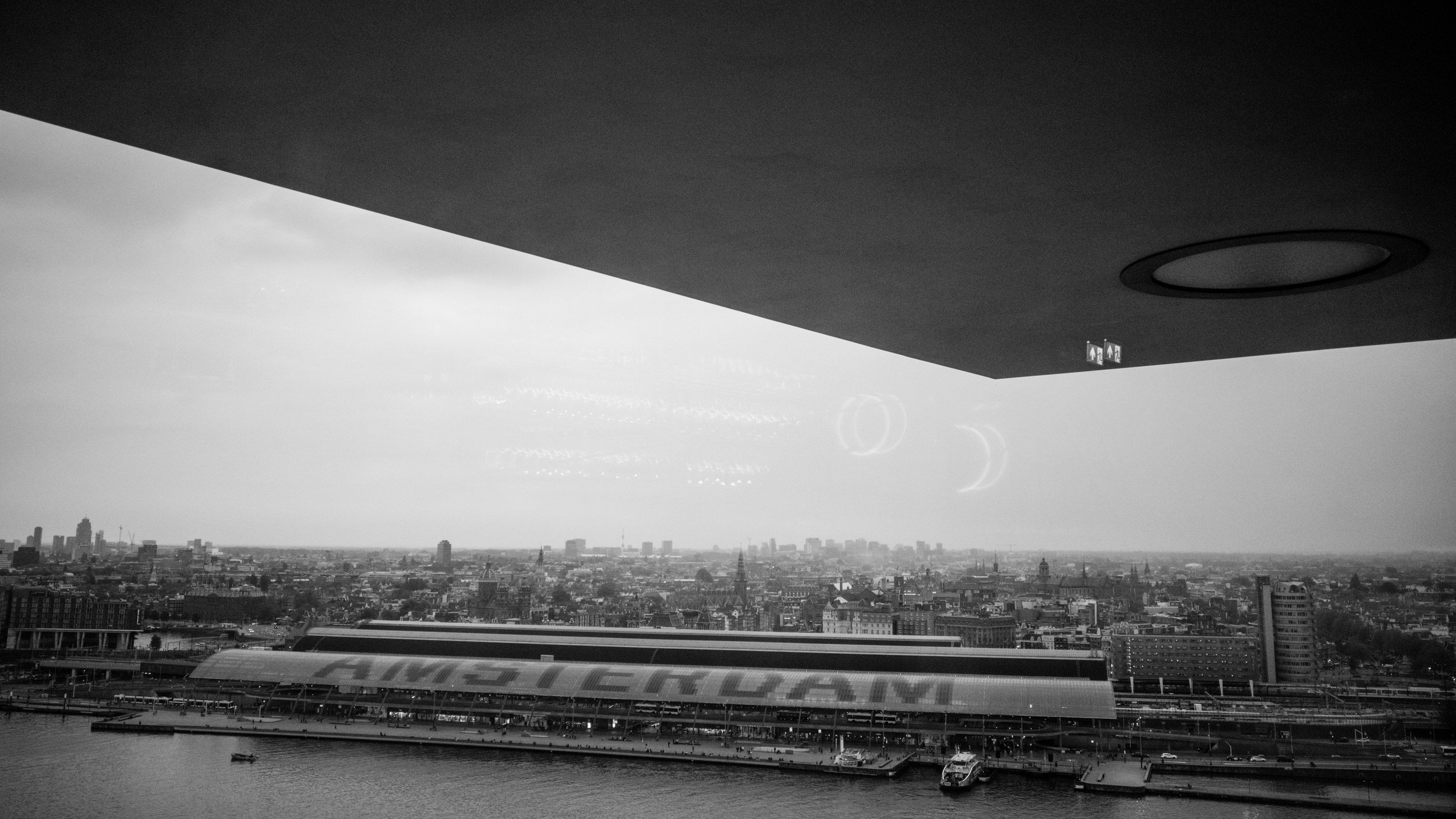
f/2.8 · 1/1000 s · ISO 1,600
The files keep surprising me
I’m still amazed by how crisp the photographs can be. There’s something about the combination of the lens and the way the camera renders a scene that I really like.
With the Leica Q3, I enjoyed using shallow depth of field. With the Ricoh, I’ve found myself quite happily going in the other direction, often shooting at f/8 or beyond. I’m comfortable letting the ISO rise, and I like having more of the scene in focus.
The grain is a big part of that. To my eye, it has a lovely, film-like quality. I don’t feel the need to keep the ISO as low as possible every time I take a photograph.
I shoot RAW because I want the flexibility when I get the photographs into Lightroom. The editing is usually fairly simple: some contrast with a very gentle S-curve and perhaps a crop. The files already have a lot of what I’m looking for.
None of the photographs in this review have any added grain or noise reduction applied. That includes AI denoise. The texture you see comes from the camera’s files, with the basic tonal adjustments and crops described above.
There’s plenty of information in the highlights and shadows for the way I work. I haven’t found blown highlights to be a major issue in my own use, although I’m also not trying to recover every last bit of information from every photograph. Push that too far and the result can start to look artificial. I’d rather keep the picture feeling natural.
I use the red filter quite a bit as well. I particularly like what it does to skies. It can give them a darker, more dramatic feel, with a bit more contrast and punch.
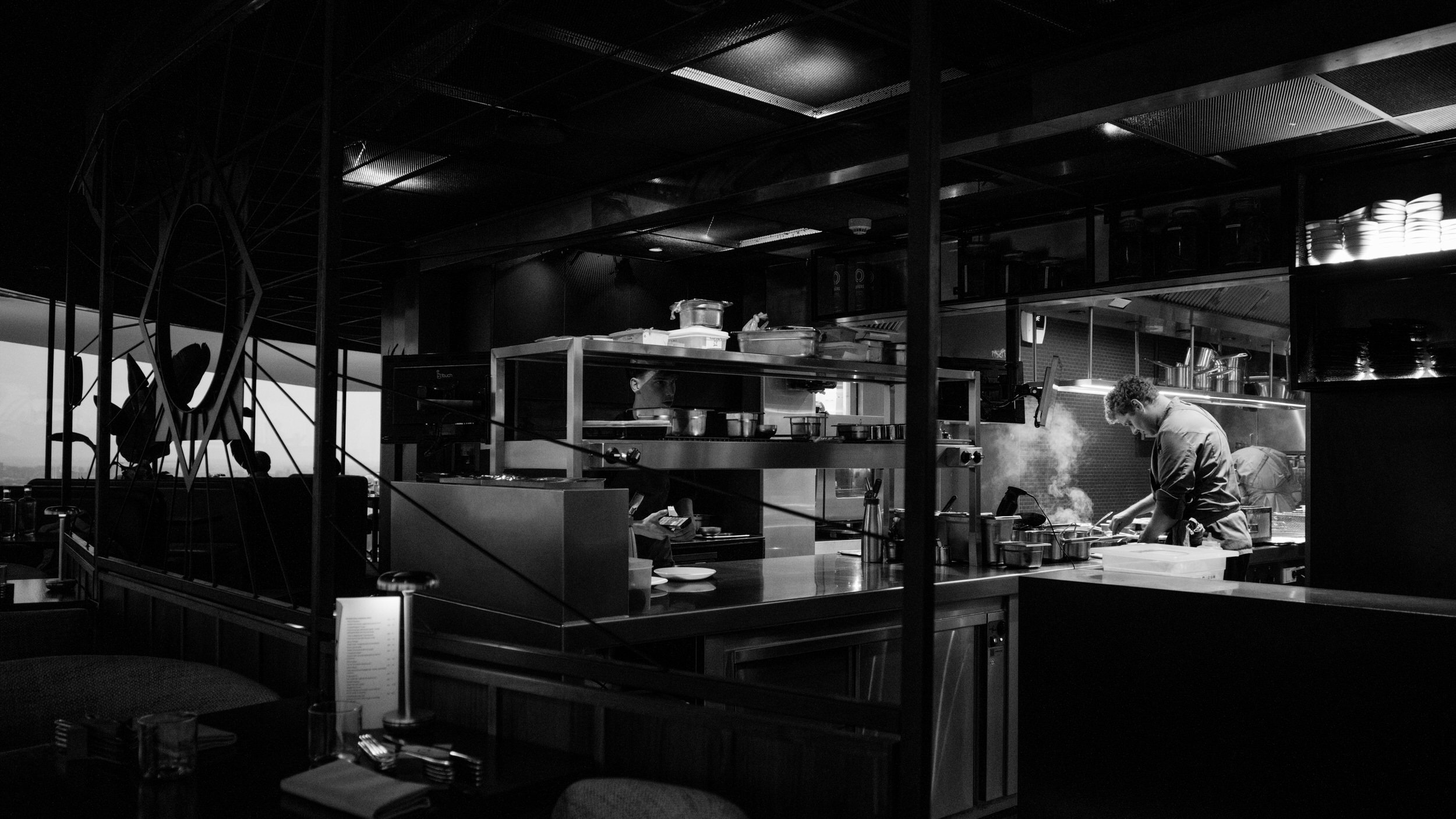
f/2.8 · 1/250 s · ISO 5,000
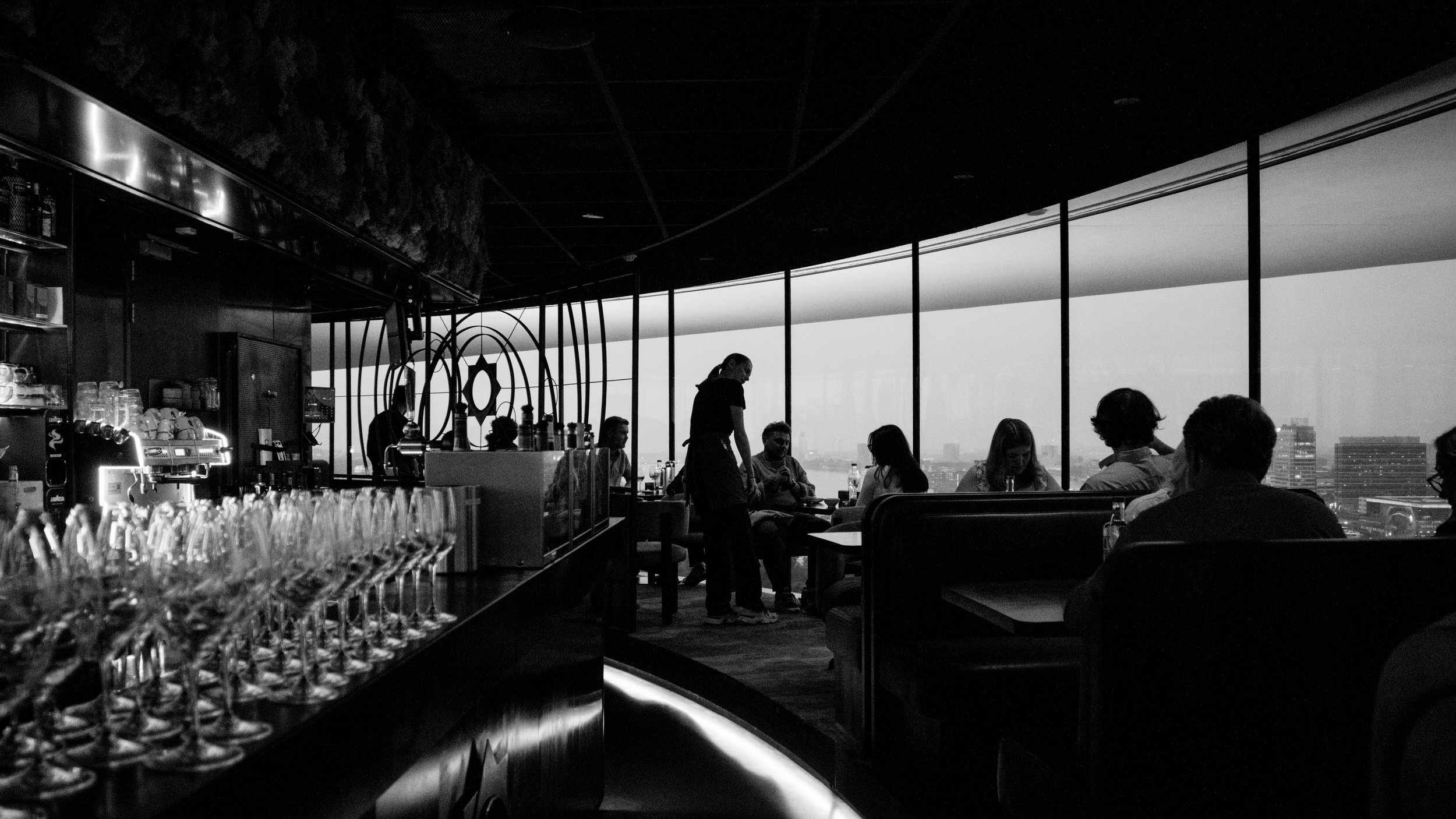
f/2.8 · 1/250 s · ISO 8,000
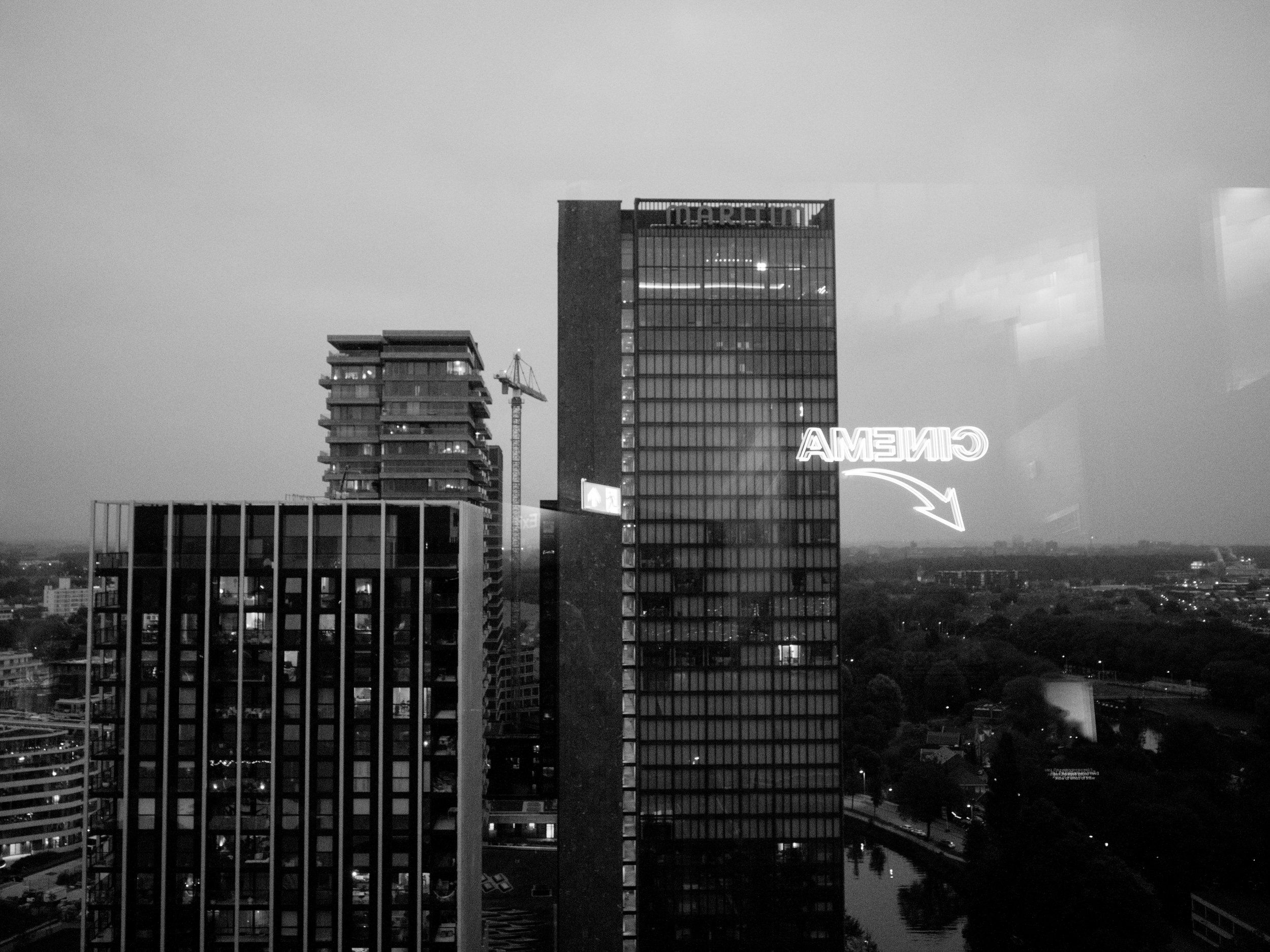
f/2.8 · 1/250 s · ISO 4,000
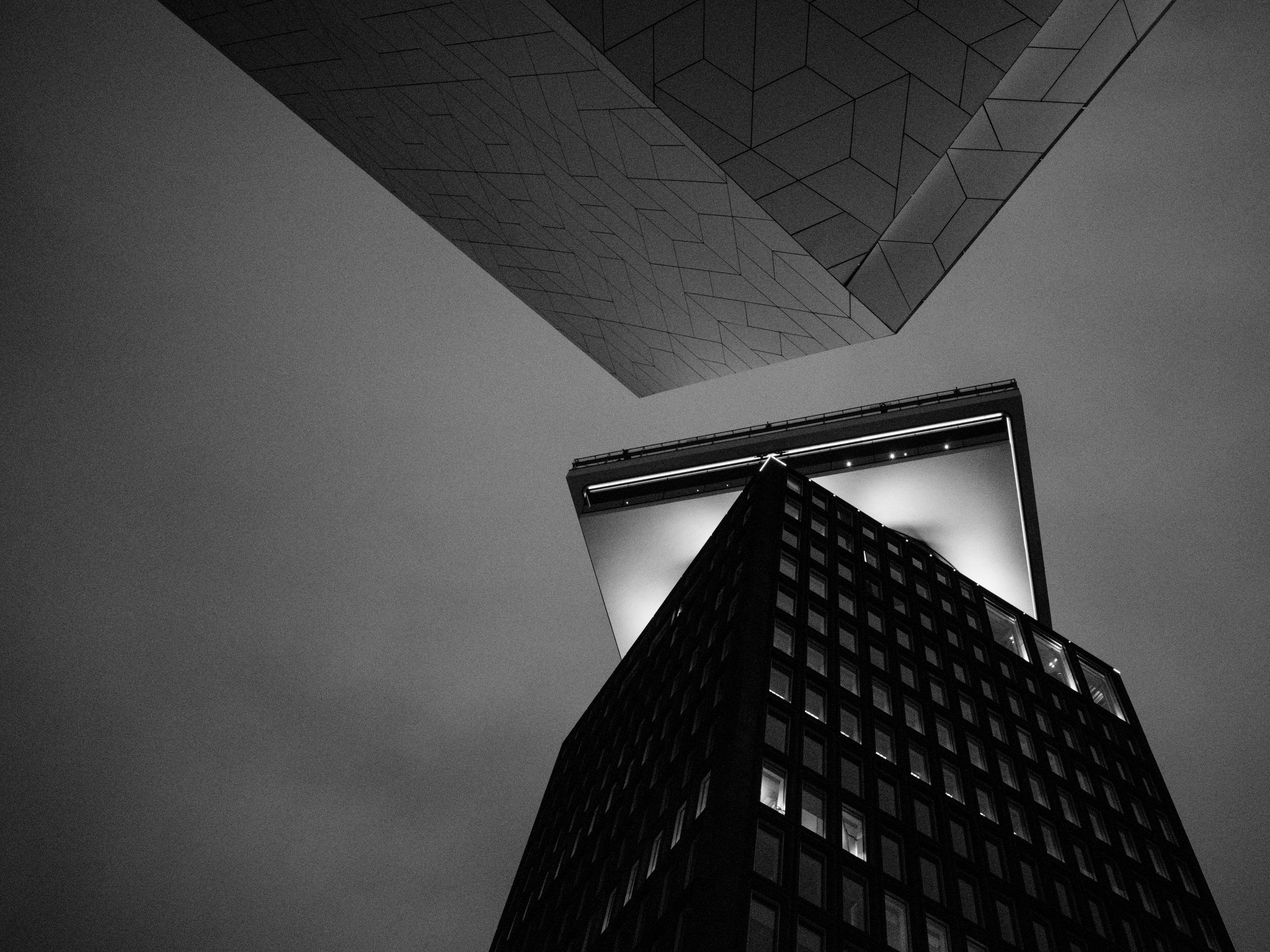
f/6.3 · 1/125 s · ISO 25,600
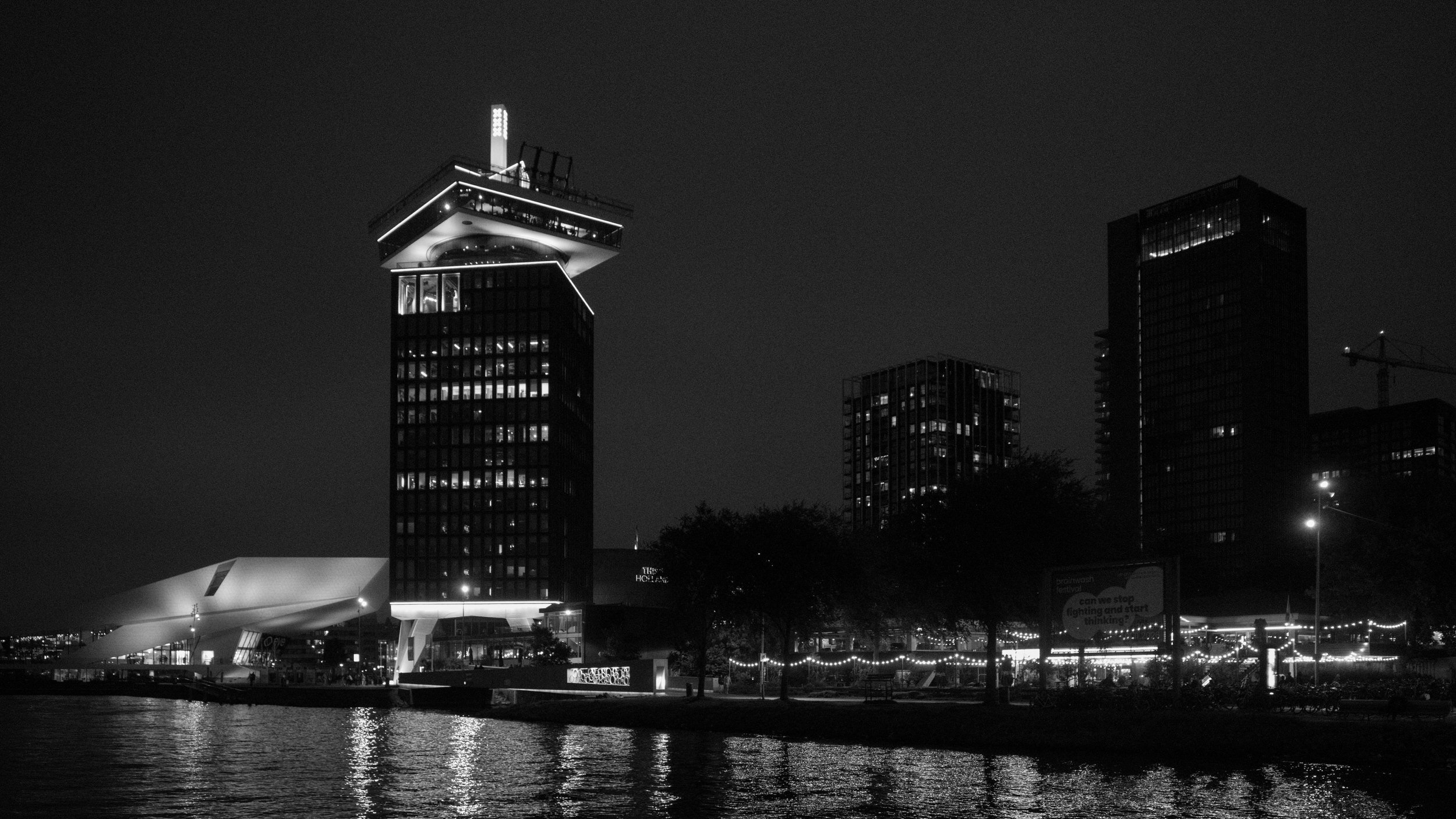
f/2.8 · 1/250 s · ISO 16,000
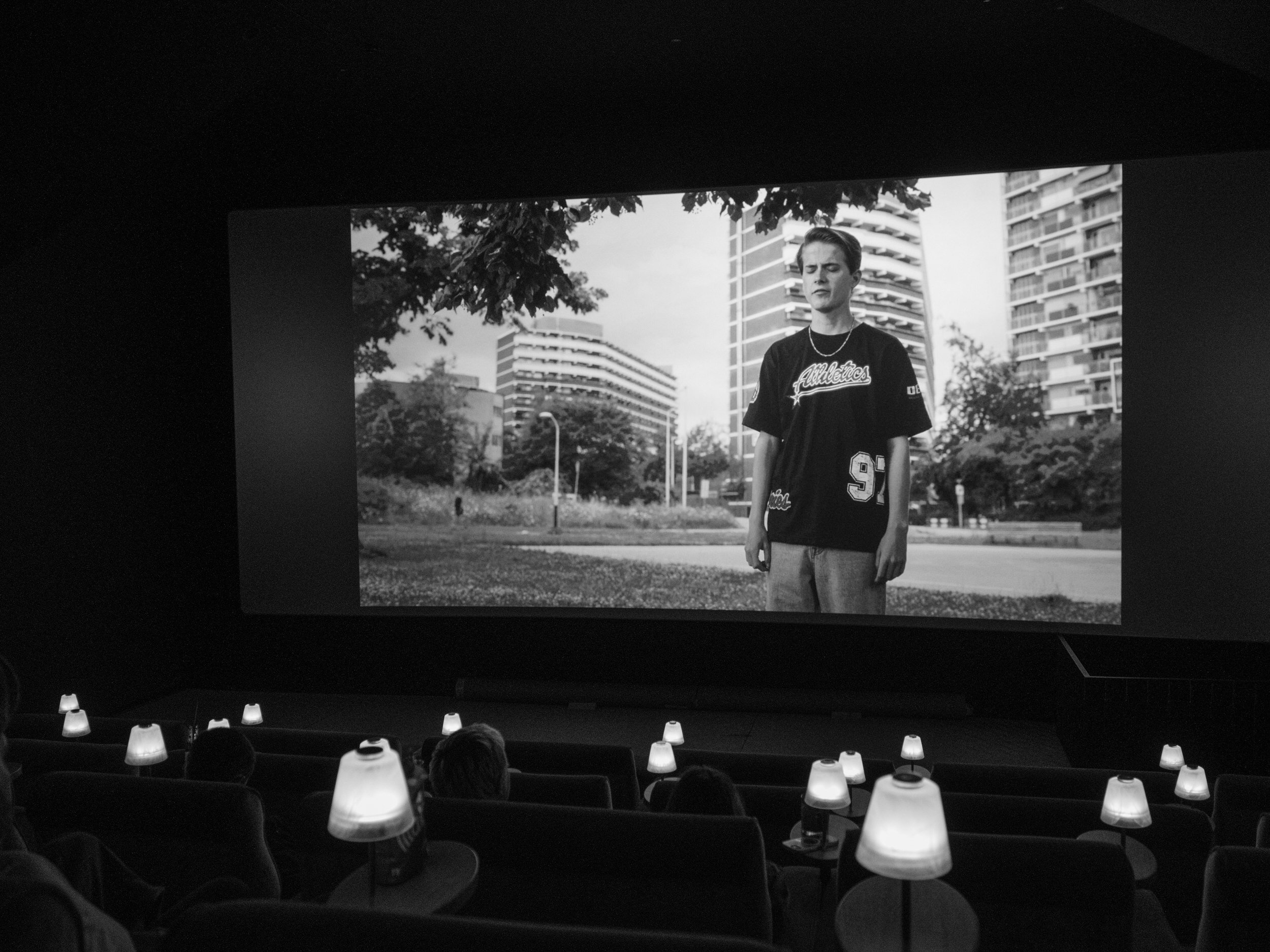
f/2.8 · 1/250 s · ISO 8,000
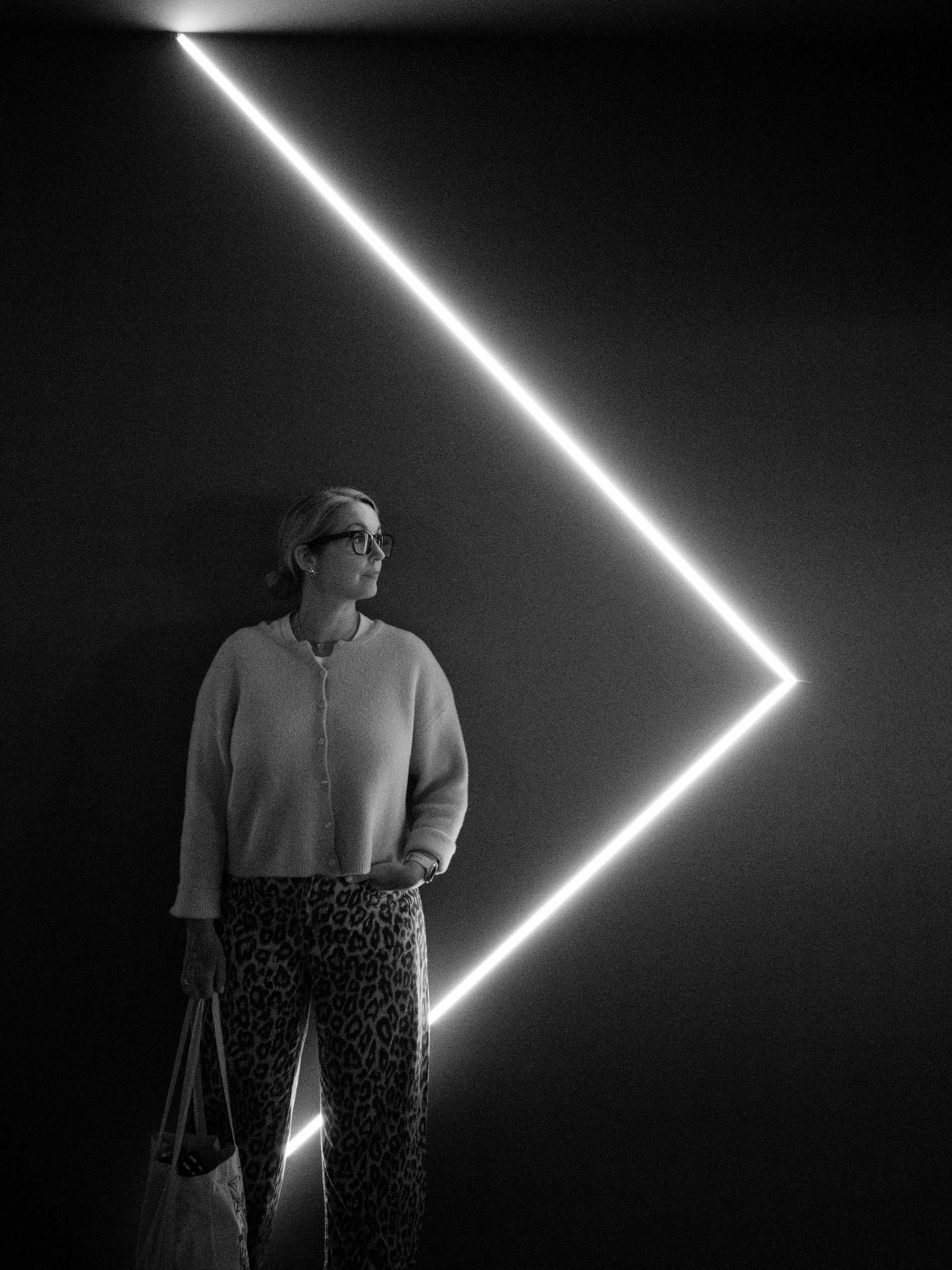
f/7.1 · 1/25 s · ISO 25,600
Keeping it playful
The photographs I enjoy most aren’t always the ones that tell you much about technical performance.
An expression, a strange reflection or something funny happening in front of me can be more than enough. I want the camera to be there for those things as well. That’s a large part of why I enjoy using it with the children.
A camera can have wonderful files and still spend most of its life at home. The Ricoh has made itself very easy to bring along, and that has given me plenty of pictures I’m glad to have.
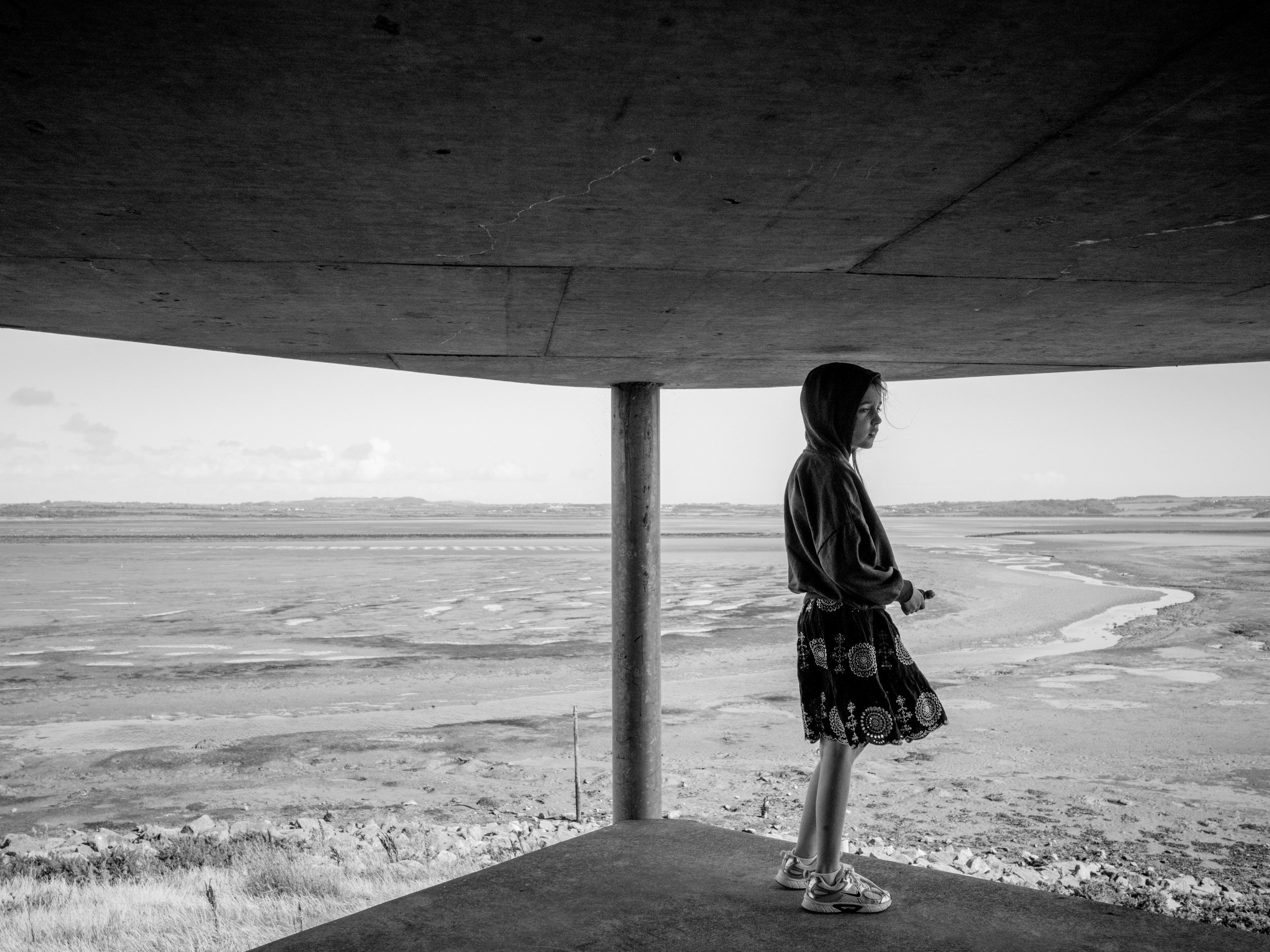
f/6.3 · 1/4000 s · ISO 1,600
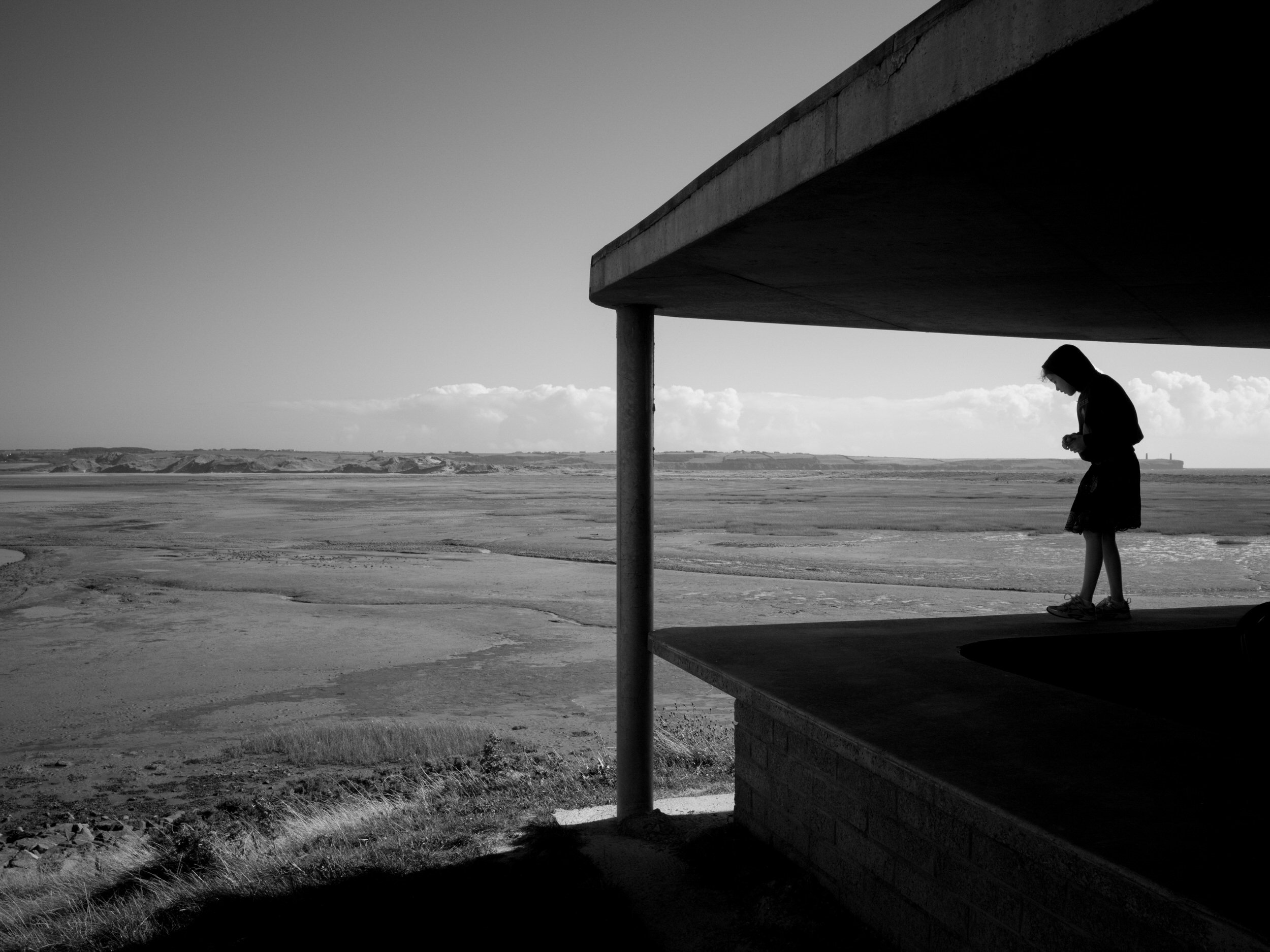
f/8 · 1/640 s · ISO 1,600
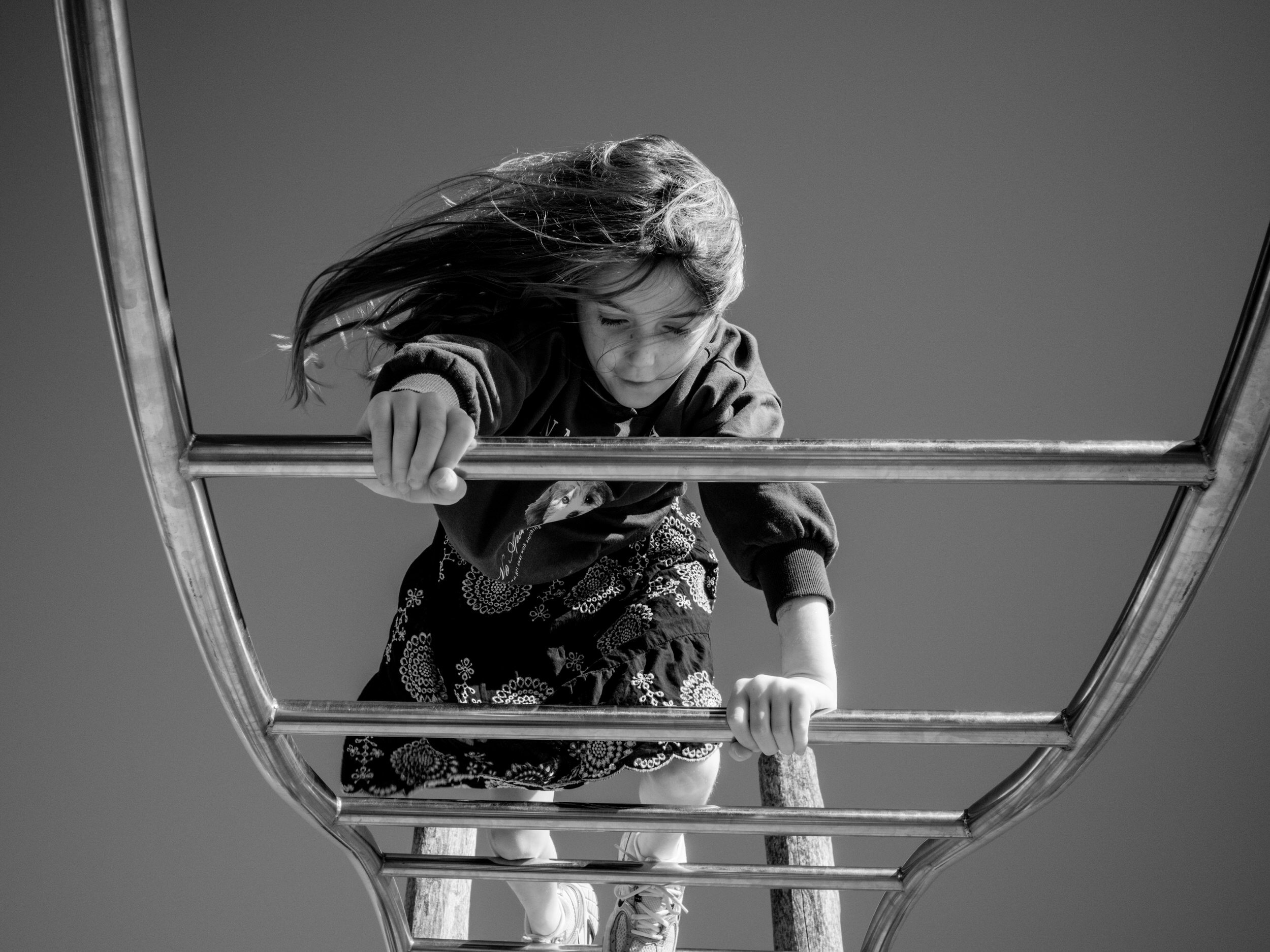
f/8 · 1/320 s · ISO 1,600
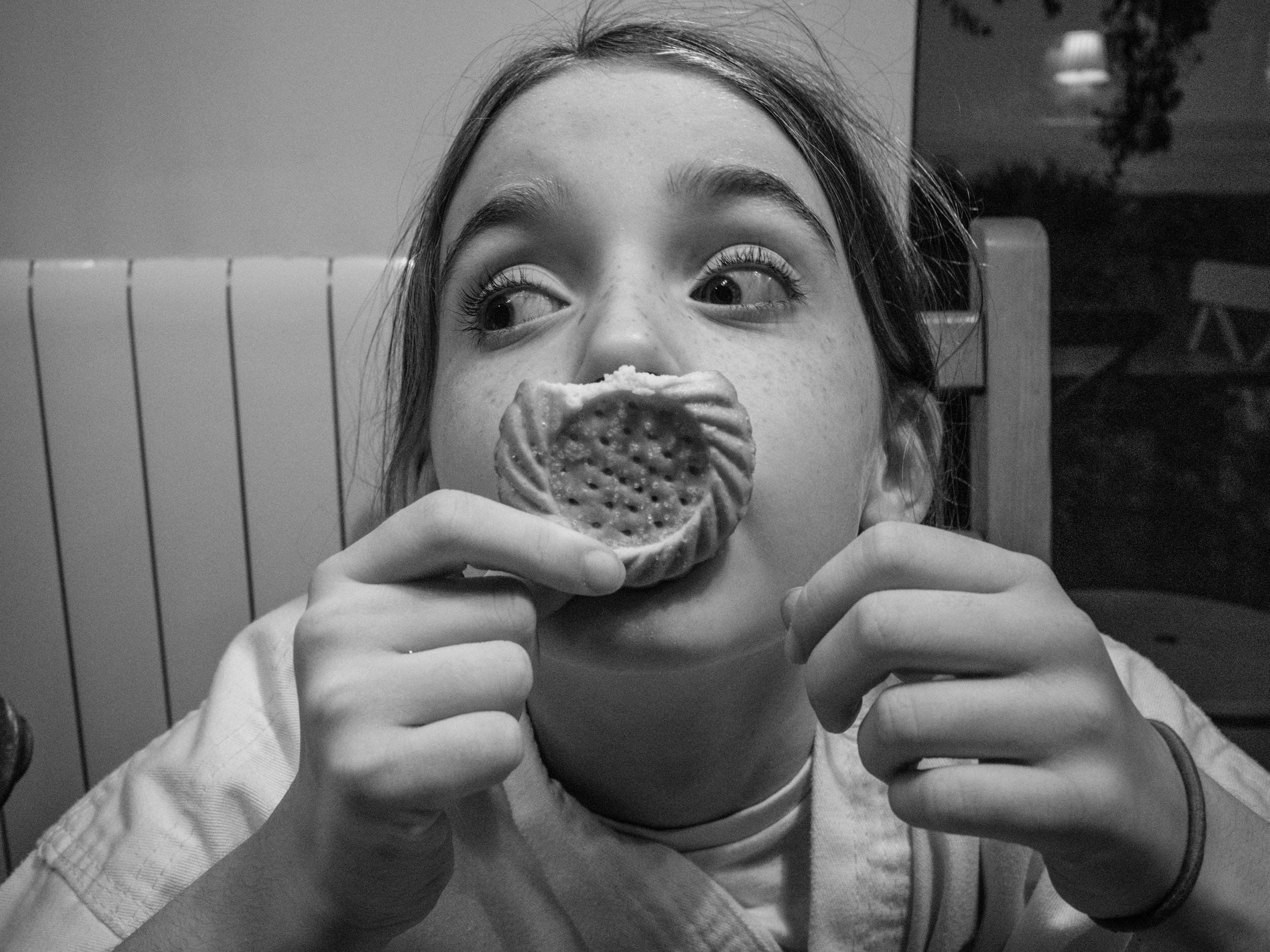
f/7.1 · 1/200 s · ISO 8,000
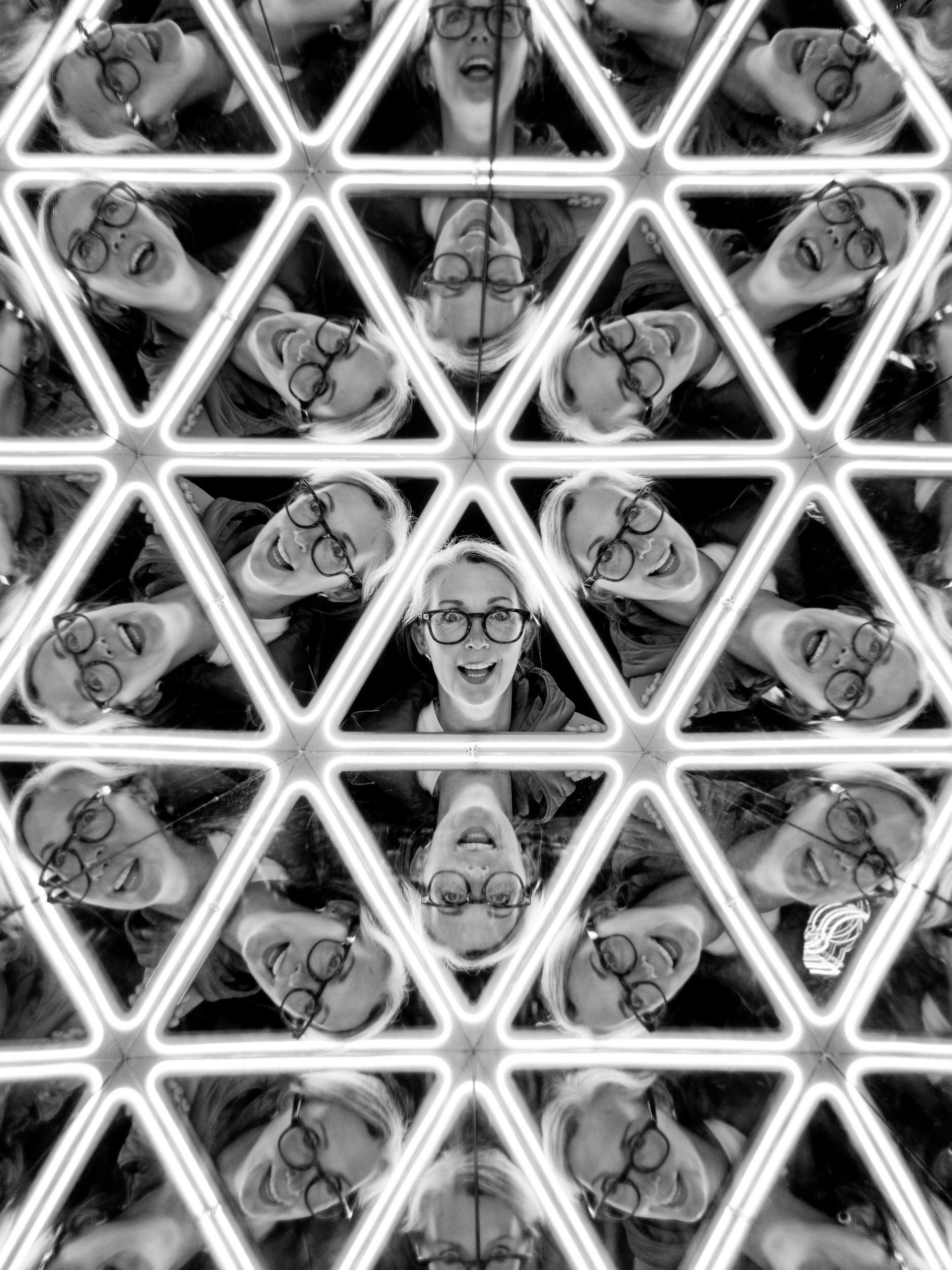
f/5 · 1/640 s · ISO 1,600
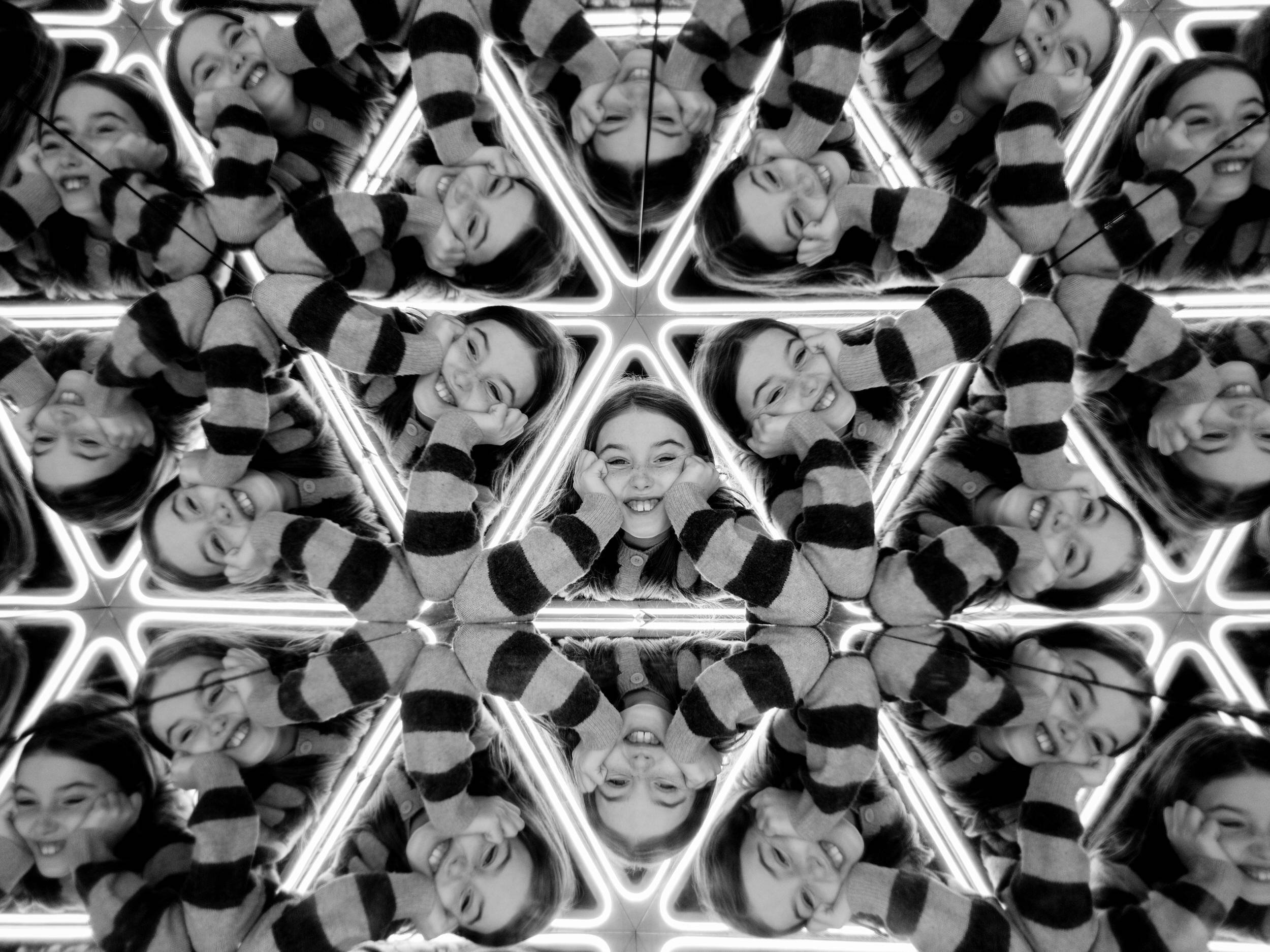
f/5 · 1/320 s · ISO 1,600
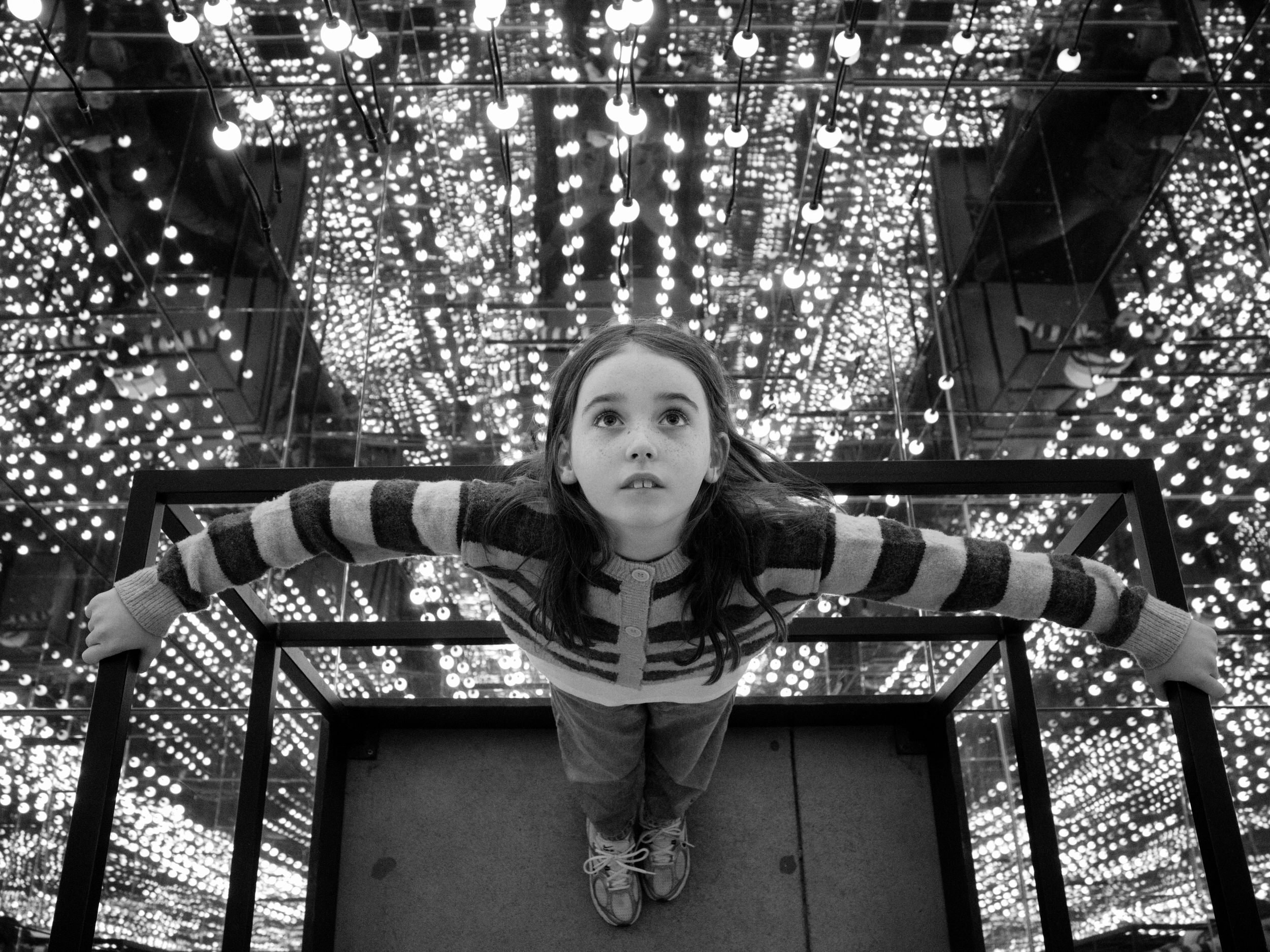
f/4.5 · 1/250 s · ISO 16,000
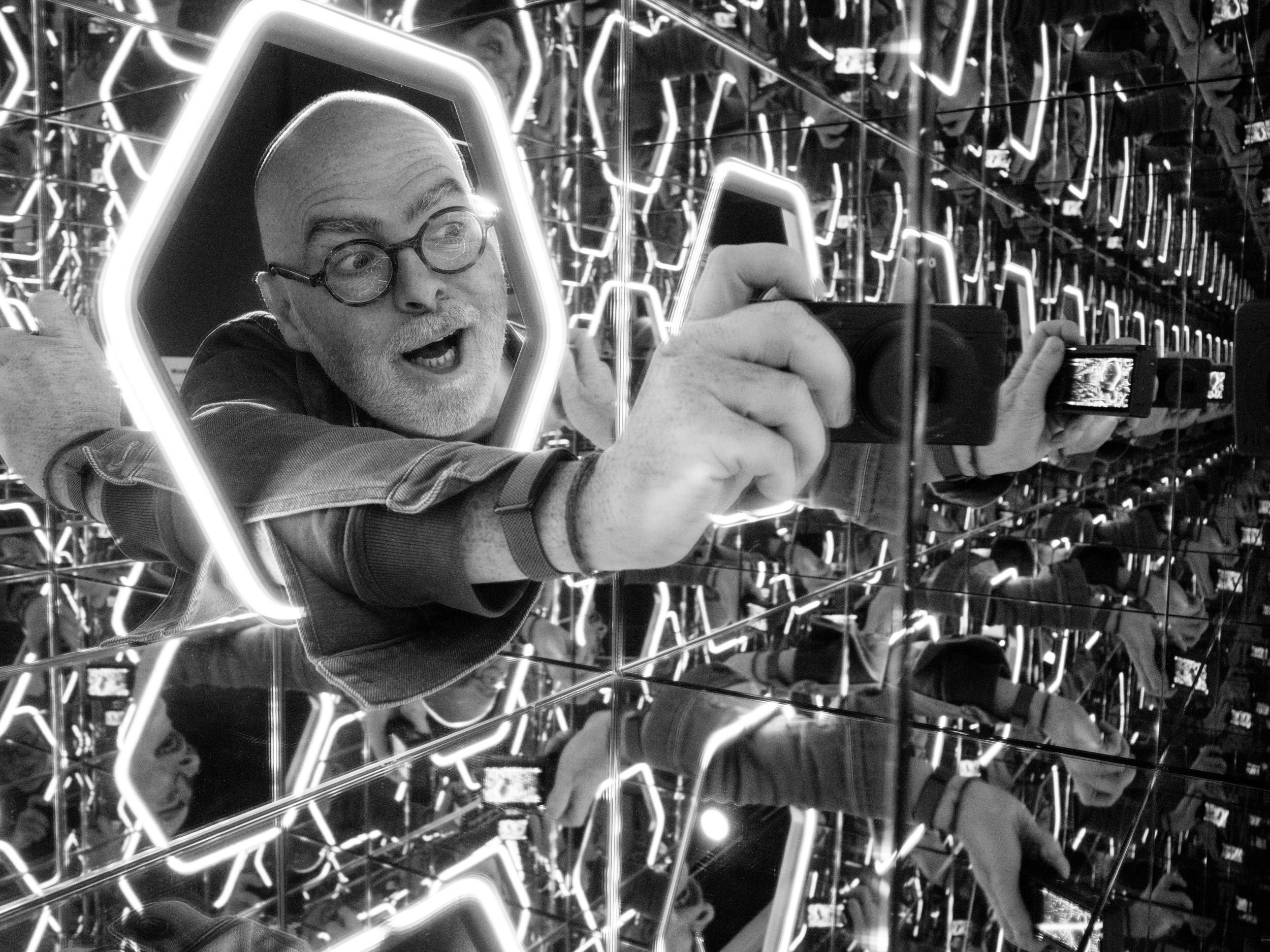
f/5.6 · 1/250 s · ISO 6,400
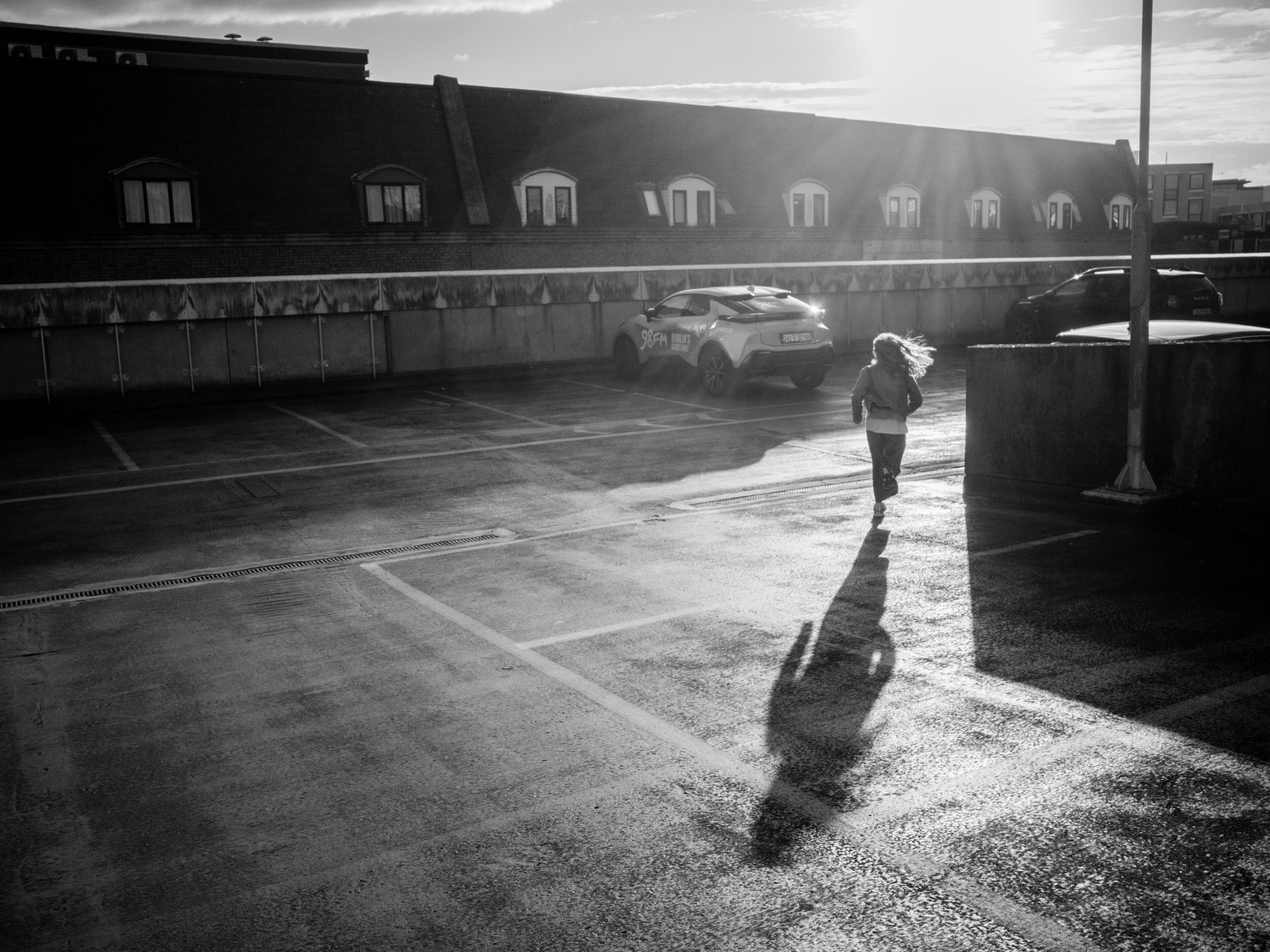
f/7.1 · 1/1250 s · ISO 1,600
High ISO: look at the photographs on a computer
My usual setup has been Auto ISO with a minimum shutter speed of 1/250 second, and I often start at ISO 1600. I like the texture it gives me.
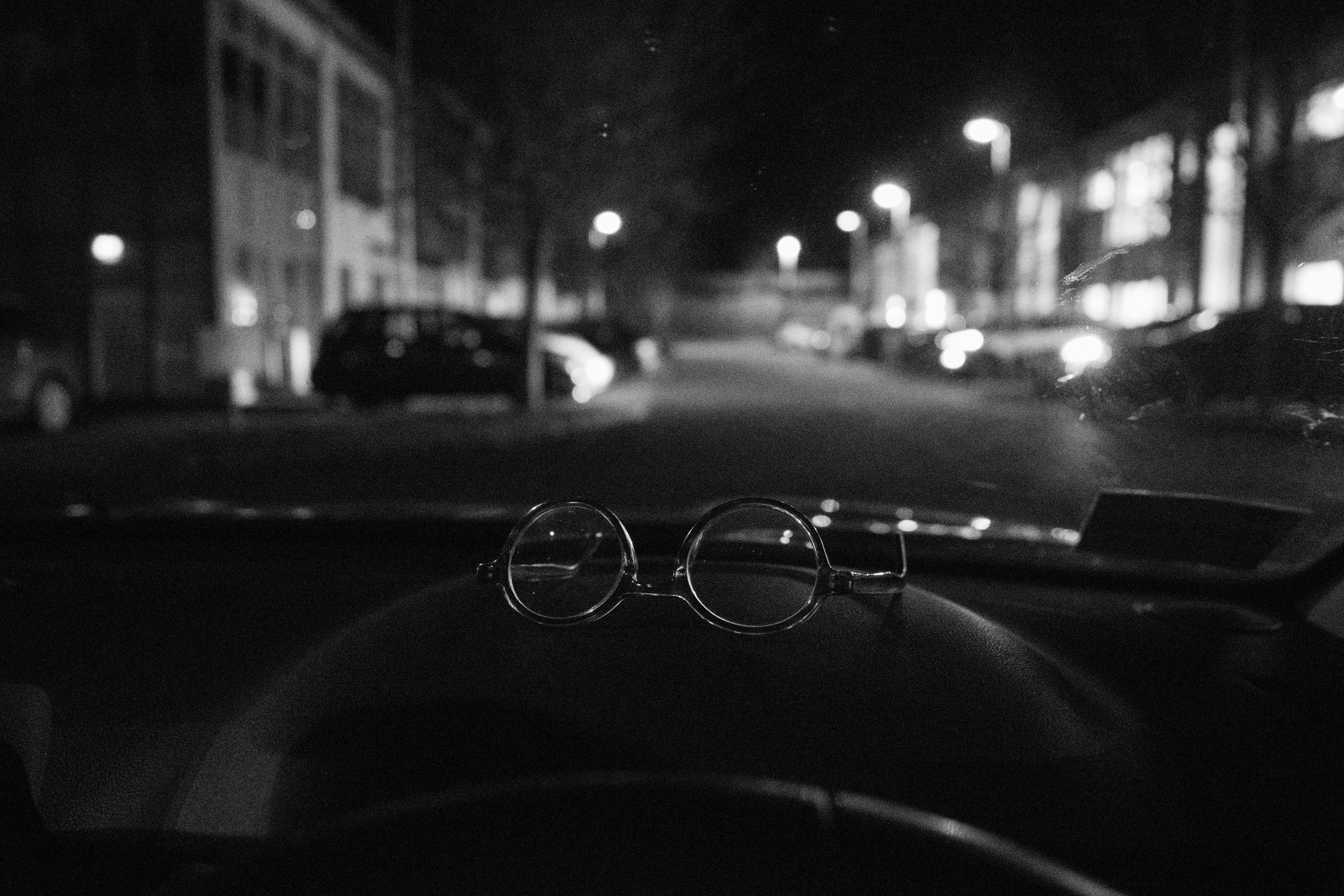
The important thing for me is that I’m happy using the photographs at much higher settings too. I’ve found the files usable right up around ISO 51,200. There’s grain, certainly, but I like the way it looks.
One thing I would point out is that the rear screen can make the photographs look considerably noisier than they do on a computer. Viewing them in Photo Mechanic or Lightroom has given me a much better impression of the files. I wouldn’t judge a high-ISO photograph entirely from the camera’s screen.
The night-driving photograph included here was taken at ISO 51,200, 1/30 second and f/2.8. It’s a useful example of the kind of photograph I’m willing to make at that setting.
There are other examples throughout the review too: the snooker photograph at ISO 25,600, the museum lights at ISO 16,000 and wedding photographs made at ISO 25,600. These are the situations I’ve actually been photographing, and I’m very happy to have those pictures.
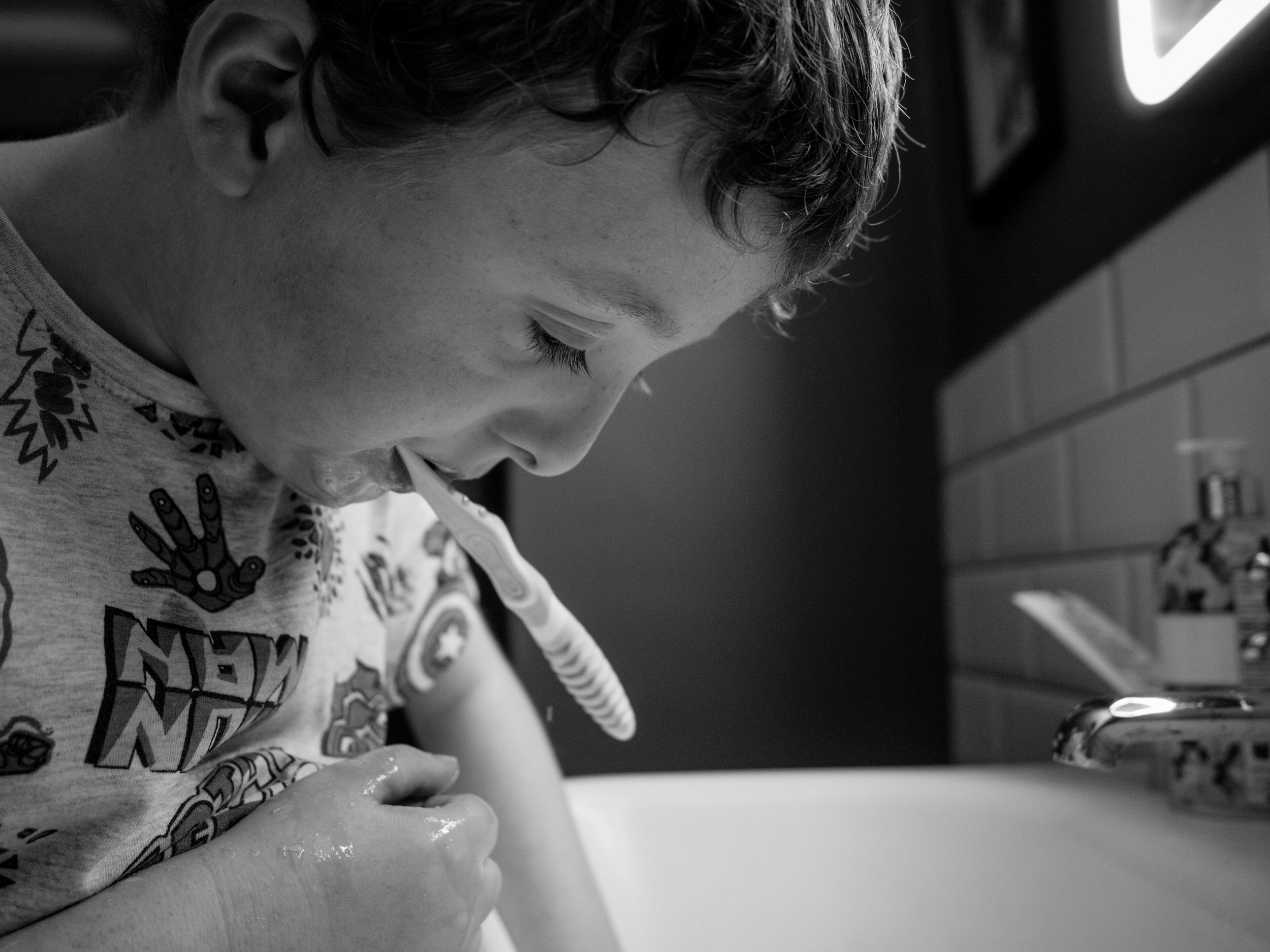
f/2.8 · 1/125 s · ISO 2,000
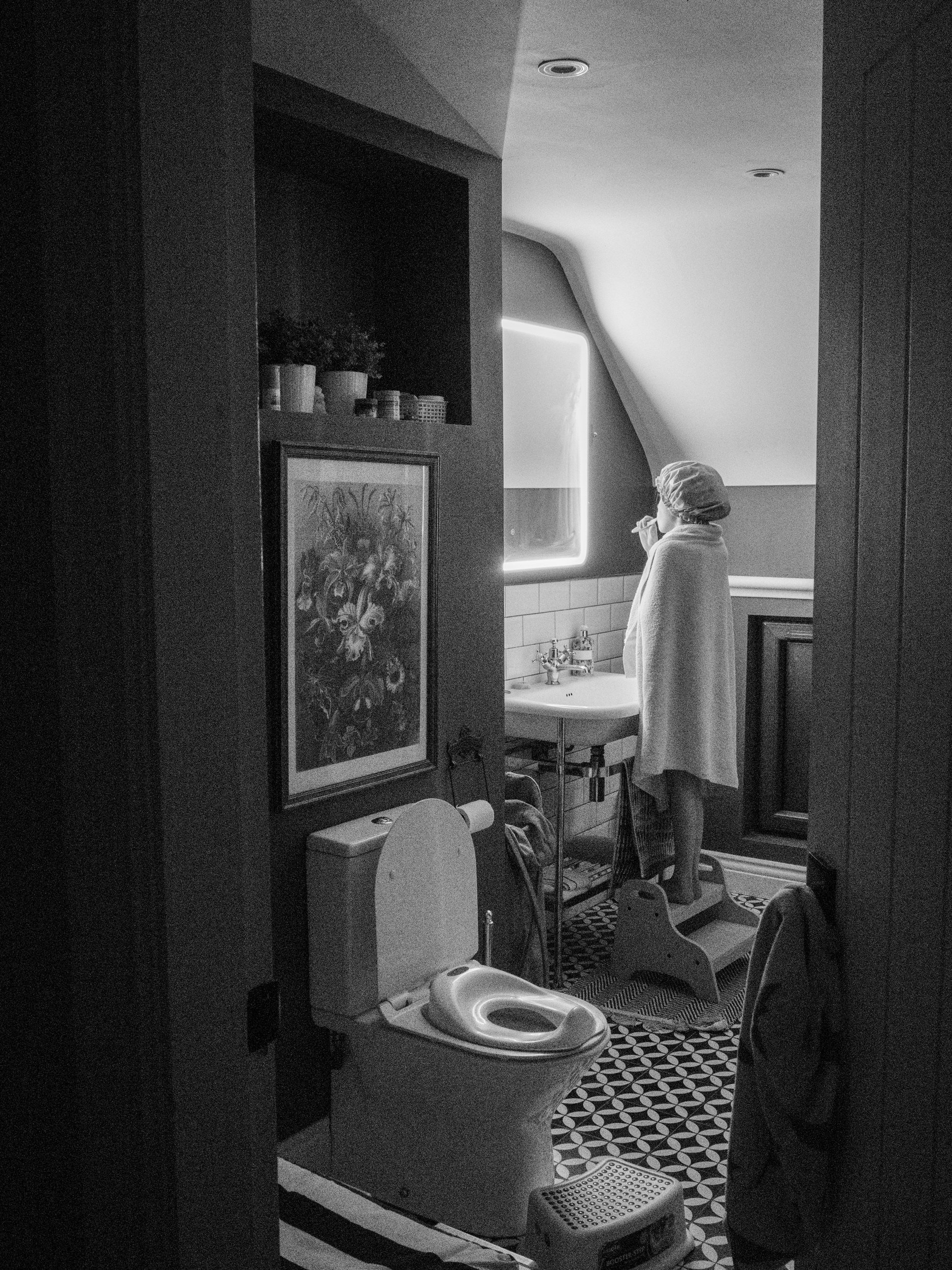
f/7.1 · 1/160 s · ISO 25,600
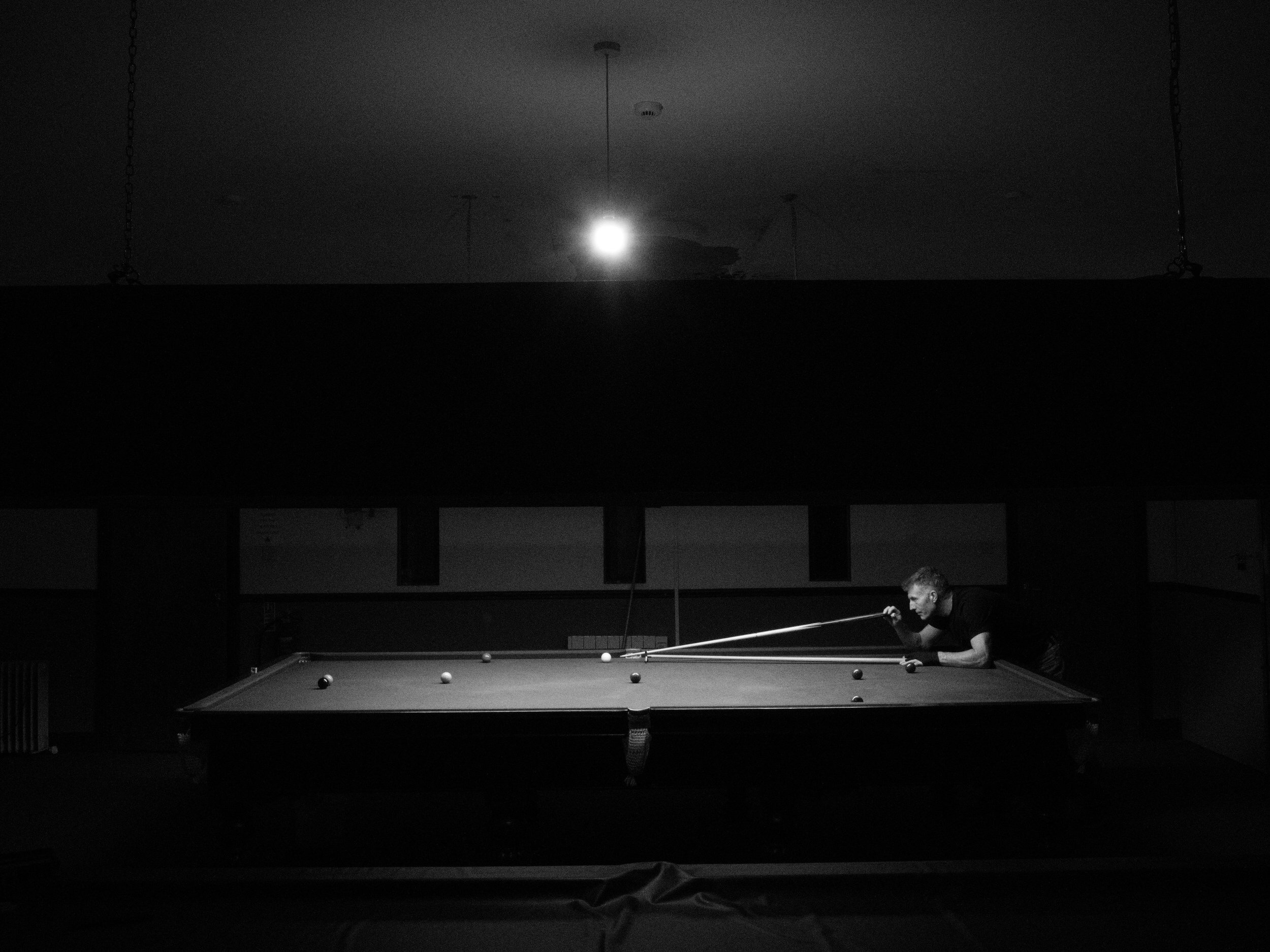
f/11 · 1/250 s · ISO 25,600
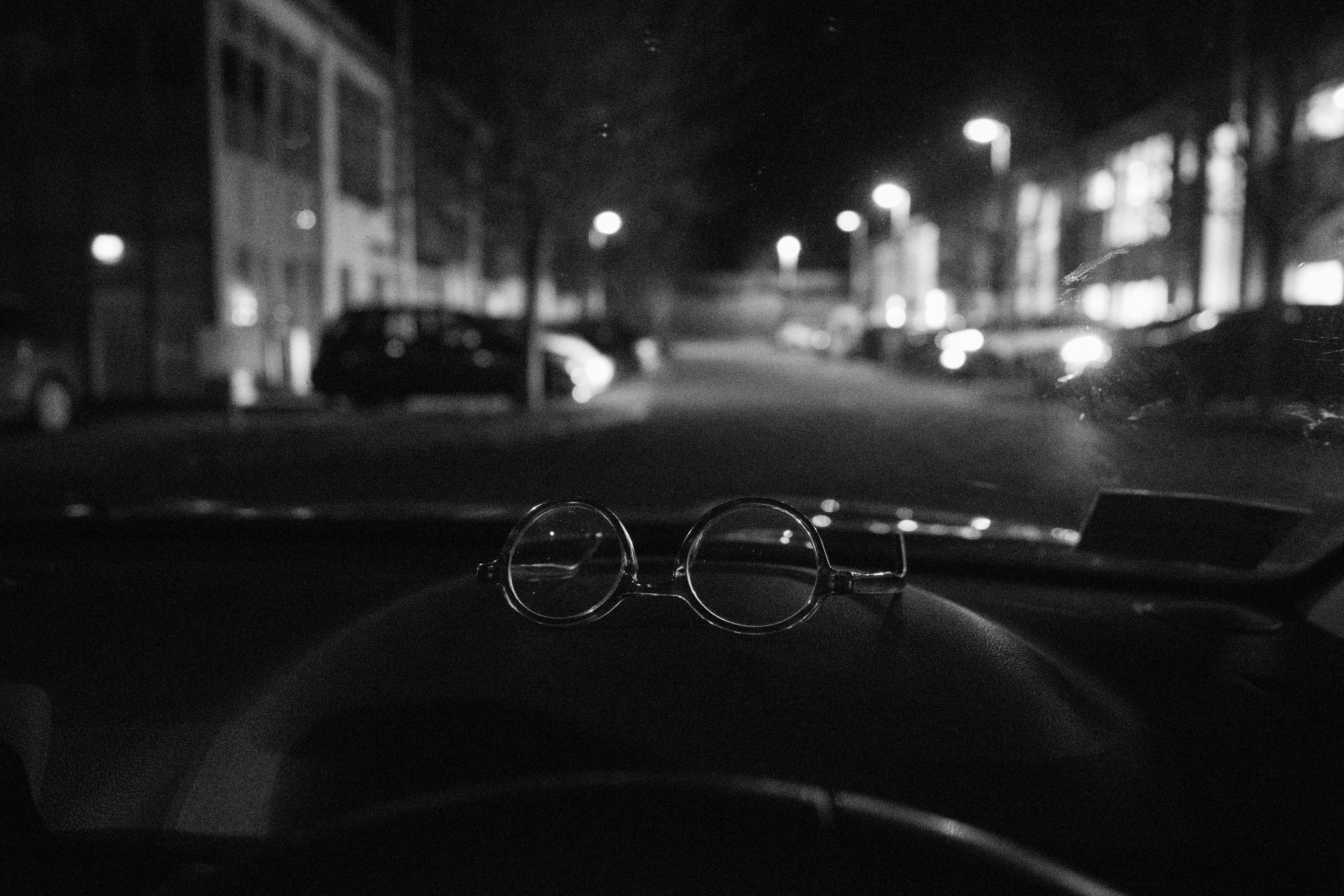
f/2.8 · 1/30 s · ISO 51,200
Where it struggles
Autofocus is the thing I would most like to improve.
Generally, I’ve found it good. In really low light, particularly when people are moving, it can struggle. That’s the frustration I keep coming back to, because I enjoy using the camera when the light starts to disappear.
Snap Focus has been superb, and it’s useful in those situations. It gives me another way of working when autofocus is having a difficult time.
I wouldn’t want to leave the autofocus issue out of a review, though. I love the photographs, and the camera has encouraged me to keep shooting in low light, but that doesn’t mean every part of the experience is effortless.
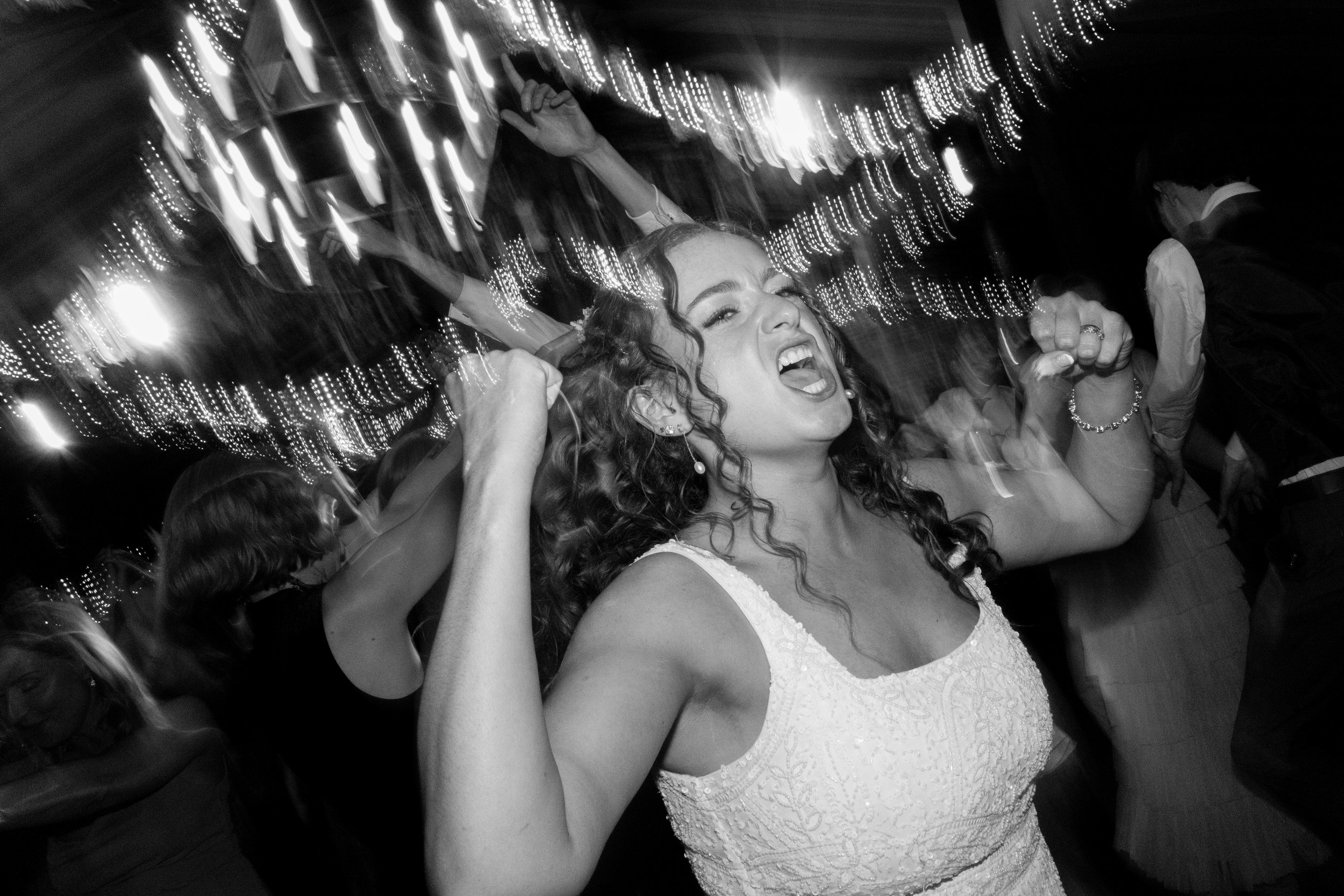
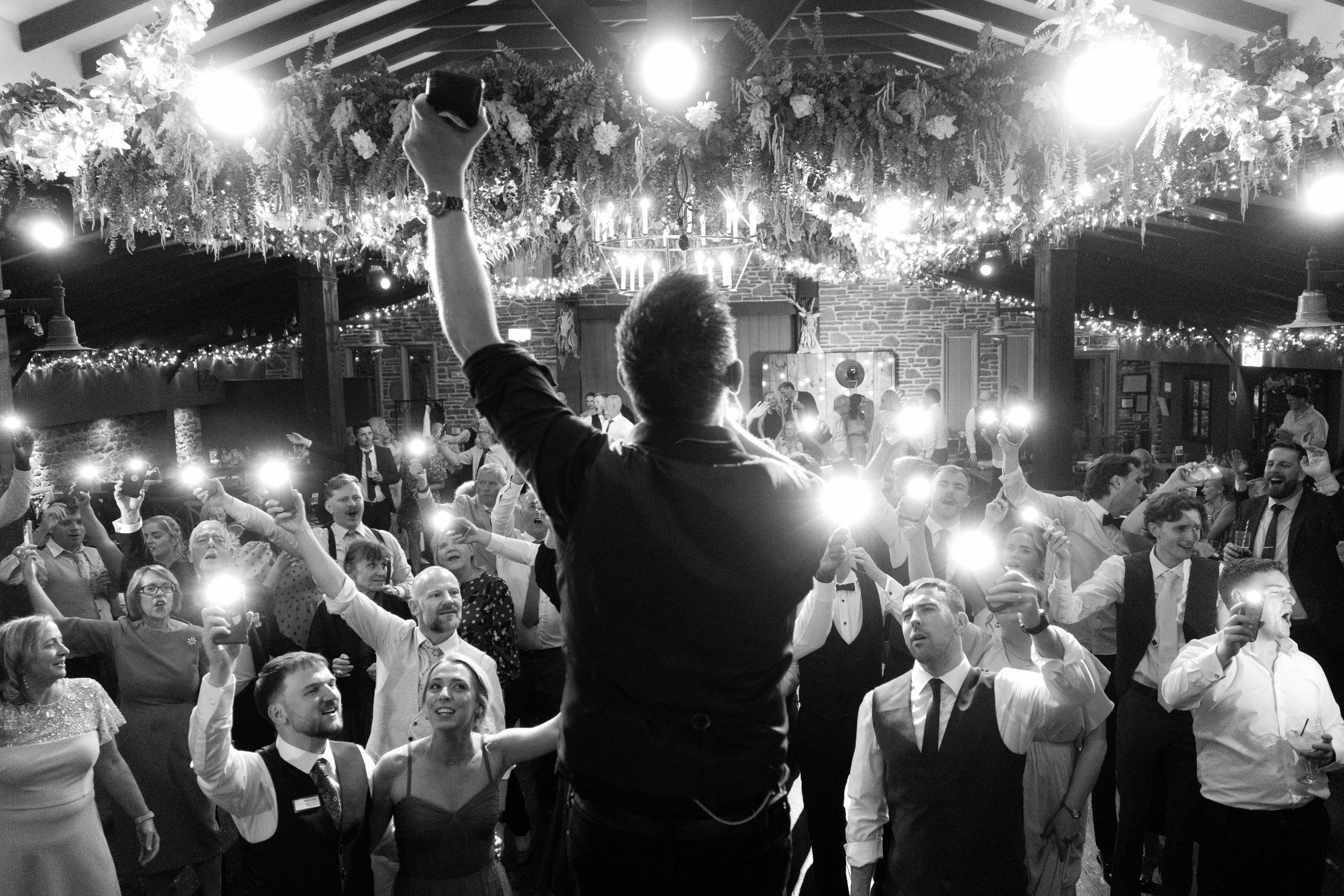
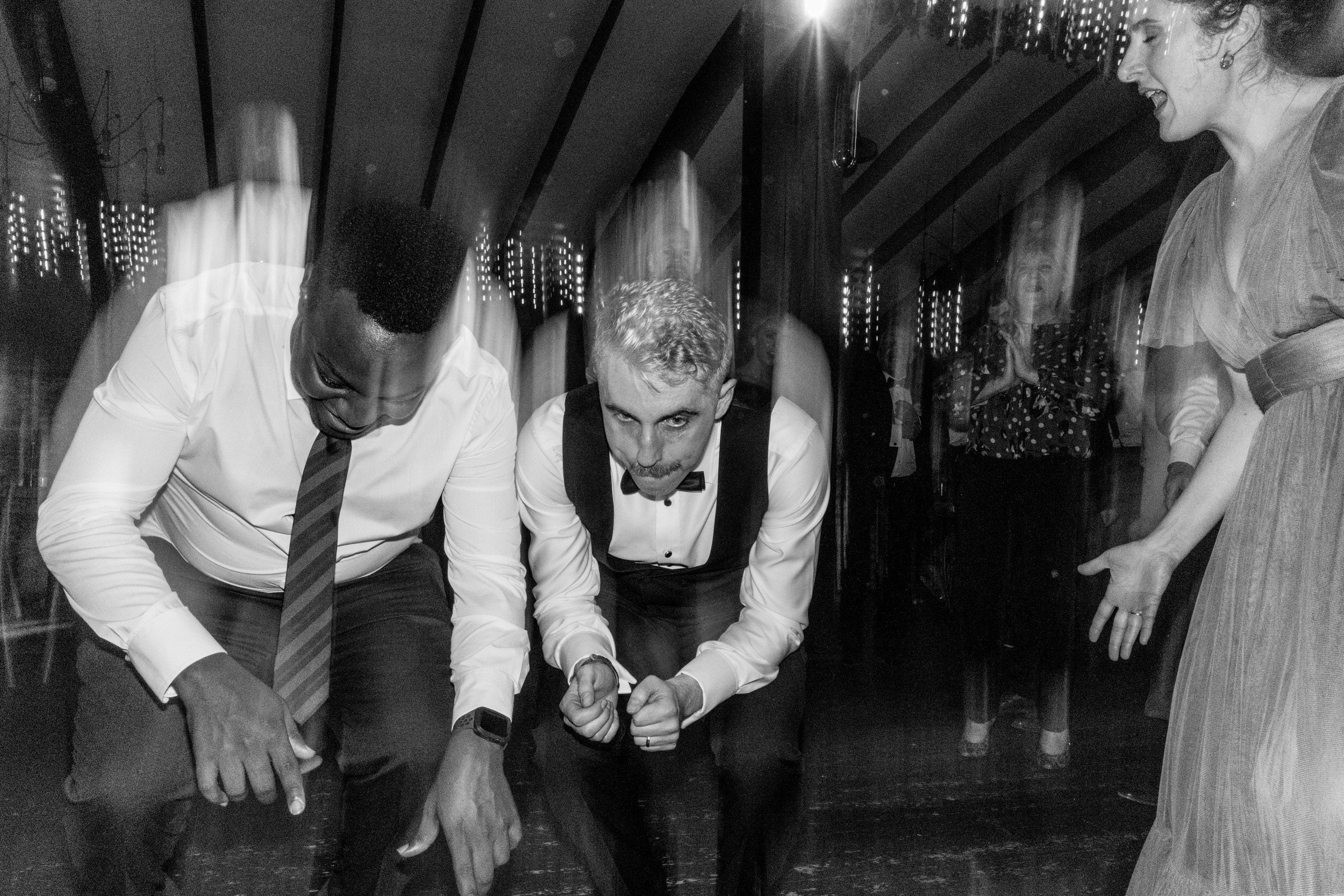
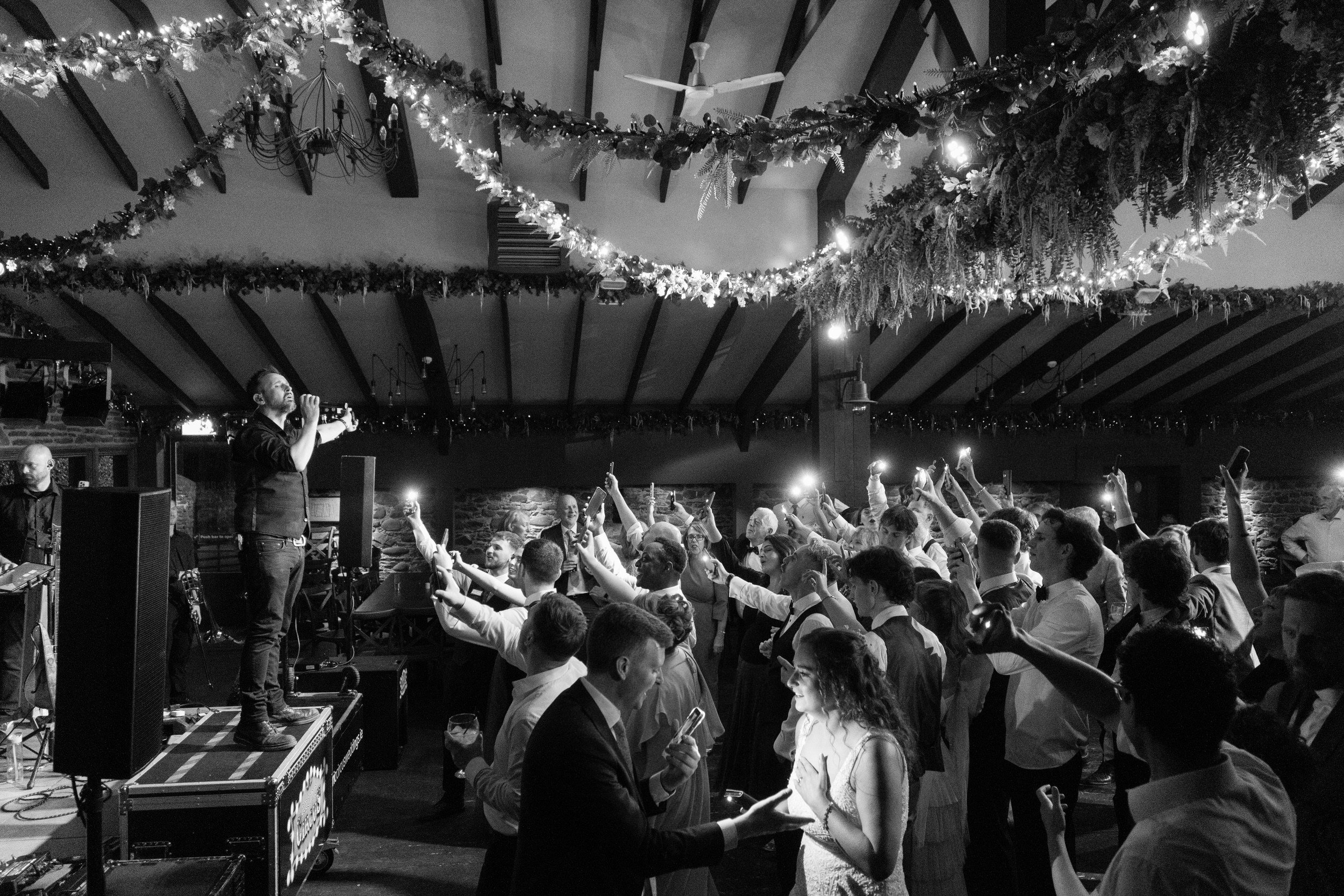
Taking it to weddings
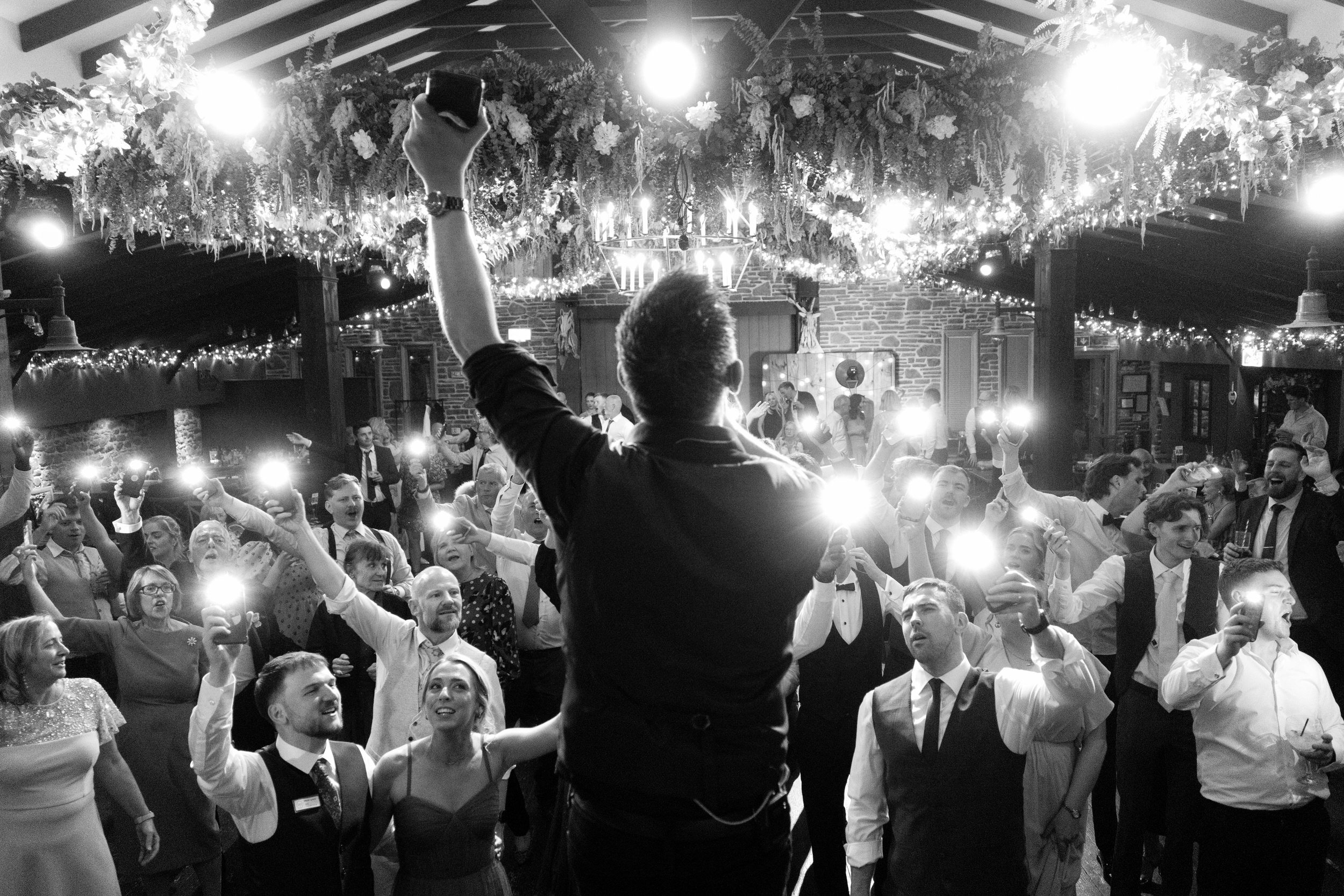
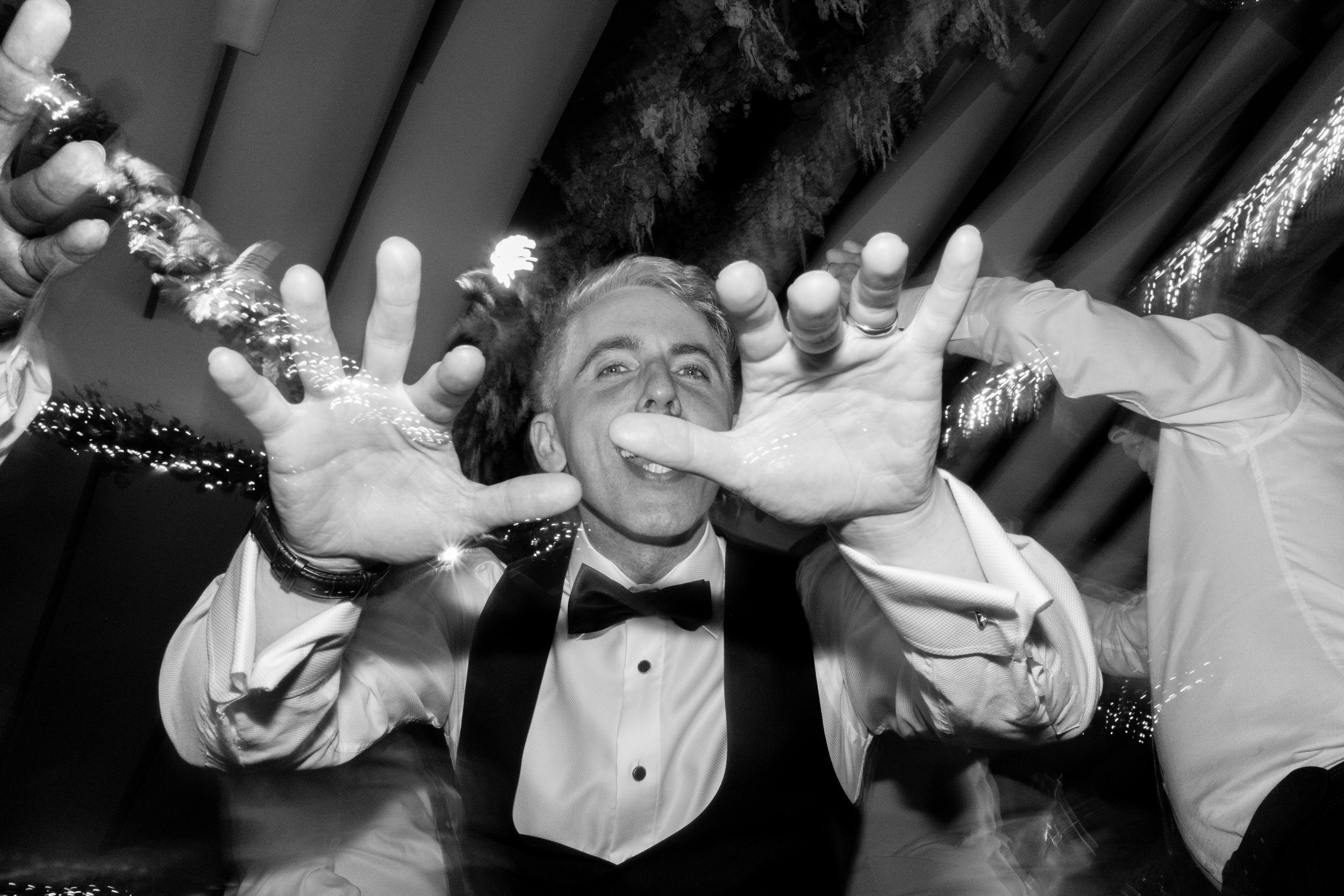
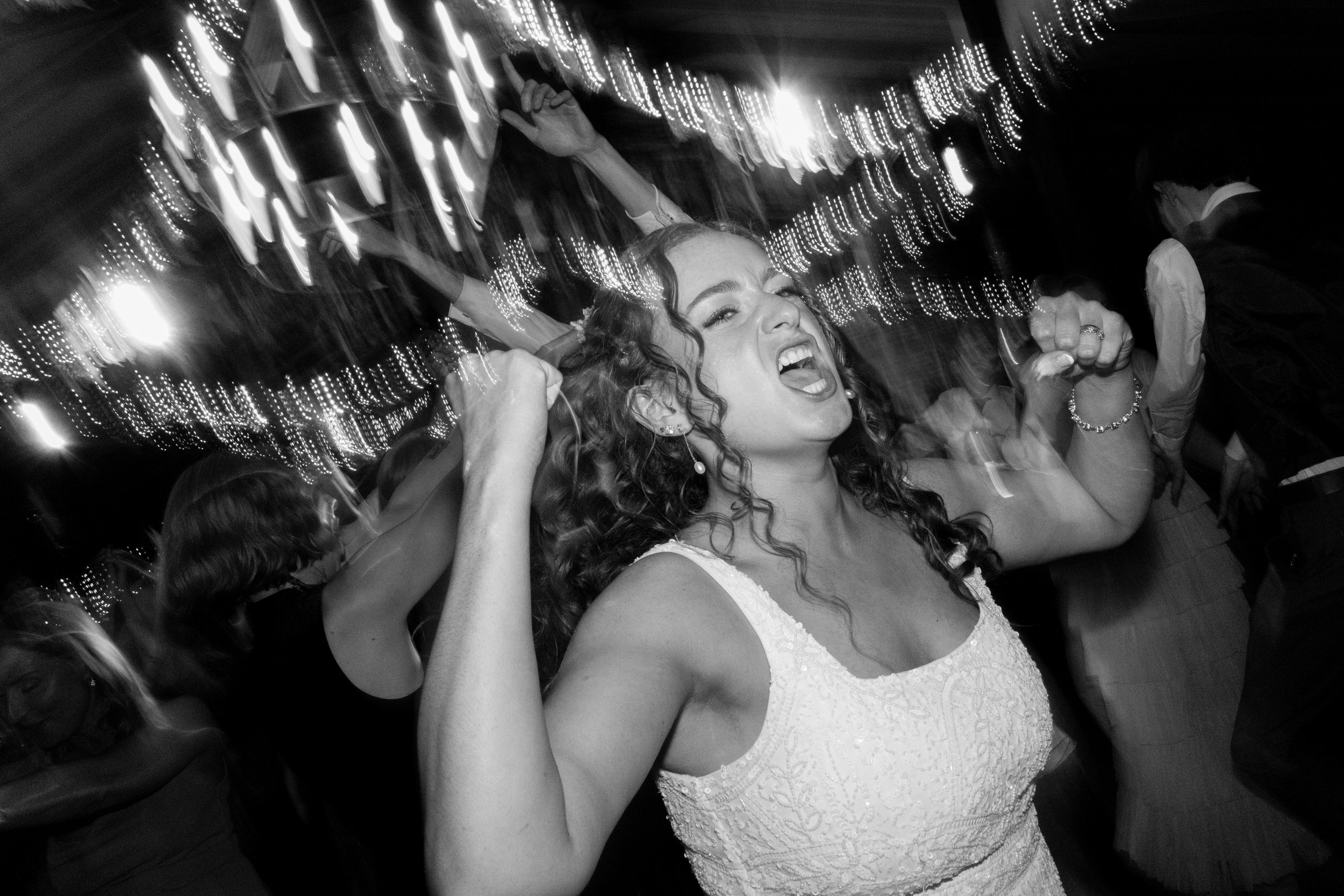
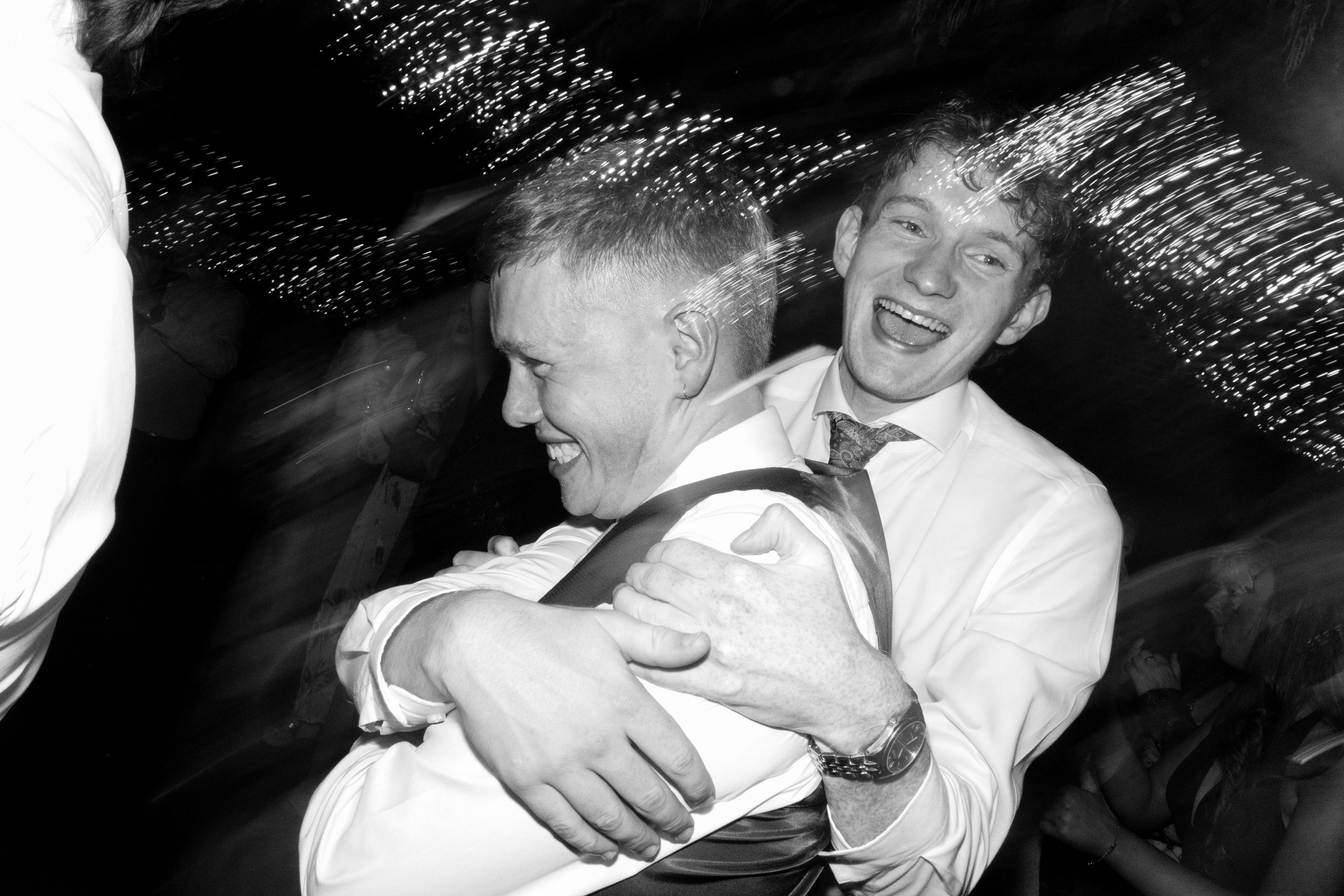
I’ve been bringing the Ricoh to weddings, and I invariably find myself taking it out when the light starts to dip.
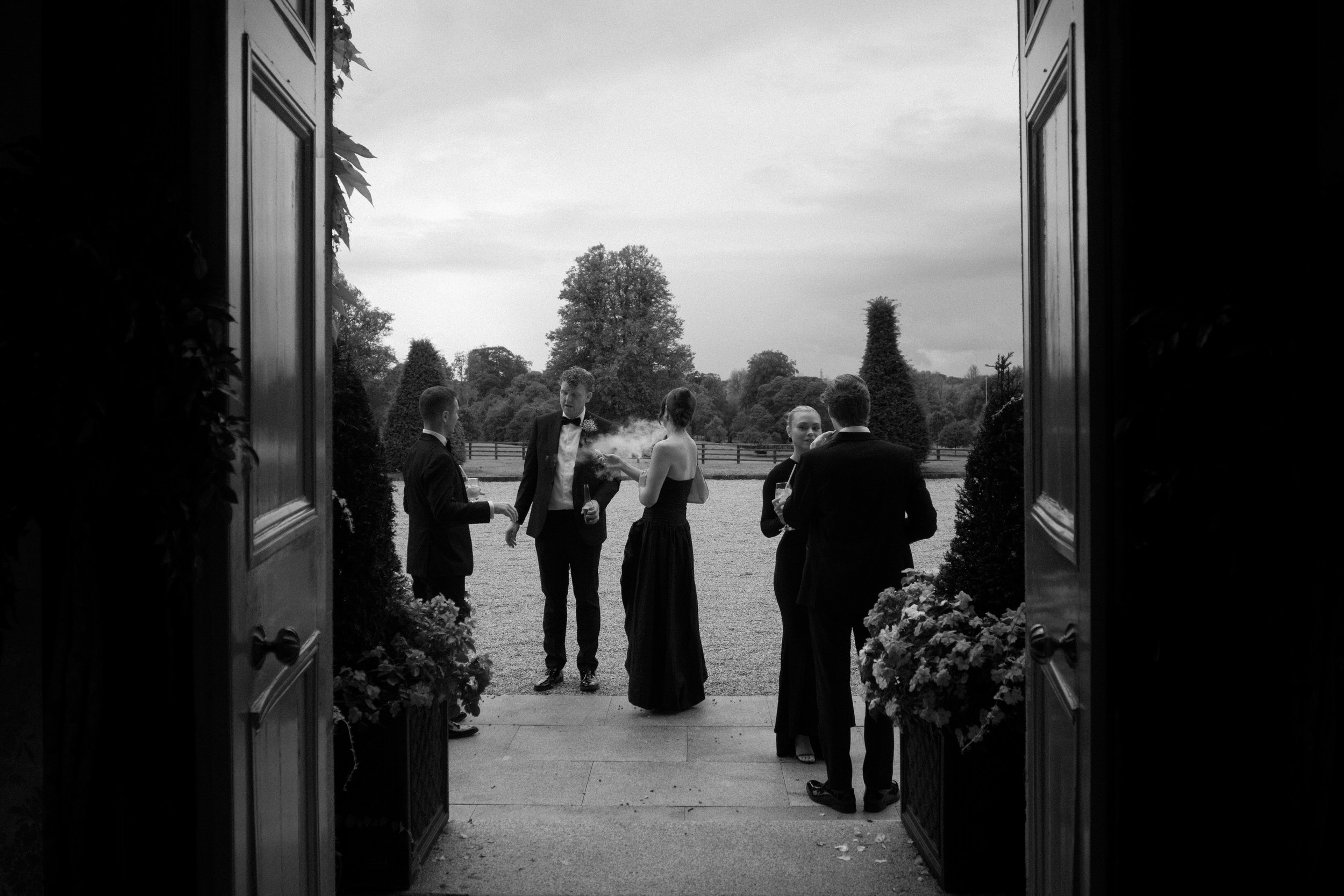
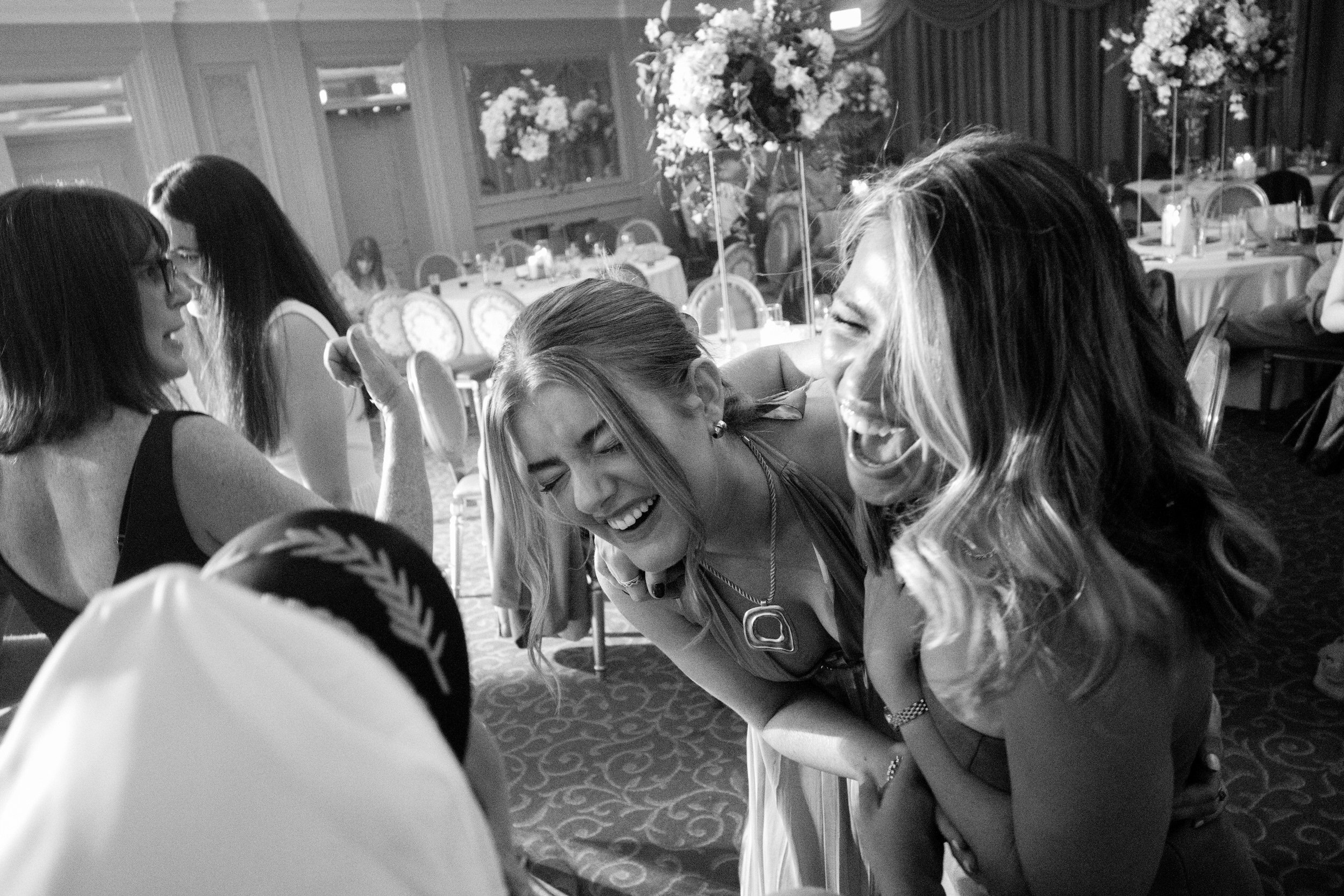
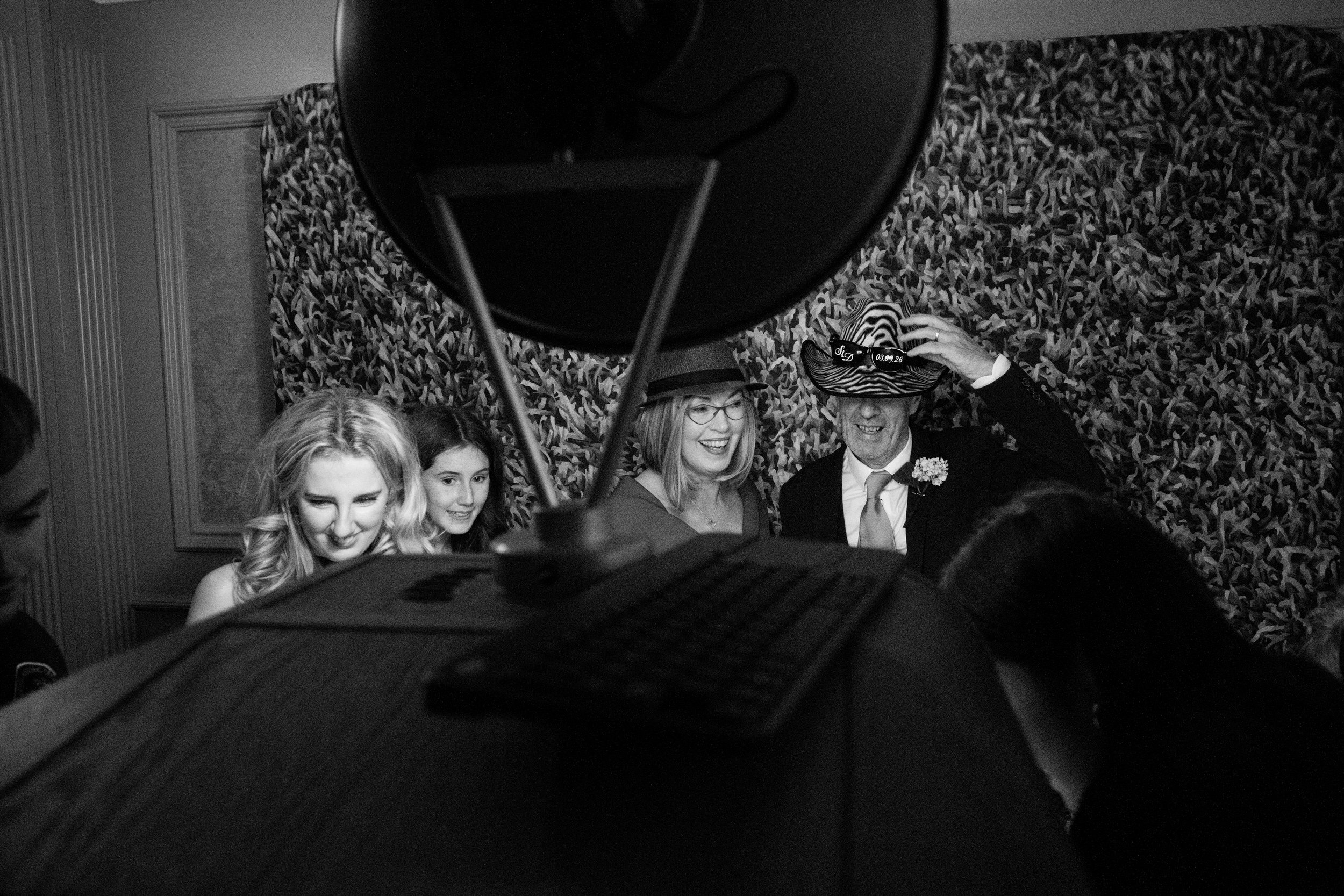
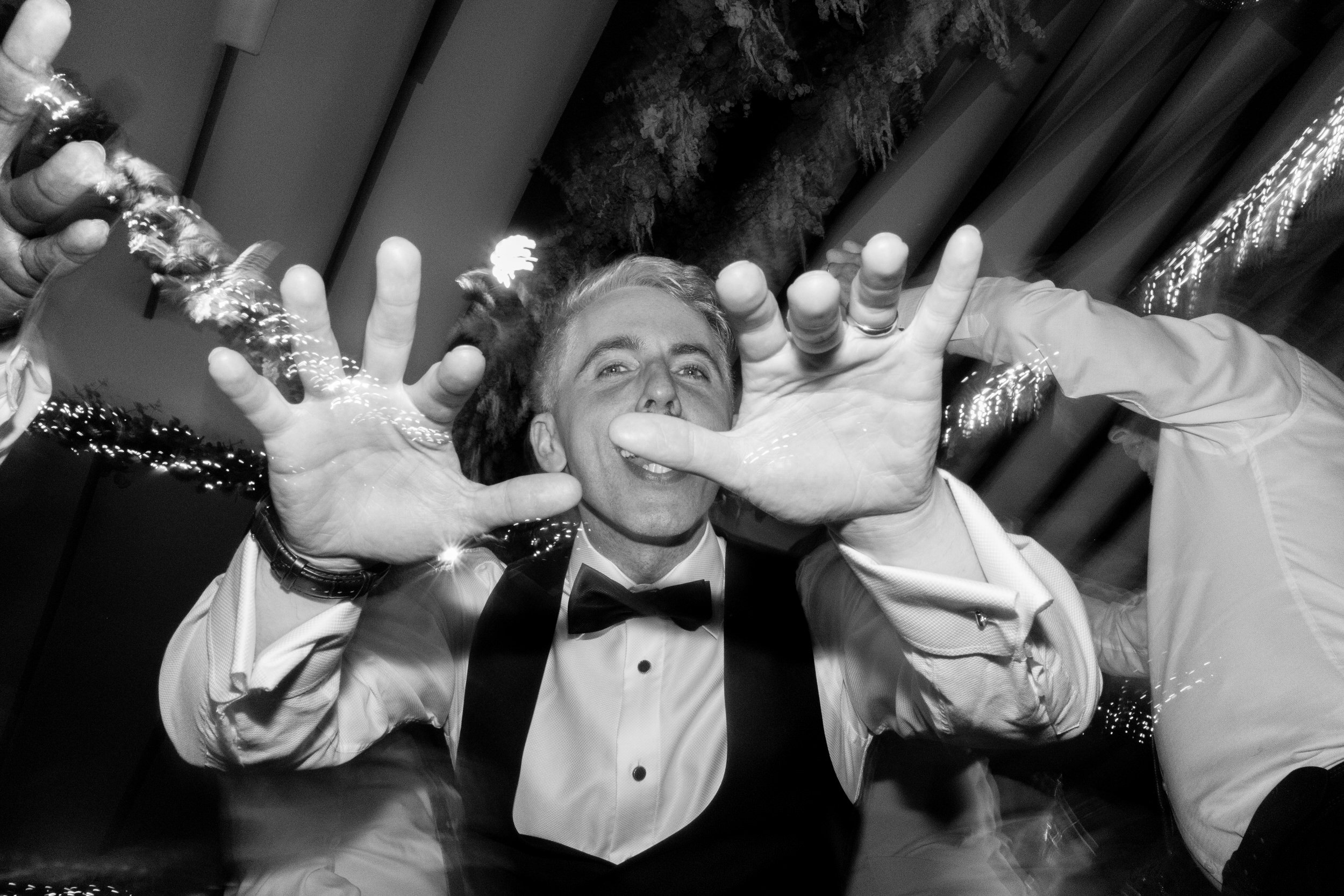
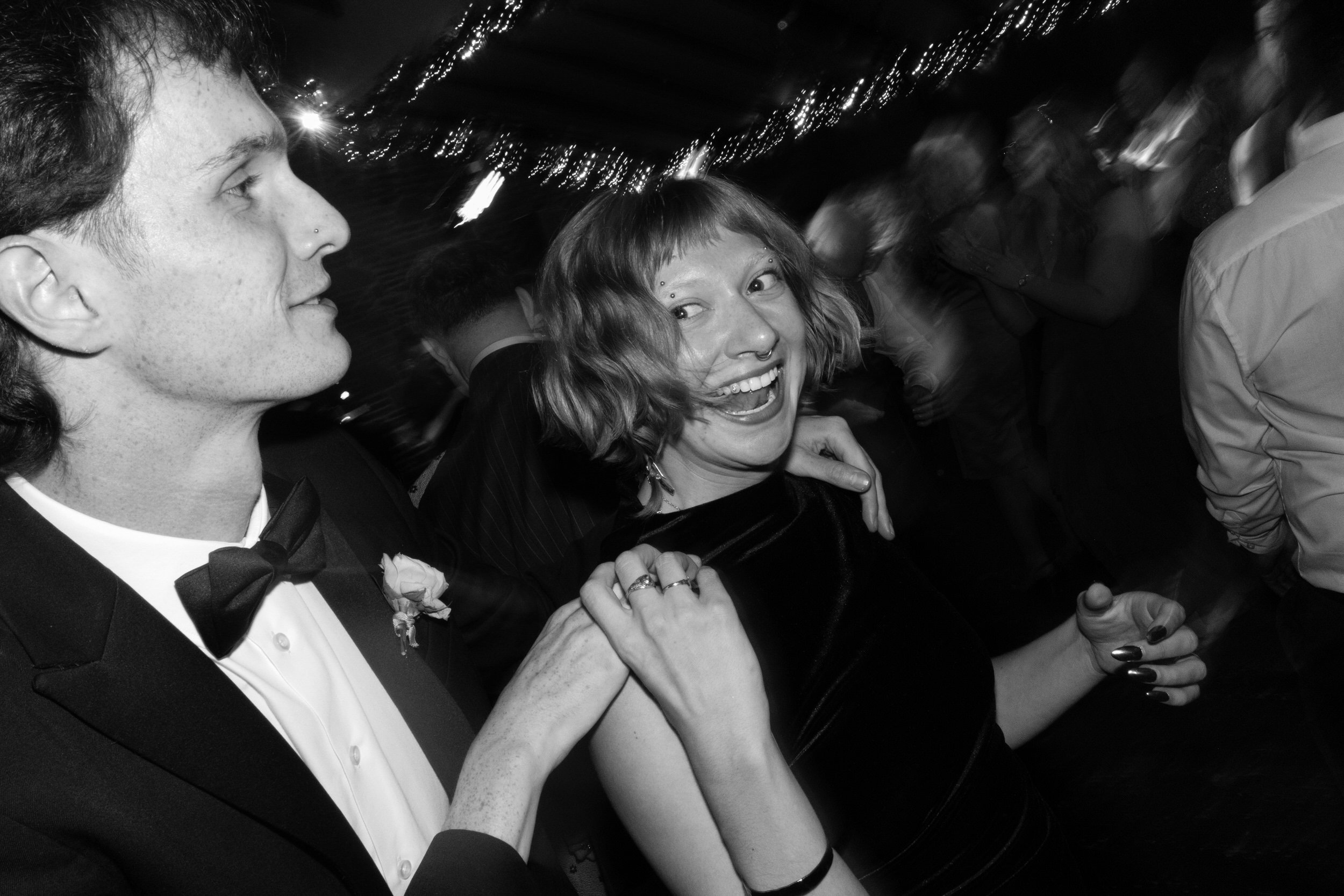
That probably says quite a lot about how I feel about the files. Even with the autofocus limitations, I want to use it in those conditions. I enjoy the black and white photographs it gives me, and it suits the close, observational way I like to photograph people.
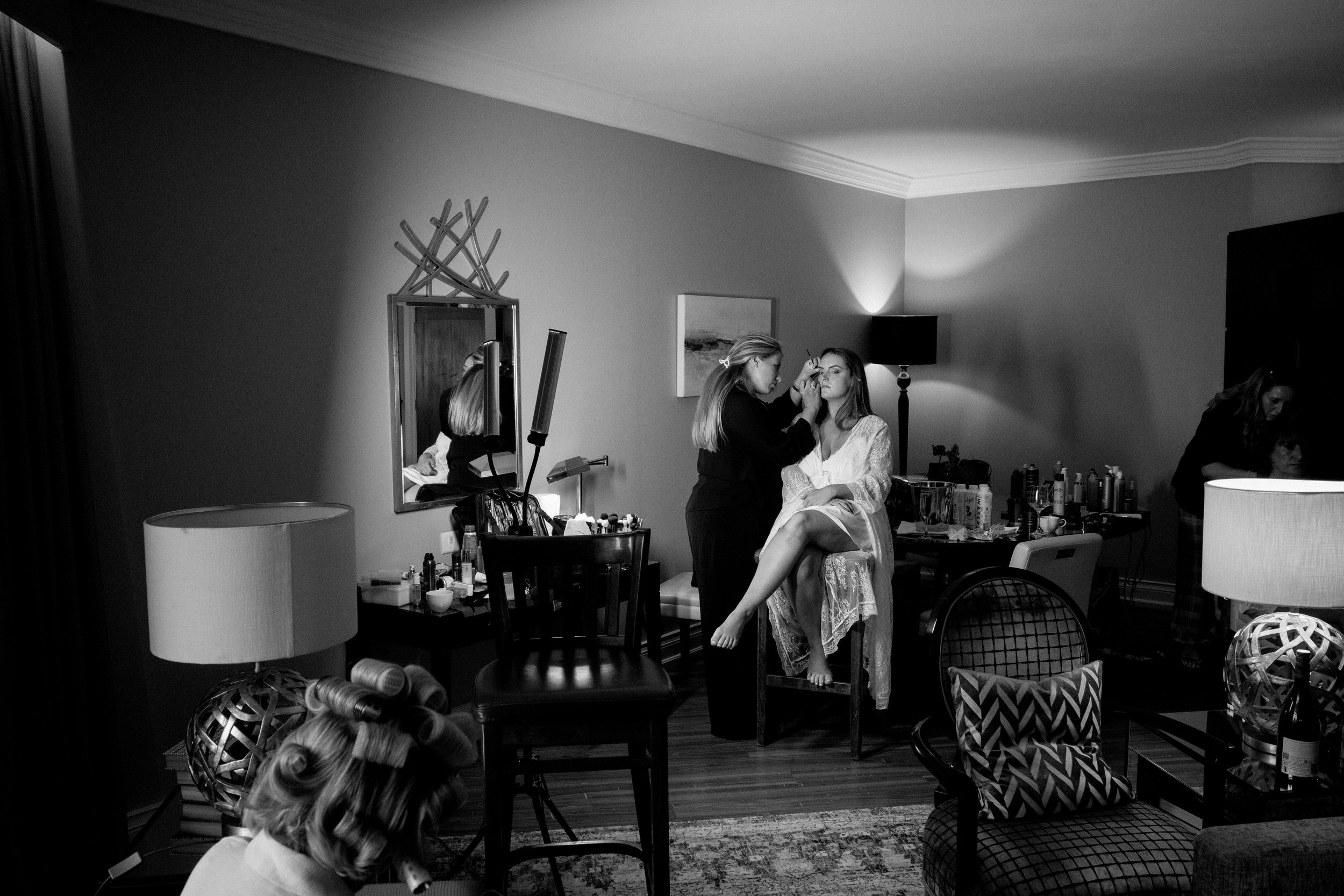
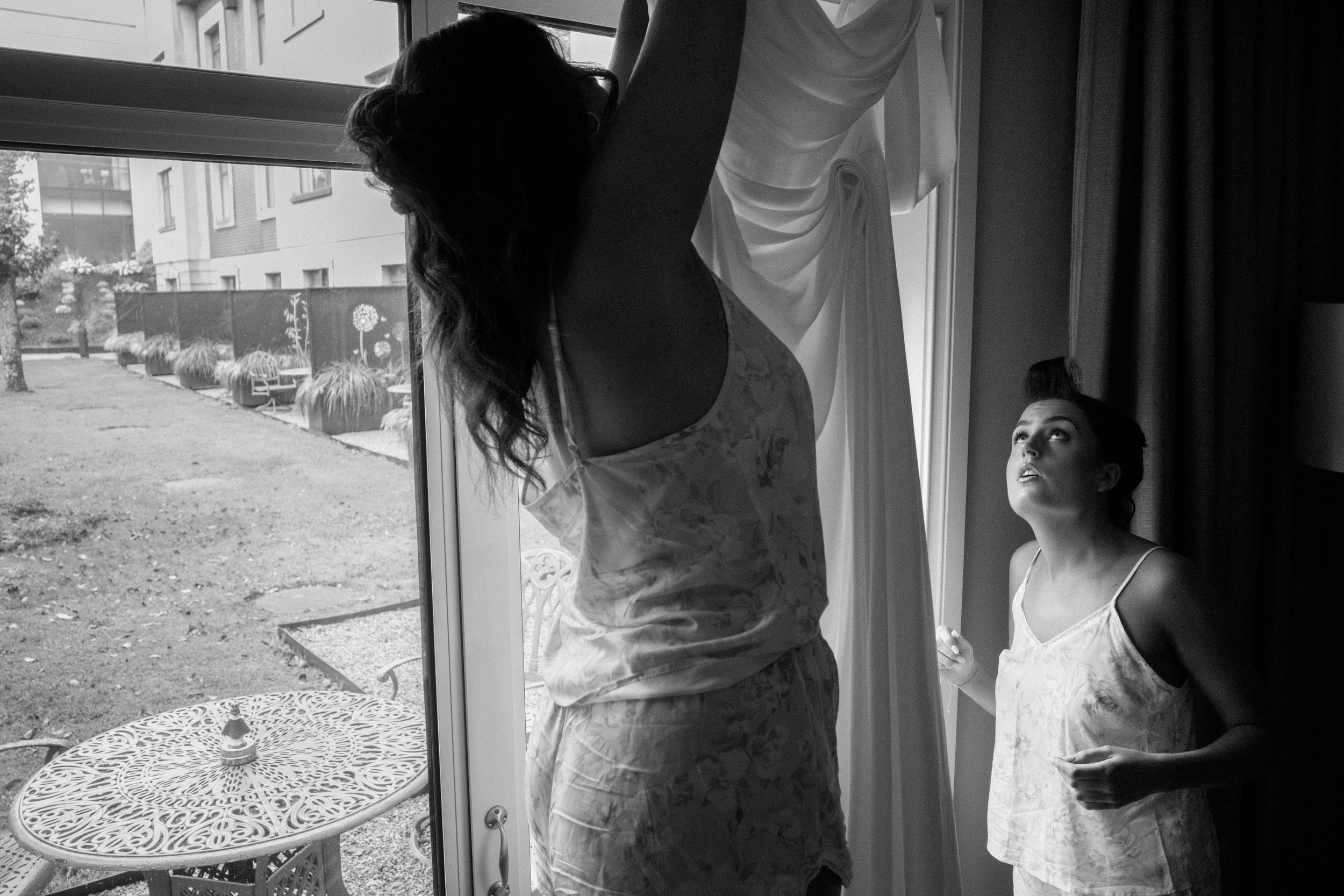
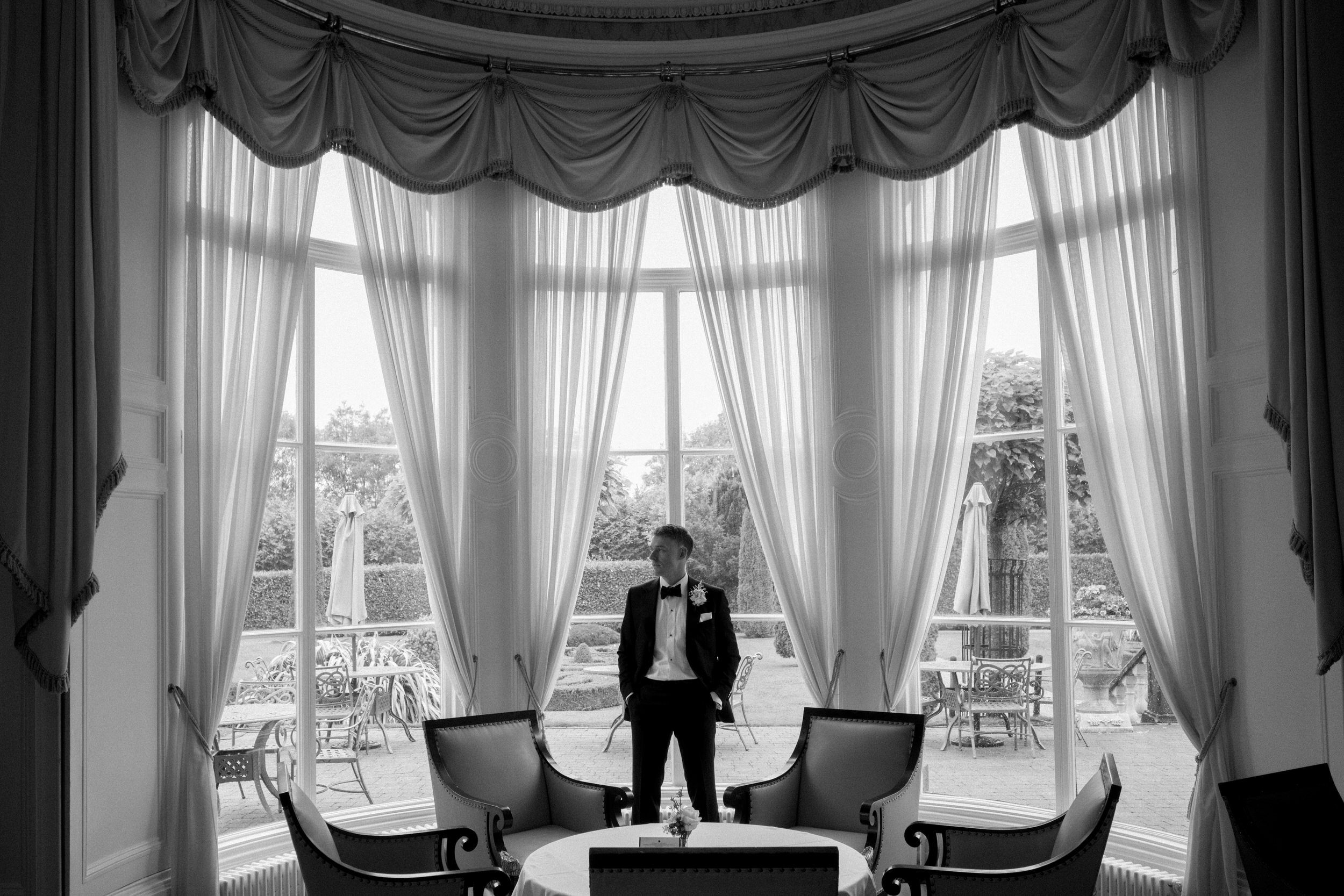
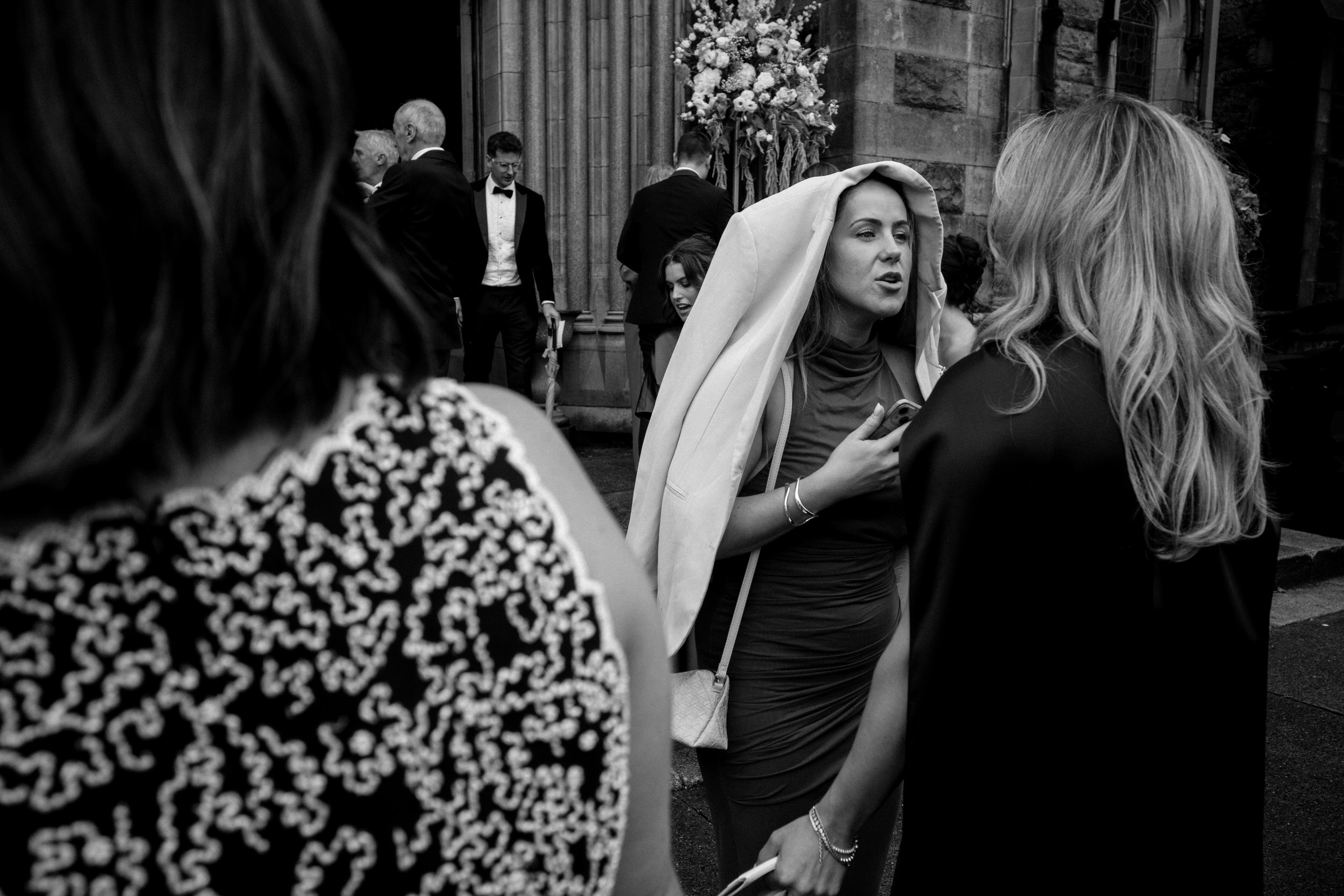
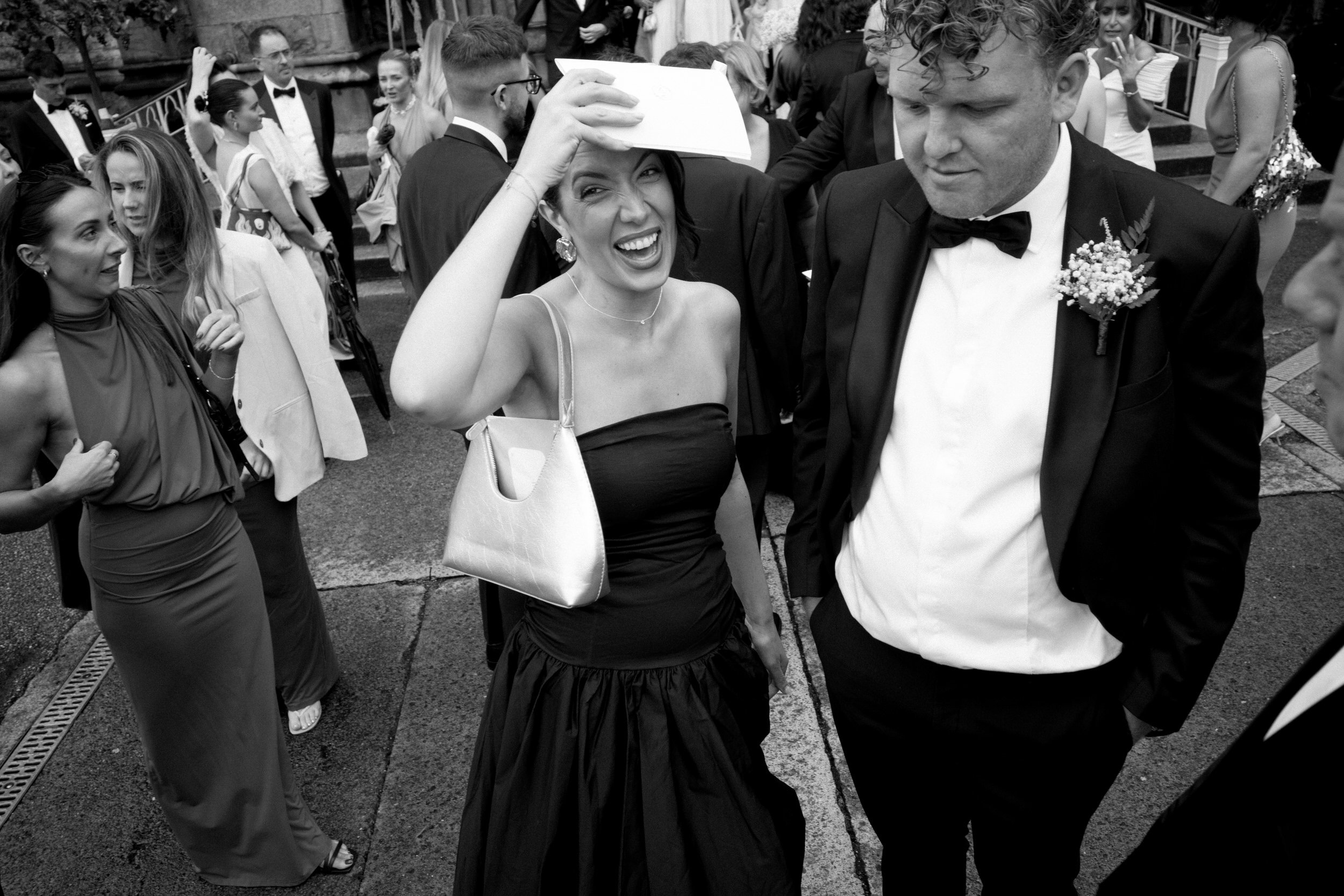
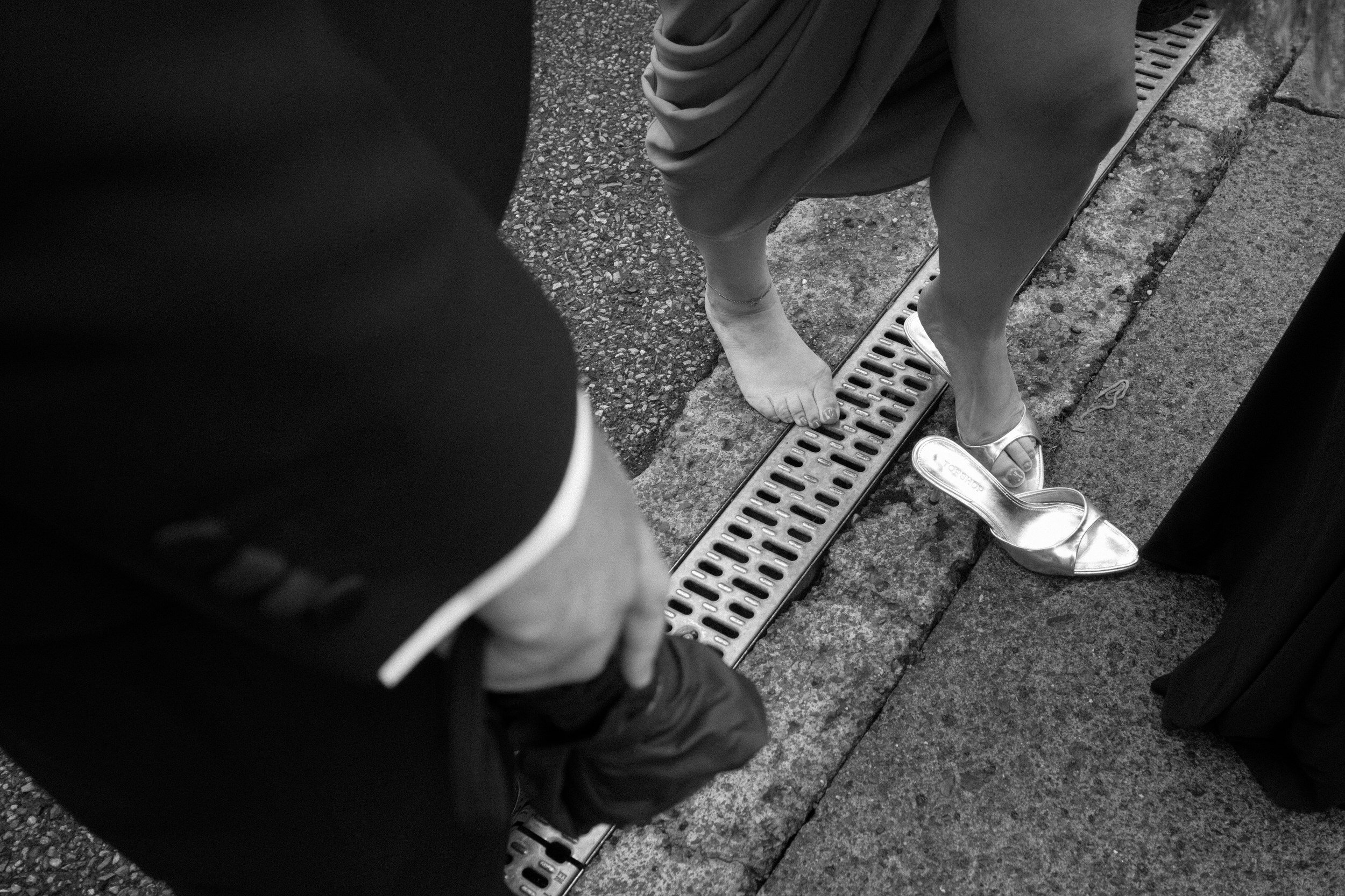
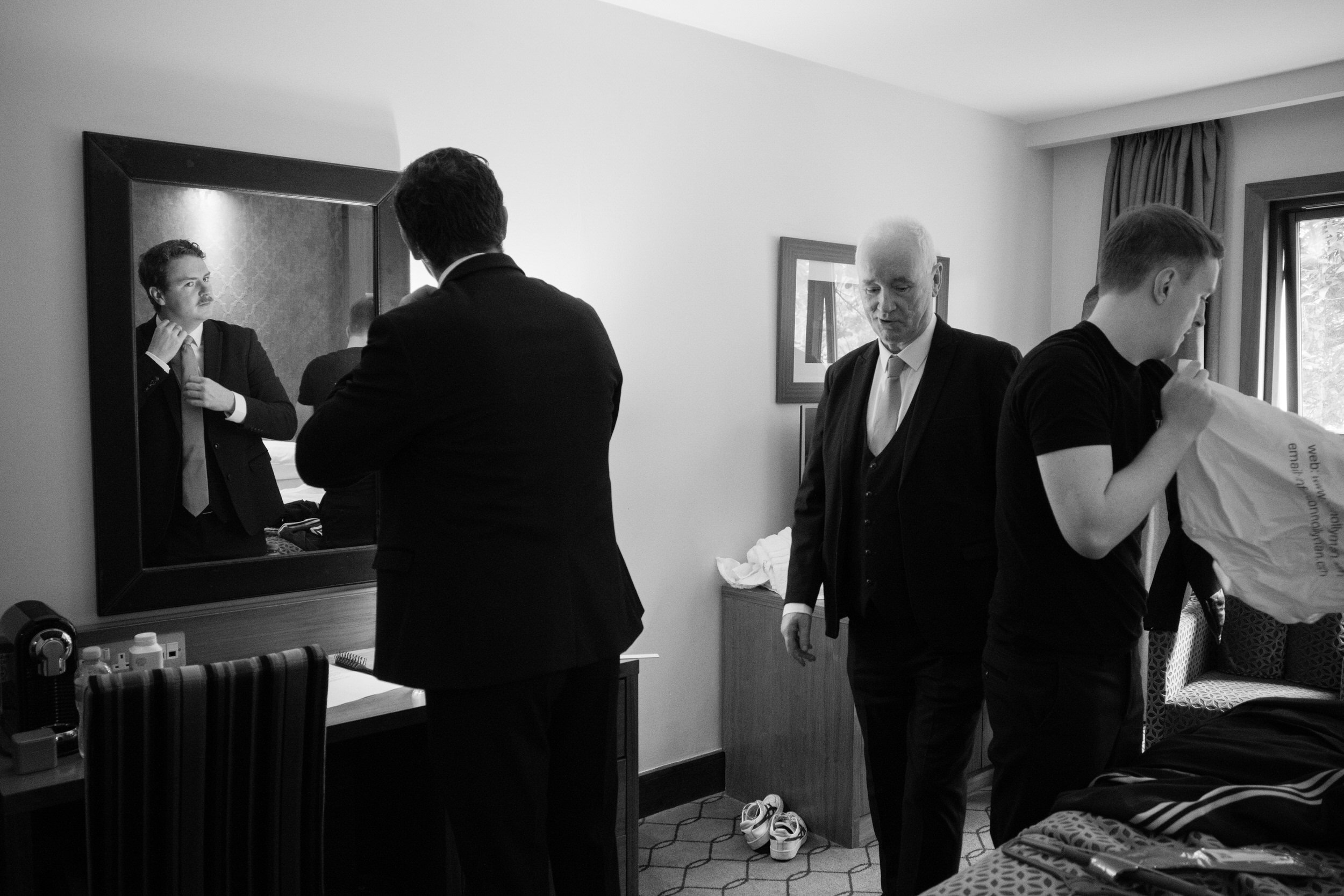
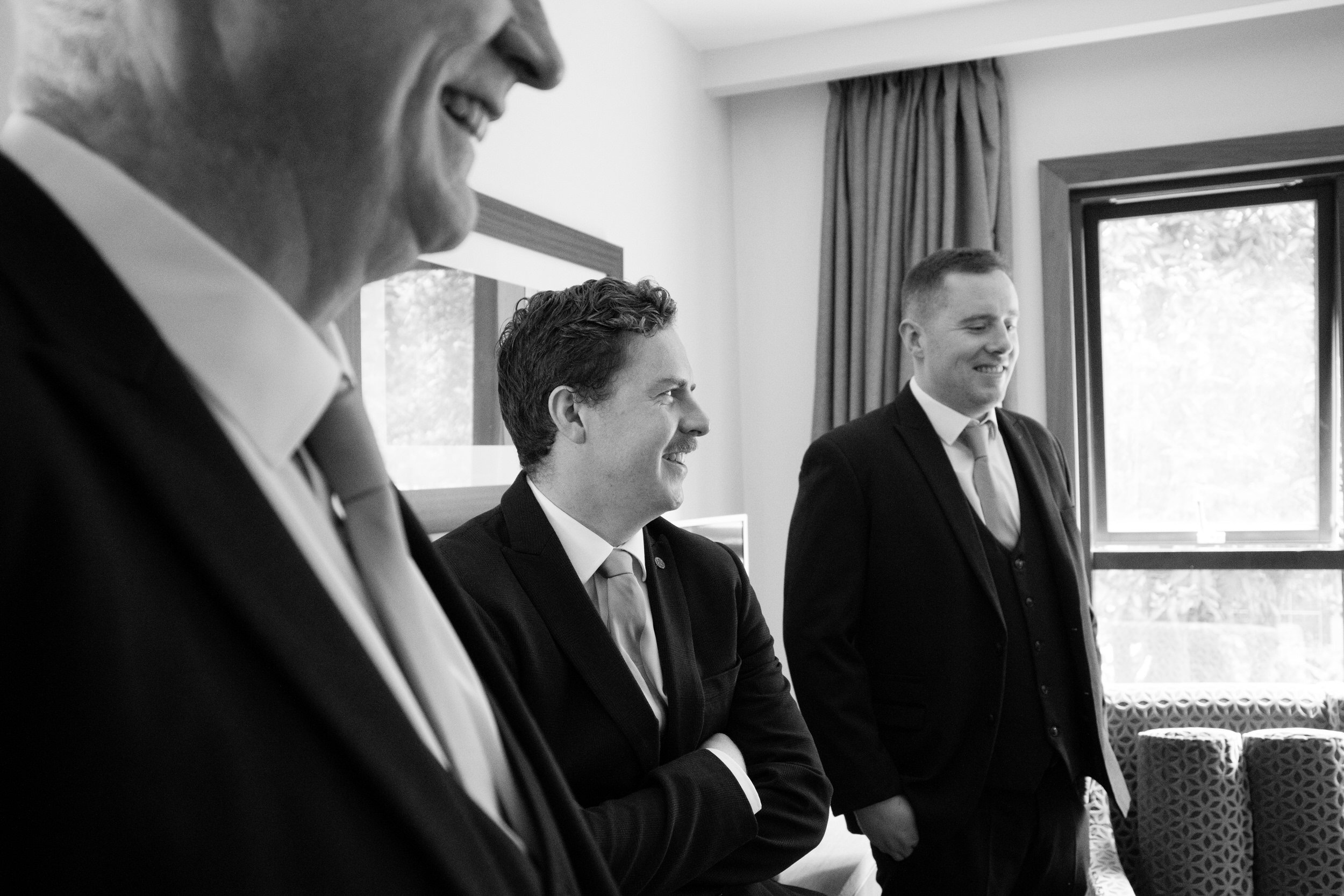
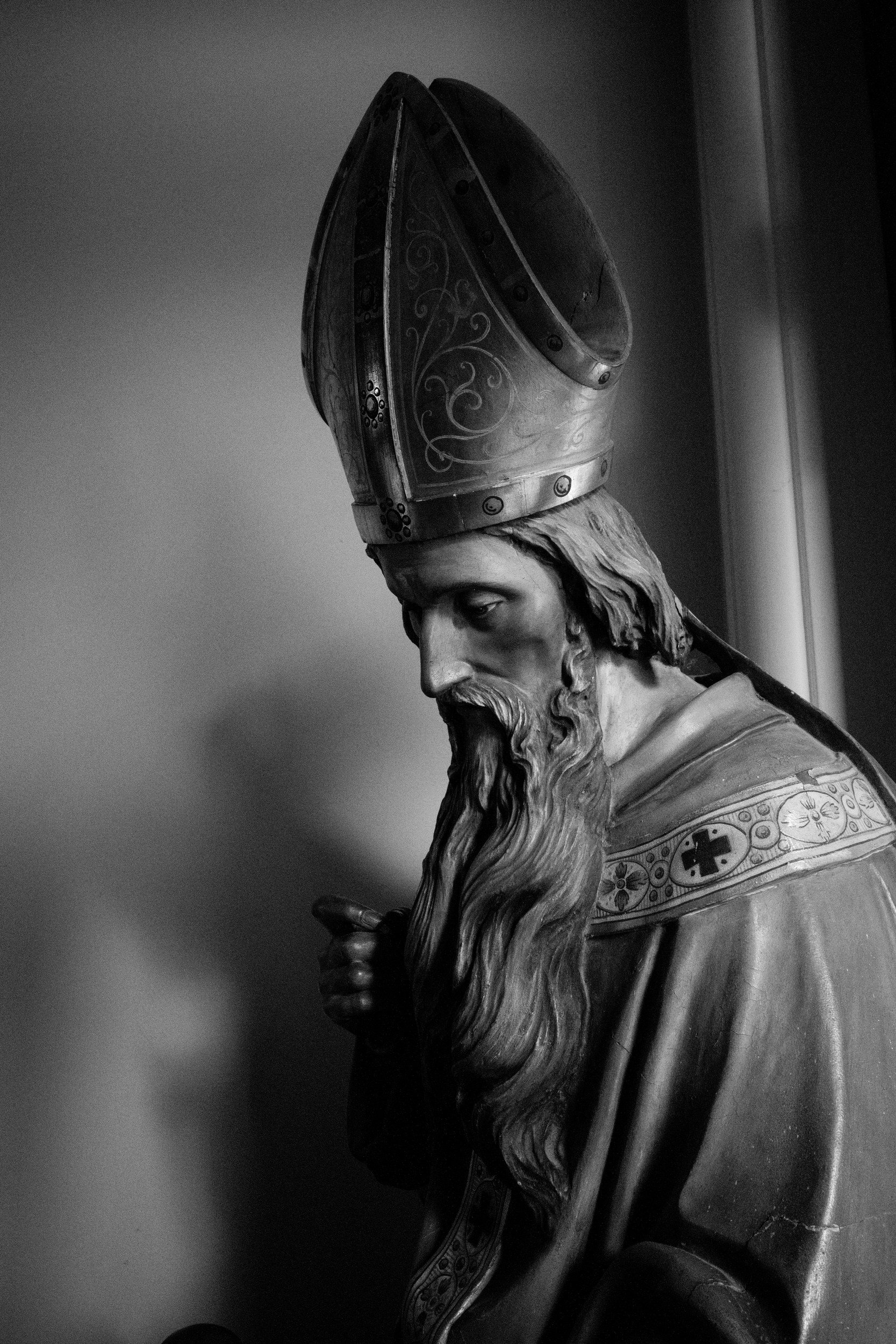
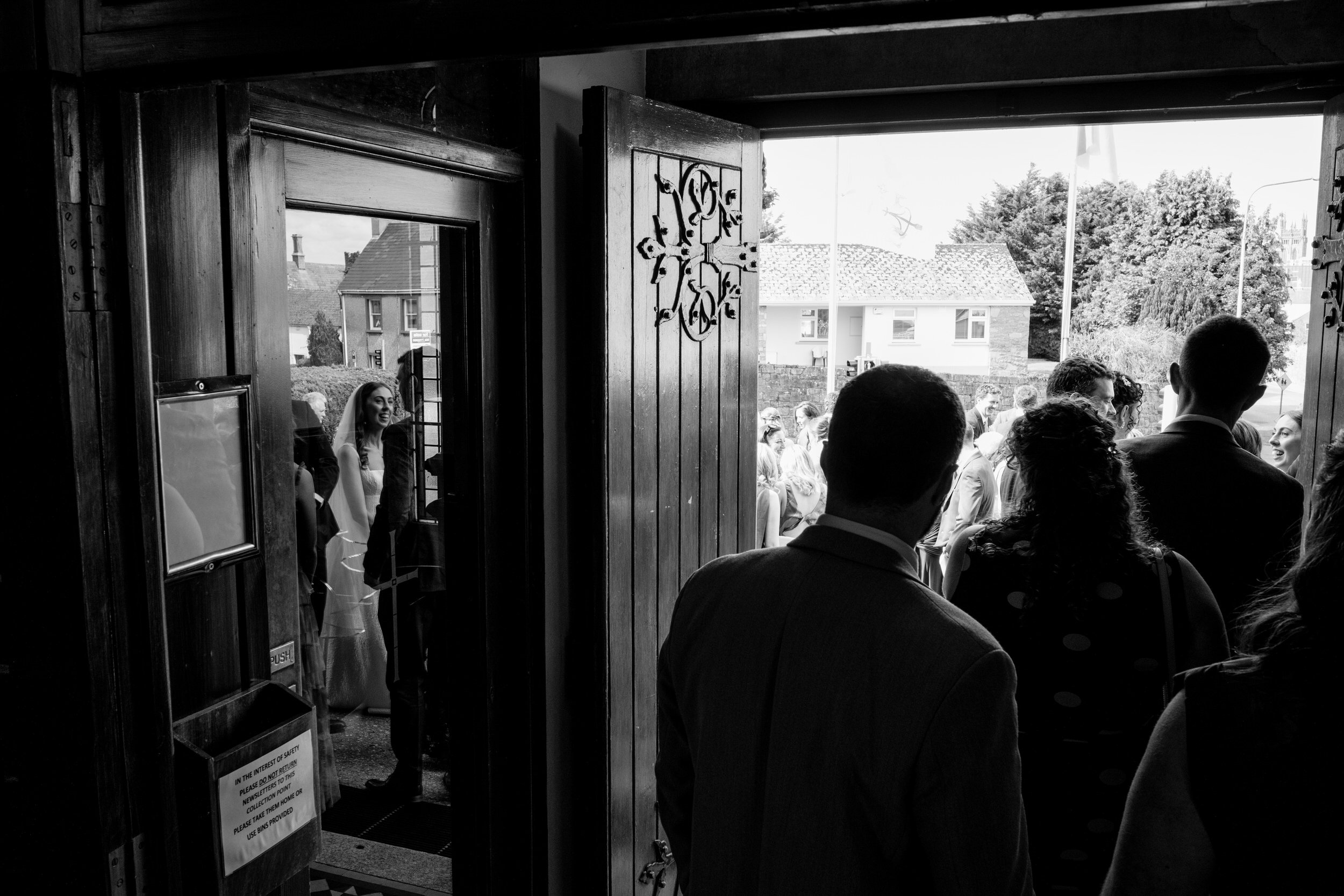
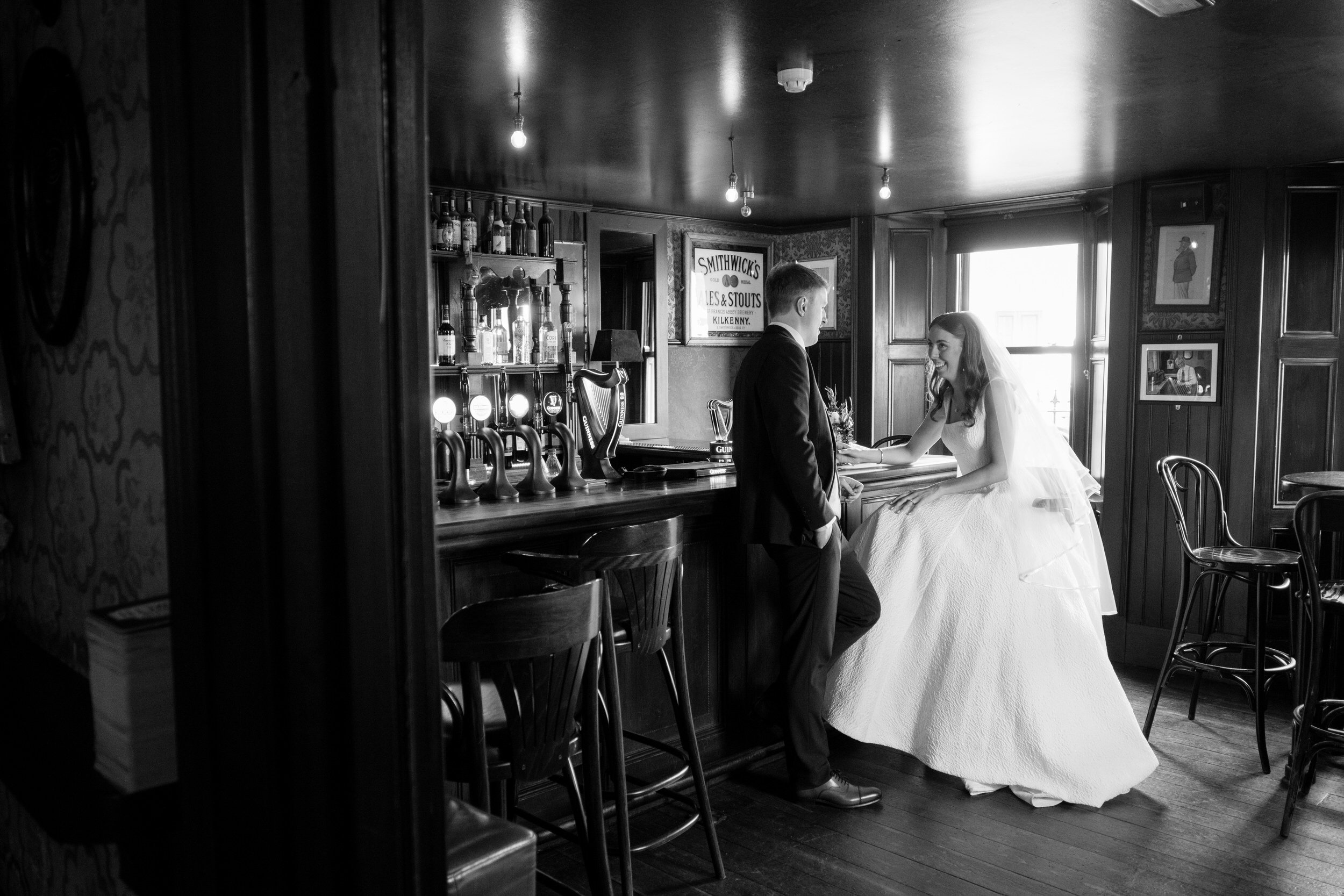
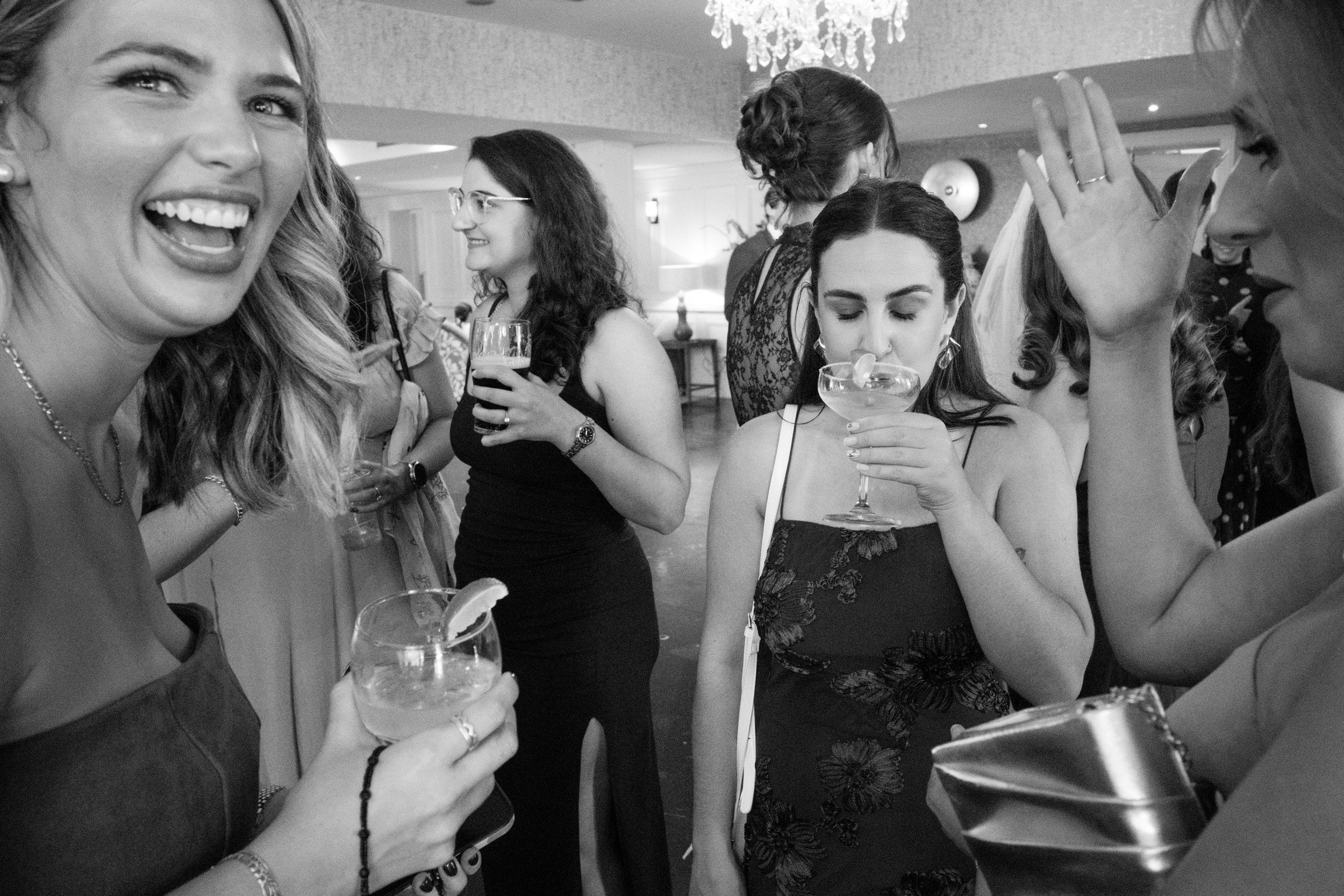
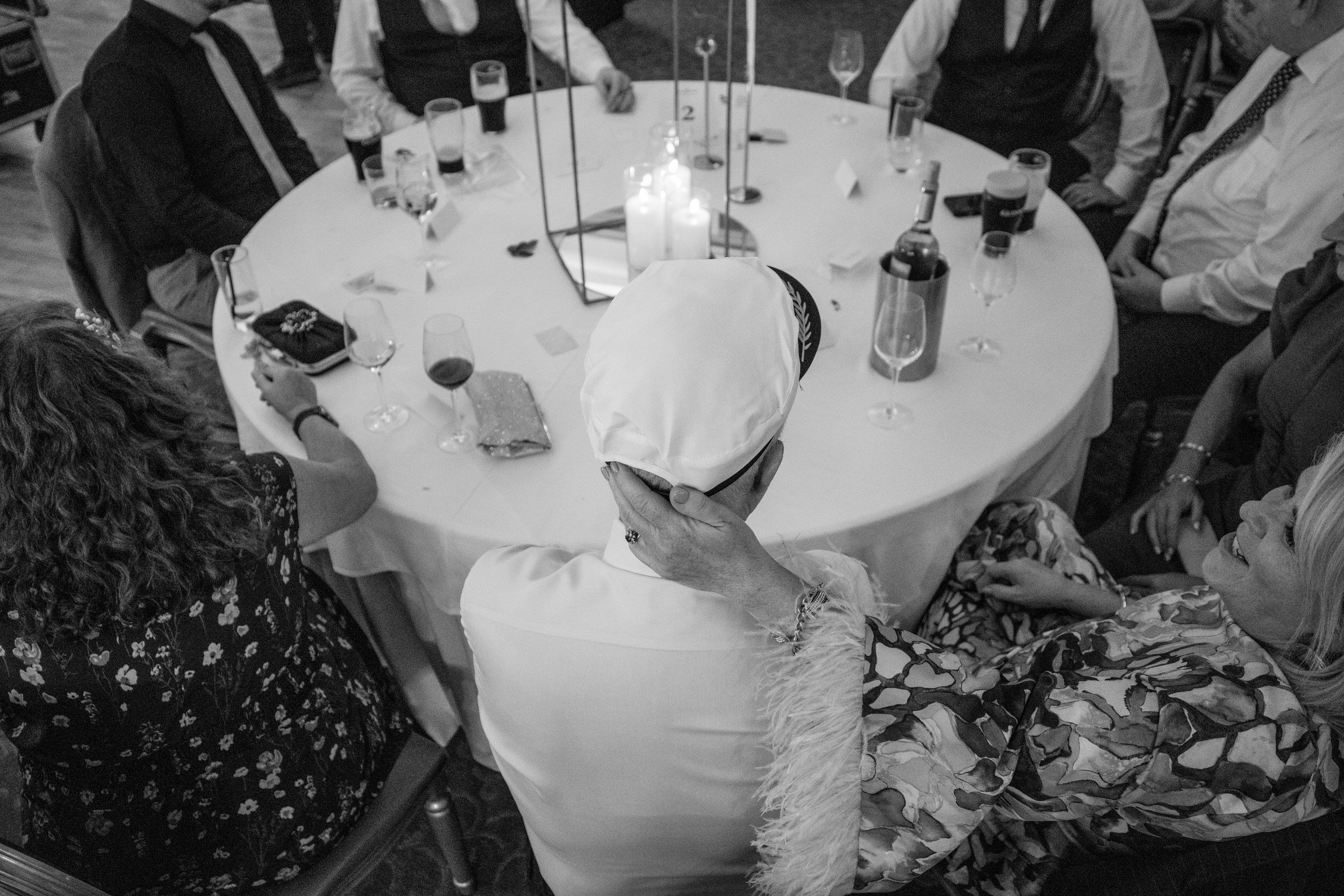
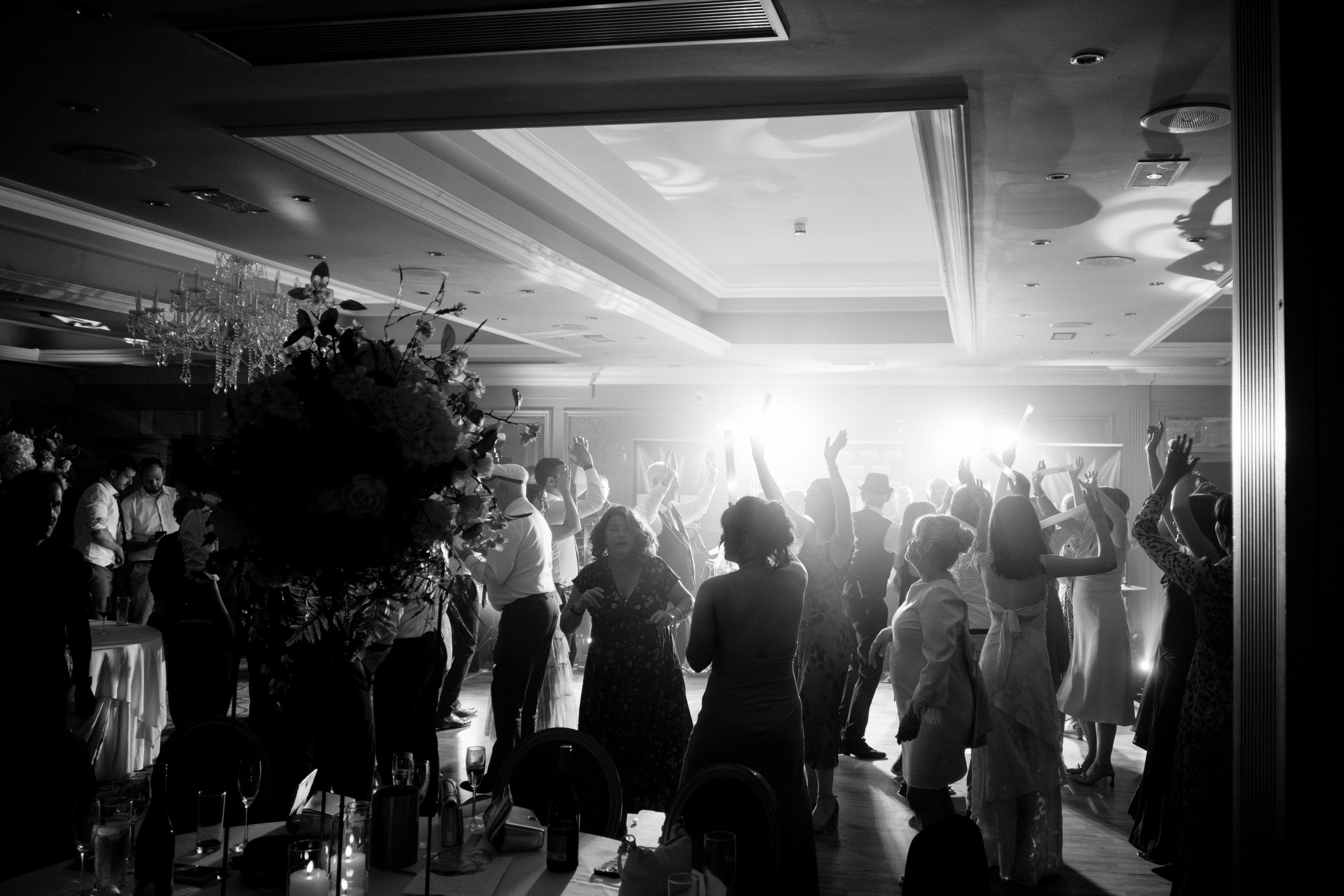
There are quieter pictures here from the morning and the ceremony, as well as the conversations, expressions and slightly less dignified bits later on. It’s the same interest in people that runs through my wedding work generally.
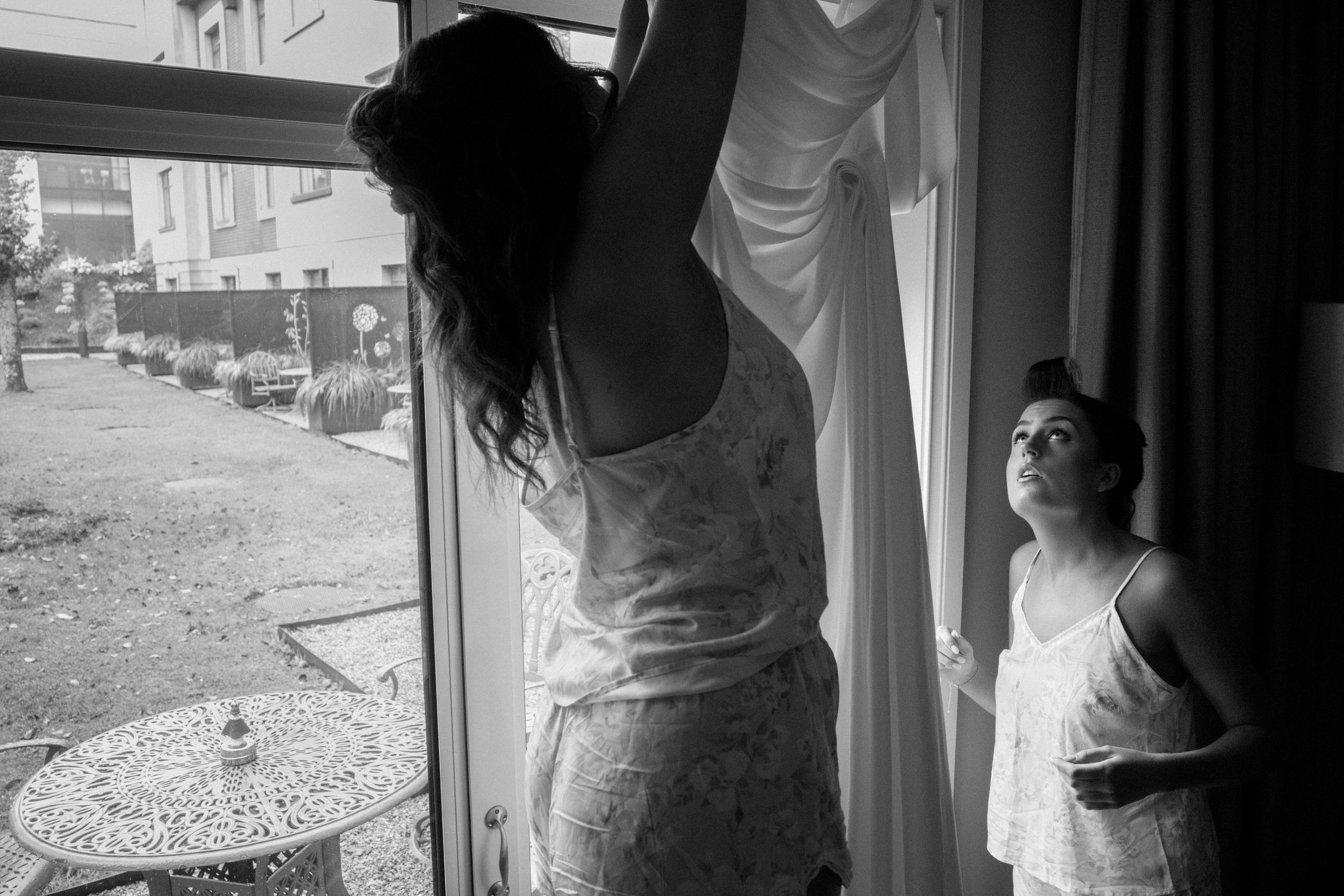
f/4 · 1/250 s · ISO 5,000
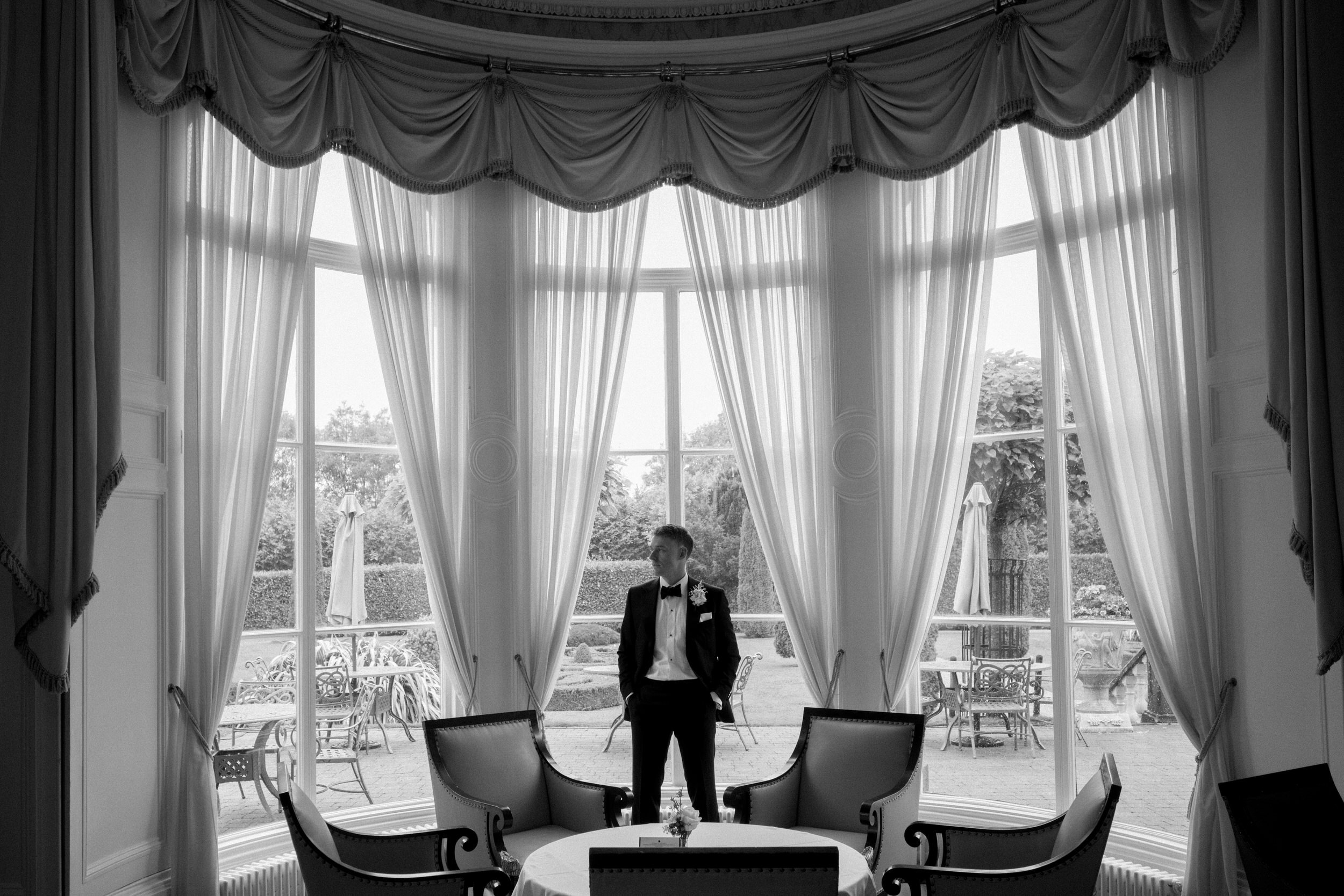
f/4 · 1/250 s · ISO 400
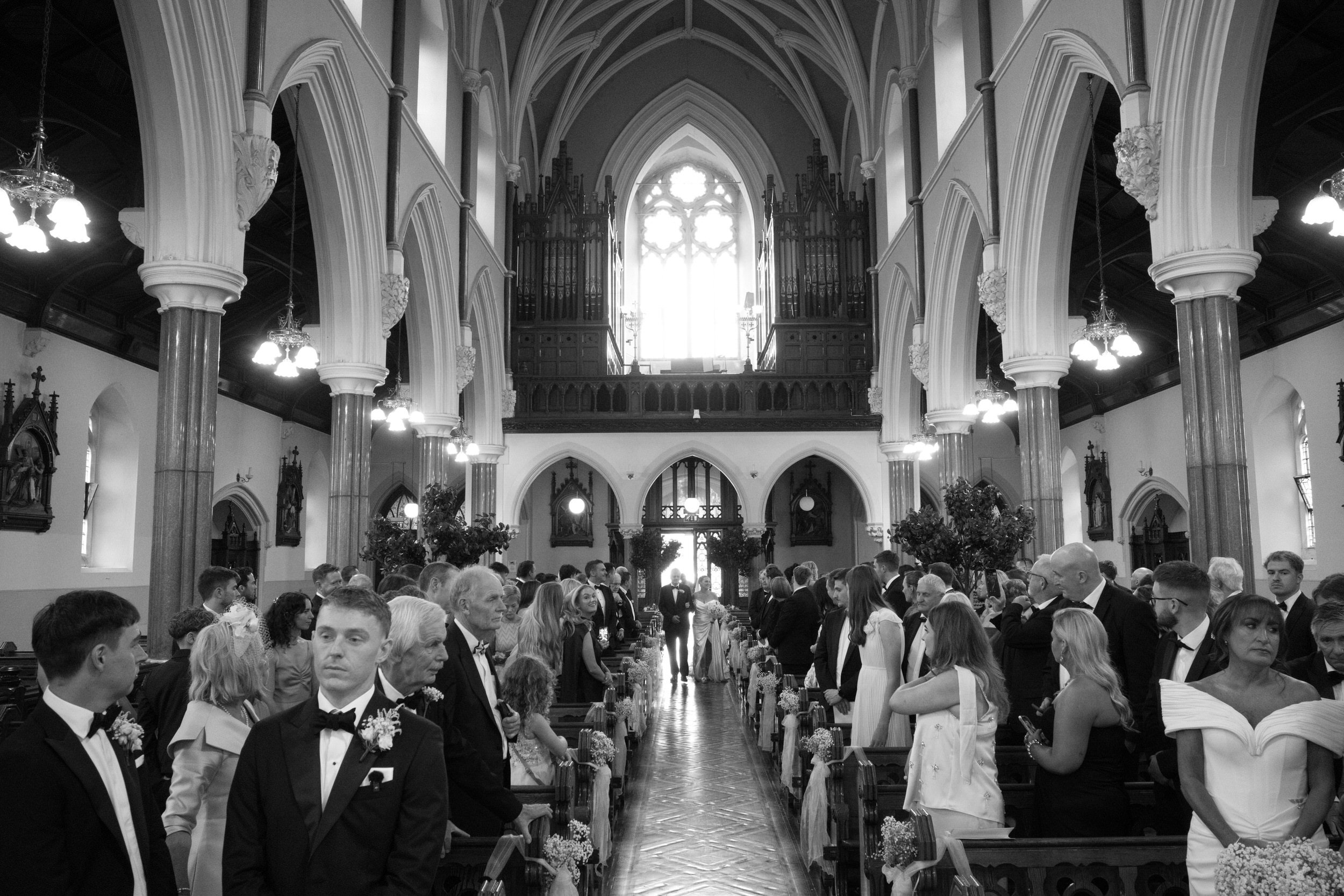
f/5 · 1/160 s · ISO 12,800
The wedding photographs are an important part of this review because they show another place the camera has fitted into my work. There’s a difference between enjoying a camera on a walk and wanting to pick it up while you’re photographing a wedding. I’ve found myself doing both.
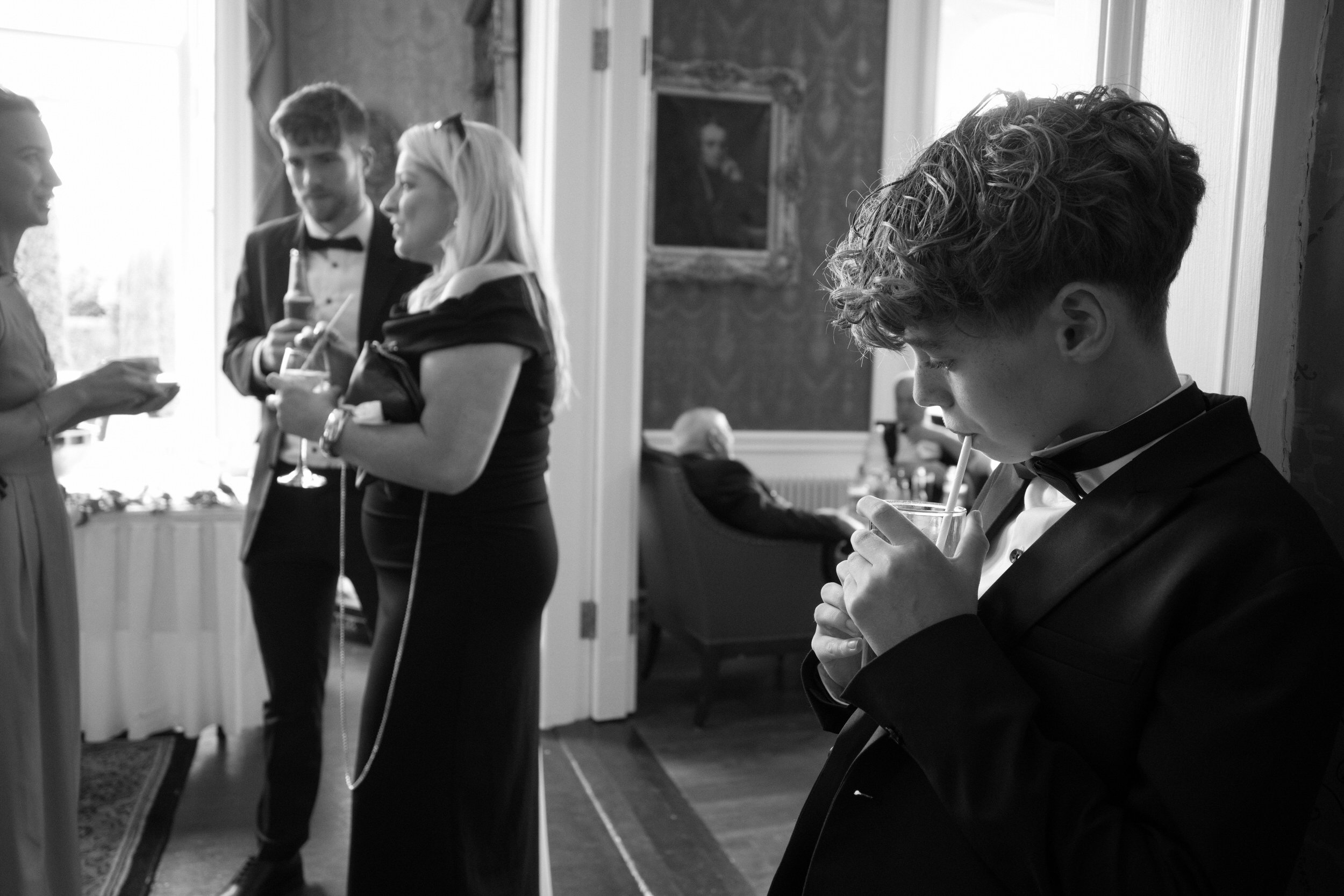
f/2.8 · 1/250 s · ISO 4,000
I’m still aware of where it struggles, especially when low light and movement come together. But I keep reaching for it, and there are photographs in this selection that explain why better than a description of the camera ever could.
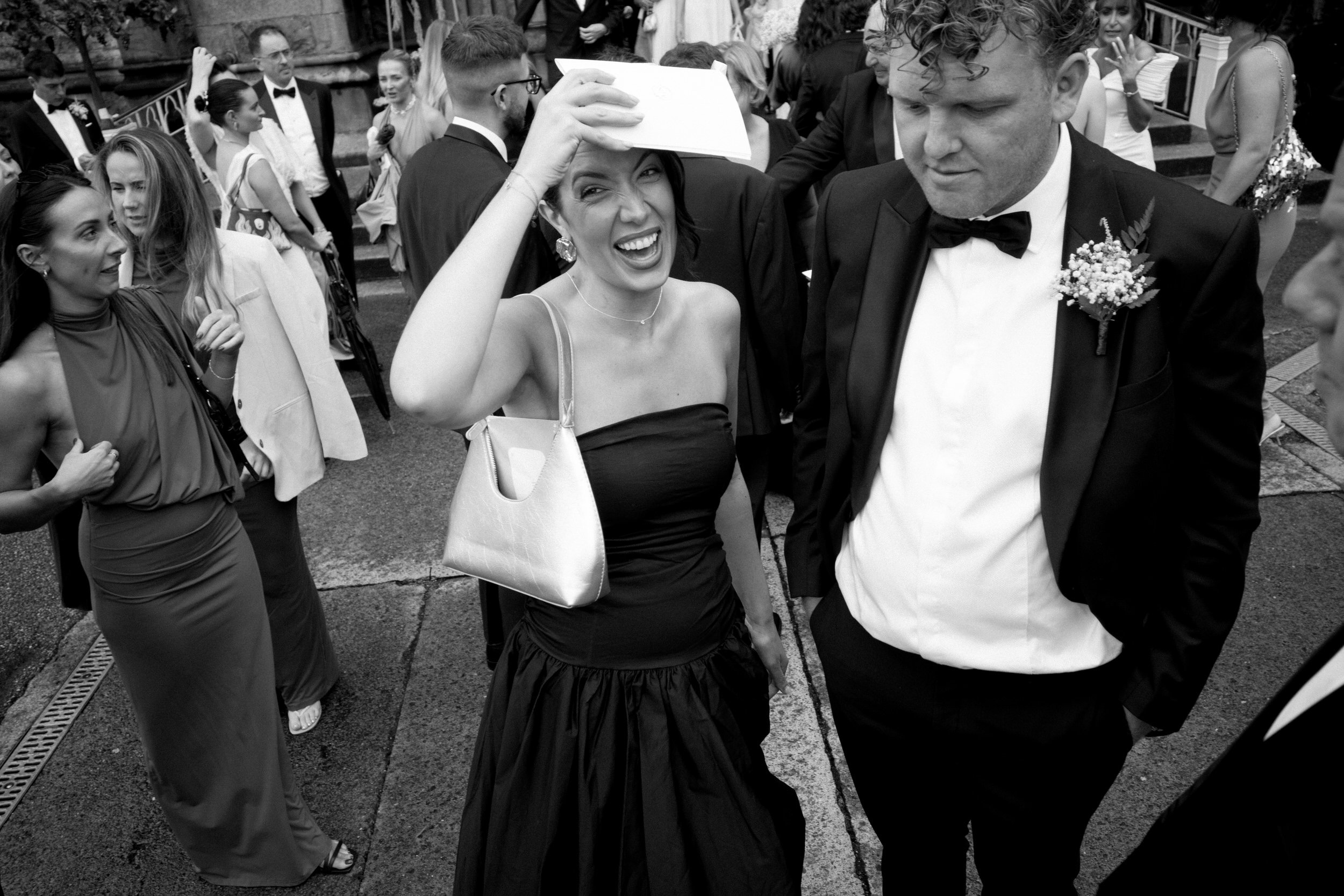
f/4 · 1/640 s · ISO 320
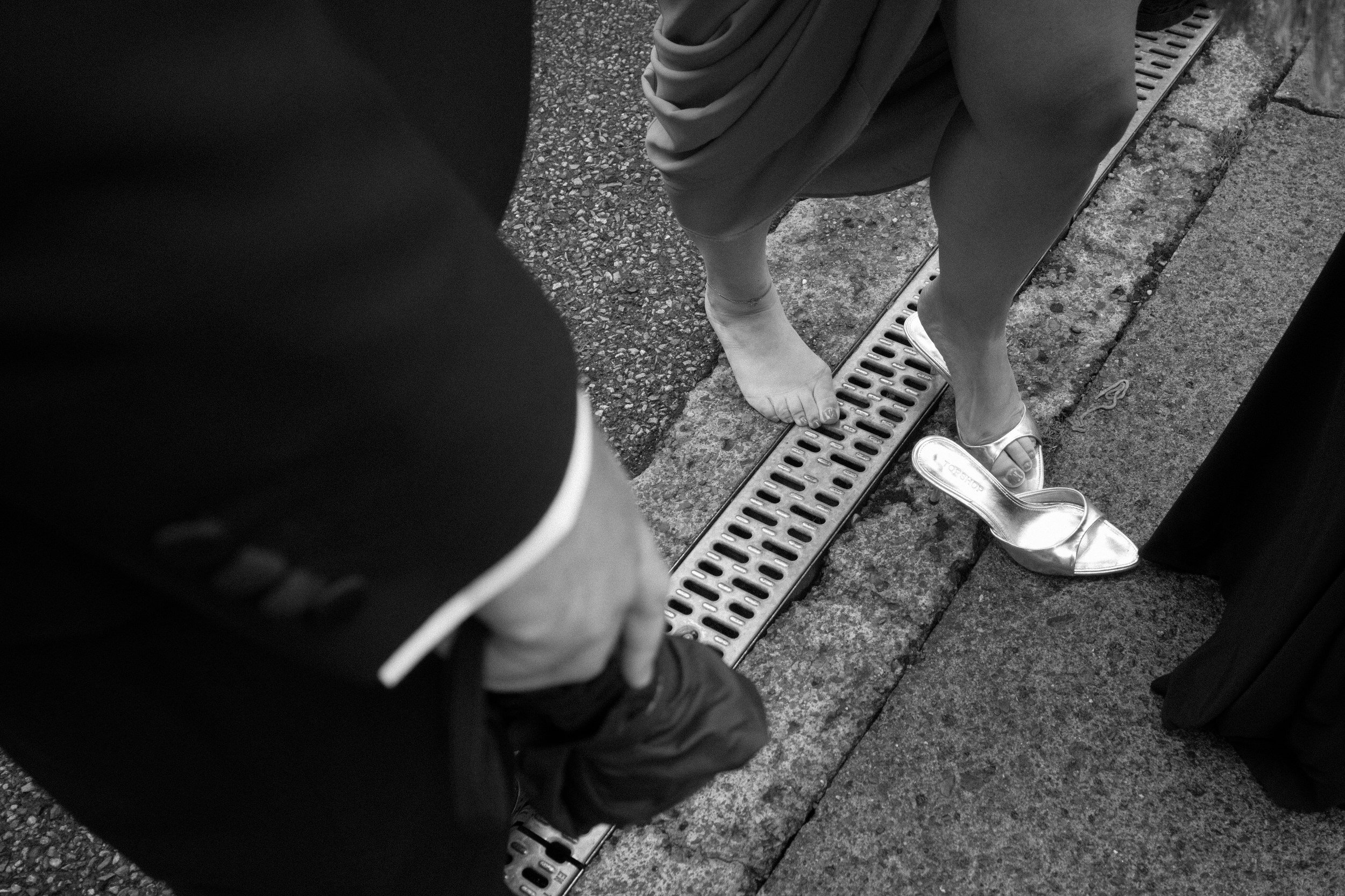
f/4 · 1/400 s · ISO 320
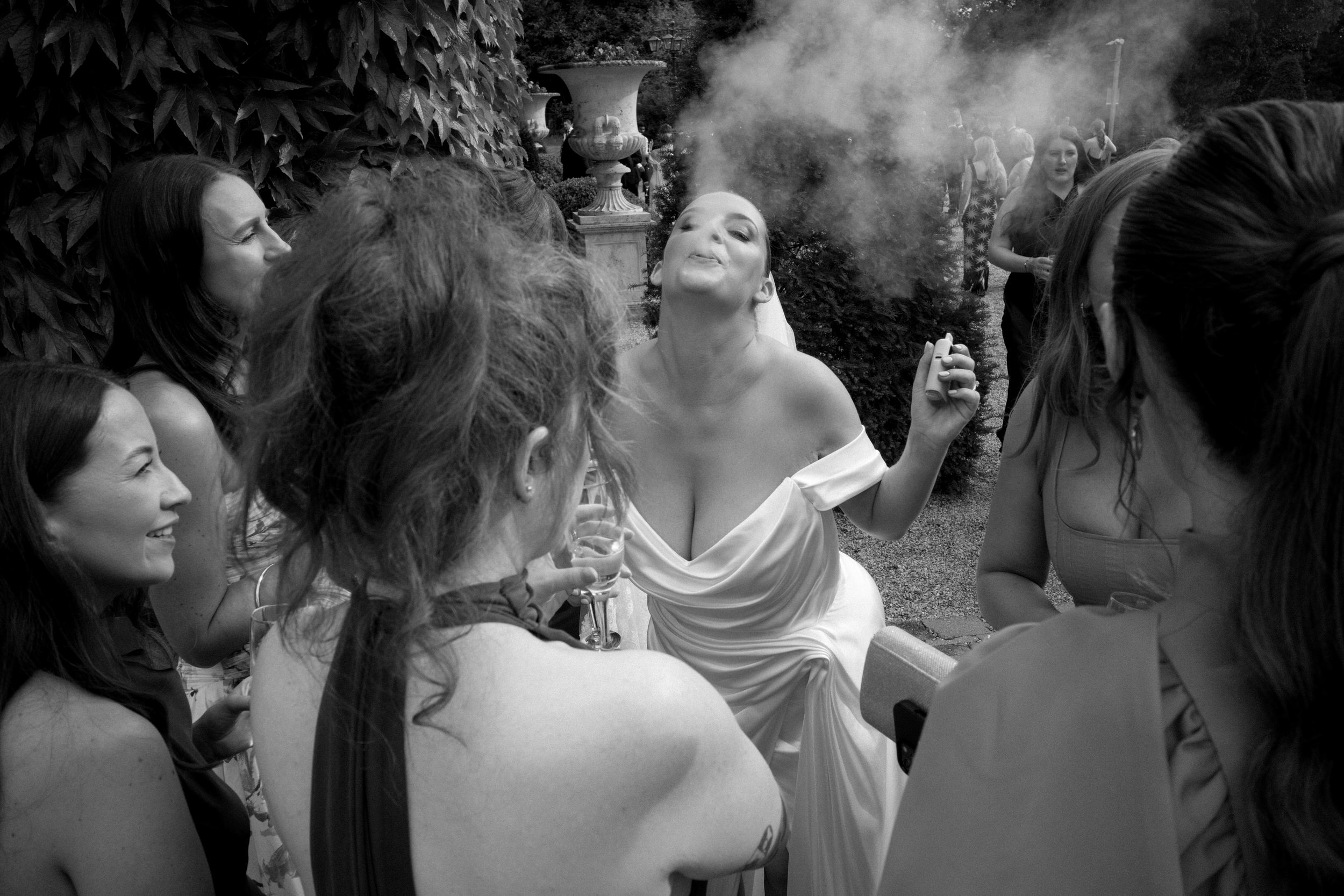
f/6.3 · 1/400 s · ISO 320
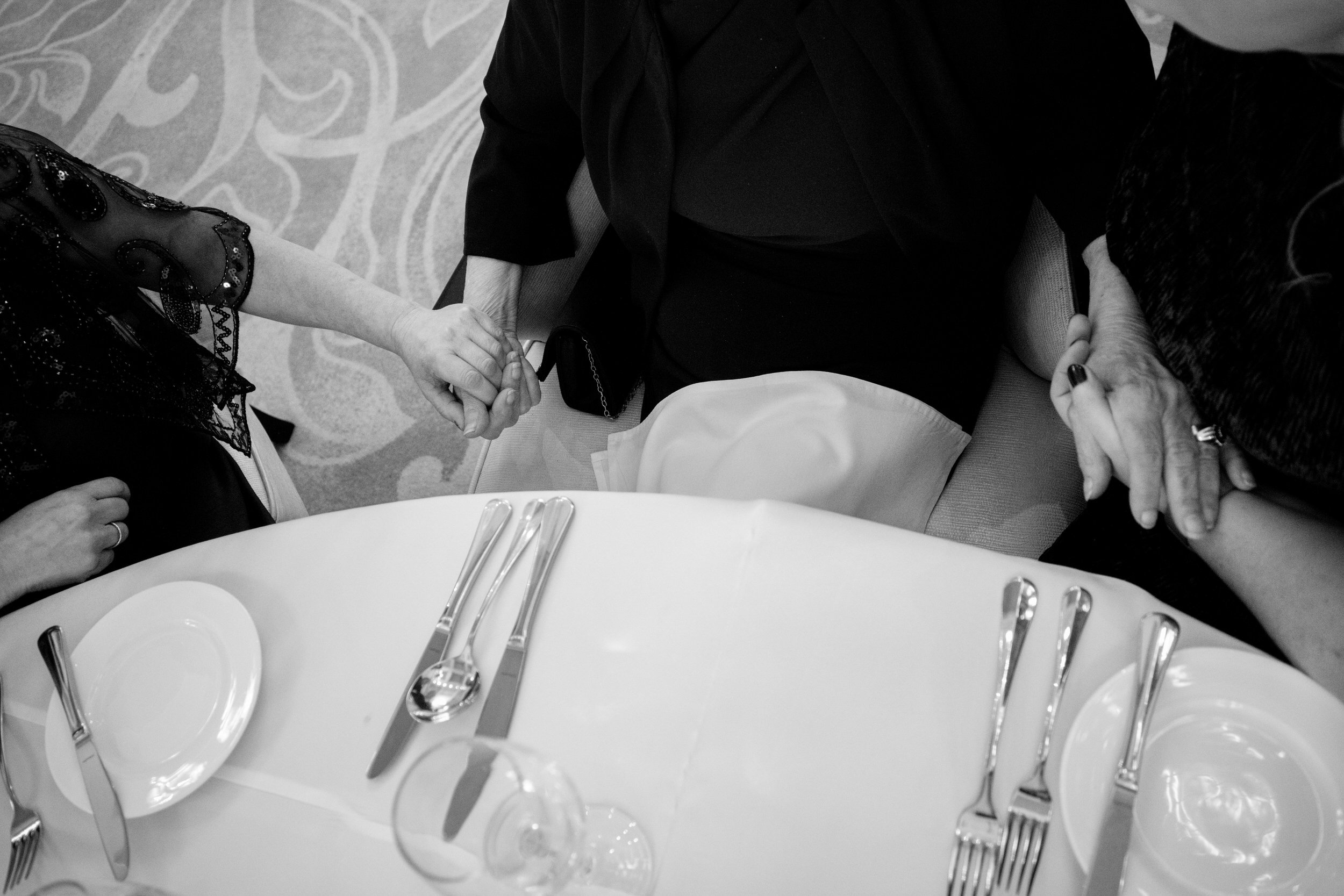
f/2.8 · 1/250 s · ISO 5,000
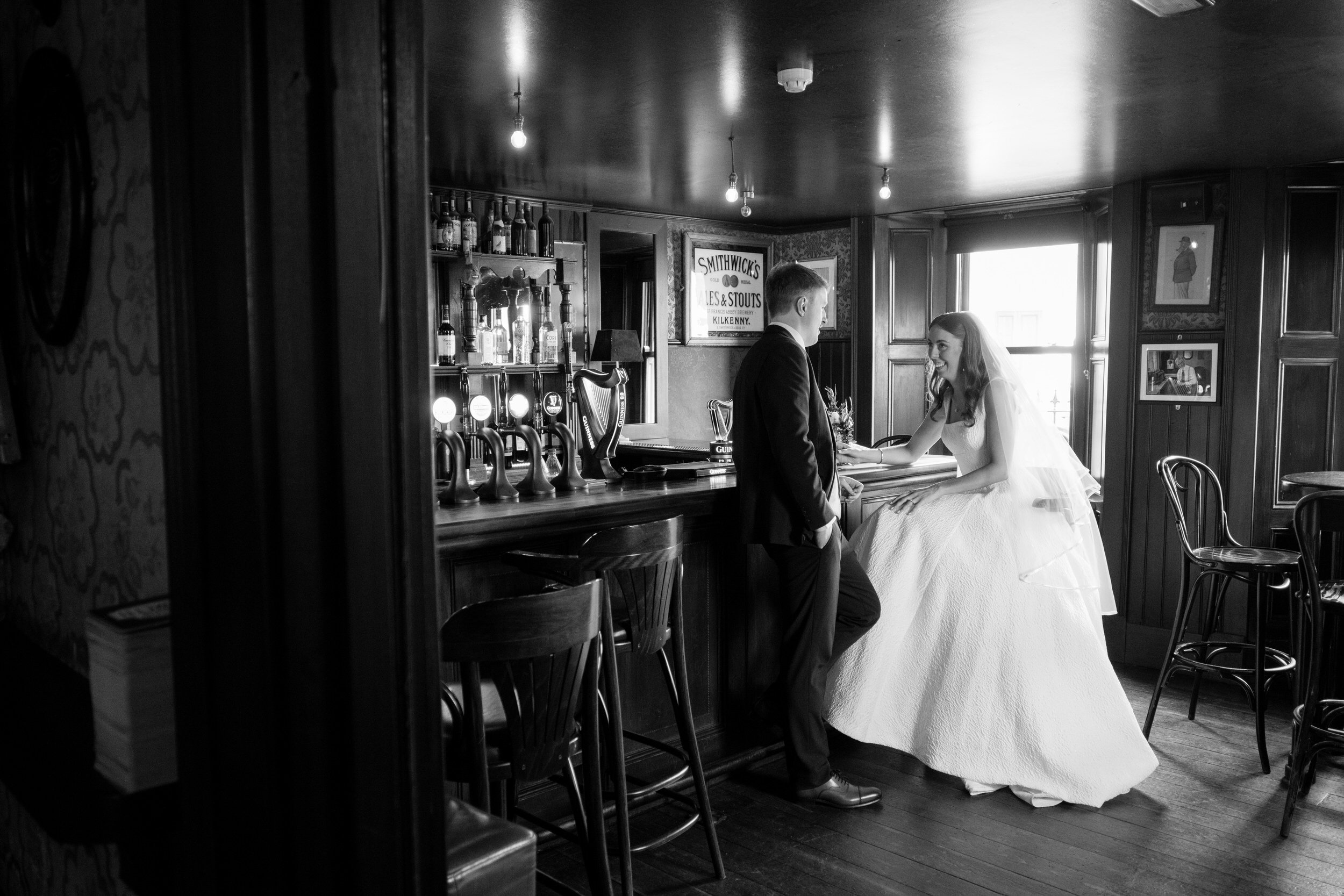
f/2.8 · 1/200 s · ISO 2,000
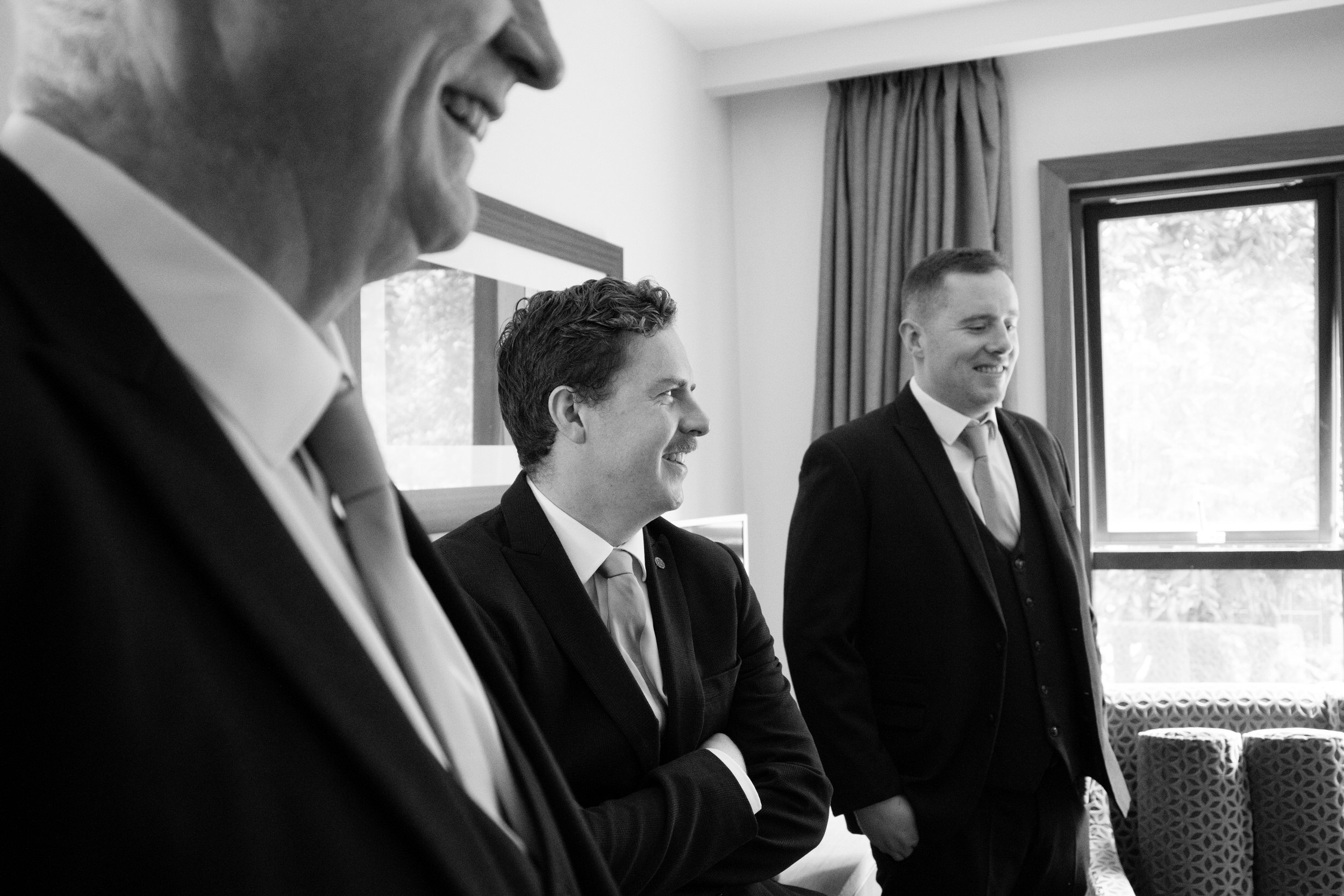
f/2.8 · 1/250 s · ISO 6,400
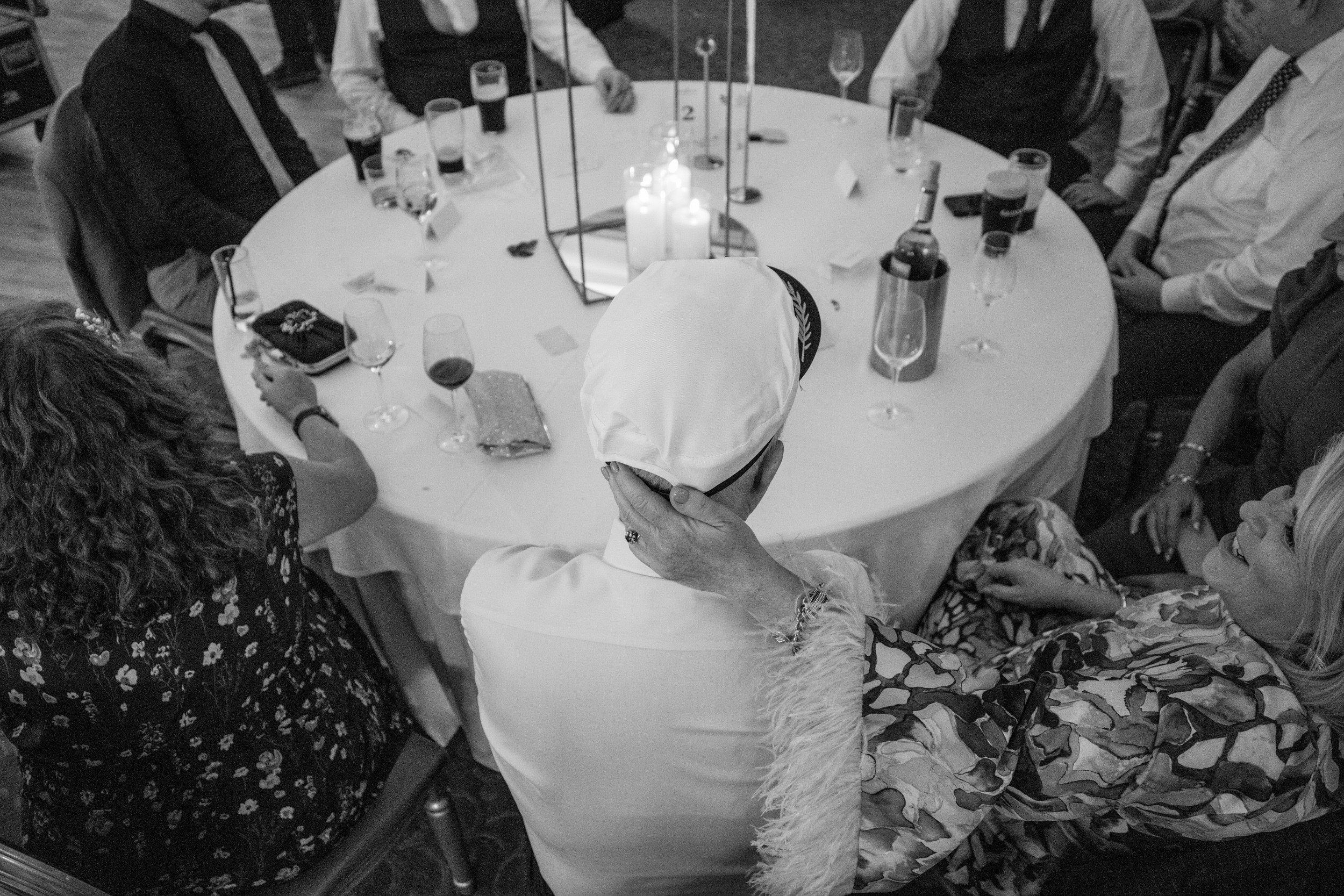
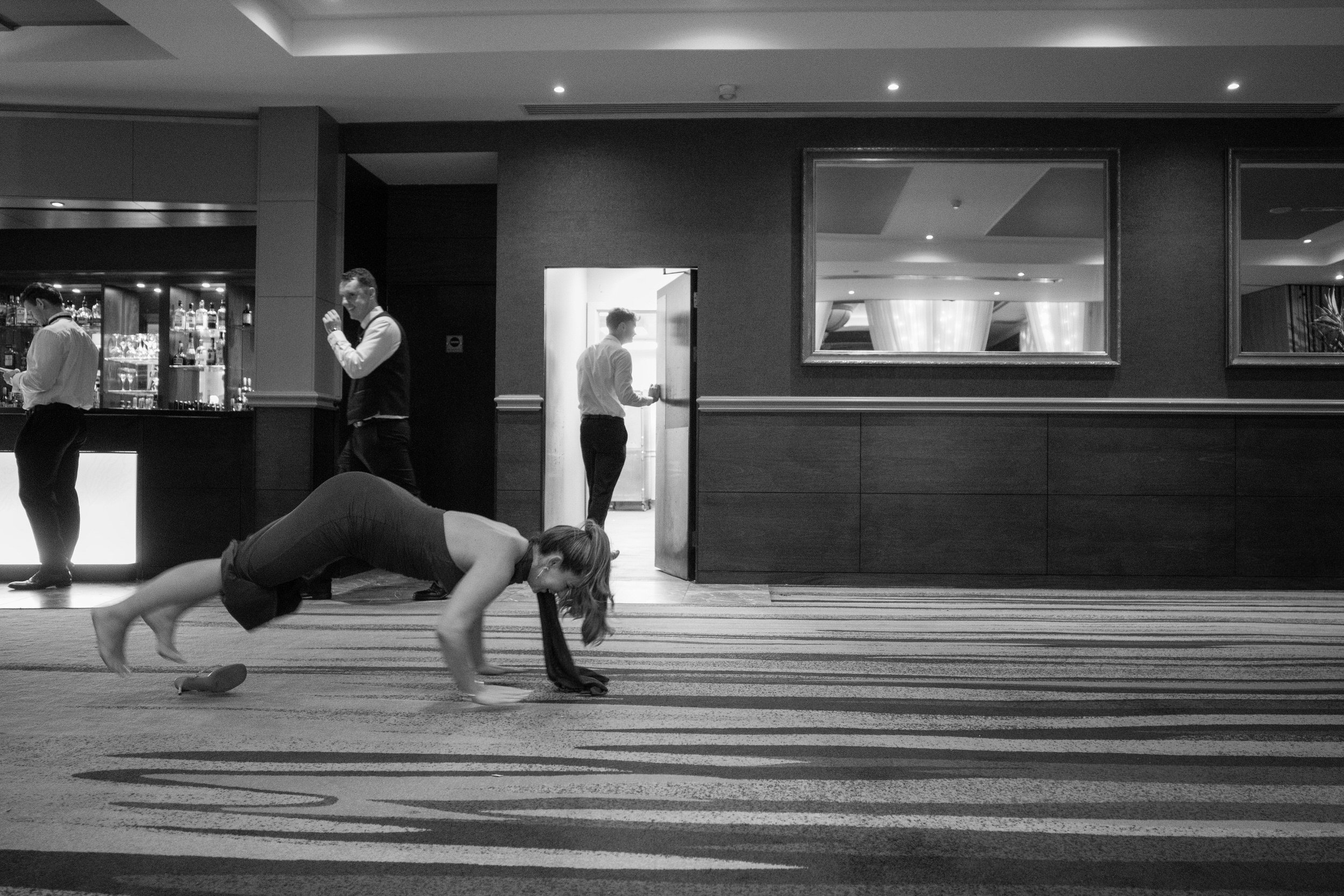
f/2.8 · 1/125 s · ISO 6,400
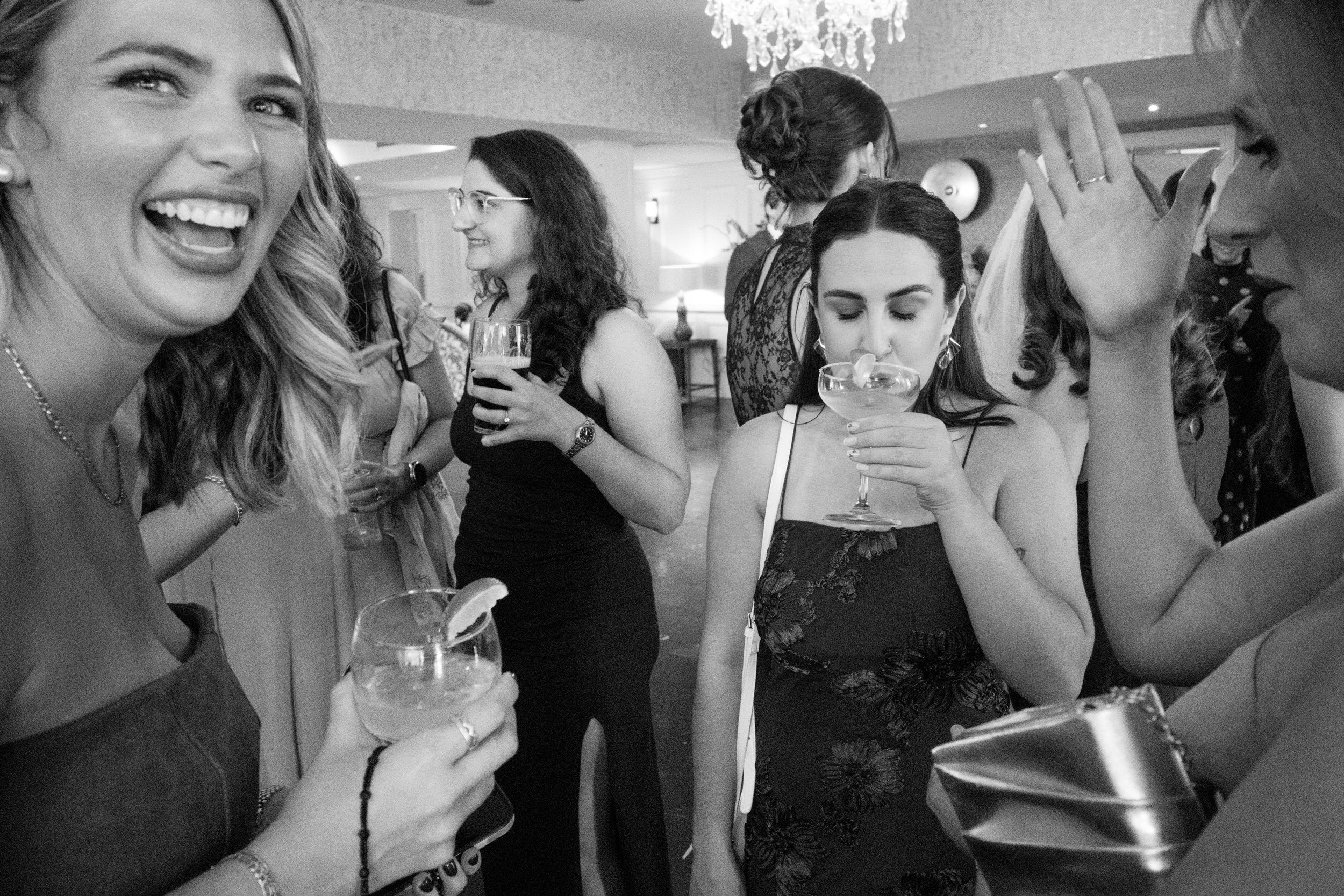
f/5 · 1/200 s · ISO 16,000
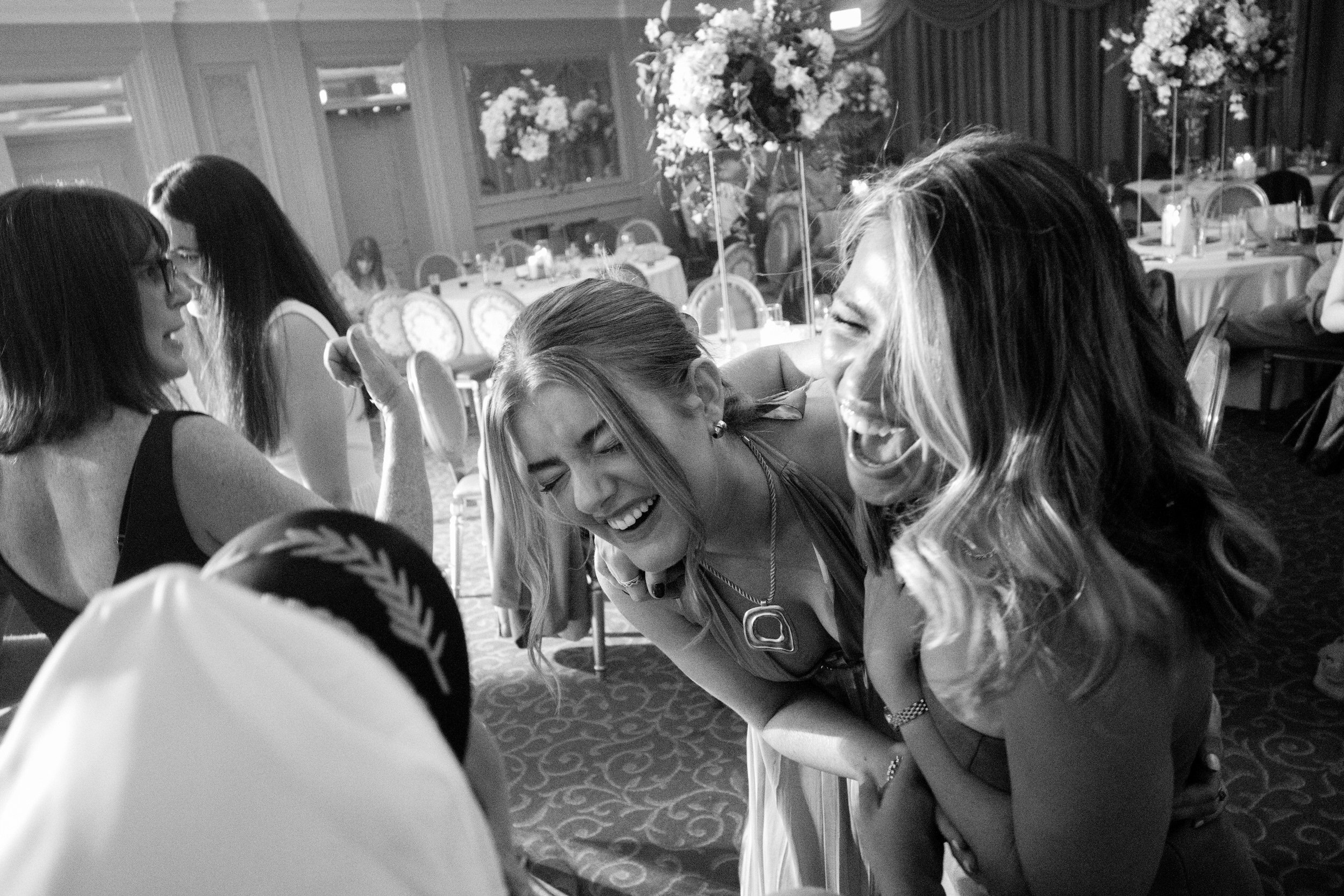
f/4 · 1/160 s · ISO 25,600
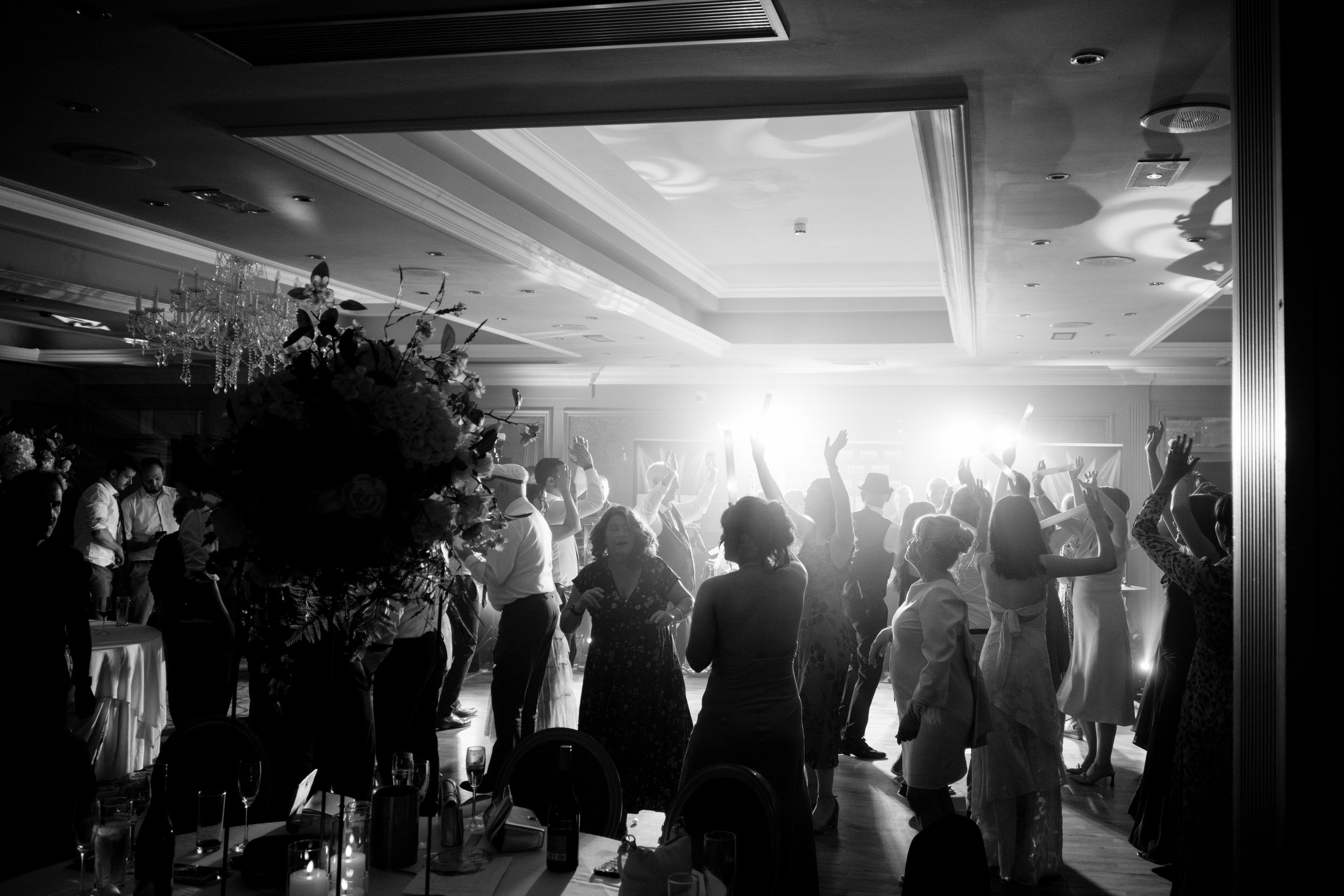
f/2.8 · 1/200 s · ISO 1,000
f/2.8 · 1/250 s · ISO 25,600
f/16 · 1/13 s · ISO 4,000
f/16 · 1/13 s · ISO 4,000
f/16 · 1/15 s · ISO 5,000
Is it worth it?
The Ricoh is expensive. It was within reach for me in a way the Leica Monochrom wasn’t, but it’s still a lot of money to spend on a camera.
The Leica has the more premium build and a viewfinder. The Ricoh’s size is the big advantage for me: it really does fit in a pocket. That matters every time I decide to take it somewhere.
Whether the monochrome version is worth the extra money is a more personal question. I think you need to really love the way it renders black and white, and you need to be happy committing to that. It’s a very particular thing to want from a camera.
I can see myself owning a colour Ricoh as well, but I’d still want to keep this one. The dedicated monochrome camera was what I’d wanted for years, and using it has only made me appreciate that more.
If I lost it, I’d briefly have the conversation with myself about buying a regular GR IV instead. Then I’d buy another Monochrome.
Its best feature is how easy it is to bring everywhere. The thing I’d change is the low-light autofocus. In between those two points are nearly 6,000 photographs, and plenty that I’m very glad I took.
For me, that’s a fairly good answer.
Where I bought mine
I bought my GR IV Monochrome from Bermingham Cameras in Dublin. They carry the Ricoh GR range, so if you’re considering one, they’re well worth a visit. Say hello to Brian and tell him Dave sent you. He’ll know who to blame.
Explore the photographs
Browse a wider selection of 250 below. Click any thumbnail to view it larger.